Achieving a magazine-worthy garden isn’t just about having a “green thumb”—it is about understanding the science of the soil, the rhythm of the seasons, and the subtle tricks that professionals use to keep plants thriving year-round. While most hobbyists focus on the flowers, the experts focus on the foundation.
To help you transform your backyard into a professional-grade landscape, we have gathered fifteen closely guarded secrets from industry experts. These tips range from soil chemistry to advanced pruning techniques that will ensure your garden remains the envy of the neighborhood.
1. Soil Testing
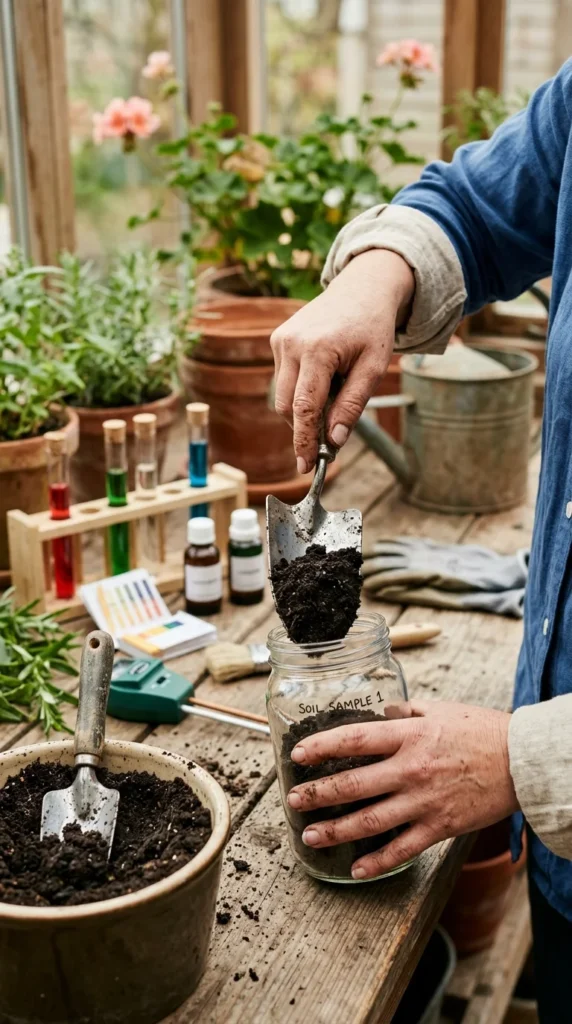
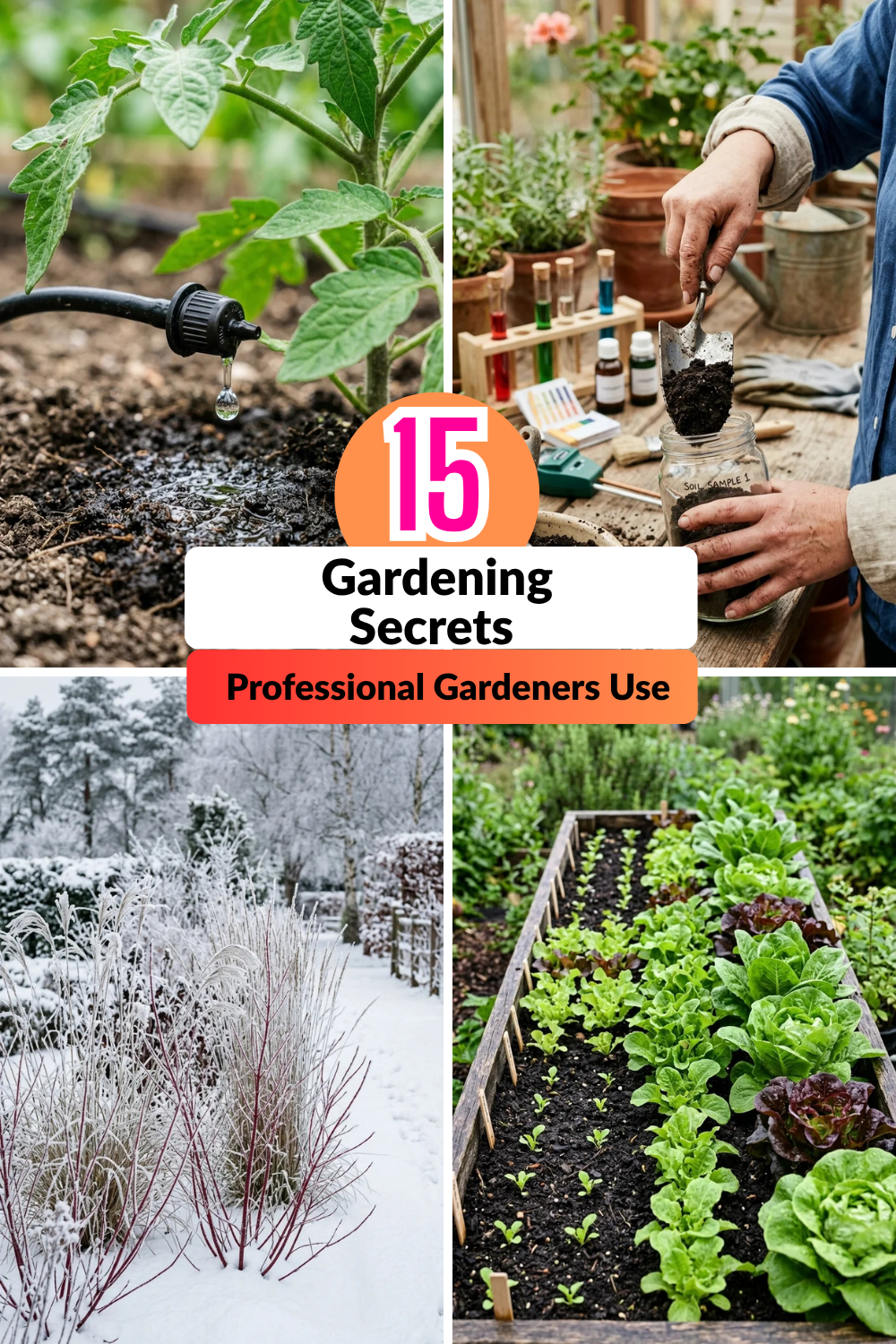
The biggest secret professional gardeners harbor is that they never guess; they test. Before a single seed is planted, a pro will conduct a soil test to determine the pH levels and nutrient content. Most garden plants prefer a slightly acidic to neutral pH (6.0 to 7.0). If your soil is too alkaline or too acidic, your plants cannot absorb nutrients, no matter how much fertilizer you add. By knowing exactly what your soil lacks—be it nitrogen, phosphorus, or potassium—you can amend it precisely, saving money and preventing “fertilizer burn.”
2. Deep Watering
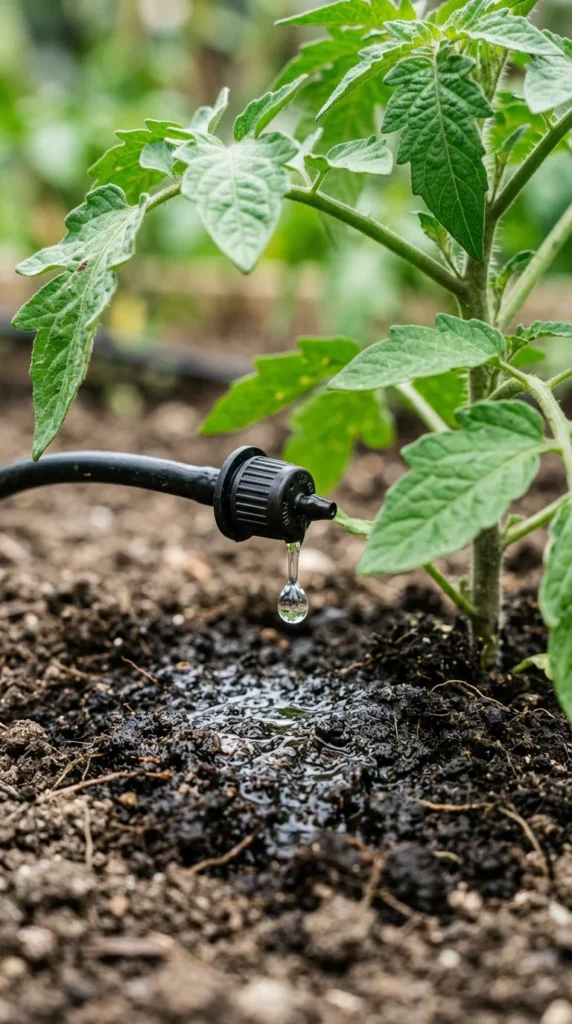
Amateurs often spray the leaves of their plants with a hose for five minutes every day. Professionals know this is a recipe for shallow roots and fungal diseases. The secret is to water deeply and less frequently. By applying water directly to the base of the plant (using drip irrigation or a soaker hose), you encourage roots to grow deep into the earth to find moisture. This makes the plants much more resilient during heatwaves and droughts.
3. Sharp Tools
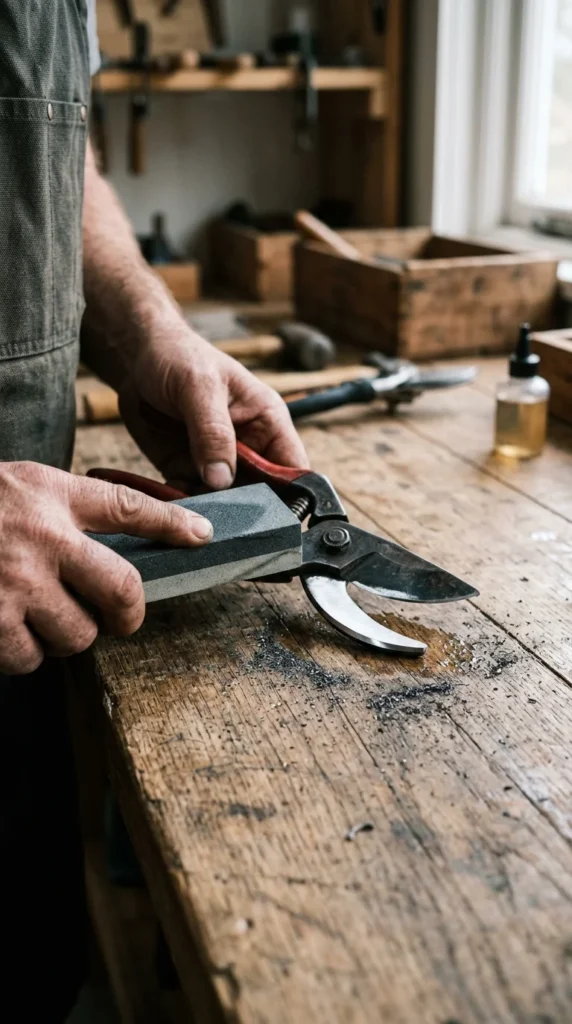
You wouldn’t expect a chef to work with a dull knife, and a professional gardener feels the same about their shears. Dull blades crush the stems of plants rather than cutting them, leaving “ragged” edges that are susceptible to pests and disease. Professionals sharpen their pruners, loppers, and spades at the start of every season and clean them with rubbing alcohol between plants to prevent the spread of soil-borne pathogens.
4. Organic Mulching
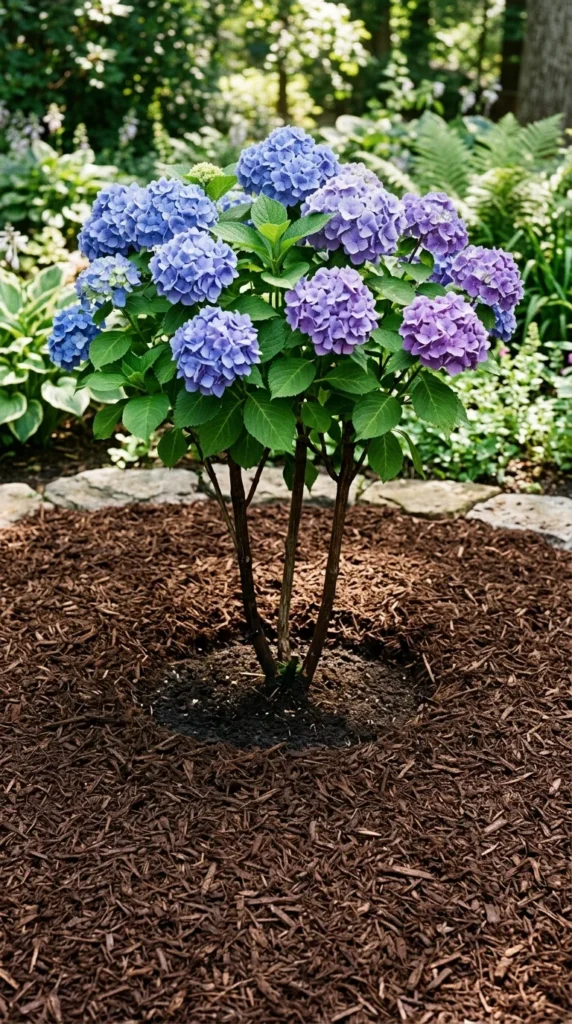
Mulch is the “secret weapon” of any professional landscape. It regulates soil temperature, suppresses weeds, and retains moisture. However, the secret lies in the type and depth. Professionals use organic mulch—like wood chips, straw, or shredded leaves—because as it breaks down, it feeds the soil. They also avoid “mulch volcanoes” (piling mulch against the trunk of a tree), which can cause rot. Instead, they spread it like a donut, keeping the center clear.
5. Companion Planting
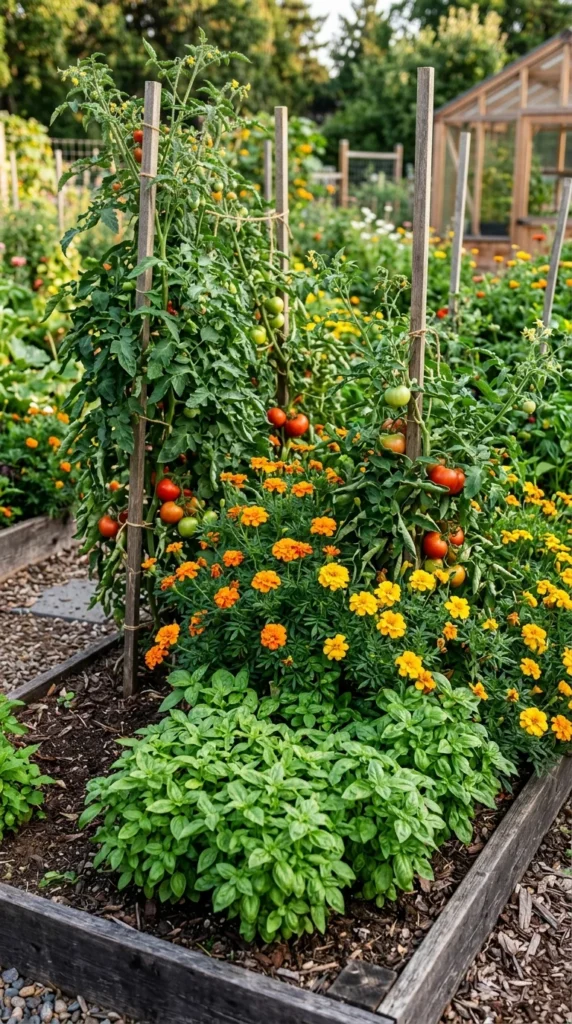
Professional gardeners use nature’s own chemistry to protect their crops. This is known as companion planting. For example, planting marigolds near tomatoes helps deter nematodes and other pests with their scent. Planting tall sunflowers provides a natural trellis for climbing beans. By grouping plants that benefit each other, pros reduce the need for chemical pesticides and maximize their garden’s yield.
6. Successive Sowing
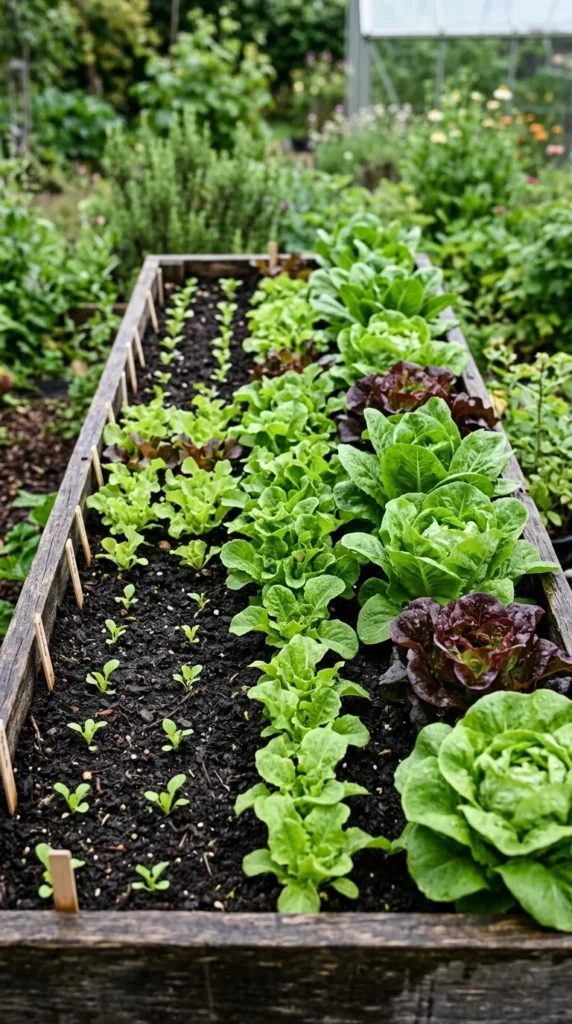
One of the most common mistakes beginners make is planting their entire vegetable garden at once, leading to a massive harvest that goes to waste. Professionals use successive sowing. They plant small batches of seeds every two weeks. This ensures a steady, manageable supply of fresh produce throughout the entire growing season rather than a single overwhelming glut.
7. Native Species
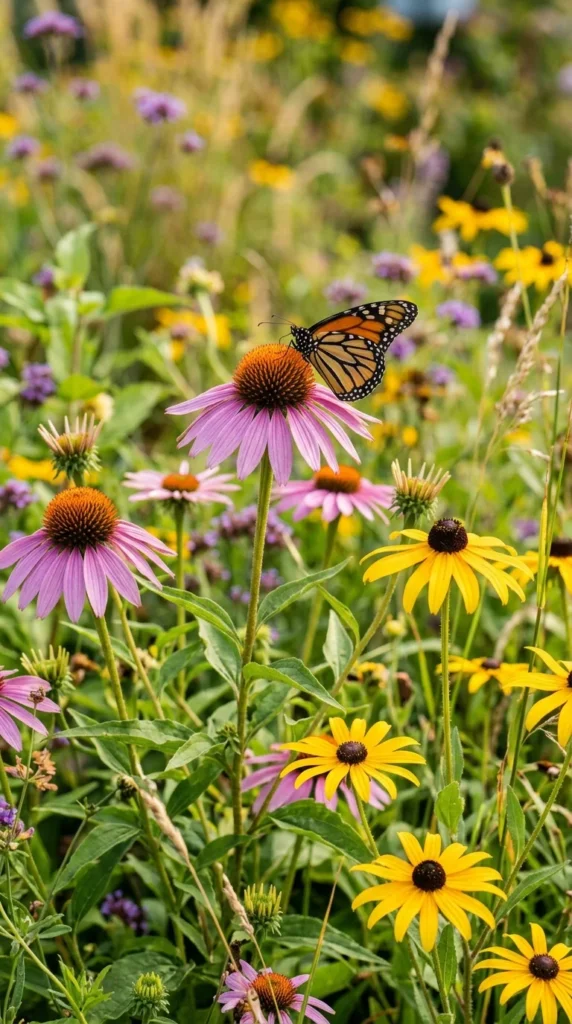
Pro gardeners prioritize native plants because they are evolutionarily adapted to the local climate, soil, and rainfall patterns. Native plants require significantly less water, fertilizer, and maintenance than exotic varieties. They also provide essential habitats for local pollinators like bees and butterflies, which in turn helps the rest of the garden thrive through better pollination.
8. Air Circulation
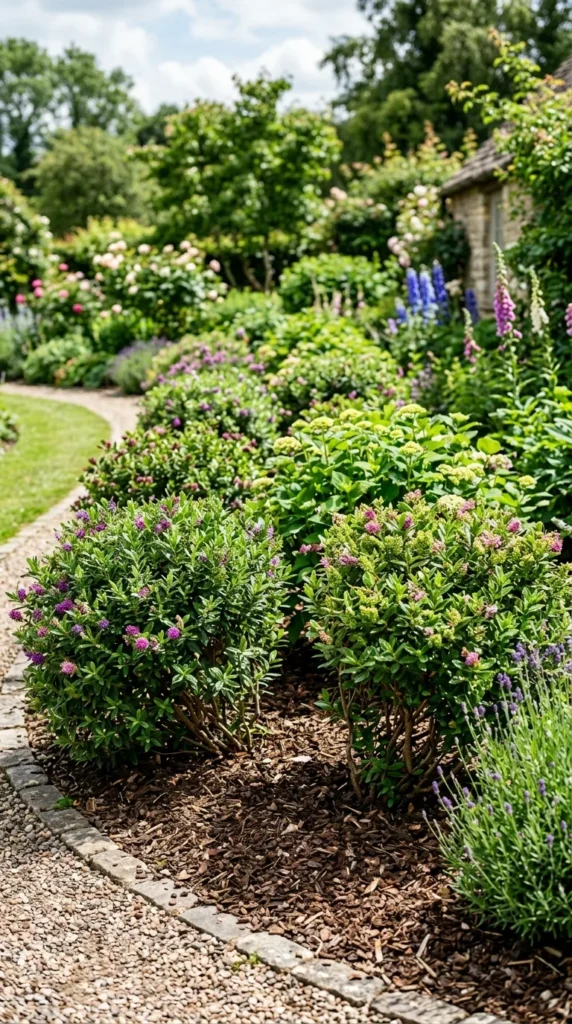
Crowding plants is a tempting way to make a garden look “full” quickly, but it often leads to disaster. Professionals understand the importance of “airborne hygiene.” By spacing plants according to their mature size and pruning out the interior of dense bushes, they ensure that air can flow freely. This prevents the humid, stagnant conditions that allow powdery mildew and other fungal infections to take hold.
9. The “Pinch”
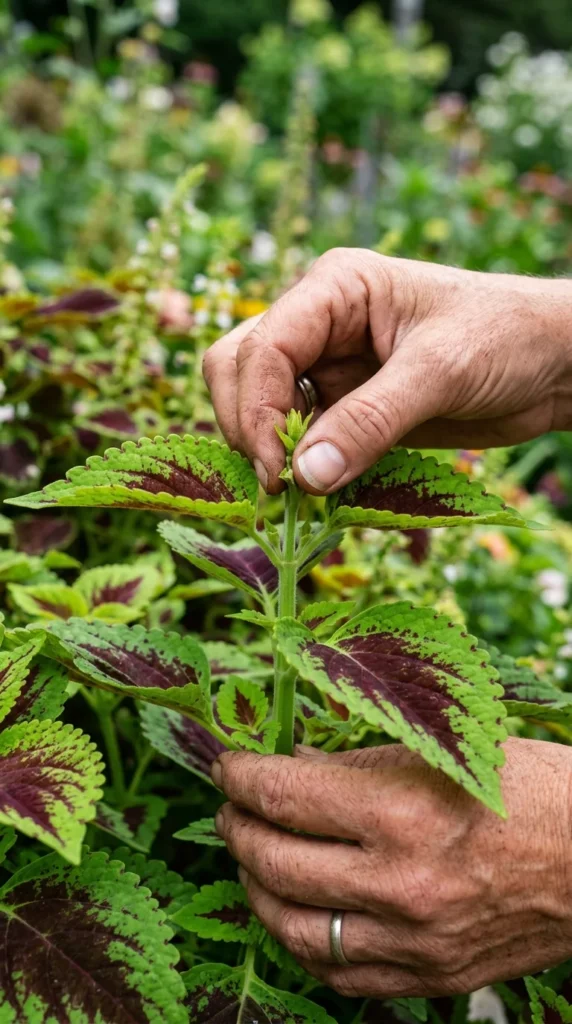
If you want your flowers to be bushy and full of blooms rather than tall and “leggy,” you need to use the “pinch” method. Early in the season, professionals pinch off the growing tips of plants like zinnias, dahlias, and herbs. This signals the plant to stop growing upward and start sending energy to side shoots, resulting in a much more robust and floriferous plant.
10. “Black Gold”
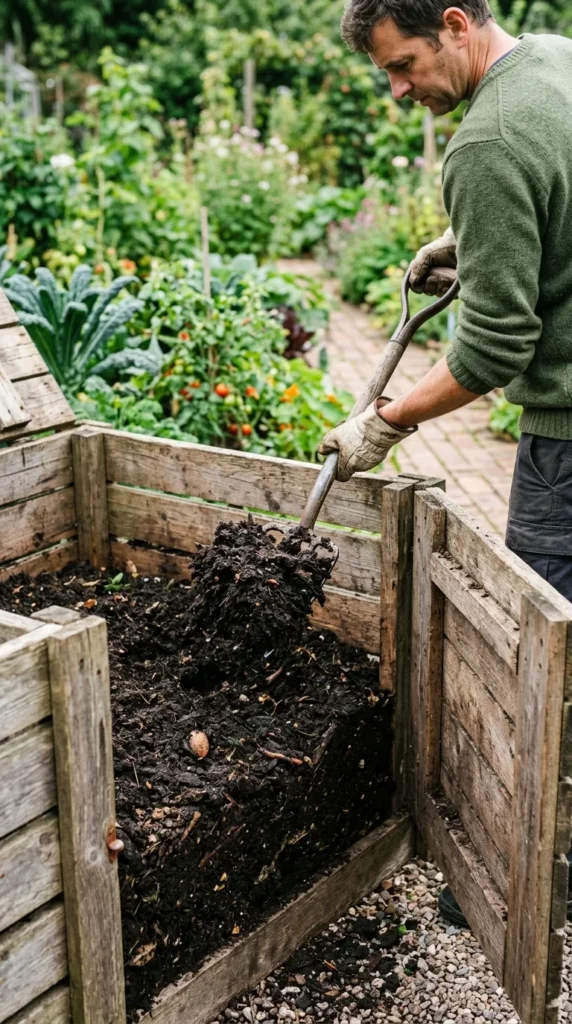
Commercial fertilizers are often a “quick fix” that can degrade soil health over time. Professionals swear by compost, often called “Black Gold.” Whether they make it themselves or source it locally, they top-dress their beds with an inch or two of compost every spring and fall. This adds organic matter, improves soil structure, and introduces beneficial microbes that keep plants healthy from the roots up.
11. Vertical Gardening
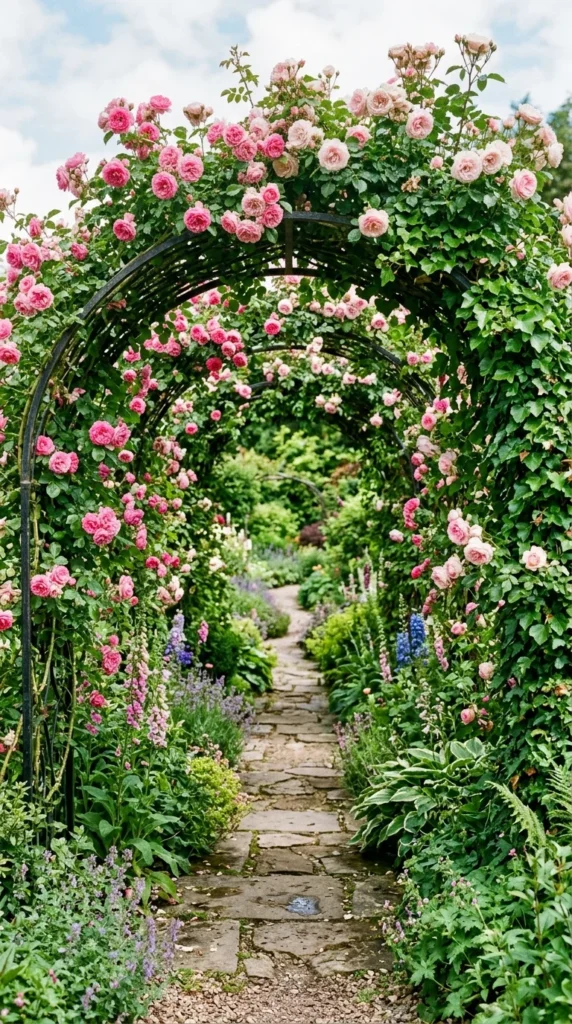
When space is limited, professionals look up. Vertical gardening isn’t just for aesthetics; it increases the surface area for photosynthesis and keeps fruit (like cucumbers or squash) off the ground, where they are prone to rot and pests. Using trellises, obelisks, and cattle panels allows for better organization and makes harvesting significantly easier on the back.
12. Microclimate Awareness
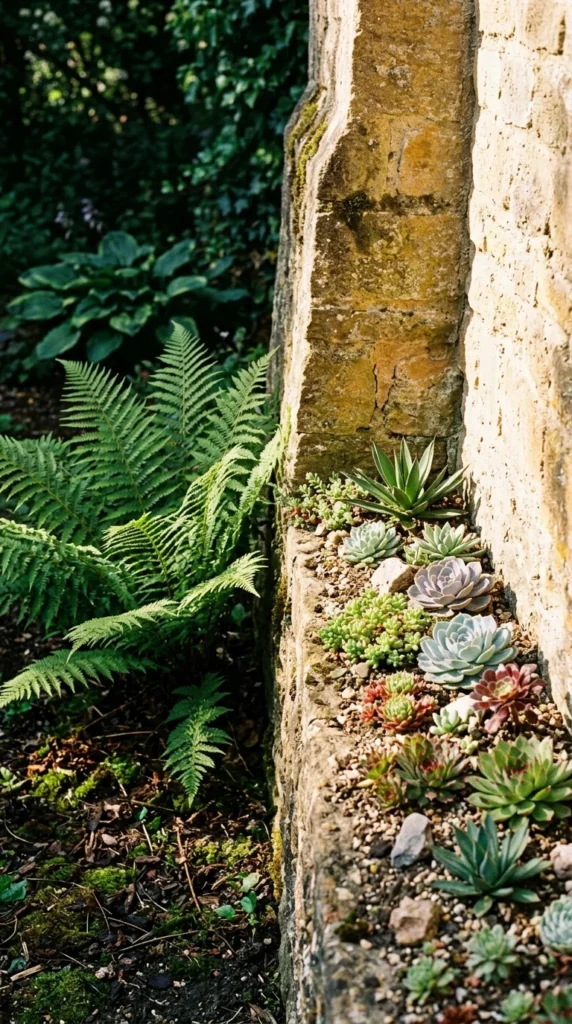
Every yard has “microclimates”—small areas where the temperature, wind, and light differ from the rest of the property. A professional gardener maps these out. They might plant a heat-loving rosemary bush against a south-facing brick wall that radiates heat at night, or place delicate ferns in the “rain shadow” of a large eave. Matching the plant to the specific microclimate of your yard is the key to longevity.
13. Deadheading
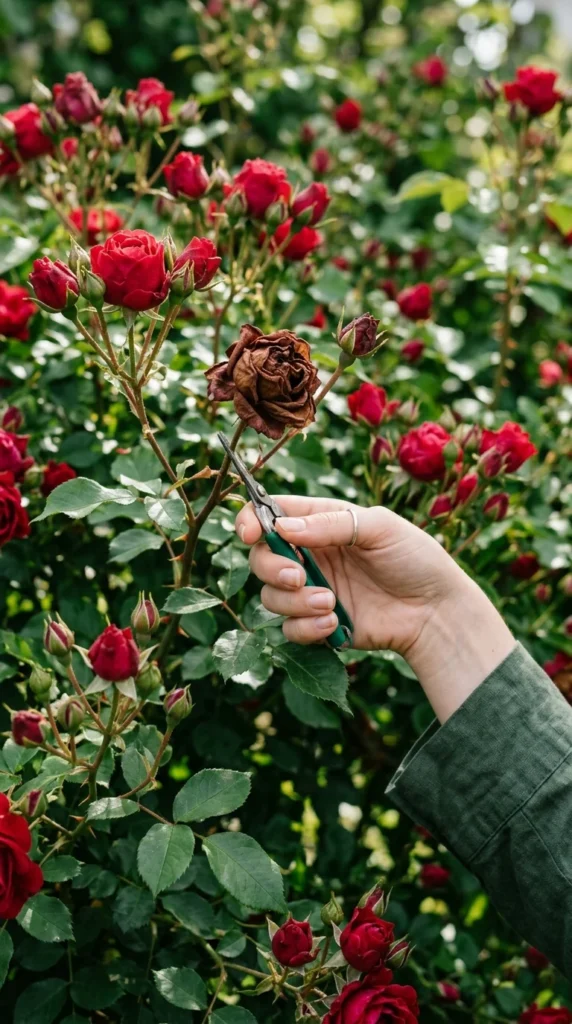
Deadheading is the process of removing faded flowers before they can go to seed. Once a plant produces seeds, it “thinks” its job for the season is done and stops producing blooms. By removing the spent flowers, professionals trick the plant into thinking it still needs to reproduce, which forces it to send out a second (and sometimes third) flush of beautiful blossoms.
14. Edge Definition
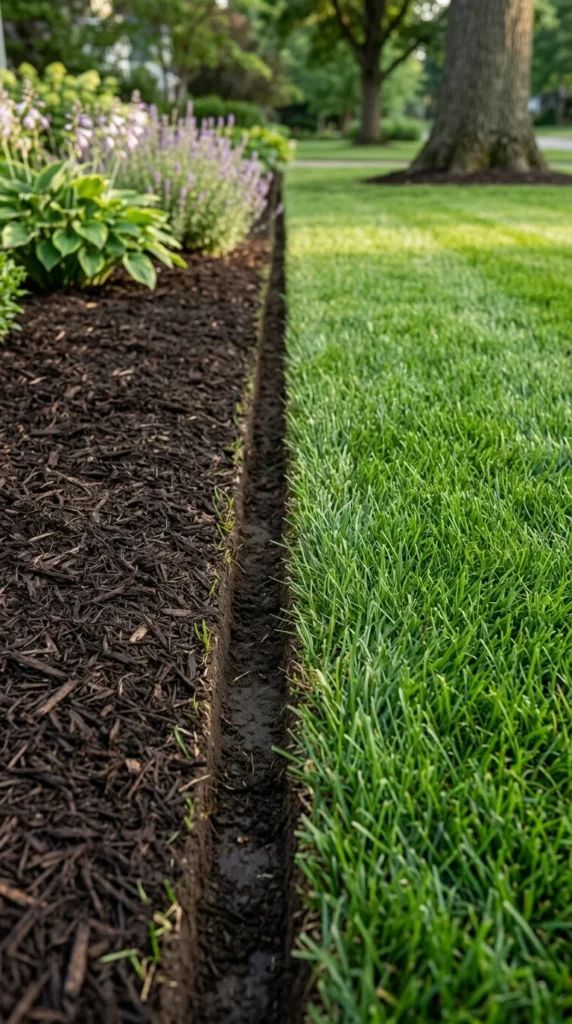
A secret to making any garden look professional instantly is “the edge.” Even a garden full of weeds looks intentional if it has a crisp, clean border. Professionals use a half-moon edger or a spade to cut a sharp line between the lawn and the garden beds. This creates a visual “frame” for the plants and prevents grass from creeping into the soil.
15. Winter Interest
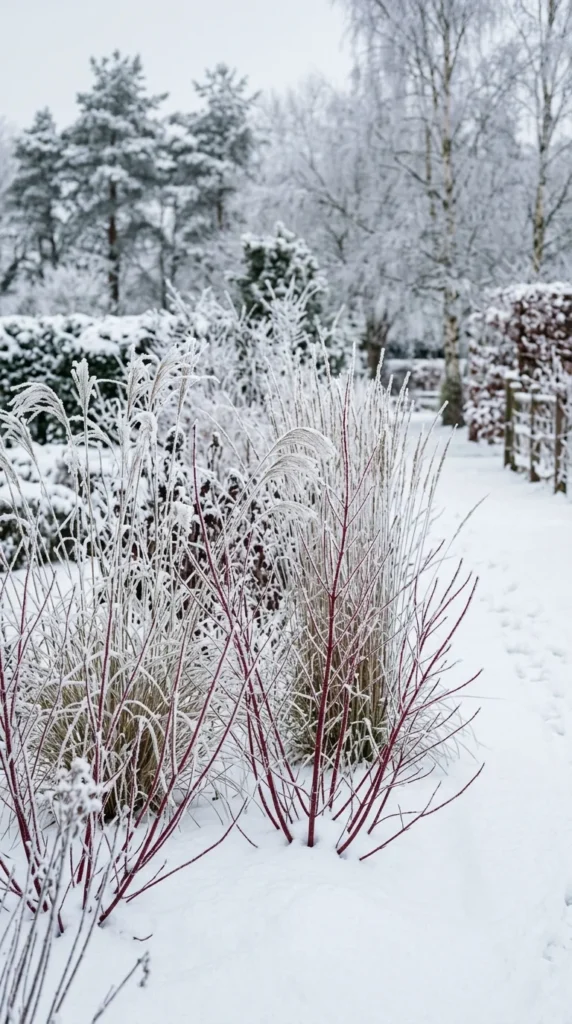
A true professional designs a garden for 12 months, not just three. They choose plants that provide “winter interest”—shrubs with colorful bark (like Red-Twig Dogwood), evergreens for structure, and ornamental grasses that hold their shape under a layer of snow. By planning for the “off-season,” they ensure the landscape remains beautiful and provides a sanctuary for birds even in the dead of winter.