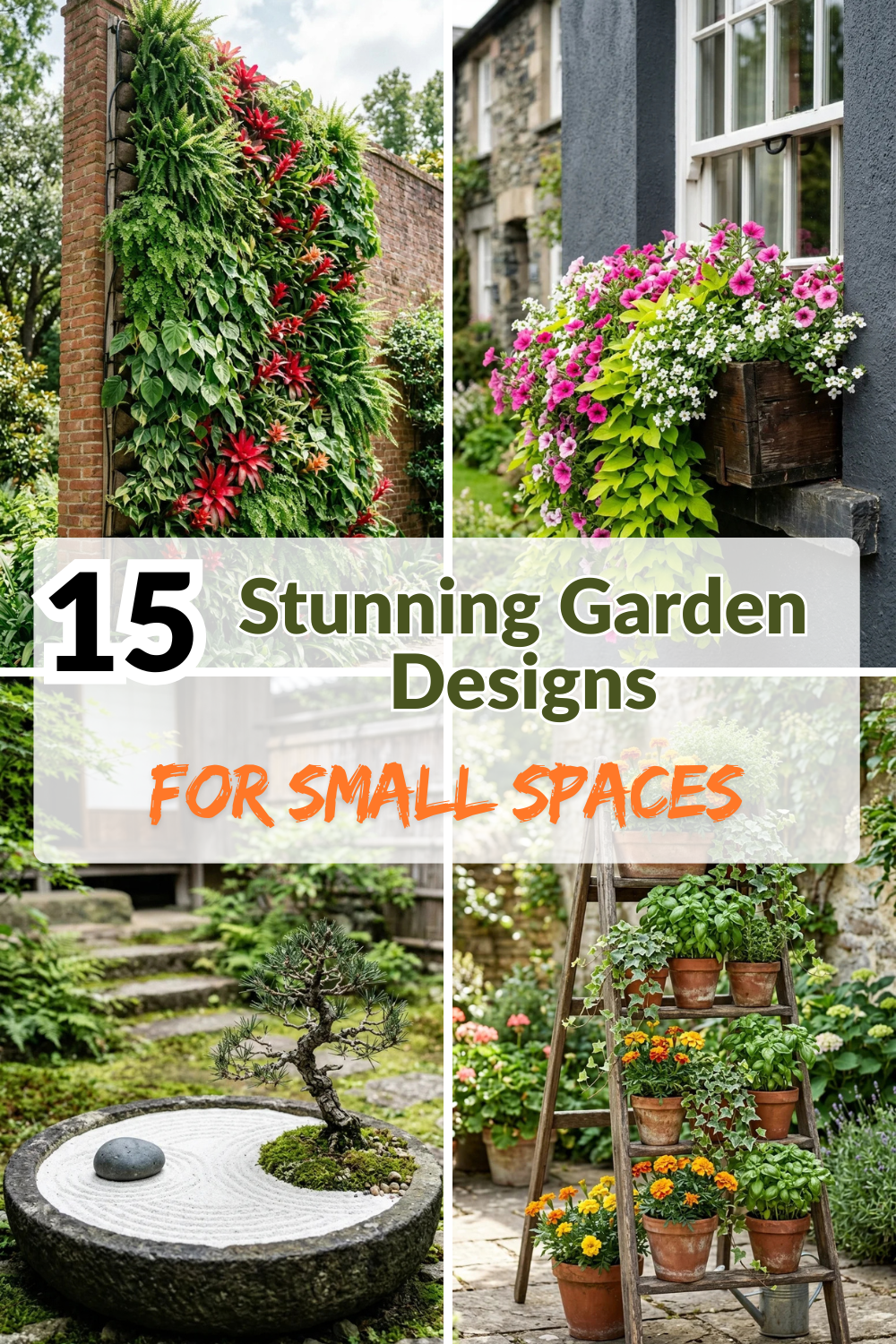
Living in a city or a compact home doesn’t mean you have to sacrifice the joy of gardening. In fact, small-space gardening is one of the most creative and rewarding design challenges a homeowner can face. With the right techniques, a tiny balcony, a narrow side yard, or even a sunny windowsill can be transformed into a verdant sanctuary.
The secret to mastering a small garden lies in thinking vertically, choosing multi-functional elements, and utilizing every square inch with intention. Whether you are looking to grow your own organic herbs or simply want a peaceful spot to enjoy your morning coffee, these fifteen design ideas will prove that size is never a barrier to beauty.
1. Vertical Greens
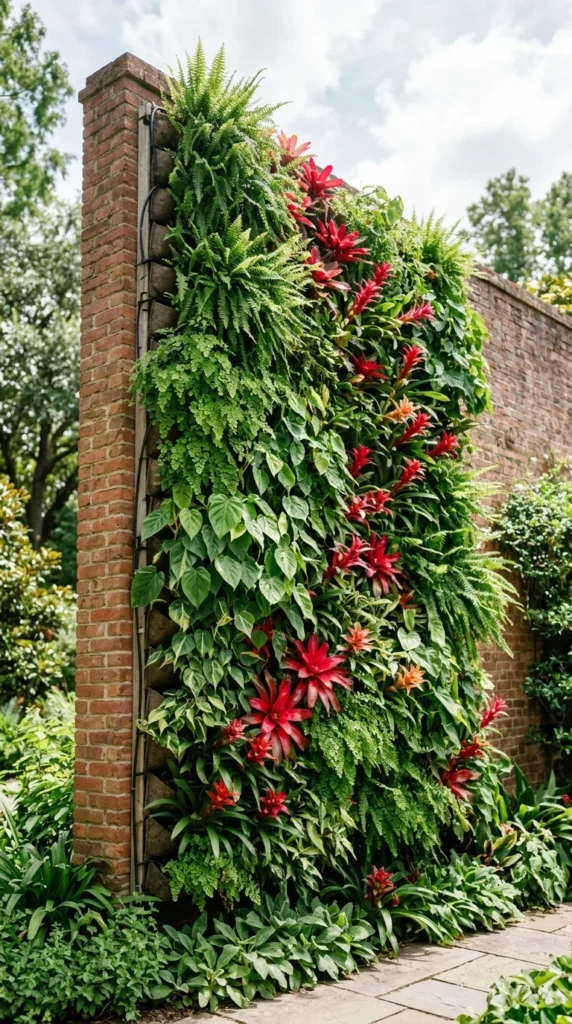
When floor space is at a premium, the only way to go is up. Vertical gardens, often called “living walls,” are the gold standard for small-space design. By using modular wall planters or felt pocket systems, you can turn a bare fence or brick wall into a tapestry of texture and color. This approach not only maximizes your planting area but also acts as natural insulation and a stunning focal point that draws the eye upward, making the space feel larger than it is.
2. Tiered Planters
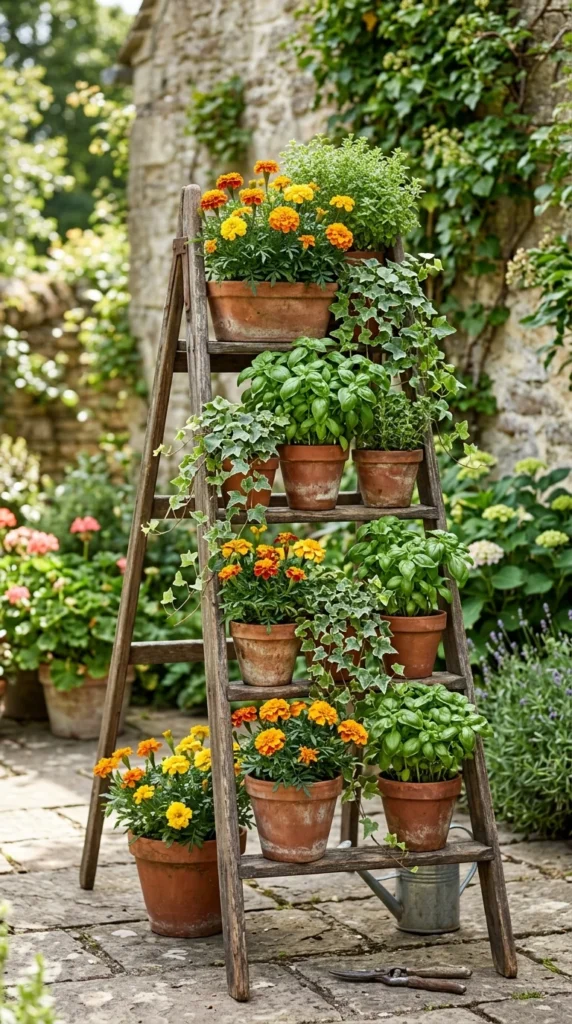
Tiered planters are perfect for creating depth and variety in a compact area. Using a ladder-style shelf or a stepped plant stand allows you to display a collection of different species without cluttering the ground. This setup is particularly effective for sun-loving plants, as the tiered structure ensures that those at the bottom aren’t completely shaded by those at the top. It’s an organized, stylish way to house a mini-botanical collection.
3. Hanging Herbs
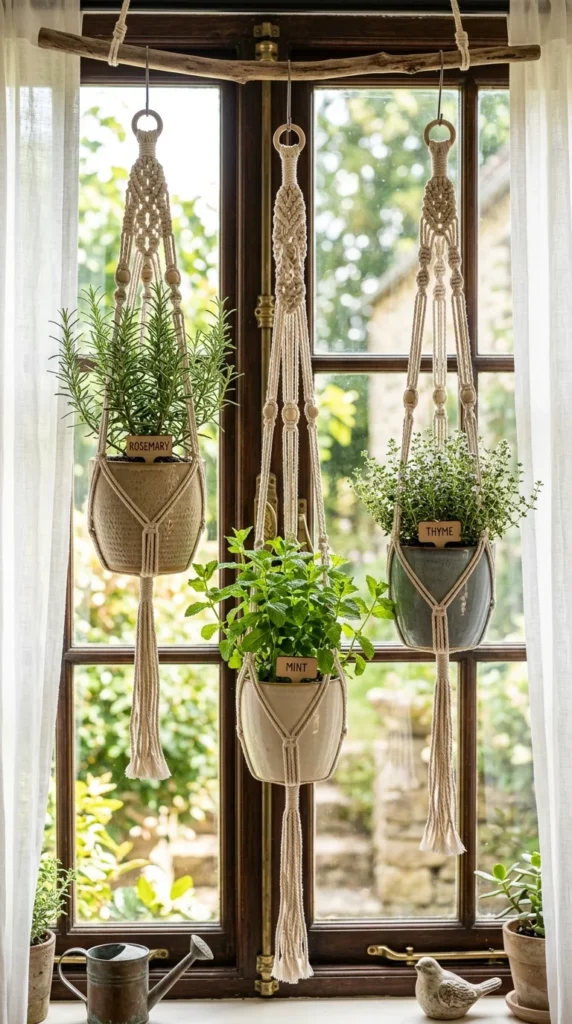
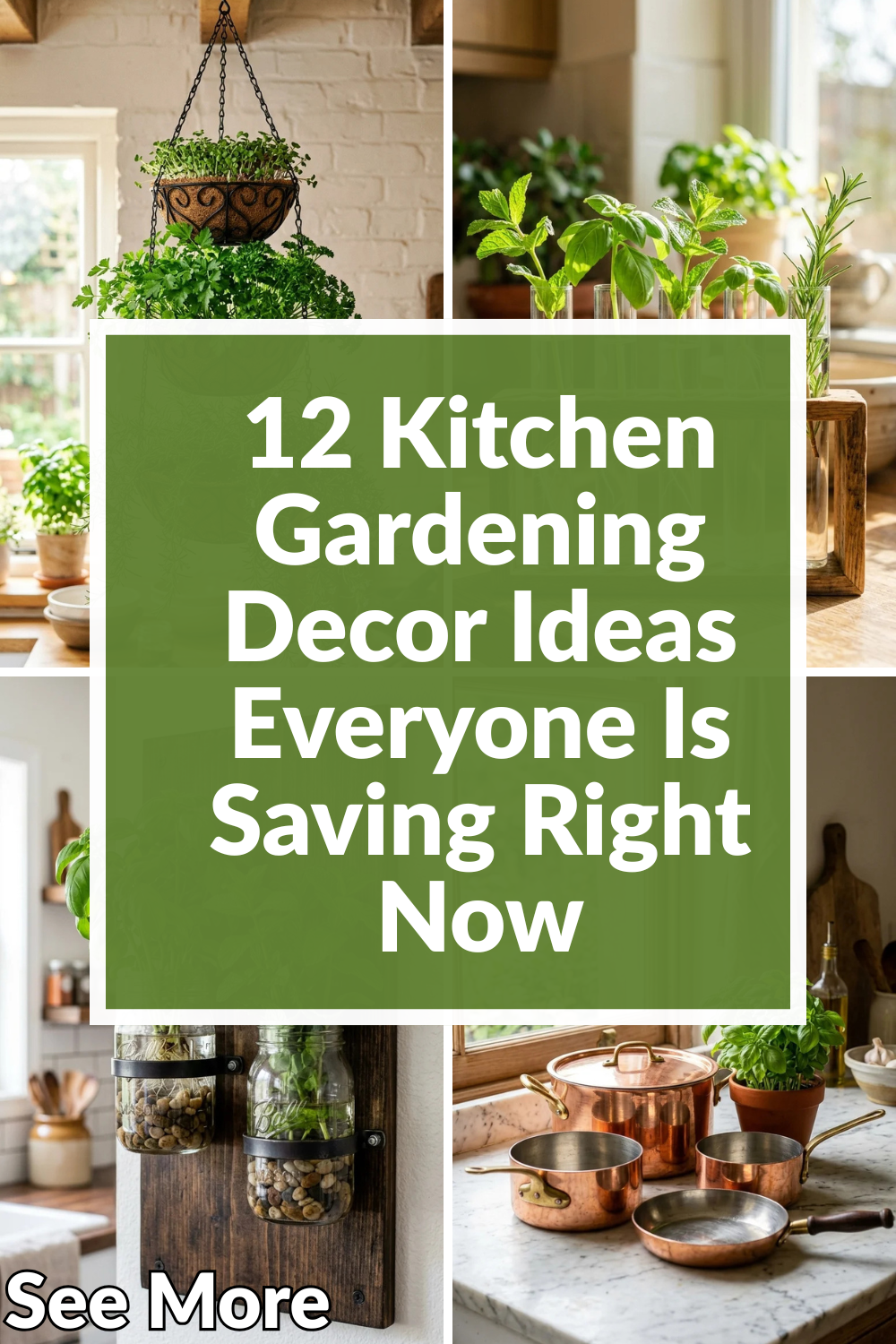
If you lack a traditional backyard, your kitchen window or balcony ceiling can become a productive herb garden. Hanging planters free up valuable surface area on tables and railings. Using macrame holders or sleek metal hooks, you can grow culinary essentials like parsley, cilantro, and mint right where you need them. The sight of trailing greenery at eye level adds a soft, ethereal quality to any small outdoor or indoor nook.
4. Mirror Illusions
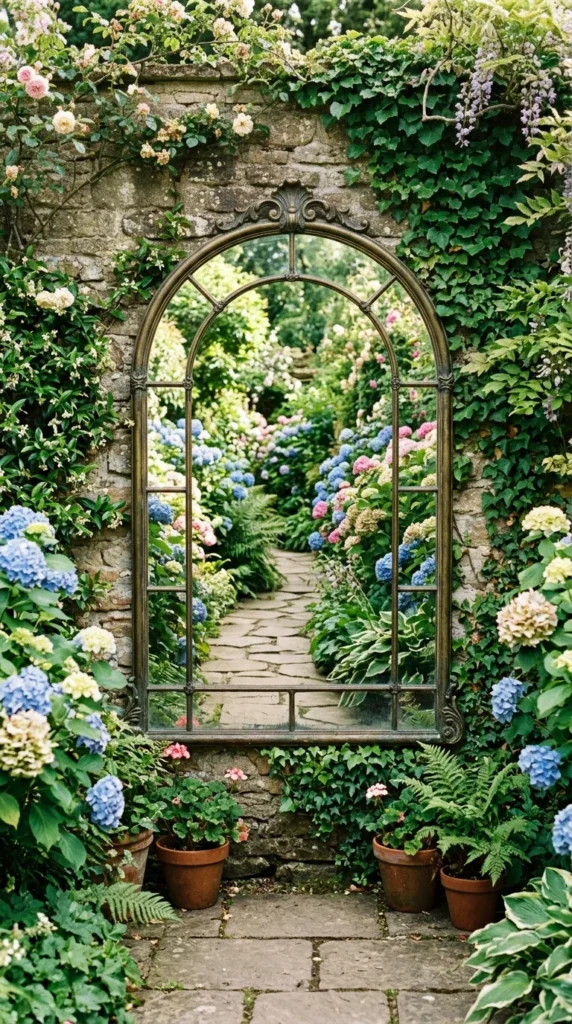
Mirrors are a classic interior design trick that works wonders outdoors as well. Placing a large, weather-treated mirror on a boundary wall can instantly double the perceived size of your garden. When positioned correctly, it reflects light into darker corners and creates the illusion of a gateway leading into another part of the garden. Frame the mirror with climbing vines like jasmine or clematis to blend it seamlessly into the foliage.
5. Miniature Zen
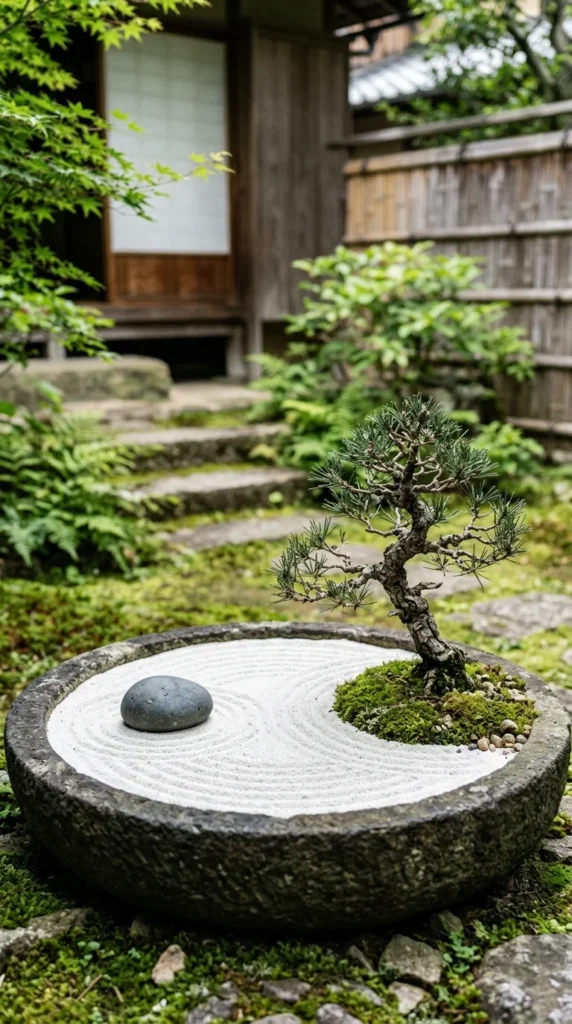
You don’t need an acre to achieve peace and tranquility. A Zen-inspired miniature garden focuses on simplicity and mindfulness. Using a combination of fine gravel, moss, and a single statement plant like a Japanese Maple or a Bonsai, you can create a meditative space in the smallest of courtyards. This design style relies on “negative space,” which prevents a small area from feeling overcrowded or chaotic.
6. Foldable Furniture
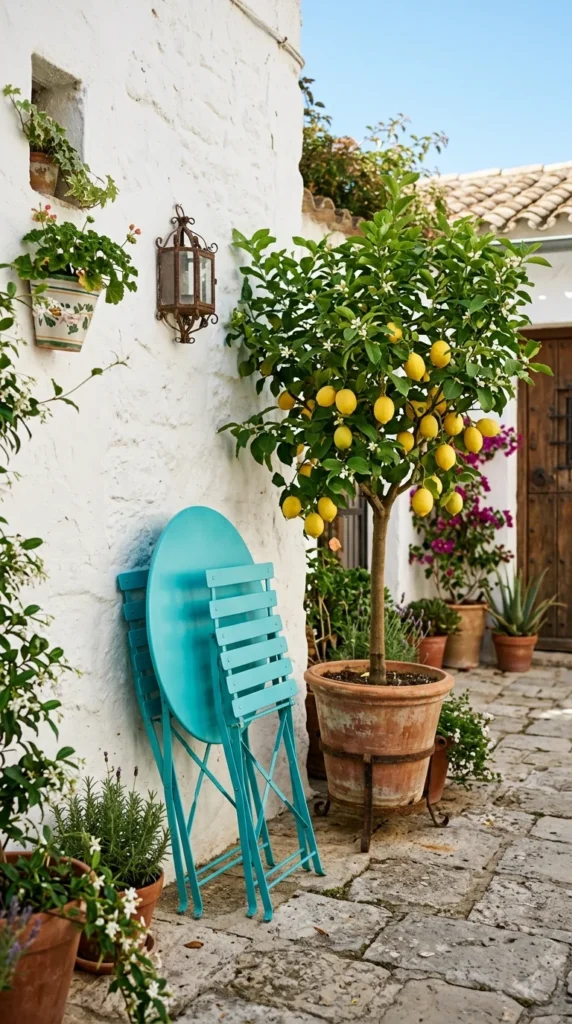
Functionality is key when every inch counts. Instead of bulky outdoor sofas, opt for high-quality foldable bistro sets. These allow you to enjoy an alfresco meal when desired and can be tucked away or hung on wall hooks when you need space for repotting or yoga. Choosing furniture with slim profiles and open frames prevents the space from looking visually “heavy,” maintaining an airy and open atmosphere.
7. Potted Pathways
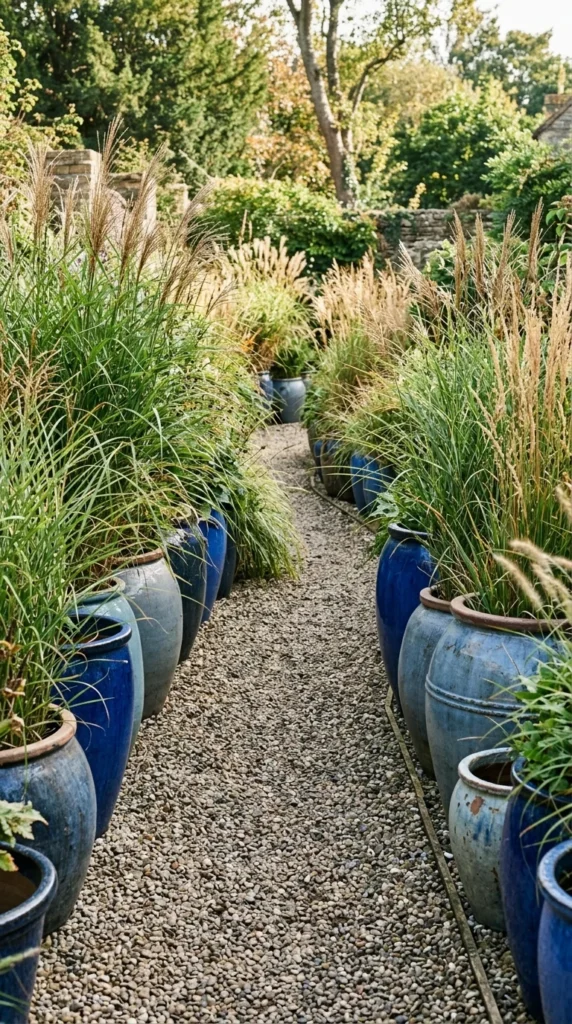
In a narrow side garden, traditional flower beds can take up too much width. Instead, use “potted pathways.” By lining a walkway with large, uniform containers, you create a structured look that is easy to maintain. The beauty of this design is its flexibility; you can swap out plants according to the season or move the pots entirely if you need to transport large items through the passage.
8. Trellis Walls
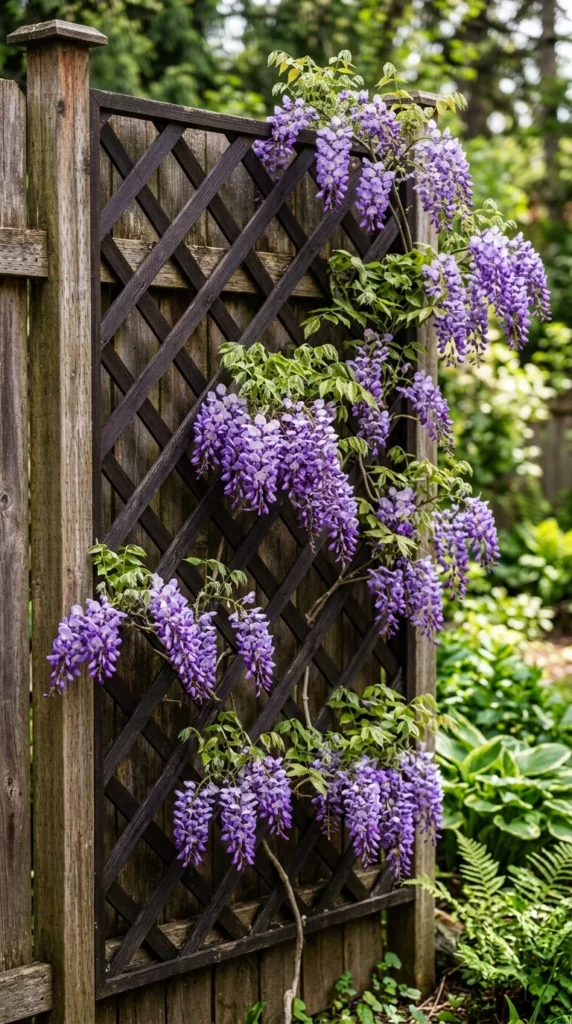
A trellis is a fantastic tool for creating “green privacy” without the need for thick, space-consuming hedges. By training climbing roses, honeysuckle, or ivy onto a trellis, you create a thin but dense screen of foliage. This is ideal for balconies or small patios overlooked by neighbors. The vertical structure adds architectural interest and provides a wonderful scent if you choose flowering climbers.
9. Window Boxes
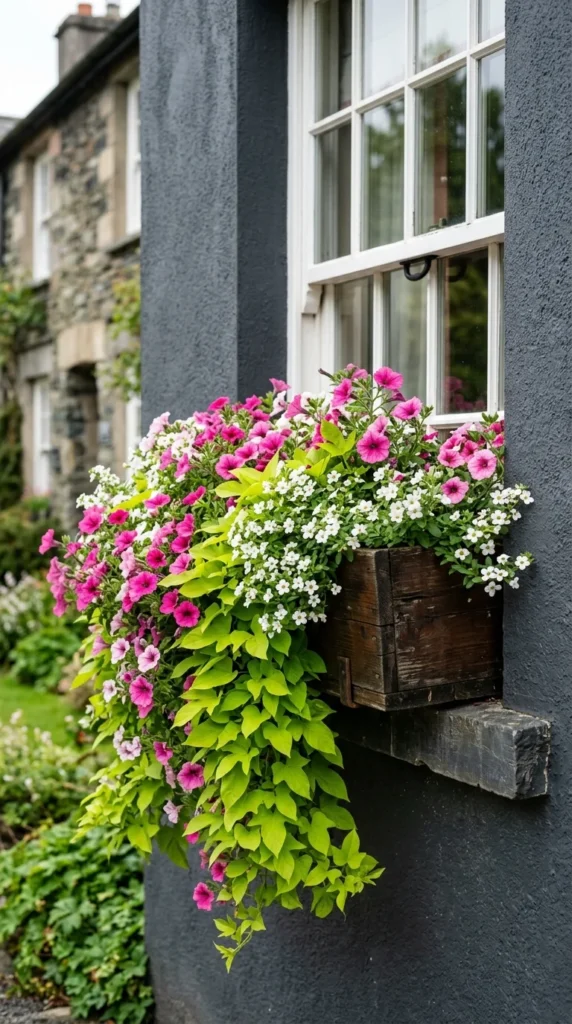
Window boxes are the ultimate solution for those with zero outdoor ground space. They bring the garden directly to your viewpoint from inside the home. To make a statement, follow the “thriller, filler, spiller” rule: choose one tall, eye-catching plant (thriller), several mounding plants to fill the space (filler), and trailing plants to cascade over the edge (spiller). This creates a professional, lush look in a very confined area.
10. Corner Rockeries
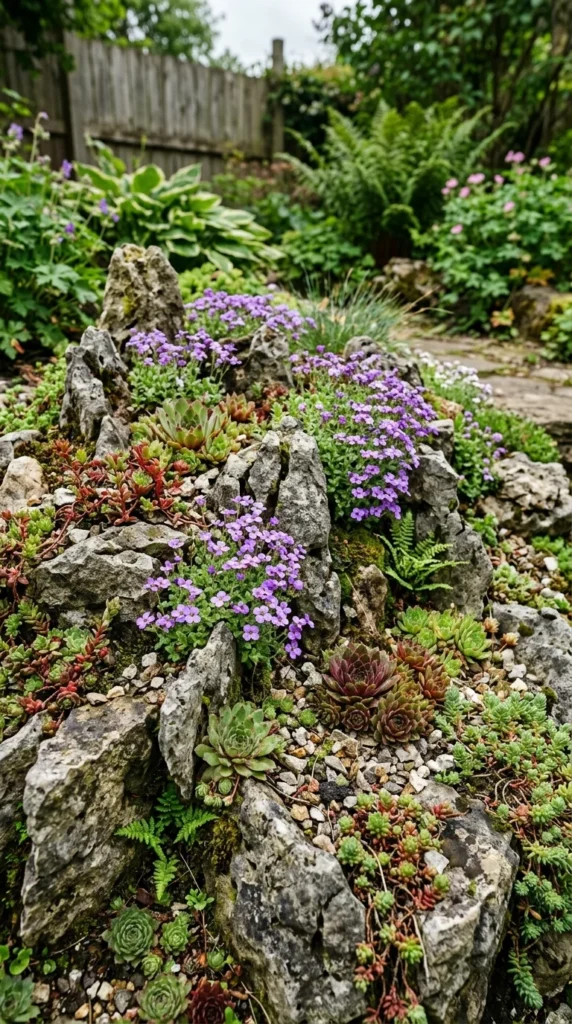
Often, the corners of a small yard are left unused. A corner rockery utilizes these awkward angles to create a rugged, naturalistic feature. By stacking stones of various sizes and planting low-maintenance alpines or succulents in the crevices, you add texture and height. Rockeries are incredibly hardy and require very little water, making them an excellent choice for busy urban gardeners.
11. Floating Shelves
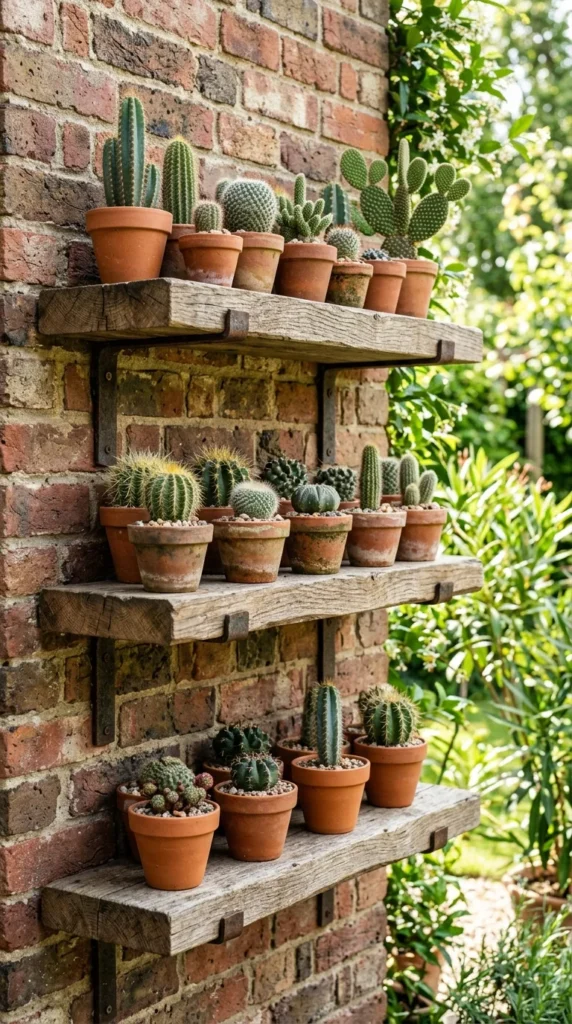
If you have a sturdy wall, floating shelves can transform it into a gallery of plants. This is an excellent way to display smaller specimens that might get lost in a larger garden, such as rare succulents or colorful pansies. Using natural wood or industrial metal for the shelves adds an extra layer of design style, allowing you to match the garden’s aesthetic to your home’s exterior.
12. Succulent Frames
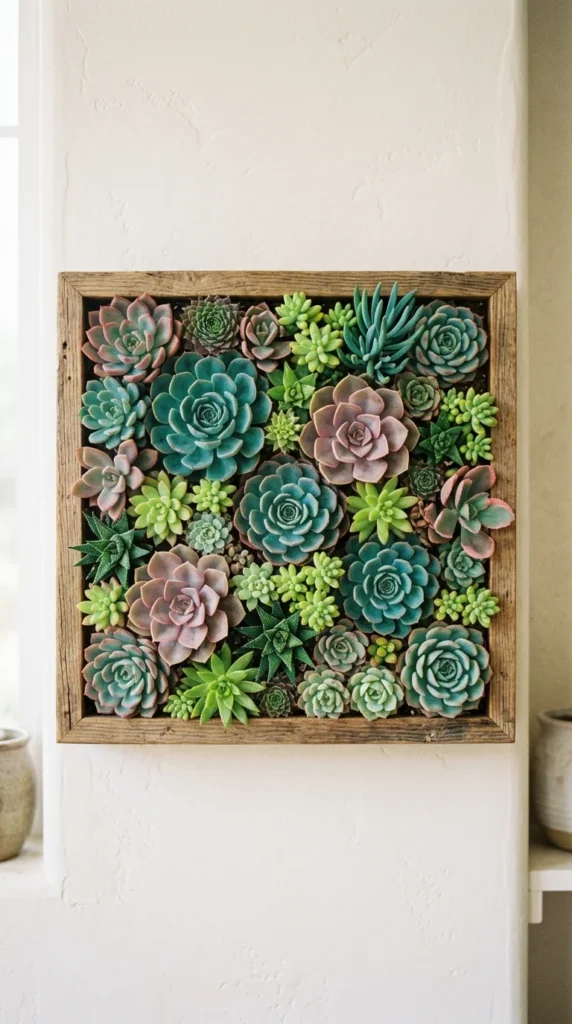
Living art is a growing trend for small spaces. A succulent frame is essentially a shallow planter box with a wire mesh front that allows you to “paint” with plants. Because succulents have shallow root systems and require minimal water, they can thrive in this vertical orientation for long periods. It’s a space-saving masterpiece that doubles as a conversation starter for any outdoor seating area.
13. Raised Beds
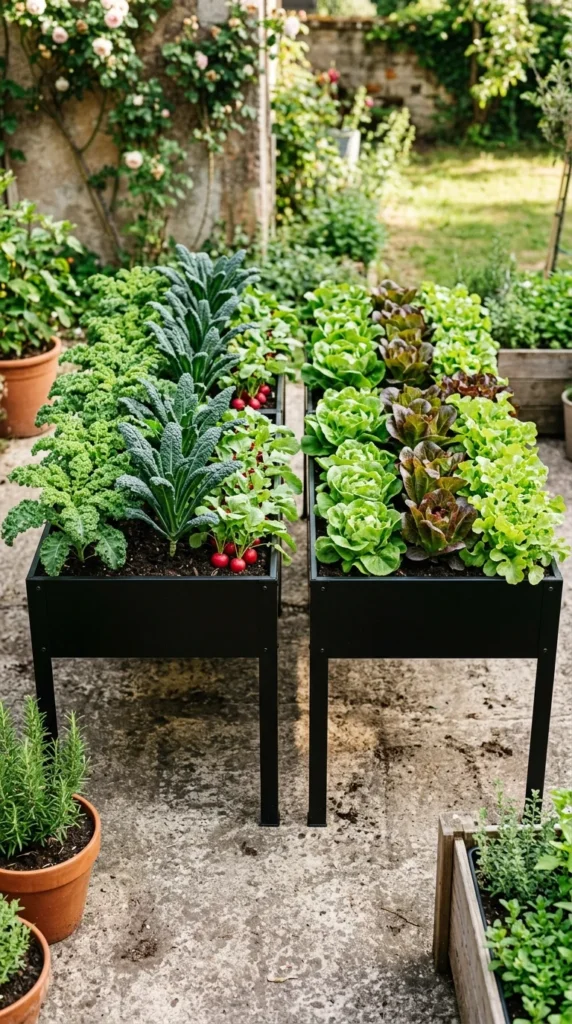
Raised beds are usually associated with large vegetable patches, but slim, elevated versions are perfect for small patios. These “table-top” gardens make gardening accessible by eliminating the need to bend down and keep the soil contained and tidy. They are ideal for growing a “salad garden”—a compact mix of leafy greens, radishes, and herbs that provide a continuous harvest in a tiny footprint.
14. Water Features
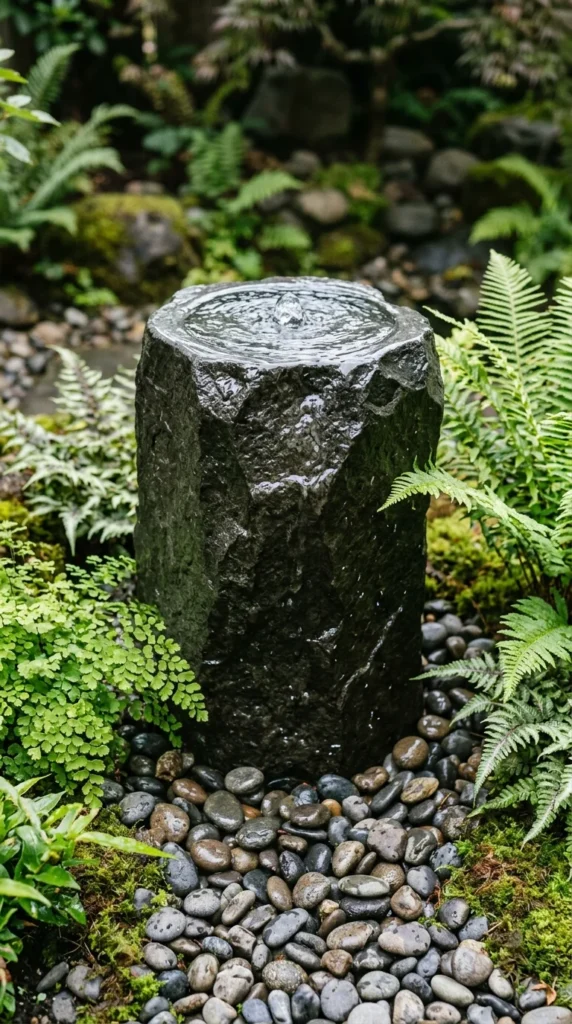
The sound of running water can mask city noise and create a sense of serenity. In a small space, you don’t need a pond; a self-contained “plug-and-play” water feature is sufficient. A wall-mounted fountain or a small bubbling stone bowl takes up very little room but adds a dynamic element to the garden. Water also attracts birds and butterflies, bringing a touch of wildlife to your urban retreat.
15. Urban Courtyards
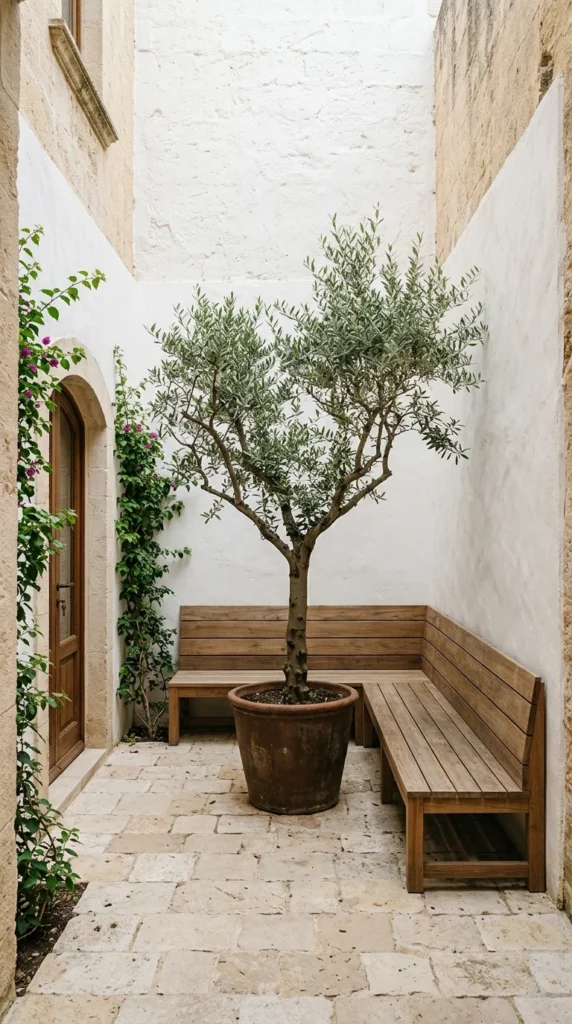
The urban courtyard style focuses on clean lines and high-quality materials. By using large-format paving stones and a limited color palette, you can make a small enclosed area feel sophisticated and expansive. Instead of many small plants, choose one “hero” plant—like a gnarled olive tree or a tall bamboo stand—to create a sense of scale. Built-in seating around the perimeter maximizes floor space, leaving the center open for movement.