Starting a garden can feel like a daunting task. Between soil pH levels, complex pruning schedules, and the mysterious needs of “fussy” plants, many aspiring green thumbs walk away before they even get their hands dirty. But here is a secret that experienced gardeners know: nature wants to grow. You don’t need a degree in botany or a shed full of expensive equipment to create a stunning floral display.
Low-maintenance flowers are the “set-it-and-forget-it” heroes of the plant world. These resilient species are characterized by their ability to withstand occasional neglect, resist common pests, and thrive in various soil conditions. Whether you have a sprawling backyard or just a few pots on a sunny balcony, these 17 flowers will provide maximum beauty with minimum effort.
1. Marigolds
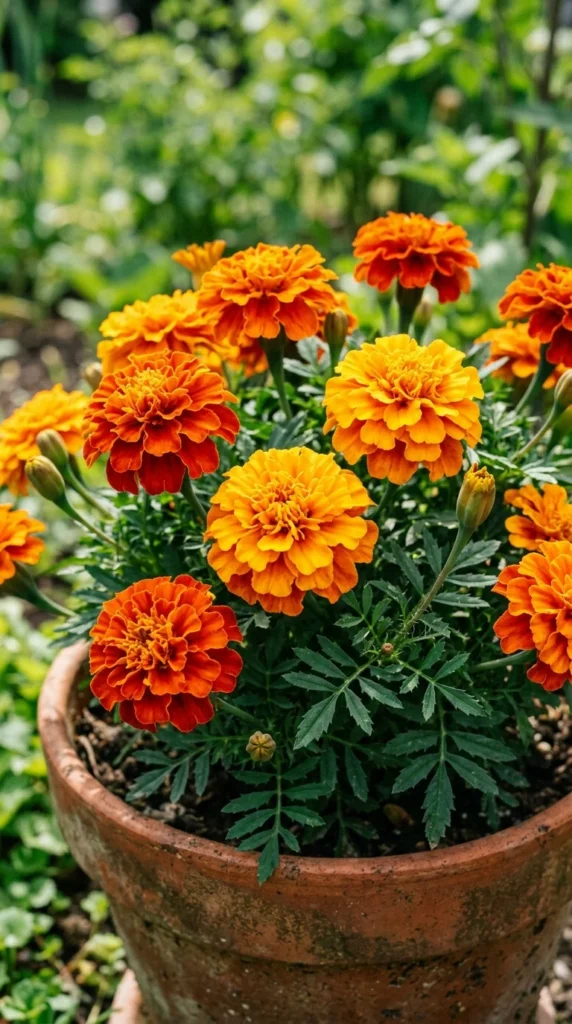
Marigolds are the quintessential beginner flower. These hardy annuals are famous for their bright, pom-pom-like blooms in shades of gold, copper, and brass. They are incredibly easy to grow from seed and are known for their ability to repel common garden pests, making them great “bodyguards” for other plants. They love full sun and aren’t picky about soil quality. Simply water them when the top inch of soil feels dry, and they will reward you with color from early summer until the first frost.
2. Sunflowers
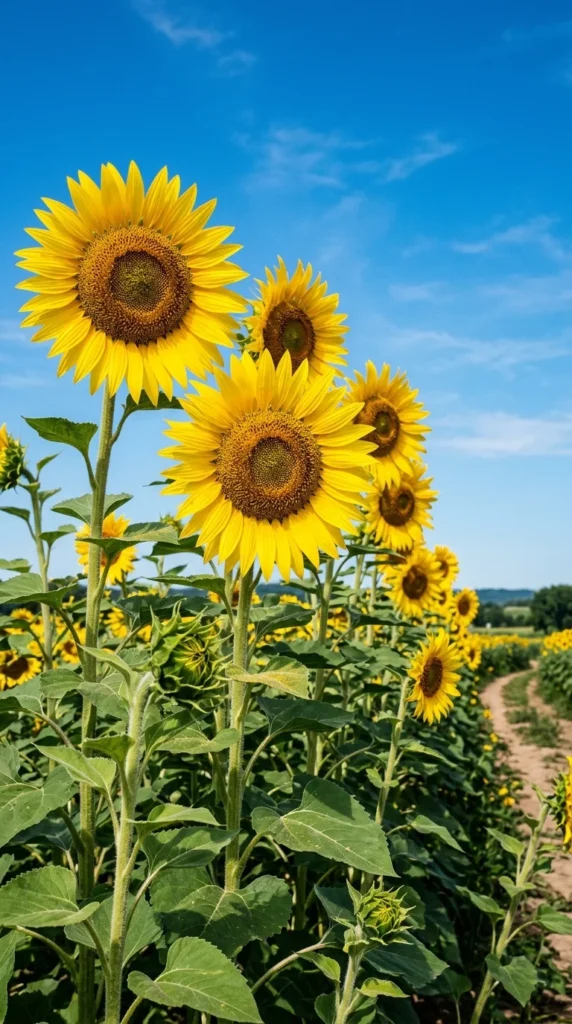
Nothing says summer quite like a sunflower. These giants are famously easy to grow because they require very little besides plenty of sunlight. While most people think of the towering 10-foot varieties, there are also “dwarf” sunflowers that stay small and bushy, perfect for containers. They grow rapidly—sometimes several inches a week—making them a satisfying project for children or impatient adults. Just push a seed into the dirt, keep it moist for a week, and watch the magic happen.
3. Zinnias
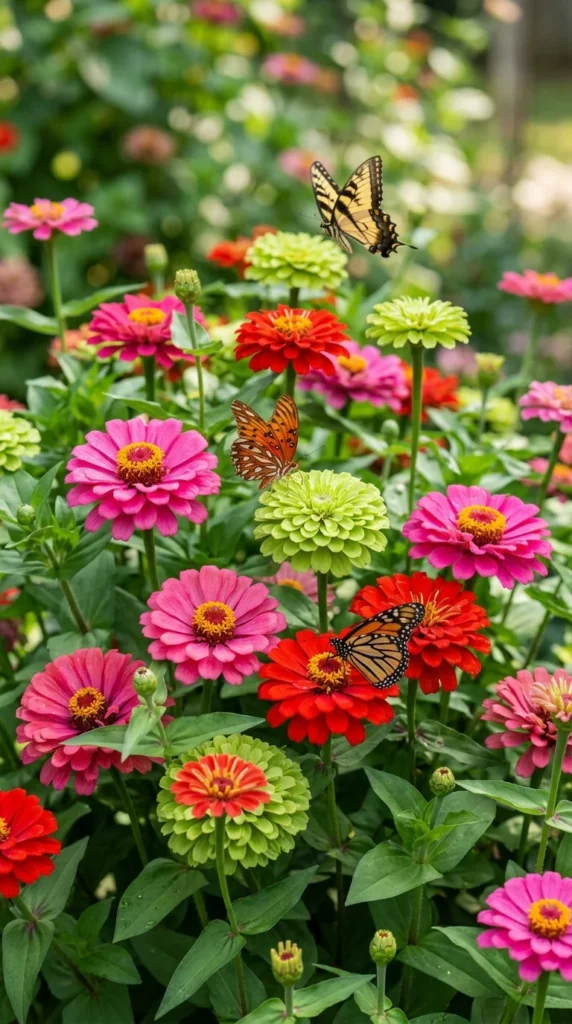
If you want a “cut flower garden” without the hassle, zinnias are your best friend. They are heat-tolerant and grow incredibly fast. The more you cut zinnias for indoor bouquets, the more flowers the plant produces. They come in almost every color of the rainbow and attract pollinators like bees and butterflies in droves. They are rarely bothered by diseases as long as they have plenty of sunlight and air circulation.
4. Pansies
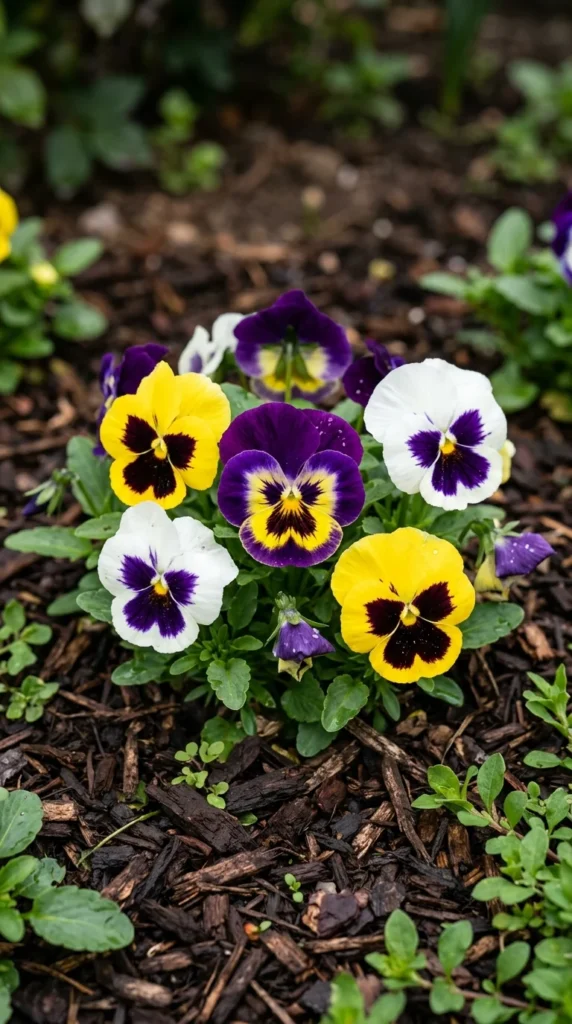
Pansies are the tough cookies of the flower world. While many flowers wilt in the cold, pansies actually prefer the cooler temperatures of spring and autumn. They can even survive a light frost. Their charming “faces” add instant personality to window boxes and garden borders. They don’t require much more than regular watering and the occasional removal of faded blooms to keep them looking fresh and cheerful.
5. Cosmos
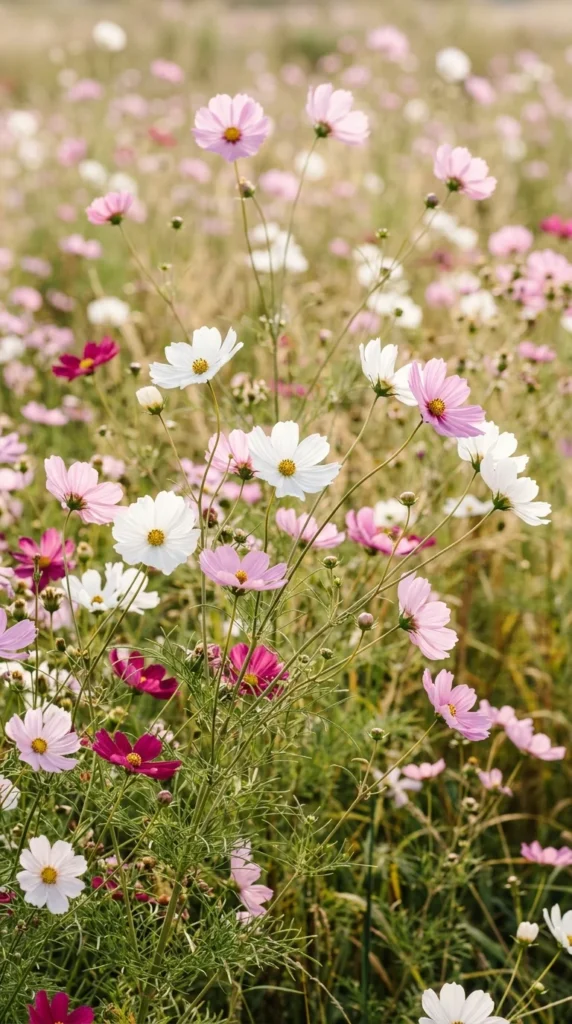
Cosmos are the embodiment of “wildflower chic.” They feature delicate, fern-like foliage and daisy-like blooms that dance on long, slender stems. Despite their fragile appearance, cosmos are incredibly tough. In fact, they actually prefer “poor” soil; if you fertilize them too much, you’ll get plenty of leaves but very few flowers. This makes them perfect for those neglected corners of the yard where nothing else seems to grow.
6. Daylilies
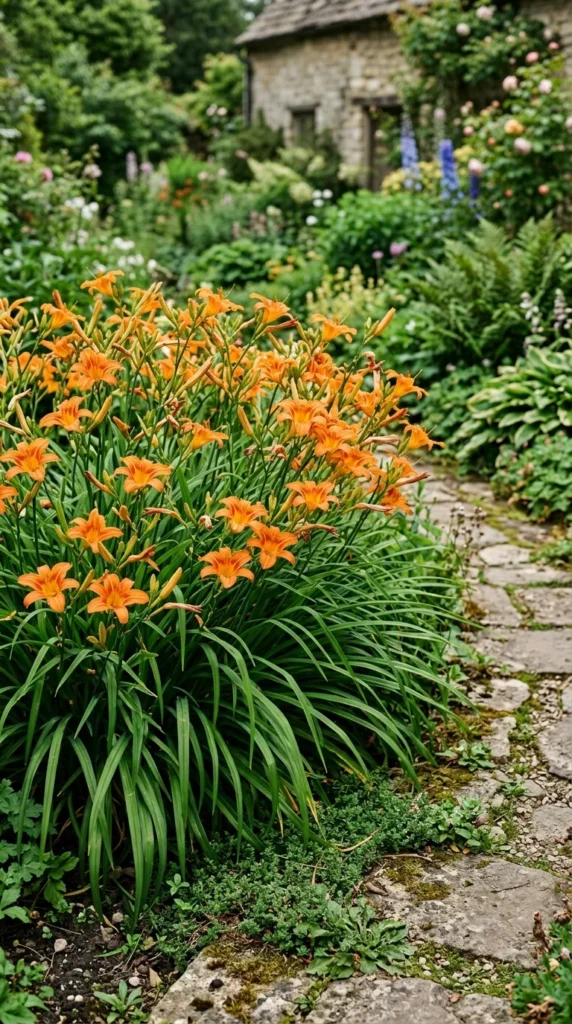
Often called “the perfect perennial,” daylilies are nearly indestructible. Once established, they can handle drought, flooding, and even salt from winter road treatments. While each individual flower only lasts for a single day (hence the name), a single plant produces dozens of buds that bloom in succession for weeks. They come in thousands of varieties, ranging from deep burgundy to soft lemon yellow.
7. Peonies
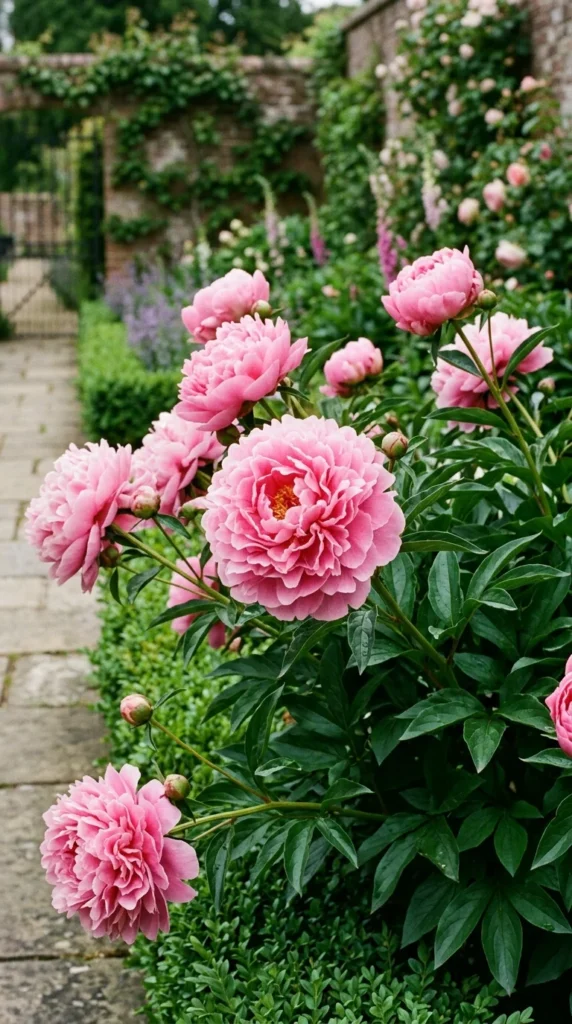
Peonies are an investment in the future. These perennials can live for over 50 years with very little intervention. Once they are planted at the correct depth, they require almost no maintenance other than a quick cleanup of dead stems in late fall. Their massive, fragrant blooms are the highlight of the late spring garden. They are deer-resistant and incredibly hardy, coming back bigger and better every single year.
8. Coneflowers
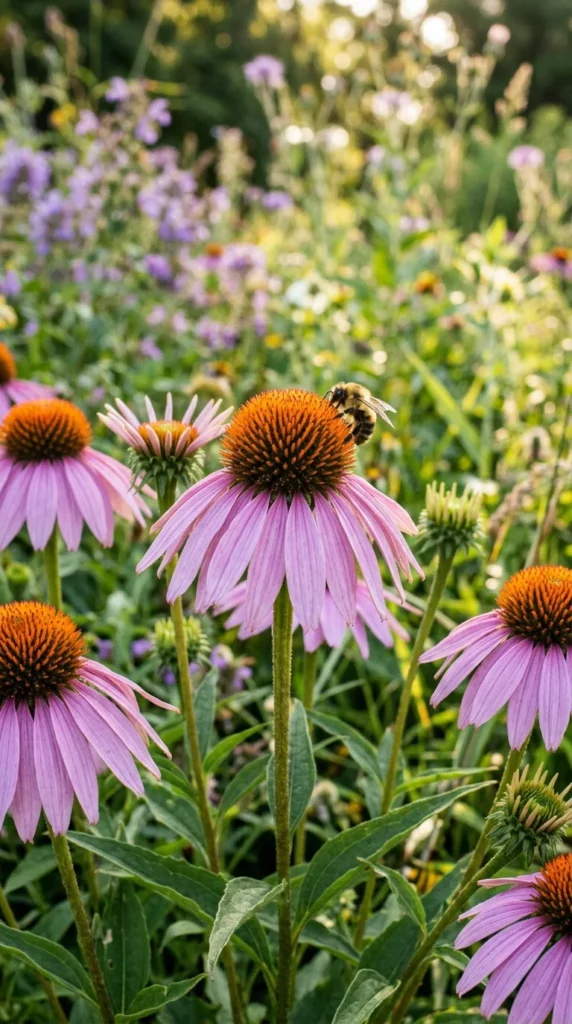
Also known as Echinacea, coneflowers are a staple of the low-maintenance garden. These native North American wildflowers are drought-tolerant once their roots are established. They have stiff stems that don’t require staking and large, attractive seed heads that provide food for birds in the winter. They are the ultimate “plant it and forget it” flower for sunny spots.
9. Black-Eyed Susans
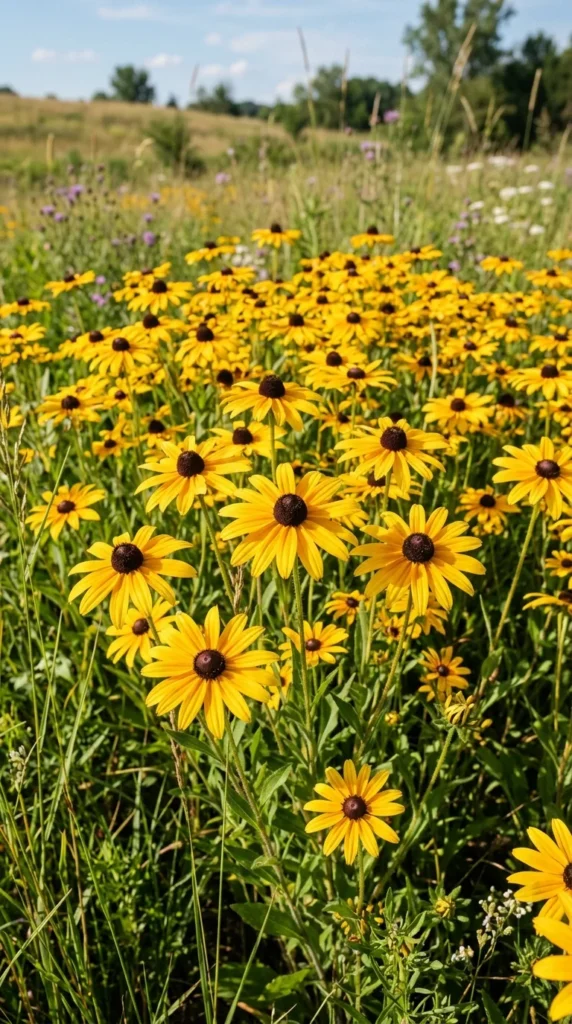
Rudbeckia, or Black-Eyed Susans, offer a burst of sunshine that lasts from mid-summer well into autumn. They are exceptionally hardy and can thrive in various soil types, including heavy clay. These flowers are famous for their “glowing” yellow petals and dark centers. They spread easily, helping to fill in empty gaps in your garden beds without any extra work on your part.
10. Hostas
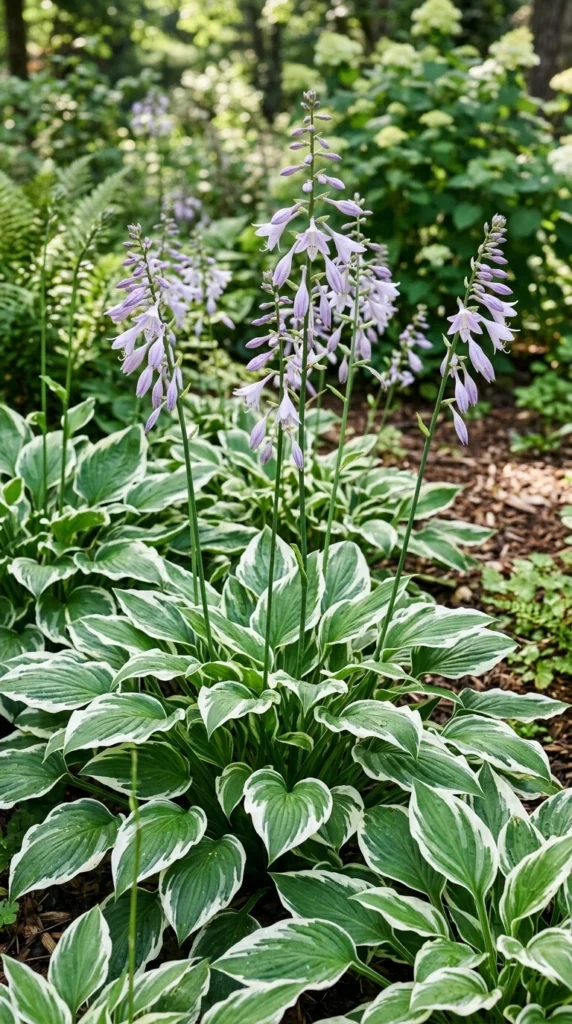
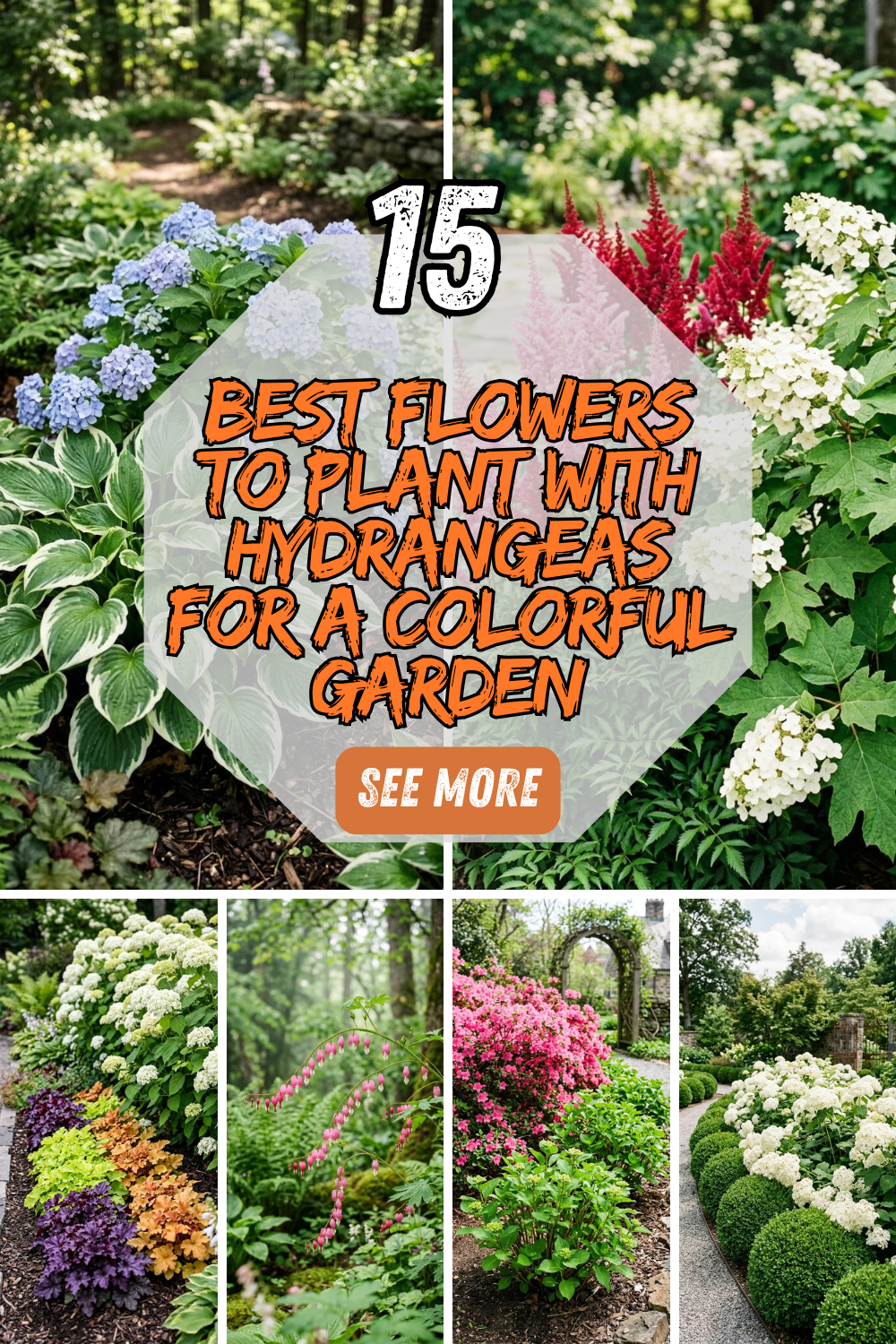
While hostas are primarily grown for their stunning architectural foliage, they also produce lovely spikes of flowers in the summer. They are the undisputed kings of the shade garden. If you have a yard with lots of trees and very little sun, hostas are your solution. They are incredibly easy to care for—just plant them in a shady spot and ensure they get a bit of water during dry spells.
11. Petunias
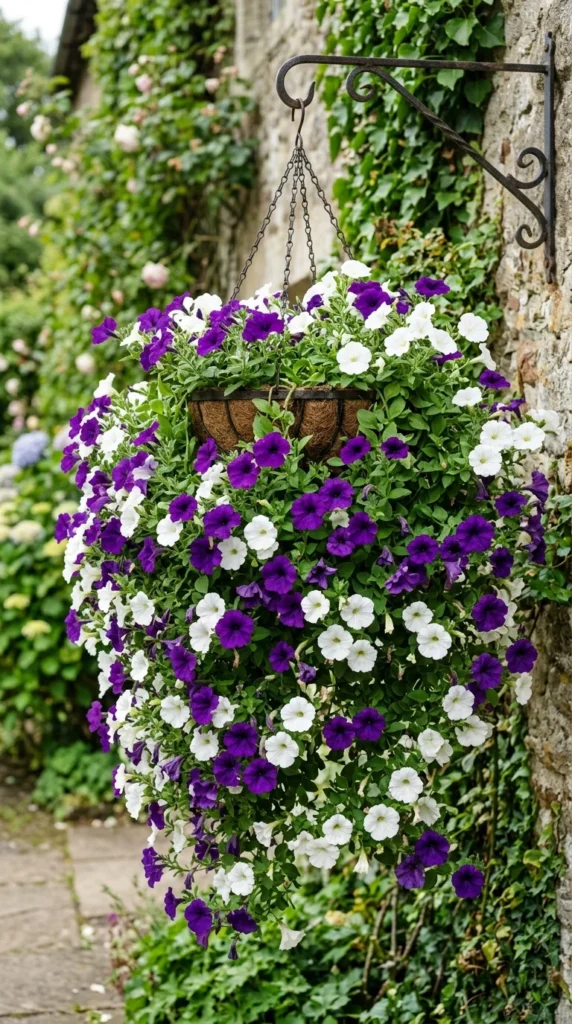
Petunias are the gold standard for containers and hanging baskets. Modern varieties, such as “Wave” petunias, are self-cleaning, meaning you don’t even have to pick off the dead flowers to keep them blooming. They provide a continuous carpet of color throughout the entire summer. As long as they get plenty of sun and regular water, they will remain happy and vibrant.
12. Sedum
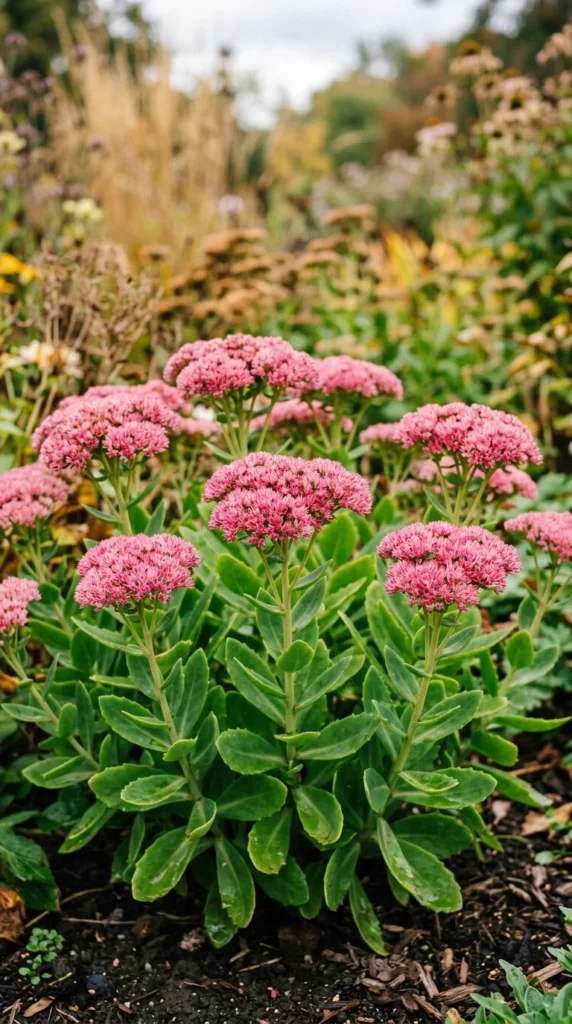
Sedums are succulents, which means they store water in their fleshy leaves. This makes them extremely drought-tolerant and perfect for gardeners who might forget to water now and then. Varieties like “Autumn Joy” provide interest throughout the year, starting as green broccoli-like buds in summer and turning a deep coppery red in the fall. They are virtually immune to pests and diseases.
13. Lavender
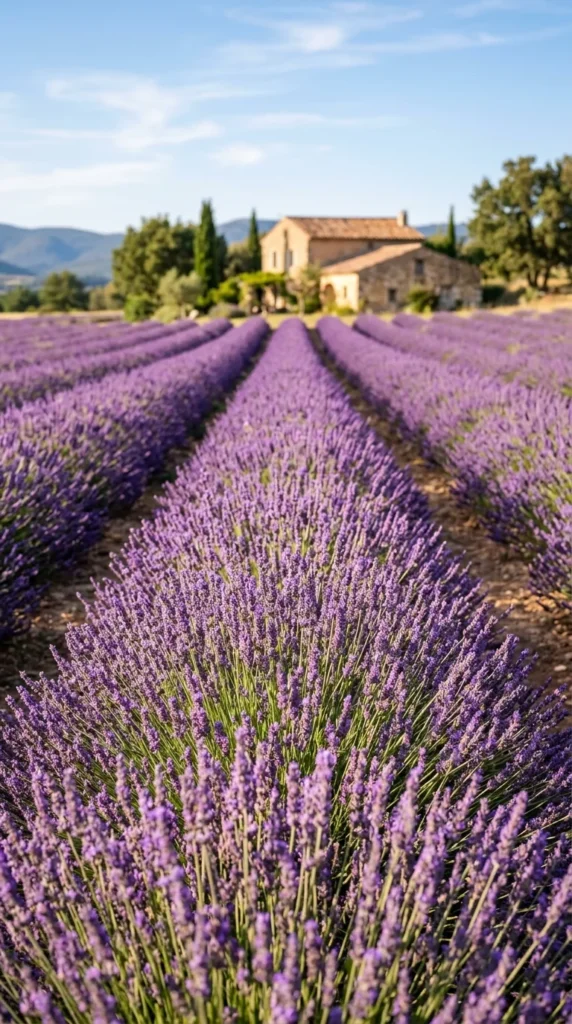
Lavender is a double-threat: it looks beautiful and smells divine. This Mediterranean herb thrives in hot, dry conditions and actually prefers “lean” soil with excellent drainage. Once established, lavender requires very little water and no fertilizer. It’s a perennial that will return every year, providing you with fragrant sprigs for sachets, teas, or indoor arrangements.
14. Geraniums
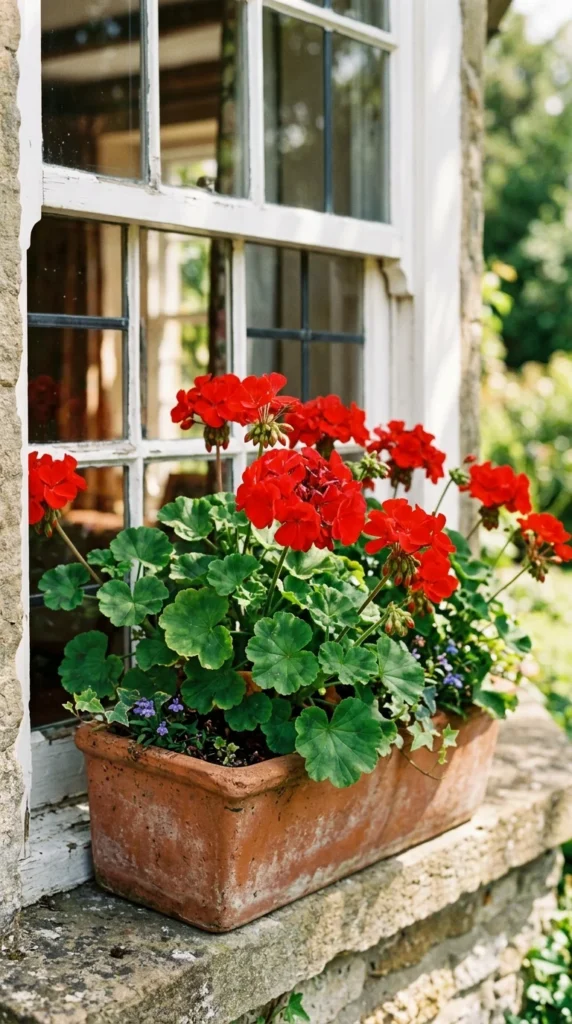
Geraniums (specifically Pelargoniums) are classic “porch plants.” They are remarkably resilient and can handle a fair amount of neglect. They prefer to dry out slightly between waterings, which is a relief for busy owners. With their bold clusters of red, pink, or white flowers, they add an instant Mediterranean feel to any space. In warmer climates, they can live for years; in colder areas, they are easily kept as annuals.
15. Bleeding Hearts
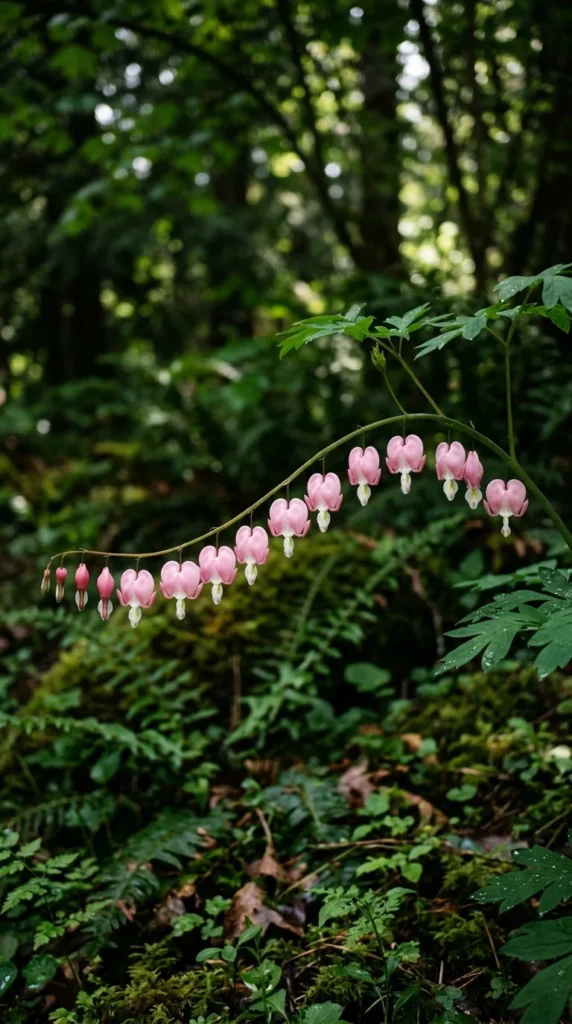
For the shade-loving beginner, Bleeding Hearts offer a touch of whimsy. These perennials feature unique, heart-shaped blossoms that dangle gracefully from arching stems. They emerge in the spring and provide a romantic, old-fashioned look to the garden. They are very low-maintenance, requiring only moist soil and protection from the harsh afternoon sun.
16. Nasturtiums
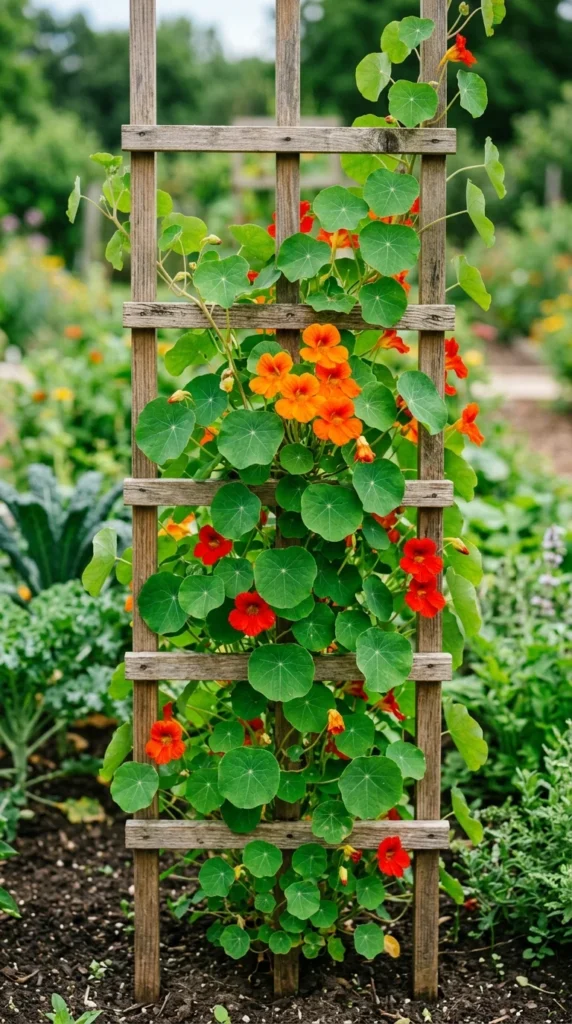
Nasturtiums are a “two-for-one” plant: they are beautiful to look at and entirely edible! Both the leaves and the flowers have a pleasant, peppery taste similar to watercress. They are one of the easiest flowers to grow from seed, often sprouting within days. They actually bloom better in poor soil, so don’t worry about adding fertilizer. They are perfect for covering a fence or trailing out of a container.
17. Snapdragons
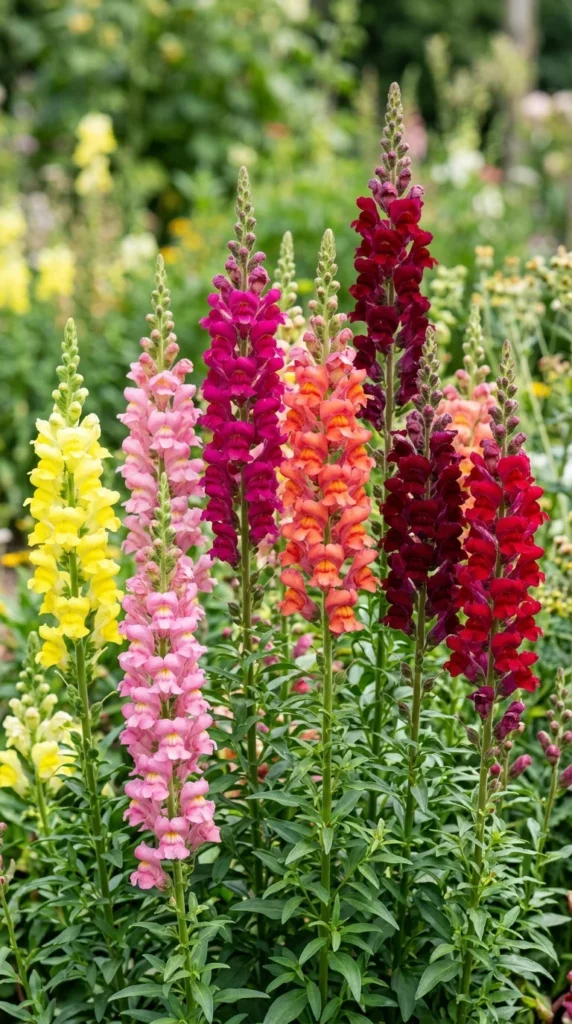
Snapdragons add wonderful vertical interest to a garden. They are cool-weather favorites, often blooming in the spring and again in the fall. Children love them because you can gently “pinch” the sides of the flower to make the “dragon’s mouth” open and close. They are sturdy plants that don’t mind a bit of a chill and come in a wide variety of heights and colors.
Tips for Beginner Gardening Success
While these 17 flowers are incredibly forgiving, a few basic principles will help you get the best results:
- Check the Light: Always read the plant tag. “Full sun” means at least 6 hours of direct sunlight. “Part shade” means 3-6 hours, and “Shade” means less than 3 hours.
- Water Wisely: It’s better to water deeply and less frequently than to give your plants a shallow sprinkle every day. This encourages roots to grow deep into the soil.
- The Finger Test: Before watering, stick your finger an inch into the soil. If it feels moist, wait another day. If it’s dry, it’s time to water.
- Mulch is Your Friend: A layer of wood chips or shredded leaves around your plants helps keep moisture in the soil and prevents weeds from taking over.
Starting a garden should be a joy, not a chore. By choosing these low-maintenance varieties, you can spend less time weeding and worrying, and more time enjoying the beautiful, colorful sanctuary you’ve created.