The dream of walking out to your balcony or backyard and plucking a sun-warmed tomato or a handful of fresh basil is more attainable than most people realize. You don’t need a sprawling farm or a “green thumb” to start producing your own nutrition. In an era of rising grocery prices and concerns about pesticides, home gardening offers a delicious, sustainable, and therapeutic solution. Whether you live in a high-rise apartment or a suburban home with a tiny yard, there is a method on this list that will work for you.
Growing your own food isn’t just about the harvest; it’s about the connection to the earth and the unmatched flavor of produce that hasn’t spent days in a refrigerated truck. From vertical systems that save space to simple water-based regrowth methods, here are 18 easy ways to start your edible garden today.
1. Windowsill Herbs
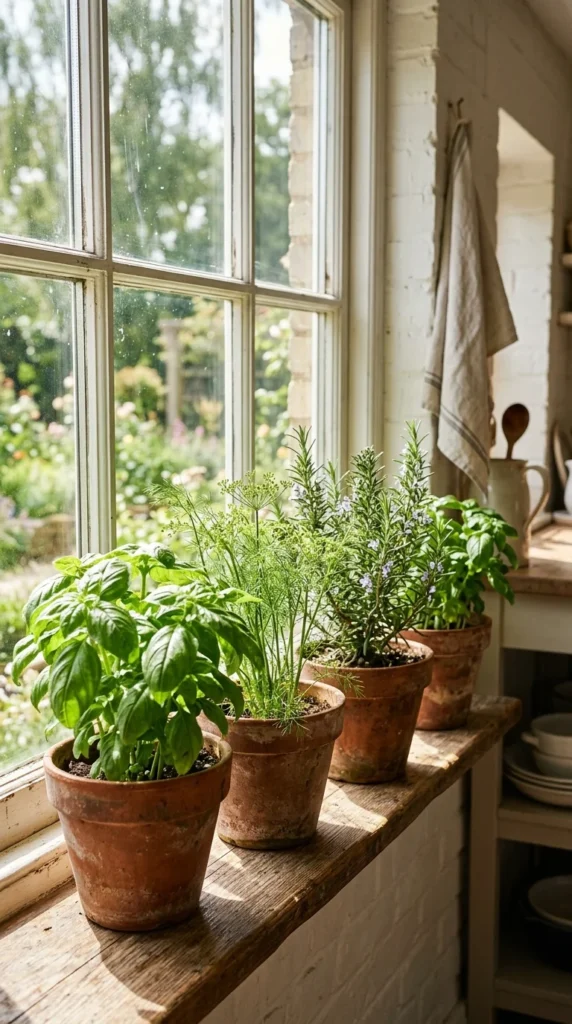
Herbs are the perfect “gateway” to gardening. Most culinary herbs, such as basil, mint, parsley, and cilantro, thrive in small containers and only require a sunny spot. A kitchen windowsill is ideal because it keeps the plants within arm’s reach while you’re cooking.
To succeed with windowsill herbs, ensure your pots have drainage holes at the bottom to prevent root rot. Use a high-quality potting mix rather than garden soil, which can be too heavy for small pots. Regular harvesting actually encourages the plants to grow bushier, so don’t be afraid to snip off leaves for your pasta or salads.
2. Microgreens Tray
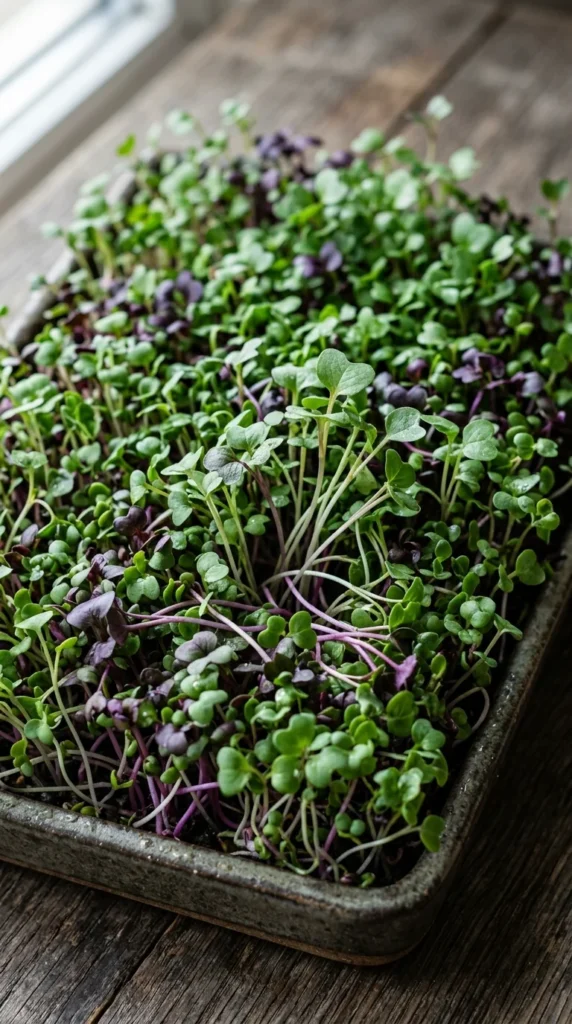
If you are looking for instant gratification, microgreens are your best friend. These are simply young vegetable greens harvested just after the first leaves have developed. They are packed with up to 40 times more nutrients than their mature counterparts and take only 7 to 14 days to grow.
You can grow microgreens in shallow trays or even recycled plastic take-out containers. Spread seeds (like broccoli, radish, or sunflower) thickly over a thin layer of soil, mist them daily with water, and place them in a bright spot. Once they are about two inches tall, snip them with scissors and use them as a crunchy, nutrient-dense topping for sandwiches and soups.
3. Lettuce Bowls
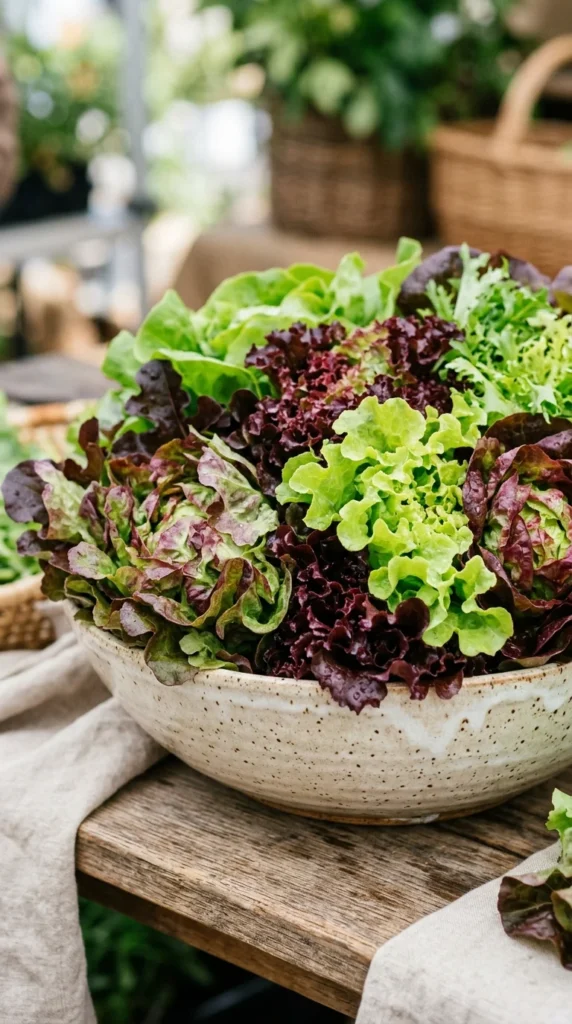
Lettuce has shallow roots, making it perfectly suited for wide, shallow containers often called “bowls.” Unlike head lettuce, “cut-and-come-again” varieties allow you to harvest individual leaves while the plant continues to produce more from the center.
Keep your lettuce bowls in a spot that gets morning sun but is shaded during the heat of the afternoon, as lettuce tends to “bolt” (turn bitter and go to seed) in high temperatures. By planting a new bowl every two weeks, you can ensure a constant supply of salad greens throughout the spring and fall.
4. Tomato Buckets
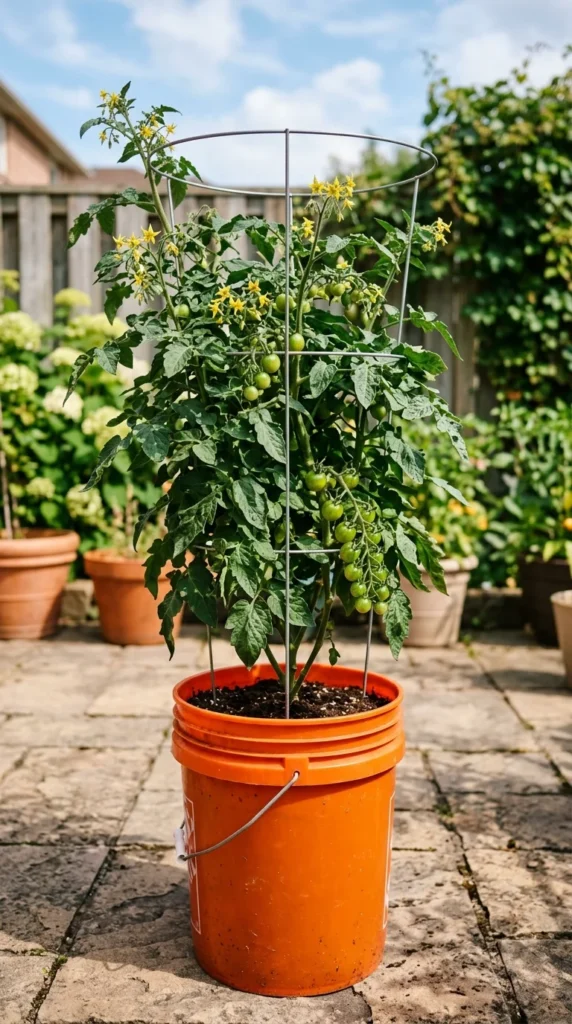
You don’t need a tilled garden plot to grow juicy tomatoes. A standard five-gallon bucket with drainage holes drilled in the bottom is the perfect home for one tomato plant. “Determinate” or “bush” varieties are best for containers as they grow to a fixed size and don’t become unmanageable.
Tomatoes are heavy feeders, so use a nutrient-rich potting soil and a regular organic fertilizer. They also crave sunlight—aim for at least 6 to 8 hours a day. The beauty of the bucket method is portability; if the sun moves or a storm approaches, you can simply pick up the bucket and move it to a safer spot.
5. Strawberry Towers
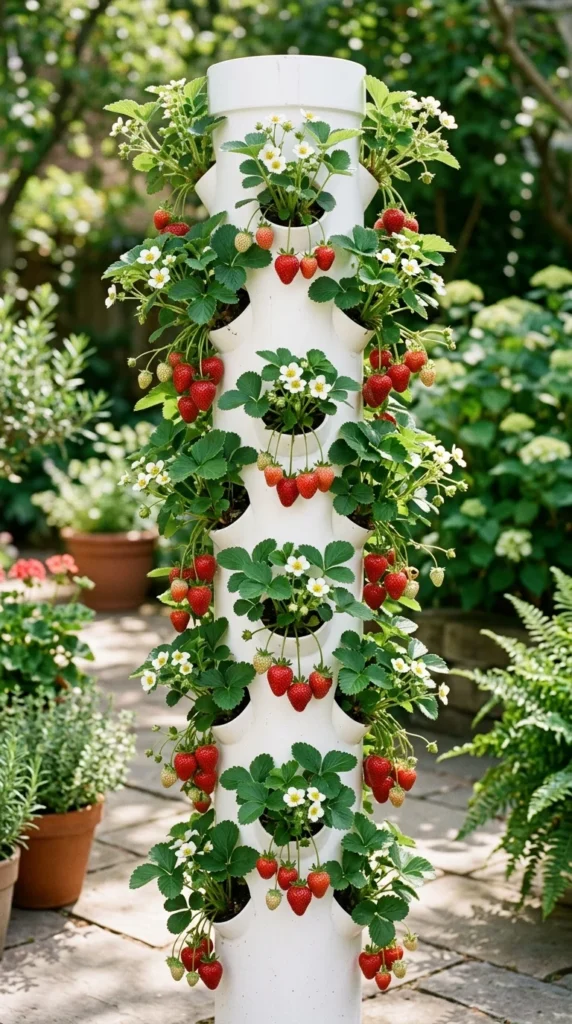
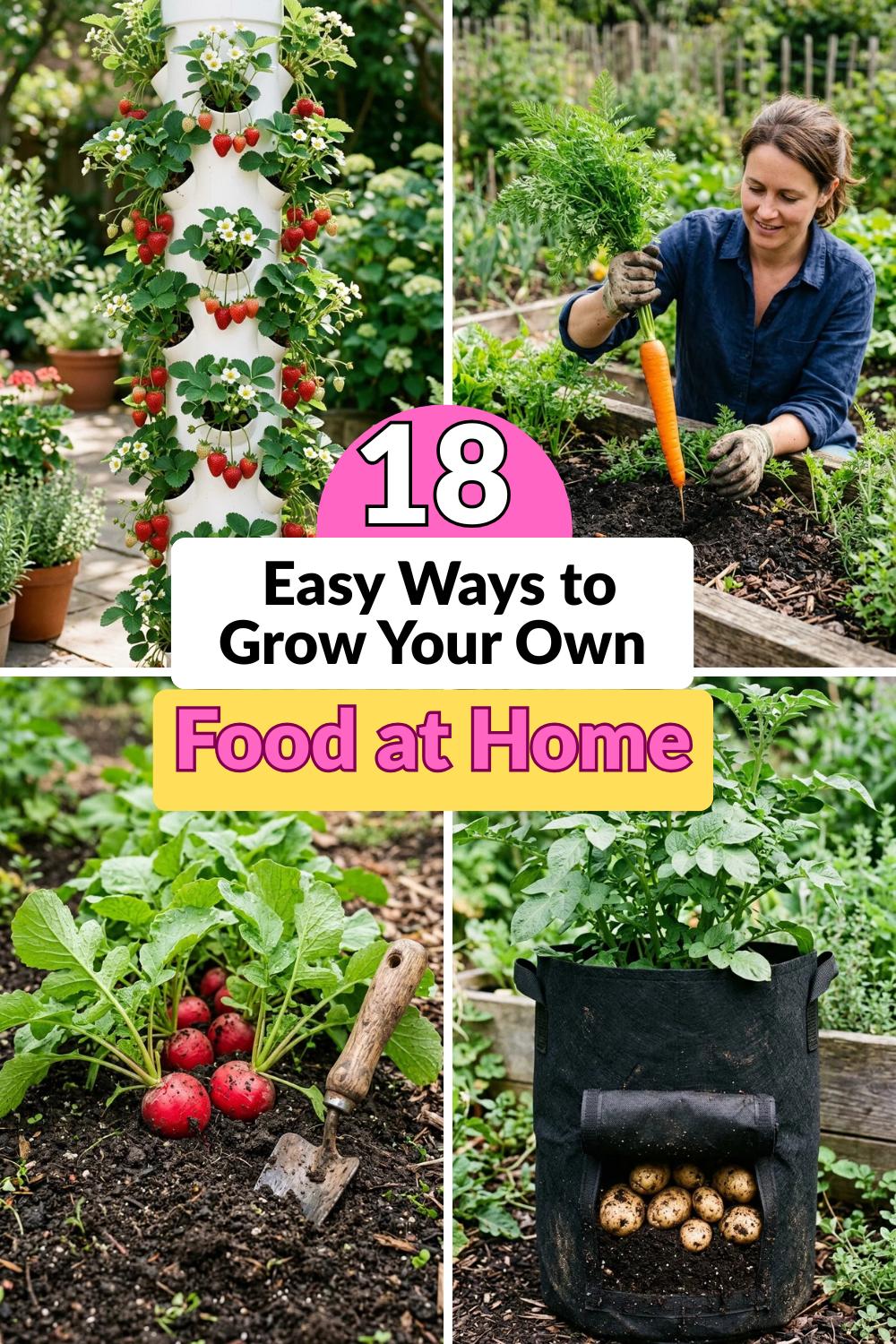
Strawberries are notorious for spreading across the ground, which can lead to rot and pest issues. A vertical strawberry tower solves this by lifting the fruit off the soil. This can be a DIY project using PVC pipe or a store-bought stackable planter.
Vertical growing maximizes space and makes harvesting easy on your back. Strawberries love well-drained soil and plenty of sun. Ensure the tower is rotated occasionally so all sides of the plant receive equal light. With proper care, these perennials will provide sweet harvests for several years.
6. Potato Bags
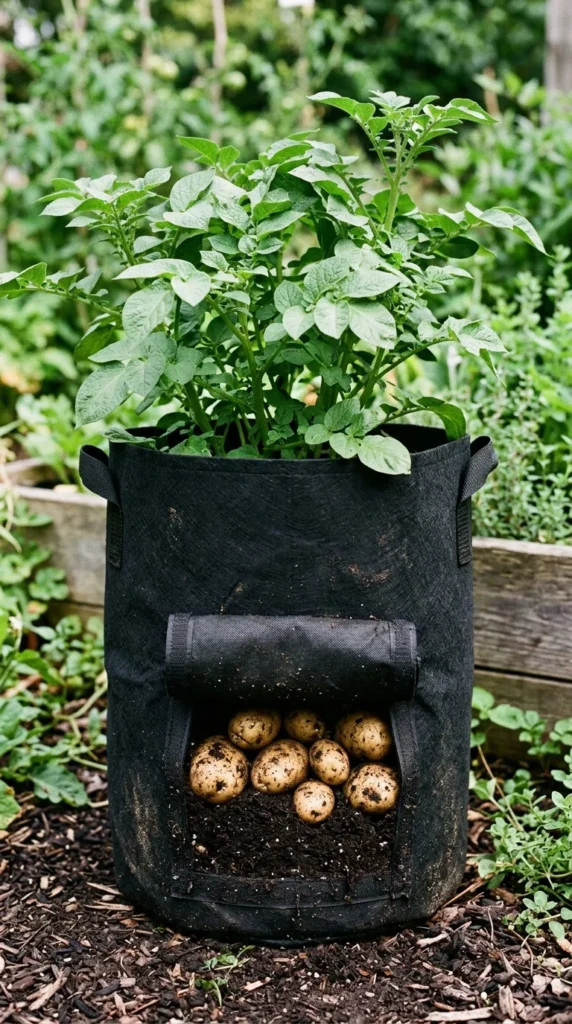
Growing potatoes traditionally requires a lot of digging and space, but “grow bags” have changed the game. These fabric bags allow for excellent drainage and air circulation, which prevents the tubers from rotting.
Start by putting a few inches of soil in the bag and planting your seed potatoes. As the plant grows taller, you “hill” it by adding more soil until the bag is full. This encourages the plant to grow more potatoes along the buried stem. When the foliage turns yellow and dies back, simply tip the bag over or open the side flap to “mine” for your golden harvest.
7. Mushroom Logs
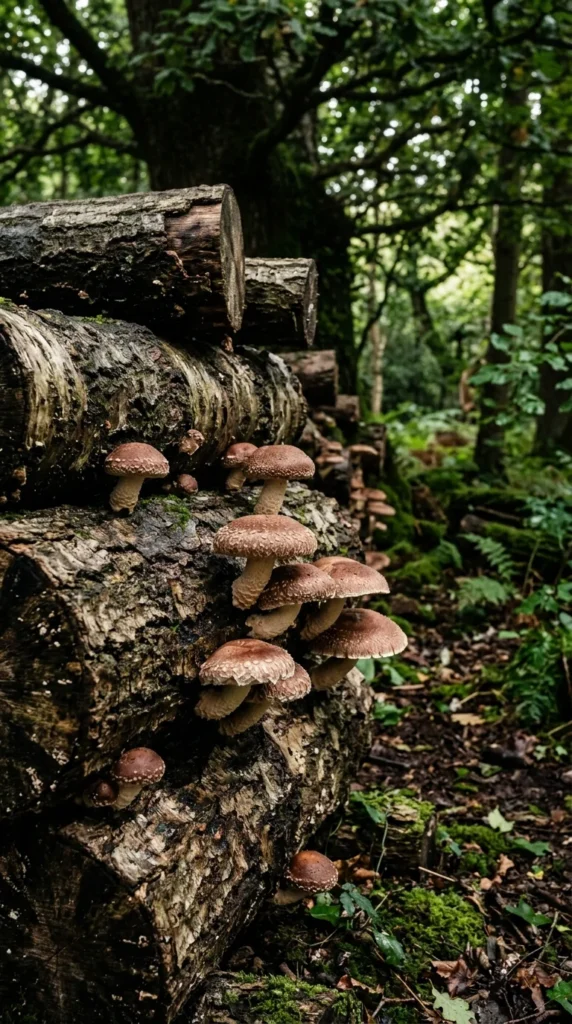
For those with a shady backyard, mushrooms are a fantastic crop. You don’t “plant” them in soil; instead, you inoculate hardwood logs or bags of sawdust with mushroom spores. Shiitake and Oyster mushrooms are the easiest for beginners.
Mushrooms thrive in cool, moist, and dark environments. Once the mycelium (the “roots” of the mushroom) has colonized the log, it will produce “flushes” of mushrooms after a heavy rain or a soak in water. A single log can produce gourmet mushrooms for several years with very little maintenance.
8. Scallion Jars
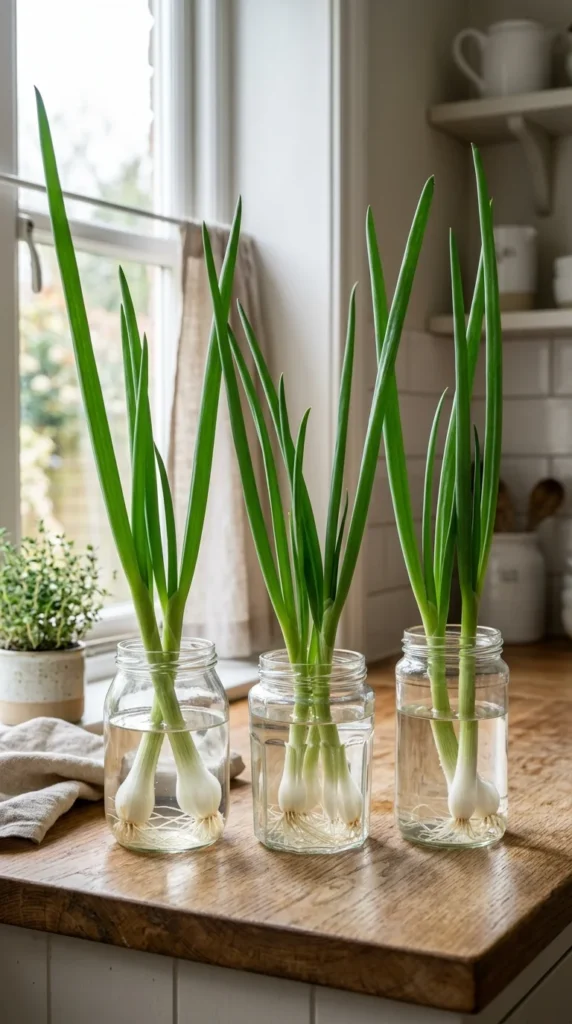
This is perhaps the easiest way to grow food because it requires zero soil. The next time you buy green onions (scallions) from the store, don’t throw away the white bulb ends with the roots attached. Place them in a small glass jar with enough water to cover the roots.
Change the water every few days to keep it fresh. Within 24 hours, you will see new green growth sprouting from the center. In a week or two, you can snip the green tops for your cooking. As long as you leave the bulb in the water, it will continue to regrow multiple times.
9. Zucchini Tubs
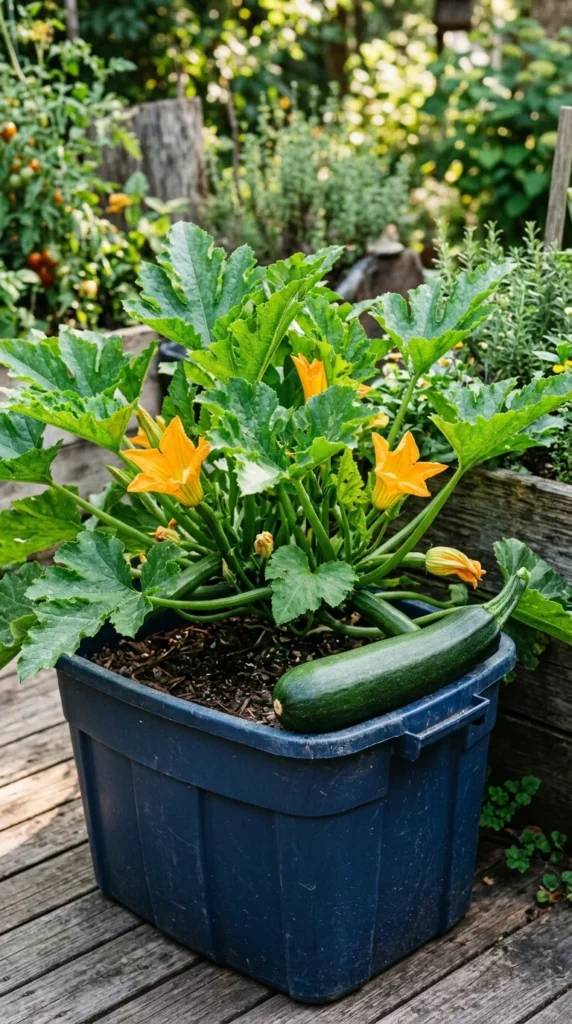
Zucchini plants are famous for their productivity, often providing more food than a single family can eat. While they usually take up a lot of horizontal space, “compact” or “patio” varieties grow beautifully in large tubs or containers.
Because zucchini has large leaves, it loses water quickly through evaporation, so consistent watering is key. They also produce edible flowers that can be stuffed with cheese and fried. Growing them in a tub keeps them away from many ground-dwelling pests like squash bugs.
10. Hanging Peppers
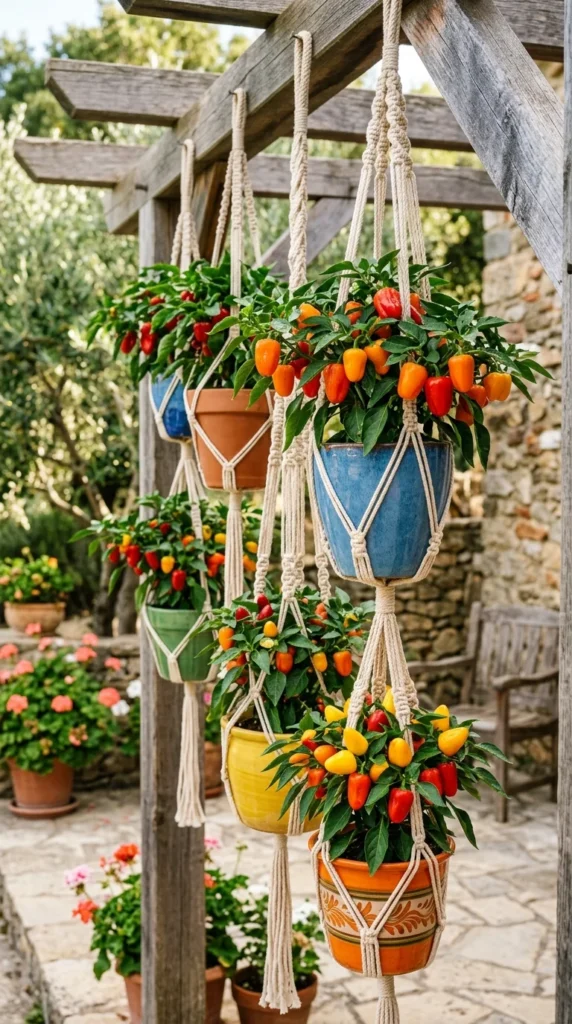
Peppers, both sweet and spicy, are heat-loving plants that grow well in containers. Hanging planters are an excellent choice because they keep the plants away from rabbits and other critters. Miniature pepper varieties are particularly well-suited for this as the fruit isn’t heavy enough to break the branches.
Peppers need plenty of sun and a bit of warmth to develop their flavor and heat. Using a hanging pot also allows for better air circulation around the foliage, which reduces the risk of fungal diseases. Plus, the colorful fruit hanging at eye level makes for a beautiful ornamental display.
11. Garlic Cloves
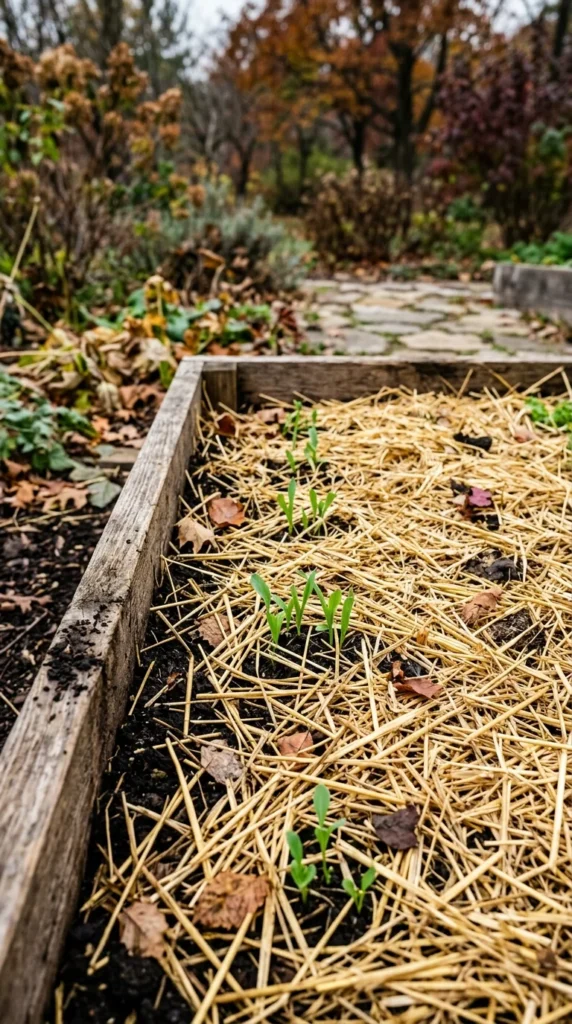
Garlic is one of the most low-maintenance crops you can grow. It is typically planted in the fall and harvested the following summer. You simply take a head of organic garlic, break it into individual cloves, and plant each clove (pointy side up) about four inches deep in the soil.
Garlic requires a period of cold weather to form bulbs, making it a perfect overwintering crop. Cover the bed with straw to protect it from extreme freezes. In the spring, green shoots will emerge, and by mid-summer, the leaves will turn brown, signaling that it’s time to dig up your fresh, pungent garlic bulbs.
12. Radish Rows
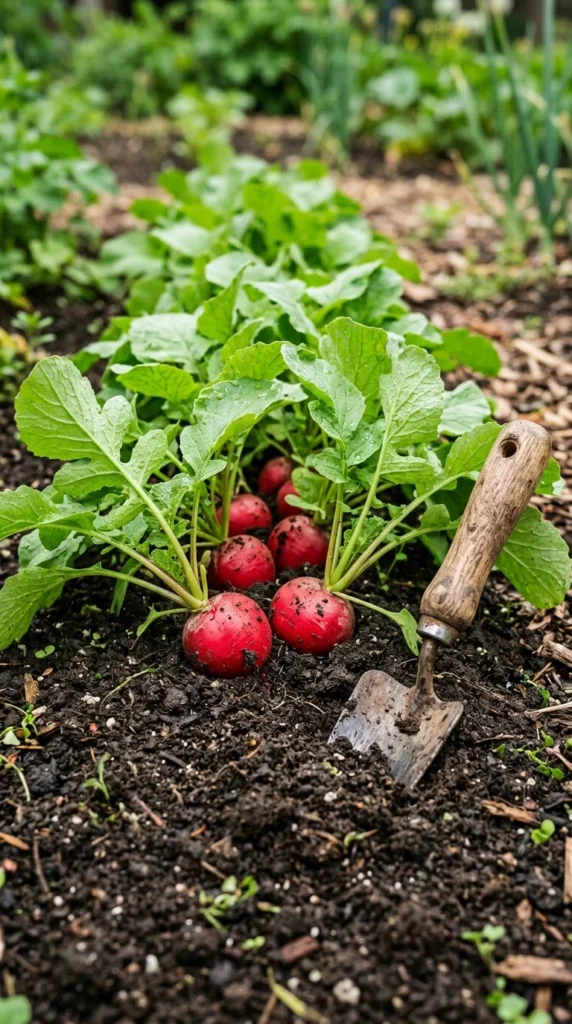
Radishes are the “sprinters” of the garden. Some varieties go from seed to harvest in as little as 22 days. This makes them perfect for children or impatient gardeners. They can be grown in pots, window boxes, or directly in the ground.
Because they grow so fast, you can tuck radish seeds in between slower-growing plants like carrots or peppers. By the time the larger plants need the space, the radishes will be harvested and gone. They prefer cooler weather, so plant them in early spring or late summer for the best, crunchiest results.
13. Spinach Troughs
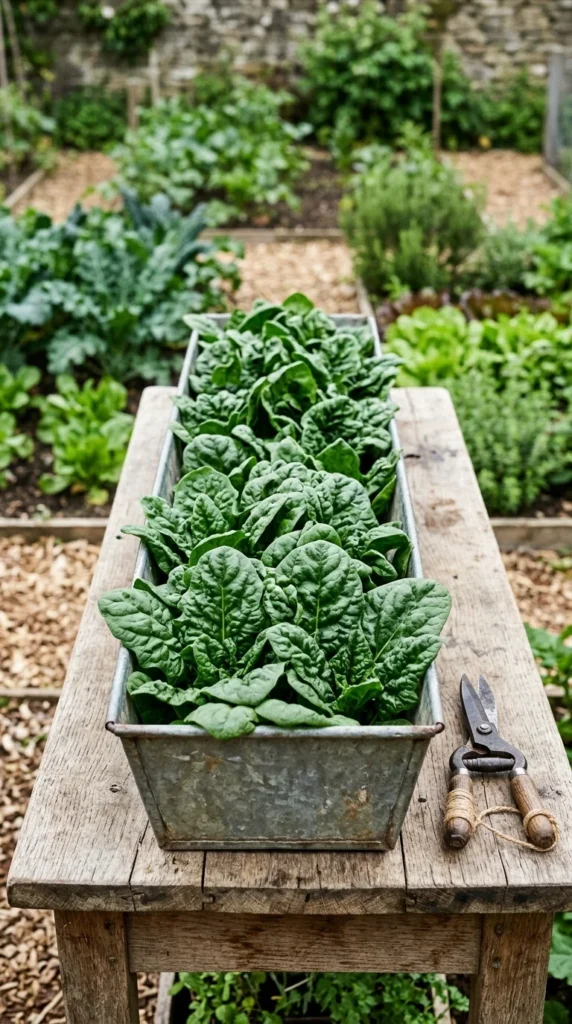
Spinach is a nutritional powerhouse that loves the cool temperatures of spring and autumn. Using a long trough-style planter allows you to grow a large volume of spinach in a very small footprint.
The key to great spinach is nitrogen-rich soil and consistent moisture. If the soil dries out, the plant will think it’s dying and try to produce seeds (bolting), which makes the leaves bitter. Harvest the outer leaves first to allow the inner leaves to keep growing, providing you with a continuous supply for your morning smoothies or salads.
14. Blueberry Containers
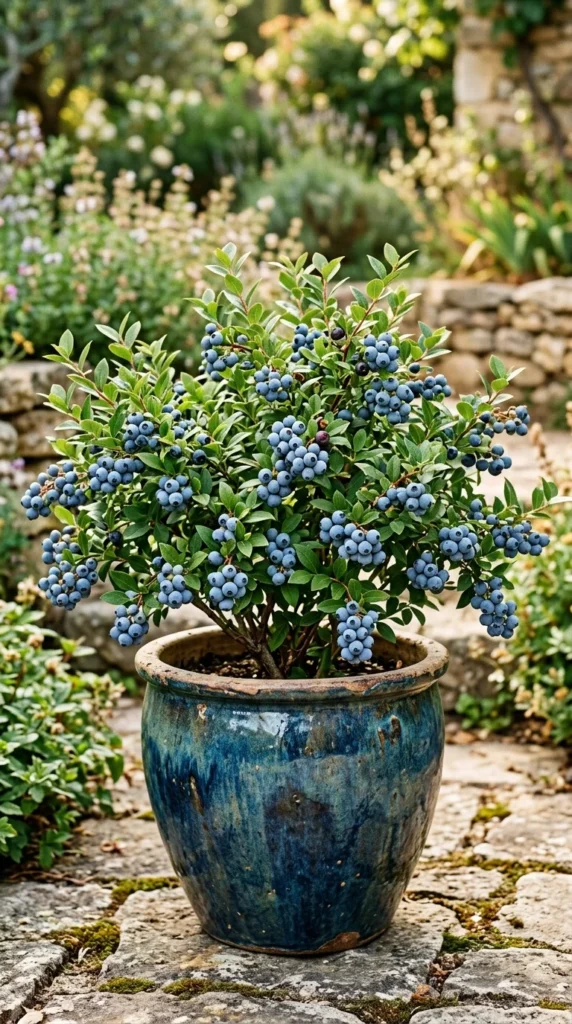
Blueberries are often thought of as large bushes, but “dwarf” varieties have been bred specifically for container living. Blueberries have one specific requirement: acidic soil. Growing them in a pot makes it much easier to control the soil pH than trying to change the chemistry of your entire backyard.
Use a potting mix designed for acid-loving plants (like azaleas) and mulch the top with pine needles or bark. Blueberries are also highly decorative, with beautiful white flowers in the spring and vibrant red foliage in the fall, making them a “double-duty” plant for your patio.
15. Deep Carrots
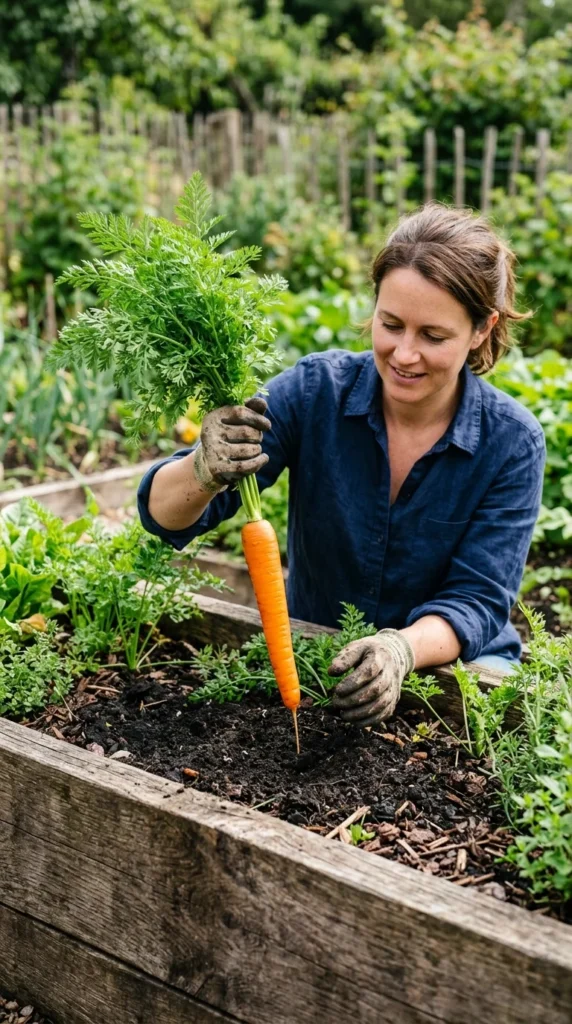
Carrots need deep, loose soil to grow straight and long. If they hit a rock or hard clay in the ground, they will twist and fork. This is why deep containers or raised beds filled with sandy potting mix are the secret to “supermarket-perfect” carrots at home.
When sowing carrot seeds, be patient—they can take up to three weeks just to sprout. Once they are an inch tall, thin them out so they aren’t crowded, giving each carrot room to expand. The reward is a sweetness and crunch that you simply cannot find in store-bought carrots.
16. Kale Patches
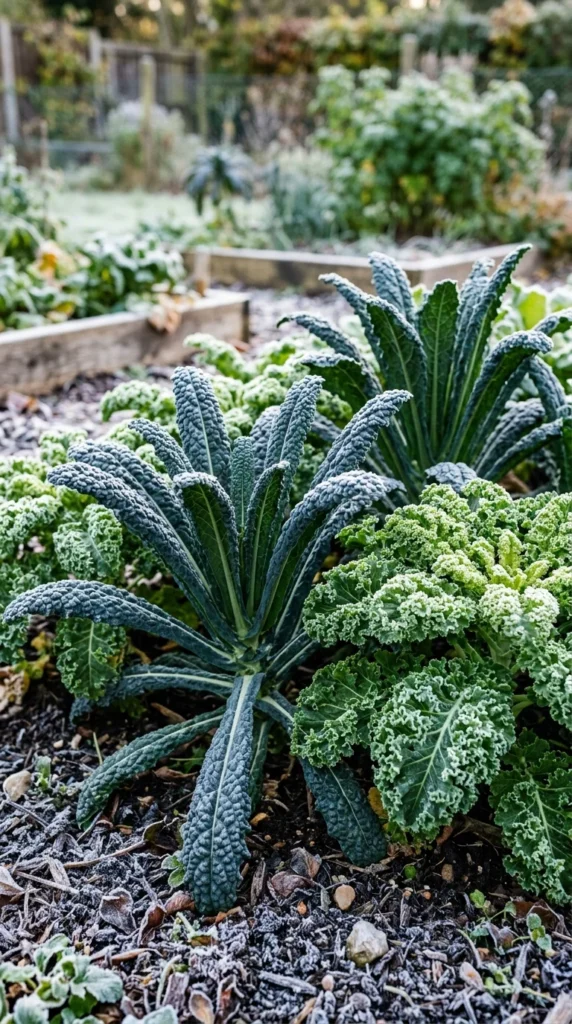
Kale is incredibly hardy and can survive temperatures well below freezing. In fact, a light frost actually makes the leaves taste sweeter by converting starches into sugars. It’s a “cut-and-come-again” vegetable, meaning you can harvest the lower leaves and the plant will continue to grow upwards like a small palm tree.
Kale is rarely bothered by pests in the cooler months and is highly resistant to disease. It’s an excellent choice for a “winter garden.” Even a small patch of kale can provide enough greens for daily use throughout the colder months.
17. Pole Beans
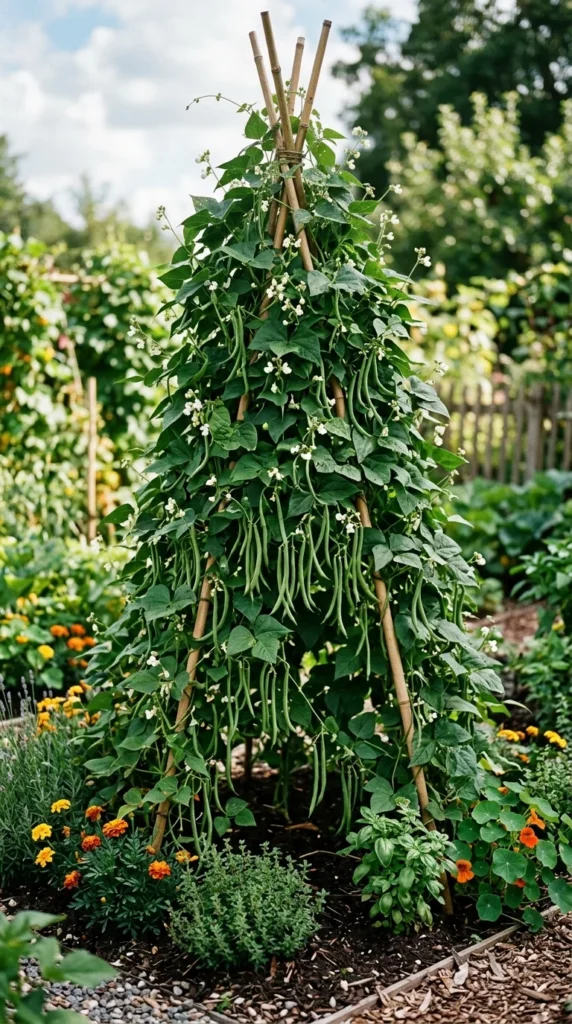
If you have very little ground space, grow upward. Pole beans are natural climbers and will happily scramble up a trellis, a fence, or a simple teepee made of sticks. They produce significantly more beans per square foot than “bush” beans.
Beans are also “nitrogen fixers,” meaning they actually improve the quality of the soil they grow in by pulling nitrogen from the air and storing it in their roots. They are fast-growing and provide a beautiful living privacy screen for a porch or balcony while feeding your family.
18. Edible Petals
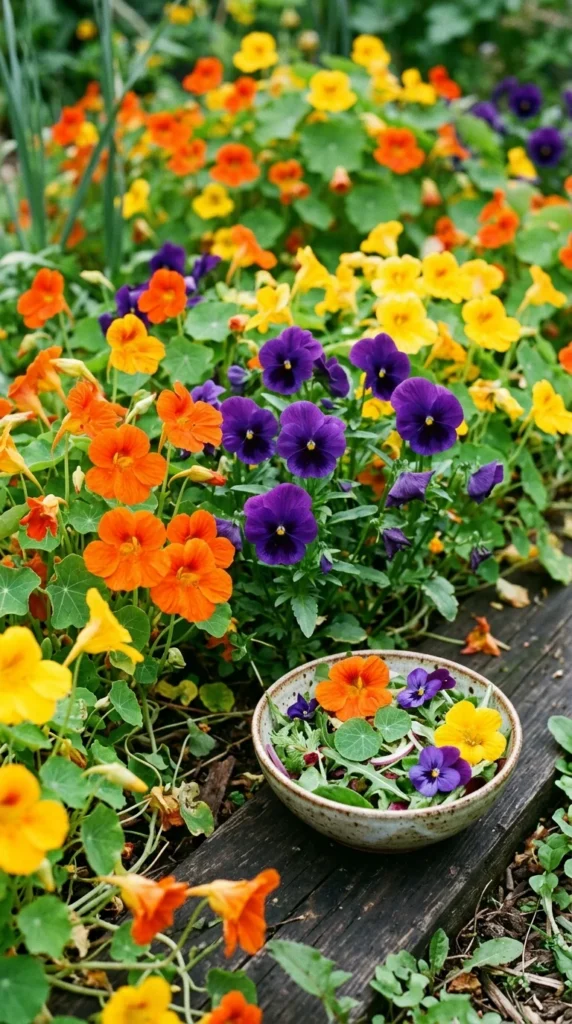
Gardening for food doesn’t mean you have to sacrifice beauty. Many common garden flowers are completely edible and can add a gourmet touch to your meals. Nasturtiums have a peppery flavor similar to watercress, while pansies have a mild, grassy taste.
Always ensure that any flowers you intend to eat are grown without chemical pesticides or fertilizers. Adding edible flowers to your garden not only brightens up the space but also attracts pollinators like bees and butterflies, which will help the rest of your food crops thrive.