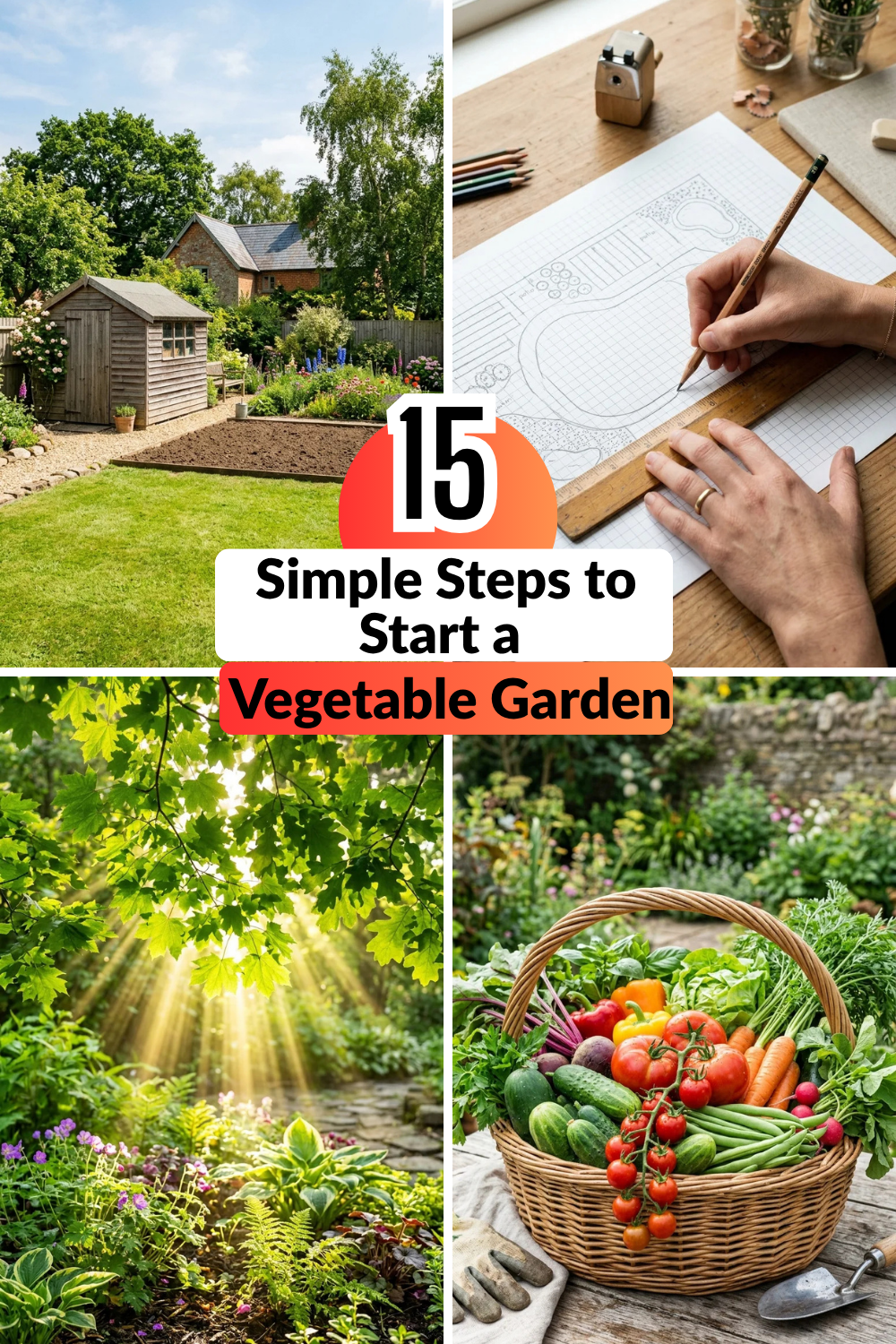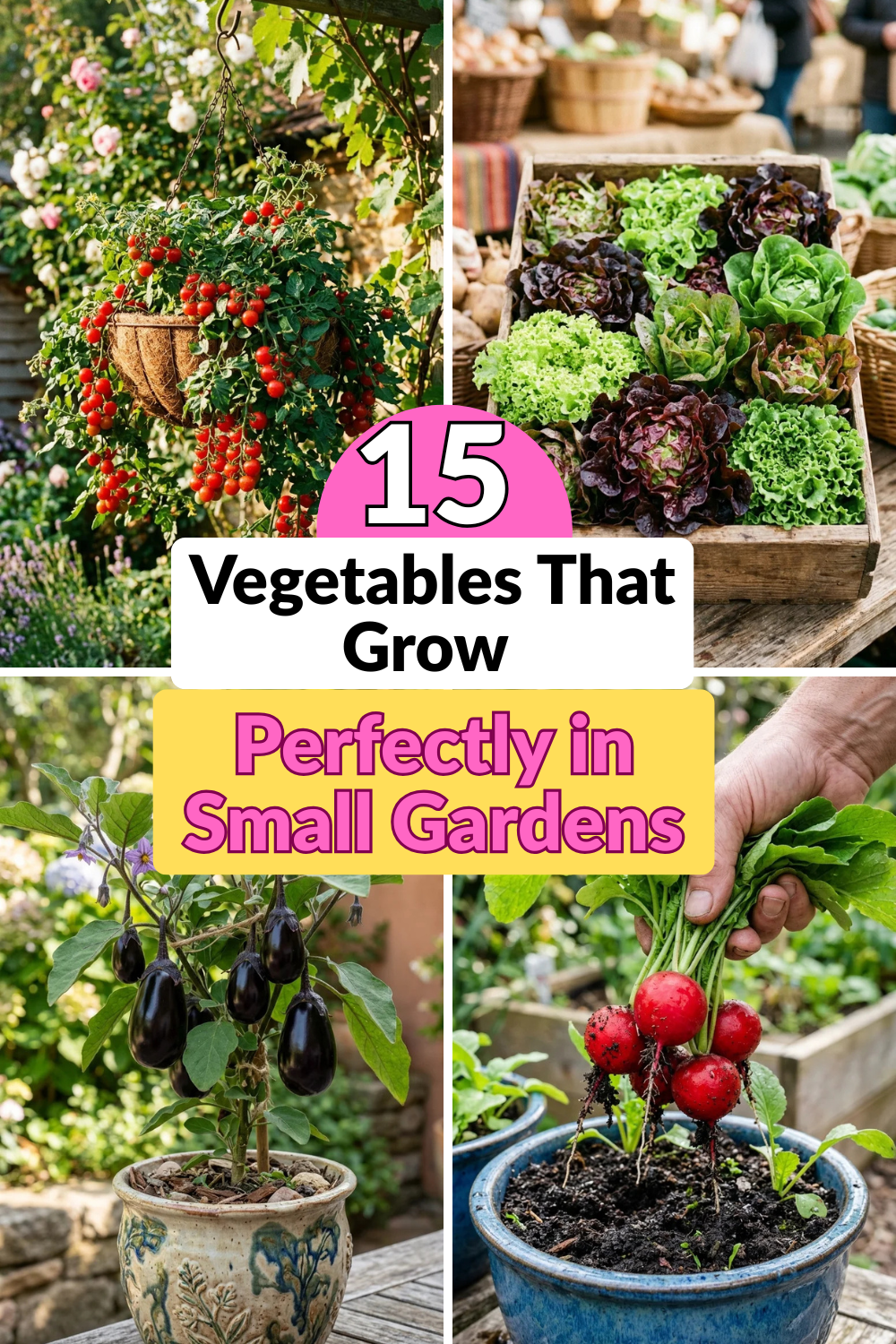
The dream of a bountiful harvest isn’t reserved exclusively for those with rolling acres of countryside. In the modern age of urban homesteading, small-space gardening has become an art form. Whether you have a tiny balcony, a small patio, or just a sunny windowsill, you can cultivate a surprisingly large amount of food. The secret lies in selecting the right varieties—plants that are naturally compact, high-yielding, or capable of growing vertically.
If you are looking to turn your limited square footage into a productive edible oasis, these fifteen vegetables are the perfect candidates to get you started.
1. Cherry Tomatoes
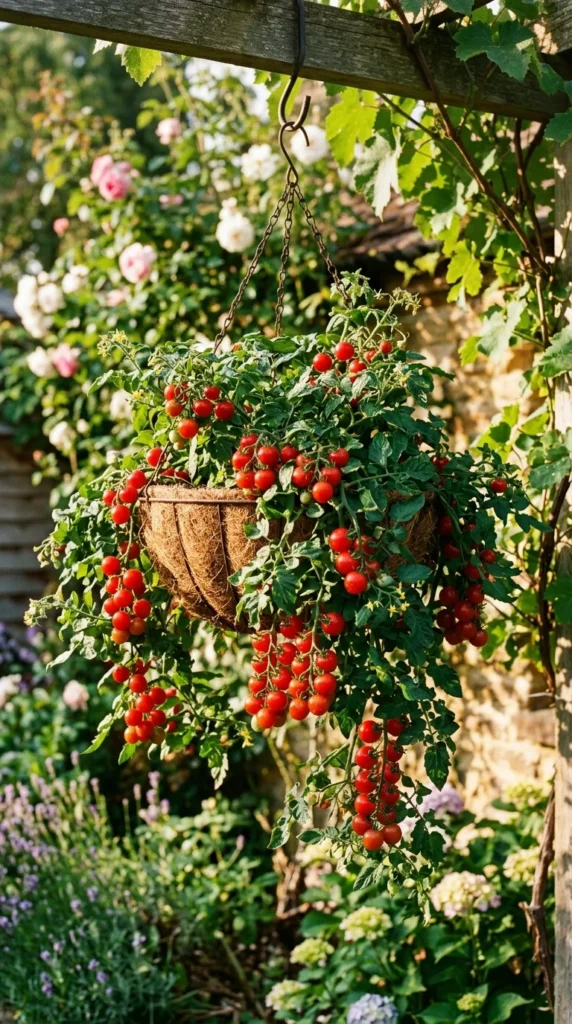
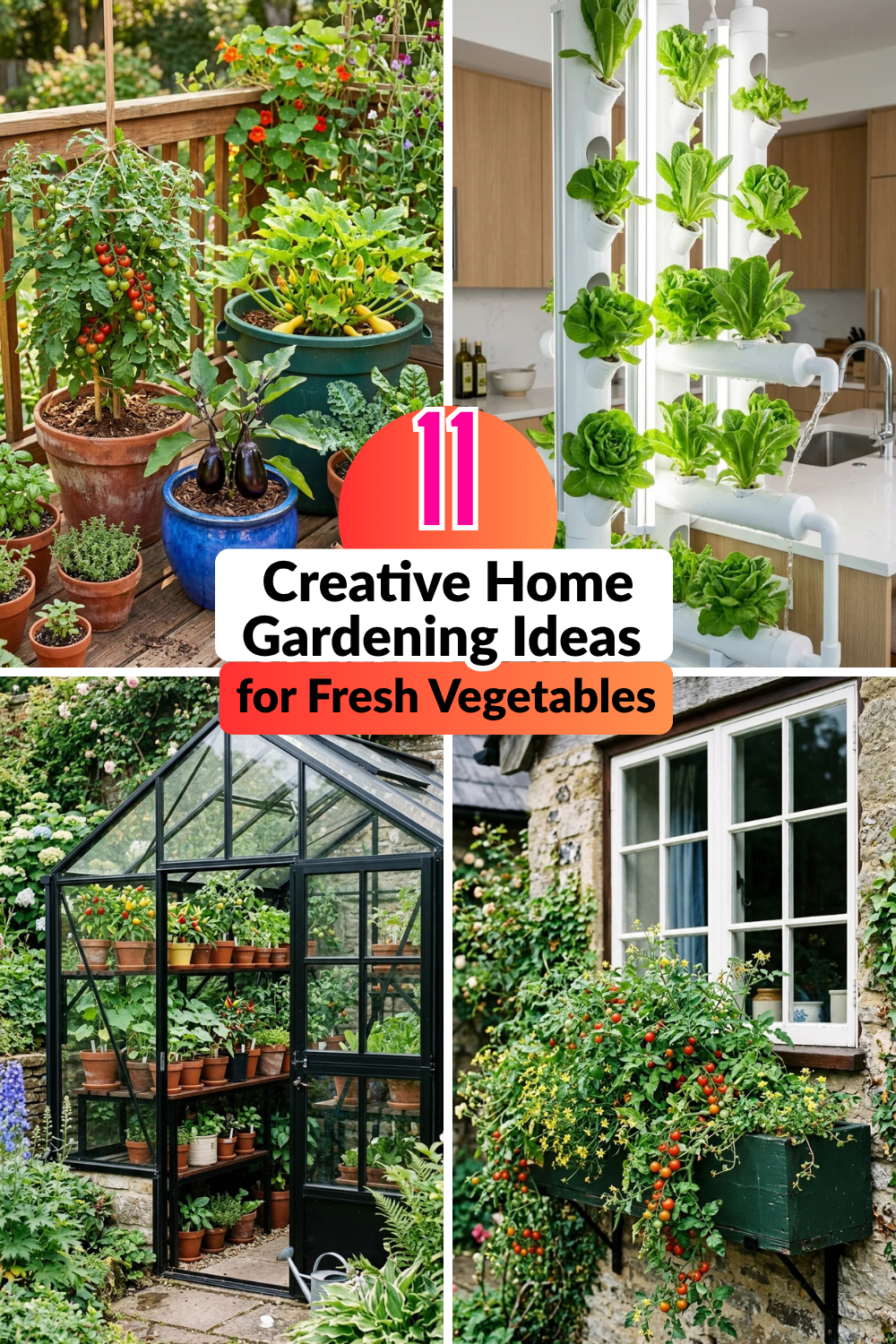
Cherry tomatoes are the undisputed kings of small-space gardening. Unlike their massive beefsteak cousins, cherry tomato varieties are often available in “determinate” or “patio” forms that stay bushy and manageable. They produce hundreds of bite-sized fruits throughout the summer, providing a high return on investment for very little horizontal space. They are also incredibly versatile; you can grow them in hanging baskets, allowing the vines to spill over the sides, or in a standard five-gallon bucket with a small central stake.
2. Salad Greens
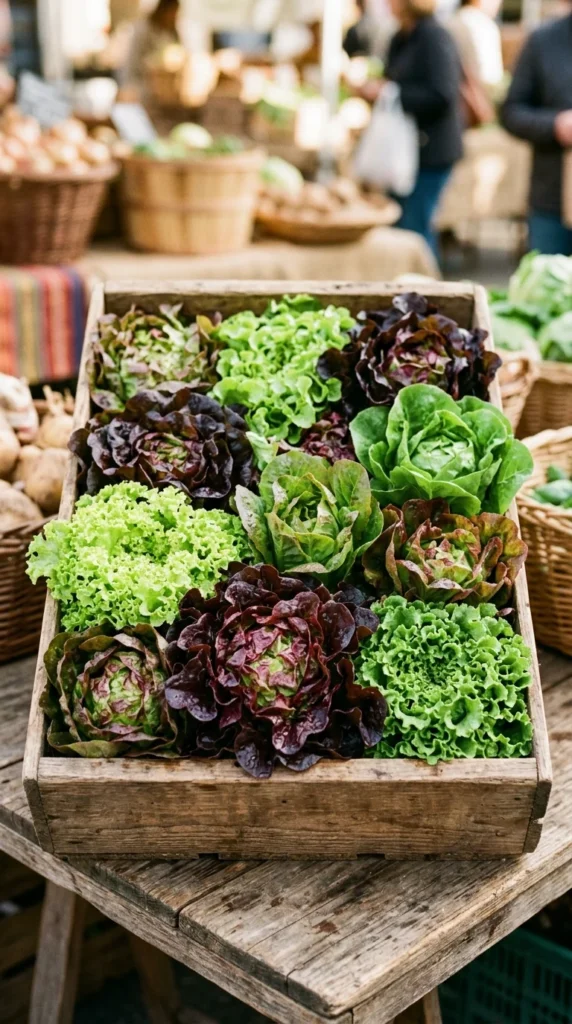
Lettuce and other salad greens are ideal for shallow containers because they have incredibly short root systems. You don’t need a deep garden bed to grow a gourmet salad mix; a simple window box or a recycled plastic tub will do. Because greens grow so quickly, you can use the “cut and come again” method, harvesting the outer leaves while letting the center continue to grow. This ensures a steady supply of fresh leaves for months on end without ever needing more than a square foot of space.
3. Radishes
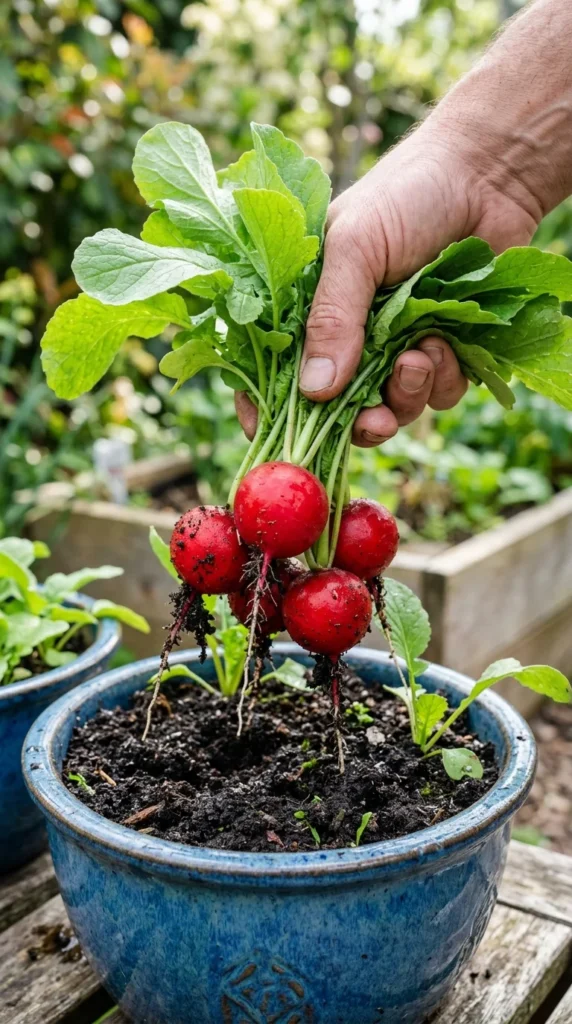
If you are looking for instant gratification, radishes are your best friend. They are one of the fastest-growing vegetables in the world, often going from seed to harvest in as little as 25 to 30 days. Because they are small and grow mostly underground, you can tuck them into the corners of larger pots or grow them in very shallow containers. They are the perfect “inter-crop” vegetable, meaning you can plant them in the gaps between slower-growing plants like peppers or kale.
4. Bush Beans
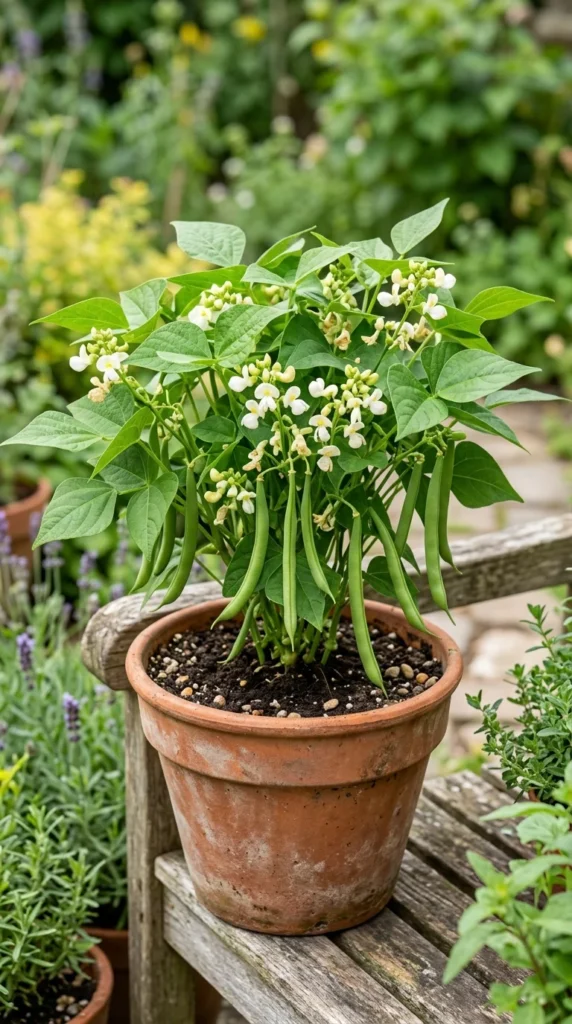
While pole beans require tall trellises and significant vertical space, bush beans are bred to stay low to the ground and compact. They typically grow into a tidy mound about 12 to 18 inches tall, making them perfect for medium-sized pots. Bush beans are incredibly prolific, producing a heavy flush of pods all at once. If you plant a new container every two weeks, you can have a continuous harvest of crisp, snap beans all summer long.
5. Bell Peppers
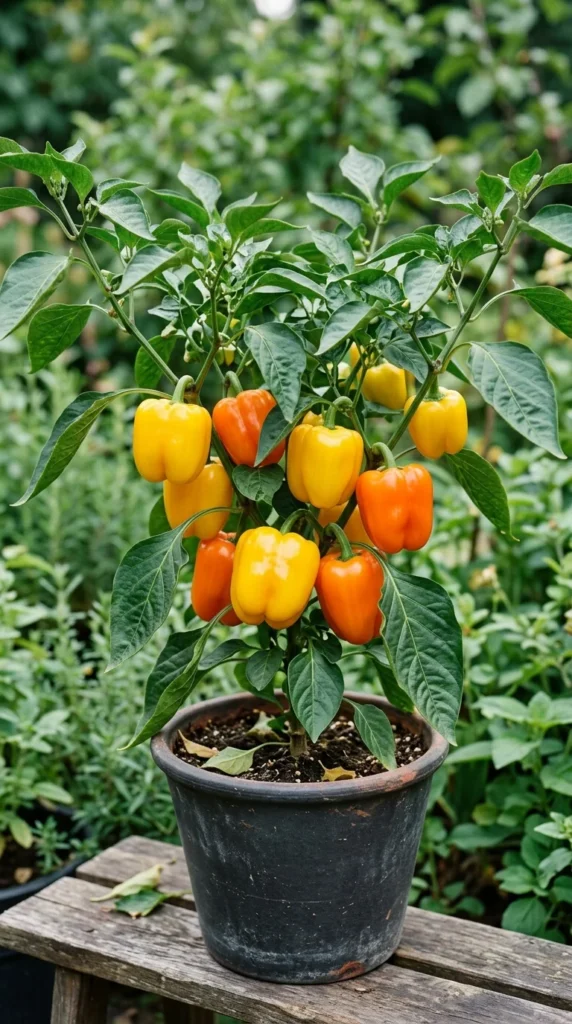
Peppers are naturally well-suited for container life. They have a sturdy, upright growth habit that doesn’t require much sprawling room. For small gardens, look for “sweet mini” varieties or patio-specific bell peppers. These plants stay small but produce full-sized or snack-sized fruits that are packed with flavor. As a bonus, pepper plants are quite ornamental, with their glossy green leaves and bright, colorful fruits adding aesthetic value to your patio.
6. Kale
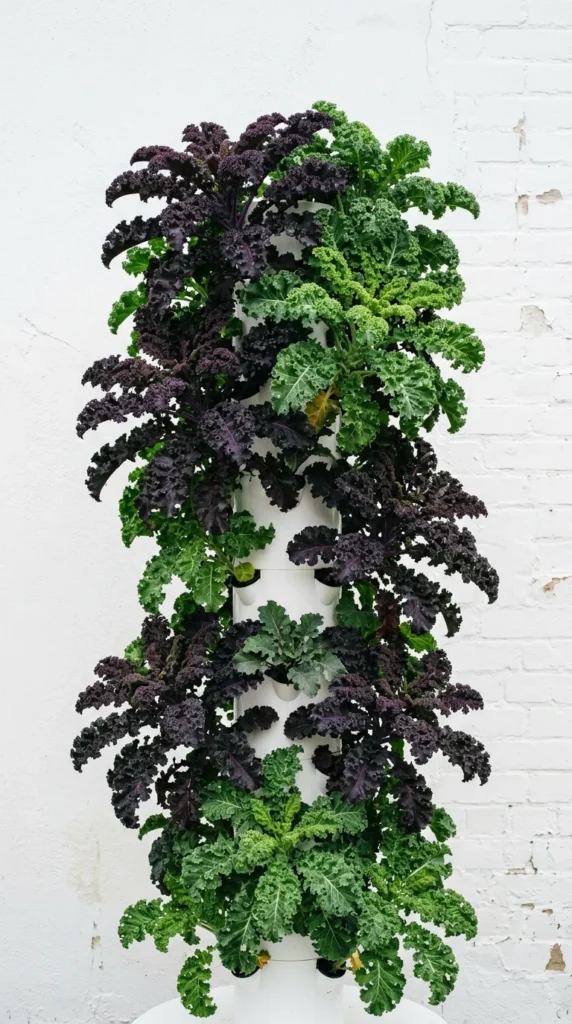
Kale is a nutritional powerhouse that is surprisingly hardy and compact. Many varieties, such as “Dwarf Blue Curled” kale, are specifically bred to stay short and stout. Kale is also a vertical grower, meaning it takes up very little width as it moves upward. It is incredibly cold-tolerant, allowing you to keep your small garden productive well into the autumn and even early winter. Just a few plants can provide enough leaves for daily smoothies or salads.
7. Carrots
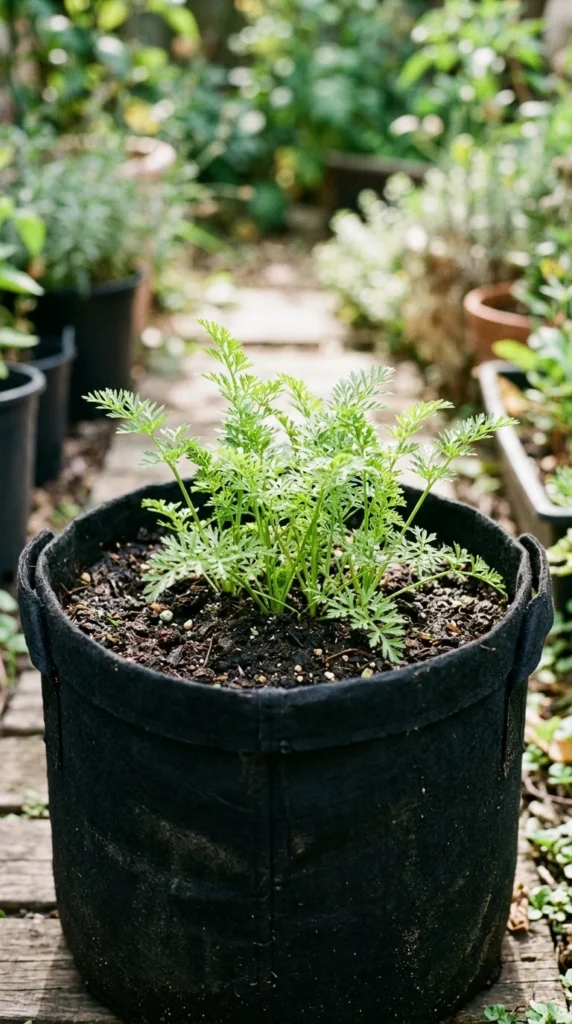
You might think carrots require a deep field, but they actually thrive in containers—provided you choose the right variety. For small gardens, look for “Chantenay” or “Nantes” types, which are shorter and stumpier than the long, tapering carrots found in grocery stores. Growing carrots in pots also has a major advantage: you can control the soil texture perfectly. Since carrots need loose, rock-free soil to grow straight, a potting mix in a container often produces better results than the heavy clay found in many backyards.
8. Spring Onions
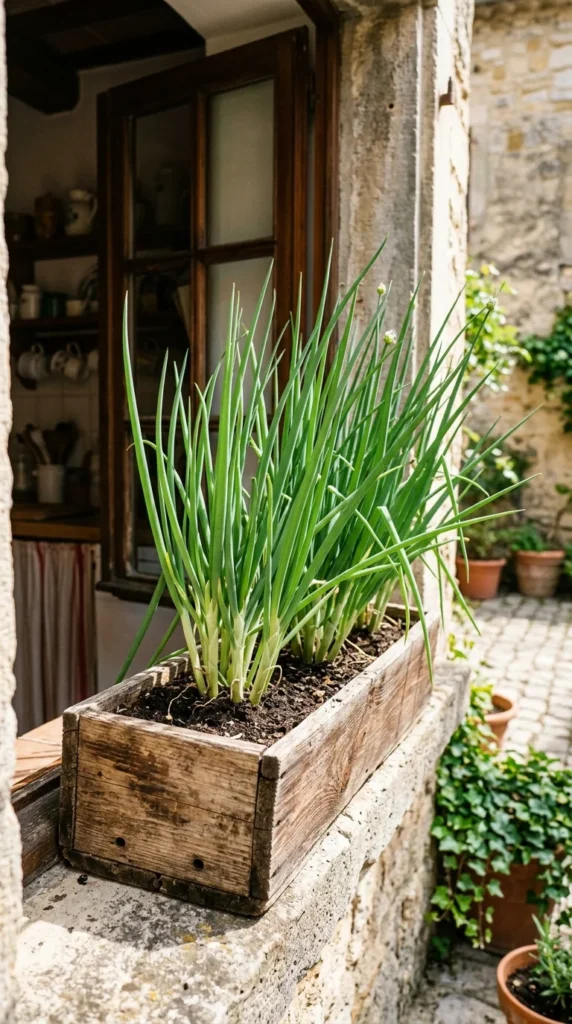
Spring onions (also known as scallions or green onions) are perhaps the most space-efficient vegetable you can grow. They grow straight up and can be planted very close together. You can even grow them in a simple jar of water on a windowsill or in a tiny trough. They are also unique because you can harvest the green tops and leave the white bulbs in the ground to regrow, providing a perpetual source of flavor for your cooking with almost zero footprint.
9. Herbs
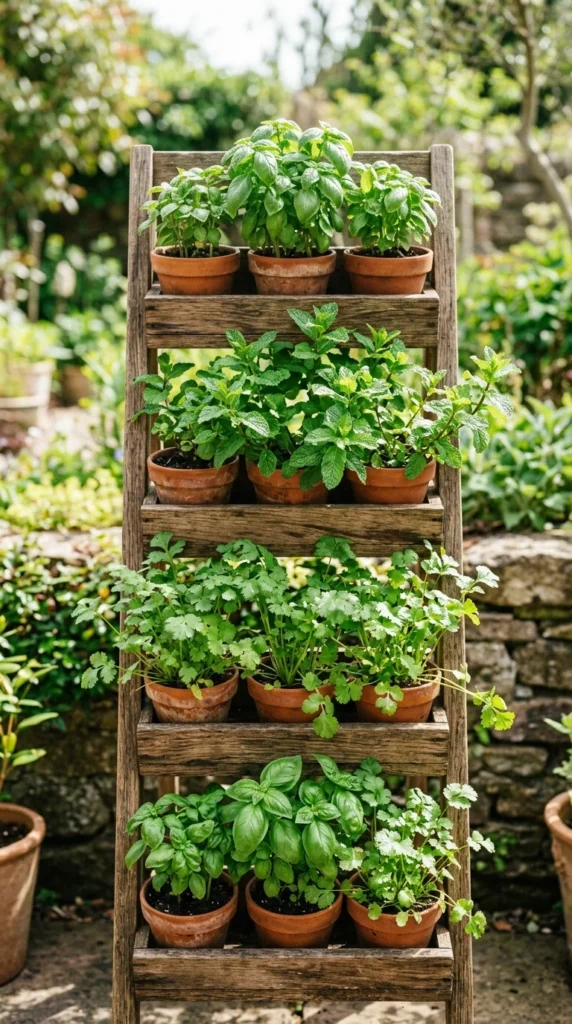
No small garden is complete without a selection of culinary herbs. While technically not all “vegetables,” they are essential for any kitchen garden. Most herbs, like basil, thyme, oregano, and parsley, are perfectly happy in small pots. They can be tucked into any sunny corner or even grown in a vertical wall planter. Herbs are high-value crops because they are expensive to buy fresh at the store but incredibly easy and cheap to maintain in a small pot at home.
10. Spinach
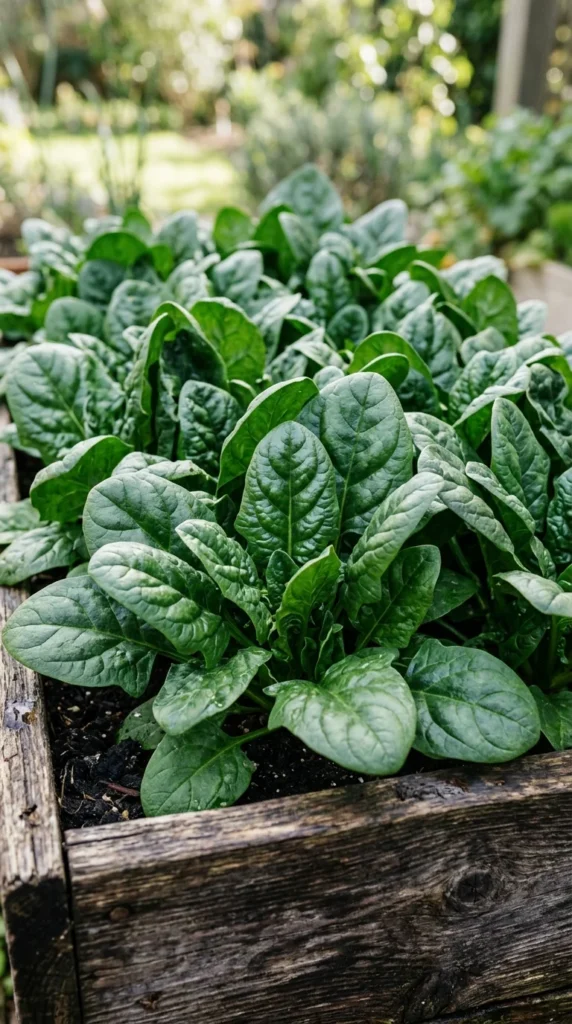
Spinach is another leafy green that loves the confined life of a container. It thrives in cooler weather and partial shade, making it a great choice for balconies that don’t get full, all-day sun. Spinach has a very shallow root system and can be grown in containers only 4 to 6 inches deep. Like lettuce, you can harvest individual leaves as you need them, allowing the plant to continue producing throughout the spring and fall seasons.
11. Bush Zucchini
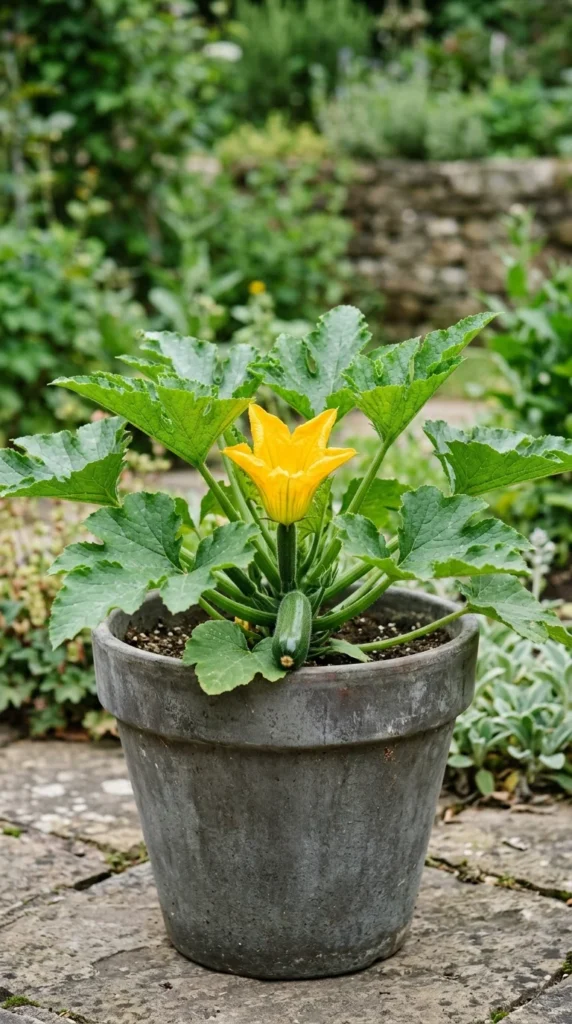
Traditional zucchini plants are famous for taking over entire gardens with their massive, sprawling vines. However, “bush” varieties have been developed specifically for small spaces. These plants grow in a concentrated clump rather than trailing across the ground. While they still require a larger pot (about 10 gallons), they stay contained within that space. One bush zucchini plant can provide more squash than a small family can eat in a single season.
12. Sugar Snap Peas
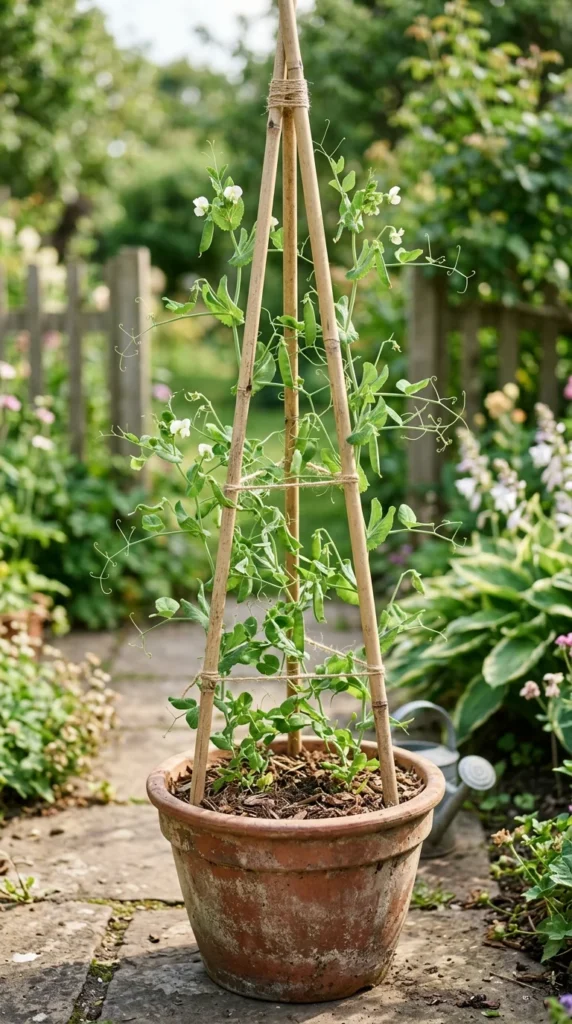
Peas are a fantastic choice for small gardens because they are natural climbers. By using a small trellis, teepee, or even a piece of netting against a wall, you can grow a large amount of food in a footprint of just a few inches. Sugar snap peas are particularly rewarding because you eat the whole pod, meaning there is zero waste. They love the cool air of early spring and will reward you with sweet, crunchy treats long before other vegetables are ready to harvest.
13. Beets
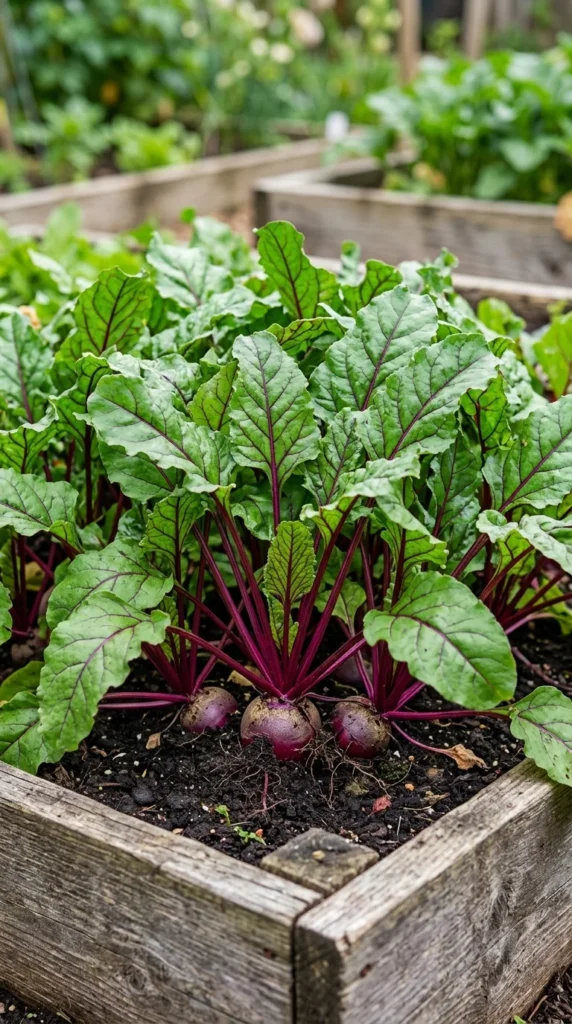
Beets are a “two-for-one” vegetable that is perfect for tight quarters. Not only do you get the earthy, nutritious root, but the leafy greens are also edible and taste very similar to Swiss chard. Beets don’t mind being a little crowded, and you can harvest them at any size—from tiny, tender “baby” beets to full-sized roots. They grow well in pots that are at least 10 inches deep and provide a beautiful splash of purple and green to your garden display.
14. Garlic
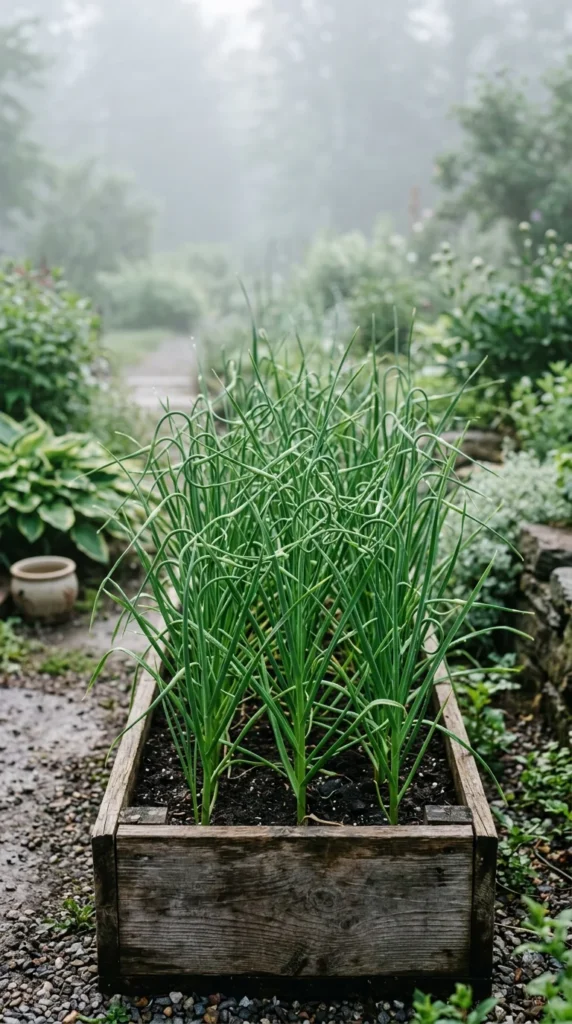
Garlic is a “set it and forget it” crop that is ideal for small gardens. It takes up very little room and stays in the ground for several months, mostly through the winter when other plants aren’t growing. You can plant garlic cloves just a few inches apart in a container or a small raised bed. In the spring, you can harvest the “scapes” (the curly green flower stalks), and by mid-summer, you’ll have full bulbs of pungent, homegrown garlic that far surpasses the quality of store-bought versions.
15. Patio Eggplant
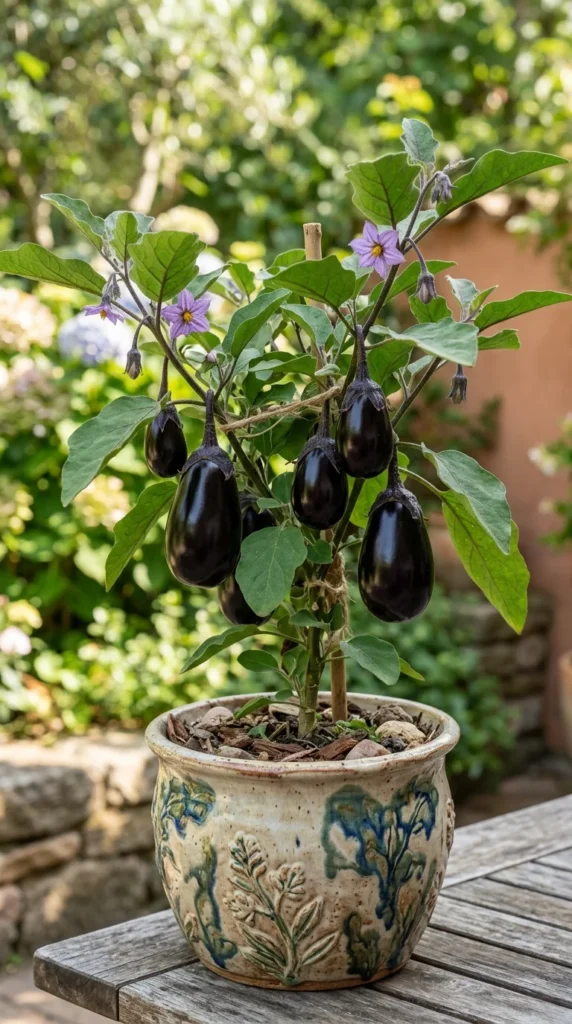
Eggplants are often overlooked for small gardens, but “patio” or “fairytale” varieties are specifically bred for container life. These miniature plants produce smaller, more manageable fruits that are just as delicious as their larger counterparts. The plants themselves are quite beautiful, featuring purple-tinted stems and lovely lavender flowers. Because eggplants love heat, growing them in a pot is actually an advantage, as the soil in containers warms up faster than the ground in the spring.