Unlocking the secret to a thriving garden doesn’t require a cabinet full of synthetic chemicals. Often, the most potent boosters for plant health are sitting right in your kitchen pantry or backyard. Natural plant care is about working with the ecosystem rather than against it, fostering a soil environment that is rich, aerated, and teeming with beneficial microbes. Whether you are tending to a massive outdoor vegetable patch or a modest collection of windowsill succulents, these twenty natural strategies will provide the nutrients, protection, and environment your plants need to reach their full potential.
1. Banana Peels
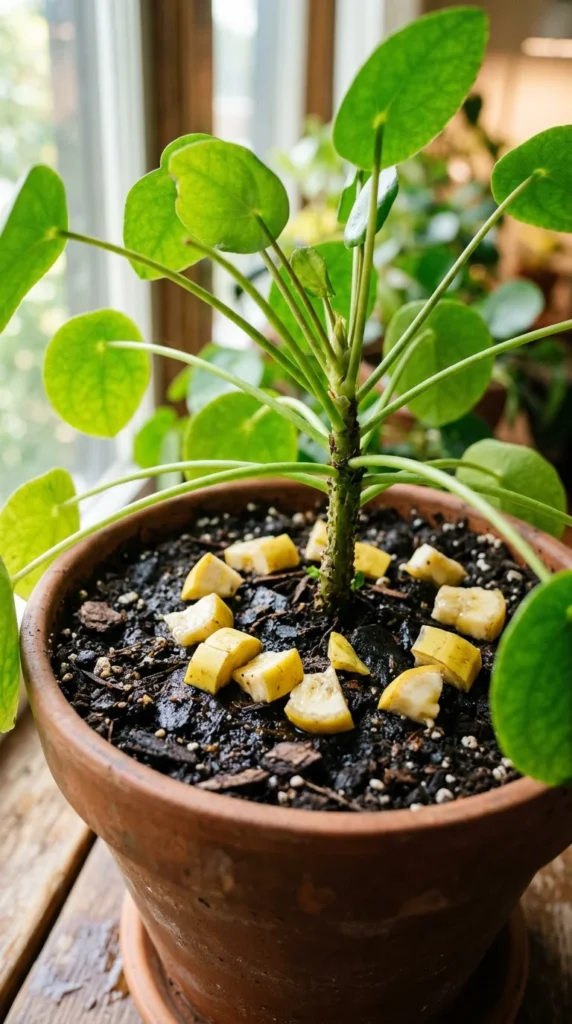
Banana peels are a goldmine of potassium, an essential macronutrient that aids in protein synthesis and water regulation within plant cells. Instead of tossing them in the trash, chop them into small pieces and bury them an inch deep into the soil. As they decompose, they release potassium, phosphorus, and calcium directly to the roots. For a quicker boost, soak the peels in water for 48 hours to create a “banana tea” that can be used during your regular watering routine.
2. Eggshell Powder
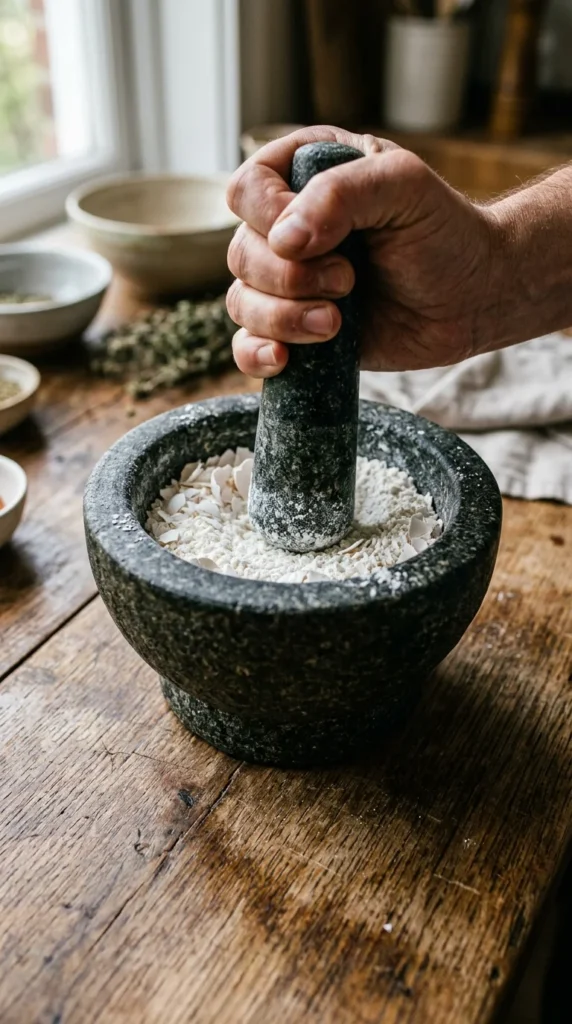
Calcium is the building block of plant cell walls, and a deficiency can lead to “blossom end rot” in tomatoes and stunted growth in many leafy greens. To use eggshells effectively, rinse them and let them dry completely before grinding them into a fine powder. This powder is absorbed much more quickly by the soil than large shards. Sprinkle it around the base of your plants to provide a slow-release calcium supplement that also helps neutralize acidic soil.
3. Coffee Grounds
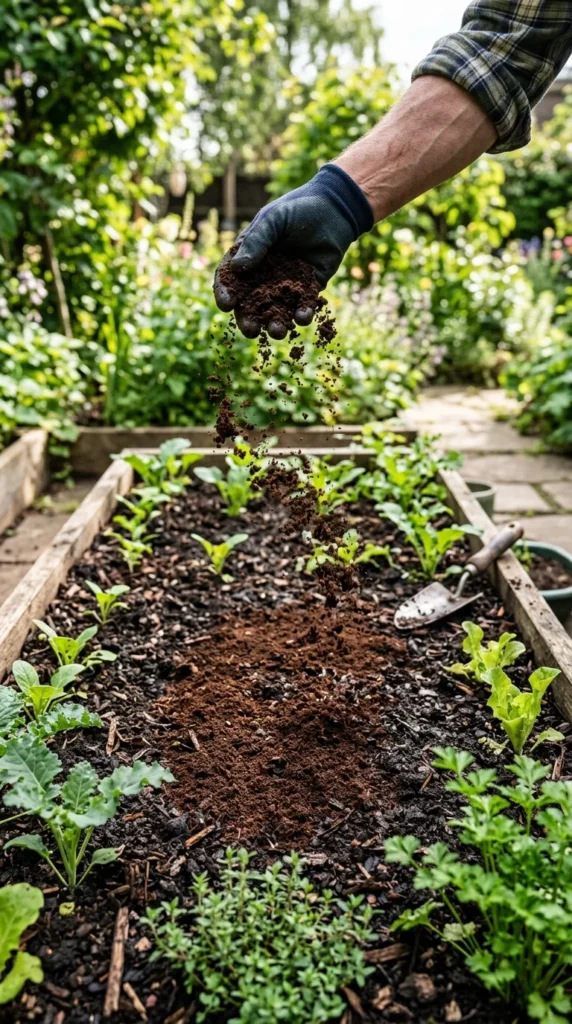
Spent coffee grounds are an excellent source of nitrogen, which is responsible for lush, green foliage. They also improve soil structure and attract beneficial earthworms. However, because they are slightly acidic, they are best suited for acid-loving plants like blueberries, azaleas, and roses. Always use “spent” grounds (the ones left after brewing), as fresh grounds are too acidic and contain high levels of caffeine which can actually inhibit growth.
4. Rainwater Harvesting

Tap water often contains chlorine, fluoride, and various minerals that can build up in the soil over time, eventually harming sensitive root systems. Rainwater is naturally soft, slightly acidic, and free of these additives. It also contains trace amounts of nitrate—the most bioavailable form of nitrogen—which provides a subtle green-up effect every time you water. Setting up a simple rain barrel is one of the most effective ways to improve long-term plant health.
5. Epsom Salts
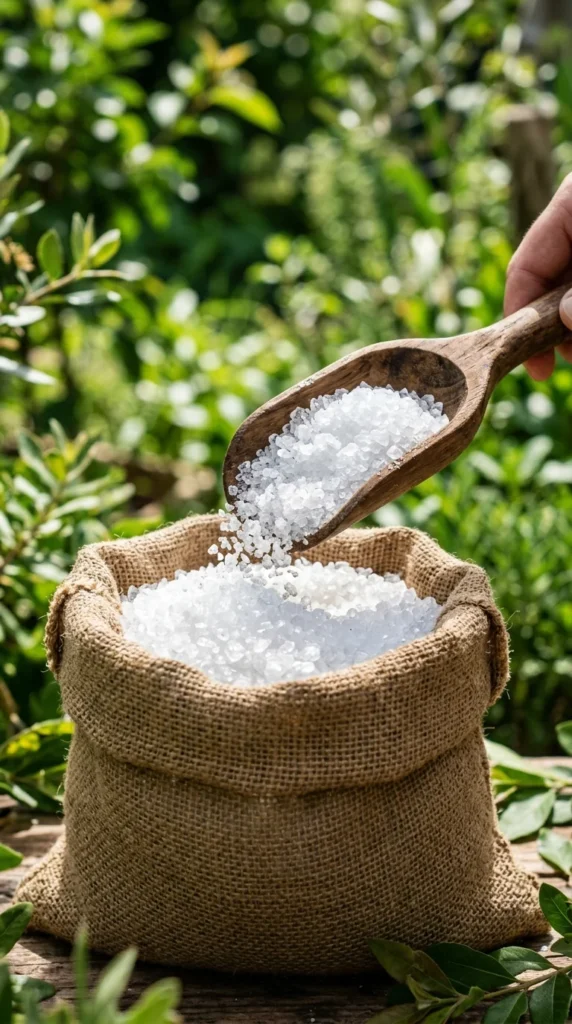
Despite the name, Epsom salt is actually magnesium sulfate. Magnesium is the central atom in the chlorophyll molecule, making it vital for photosynthesis. If your plant leaves are turning yellow while the veins stay green, they may have a magnesium deficiency. Dissolve a tablespoon of Epsom salts in a gallon of water and apply it as a foliar spray or a soil drench once a month to encourage vibrant green growth and prolific flowering.
6. Neem Oil
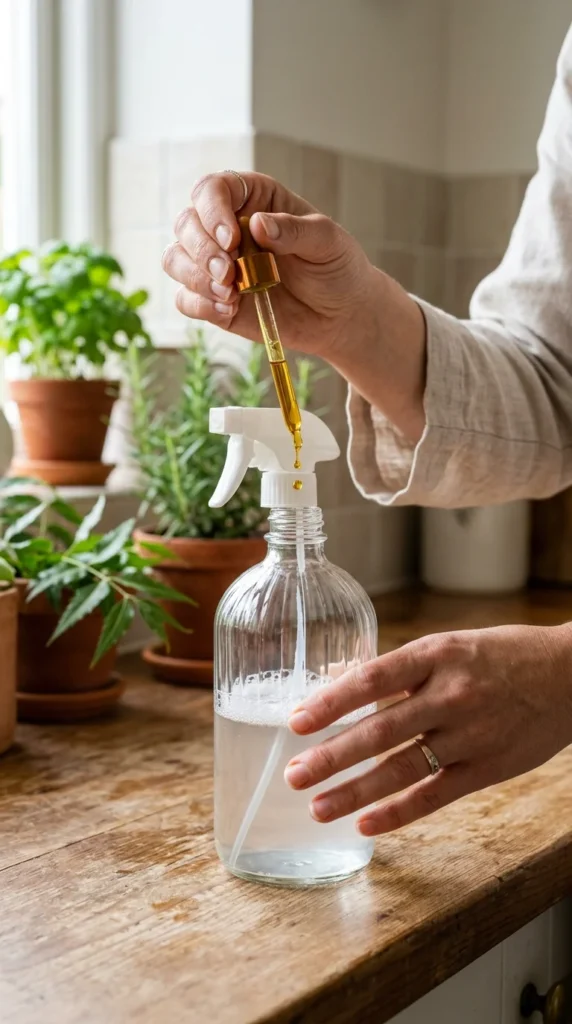
Neem oil is a natural byproduct of the neem tree and acts as a powerful organic pesticide, fungicide, and miticide. It disrupts the life cycle of pests like aphids, mealybugs, and spider mites without harming beneficial insects like bees and butterflies when used correctly. Mix a small amount with water and a dash of castile soap to help it emulsify, then spray it on the leaves to keep your plants pest-free and shiny.
7. Rice Water
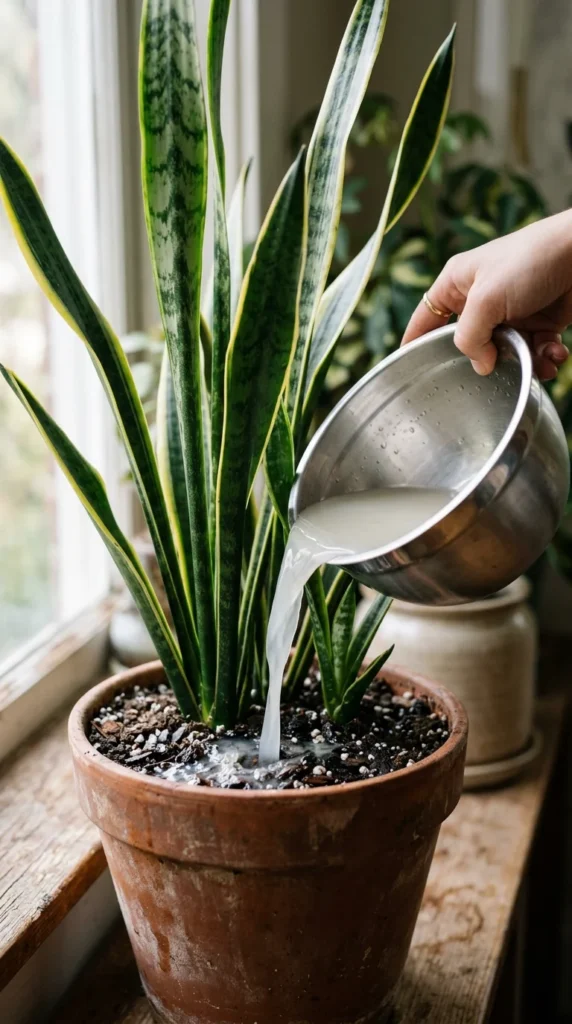
The next time you wash rice, don’t pour the cloudy water down the drain. This “rice water” is rich in starches that promote the growth of beneficial soil bacteria (mycorrhizae). These bacteria help break down organic matter and make nutrients more accessible to the plant’s roots. It also contains trace amounts of NPK (nitrogen, phosphorus, and potassium), making it a gentle, everyday fertilizer.
8. Pruning Techniques
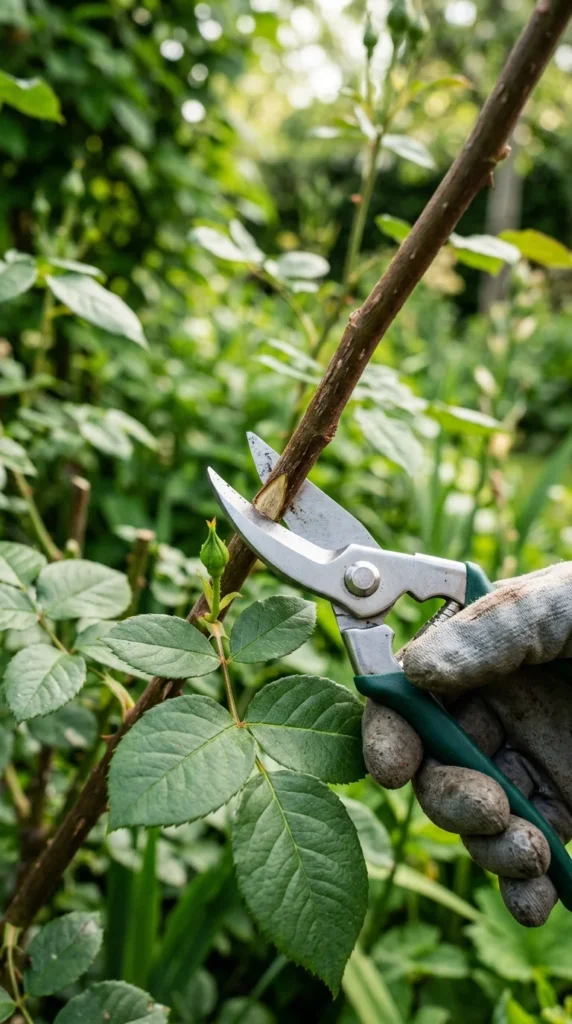
Pruning is essential for directing a plant’s energy toward healthy growth. By removing dead, diseased, or dying leaves and stems, you prevent the plant from wasting nutrients on “lost causes.” Furthermore, pruning encourages branching, leading to a bushier, stronger plant. For flowering plants, “deadheading” (removing spent blooms) signals the plant to produce more flowers rather than focusing on seed production.
9. Companion Planting
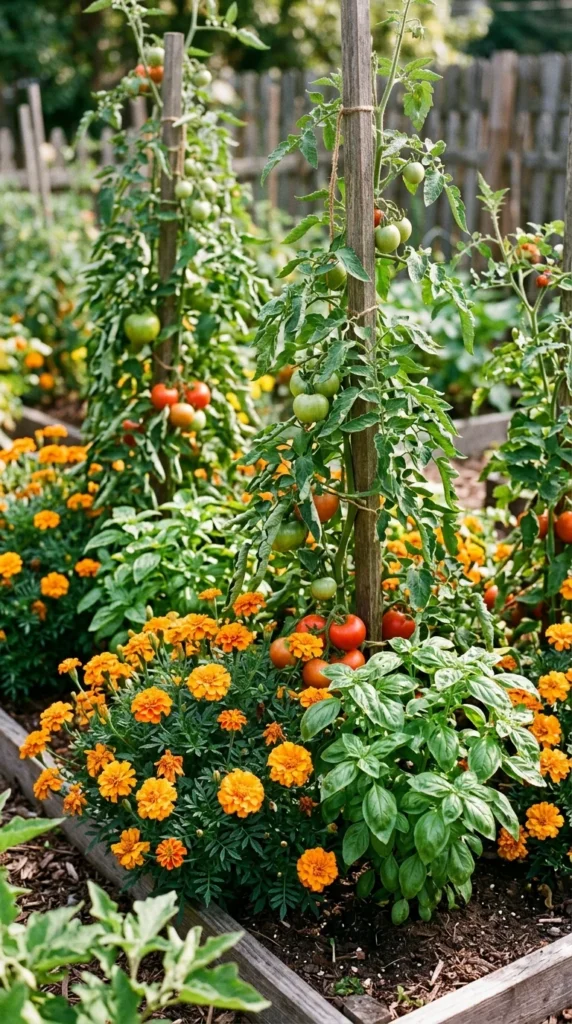
Nature rarely grows in a monoculture. Companion planting is the practice of placing specific plants together for mutual benefit. For example, planting marigolds near vegetables helps repel nematodes and aphids, while legumes like beans and peas “fix” nitrogen in the soil, feeding the plants around them. Choosing the right neighbors can reduce the need for fertilizers and pesticides significantly.
10. Mulching
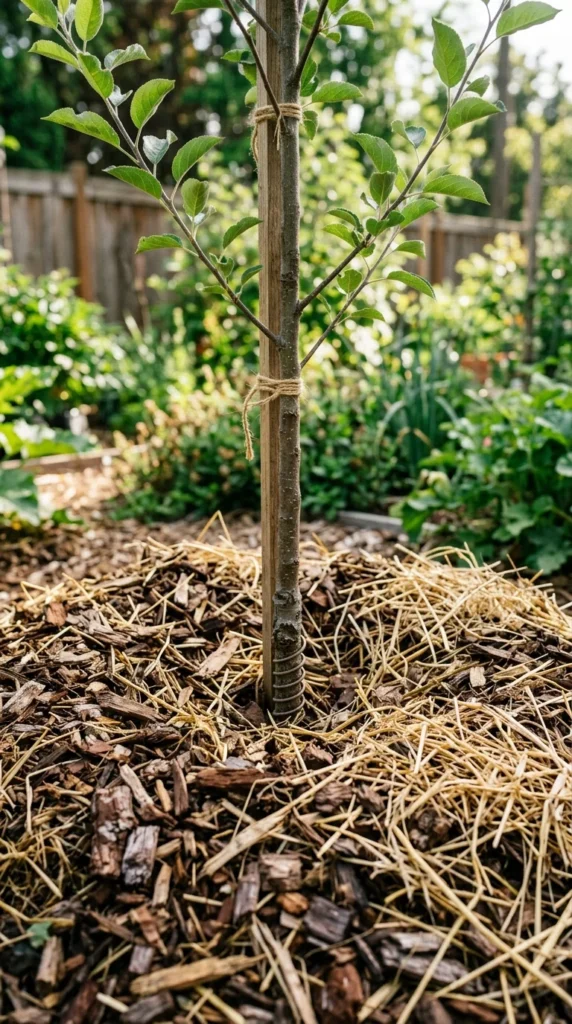
Mulch acts as a protective blanket for the soil. A layer of organic matter—such as wood chips, straw, or shredded leaves—helps retain moisture, regulates soil temperature, and suppresses weeds that would otherwise compete for nutrients. As the mulch breaks down over time, it turns into rich humus, further improving the soil’s fertility and structure.
11. Cinnamon Powder
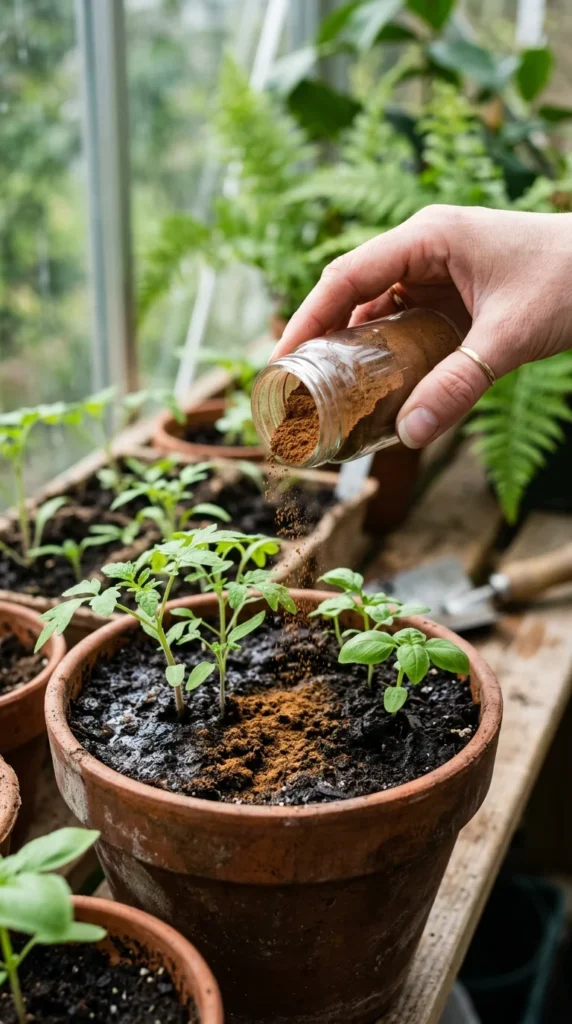
Cinnamon is a natural antifungal agent. It is particularly useful for preventing “damping off,” a fungal disease that causes young seedlings to collapse and die. Sprinkling a little cinnamon on the soil surface can also help deter gnats and ants, and it can even be used on pruning cuts to prevent infections from entering the plant’s “wound.”
12. Aeration
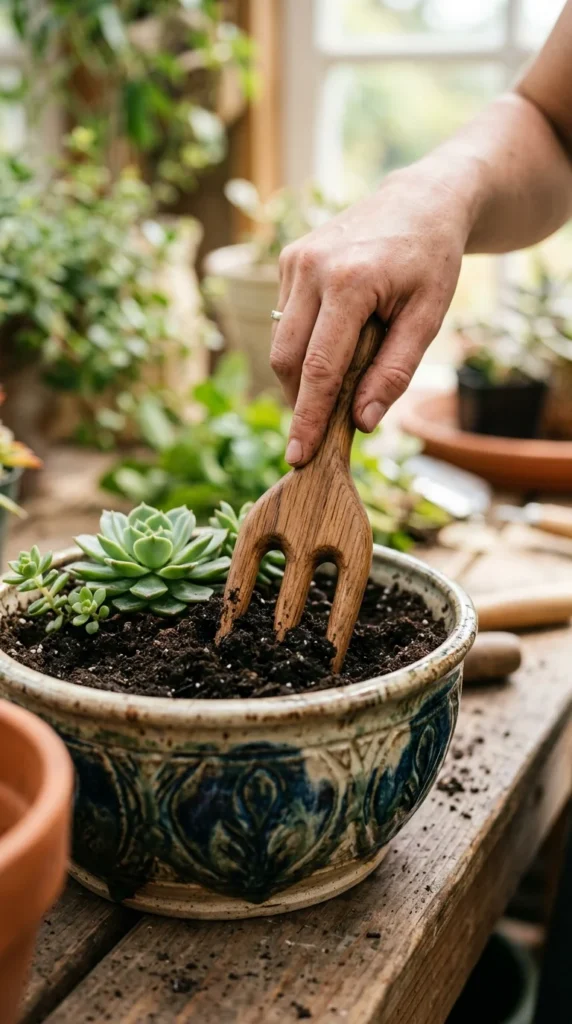
Over time, soil can become compacted, especially in pots. Compacted soil prevents oxygen from reaching the roots and causes water to sit on the surface rather than soaking in. Periodically use a chopstick or a small hand fork to gently poke holes in the soil. This “aeration” allows the roots to breathe and ensures that nutrients can flow freely through the root zone.
13. Worm Castings
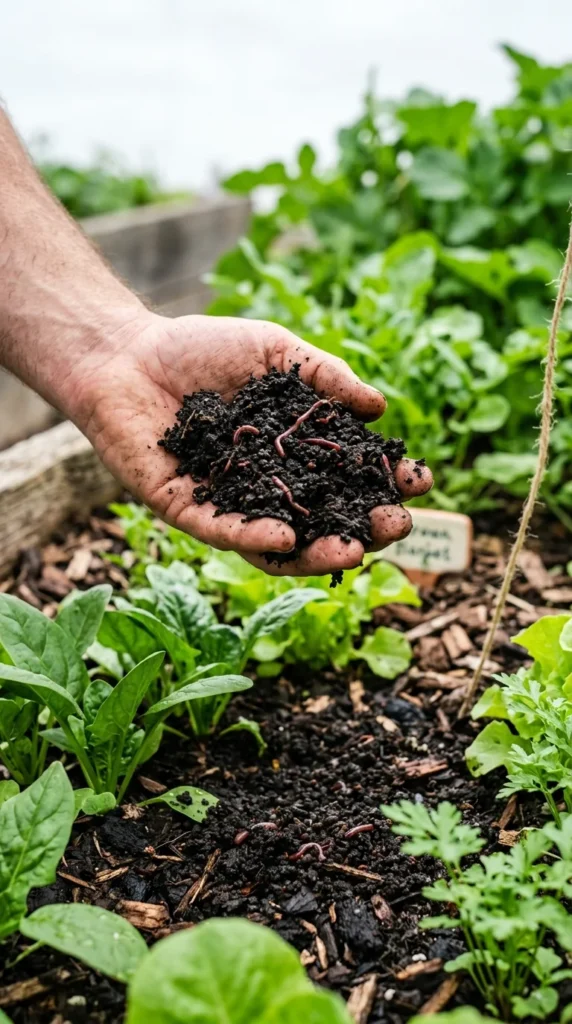
Worm castings, or “black gold,” are arguably the best natural fertilizer on earth. They are the waste produced by earthworms and are packed with minerals and highly concentrated beneficial microbes. Unlike chemical fertilizers, worm castings will never burn your plants. You can mix them into your potting soil or “top-dress” your plants by spreading a thin layer on the surface twice a year.
14. Baking Soda
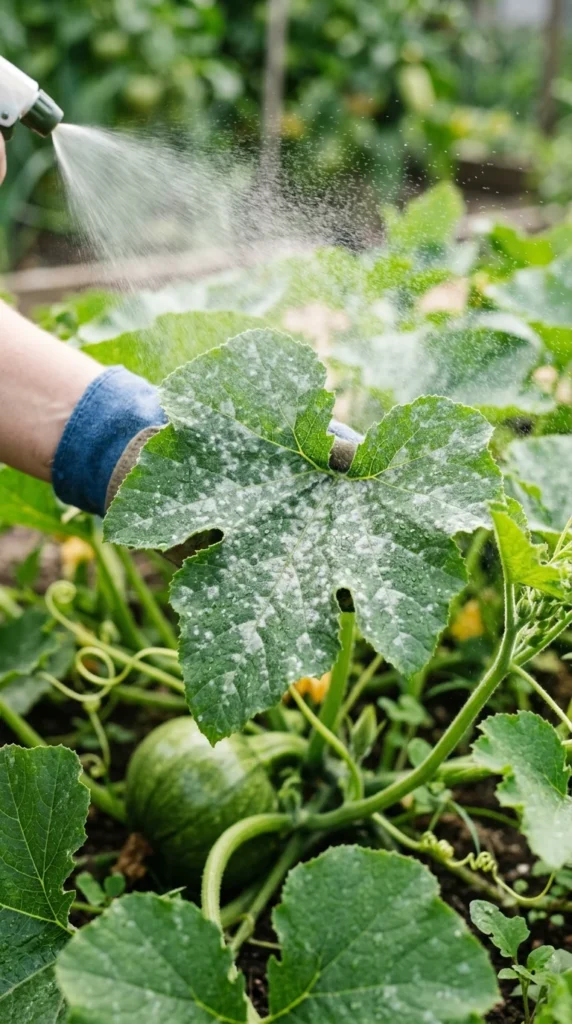
Baking soda is a fantastic remedy for powdery mildew, a common fungal issue that looks like white flour on leaves. Mix one tablespoon of baking soda with a half-teaspoon of liquid soap and a gallon of water. Spraying this on affected leaves changes the pH of the leaf surface, making it impossible for the fungus to grow.
15. Sunlight
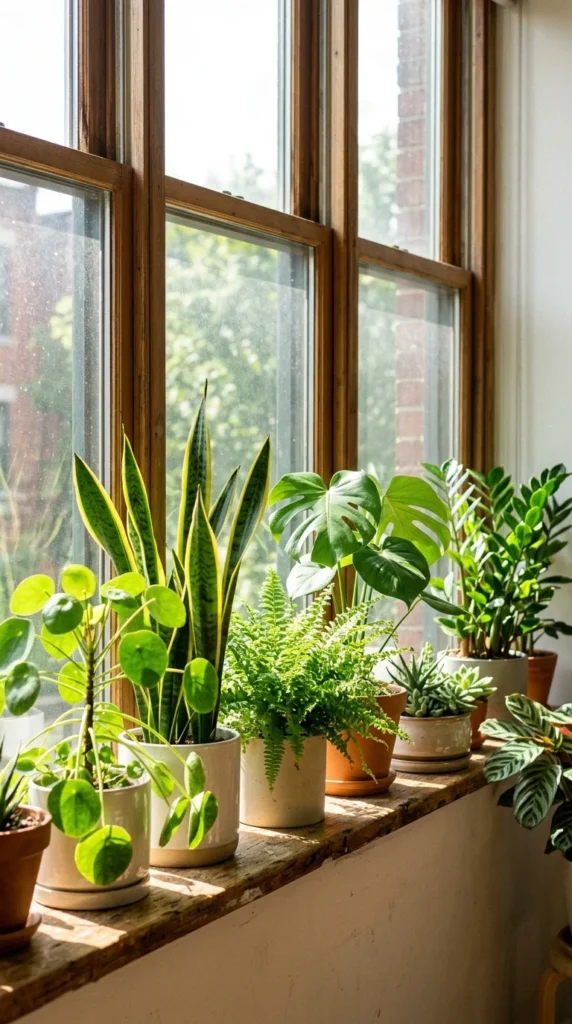
While it seems basic, optimizing light is the most important natural care tip. Every plant has a “sweet spot” for light. If a plant is “leggy” (stretched out with large gaps between leaves), it is likely starving for light. Conversely, brown, crispy spots in the center of leaves can indicate sunburn. Observing your plant’s reaction to its placement and moving it accordingly is the best way to ensure vigorous growth.
16. Molasses
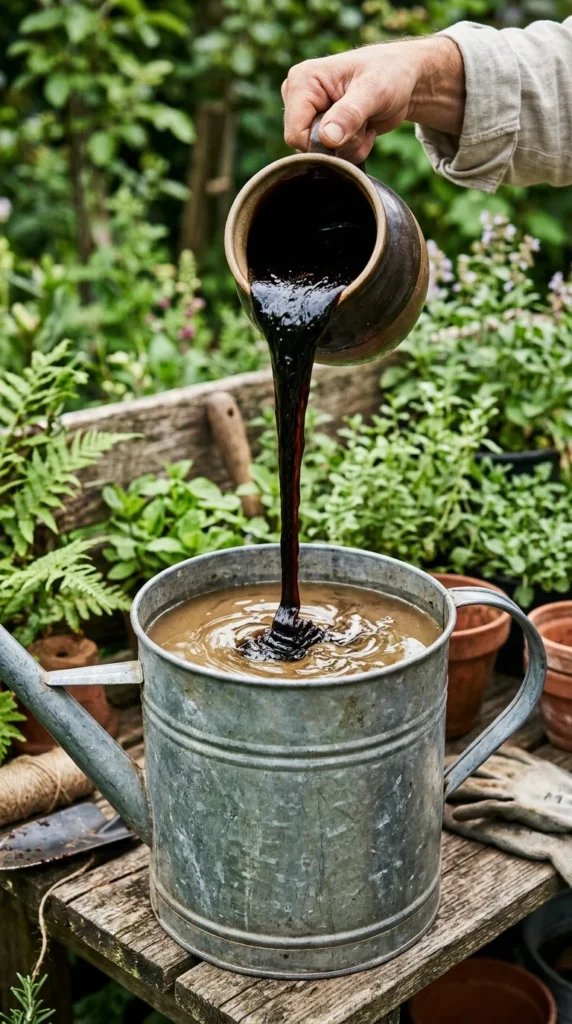
Unsulphured molasses is a secret weapon for organic gardeners. It doesn’t feed the plant directly; instead, it feeds the beneficial bacteria and fungi in the soil. These microorganisms thrive on the sugar and minerals (like carbon and iron) in the molasses. A healthy microbial population leads to a more robust root system and helps the plant resist diseases.
17. Seaweed Extract
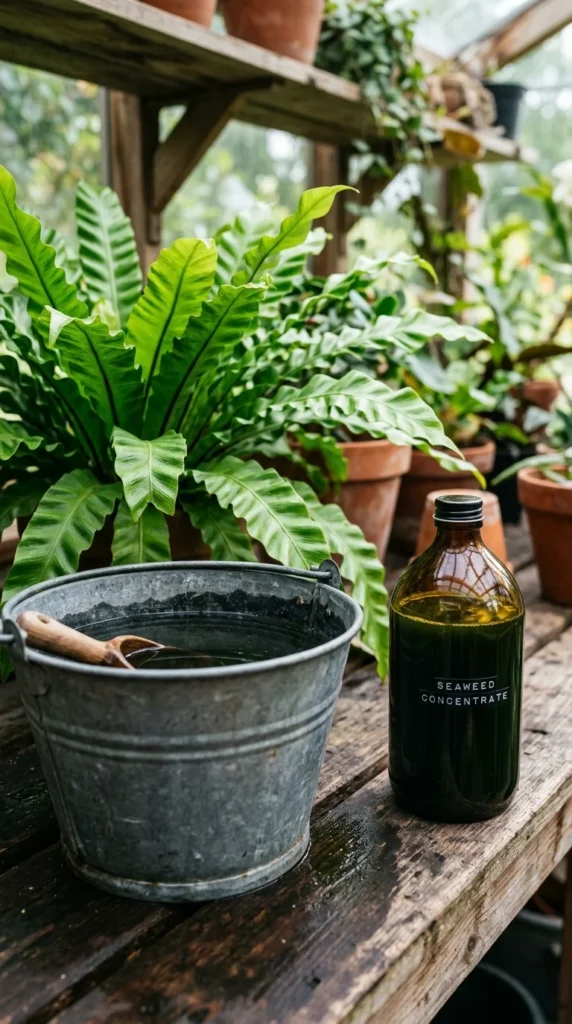
Seaweed and kelp extracts are growth stimulants rather than traditional fertilizers. They contain over 60 trace minerals and natural growth hormones like cytokinins and auxins. These hormones tell the plant to grow stronger roots and thicker stems. Using a diluted seaweed solution every few weeks can help plants recover from stress, such as extreme heat or transplanting.
18. Pot Rotation
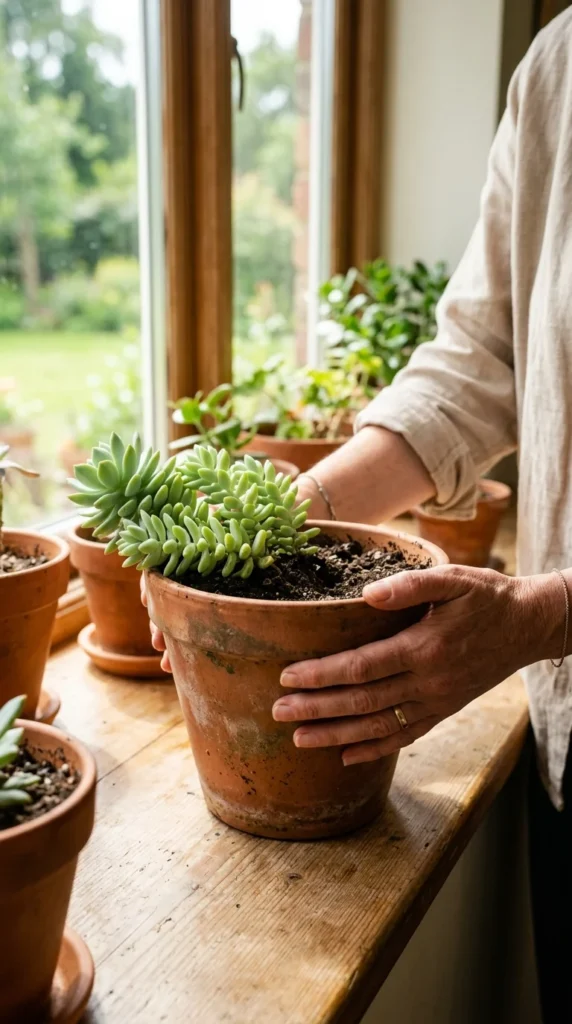
Plants are phototropic, meaning they grow toward their light source. If a pot stays in one position, the plant will eventually lean or become “one-sided.” To ensure symmetrical, strong growth, give your pots a quarter-turn every time you water. This ensures that all sides of the plant receive equal energy for photosynthesis.
19. Proper Drainage
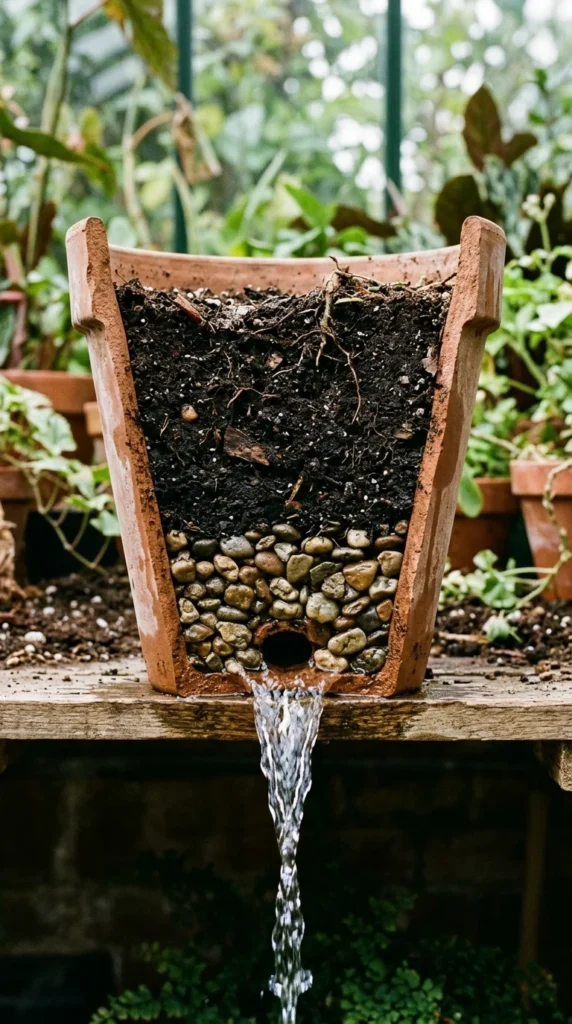
Strong growth starts with healthy roots, and roots cannot survive in stagnant water. “Wet feet” leads to root rot, which is often fatal. Always ensure your pots have drainage holes. If you have a decorative “cachepot” without holes, keep the plant in a plastic nursery liner inside it so you can remove the plant to water it and let the excess drain away.
20. Green Tea Soaks
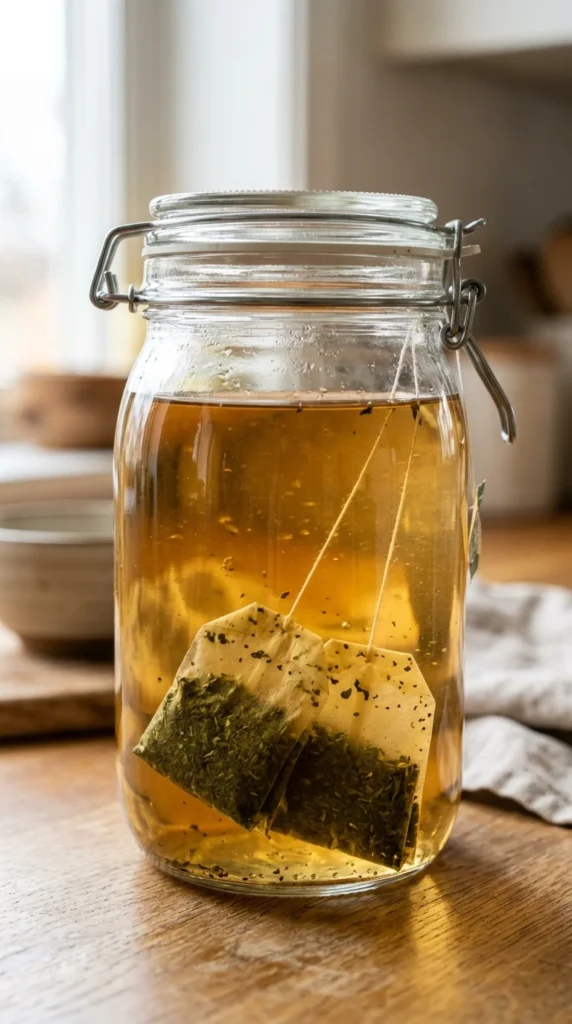
Green tea leaves contain tannic acid and small amounts of nitrogen. Once you’ve enjoyed your cup of tea, let the bag cool and steep it again in a watering can. This “weak” tea can be used to water your plants. It slightly acidifies the soil and provides a gentle antioxidant boost that helps the plant defend itself against environmental stressors.