Gardening is often seen as a battle against nature—a struggle against pests, poor soil, and unpredictable weather. But the secret to a thriving, bountiful garden doesn’t lie in expensive chemicals or complex machinery. The most effective gardening strategies are often the simplest, rooted in organic practices that work with nature rather than against it. Whether you are a seasoned green thumb or a beginner planting your first tomato seedling, these 20 organic gardening hacks will help you grow healthier plants, deter pests naturally, and save money using everyday household items.
1. Eggshells
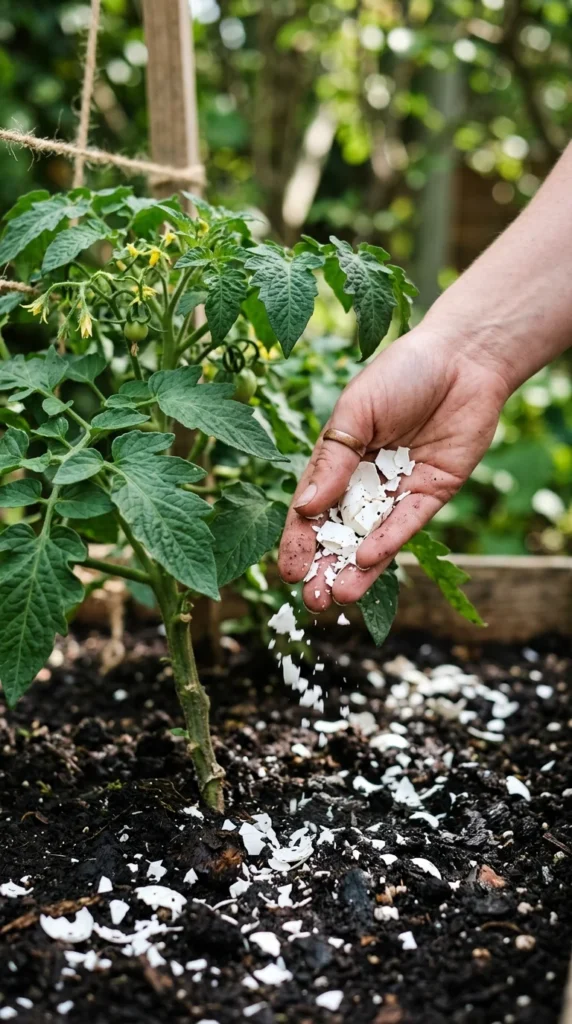
Don’t toss those breakfast remains! Eggshells are a goldmine for organic gardeners. They are primarily composed of calcium carbonate, which is essential for cell growth in plants. When crushed and added to the soil, they help prevent “blossom end rot” in tomatoes, peppers, and eggplants. Furthermore, if you leave the shells in slightly larger, sharp pieces, they act as a physical deterrent for soft-bodied pests like slugs and snails, who find crawling over the jagged edges uncomfortable.
2. Coffee Grounds
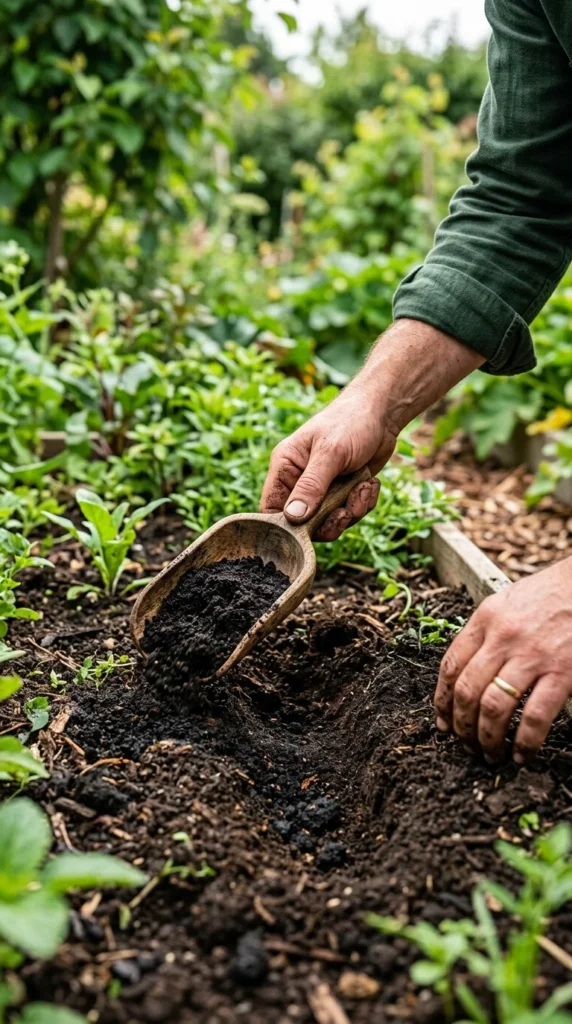
Used coffee grounds are a fantastic nitrogen source for your compost pile or directly for your soil. They are slightly acidic, making them perfect for acid-loving plants like blueberries, azaleas, and hydrangeas. Beyond nutrients, coffee grounds improve soil structure and aeration. An added bonus? Earthworms love them! By adding grounds to your garden, you encourage earthworms to move in, tilling the soil for you and leaving behind nutrient-rich castings.
3. Banana Peels
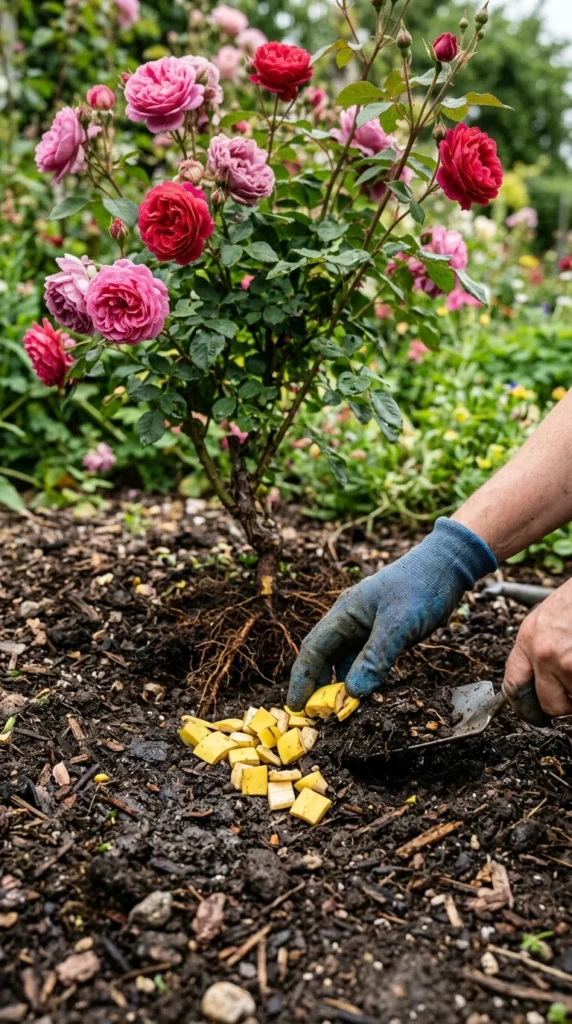
Bananas are famous for their potassium, and plants need this mineral just as much as humans do for overall health and fruit production. Burying banana peels near the base of your plants—especially roses and fruit-bearing bushes—provides a slow-release boost of potassium, phosphorus, and magnesium. You can also soak peels in water for 48 hours to create a “banana tea” liquid fertilizer that can be poured directly onto the roots.
4. Cinnamon Powder
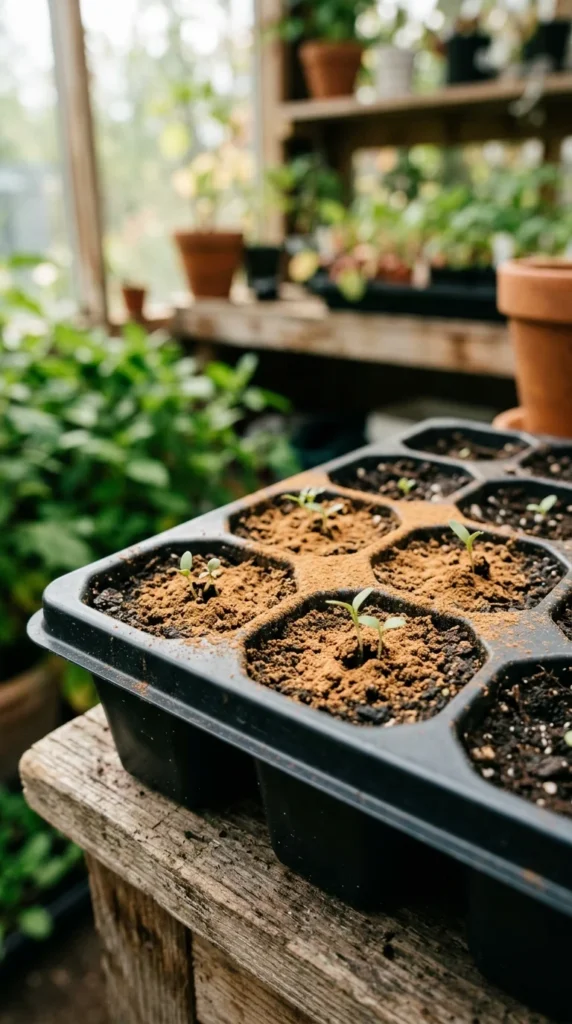
Cinnamon isn’t just for toast; it’s a powerful natural fungicide. If you are starting seeds indoors, you may encounter “damping off,” a fungal disease that causes tiny seedlings to collapse and die. Sprinkling a little cinnamon on the soil surface inhibits fungal growth and protects your vulnerable sprouts. It can also be used on larger plants to treat wounds where branches have been pruned, acting as a natural antiseptic.
5. Epsom Salt
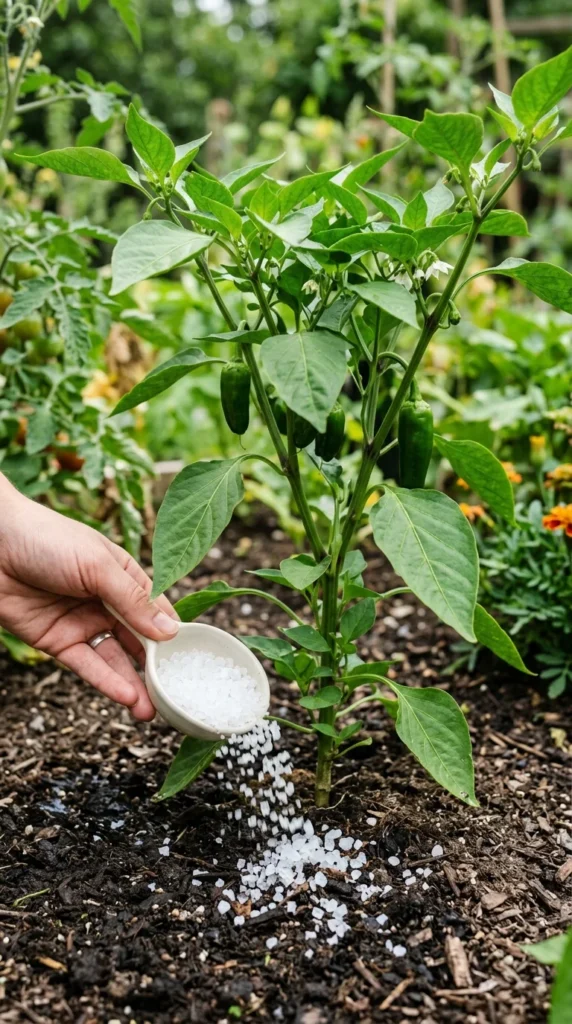
Epsom salt is actually magnesium sulfate. Magnesium is the central atom of the chlorophyll molecule, meaning it is vital for photosynthesis. If your leaves are turning yellow while the veins stay green, your soil might be magnesium-deficient. A tablespoon of Epsom salt dissolved in a gallon of water can be used as a foliar spray or a soil drench to give your plants a vibrant green boost and encourage more flowers and fruit.
6. Cooking Water
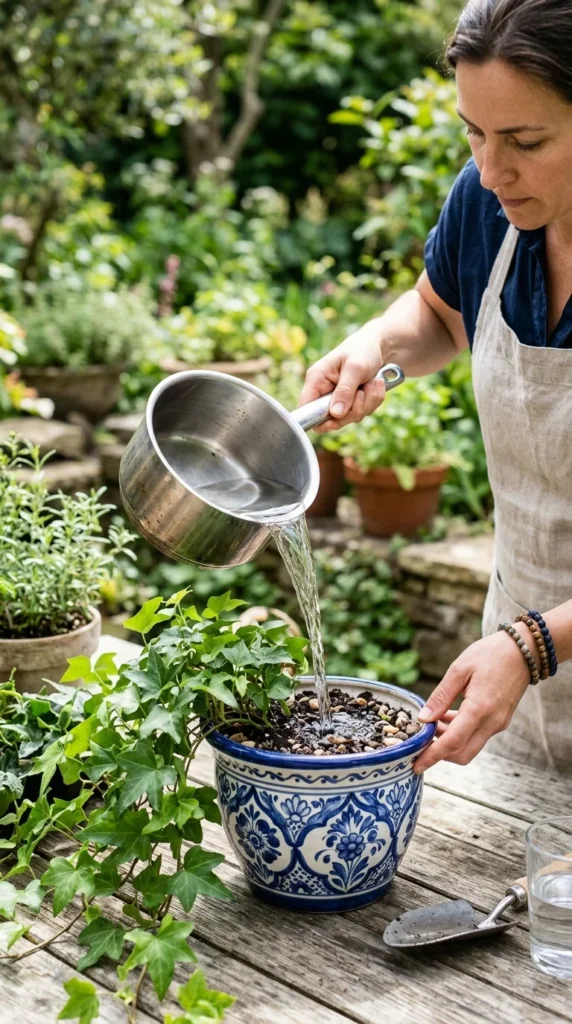
Next time you boil pasta, potatoes, or vegetables, don’t pour that water down the drain. As long as you haven’t salted the water, it is packed with starch and micronutrients leached from the food. Once the water has cooled to room temperature, use it to water your garden or houseplants. It’s like a free dose of liquid vitamins for your greenery.
7. Vinegar Weedkiller
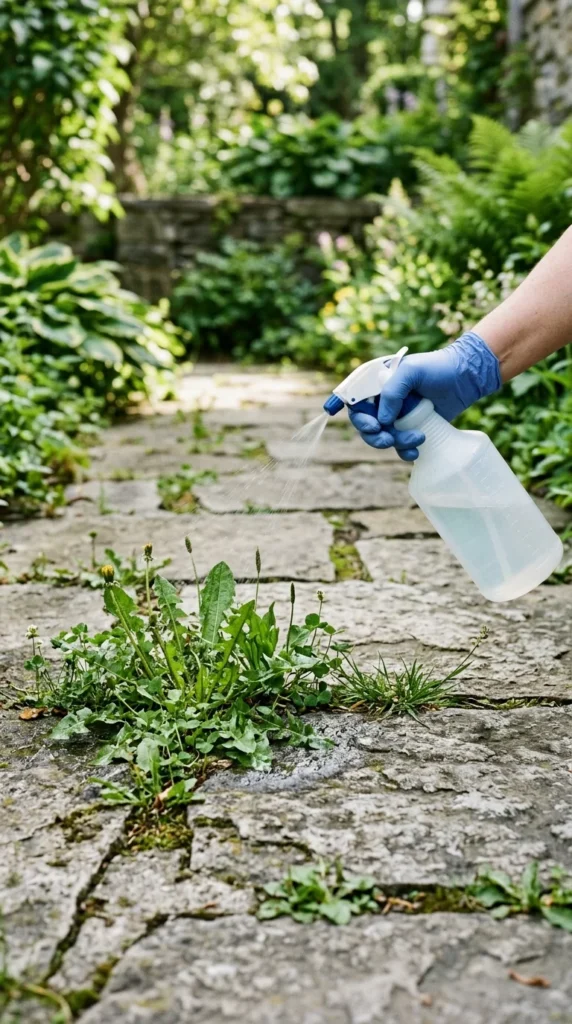
Chemical herbicides can be harmful to pets, children, and beneficial insects. For a natural alternative, use white vinegar. The acetic acid in vinegar draws moisture out of weeds, killing them within hours. For a potent DIY version, mix one gallon of white vinegar with a cup of salt and a tablespoon of dish soap (to help it stick to the leaves). Use this only on paths or areas where you don’t want anything to grow, as it doesn’t discriminate between weeds and flowers.
8. Milk Spray
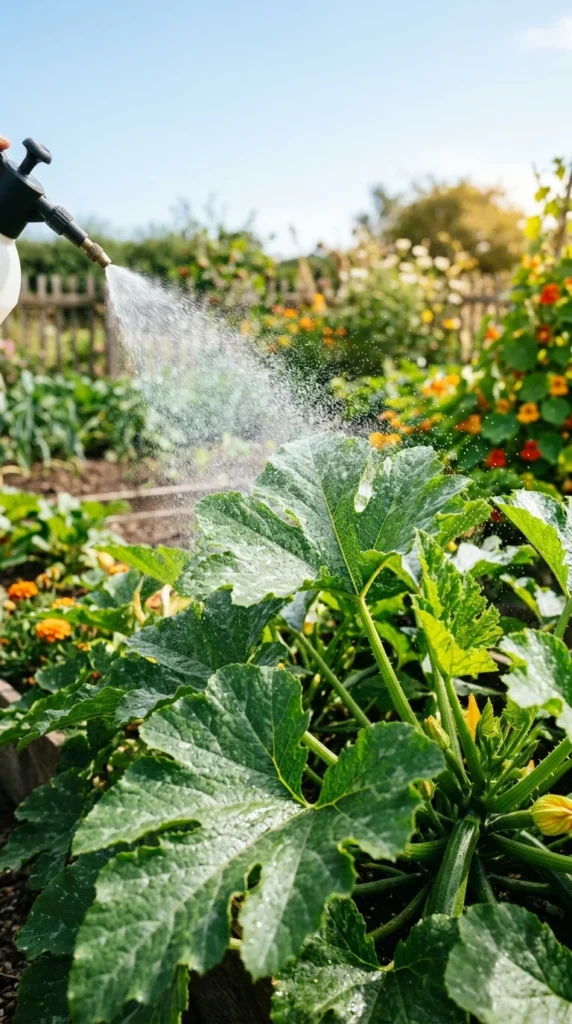
Powdery mildew is a common fungal issue that looks like a white dusting on leaves, common in squash and cucumbers. Surprisingly, a mixture of 40% milk and 60% water is an incredibly effective treatment. Research suggests that the proteins in milk react with sunlight to create a brief antiseptic effect. Spraying this mixture on your plants every couple of weeks can prevent and treat mildew outbreaks without chemicals.
9. Baking Soda
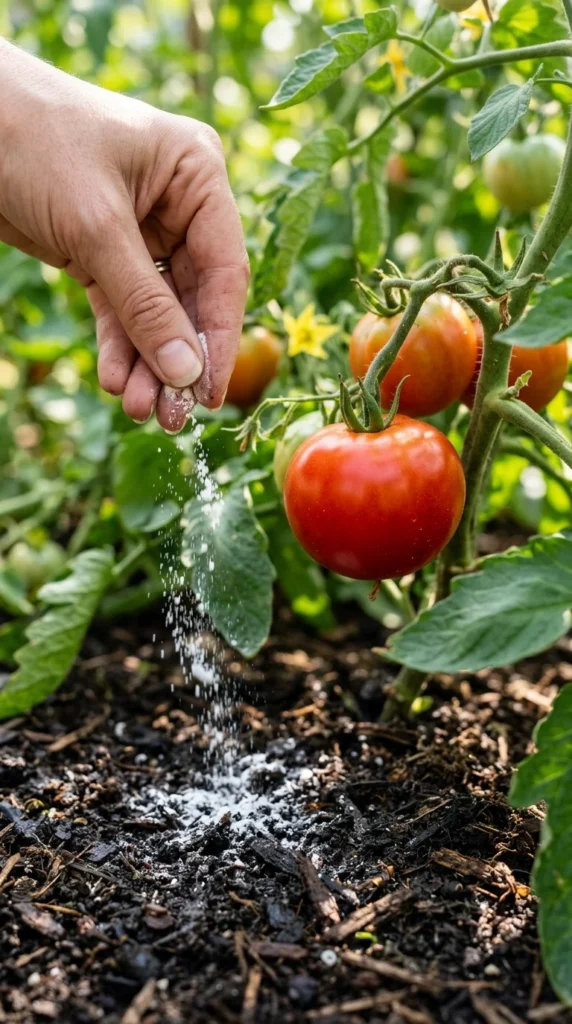
Baking soda has two great uses in the garden. First, it can be mixed with water and a drop of soap to create a fungal spray similar to the milk method. Second, many gardeners swear by sprinkling a tiny amount of baking soda on the soil around tomato plants. The theory is that it lowers the acidity of the soil, resulting in a sweeter-tasting tomato harvest.
10. Newspaper Mulch
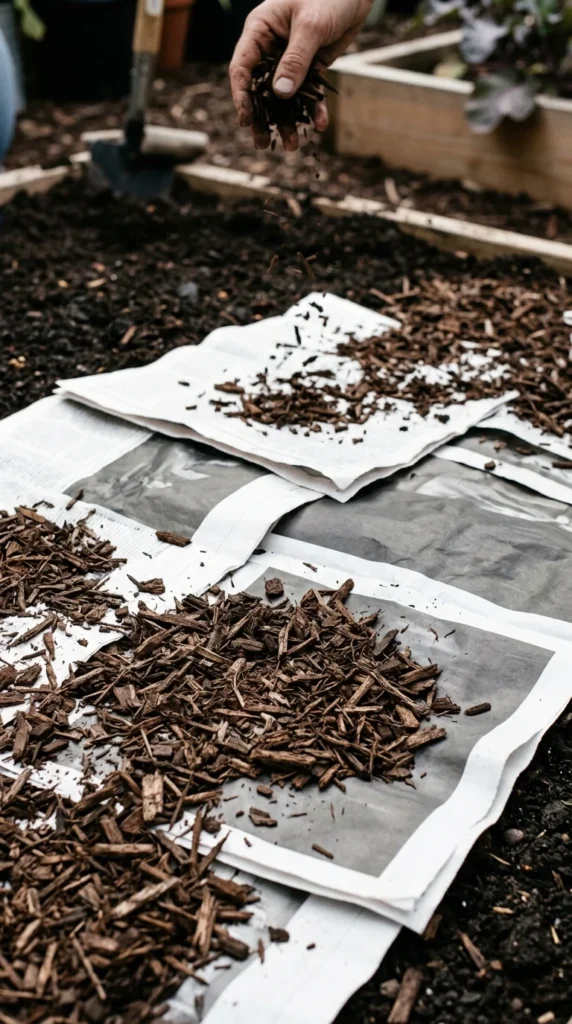
Tired of weeding? Use your old newspapers. Laying down several sheets of newspaper (avoid the glossy, colored inserts) around your plants and covering them with a thin layer of organic mulch or soil creates a biodegradable weed barrier. The paper smothers weed seeds and prevents them from germinating, while eventually breaking down to add organic matter to your garden beds.
11. Beer Traps
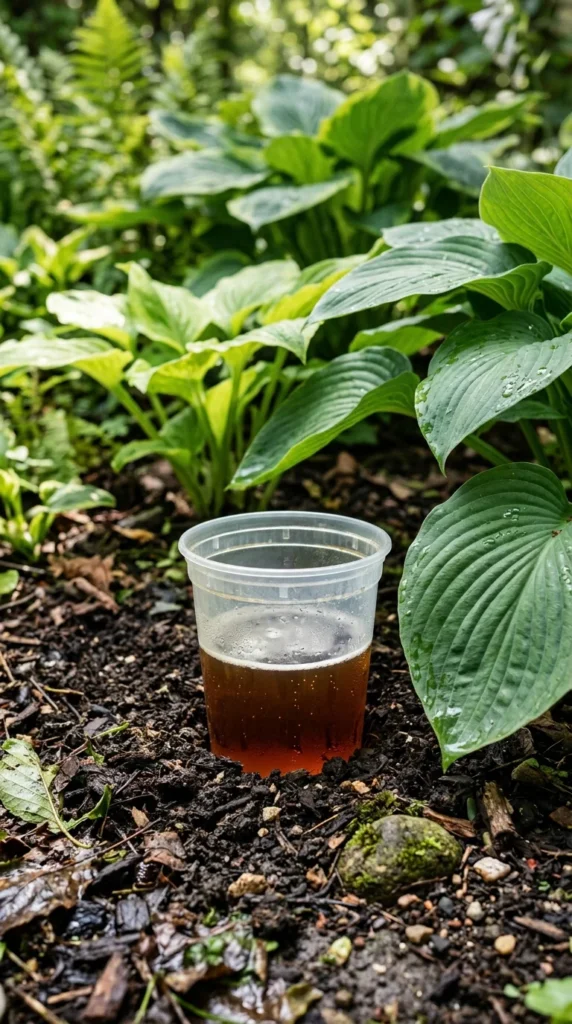
Slugs and snails are the banes of many gardeners, but they have a fatal weakness for beer. They are attracted to the yeast and carbohydrates. By burying a shallow container (like a tuna can or a plastic lid) so the rim is level with the soil and filling it with beer, you create a trap. The pests crawl in for a drink and drown, keeping your lettuce leaves hole-free.
12. Diatomaceous Earth
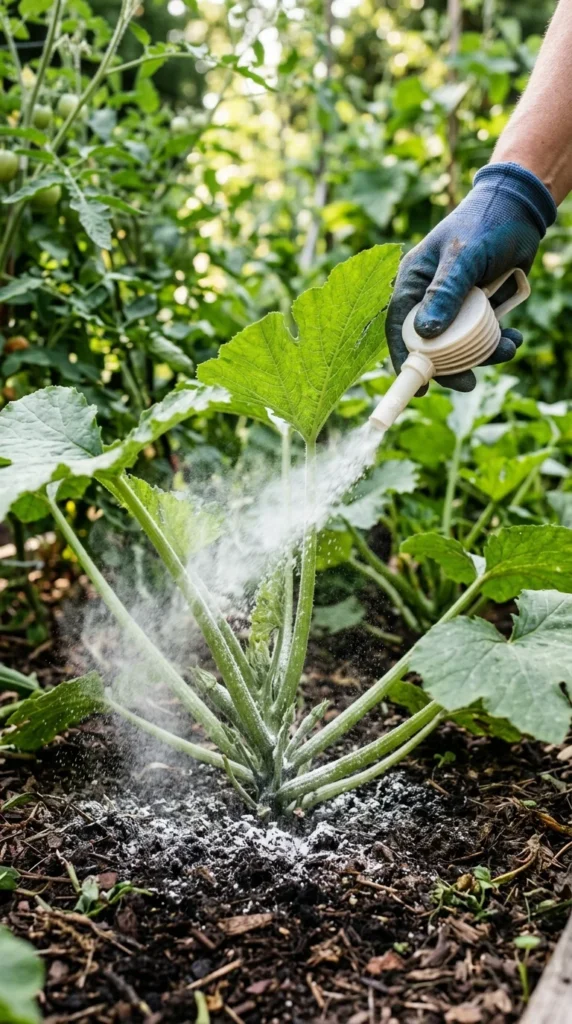
Diatomaceous Earth (DE) is a non-toxic powder made from fossilized algae. To humans, it feels like soft flour, but to insects with exoskeletons, it is like walking over broken glass. It physically cuts into the pests, causing them to dehydrate. It is excellent for controlling ants, beetles, and slugs. Just be sure to buy “food grade” DE and reapply after it rains, as it loses effectiveness when wet.
13. Honey Rooting Hormone
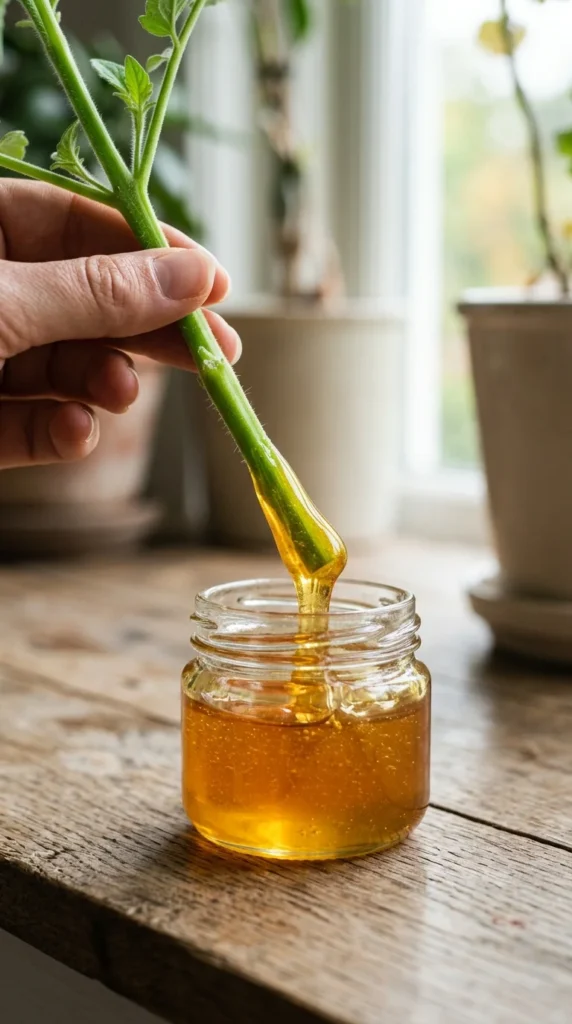
If you want to grow a new plant from a cutting, you usually need a rooting hormone. Instead of buying a chemical version, use honey. Honey has natural antibacterial and antifungal properties that protect the delicate cutting from rotting while it tries to establish roots. Simply dip the cut end of your plant into a bit of honey before sticking it into the soil or a rooting medium.
14. Garlic Repellent
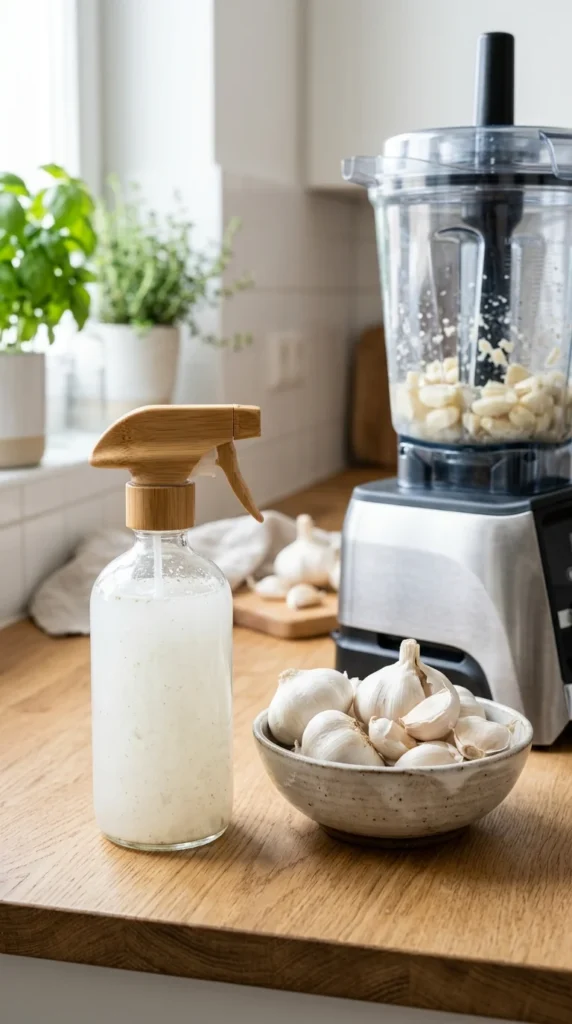
Garlic is a powerful natural pest repellent. Most insects—and even some larger pests like rabbits—dislike the pungent smell. You can make a garlic spray by blending two bulbs of garlic with a bit of water, letting it sit overnight, straining it, and then diluting it in a gallon of water. Spray it on your plants to keep aphids, mites, and whiteflies at bay.
15. Cardboard “Lasagna”
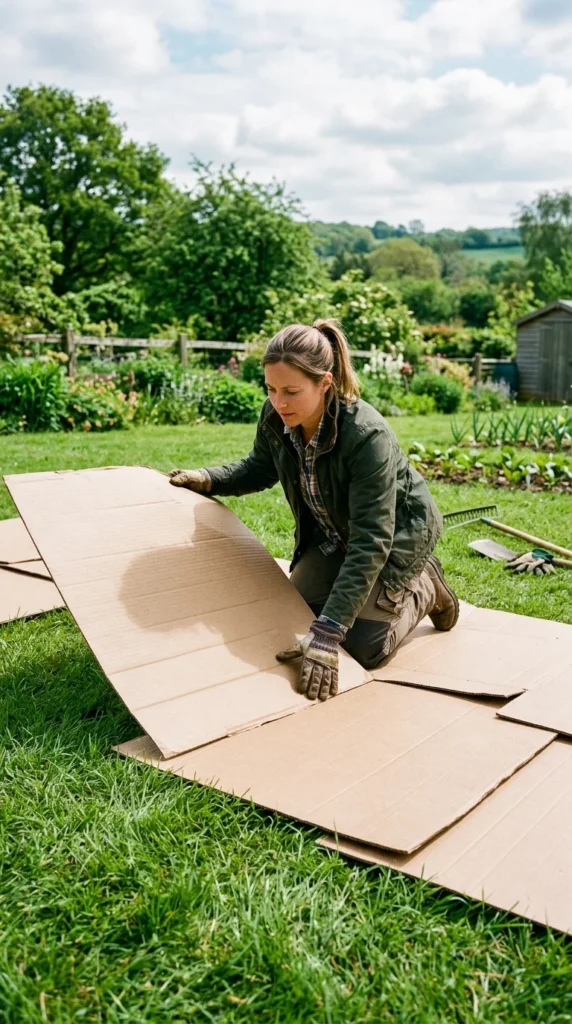
“Lasagna gardening” or sheet mulching is the easiest way to start a new garden bed without digging. Lay down large pieces of brown cardboard (remove any tape) directly over grass or weeds. Water the cardboard well, then layer compost, leaves, and mulch on top. Over a few months, the grass dies, the cardboard rots, and you are left with incredibly rich, friable soil ready for planting.
16. Tea Bags
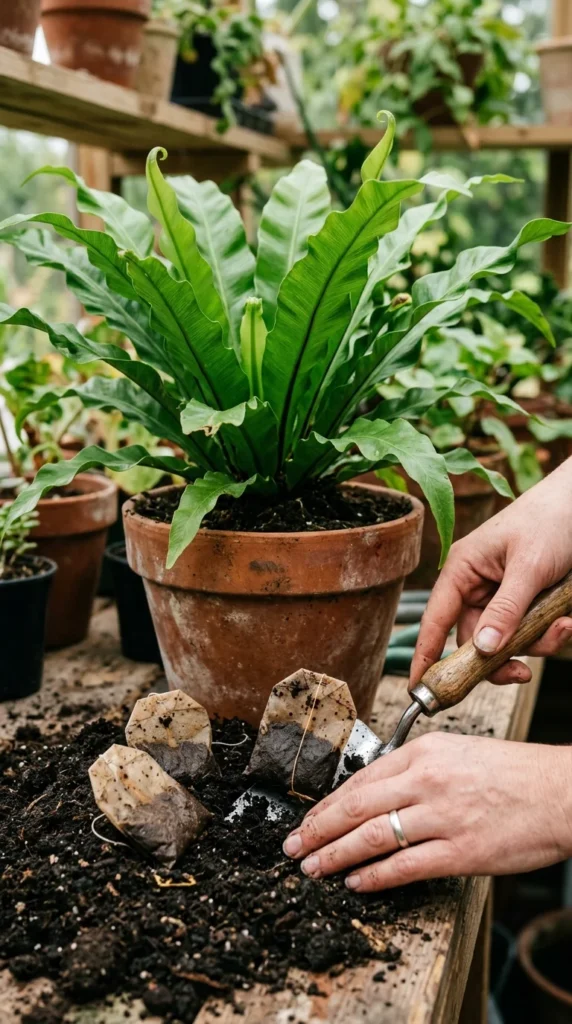
Like coffee grounds, tea leaves are rich in nutrients and help improve soil structure. You can bury the entire tea bag near the roots of your plants—just make sure the bag is made of compostable paper or silk rather than plastic. The tannins in the tea also slightly lower the soil pH, which is beneficial for many flowering plants.
17. Soap Spray
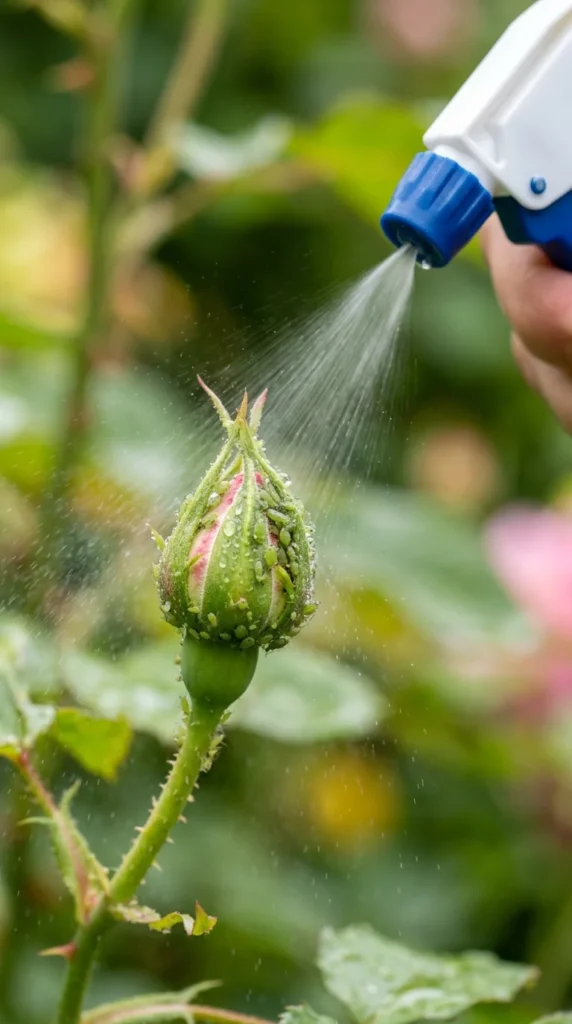
For soft-bodied insects like aphids, mealybugs, and spider mites, a simple soap spray is often all you need. Mix one tablespoon of mild liquid castile soap with a quart of water. The soap dissolves the waxy protective coating on the insects, causing them to dehydrate and die. It is a targeted, organic way to manage infestations without harming the environment.
18. Aspirin Immune Boost
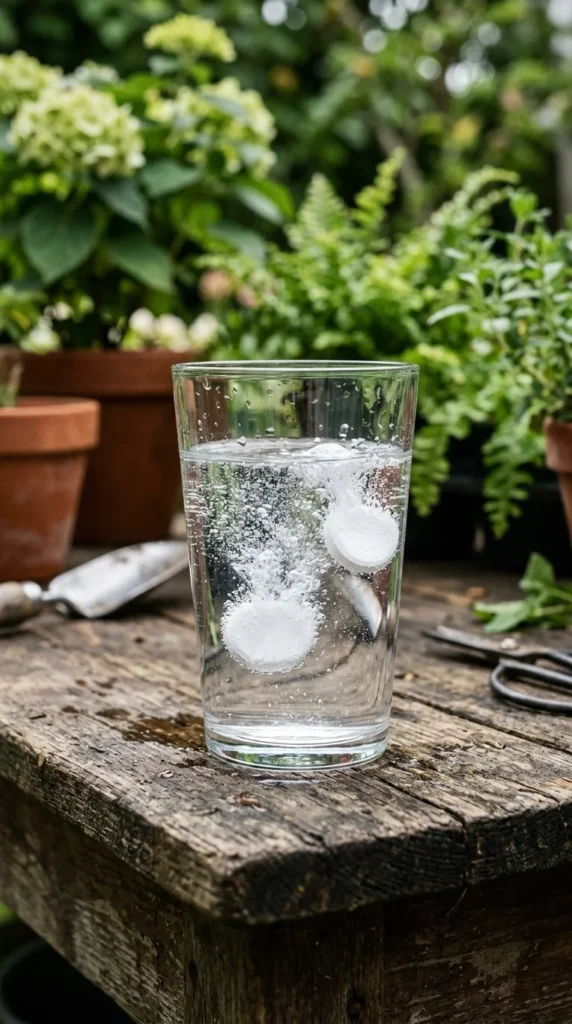
Believe it or not, aspirin can help your plants fight off disease. Aspirin contains salicylic acid, which is a signaling hormone in plants that triggers their “Systemic Acquired Resistance” (SAR). By spraying a solution of one or two crushed aspirin tablets in a gallon of water on your plants every few weeks, you can boost their immune systems, making them more resistant to pests and blight.
19. Rainwater Harvesting
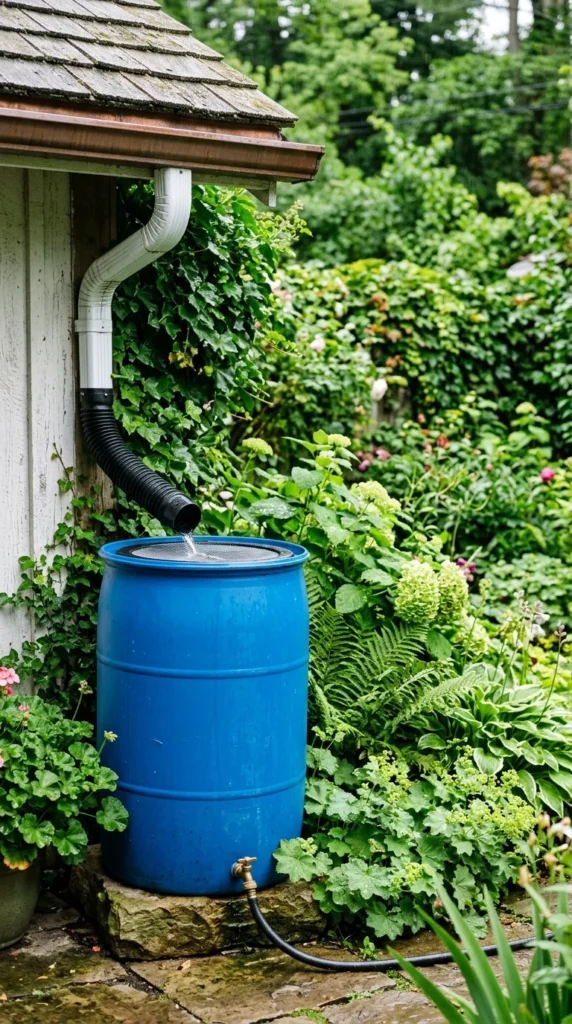
City water often contains chlorine and fluoride, which can build up in the soil over time and affect sensitive plants. Rainwater, on the other hand, is perfectly pH-balanced and contains traces of nitrates that plants can easily absorb. Using a rain barrel to collect water from your roof is an eco-friendly way to provide your garden with the highest quality hydration possible for free.
20. Marigold Barriers
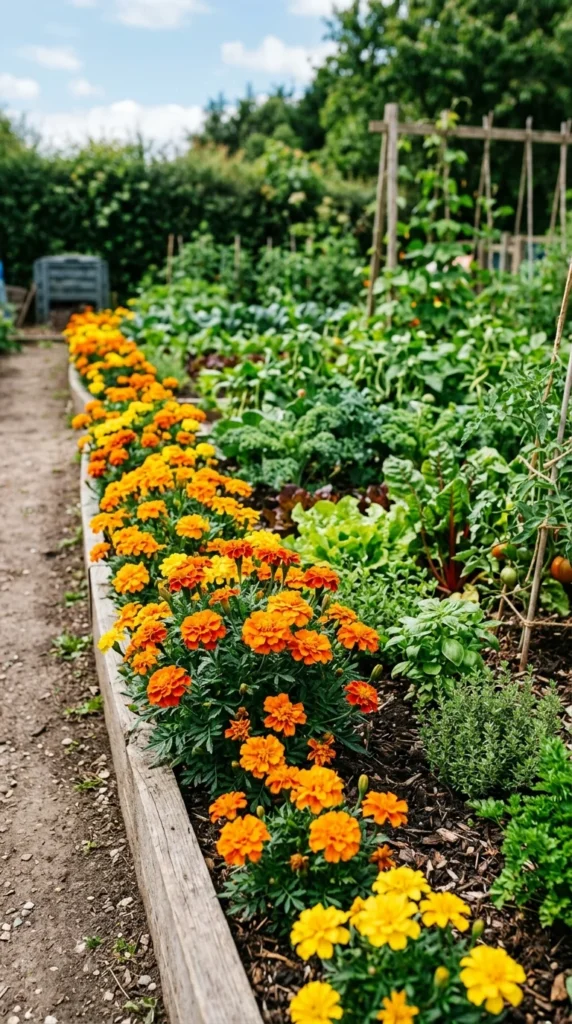
Companion planting is an age-old organic hack, and marigolds are the superstars of this practice. Their roots produce a chemical called alpha-terthienyl, which helps repel root-knot nematodes in the soil. Additionally, their strong scent confuses flying pests looking for your vegetables. Planting a “border” of marigolds around your garden acts as a beautiful, living shield for your crops.