Living in a compact apartment or a home with limited square footage doesn’t mean you have to sacrifice your dream of a lush, green sanctuary. In fact, small spaces often provide the perfect cozy environment for many tropical and desert plants to thrive. Indoor gardening is no longer restricted to large sunrooms or sprawling backyards; it has evolved into an art form of maximizing verticality and repurposing every available inch. From air-purifying ferns to edible microgreens, the possibilities are endless when you get creative with your layout.
1. Vertical Walls
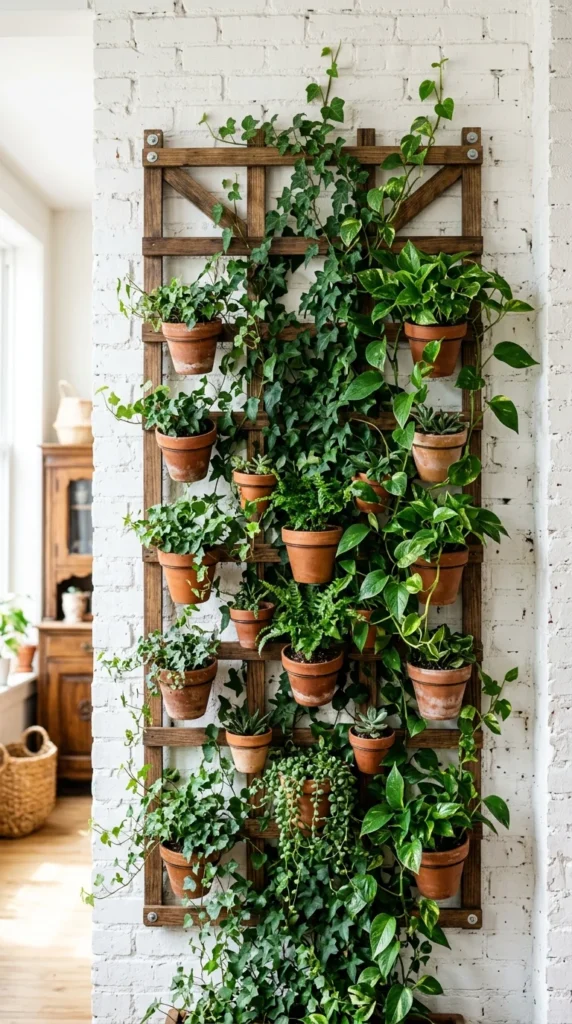
When floor space is at a premium, the only way to go is up. Vertical wall gardens, also known as living walls, transform a blank surface into a masterpiece of biodiversity. You can use modular felt pockets, wooden pallets, or dedicated wall-mounted planters to house a variety of species. This method is particularly effective for trailing plants like Philodendrons or Pothos, which will eventually drape over the edges, hiding the structure and creating a seamless “jungle wall” effect.
2. Hanging Planters
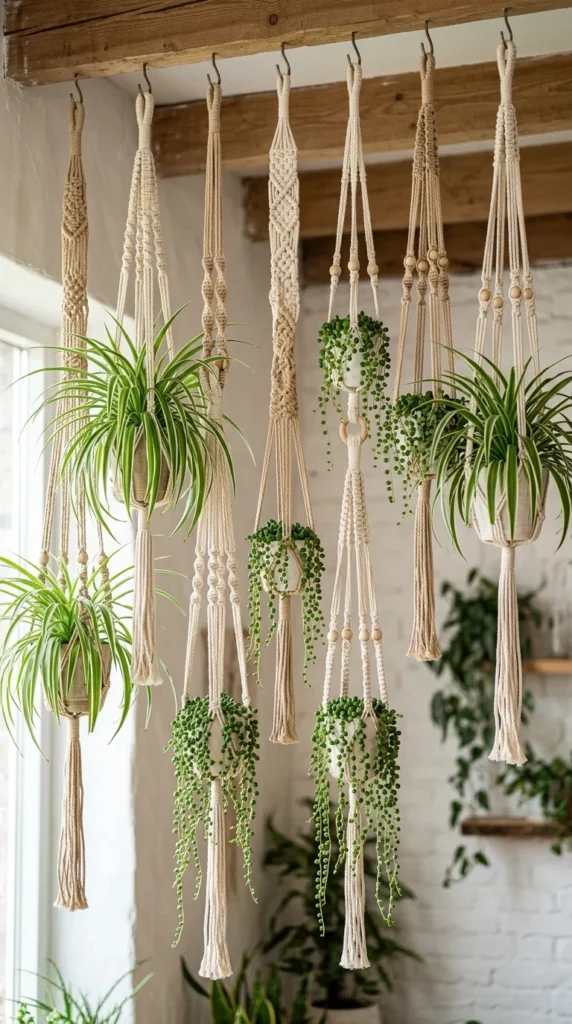
Hanging plants is one of the oldest tricks in the book for small-space gardening, but modern designs have elevated this look. By using ceiling hooks or sturdy curtain rods, you can keep your surfaces clear while still enjoying a canopy of green. Macrame hangers add a bohemian touch, while sleek ceramic or geometric metal vessels offer a more contemporary feel. This is the ideal solution for keeping toxic plants out of reach of pets or small children.
3. Window Sills
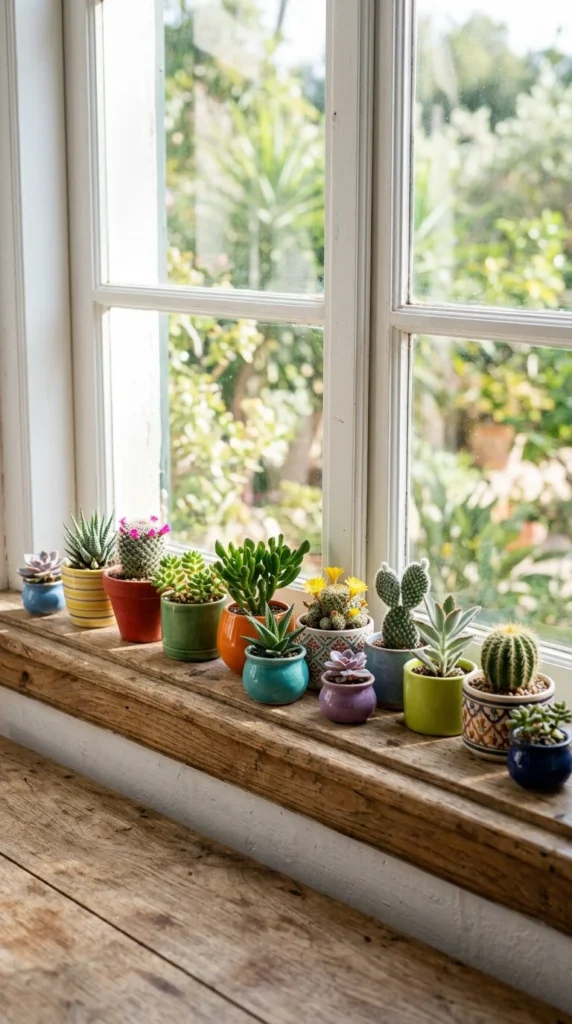
The window sill is the most underutilized real estate in any home. It offers the direct sunlight that many plants crave without requiring extra furniture. If your sills are too narrow, you can install “window shelves”—clear acrylic or glass platforms that suction-cup to the glass or sit just inside the frame—effectively doubling or tripling your growing space. This is a prime location for sun-loving herbs like basil, thyme, and rosemary.
4. Tiered Carts
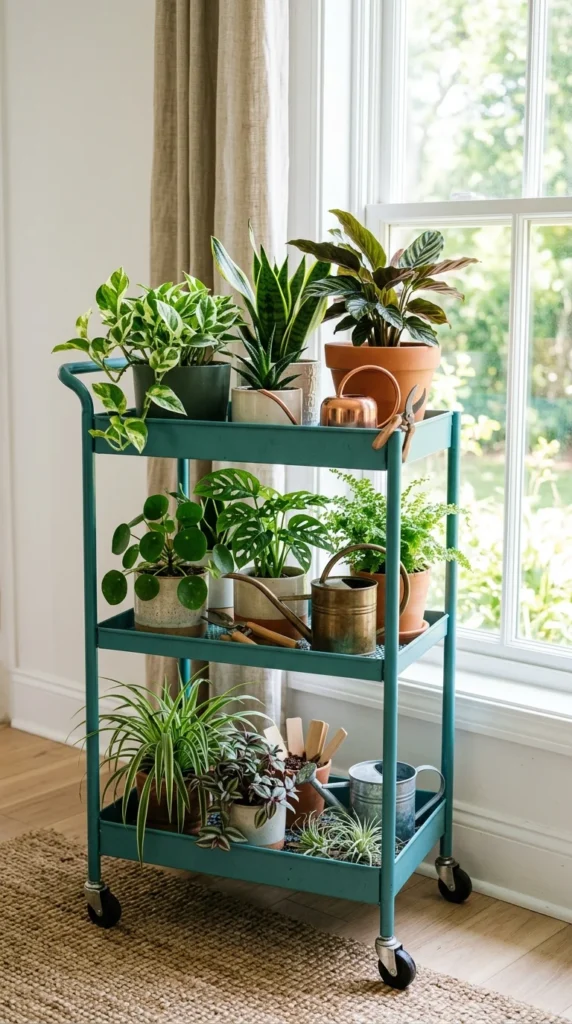
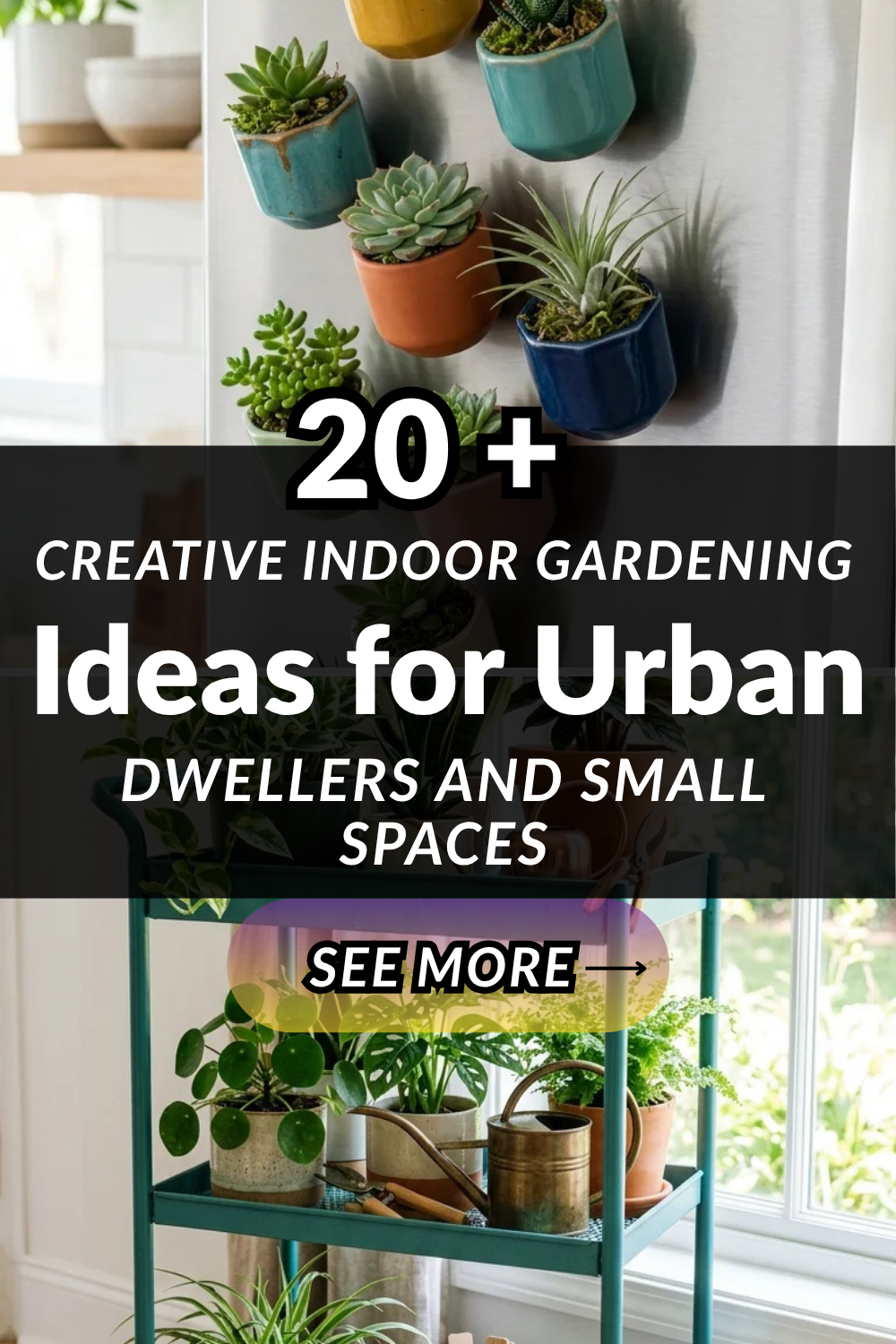
Mobility is a major advantage in a small home. A tiered rolling cart (often used in kitchens or offices) can be repurposed into a mobile garden. This allows you to move your entire collection to follow the sun throughout the day or tuck them away when you need more floor space for entertaining. The different levels also allow you to group plants with similar light and humidity needs together for easier maintenance.
5. Floating Shelves
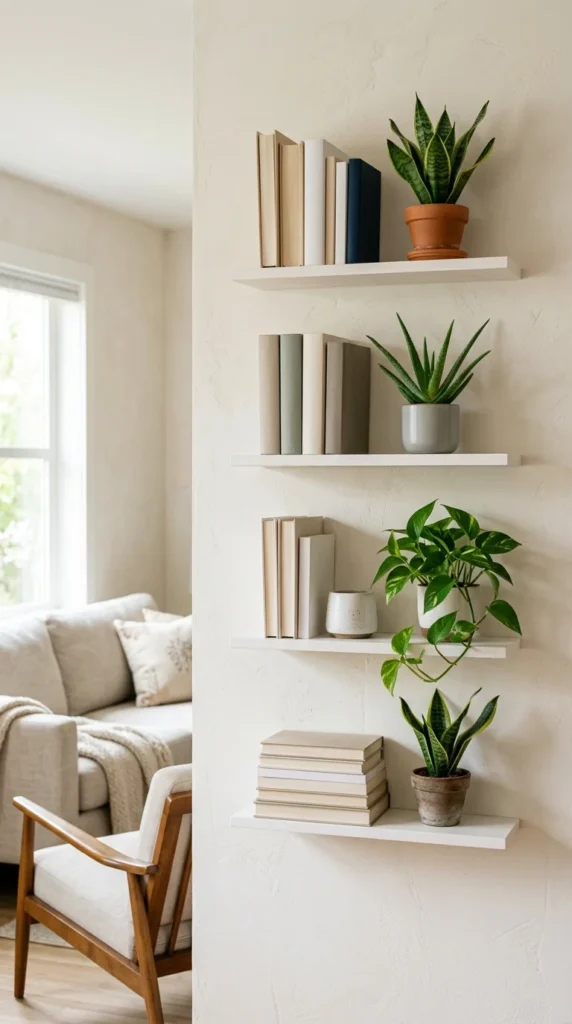
Floating shelves provide a clean, minimalist way to display greenery without the “heavy” look of a traditional bookcase. By staggering them at different heights, you create visual interest and allow trailing vines to grow downward without interference. These are perfect for small specimen plants, such as succulents, haworthias, or small peperomias, that might otherwise get lost in a larger display.
6. Succulent Bowls
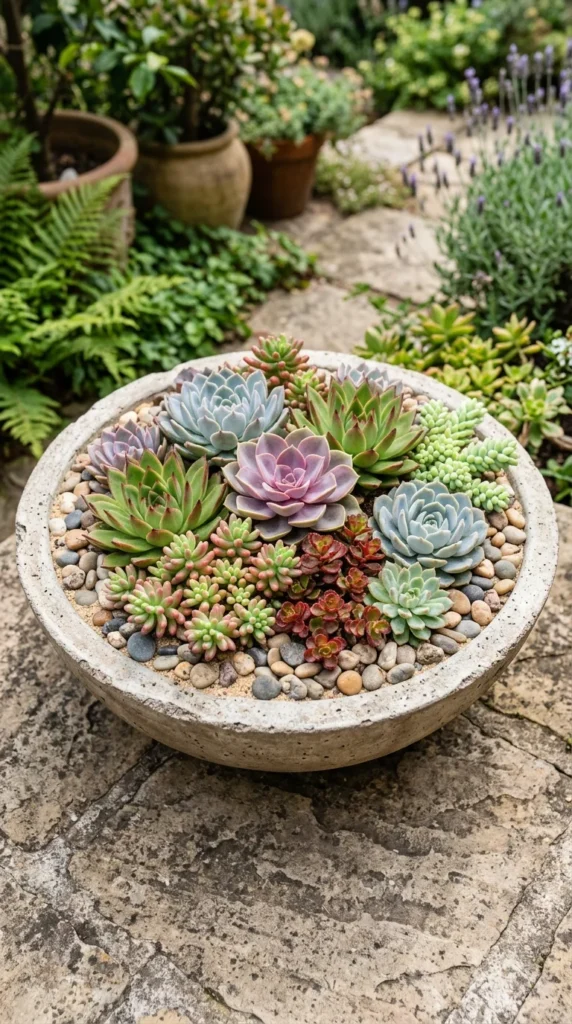
If you lack the space for dozens of individual pots, consider a “dish garden.” A single large, shallow bowl can house five or six different types of succulents. Because these plants have shallow root systems and similar watering requirements, they coexist beautifully. It creates a miniature landscape that can serve as a stunning centerpiece for a dining table or coffee table without taking up much room.
7. Glass Terrariums
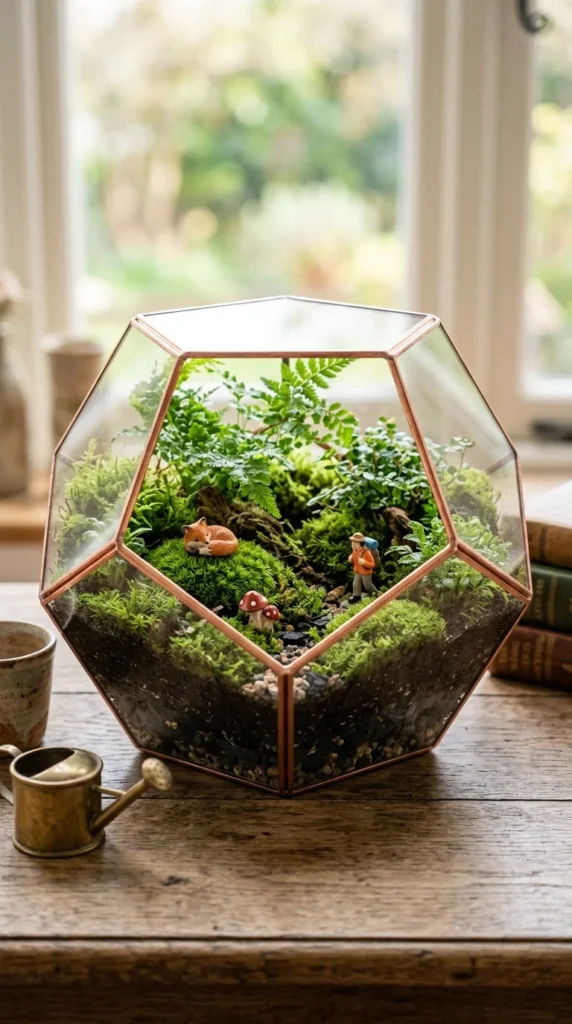
Terrariums are self-contained ecosystems that are perfect for humidity-loving plants like ferns, mosses, and fittonias. These glass vessels can be closed or open and come in a variety of artistic shapes. Because they create their own microclimate, they require much less frequent watering than traditional pots. They fit perfectly on a desk, a bookshelf, or a nightstand, bringing a tiny piece of the forest floor into your home.
8. Magnetic Pots
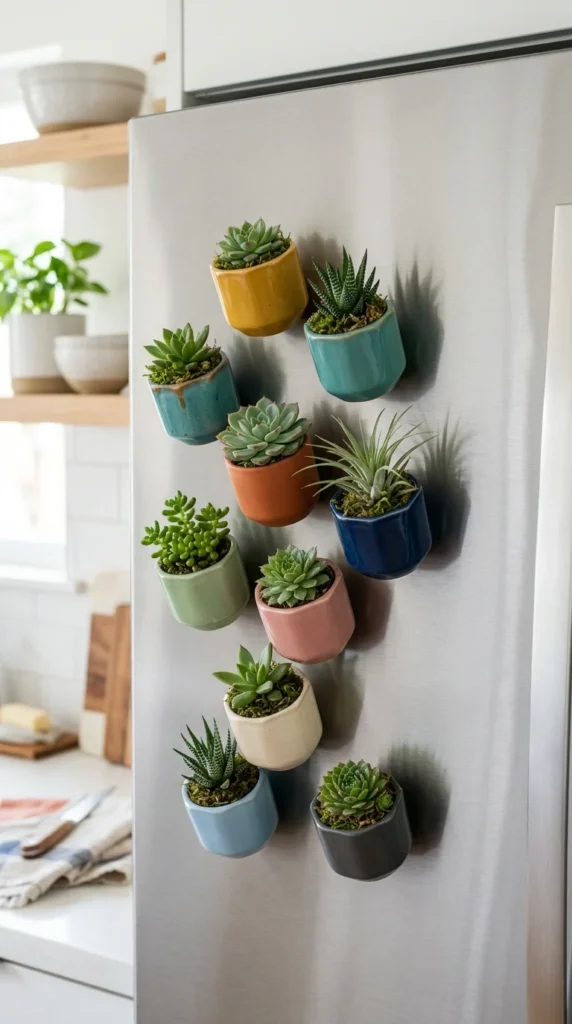
Your refrigerator or any metal surface can become a vertical garden. Magnetic planters are typically small and lightweight, designed to hold air plants or small succulents. This is a brilliant way to add life to a kitchen that might not have any counter space for pots. It’s also a great way to grow small herbs that you can pluck while cooking.
9. Trellised Vines
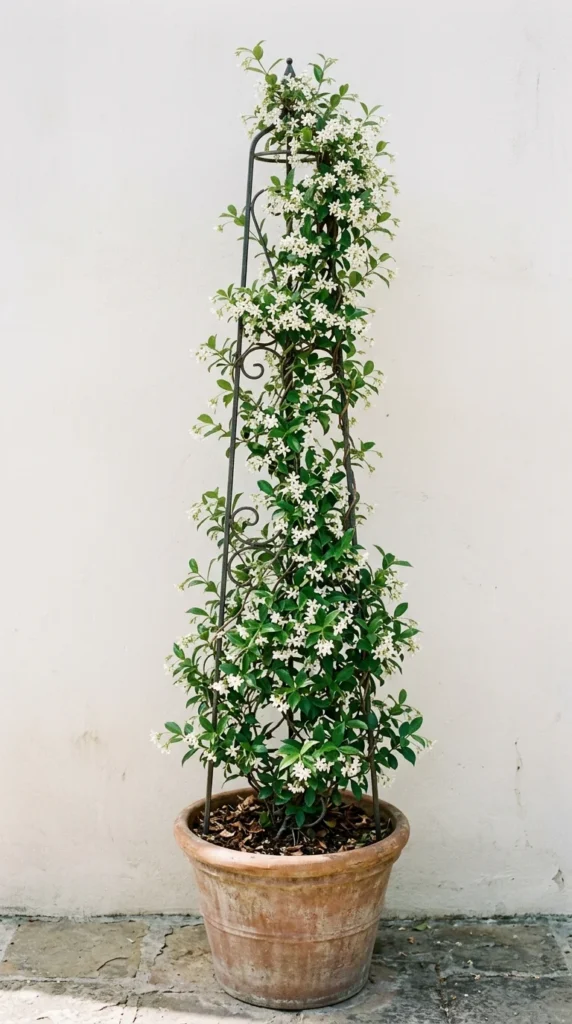
Instead of letting climbing plants sprawl across the floor, give them a trellis. Training plants to grow vertically on a structure allows you to have large, impressive plants in a very small footprint. Monstera deliciosa, Hoya, and Ivy can all be trained to grow up a moss pole or a decorative wire trellis, adding height and architectural interest to a corner of a room.
10. Herb Ladders
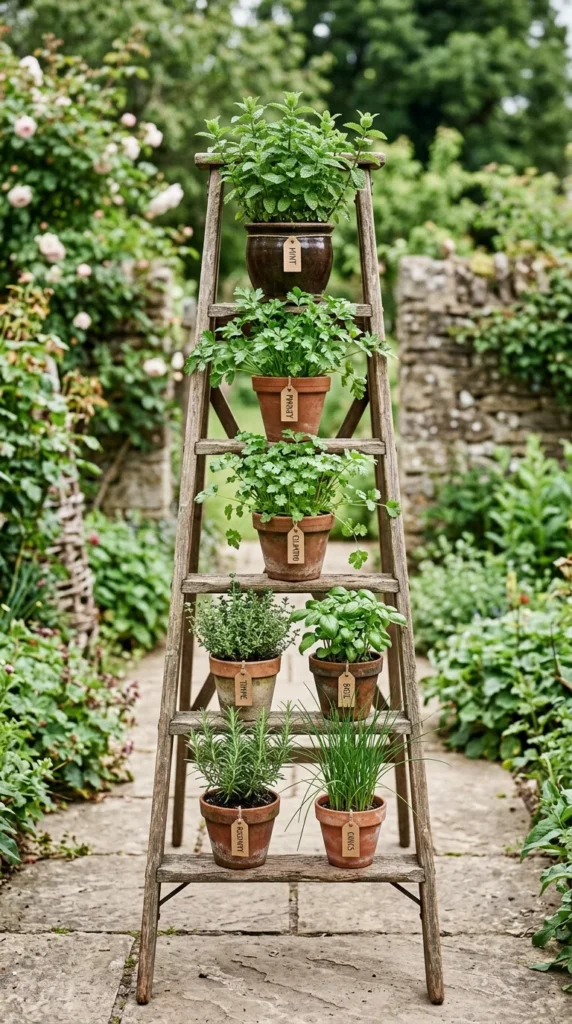
Repurposed ladders are a favorite among DIY enthusiasts. An old wooden ladder or a sleek modern towel ladder can be leaned against a wall to provide multiple “steps” for plants. This takes up very little floor depth while providing several layers of shelf space. It’s an especially popular choice for indoor herb gardens, as it keeps all your culinary greens organized and accessible.
11. Over-the-Door Organizers
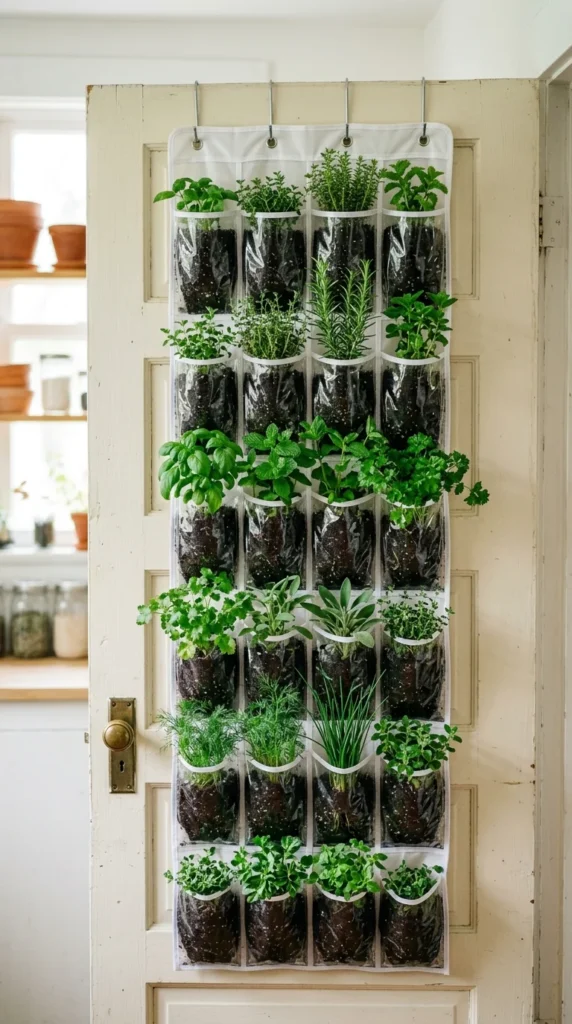
While usually reserved for shoes or cleaning supplies, clear plastic over-the-door organizers are excellent for starting a “pocket garden.” Each pocket can hold a small plant. This is a fantastic solution for renters who can’t drill holes in the walls but want a massive amount of greenery. It’s also an efficient way to start seeds or propagate cuttings.
12. Hydroponic Kits
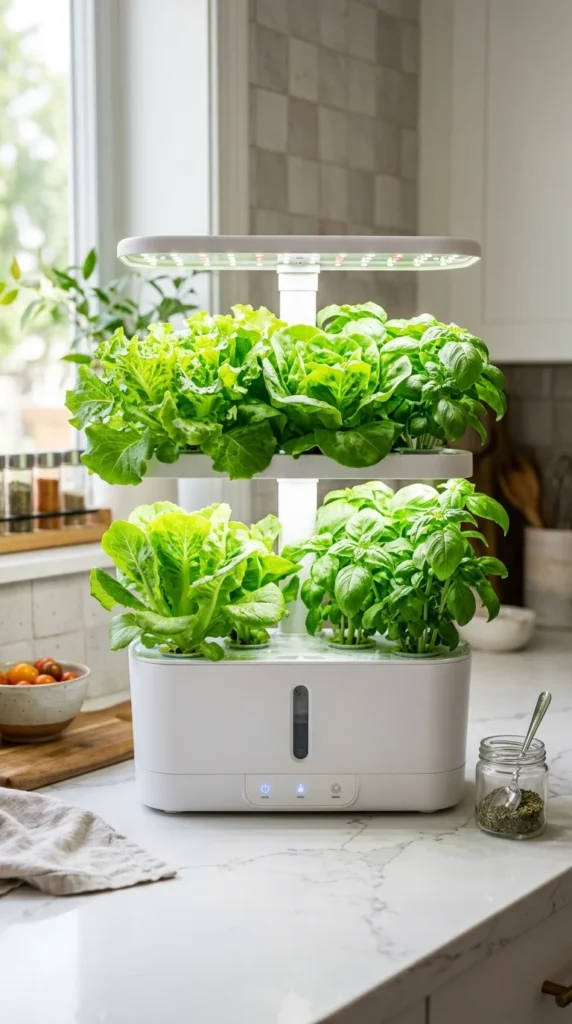
For those with very little light or no desire to deal with soil, tabletop hydroponic systems are a game-changer. These units often come with built-in LED grow lights and automated water timers. They are compact enough to fit on a kitchen counter and allow you to grow fresh produce year-round, regardless of the season or the orientation of your windows.
13. Ceiling Hooks
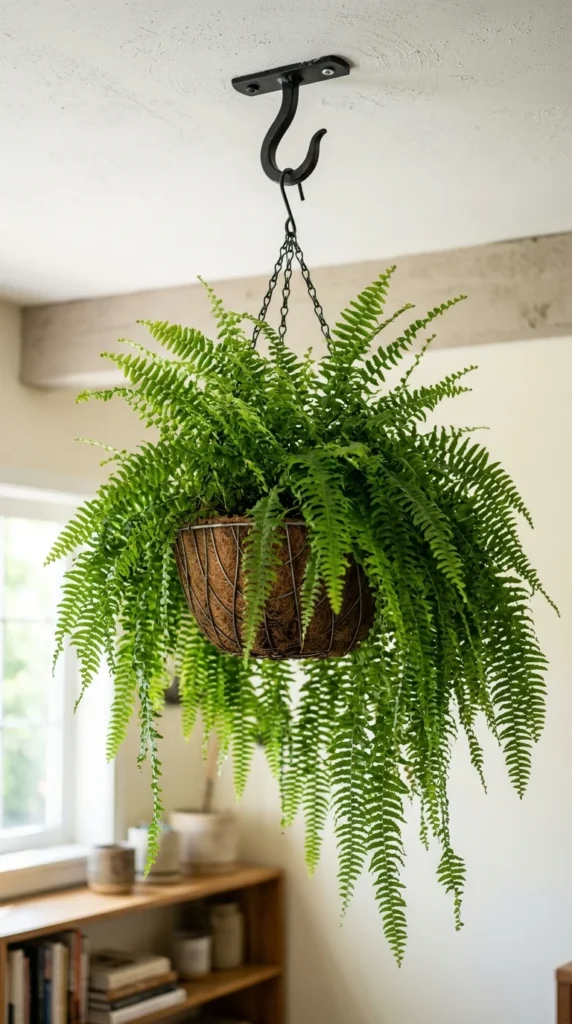
If you have high ceilings, you have untapped potential. Using heavy-duty hooks and long chains, you can hang large, statement-piece plants like Boston ferns or Spider plants from the ceiling. This draws the eye upward, making a small room feel taller and more spacious. It’s a great way to occupy “dead space” in the corners of a room.
14. Corner Shelves
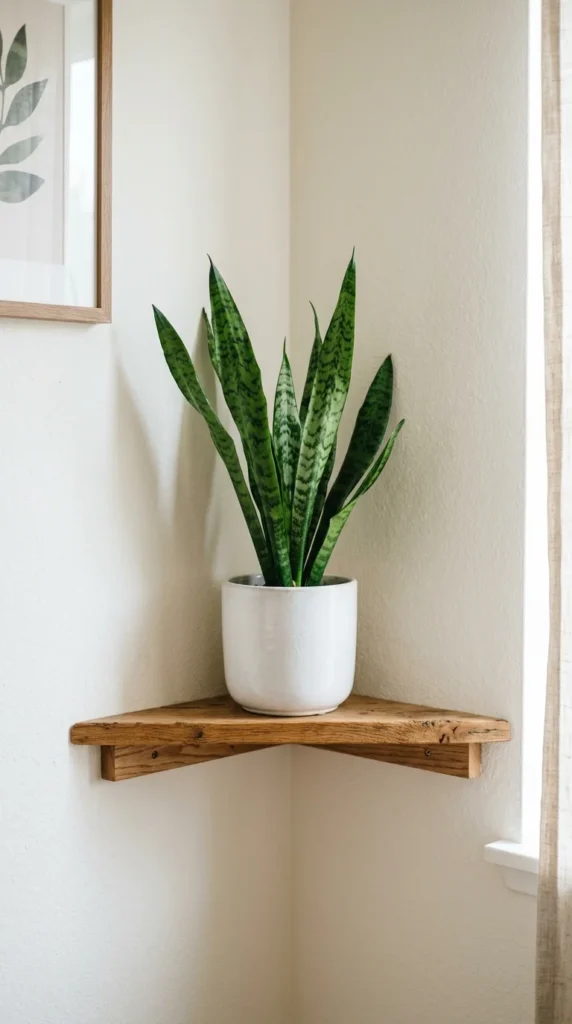
Corners are often neglected in interior design. L-shaped or triangular corner shelves can turn these awkward spaces into thriving green zones. By placing a plant in a corner, you utilize space that would otherwise go to waste. This is a great spot for “low light” plants like Snake Plants or ZZ plants that don’t mind being slightly further from the main window.
15. Propagation Stations
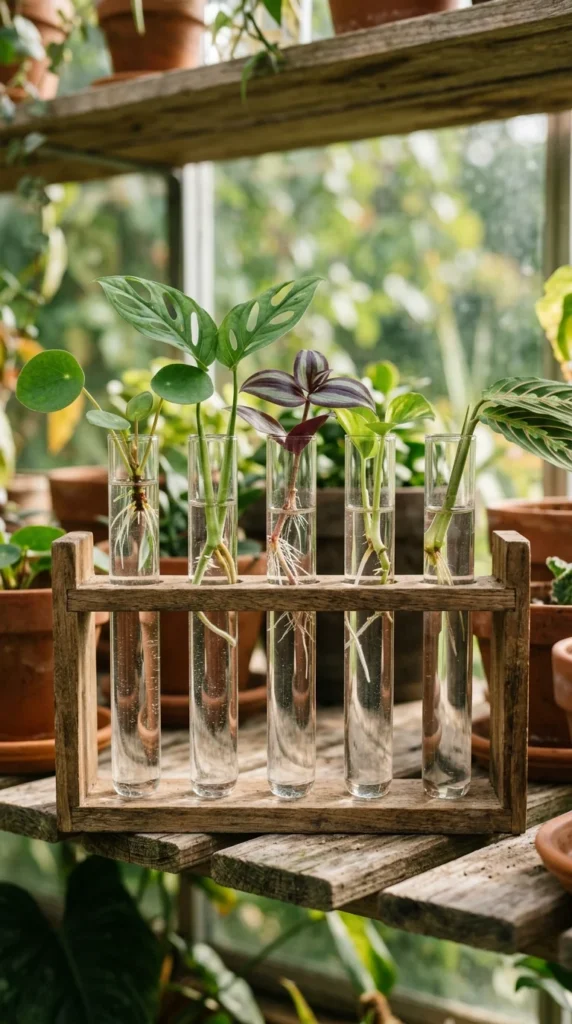
Gardening isn’t just about growing large plants; it’s about the process. A propagation station allows you to grow new plants from cuttings in a very small area. Glass jars, test tubes, or specialized wooden racks can be placed on a windowsill or shelf. These stations look like scientific art and allow you to expand your collection for free without needing a single extra square inch of floor space.
16. Kokedama Balls
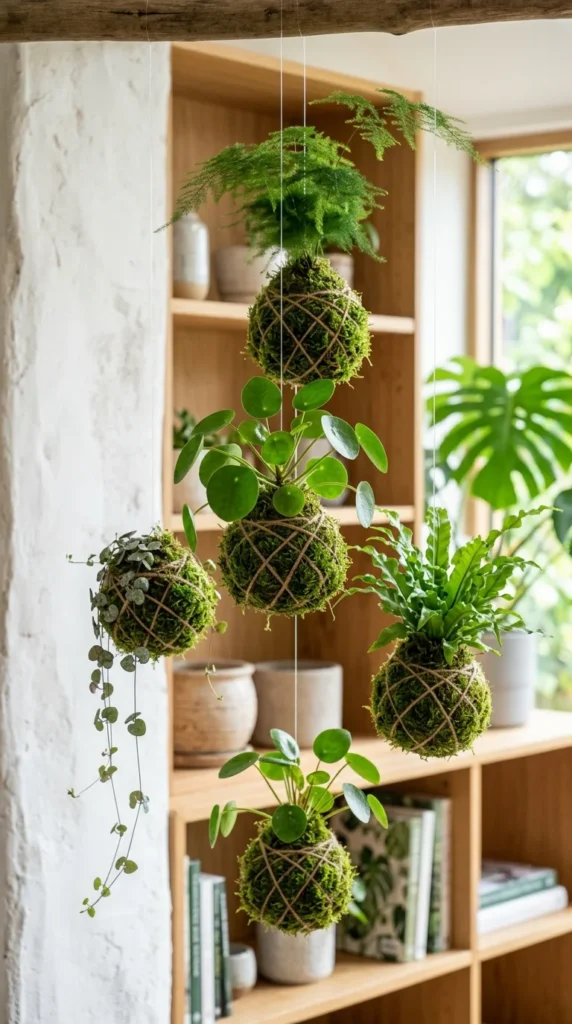
Kokedama is a Japanese art form where a plant’s root ball is wrapped in moss and bound with string. These “string gardens” don’t require a pot at all. They can be placed on a decorative tray or, more commonly, hung from the ceiling. Because they are lightweight and pot-less, they offer a unique, minimalist aesthetic that is perfect for cramped quarters.
17. Microgreens Trays
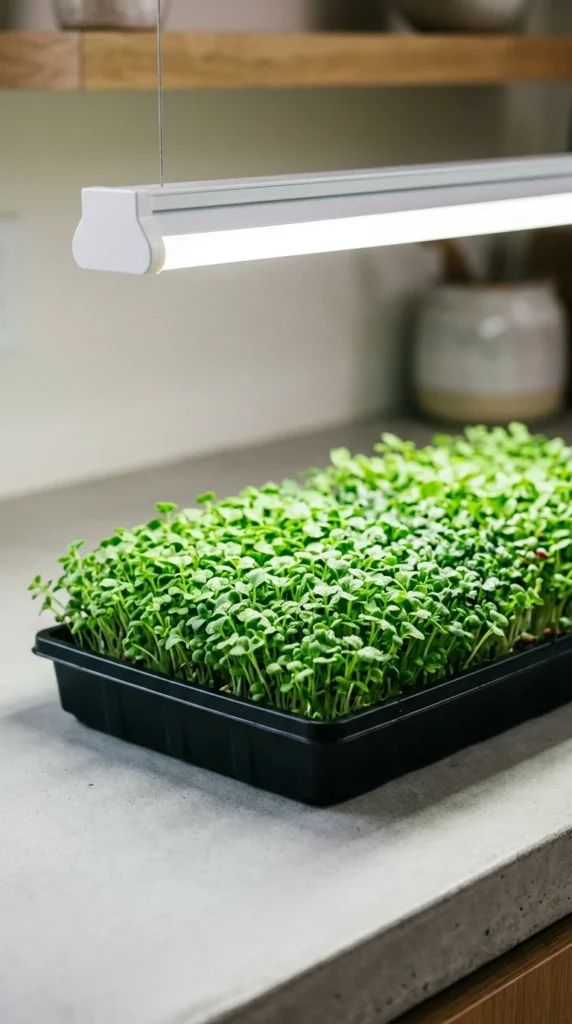
If you want to garden for food but don’t have space for large tomato plants, microgreens are the answer. These are essentially vegetable greens harvested just after the first leaves have developed. They can be grown in small, shallow trays on a kitchen counter or a shelf. They grow incredibly fast (usually 7-14 days) and provide a massive punch of nutrition in a tiny package.
18. Air Plant Wire
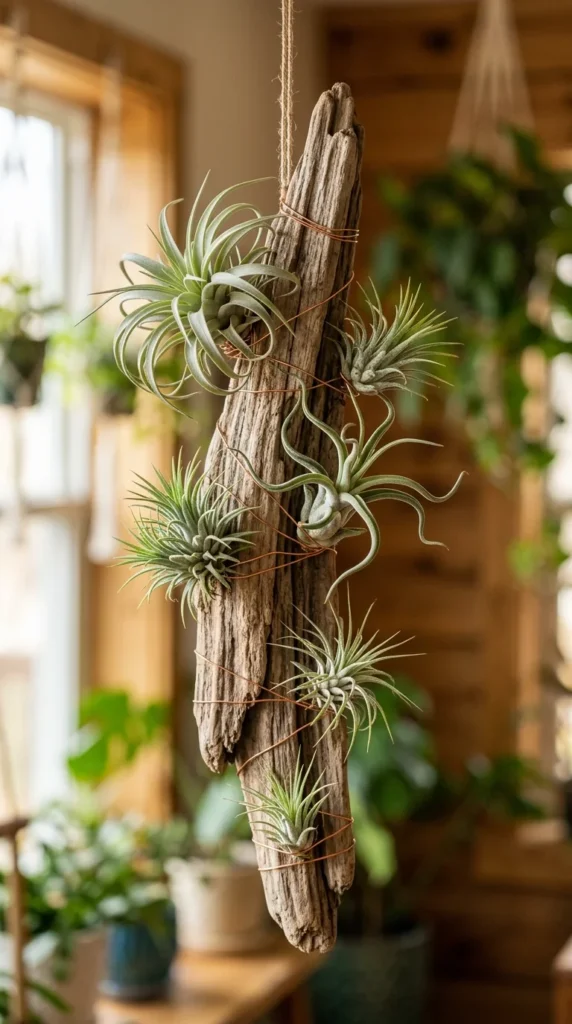
Tillandsia, or air plants, are the ultimate small-space plants because they don’t need soil. They get their nutrients and moisture from the air. This means you can get incredibly creative with how you display them. You can mount them on pieces of driftwood, place them in wire frames, or even glue them to decorative stones. They are small, versatile, and can be placed almost anywhere.
19. Bookcase Integration
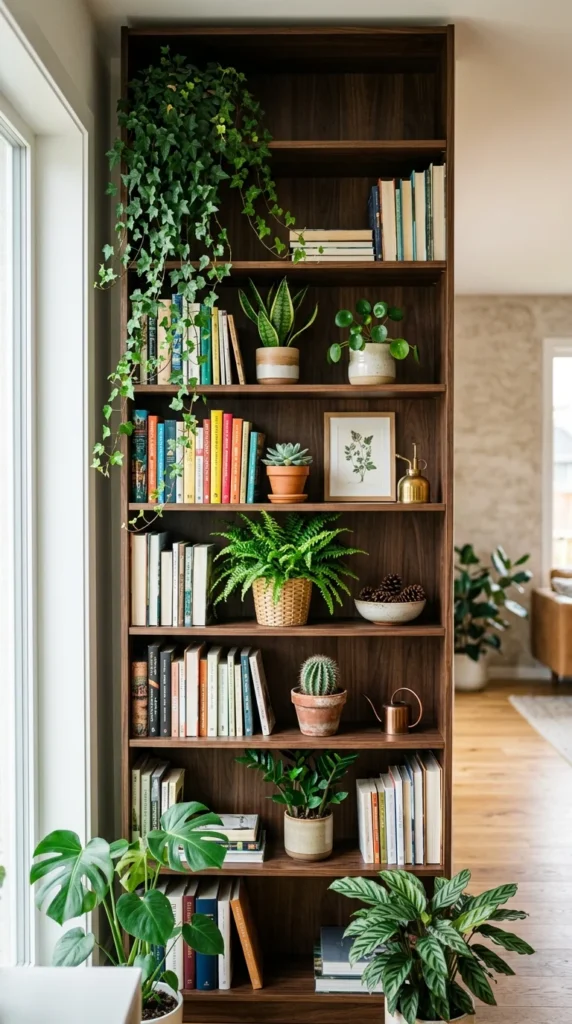
You don’t need a dedicated plant stand if you already have a bookcase. By clearing out a few books or rearranging your shelves, you can integrate your plants directly into your home library. This creates a “living bookshelf” look. Trailing plants placed on the top shelf can grow down across the spines of your books, creating a beautiful, natural curtain.
20. Bench Planters
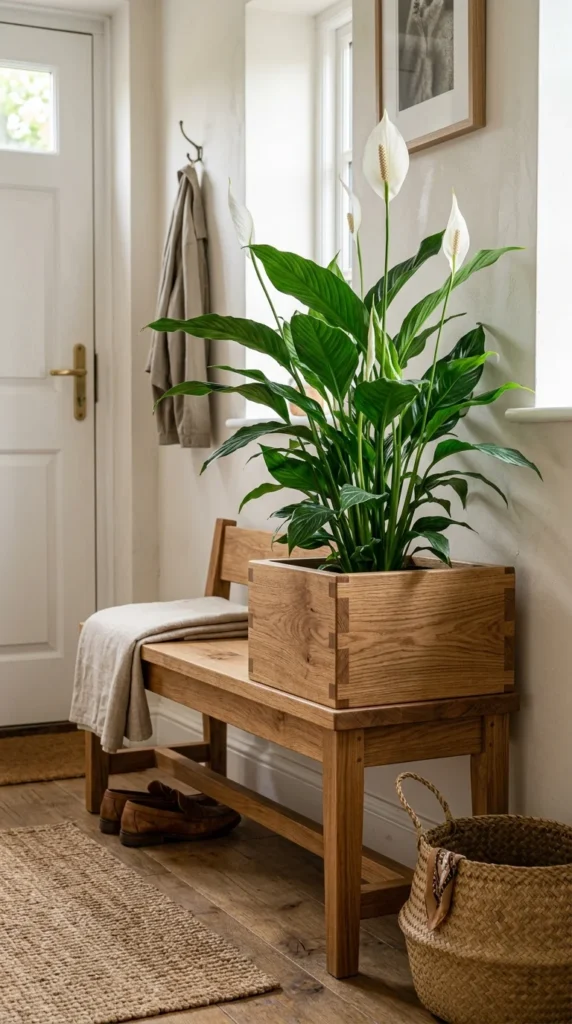
Furniture that pulls double duty is a staple of small-space living. A bench with a built-in planter at one end provides seating for your entryway while also giving you a dedicated spot for a large plant. This prevents the need for a separate pot on the floor, keeping your walkways clear and your home organized and green.