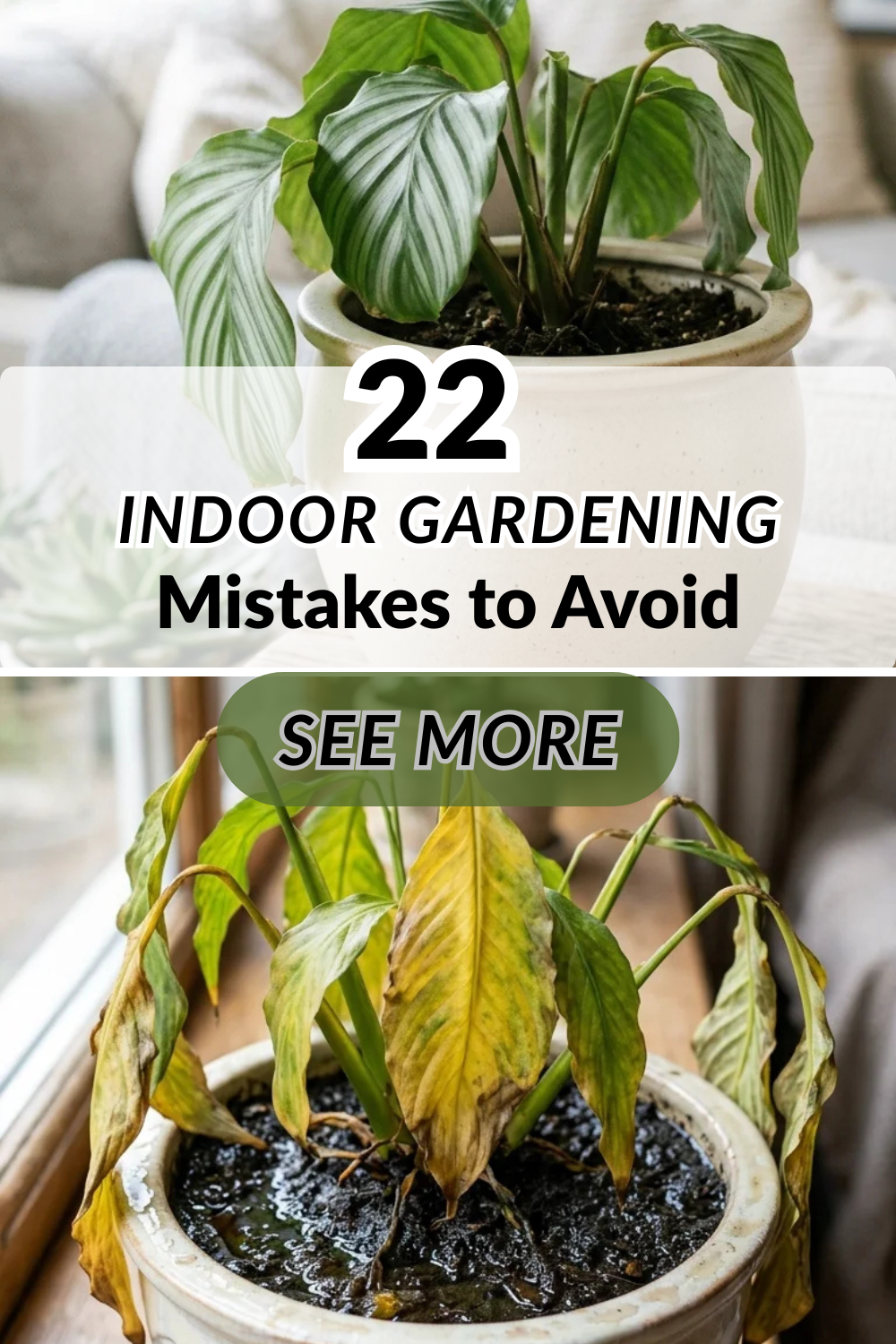
Indoor gardening transforms a house into a living sanctuary, but the transition from a nursery’s controlled environment to a living room can be treacherous for many plants. Even the most well-intentioned plant parents often fall into common traps that lead to yellowing leaves, stunted growth, or the dreaded root rot. To help your indoor jungle thrive, here are 22 critical mistakes to avoid.
1. Overwatering
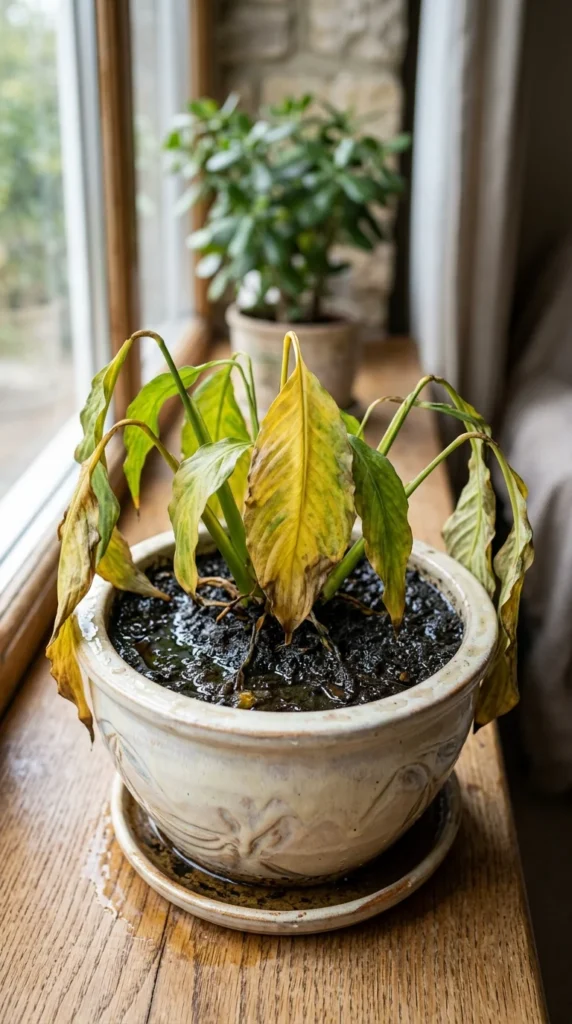
The number one killer of houseplants is “killing with kindness.” Most beginners believe that more water equals more love, but overwatering deprives roots of oxygen, leading to fungal growth and root rot. Instead of following a strict calendar schedule, always check the soil moisture with your finger. If the top two inches are still damp, put the watering can away.
2. Poor Drainage
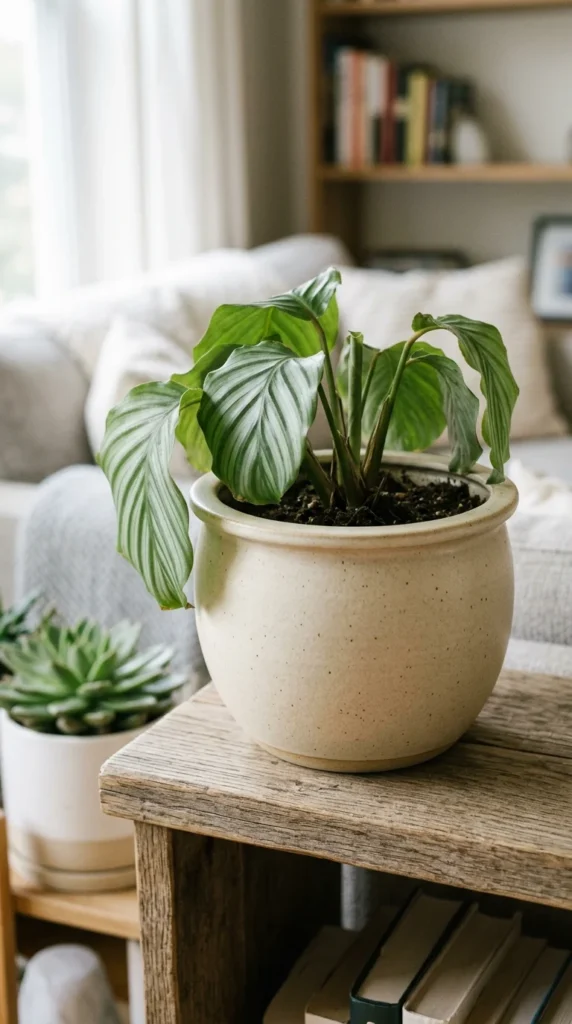
A beautiful pot is useless if it doesn’t allow excess water to escape. Without drainage holes, water pools at the bottom of the container, drowning the roots in a stagnant pool. If you fall in love with a pot that lacks drainage, use it as a “cachepot”—keep the plant in a plastic nursery liner with holes and place that liner inside the decorative pot.
3. Incorrect Lighting
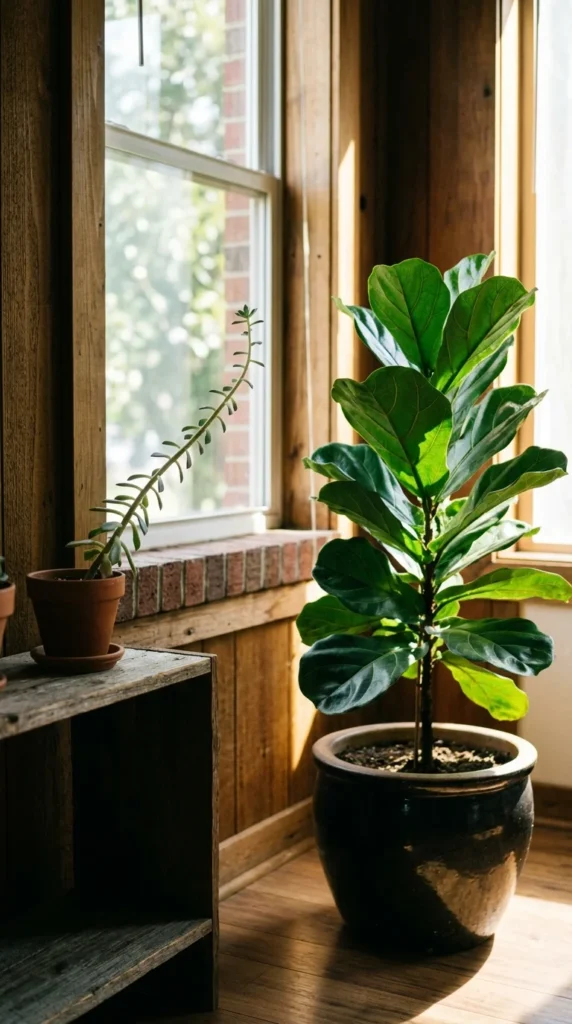
Plants are often categorized as low, medium, or high light, yet many owners ignore these labels. Placing a desert succulent in a dark corner or a shade-loving fern in a south-facing window with direct sun will lead to leggy growth or scorched leaves. Research each plant’s specific needs and use a light meter app if you’re unsure of your home’s brightness.
4. Cold Drafts
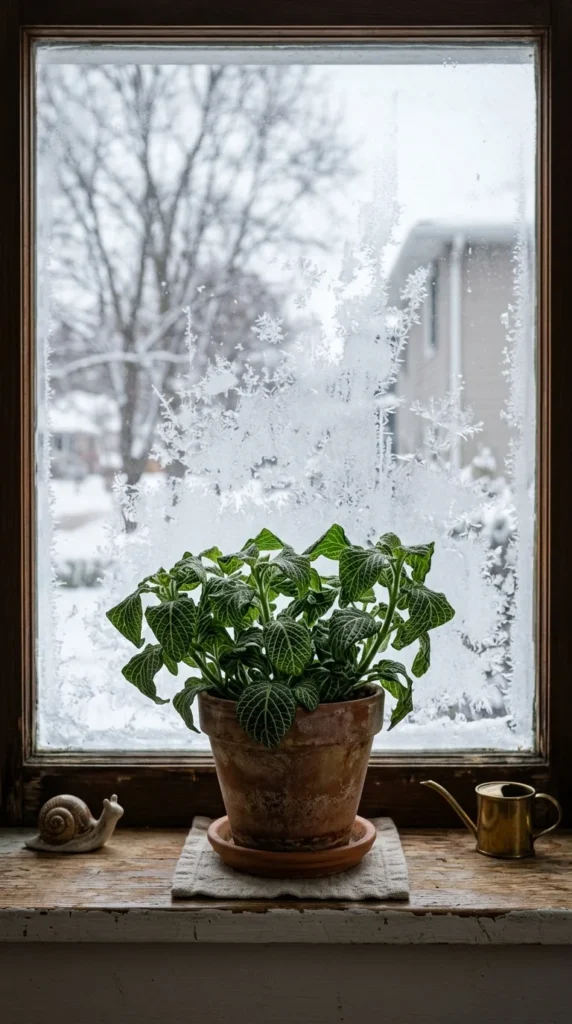
Most popular houseplants are tropical in origin. They despise sudden temperature drops. Placing a plant directly in front of an air conditioning vent or near a drafty window in the winter can shock the system, causing sudden leaf drop. Keep your greenery away from entryways and high-traffic areas where cold air rushes in.
5. Low Humidity
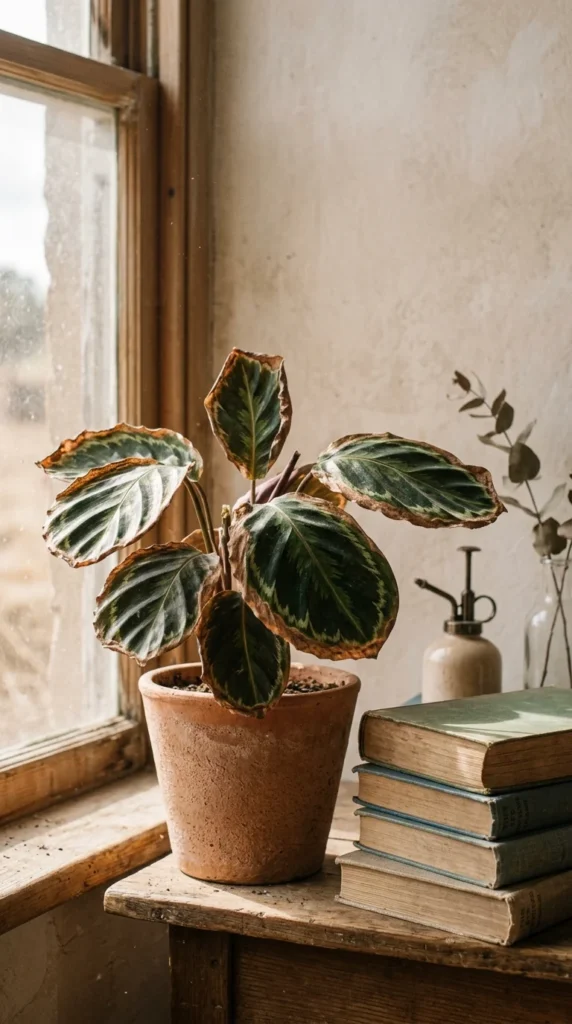
Modern homes, especially during heating season, have very dry air. Tropical plants like Calatheas, Orchids, and Ferns require high humidity to keep their foliage lush. If the edges of your leaves are turning brown and crispy, the air is too dry. Use a humidifier, a pebble tray, or group your plants together to create a humid microclimate.
6. Fertilizing Dormancy
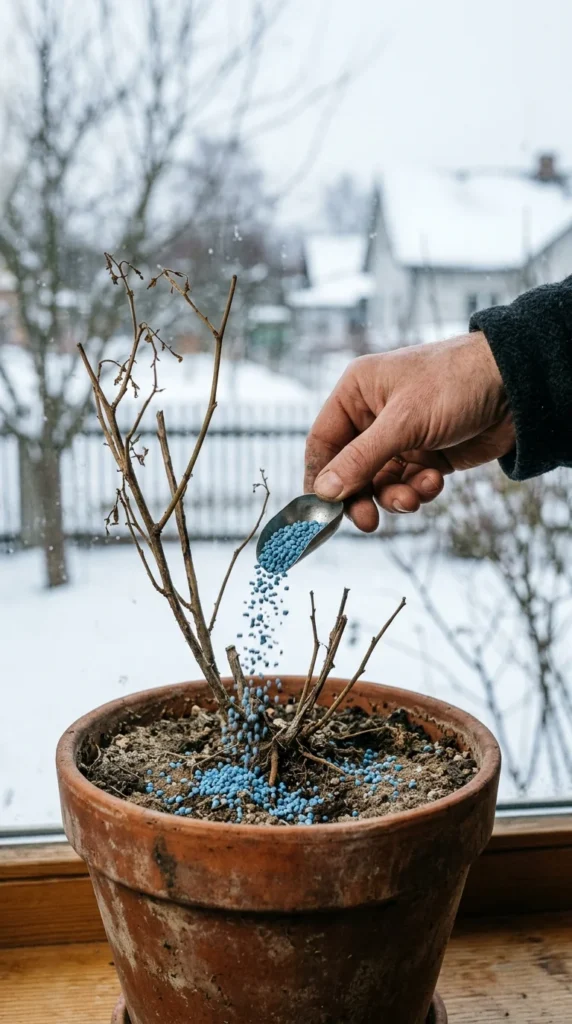
Plants do not need a constant supply of nutrients, especially when they aren’t actively growing. Fertilizing in the winter when a plant is dormant can lead to “fertilizer burn,” where salts build up in the soil and damage the roots. Stick to a feeding schedule during the spring and summer, and stop entirely when the days get shorter and growth slows down.
7. Tiny Pots
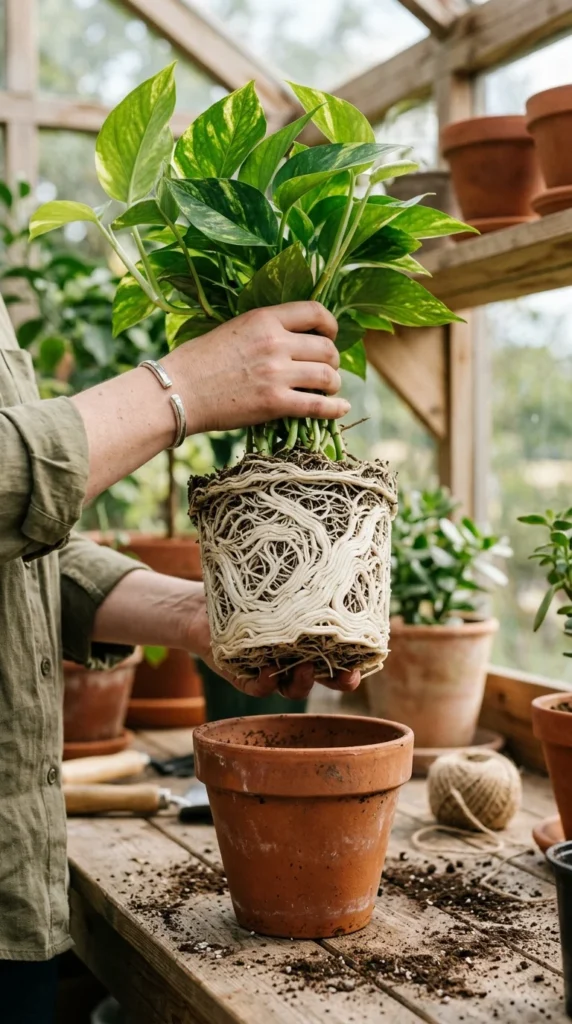
When a plant becomes “rootbound,” it means the roots have filled the container and have nowhere left to go. This prevents the plant from absorbing water and nutrients effectively. If you see roots growing out of the drainage holes or the plant needs water every single day, it’s time to move up to a pot one size larger.
8. Dusty Leaves
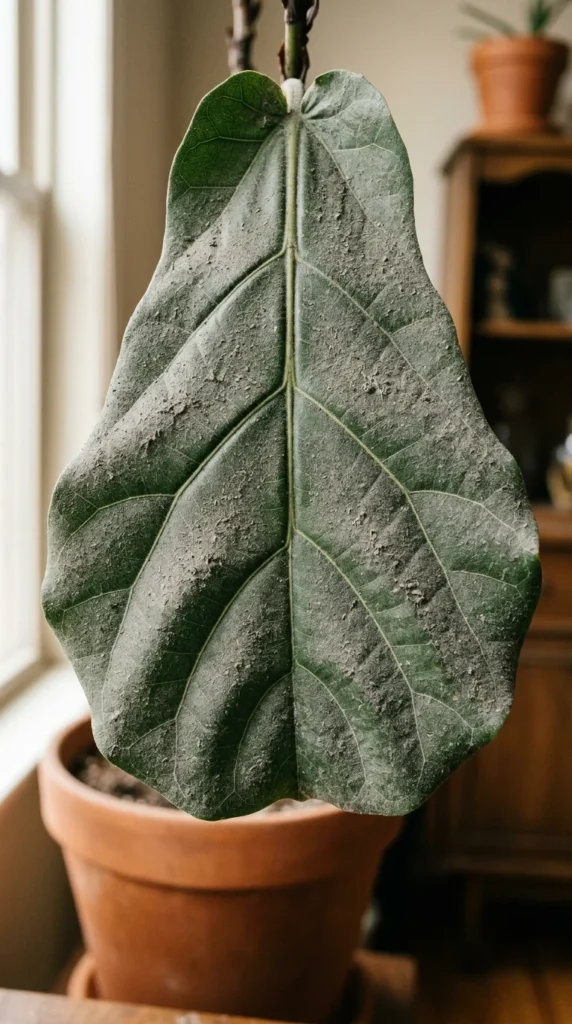
Leaves act as solar panels. When dust accumulates on the surface, it blocks sunlight and prevents the plant from photosynthesizing efficiently. Additionally, dust clogs the stomata (pores) through which the plant breathes. Wipe your leaves down once a month with a damp cloth or give them a gentle “shower” in the sink.
9. Ignoring Pests
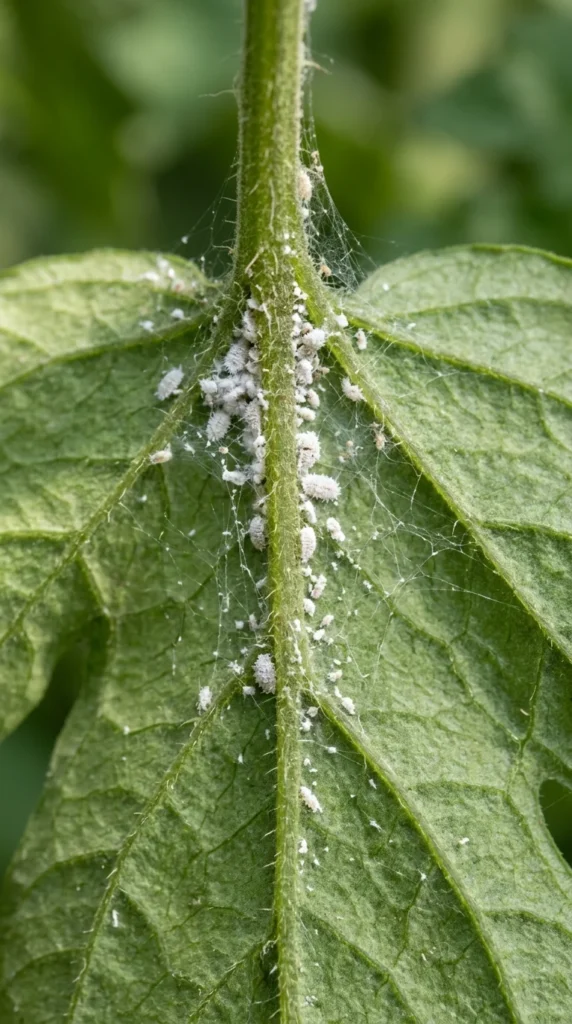
Pests like spider mites, mealybugs, and fungus gnats can move in quickly. The mistake is not checking for them until the infestation is severe. Make it a habit to inspect the undersides of leaves and the leaf axils every time you water. Early detection makes treatment with neem oil or insecticidal soap much more effective.
10. Sudden Relocation
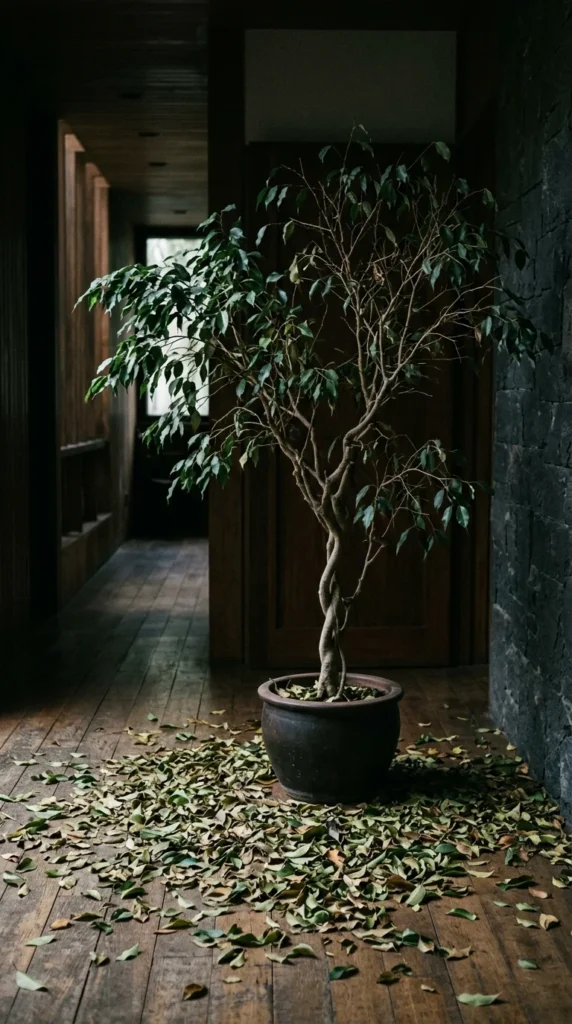
Plants are not mobile creatures. They spend weeks or months “acclimatizing” to a specific spot. Moving a plant from a dark room to a bright balcony (or vice versa) overnight can cause extreme stress. If you need to move a plant, do it gradually over a week to give the plant time to adjust its cellular structure to the new light levels.
11. Wrong Soil
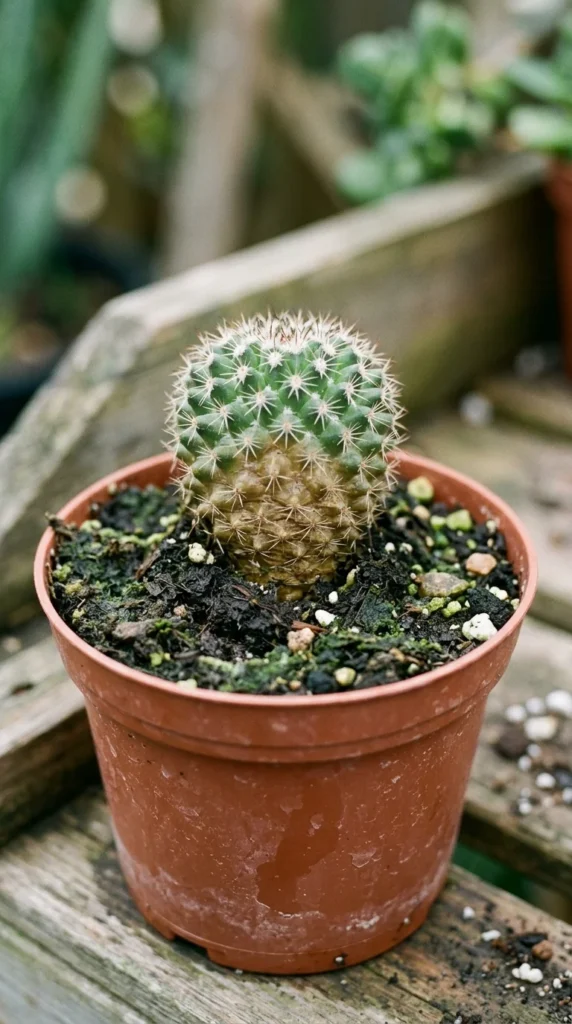
Using heavy garden soil for indoor plants is a recipe for disaster. Outdoor soil is too dense and often contains pathogens or pests. Indoor plants need specialized potting mixes—succulents need sandy, fast-draining soil, while ferns prefer something that holds moisture but stays airy. Always match the substrate to the species.
12. Tap Water
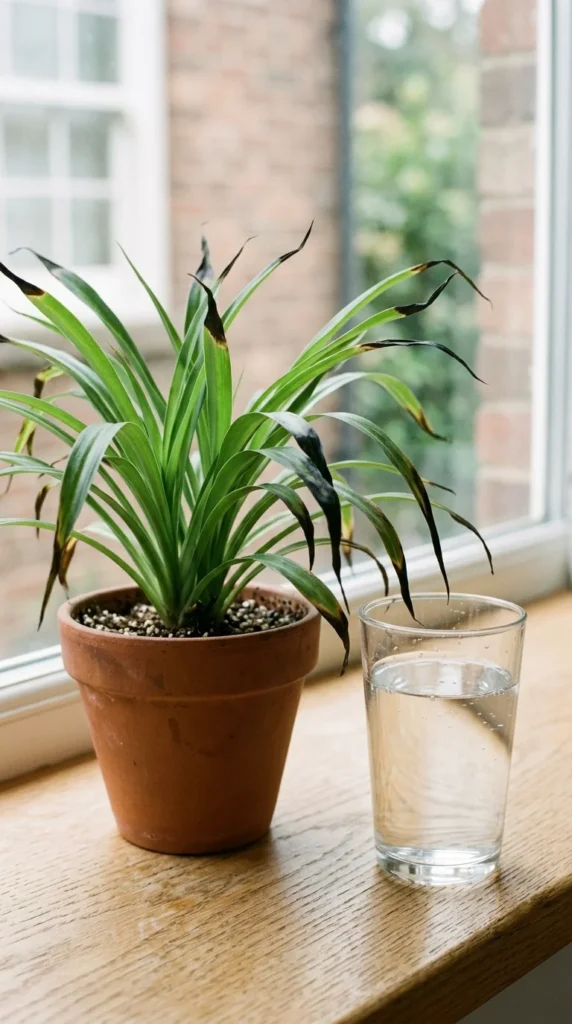
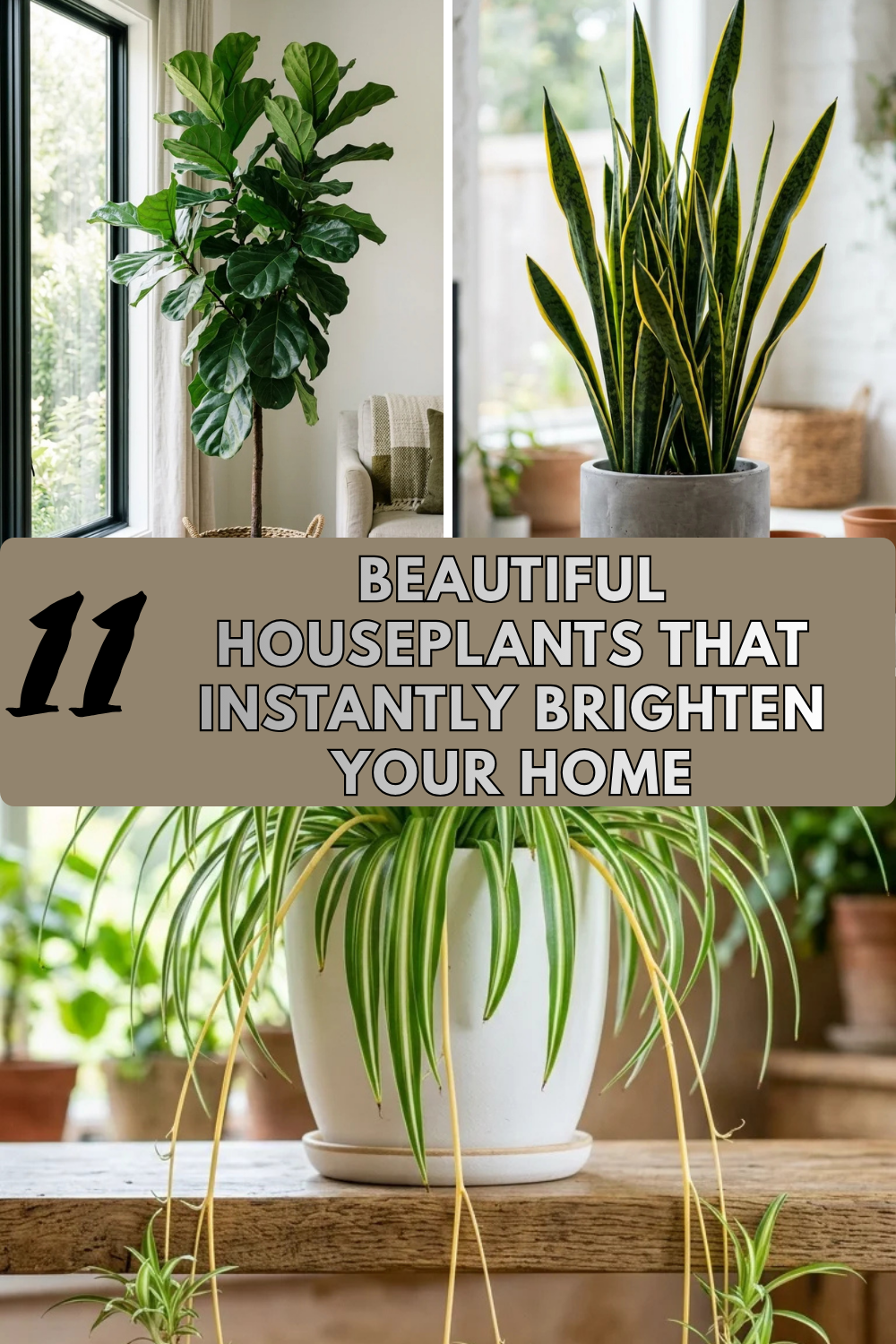
Some plants, particularly Dracaenas and Spider Plants, are sensitive to the chlorine and fluoride found in municipal tap water. Over time, these chemicals build up in the leaf tips, causing them to turn black or brown. Using filtered water or letting tap water sit out for 24 hours before use can help mitigate this issue.
13. Overcrowding
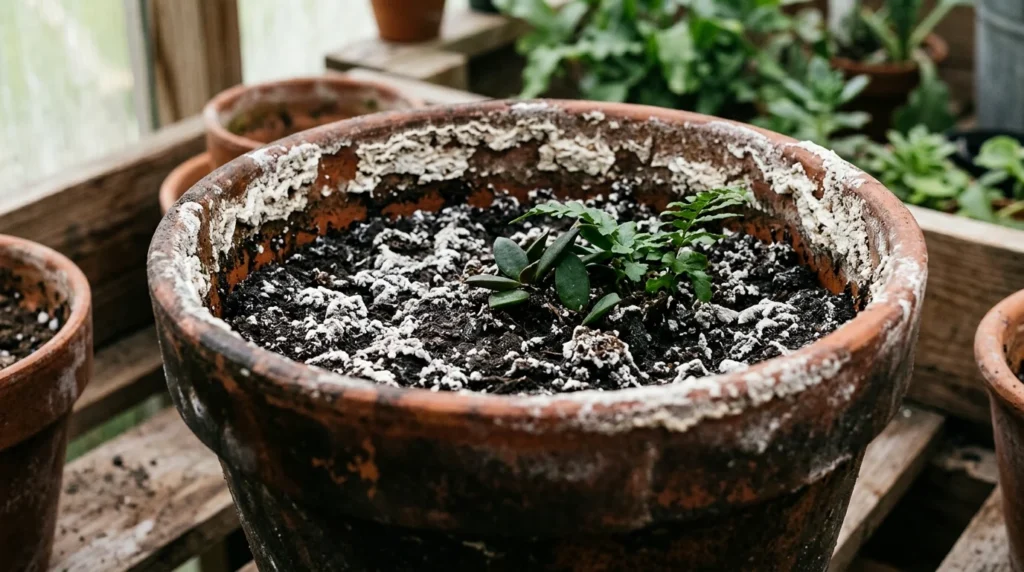
While grouping plants helps with humidity, packing them too tightly prevents air circulation. Stagnant air is a breeding ground for powdery mildew and other fungal diseases. Ensure there is enough space between pots for air to flow freely, allowing the soil surface to dry and the leaves to “breathe.”
14. Neglecting Pruning
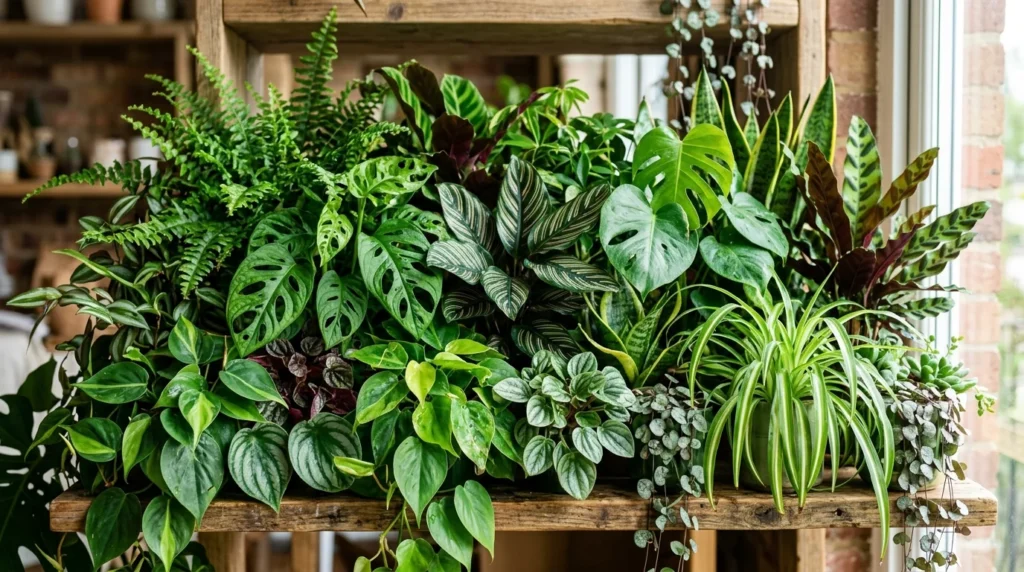
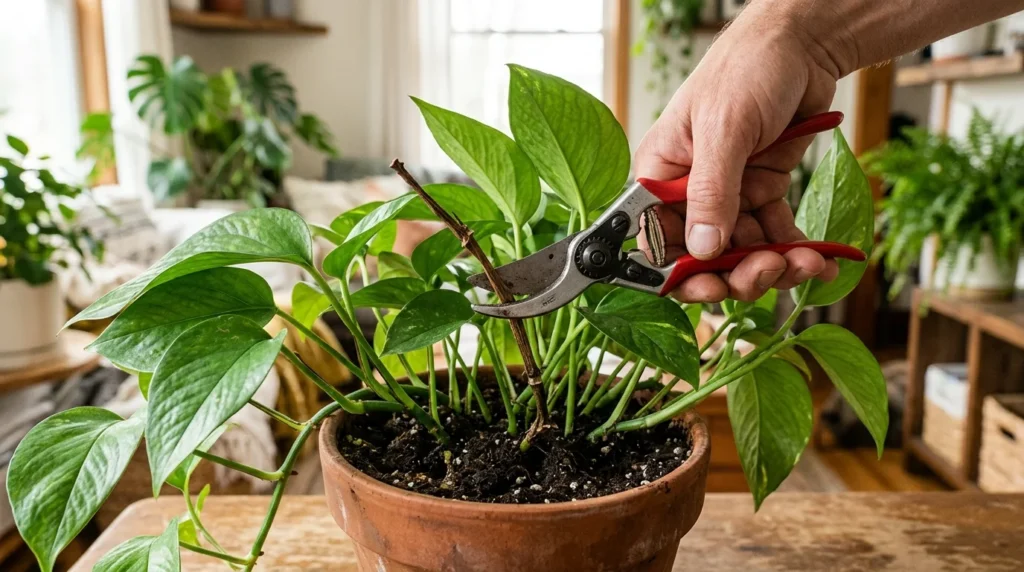
Many owners are afraid to cut their plants, but pruning is essential for health and aesthetics. Removing dead or dying leaves prevents the plant from wasting energy on them. Furthermore, “pinching back” stems encourages the plant to grow bushier rather than sending out one long, scraggly vine.
15. Container Material
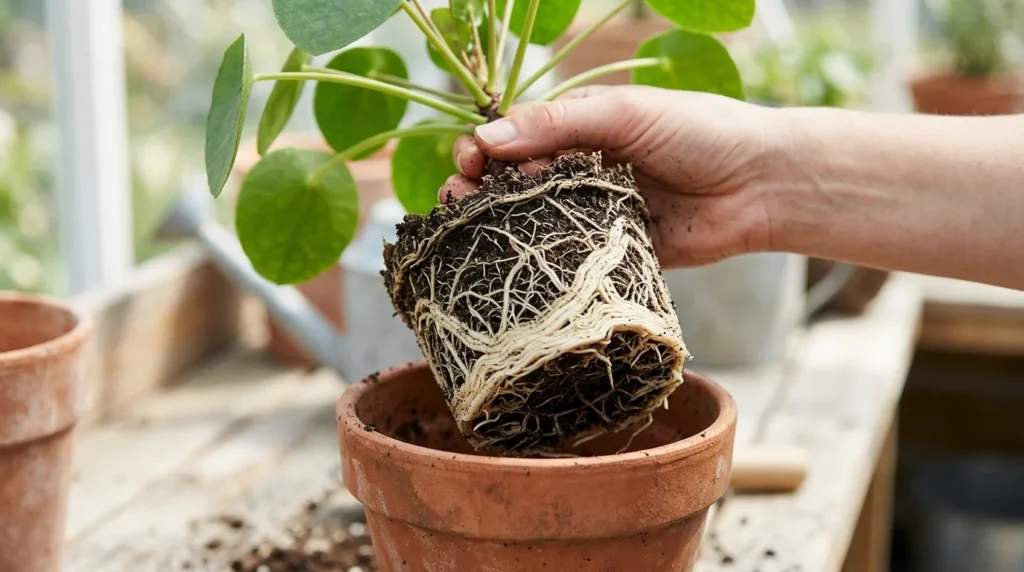
The material of your pot matters. Terracotta is porous and “breathes,” drawing moisture out of the soil—perfect for succulents. Plastic and glazed ceramic retain moisture much longer—perfect for ferns. Using terracotta for a moisture-loving plant or plastic for a cactus is a common mistake that leads to moisture imbalance.
16. Over-potting
Putting a small plant in a massive pot might seem like giving it “room to grow,” but it’s actually dangerous. A small root system cannot drink all the water contained in a large volume of soil. The excess soil stays wet for weeks, essentially sitting the roots in a cold, damp sponge, which leads to rot.
17. Wet Trays
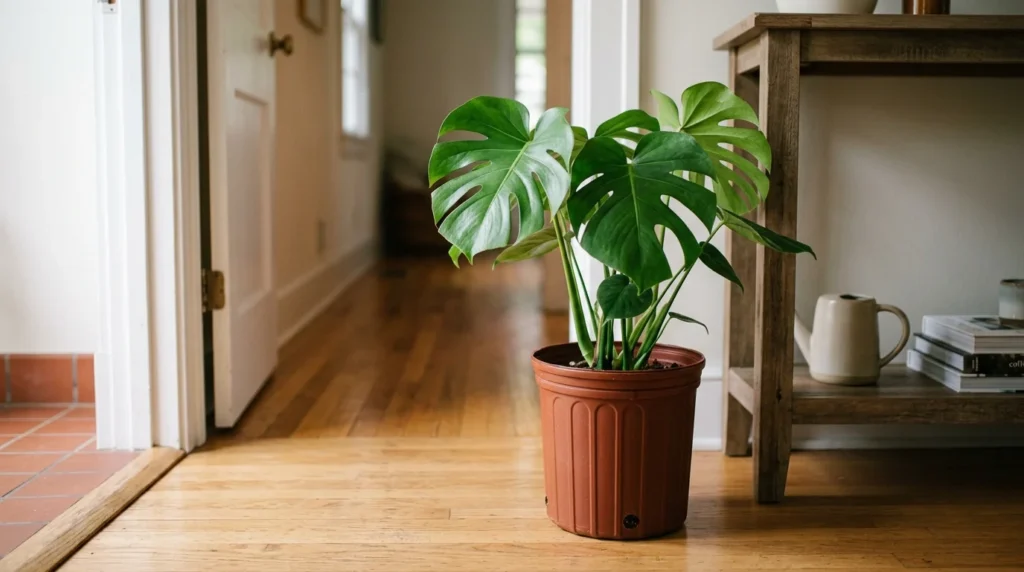
Drainage trays are meant to catch overflow, not act as a reservoir. If a plant sits in a tray of water for hours, the soil will wick that water back up, keeping the roots perpetually wet. Always empty the drainage saucer about 20 minutes after watering once the excess has finished dripping out.
18. Heat Sources
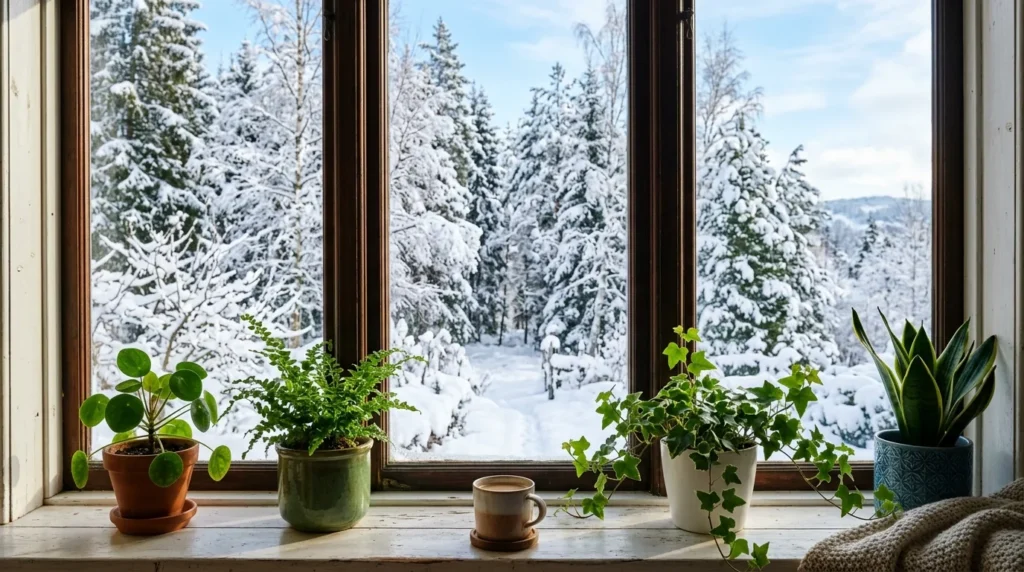
Placing plants on or near radiators, fireplaces, or space heaters is a quick way to kill them. The intense dry heat mimics a desert environment that most tropicals cannot handle. It dries out the soil prematurely and zaps the moisture from the foliage, causing rapid wilting and leaf crisping.
19. Not Rotating
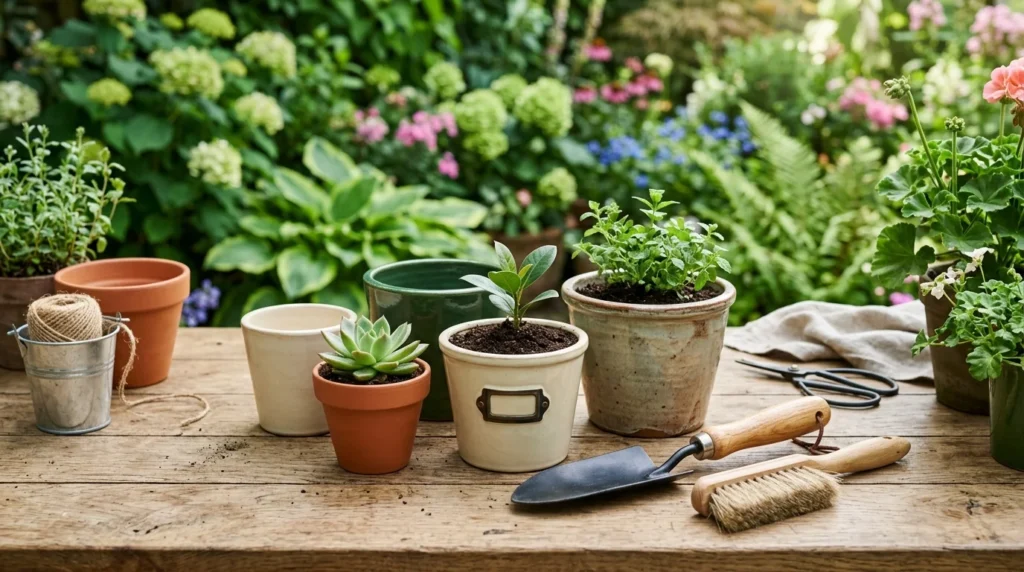
Plants grow toward the light, a phenomenon called phototropism. If you never rotate your pots, the plant will become lopsided and weak on the side facing away from the window. Give your pots a quarter-turn every time you water to ensure even growth and a symmetrical silhouette.
20. Seasonal Neglect
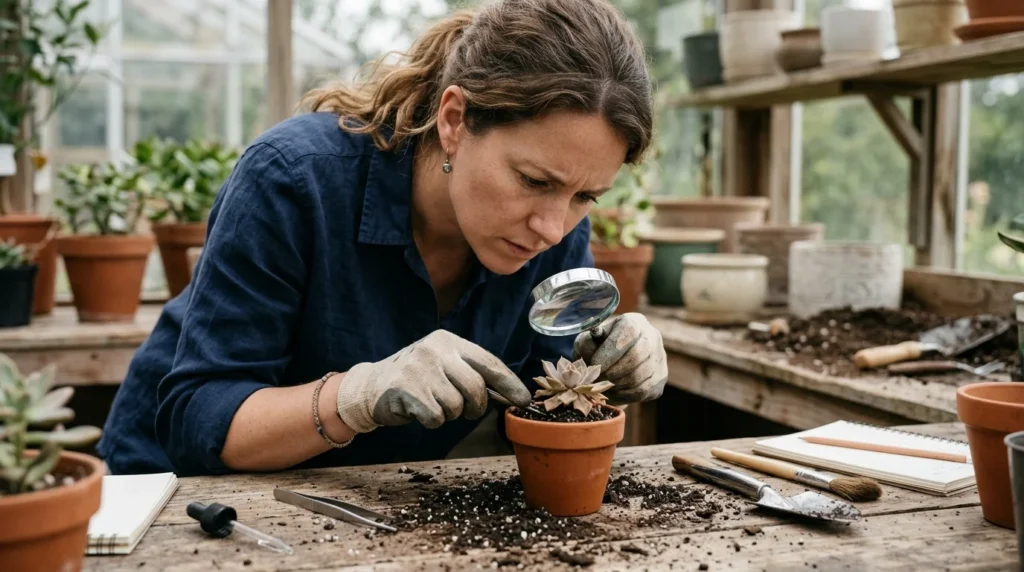
Indoor environments change with the seasons. In winter, the sun is lower and weaker, and the air is drier. In summer, the light is intense and temperatures are higher. A mistake is treating a plant the same way in December as you do in July. You must adjust your watering and lighting expectations as the seasons shift.
21. Toxic Choices
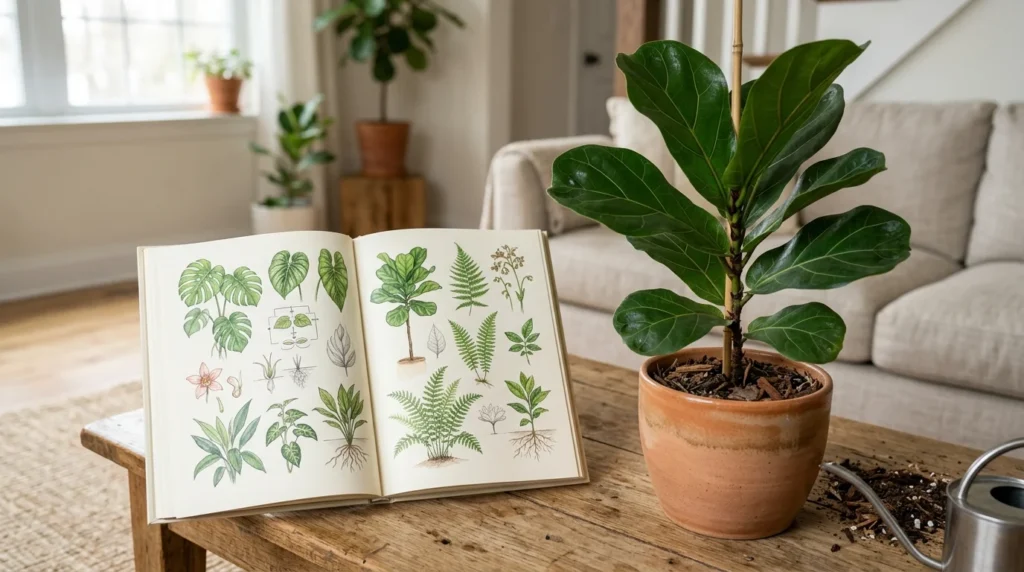
Many popular houseplants—like Lilies, Sago Palms, and certain Philodendrons—are highly toxic to cats and dogs. A common mistake is bringing these into a home with curious pets. Always check the ASPCA list of toxic plants before making a purchase to ensure your indoor garden is safe for every member of the family.
22. Aesthetic Upkeep
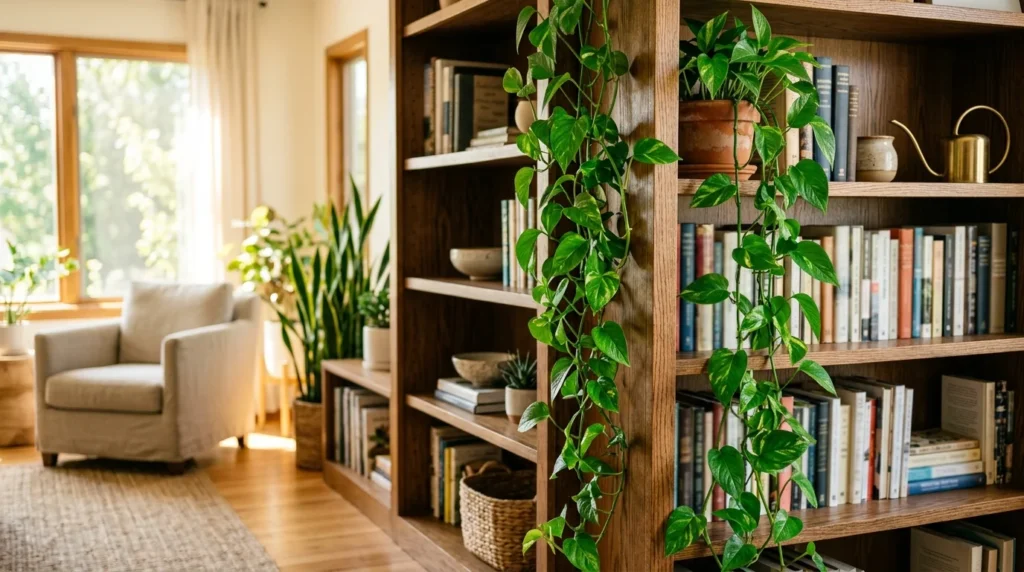
Finally, many gardeners forget the “grooming” aspect. Leaving yellow leaves, spent blooms, or fallen debris on the soil surface doesn’t just look messy; it attracts pests like fungus gnats. Regularly cleaning up your plants and removing dead material keeps the plant healthy and prevents the spread of decay.