Bringing nature indoors shouldn’t feel like a second job. For the modern professional, the frequent traveler, or the person who simply forgets to water their greenery, the dream of a lush indoor jungle often feels out of reach. However, the secret to a thriving indoor garden isn’t a “green thumb”—it’s choosing the right species.
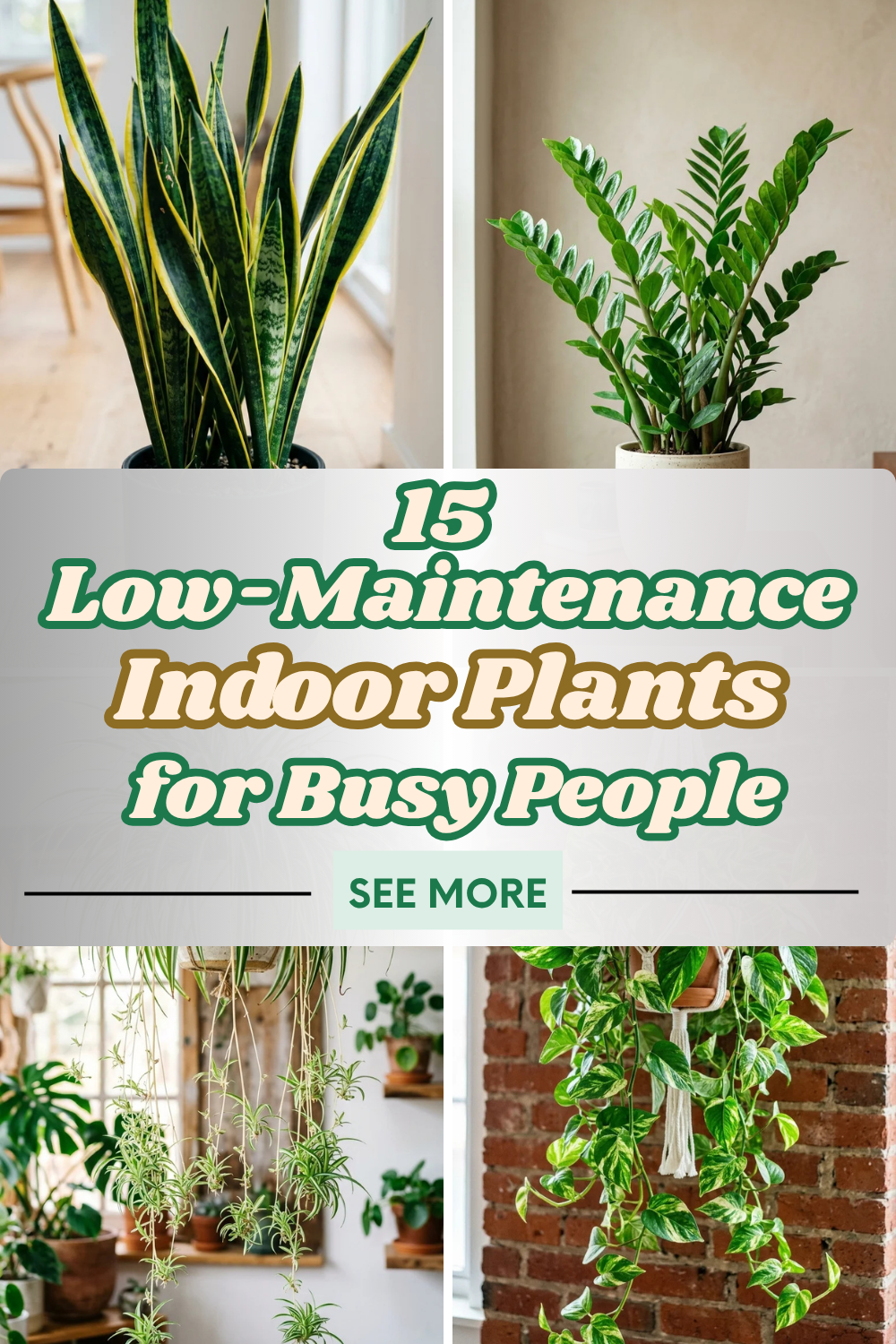
Low-maintenance plants are the unsung heroes of interior design. They purify the air, boost your mood, and add a vibrant aesthetic to your home without demanding daily attention. Below is a curated list of 15 hardy indoor plants that thrive on neglect and are perfect for a busy lifestyle.
1. Snake Plant
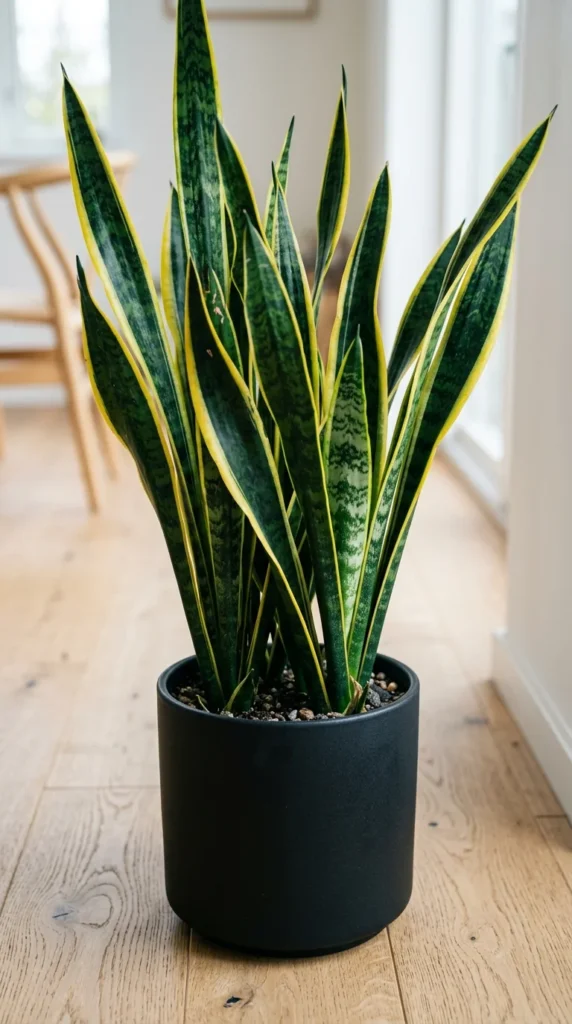
Often called the “Mother-in-Law’s Tongue,” the Snake Plant is the gold standard for low-maintenance greenery. These plants are nearly indestructible. They can survive for weeks without water and are perfectly happy in low-light corners of a bedroom or office.
- Light: Thrives in anything from low light to direct sun.
- Water: Only water when the soil is bone dry—usually every 3 to 4 weeks.
- Bonus: It is one of the few plants that continues to produce oxygen at night, making it an ideal bedside companion.
2. ZZ Plant
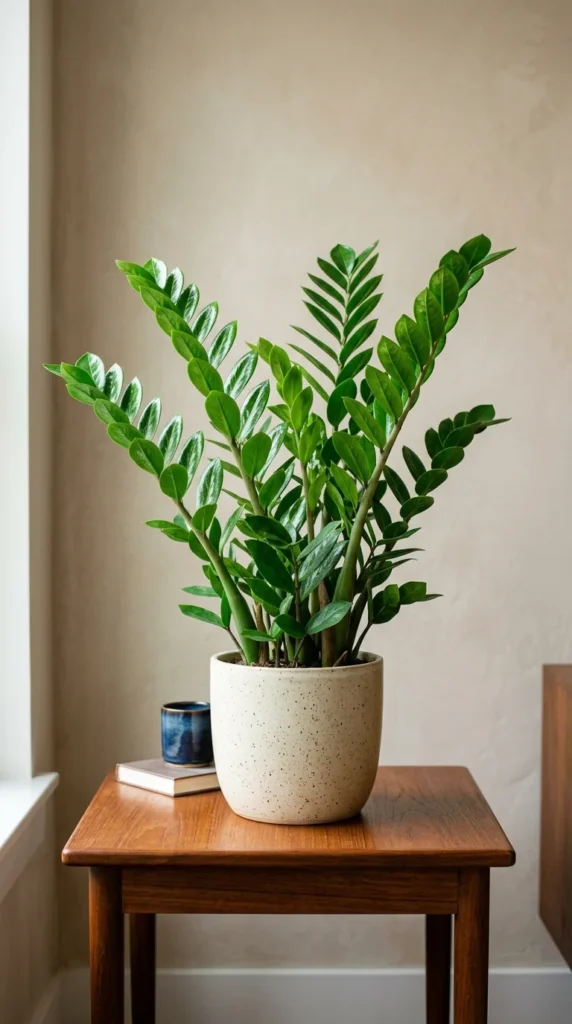
The ZZ Plant (Zamioculcas zamiifolia) looks so perfect that people often mistake it for plastic. Its thick, succulent-like stalks store water, allowing it to withstand long periods of drought. If you find yourself traveling frequently, this is the plant for you.
- Light: Prefers indirect light but survives exceptionally well in low-light environments.
- Water: Water once a month. Overwatering is the only way to hurt this plant.
- Bonus: It is highly resistant to common household pests.
3. Pothos
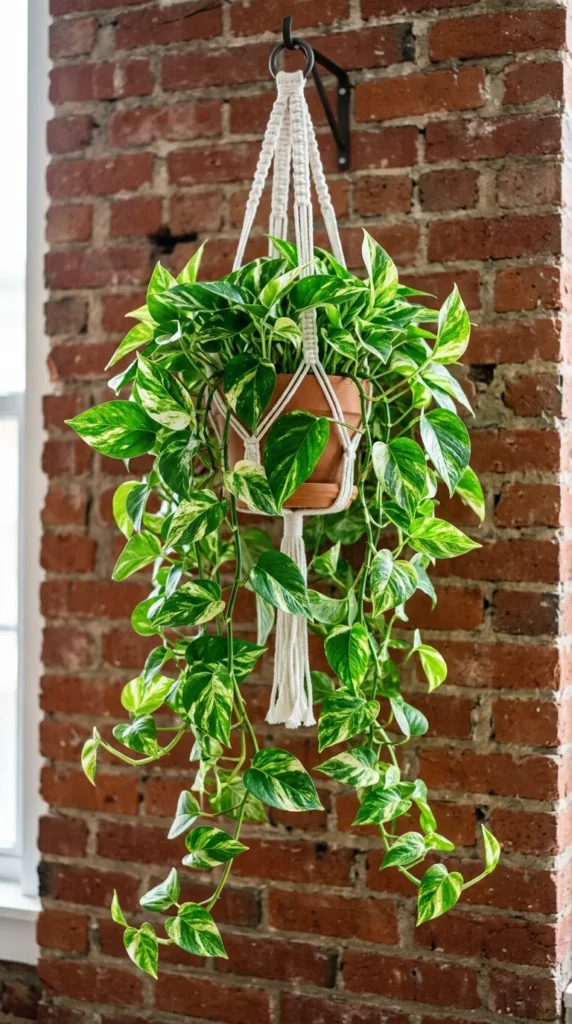
Known as “Devil’s Ivy,” Pothos is famous for its long, trailing vines that can wrap around bookshelves or hang from the ceiling. It’s incredibly communicative; when it’s thirsty, the leaves will wilt slightly, and after a quick drink, they perk right back up.
- Light: Flexible, but variegated varieties keep their color better in bright, indirect light.
- Water: Water when the top inch of soil feels dry.
- Bonus: It is incredibly easy to propagate; just snip a stem and put it in a glass of water.
4. Spider Plant
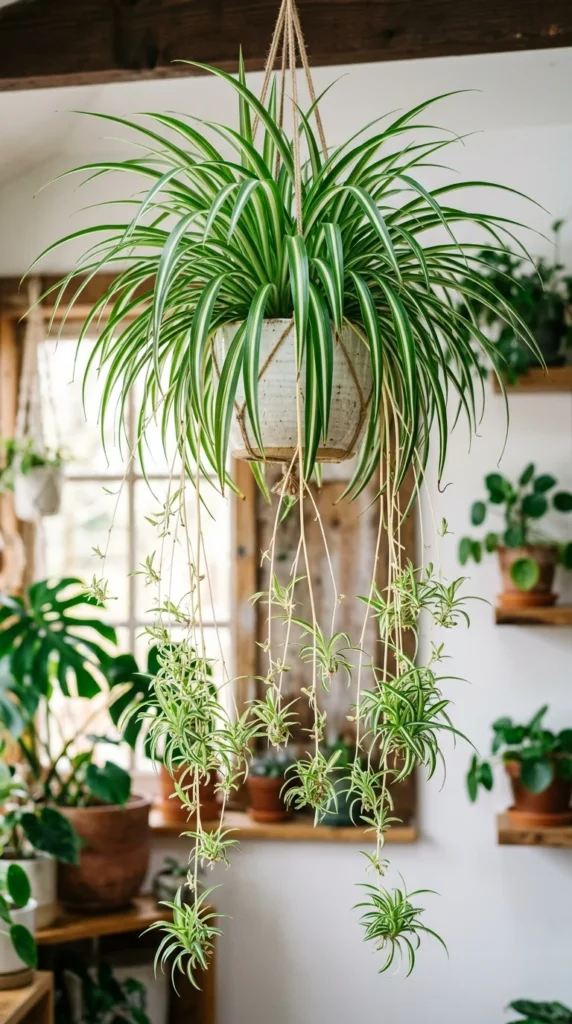
Spider Plants are the ultimate “set it and forget it” choice. They are adaptable and fast-growing, quickly filling a space with their fountain-like foliage. They are also non-toxic to cats and dogs, making them a safe choice for pet owners.
- Light: Bright, indirect light is best, but they tolerate lower light levels.
- Water: Water once a week, or when the leaves begin to look a bit pale.
- Bonus: They are elite air purifiers, removing toxins like carbon monoxide and xylene from your home.
5. Aloe Vera
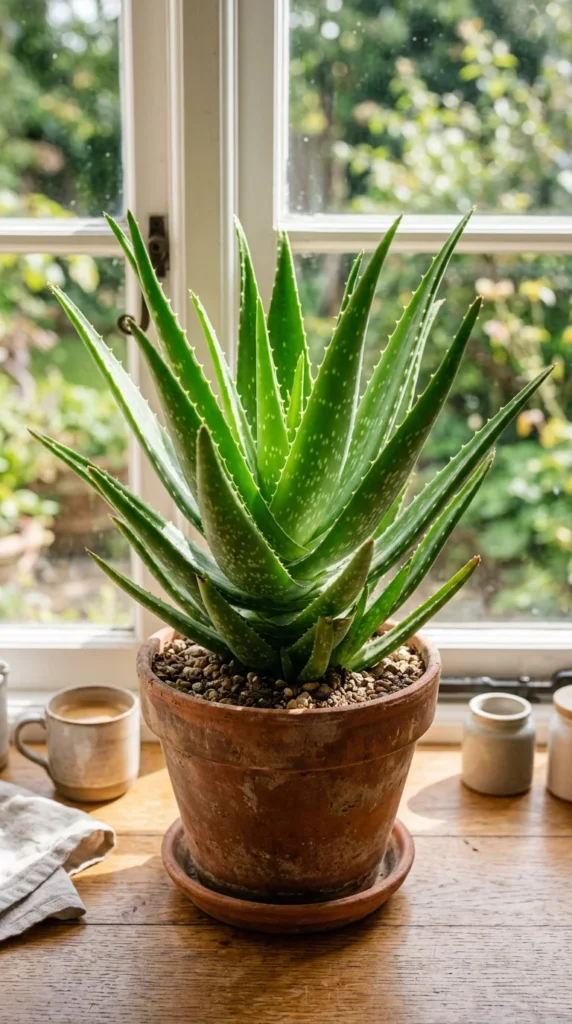
Aloe Vera is a functional beauty. Not only does it look great in a minimalist setting, but the gel inside its leaves is also a natural remedy for burns and skin irritations. As a succulent, it prefers to be ignored rather than fussed over.
- Light: Needs bright, sunny spots. A windowsill is perfect.
- Water: Deep watering every 3 weeks. Ensure the pot has excellent drainage.
- Bonus: Aloe plants produce “pups” (offshoots) that you can easily repot and gift to friends.
6. Peace Lily
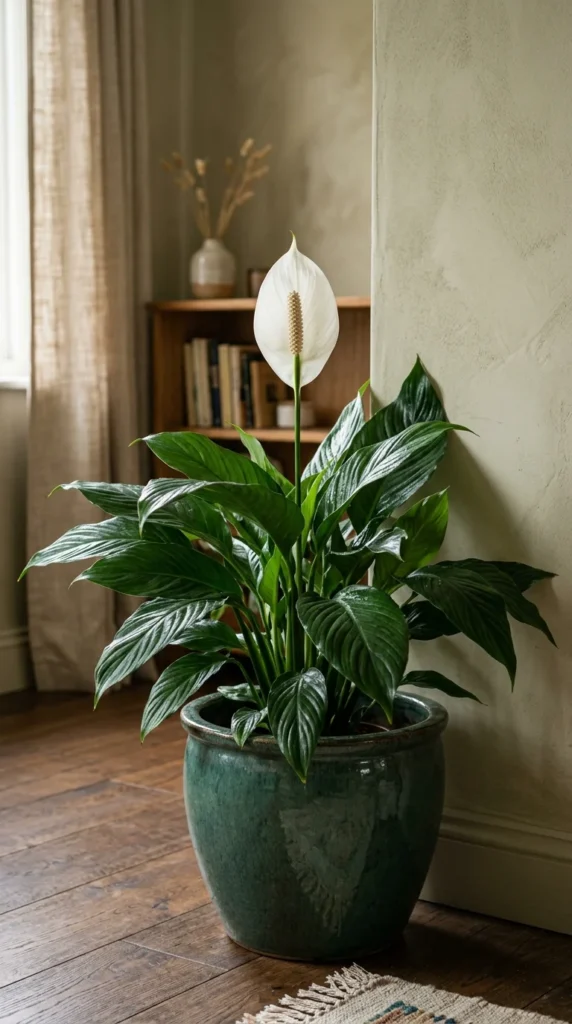
If you want a plant that flowers without the drama of an orchid, the Peace Lily is your best bet. While it prefers a bit more moisture than a Snake Plant, it is very dramatic when it needs water—it will droop completely, letting you know exactly when to grab the watering can.
- Light: Low to medium indirect light. Direct sun will scorch the leaves.
- Water: Once a week. If it wilts, water it, and it will bounce back within hours.
- Bonus: Excellent at filtering indoor toxins like formaldehyde and benzene.
7. Cast Iron Plant
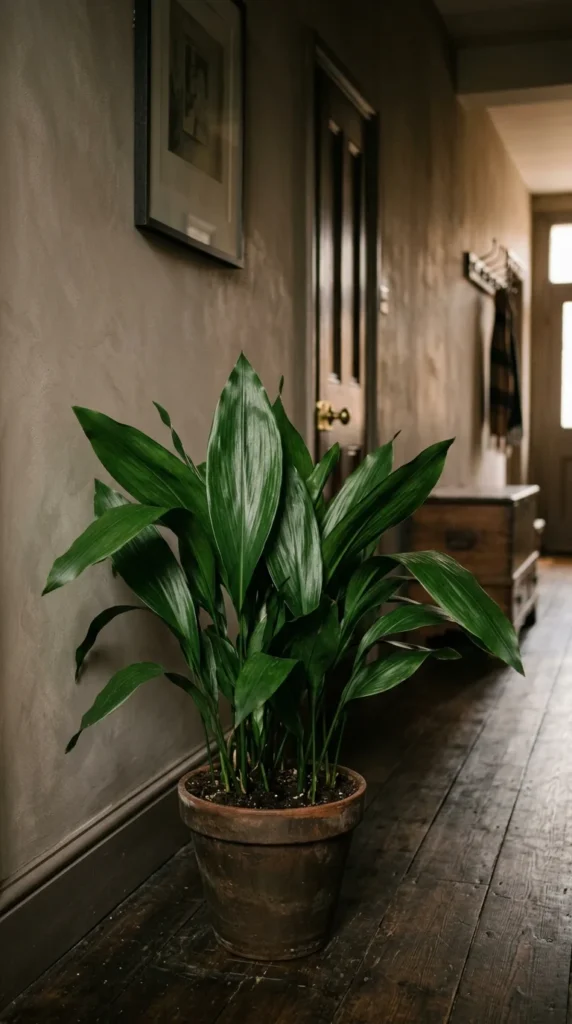
The name says it all. The Cast Iron Plant earned its reputation in the Victorian era for surviving in dark, drafty hallways with poor air quality. It grows slowly, meaning you won’t need to repot it for years, and it can handle extreme temperature fluctuations.
- Light: Thrives in low light and deep shade.
- Water: Allow the soil to dry out significantly between waterings.
- Bonus: It is virtually indestructible and very hard to kill through neglect.
8. Rubber Tree
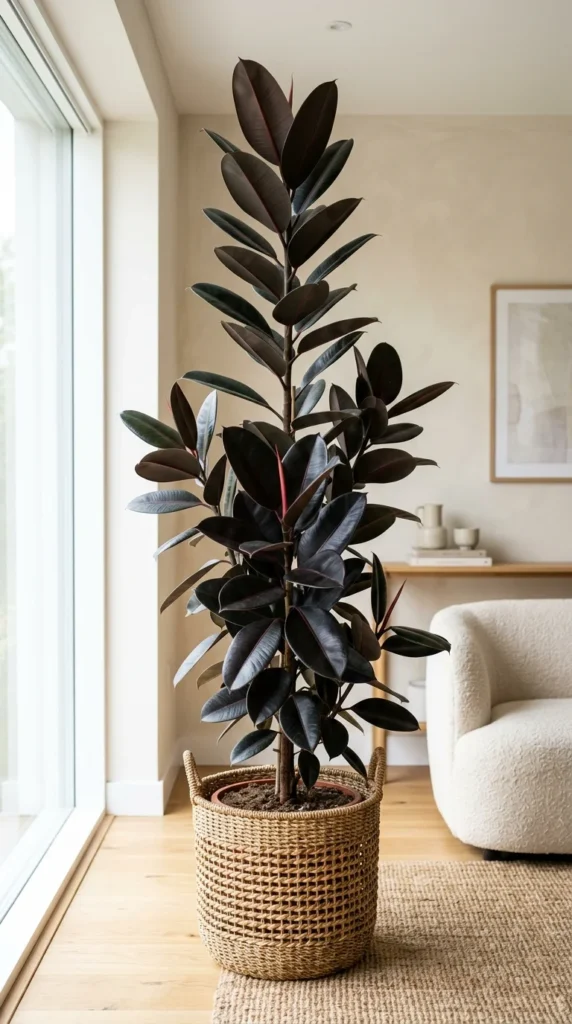
The Rubber Tree (Ficus elastica) is a statement piece. With its large, moody, leather-like leaves, it can grow into a small indoor tree over time. It’s a great way to add vertical interest to a room without needing a degree in botany.
- Light: Prefers bright, filtered light but can adapt to medium light.
- Water: Water when the top two inches of soil are dry. Keep it slightly drier in the winter.
- Bonus: The glossy leaves can be easily wiped clean with a damp cloth to keep them shining.
9. Jade Plant
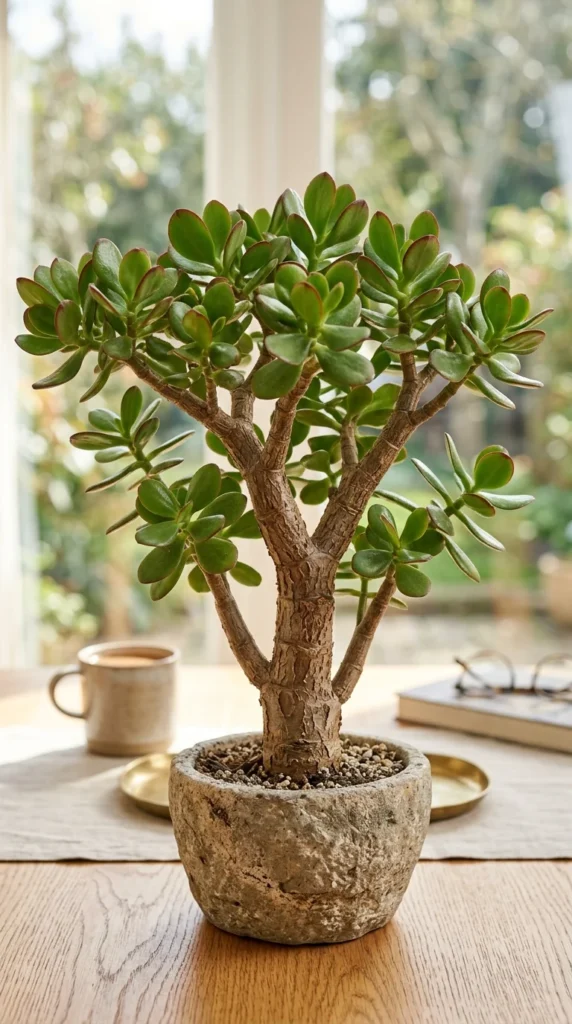
Considered a symbol of good luck and prosperity, the Jade Plant is a succulent that lives for decades. It has a tree-like appearance and requires very little maintenance as long as it gets enough sunlight.
- Light: Full sun to bright indirect light.
- Water: Water only when the soil is completely dry. In winter, you may only water it once every six weeks.
- Bonus: Its longevity makes it a great “legacy” plant that can be passed down through generations.
10. Chinese Evergreen
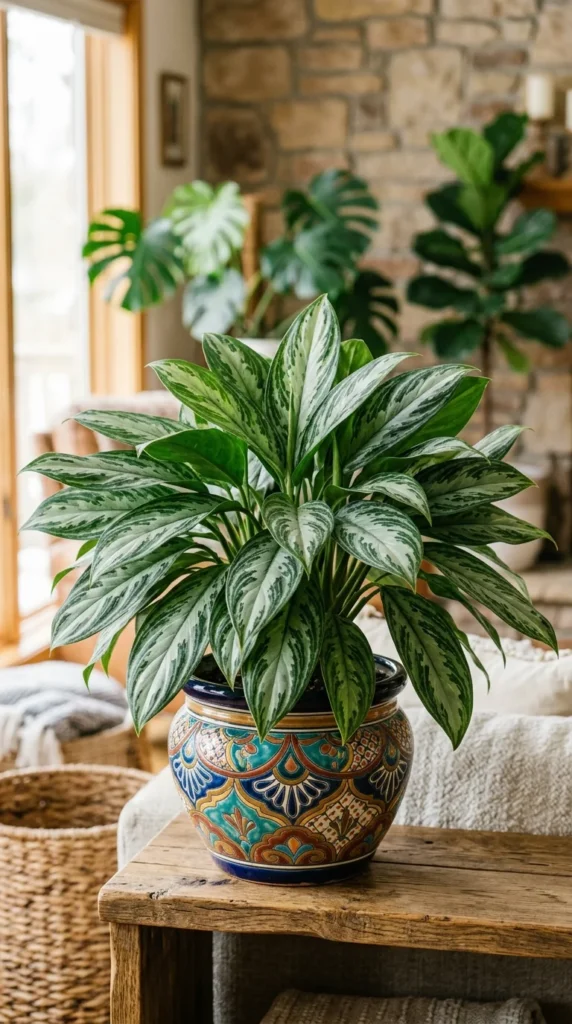
The Chinese Evergreen (Aglaonema) is one of the most durable ornamental plants. It comes in a variety of colors, including splashes of pink and red, and it doesn’t mind dry air or air conditioning, which often kills more sensitive plants.
- Light: Thrives in low to medium light. Darker green varieties can handle near-shade.
- Water: Water moderately, allowing the soil to dry out halfway between sessions.
- Bonus: It is very tolerant of irregular watering schedules.
11. Air Plants
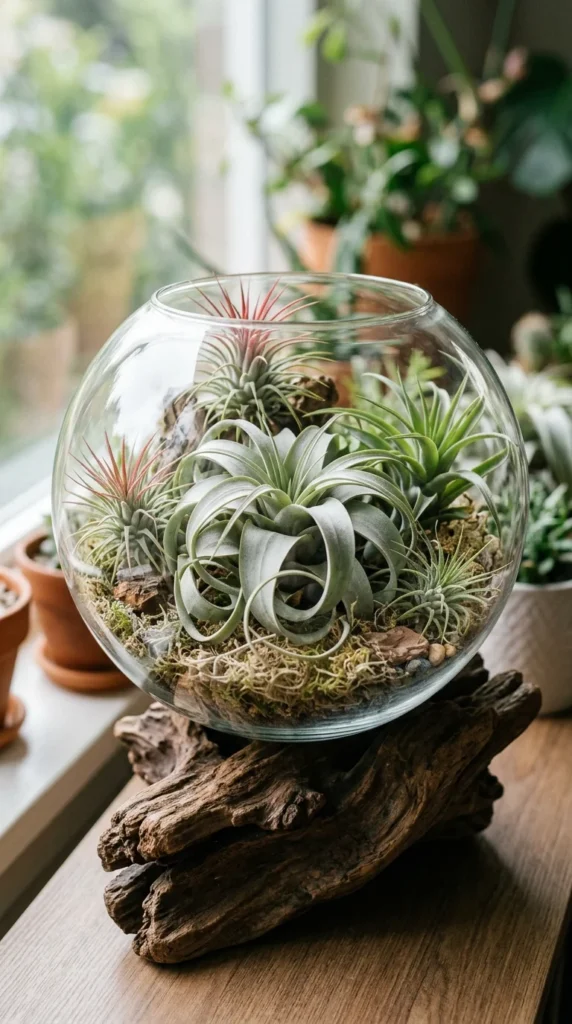
For the person who doesn’t want to deal with soil at all, Air Plants (Tillandsia) are the answer. They don’t need a pot; they get their nutrients from the air through their leaves. You can display them in shells, glass globes, or simply resting on a shelf.
- Light: Bright, indirect light.
- Water: Instead of watering the soil, mist them weekly or soak them in a bowl of water for 20 minutes every two weeks.
- Bonus: They are incredibly versatile for creative home decor and take up almost no space.
12. Monstera Deliciosa
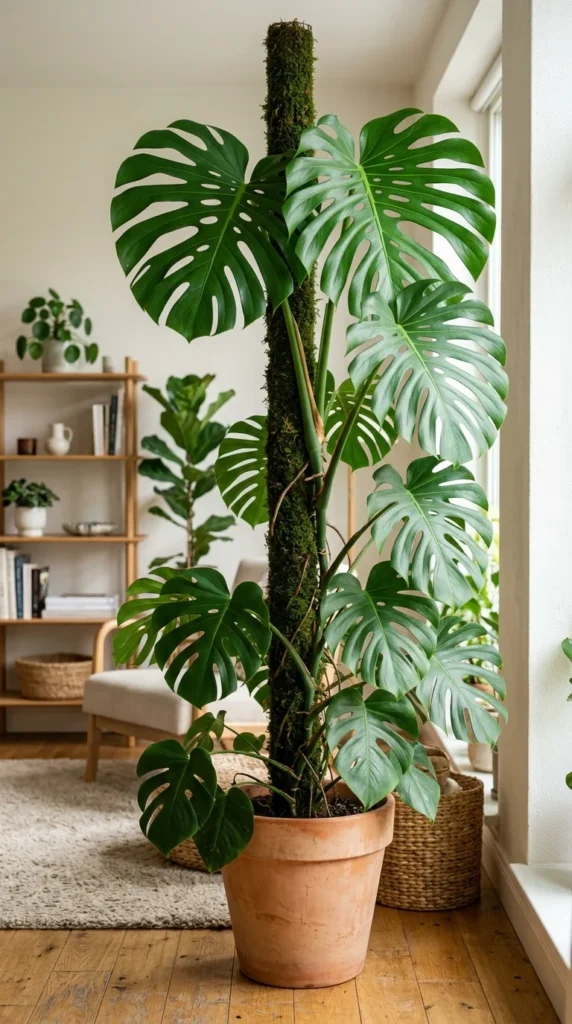
The “it” plant of the social media world, the Monstera Deliciosa is surprisingly easy to care for despite its exotic look. It’s a fast grower that adds a tropical feel to any room. It loves to climb, so giving it a moss pole will help it reach its full potential.
- Light: Bright, indirect light.
- Water: Water every 1 to 2 weeks, allowing the soil to dry out between waterings.
- Bonus: The dramatic holes in the leaves (fenestrations) appear as the plant matures, making it a joy to watch grow.
13. Ponytail Palm
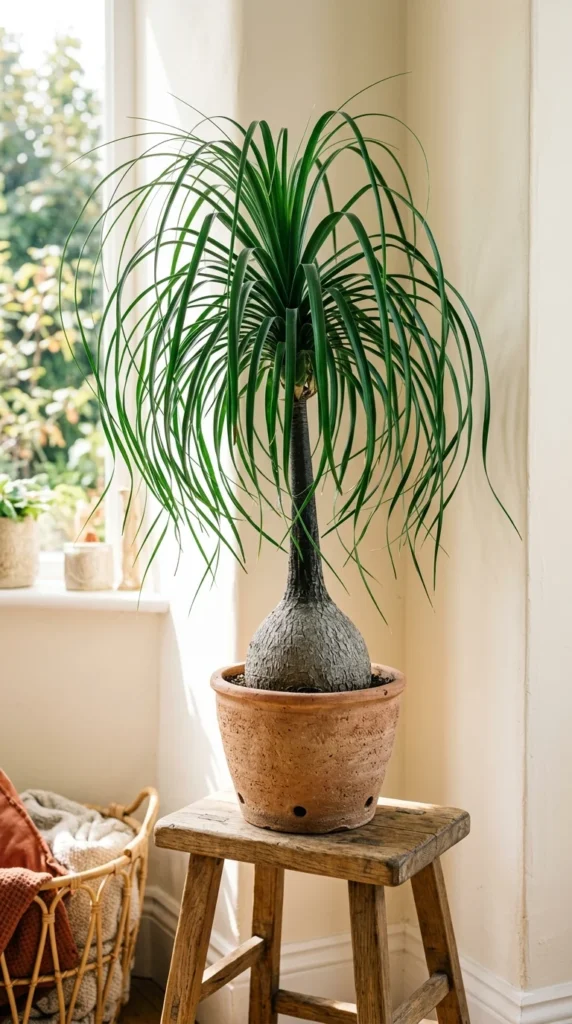
Despite the name, the Ponytail Palm is actually a succulent, not a palm. The thick, bulbous trunk stores water, which is how it survives in its native arid environments in Mexico. It’s the perfect desktop companion for someone who forgets to water.
- Light: Prefers bright light but is patient with lower light levels.
- Water: Water every 2 to 3 weeks. The trunk acts as a reservoir, so it’s very drought-tolerant.
- Bonus: It is non-toxic and has a very unique, whimsical silhouette.
14. Philodendron
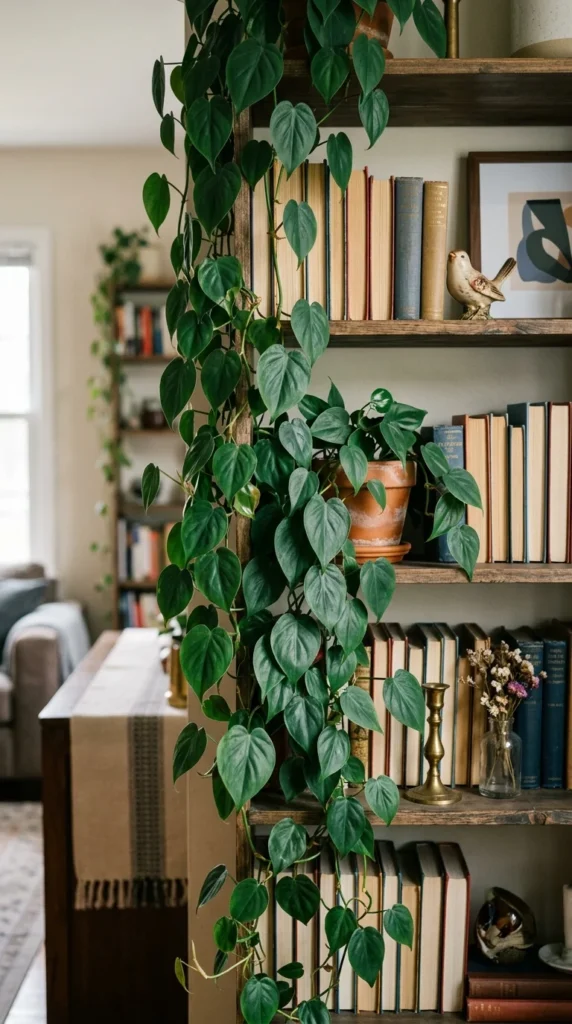
Philodendrons are often confused with Pothos, and for a good reason—they are just as easy to care for. They are incredibly hardy and can grow quite long if left to trail. They are very forgiving if you miss a watering session here or there.
- Light: Medium to bright indirect light, though they are very tolerant of low light.
- Water: Water when the top inch of soil is dry.
- Bonus: They are excellent at adapting to the specific environment of your home.
15. Lucky Bamboo
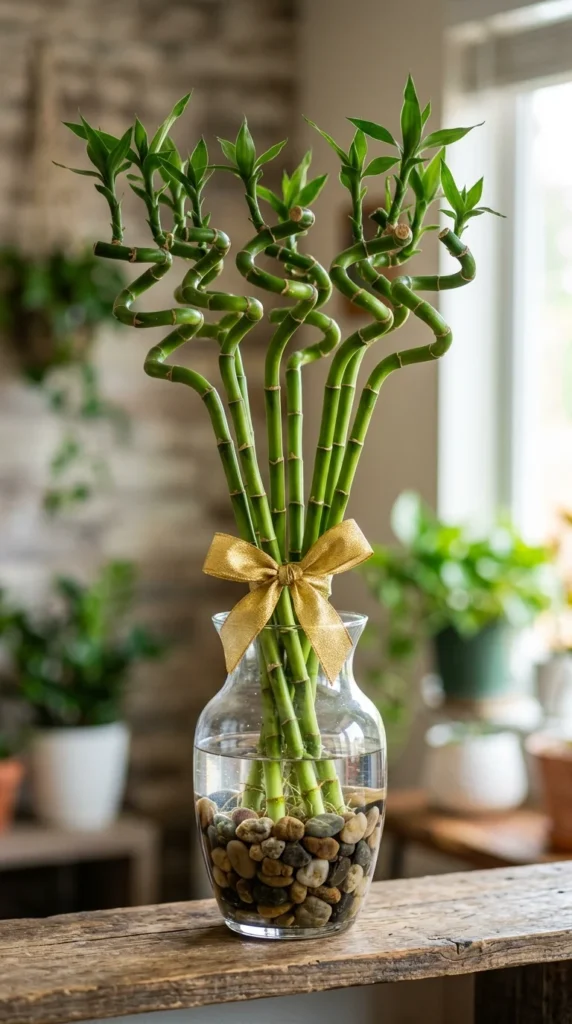
Lucky Bamboo isn’t actually bamboo; it’s a type of Dracaena. It is most commonly grown in just water and stones, eliminating the need for messy soil. It’s a staple in feng shui and is believed to bring positive energy into the home.
- Light: Low to medium indirect light. Avoid direct sun, which will yellow the leaves.
- Water: If grown in water, simply change the water every two weeks and keep the roots submerged.
- Bonus: It can be trained into intricate shapes, like spirals and braids, making it a living piece of art.
Pro-Tips for the Busy Plant Parent
Even the hardiest plants need a little love. To ensure your low-maintenance garden thrives, keep these three golden rules in mind:
- Drainage is Key: Always use a pot with a drainage hole. Most indoor plants die from “wet feet” (root rot) caused by water sitting at the bottom of the pot.
- The Finger Test: Before watering, stick your finger an inch into the soil. If it feels damp, wait. If it’s dry, it’s time to water.
- Dust Matters: Every few months, wipe the leaves with a damp cloth. Dust blocks sunlight from reaching the leaves, making it harder for the plant to “breathe” and grow.
By choosing one of these fifteen varieties, you can enjoy the serenity and beauty of an indoor garden without the stress of a high-maintenance care routine. Happy planting!