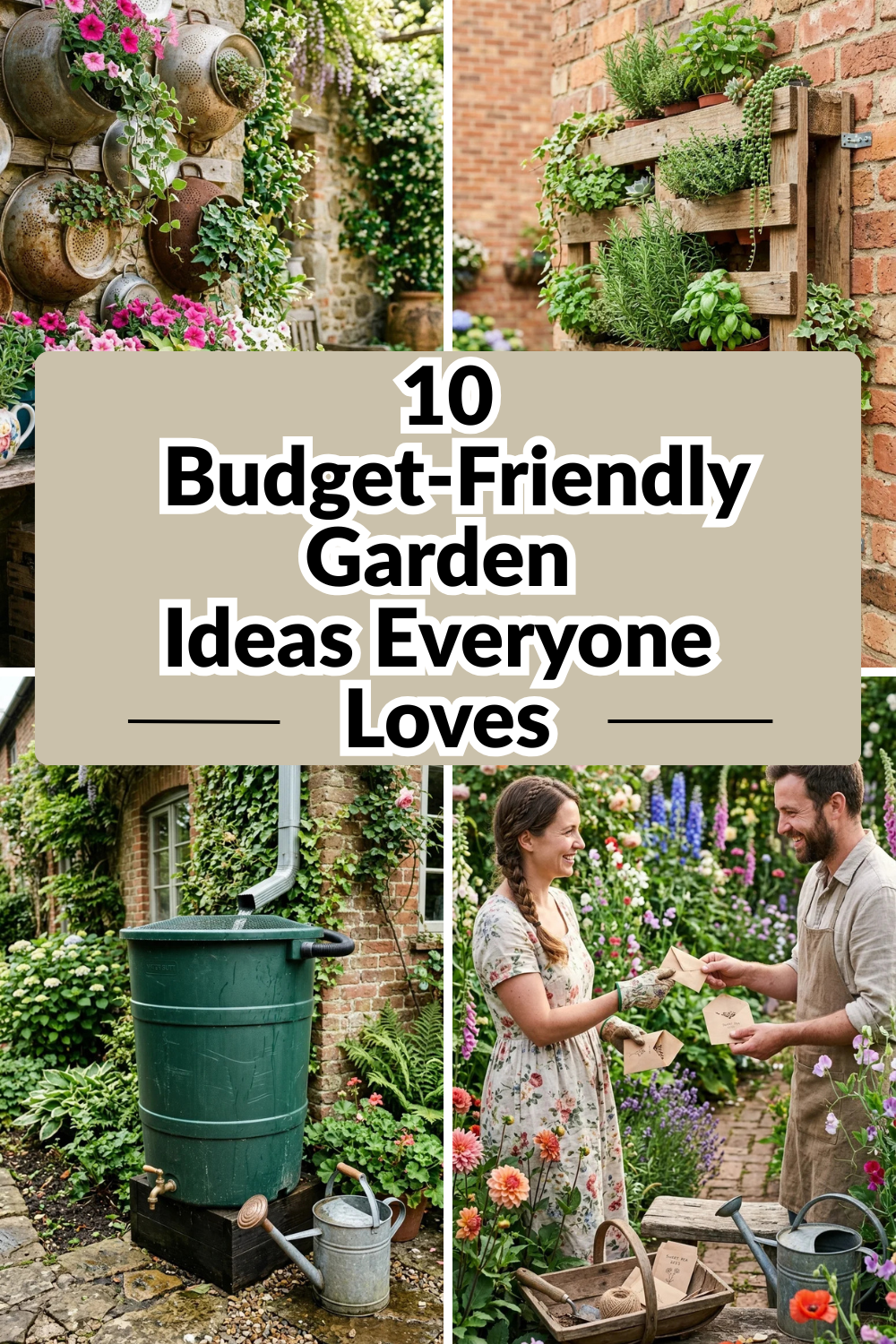
Creating a breathtaking outdoor space doesn’t require a lottery win or a professional landscaping crew. In fact, some of the most charming and personalized gardens are those built on a budget, utilizing creativity, upcycling, and a little bit of sweat equity. Whether you have a sprawling suburban lawn or a tiny urban balcony, transforming your “green space” into a sanctuary is entirely achievable without emptying your savings account.
The secret to low-cost gardening lies in looking at everyday objects through a different lens and working with nature rather than against it. From turning old household items into quirky planters to harnessing the power of free organic waste, the possibilities are endless. Here are ten budget-friendly garden ideas that will elevate your outdoor aesthetic while keeping your finances firmly rooted.
1. Upcycled Planters
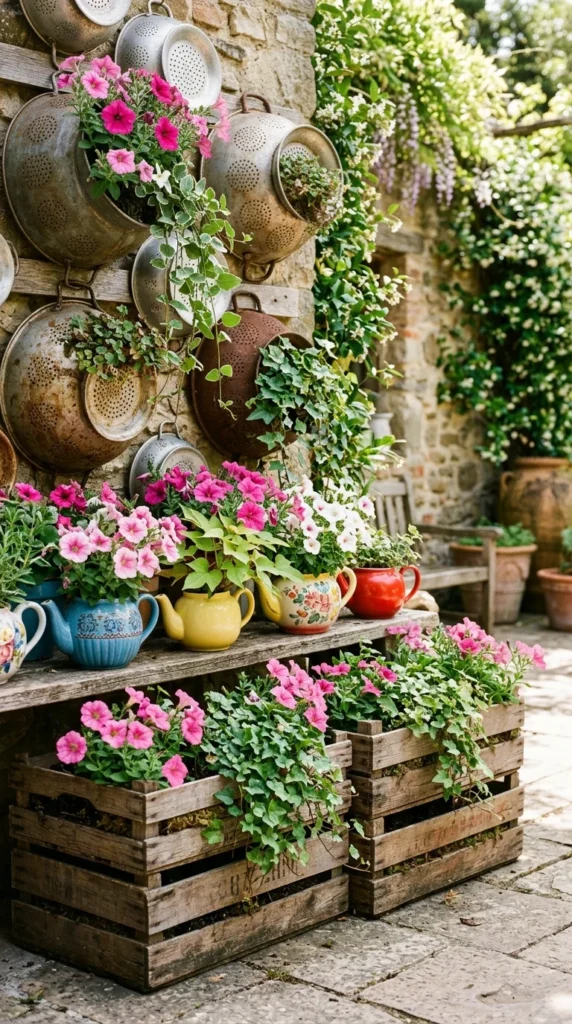
One of the easiest ways to save money is to stop buying expensive ceramic pots. Instead, look around your home or visit local thrift stores for unique vessels. Anything that can hold soil and has (or can have) drainage holes can become a planter. Old tires can be painted and stacked for a tiered look; vintage tea tins add a touch of Victorian charm to a kitchen windowsill; and even worn-out rain boots can be turned into whimsical containers for bright pansies. Upcycling not only saves cash but also adds a layer of personality and history to your garden that store-bought items simply can’t replicate.
2. Vertical Pallets
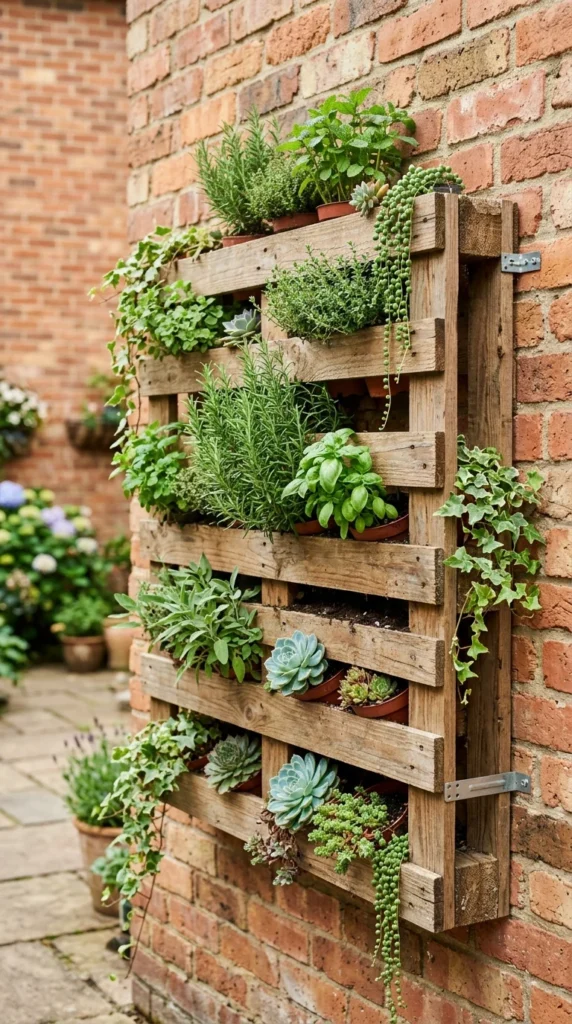
For those with limited ground space, vertical gardening is a game-changer. Wooden shipping pallets are often available for free behind local businesses (just ensure they are marked “HT” for heat-treated rather than chemically treated). By stapling landscape fabric to the back and bottom of the slats, you can create “pockets” for soil. These are perfect for growing lettuce, strawberries, or a complete herb garden right against your fence or balcony wall. It’s a rustic, industrial-chic look that maximizes every square inch of your vertical real estate.
3. Seed Swapping
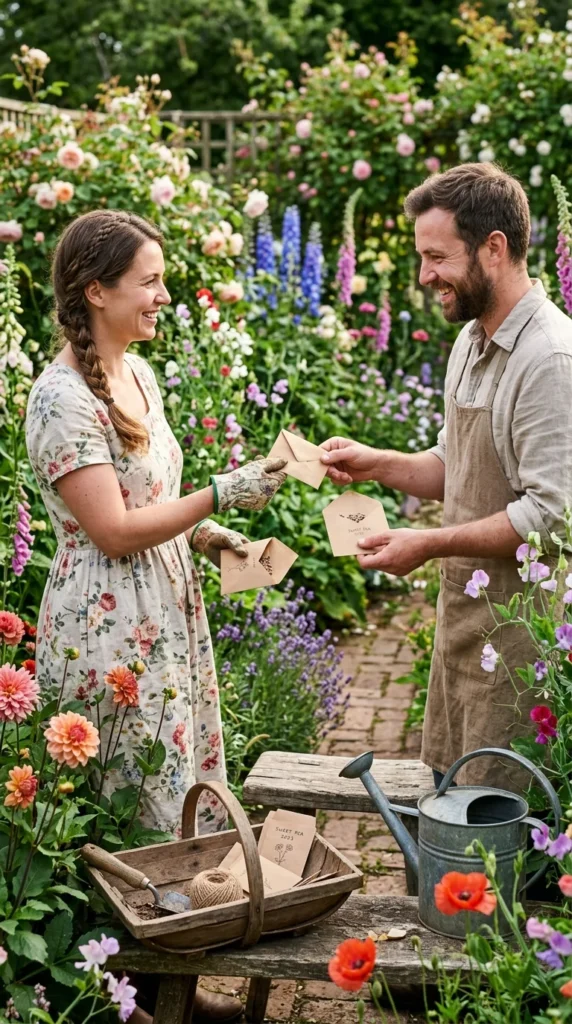
Buying mature plants from a nursery is one of the quickest ways to blow a gardening budget. Starting from seed is significantly cheaper, but buying dozens of seed packets can still add up. Enter the seed swap. Connect with neighbors, local gardening clubs, or online community groups to trade seeds. Most gardeners end up with more seeds than they can use in a single season. Swapping allows you to diversify your garden for the cost of a few envelopes and a postage stamp, fostering a sense of community and ensuring you get varieties that are proven to thrive in your specific local climate.
4. Composting Gold
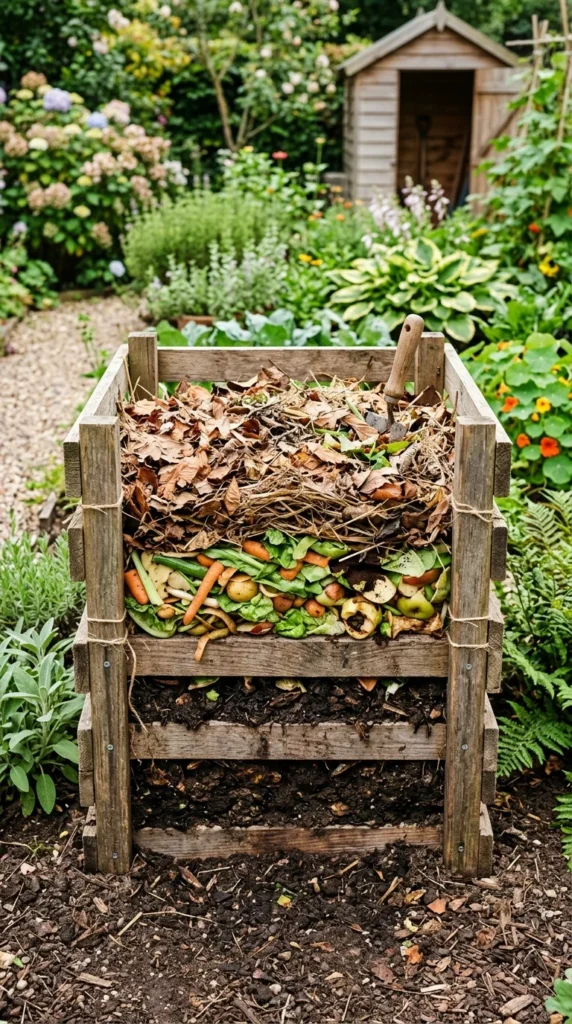
Experienced gardeners often refer to compost as “black gold” for a reason. It is the single best thing you can do for your soil health, and it costs absolutely nothing. Instead of buying bags of fertilizer and soil conditioner, start a compost pile in a corner of your yard. Use kitchen scraps (fruit and vegetable peels, coffee grounds, eggshells) mixed with “brown” materials like dried leaves, cardboard, and straw. Over time, these materials break down into a nutrient-rich amendment that will make your plants thrive, all while reducing the amount of waste you send to the landfill.
5. Path Mulching
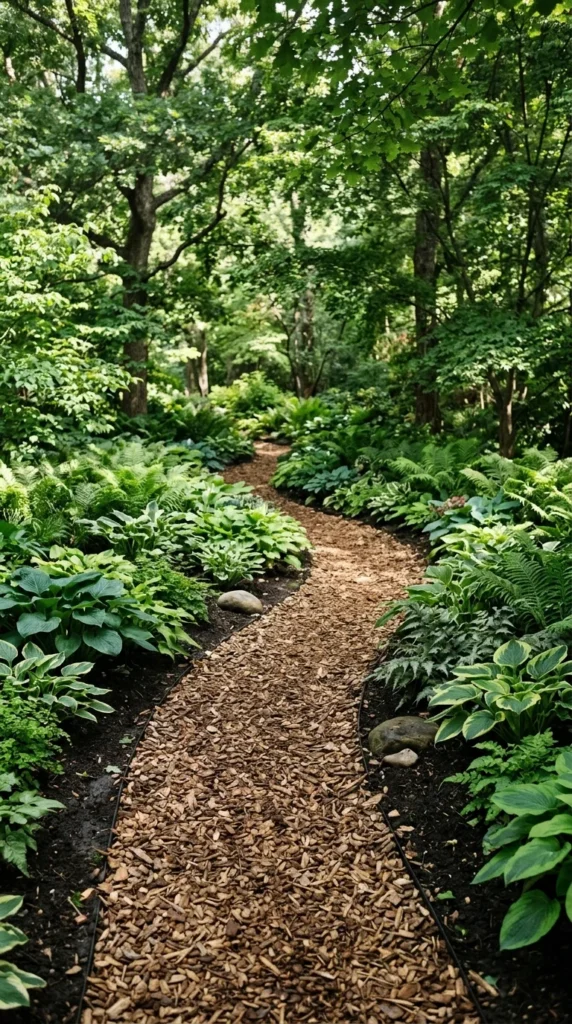
A well-defined path can instantly make a garden feel professional and organized. However, paving stones and bricks are heavy and expensive. For a budget-friendly alternative, use organic mulch like wood chips, pine needles, or bark. Many arborists and tree-trimming companies are happy to drop off a load of wood chips for free or a very small fee because it saves them a trip to the dump. Lay down a thick layer of cardboard first to suppress weeds, then pile the wood chips on top. This creates a soft, natural-looking path that improves the soil as it slowly decomposes.
6. Native Plants
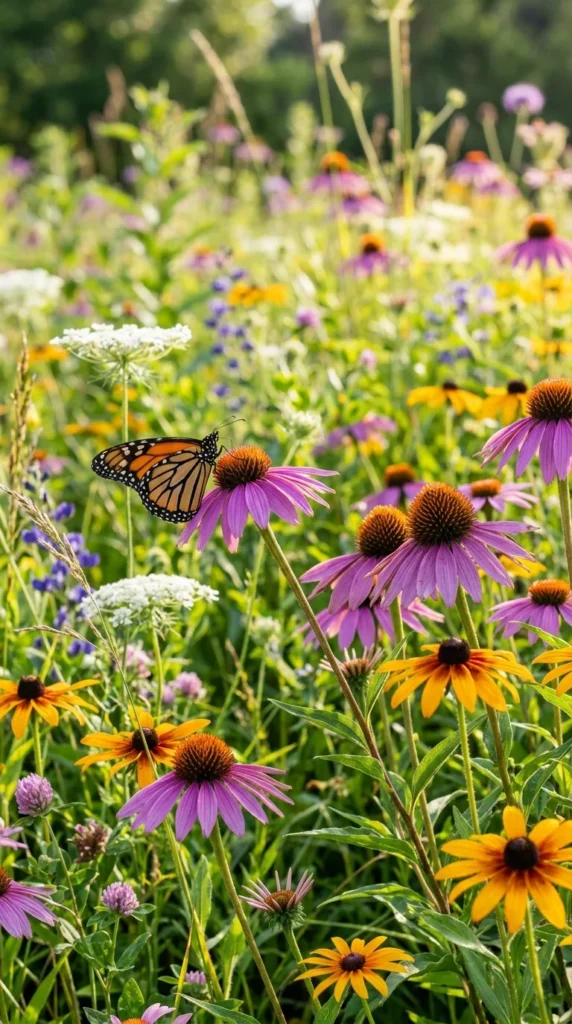
One of the biggest expenses in gardening is replacing plants that die because they aren’t suited to the environment. By choosing native plants—species that naturally occur in your region—you significantly reduce the need for expensive fertilizers, pesticides, and excessive watering. Native plants have spent thousands of years adapting to your local soil and weather patterns. They are generally hardier, more pest-resistant, and provide vital food and habitat for local pollinators like bees, butterflies, and birds.
7. Solar Lighting
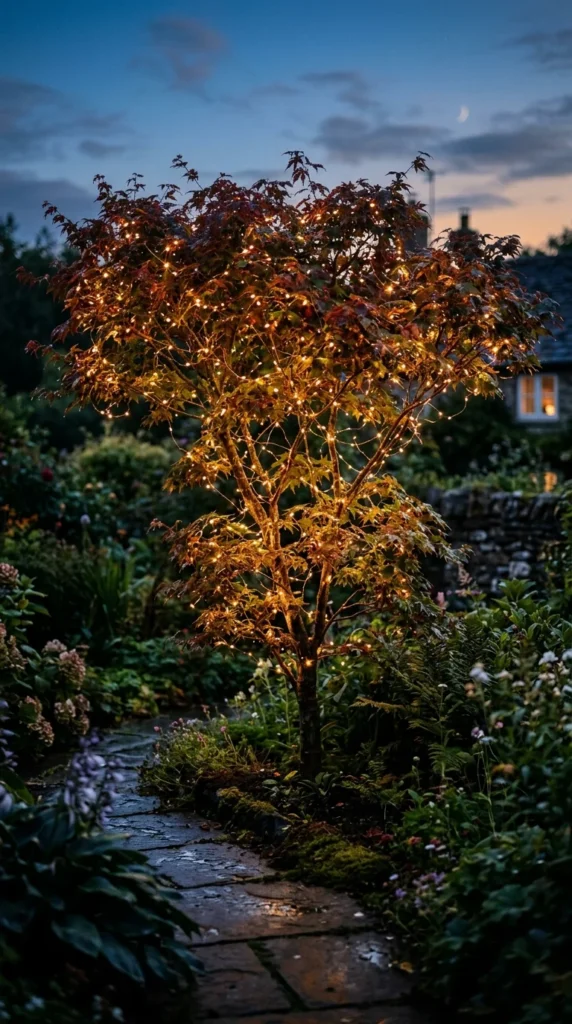
Lighting transforms a garden from a daytime hobby into an evening retreat. While hardwired landscape lighting requires an electrician and a hefty investment, solar-powered lights are incredibly affordable and easy to install. You can find solar stakes to line your paths, solar “bricks” to embed in gravel, or solar string lights to wrap around pergolas and trees. They charge during the day and automatically flicker on at dusk, providing a warm, ambient glow without adding a single cent to your monthly electricity bill.
8. Propagation Station
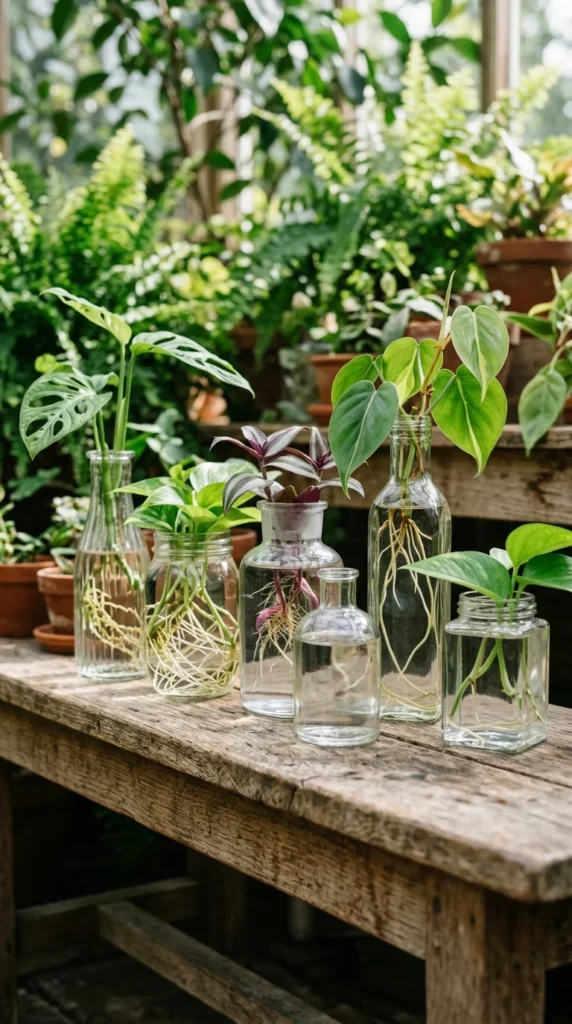
Why buy new plants when you can “clone” the ones you already have? Propagation is the process of growing new plants from cuttings of existing ones. Many popular garden plants, like lavender, hydrangeas, and roses, can be grown from stems. Similarly, many houseplants can be propagated in just a glass of water. Once you learn the basic techniques of where to snip and how to encourage root growth, you can expand your garden indefinitely for free. It’s also a wonderful way to share plants with friends—giving a “baby” of your favorite shrub is a gift that keeps on growing.
9. Stone Edging
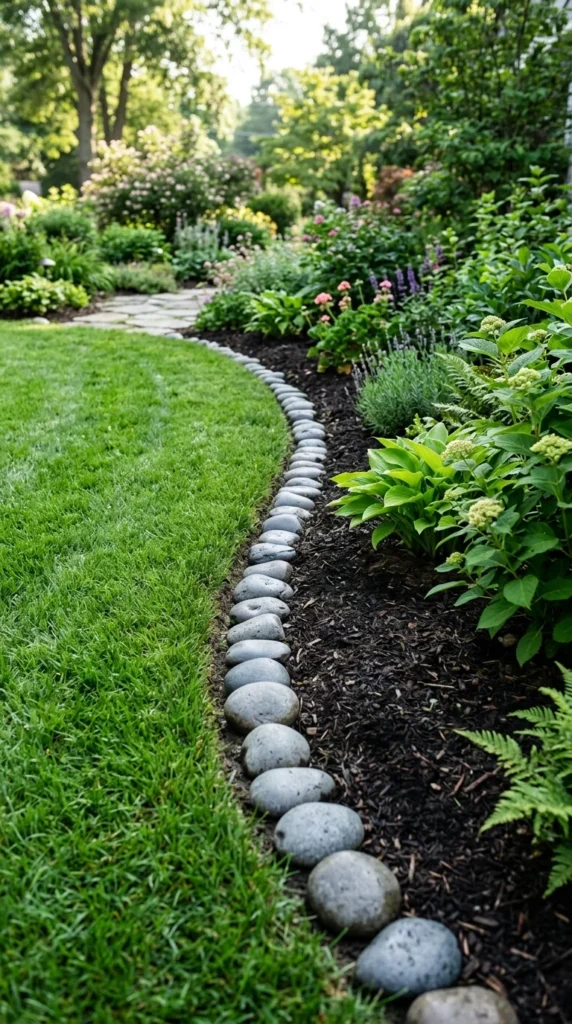
A clean edge between your lawn and your flower beds is the hallmark of a tidy garden. While plastic or metal edging can be pricey and often looks artificial, natural stones provide a timeless, organic border. If you live in a rocky area, you might even be able to source these from your own property or from local construction sites (with permission). Even if you buy them from a landscape supply yard, natural stones are often cheaper than high-end manufactured edging. Dig a shallow trench, line up your stones, and you have a durable, beautiful border that helps keep grass from creeping into your flowers.
10. Rain Barrels
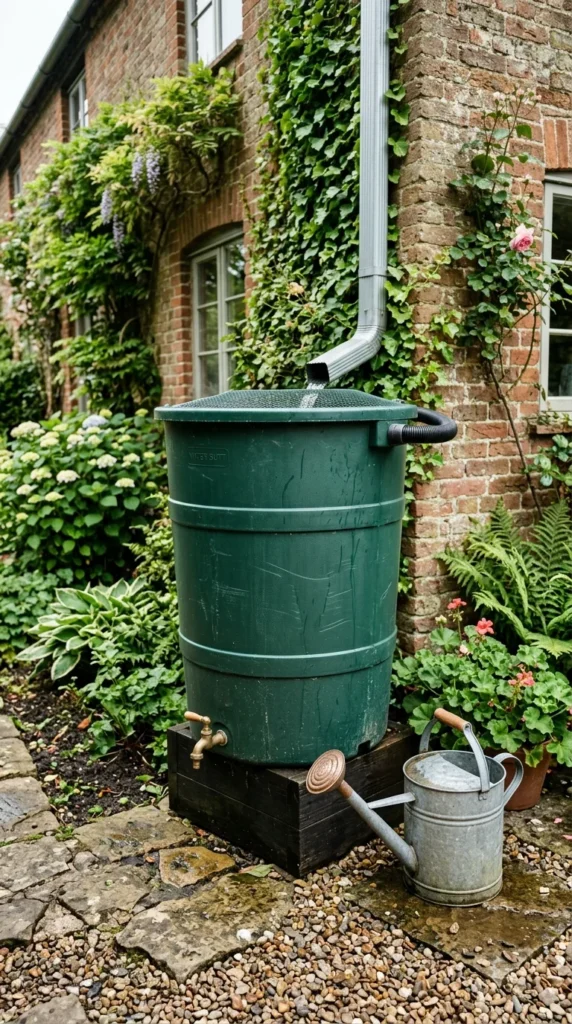
Watering the garden can lead to a shocking utility bill during the hot summer months. Installing a rain barrel is an excellent way to capture free soft water for your plants. You can purchase kits to convert a large food-grade plastic drum into a rain barrel quite cheaply. Rainwater is actually better for your plants than tap water because it doesn’t contain chlorine or fluoride and is usually at the perfect pH for plant growth. Position the barrel under a downspout, and you’ll be surprised how quickly a single rainstorm can fill 50 gallons of “liquid gold” for your garden.