Gardening is more than just a hobby; it is a transformative experience that connects us to the earth. Whether you are tending to a tiny urban balcony or a sprawling suburban backyard, the difference between a frustrating chore and a therapeutic escape often lies in the tools you hold in your hands. Using the right equipment not only saves your back and joints from unnecessary strain but also ensures your plants receive the precision care they need to thrive.
From breaking ground in the spring to pruning back for the winter, every season demands a specific set of gear. For beginners, the sheer variety of tools available at a local nursery can be overwhelming. For seasoned green thumbs, upgrading to high-quality, ergonomic versions of the classics can be a game-changer.
Here is the definitive guide to the 20 essential gardening tools that every gardener, regardless of skill level, should have in their shed.
1. Hand Trowel
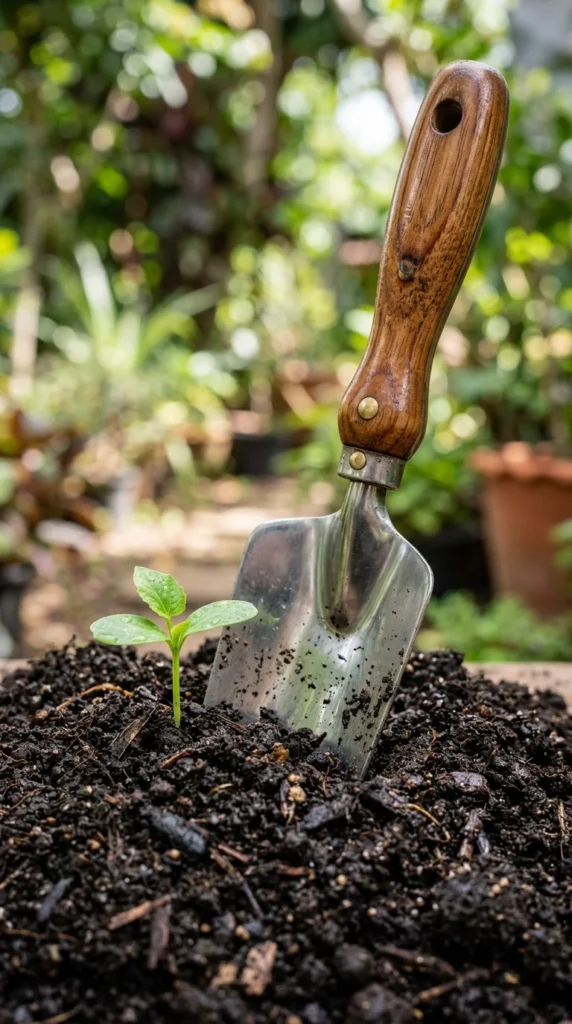
The hand trowel is perhaps the most fundamental tool in any gardener’s arsenal. Think of it as an extension of your own hand. This small, handheld shovel is essential for digging small holes for seedlings, transplanting bedding plants, and even digging up stubborn, deep-rooted weeds.
When shopping for a trowel, look for a “one-piece” design where the blade and the neck are forged together. This prevents the tool from snapping at the handle when you encounter tough soil or a hidden rock. A comfortable grip is also vital, as you will likely spend hours using it.
2. Pruning Shears
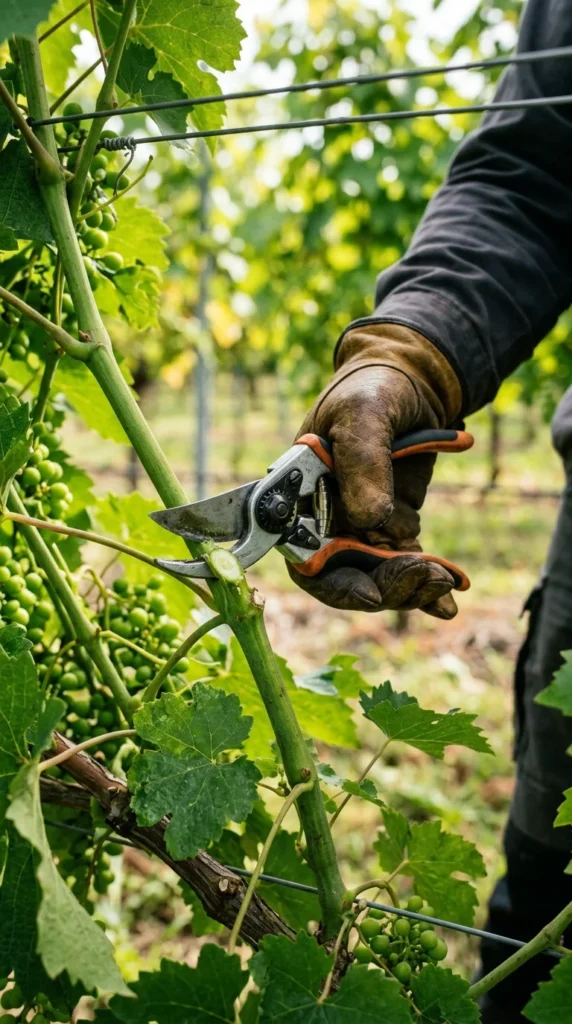
Also known as secateurs, pruning shears are the “scissors” of the garden. They are used for deadheading flowers, harvesting vegetables, and trimming back overgrown stems. There are two main types: bypass and anvil.
Bypass pruners work like scissors, where two sharp blades pass by each other, making clean cuts on live plants. Anvil pruners have a sharp blade that closes against a flat metal surface, which is better for dead wood. For most gardeners, a high-quality pair of bypass pruners is the most versatile choice for keeping plants healthy and productive.
3. Garden Gloves
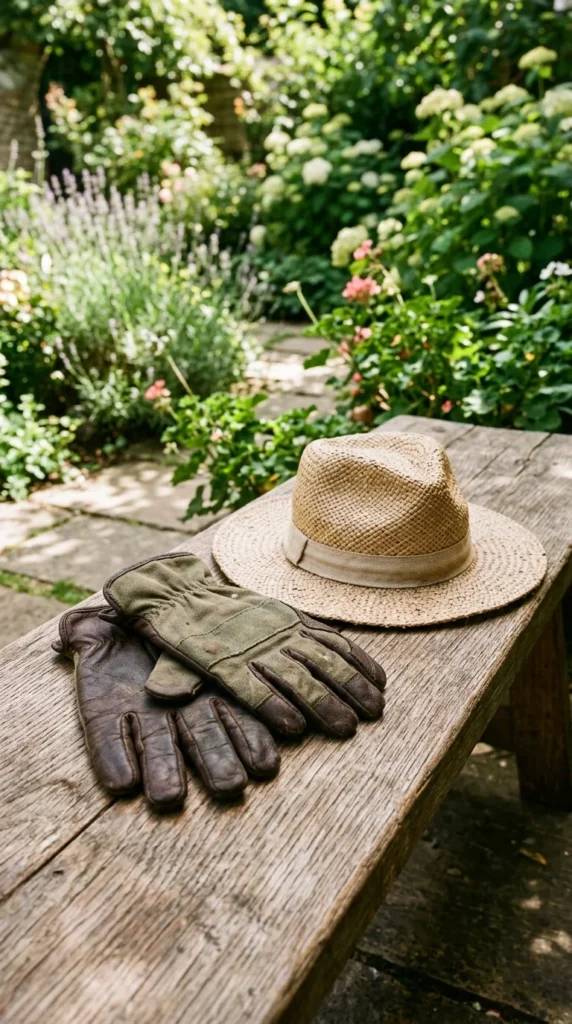
While some gardeners love the feeling of soil between their fingers, a good pair of gloves is a non-negotiable safety item. They protect your hands from thorns, stinging nettles, and skin-irritating sap. Moreover, they prevent blisters during heavy-duty tasks like digging or raking.
Look for gloves that are breathable but durable. Reinforced fingertips and palms offer extra protection, while a snug wrist closure keeps dirt from slipping inside. If you deal with roses or brambles, consider gauntlet-style gloves that protect your forearms.
4. Spade
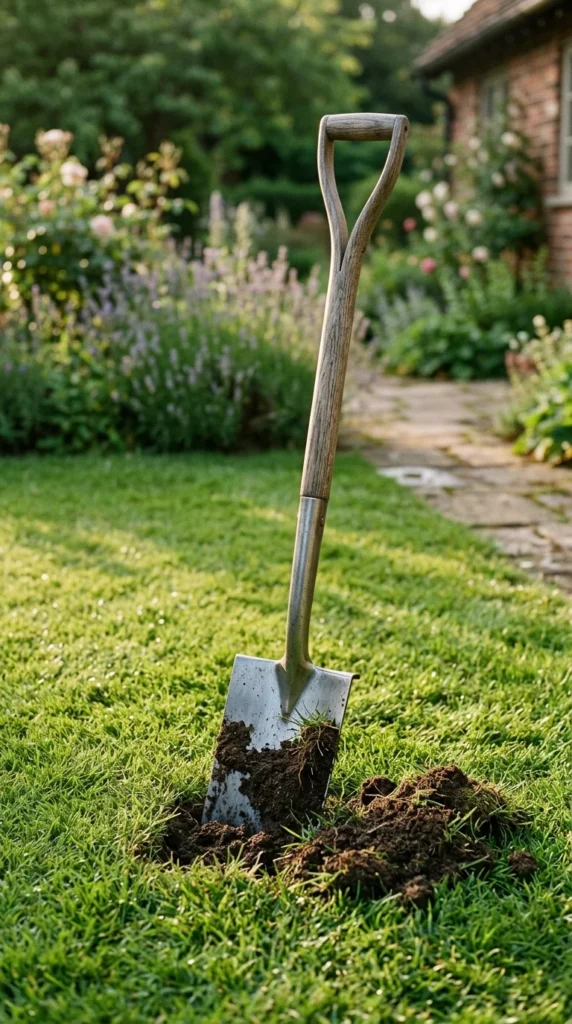
Unlike a pointed shovel, a spade has a flat, square blade and a shorter handle. It is the go-to tool for tasks that require precision, such as edging a garden bed, slicing through sod, or digging a trench.
The flat edge of the spade allows you to create clean, vertical lines in the soil, which is essential for aesthetic landscaping. Look for a spade with a “tread” on the top of the blade—a small flat area where you can place your foot to apply extra pressure without slipping.
5. Garden Rake
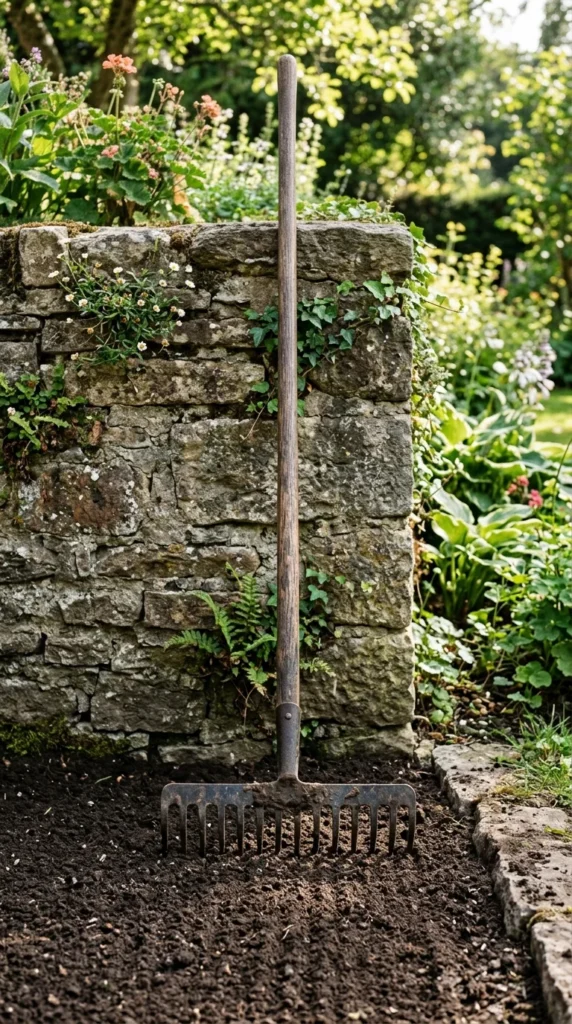
A garden rake is quite different from the fan-shaped rake used for leaves. It features a head made of stiff metal tines that are perfect for leveling soil, breaking up hard clods of earth, and spreading mulch or compost.
It is an essential tool for preparing a seedbed. By dragging the rake across the surface, you can create a perfectly smooth and fine-textured area for planting. Choose one with a carbon-steel head for maximum durability and a long handle to prevent back strain.
6. Hoe
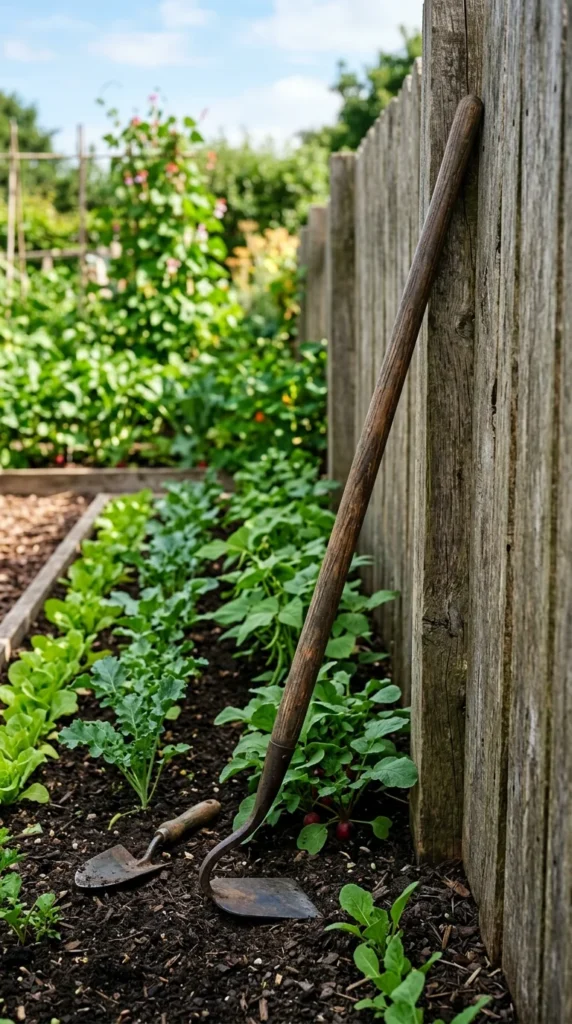
The hoe is the ultimate weapon against weeds. Instead of bending over to pull every tiny sprout, a hoe allows you to slice through the roots of weeds just below the soil surface while standing upright.
There are many styles of hoes, including the “Dutch hoe” (pushed) and the “draw hoe” (pulled). For vegetable gardens, a “stirrup hoe” (which moves back and forth) is exceptionally efficient at clearing large areas quickly. A sharp blade is key to making this tool effective with minimal effort.
7. Watering Can
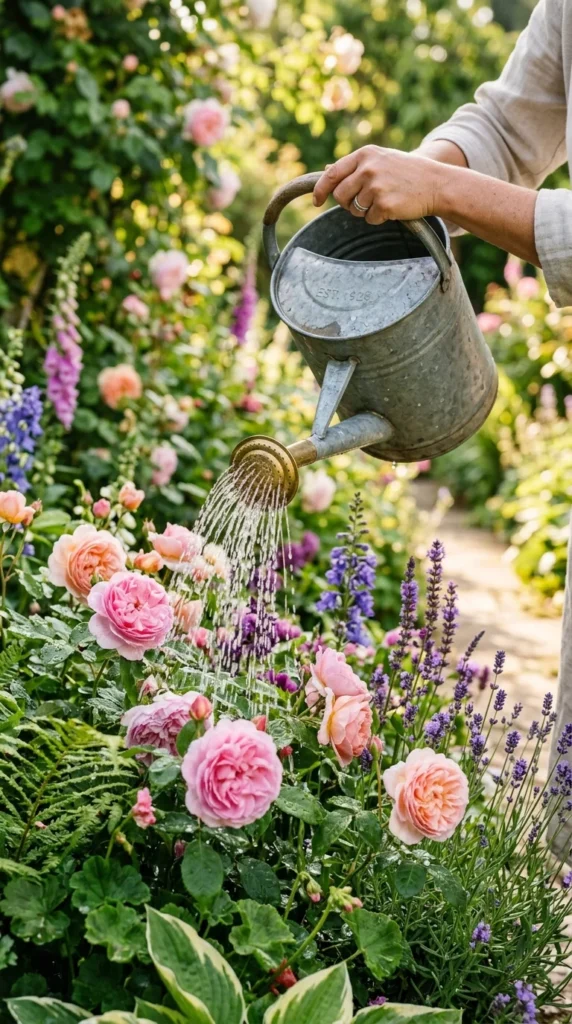
Even if you have an elaborate irrigation system, a watering can is essential for precision watering. It is the best way to hydrate delicate seedlings, potted plants, and newly transplanted flowers without washing away the soil or damaging fragile stems.
Look for a can with a removable “rose” (the perforated nozzle). A fine-spray rose mimics a gentle rain, which is ideal for sensitive plants, while removing the rose allows for a steady stream of water to be delivered directly to the roots of thirstier plants.
8. Garden Hose & Nozzle
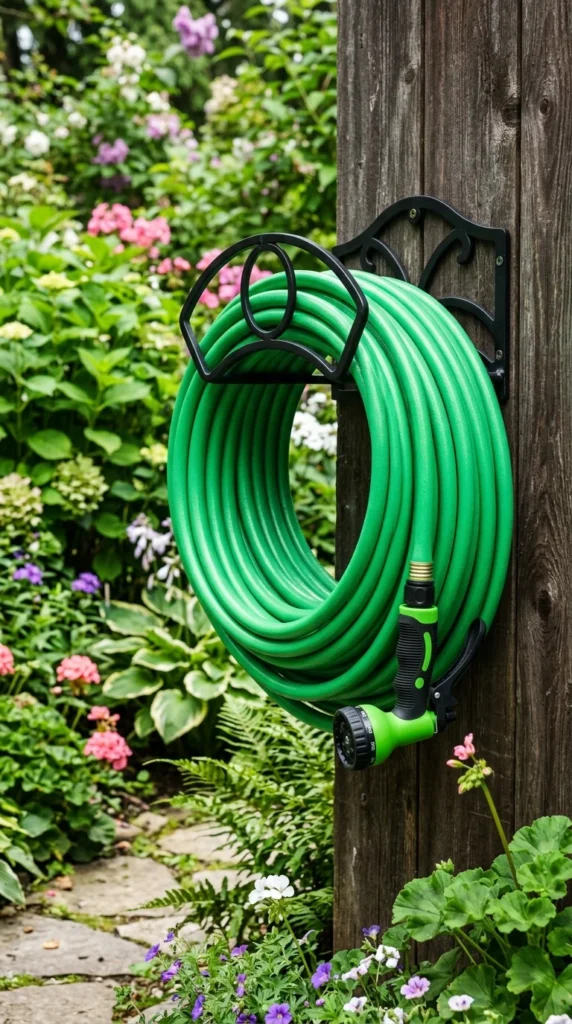
For larger gardens, a hose is the only practical way to ensure everything stays hydrated during the heat of summer. Investing in a “kink-free” hose will save you endless frustration.
Pair your hose with an adjustable spray nozzle. A good nozzle should have multiple settings—from a heavy “soaker” for deep-root watering to a light “mist” for cooling down tropical plants or hydrating delicate foliage. An easy-to-use thumb trigger is often more comfortable than a squeeze-grip for long watering sessions.
9. Wheelbarrow
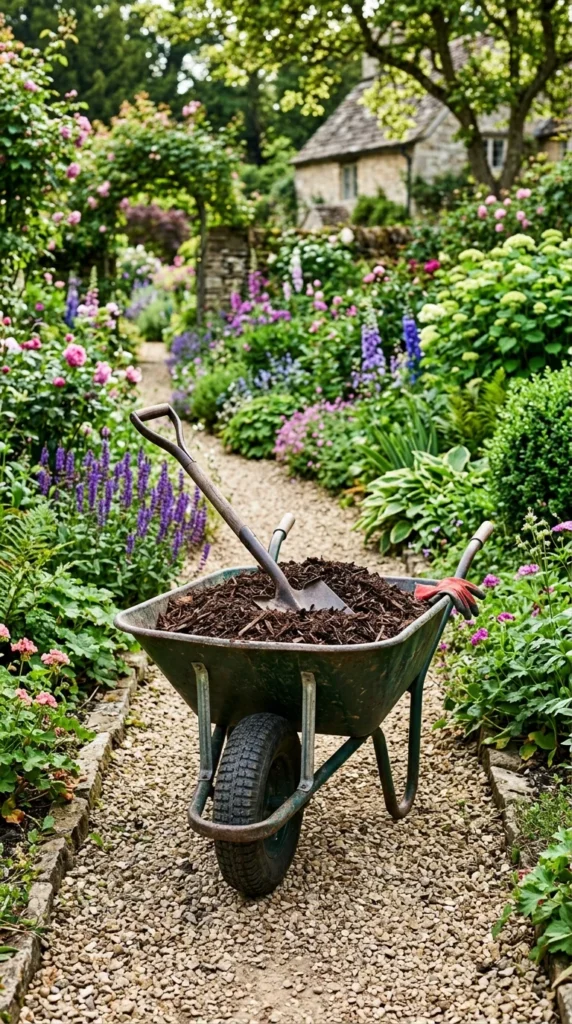
A wheelbarrow is the workhorse of the garden. It is used to transport heavy bags of soil, piles of mulch, rocks, and even your other tools from one side of the yard to the other.
When choosing a wheelbarrow, consider the balance. A single-wheel model is easier to maneuver in tight spaces and around corners, while a two-wheel model (often called a garden cart) offers more stability for very heavy loads. Make sure the handles provide enough leverage so you aren’t straining your lower back.
10. Loppers
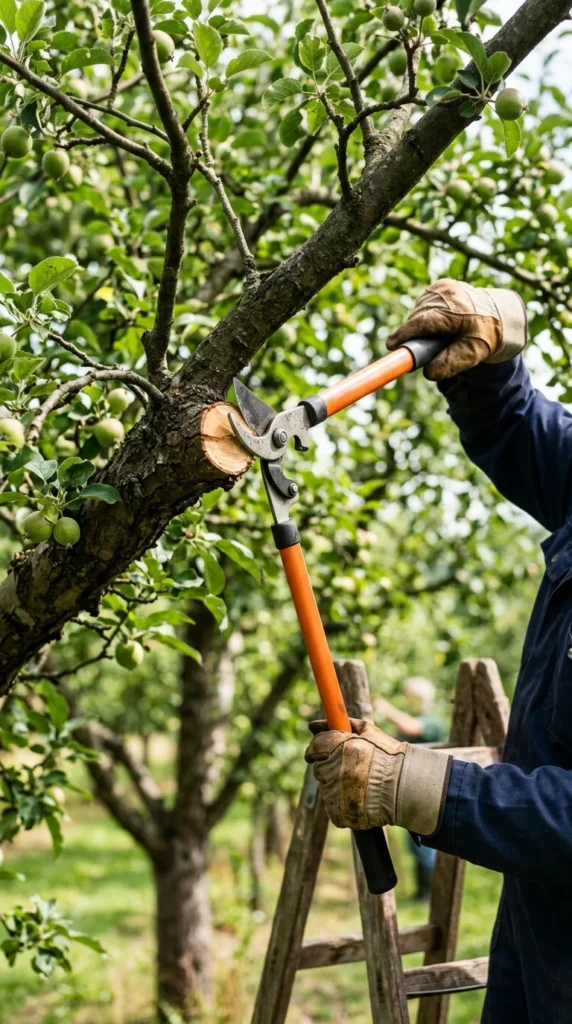
When a branch is too thick for your hand pruners, it’s time to bring out the loppers. These are essentially pruning shears with very long handles (usually 18 to 36 inches). The long handles provide the leverage needed to cut through branches up to two inches thick.
Like pruners, loppers come in bypass and anvil styles. For most garden maintenance—such as pruning fruit trees or thinning out dense shrubs—bypass loppers are preferred because they make cleaner cuts that heal faster.
11. Hand Weeder
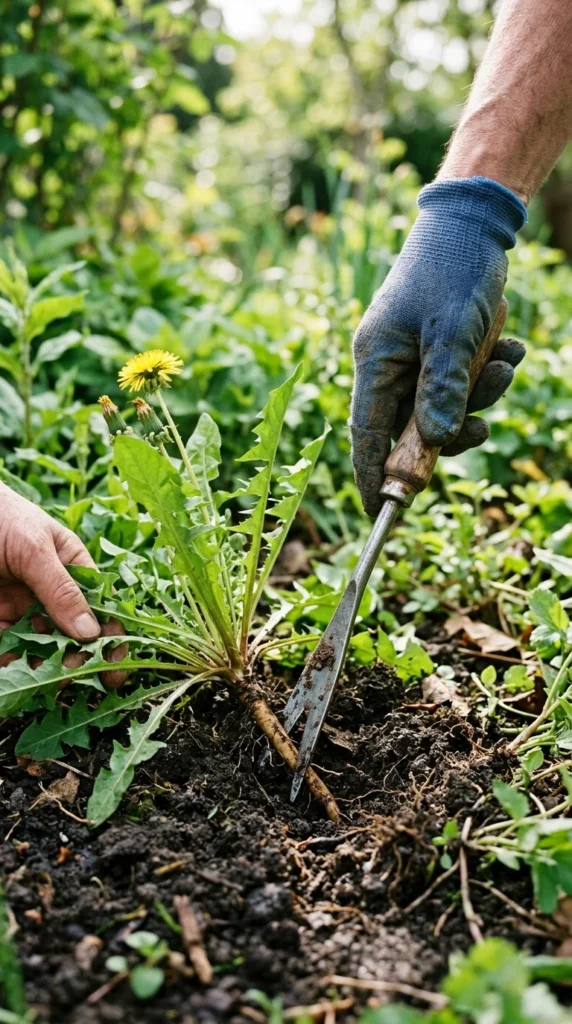
Some weeds are incredibly stubborn, with long taproots that snap if you try to pull them by hand. A hand weeder (sometimes called a “dandelion digger”) features a long, thin metal shaft with a forked end.
By inserting the fork into the soil next to the weed, you can pry the entire root system out of the ground. This ensures the weed won’t simply grow back a week later. It’s a simple, low-tech tool that is incredibly satisfying to use.
12. Garden Fork
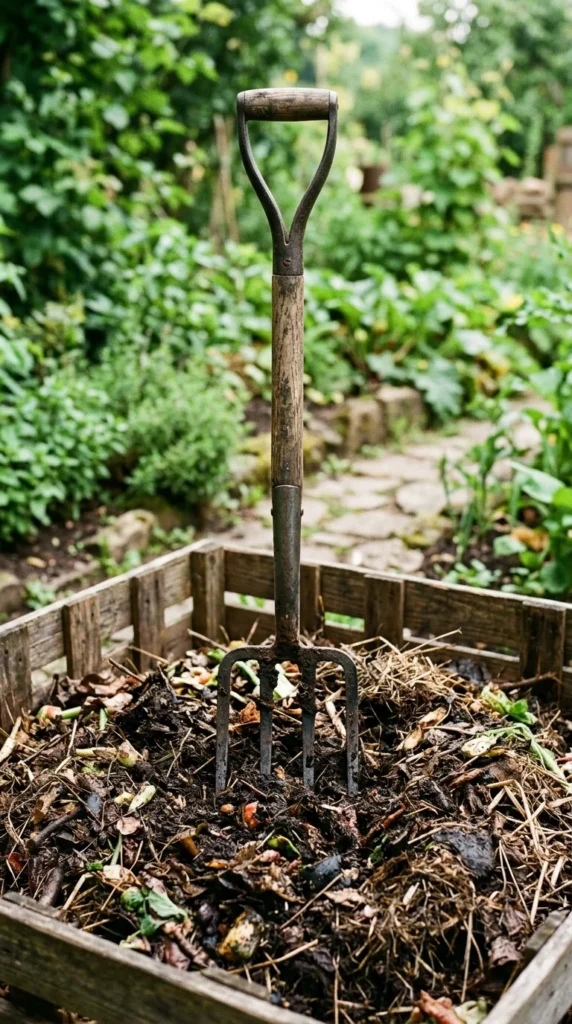
A garden fork is indispensable for breaking up heavy, clay-based soil or turning over a compost pile. Unlike a shovel, which can struggle to penetrate hard-packed earth, the sharp tines of a fork slide into the ground with ease.
It is also the best tool for “double digging” a new garden bed or lifting large perennials for division without damaging their root systems. Look for a fork with forged steel tines that won’t bend when prying against a rock.
13. Kneeling Pad
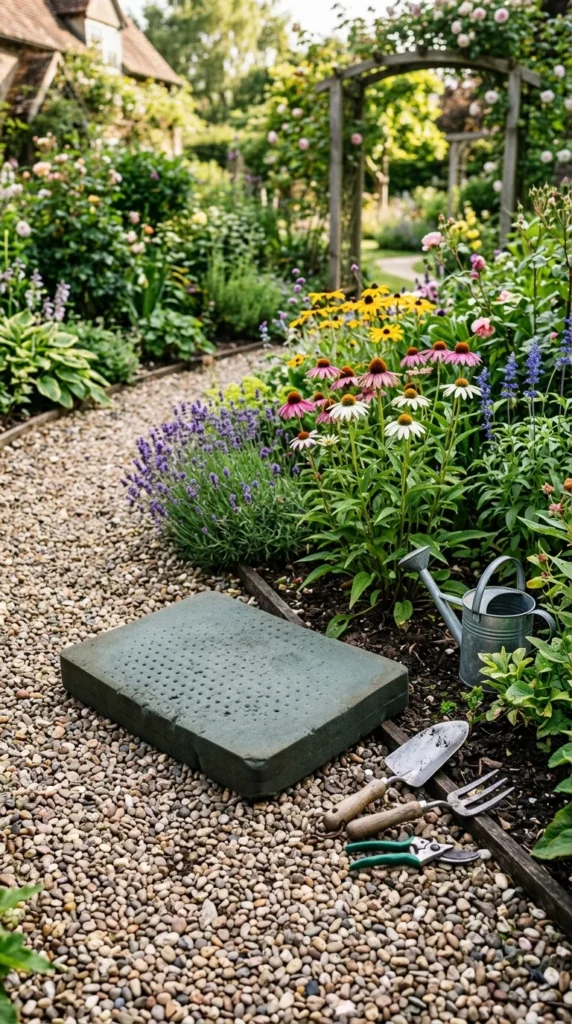
Gardening involves a lot of time spent close to the ground. A kneeling pad (or a pair of strap-on knee pads) protects your joints from the hard ground and keeps your clothes clean.
High-density foam pads are lightweight and easy to carry around. This isn’t just a luxury for older gardeners; protecting your knees early on will allow you to enjoy gardening for many decades to come.
14. Soil Knife (Hori Hori)
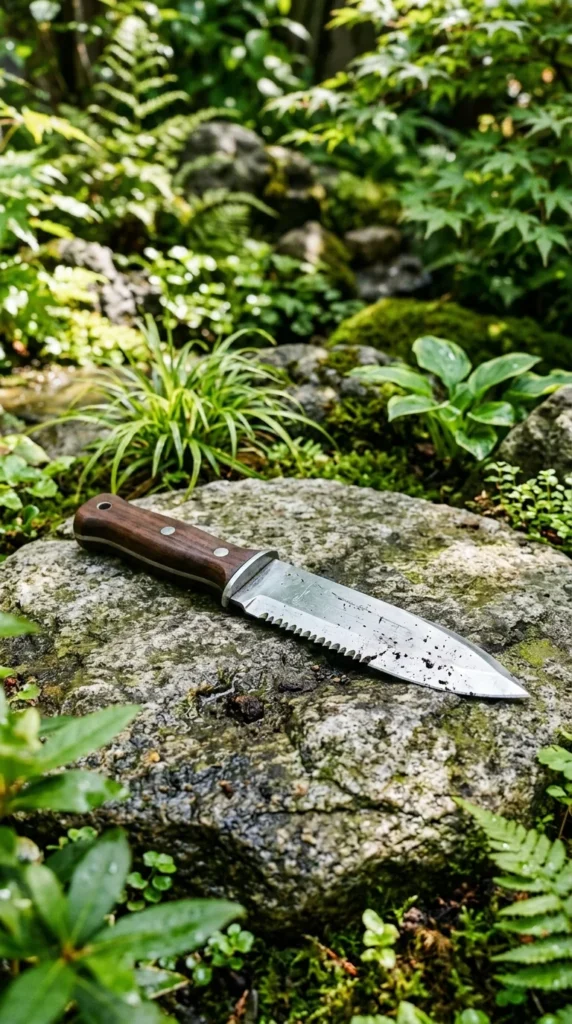
The Hori Hori, or Japanese soil knife, is a multi-purpose tool that many gardeners swear by. It features a stainless steel blade that is sharp on one side and serrated on the other.
It can be used for weeding, planting bulbs, cutting through thick roots, and even measuring depth (most have inch marks etched into the blade). If you could only take one tool into the garden, the Hori Hori would likely be the most versatile choice.
15. Sprinkler
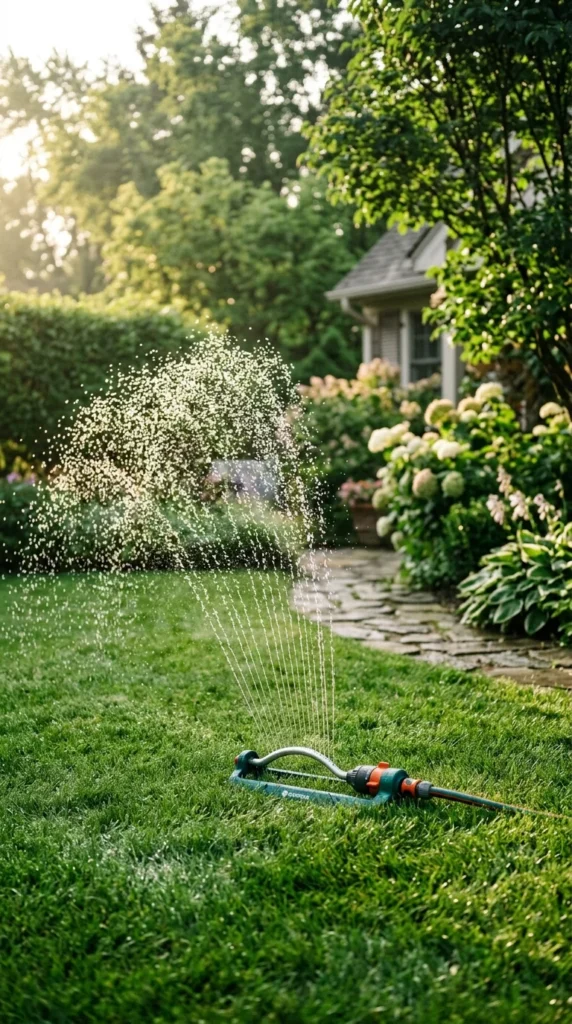
While hand-watering is great for specific plants, a sprinkler is essential for maintaining a healthy lawn or a large vegetable patch. Oscillating sprinklers are great for rectangular areas, while pulsating (impact) sprinklers are better for large, circular spaces.
Using a sprinkler with a built-in timer can help you conserve water and ensure your garden gets the hydration it needs even when you’re busy or away from home.
16. Leaf Rake
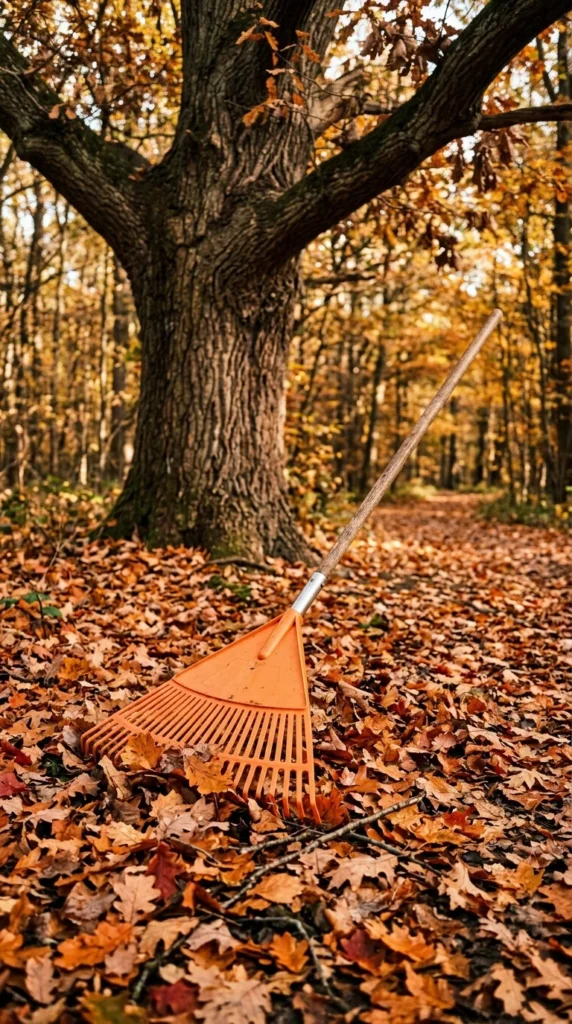
When autumn arrives, a leaf rake becomes your best friend. These rakes are lightweight with long, flexible tines arranged in a fan shape. They are designed to move light debris like leaves and grass clippings without damaging the turf underneath.
Plastic rakes are generally lighter and easier to use for long periods, while metal-tined leaf rakes are more durable and better at grabbing onto damp, heavy leaves.
17. Edger
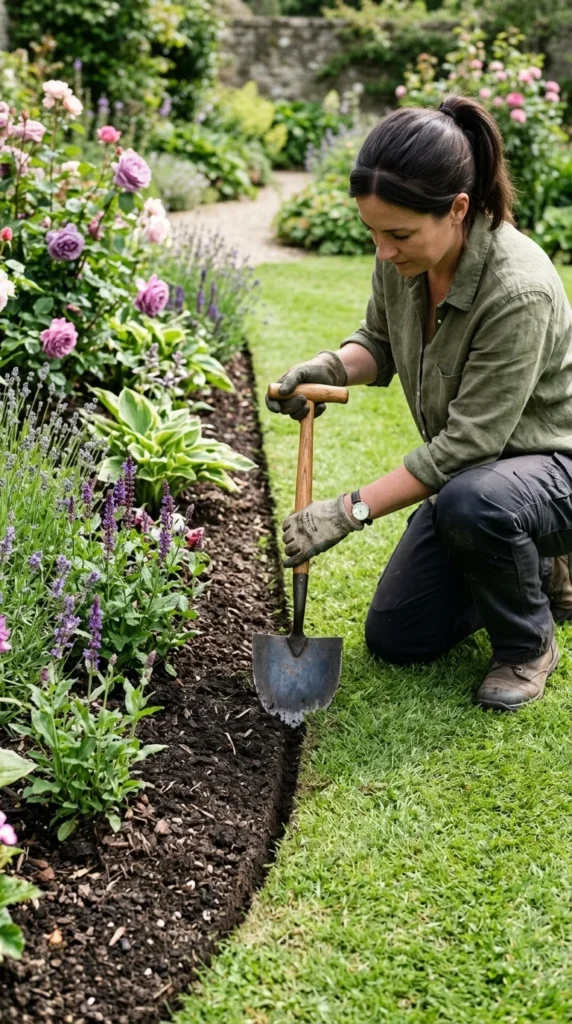
For that professional, manicured look, an edger is a must. A manual half-moon edger allows you to slice through the grass and soil at the boundary of your lawn and garden beds.
By creating a “moat” or a clean vertical edge, you prevent grass from creeping into your flowers and give your landscape a finished, tidy appearance. It’s a simple step that makes a massive visual impact.
18. Pruning Saw
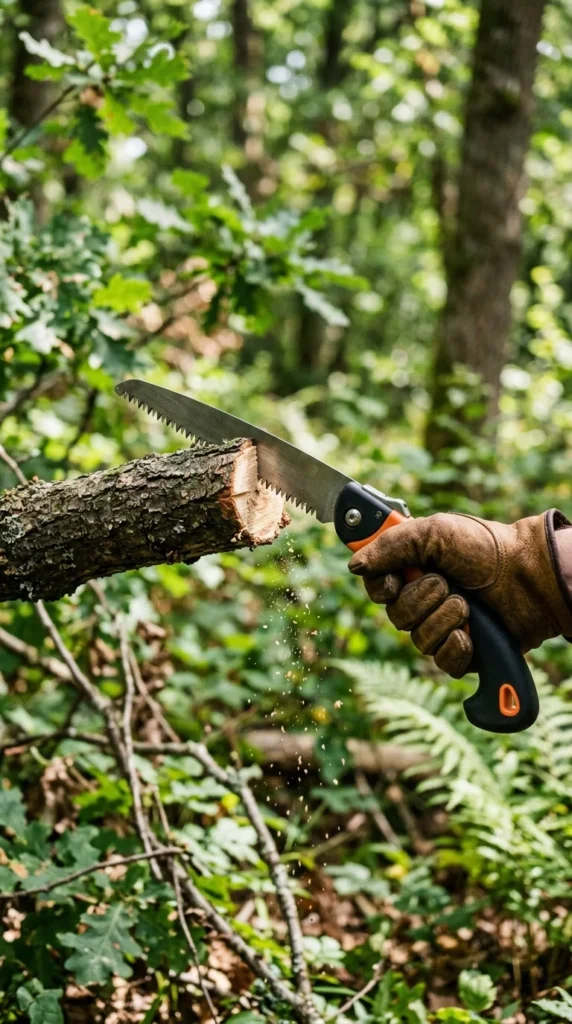
When a branch is too thick even for loppers, you need a pruning saw. These saws feature specialized teeth designed to cut on the pull stroke, which gives you more control and requires less effort.
Folding pruning saws are particularly popular because they can be safely tucked into a pocket or a tool belt. They are perfect for removing dead limbs from trees or thinning out dense, woody shrubs like lilacs.
19. Garden Caddy/Tote
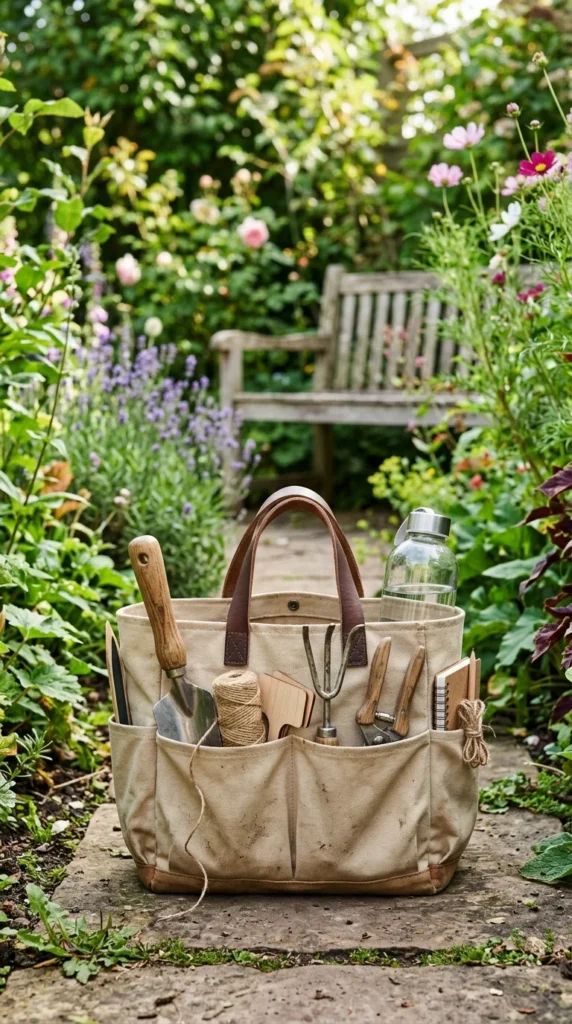
Stop running back and forth to the shed! A garden caddy or tote allows you to carry all your essential hand tools, seeds, twine, and labels in one trip.
A good caddy should be easy to clean and have plenty of pockets to keep things organized. Some gardeners even use a five-gallon bucket with a specialized tool skirt draped over it, which provides the added benefit of a place to collect weeds or debris as you work.
20. Dibber
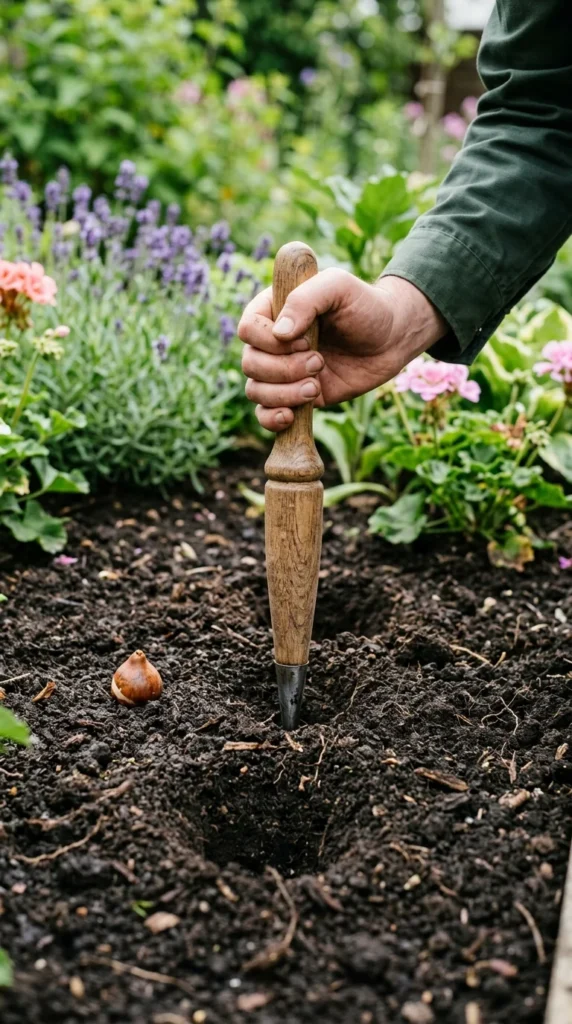
A dibber (or dibble) is a simple, pointed wooden or metal stick used to poke holes in the soil for seeds, seedlings, or small bulbs. It ensures that every hole is the same depth and width, which leads to more uniform growth.
Many dibbers feature measurement lines, taking the guesswork out of planting depths. It’s a traditional tool that remains incredibly effective for precision planting in flower beds or vegetable rows.