Gardening is a labor of love, but let’s be honest—sometimes it feels like more labor than love. Between the constant battle with weeds, the daily thirst of your hydrangeas, and the never-ending cycle of pruning, maintaining a backyard oasis can quickly become a full-time job. However, the smartest gardeners aren’t necessarily the ones working the hardest; they are the ones working the smartest.
By implementing a few strategic shortcuts and high-efficiency techniques, you can slash your maintenance time in half without sacrificing the beauty of your landscape. Here are 15 game-changing garden maintenance hacks designed to give you your weekends back.
1. Mulch Layers
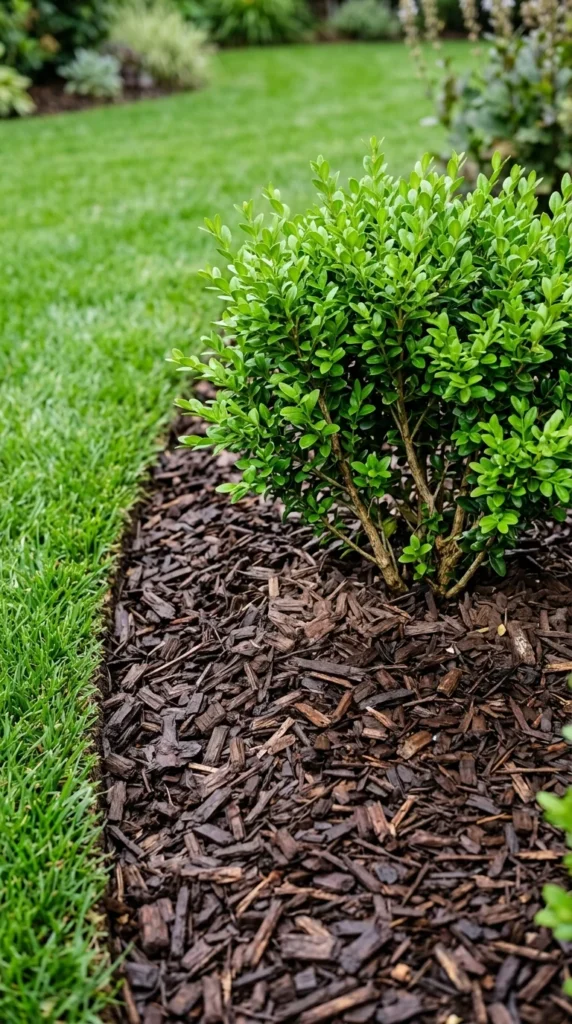
Mulching is arguably the single most effective time-saver in the garden. By applying a thick layer (about 2-3 inches) of organic material like wood chips, straw, or shredded bark, you create a barrier that serves two primary purposes: it suppresses weed growth by blocking sunlight and it retains soil moisture. This means you’ll spend significantly less time pulling stubborn invaders and far less time dragging a heavy hose across the yard. As the mulch breaks down, it also improves soil structure, reducing the need for intensive fertilizing later on.
2. Drip Irrigation
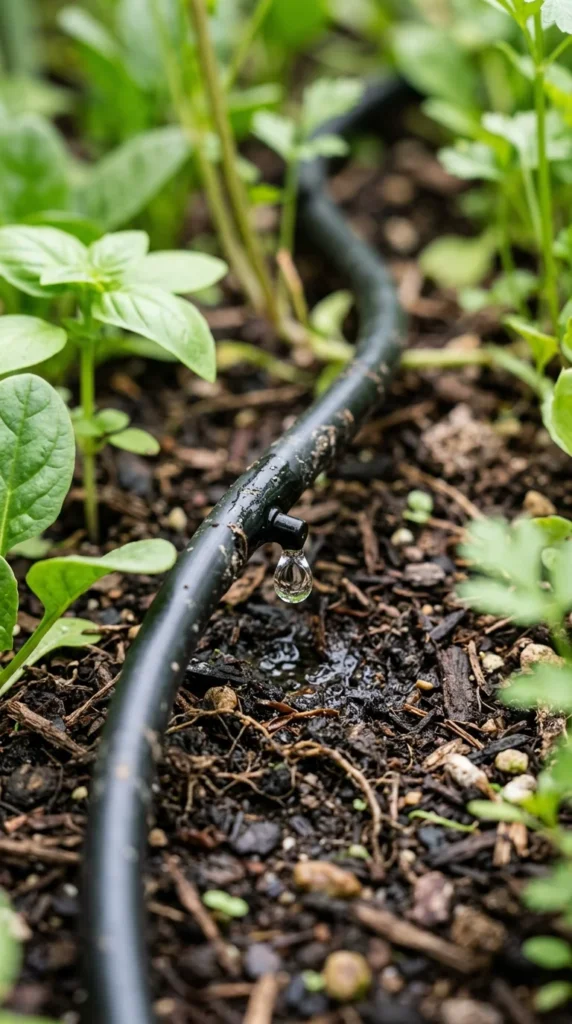
If you are still hand-watering your plants every evening, you are losing hours of your week. Installing a drip irrigation system is a weekend project that pays dividends for years. These systems deliver water directly to the roots of the plants, where it is needed most, minimizing evaporation and preventing water-borne diseases on foliage. When paired with a simple battery-operated timer on your outdoor faucet, your garden becomes self-sufficient, ensuring your plants stay hydrated even when you’re busy or on vacation.
3. Native Plants
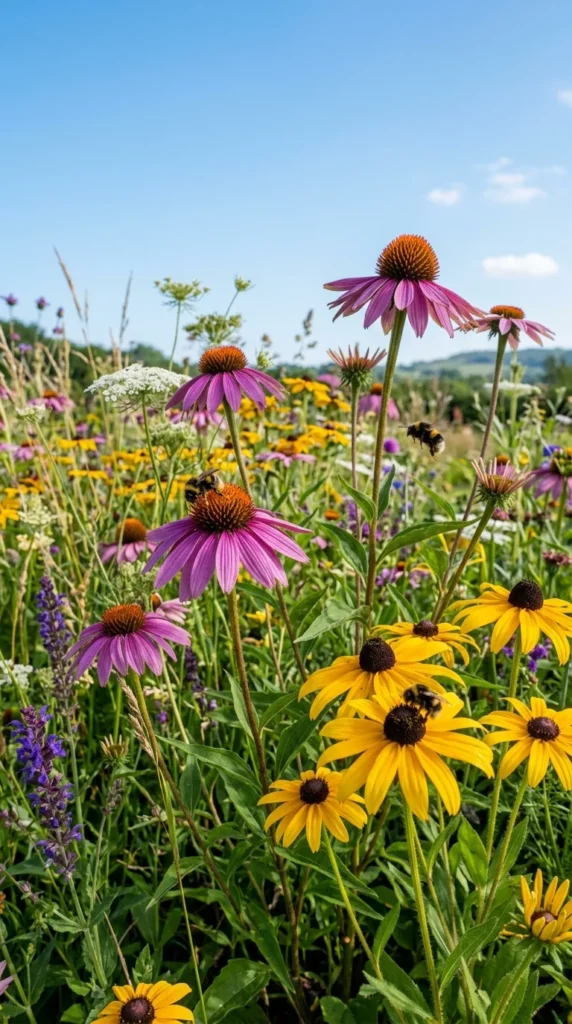
The secret to a low-maintenance garden is working with nature rather than against it. Native plants are evolutionary “pros” at living in your specific climate and soil conditions. They are naturally resistant to local pests and diseases, and once established, they rarely require supplemental watering or chemical fertilizers. By replacing finicky exotic species with robust local varieties, you eliminate the need for the “life support” tasks that eat up so much time in traditional gardens.
4. Grouping Plants
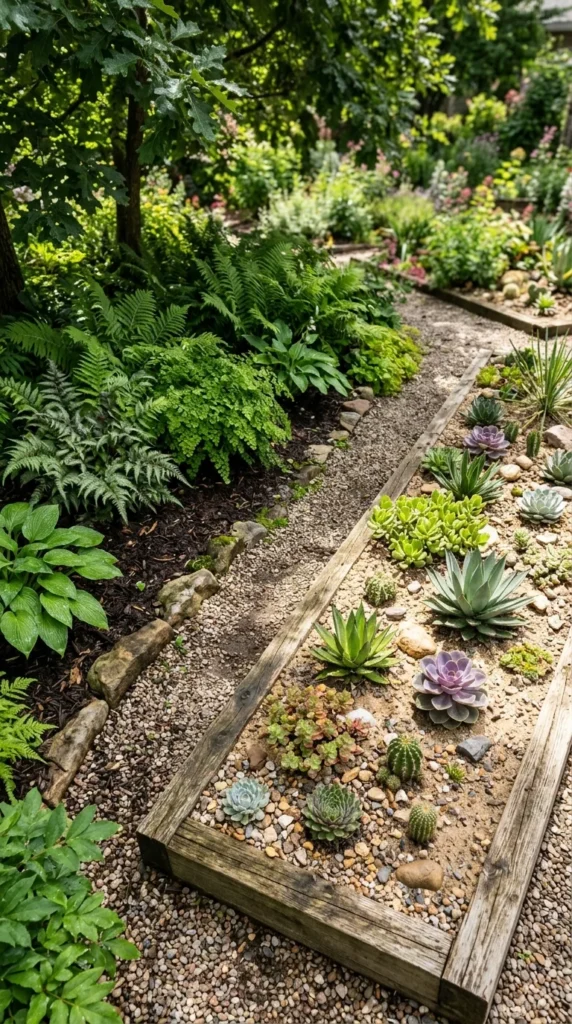
Experienced gardeners use a technique called “hydro-zoning.” This involves grouping plants together based on their specific water and light requirements. Instead of running all over the yard to water a thirsty rose bush here and a succulent there, you can concentrate your efforts on one “high-needs” zone while letting the drought-tolerant sections fend for themselves. This organization streamlines your maintenance routine and ensures no plant is accidentally over- or under-watered.
5. Edging Strips
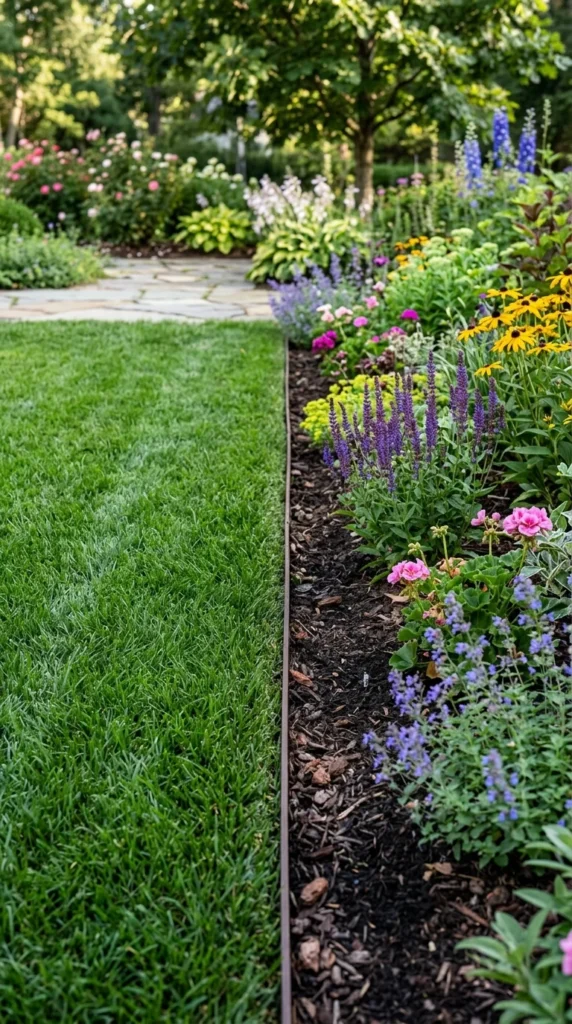
Nothing makes a garden look messy faster than grass creeping into your flower beds. Constant hand-edging with a spade is backbreaking work. By installing permanent edging strips made of metal, heavy-duty plastic, or stone, you create a physical barrier that stops grass runners in their tracks. This keeps your borders crisp and clean year-round with almost zero effort, allowing your lawnmower to do the work of defining the space.
6. Perennial Power
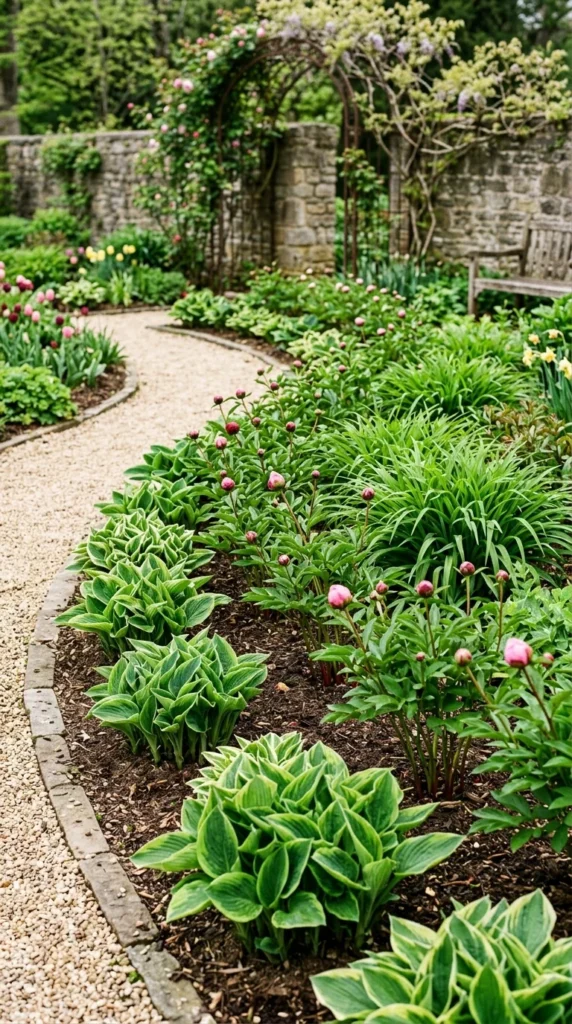
Annuals are beautiful, but they are high-maintenance divas. You have to buy them, plant them, and pull them out every single year. Perennials, on the other hand, are the “set it and forget it” stars of the garden. They return year after year, often growing larger and more impressive with time. Focus 80% of your garden on reliable perennials, and use annuals only as small pops of color in containers. This shift reduces your spring planting marathon to a light jog.
7. Cardboard Weeding
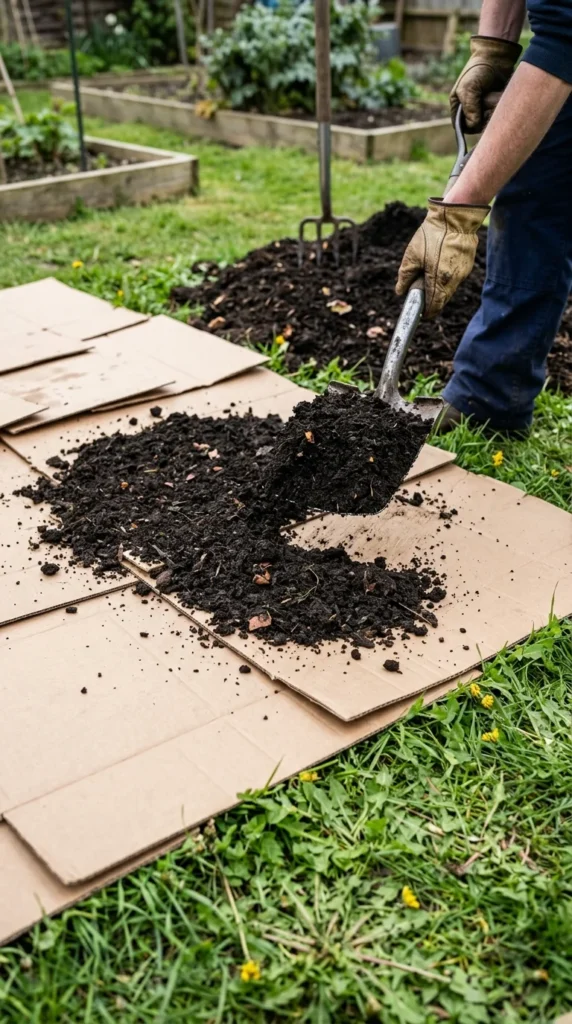
If you’re starting a new garden bed or trying to reclaim a weed-choked corner, don’t waste time digging. Use the “sheet mulching” hack. Lay down flat pieces of brown cardboard (remove the tape first) directly over the weeds or grass. Soak the cardboard with water and cover it with compost and mulch. The cardboard smothers the weeds and eventually decomposes into rich organic matter. It’s a “no-dig” solution that saves your back and your time.
8. Quality Tools
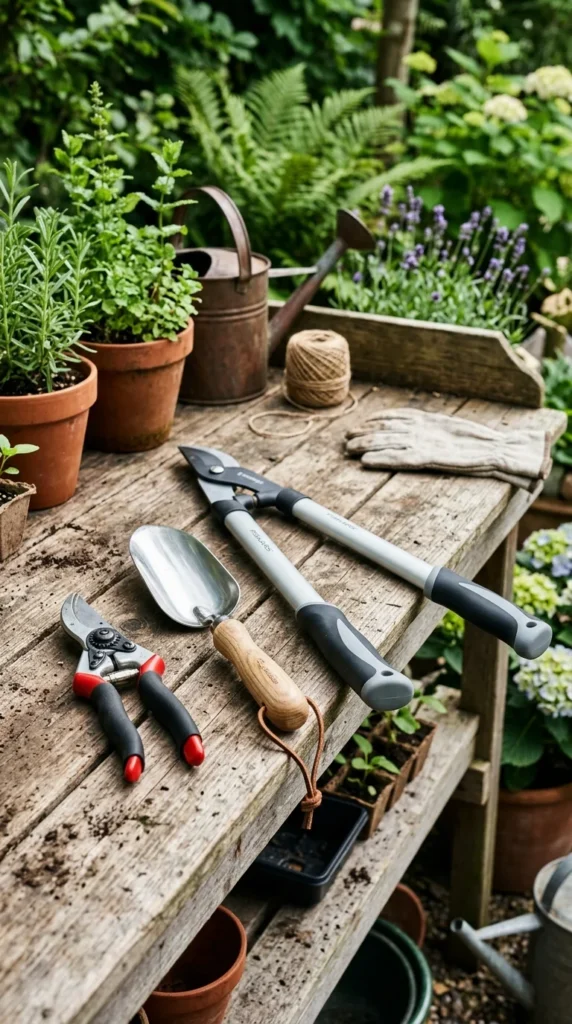
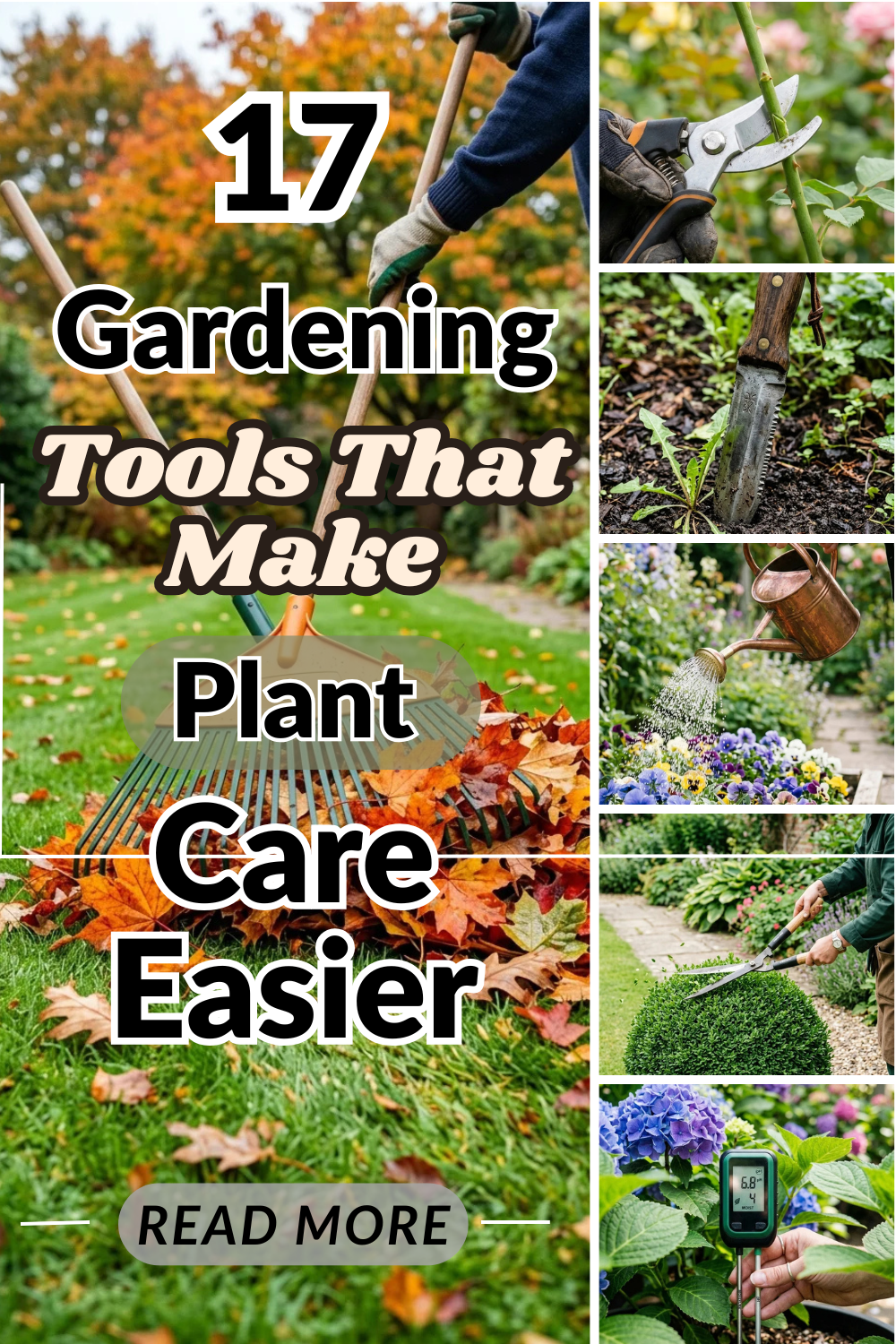
Cheap tools are a time-sink. A dull pair of pruners will crush stems rather than cut them, leading to plant disease and more work for you. Investing in high-quality, ergonomic tools with sharp blades makes every task faster and more efficient. Furthermore, keeping your tools clean and oiled prevents rust and ensures they are always ready to go. A sharp spade cuts through soil like butter, turning a thirty-minute digging chore into a five-minute task.
9. Slow-Release Fertilizer
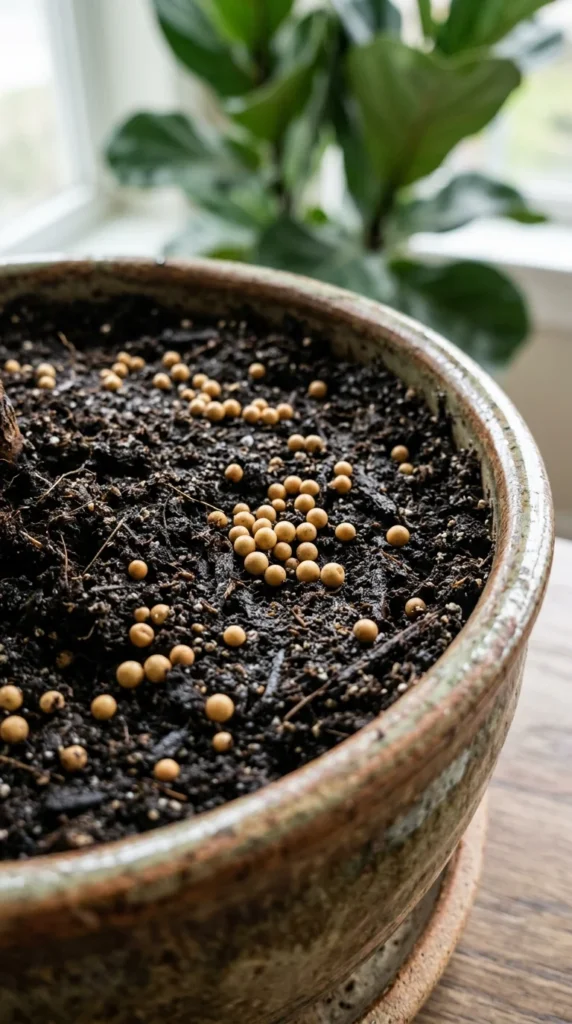
Frequent liquid feeding can be a tedious chore. Switch to a high-quality, slow-release granular fertilizer. These products are designed to break down slowly over several months, providing a steady stream of nutrients to your plants every time it rains or you water. One application in the spring can often carry your garden through the entire growing season, eliminating the need for bi-weekly mixing and pouring.
10. Rain Barrels
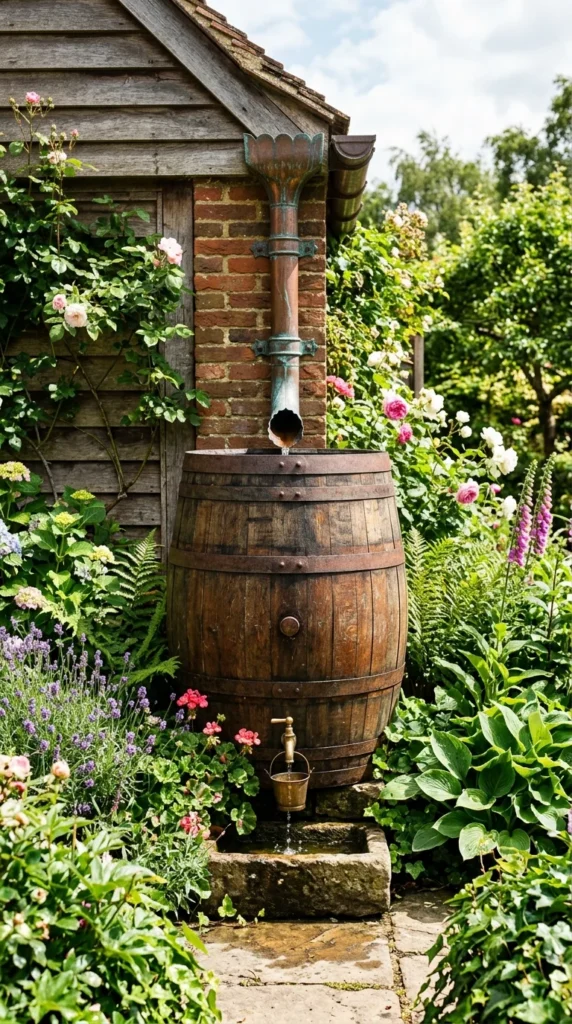
Positioning rain barrels at the corners of your house or shed provides a free, convenient water source right where you need it. This saves you the time and hassle of dragging long hoses from the main spigot to the far reaches of your property. Rainwater is also better for your plants as it lacks the chlorine and fluoride found in municipal water, leading to healthier, more resilient plants that require less “doctoring.”
11. Self-Seeding Flowers
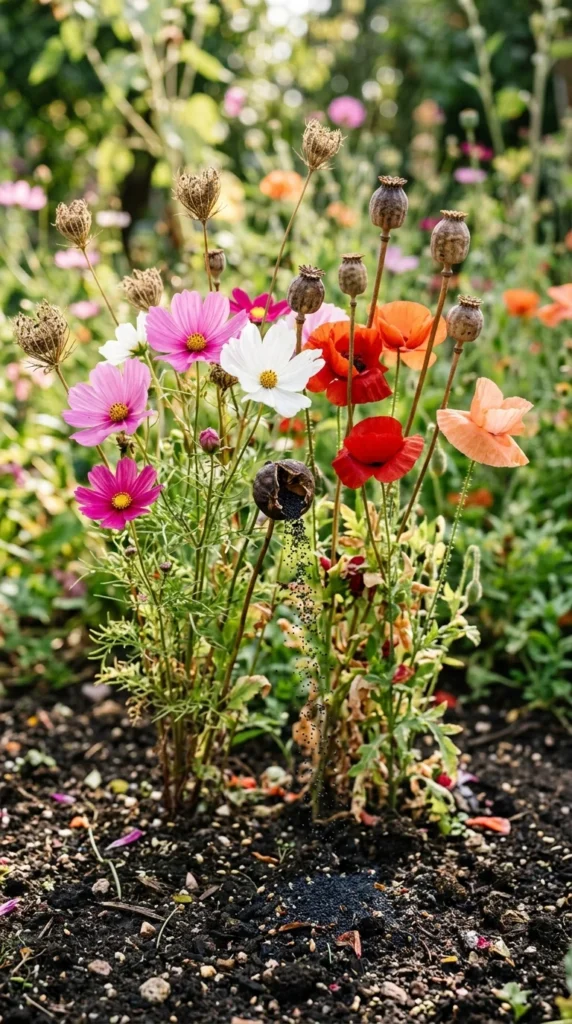
Let nature do the planting for you. Choose “self-seeding” varieties like poppies, forget-me-nots, or calendula. Once these plants finish blooming, leave a few of the flower heads to dry on the stalk. They will drop their seeds into the soil, and new plants will magically appear next spring. This creates a natural, cottage-garden look with zero effort on your part to buy or transplant new starts.
12. Smart Containers
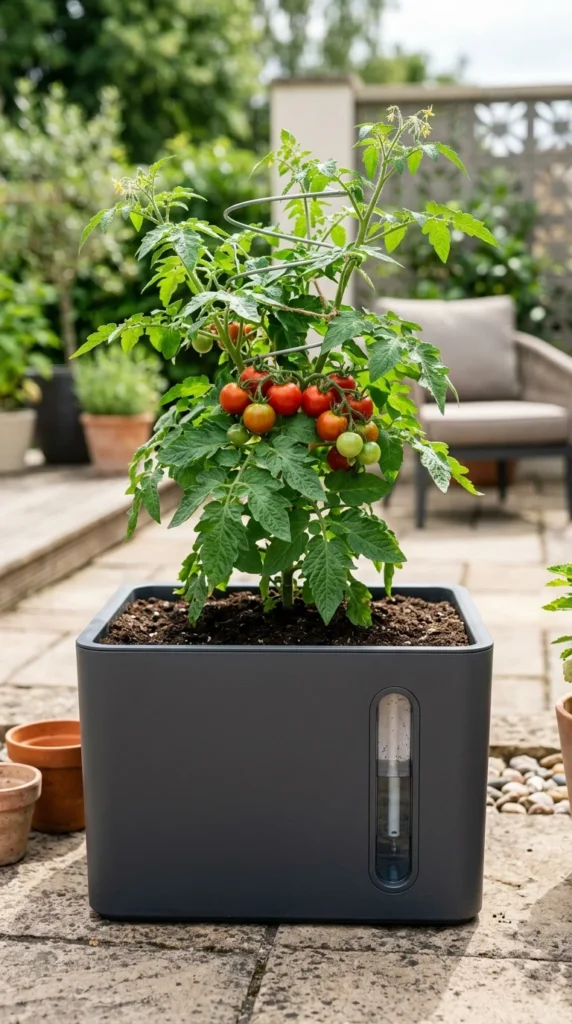
Potted plants dry out much faster than those in the ground, often requiring daily watering in the heat of summer. To save time, switch to self-watering containers. These pots feature a reservoir at the bottom that wicks moisture up to the roots as needed. This can extend the time between waterings from every day to once a week, giving you the freedom to step away from your patio garden without worrying about wilting.
13. Grass Recycling
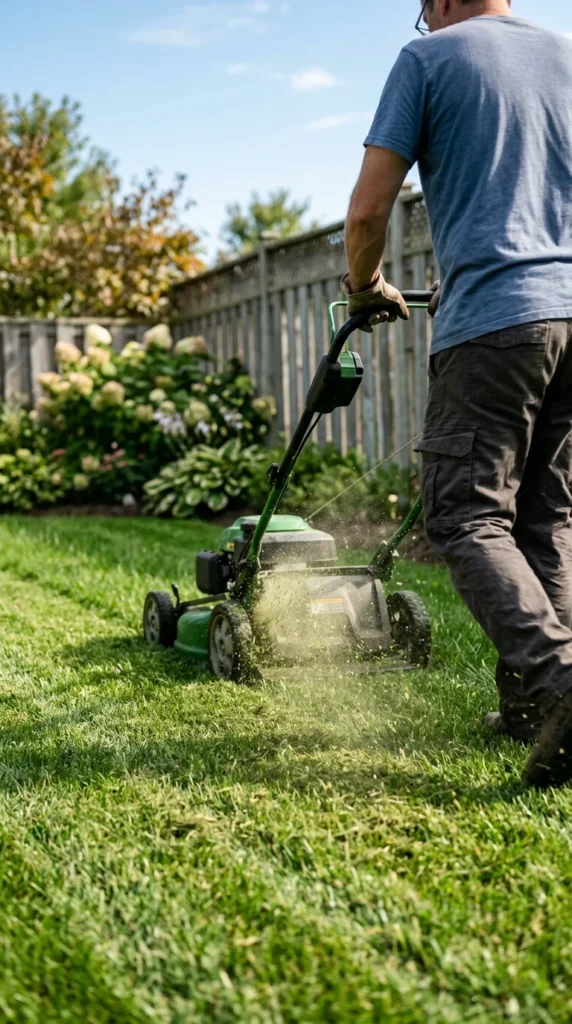
Stop bagging your grass clippings! This is a double-win for time-saving. First, you eliminate the chore of stopping to empty the bag and hauling heavy bags to the curb. Second, by using a mulching blade on your mower, the tiny clippings fall back into the lawn, where they decompose and act as a natural, nitrogen-rich fertilizer. This keeps your lawn healthy and reduces the frequency with which you need to apply store-bought fertilizers.
14. Dense Planting
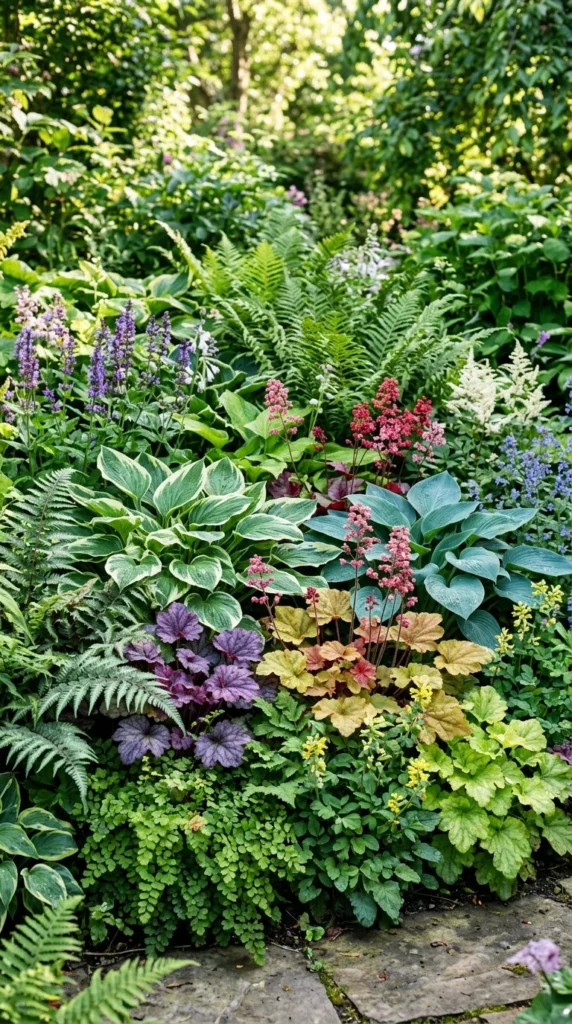
Nature hates a vacuum. If you leave bare soil between your plants, weeds will inevitably fill the gap. The hack here is to plant “densely.” By spacing your plants so that their foliage touches when they reach maturity, you create a living mulch. This canopy shades the soil, preventing weed seeds from germinating and keeping the ground cool and moist. It’s the most beautiful way to put yourself out of the weeding business.
15. Lazy Composting
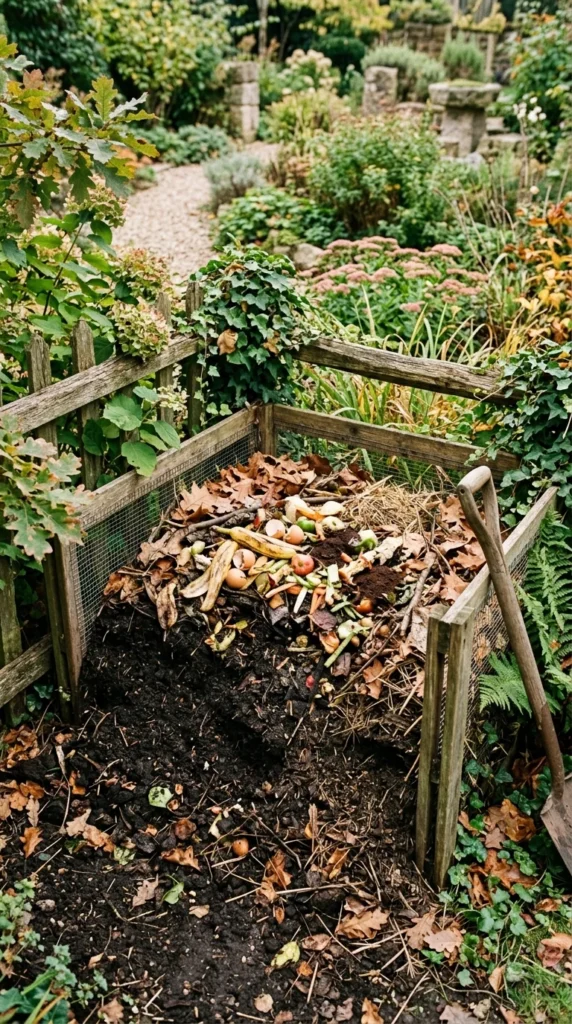
Forget the high-maintenance “hot composting” methods that require constant turning and temperature monitoring. Embrace “lazy composting” or trench composting. Simply dig a small hole in an empty spot in your garden, dump your kitchen scraps, and cover them back up with soil. The worms and microbes will do the work underground, enriching your soil exactly where the plants need it. It’s a zero-turn, zero-effort way to recycle nutrients and improve your garden’s health.