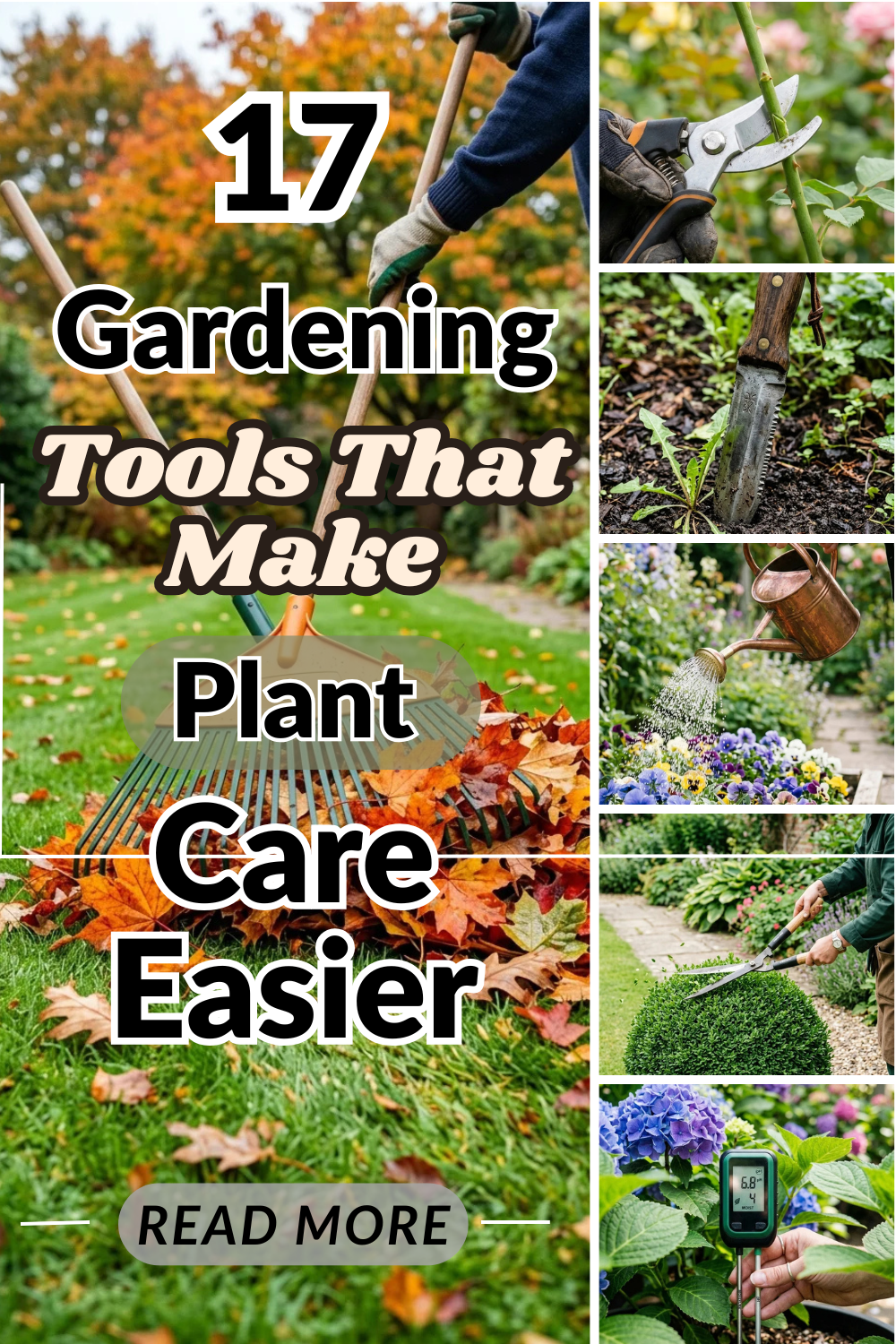
Gardening is a labor of love, but any seasoned green thumb will tell you that the “labor” part can quickly become overwhelming without the right equipment. Whether you are tending to a tiny balcony herb garden or managing a sprawling backyard estate, the tools you choose act as an extension of your hands. They bridge the gap between a back-breaking chore and a therapeutic hobby.
The right gear doesn’t just save time; it protects your physical health, prevents damage to delicate plant tissues, and ensures that your soil remains healthy and aerated. From precision cutting to heavy-duty hauling, these 17 essential gardening tools are designed to make plant care more efficient, effective, and enjoyable.
1. Pruning Shears
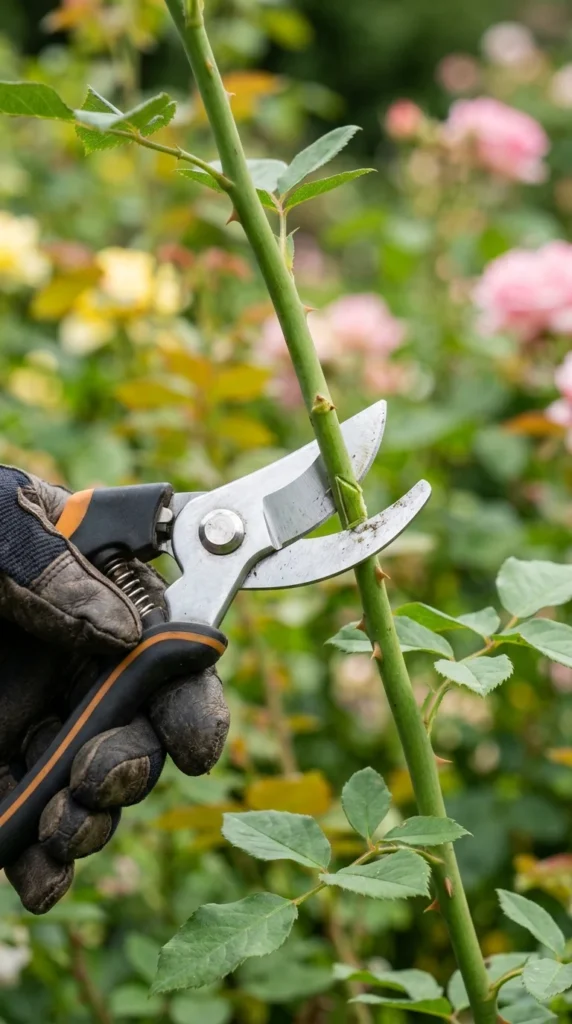
Often referred to as secateurs, pruning shears are perhaps the most frequently used tool in any gardener’s belt. They are essential for deadheading flowers, removing diseased or dead wood, and shaping small shrubs. Bypass pruners, which act like scissors with two blades passing each other, are preferred for live plants because they make clean, sharp cuts that heal quickly. High-quality shears with ergonomic grips reduce hand fatigue, allowing you to spend hours in the garden without discomfort.
2. Hori Hori
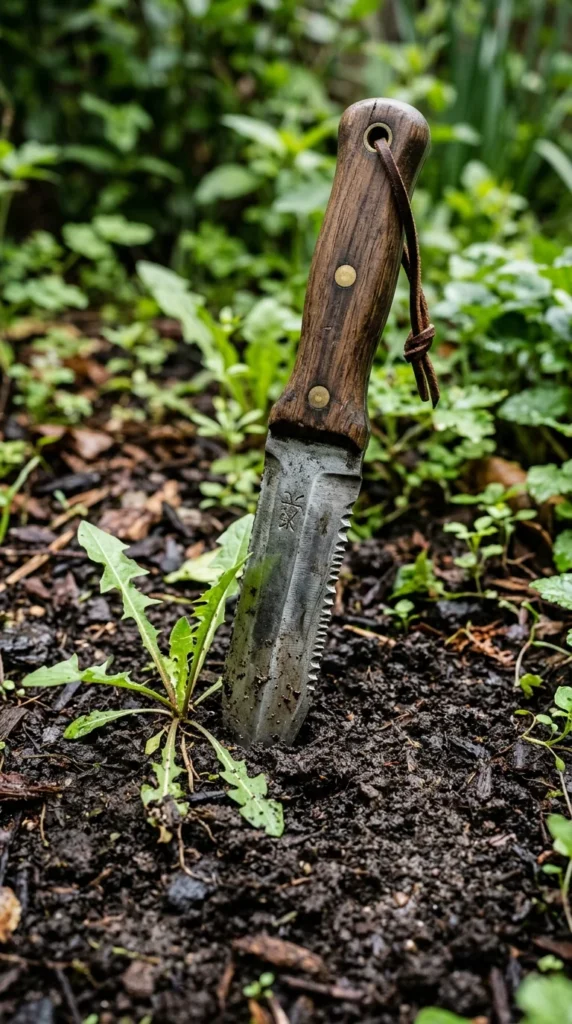
The Hori Hori, or Japanese gardening knife, is a versatile multi-tool that replaces several other implements. Featuring one straight edge and one serrated edge, it is perfect for weeding, cutting through thick roots, and even light sawing. Many models include inch markings etched into the blade, which makes it incredibly easy to measure planting depths for bulbs or seeds. It is the Swiss Army knife of the garden, capable of tackling almost any small-scale digging or cutting task.
3. Garden Trowel
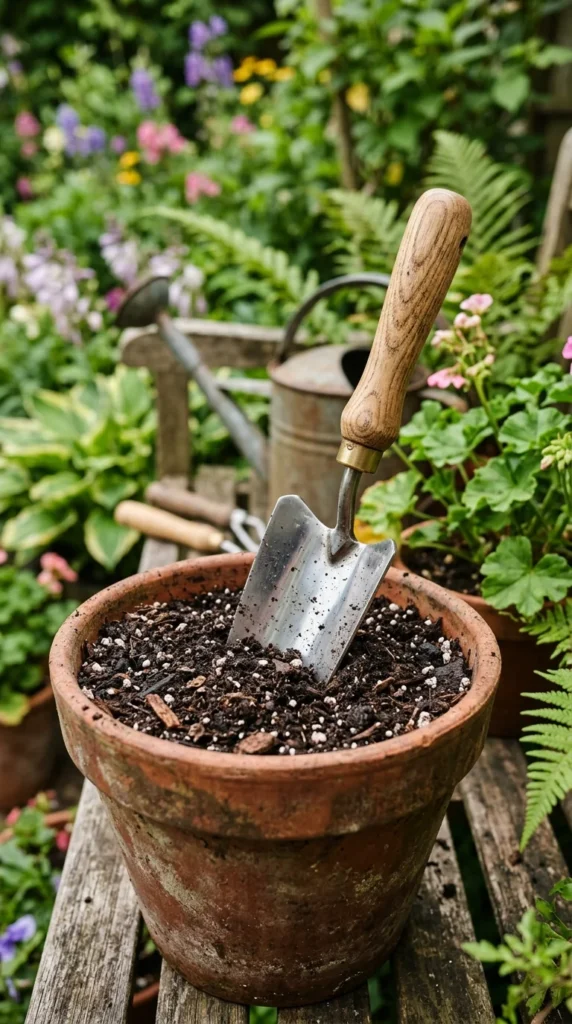
A garden trowel is the fundamental tool for transplanting small plants and flowers. A high-quality trowel should feel balanced in your hand and feature a blade that won’t bend when hitting a stray rock. Look for a stainless steel head to prevent rust and a comfortable handle that allows for a firm grip. Whether you are digging small holes for seedlings or scooping compost into containers, a sharp, pointed trowel makes the work precise and effortless.
4. Hand Fork
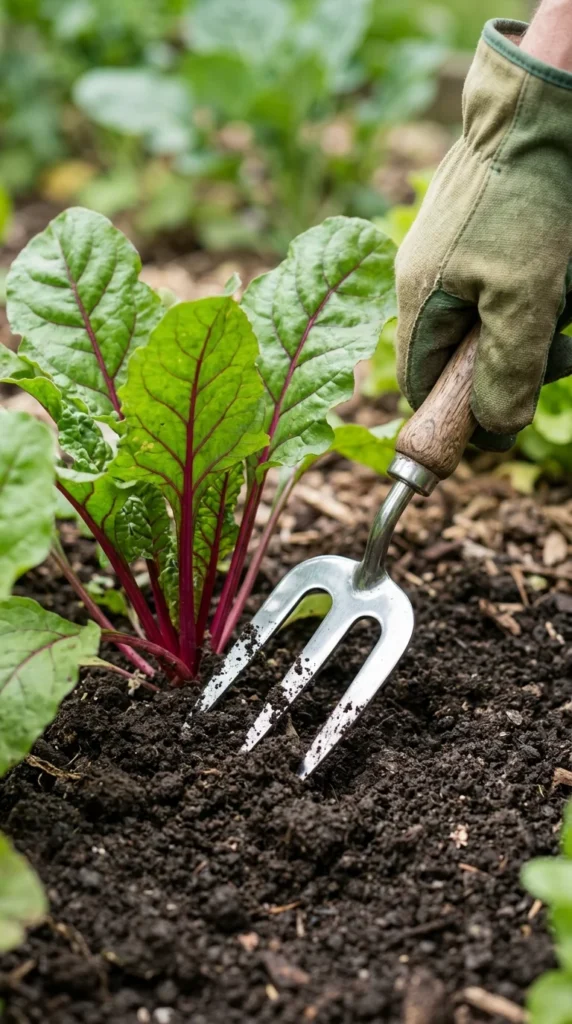
While the trowel is for moving soil, the hand fork is for breaking it up. This tool is invaluable for aerating the earth around plants without disturbing their root systems. It is also the most effective way to remove weeds with deep taproots, as the prongs can slide into the soil and lift the entire weed out from underneath. In heavy clay soils, a hand fork is much more effective than a solid blade for breaking up clumps and preparing a smooth planting bed.
5. Digging Spade
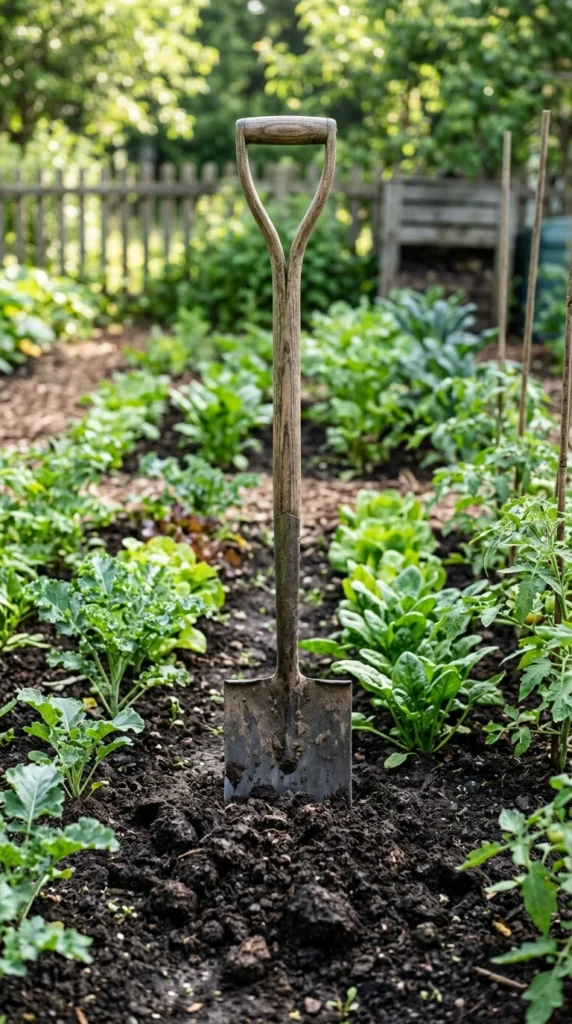
When it’s time for heavy lifting, the digging spade is your best friend. Unlike a rounded shovel, the flat, square blade of a spade is designed for slicing through sod, edging garden beds, and digging deep, straight-sided holes. It provides excellent leverage for moving large amounts of dirt or dividing overgrown perennials. A spade with a “D-grip” handle offers better control and reduces the strain on your wrist during intensive digging projects.
6. Work Gloves
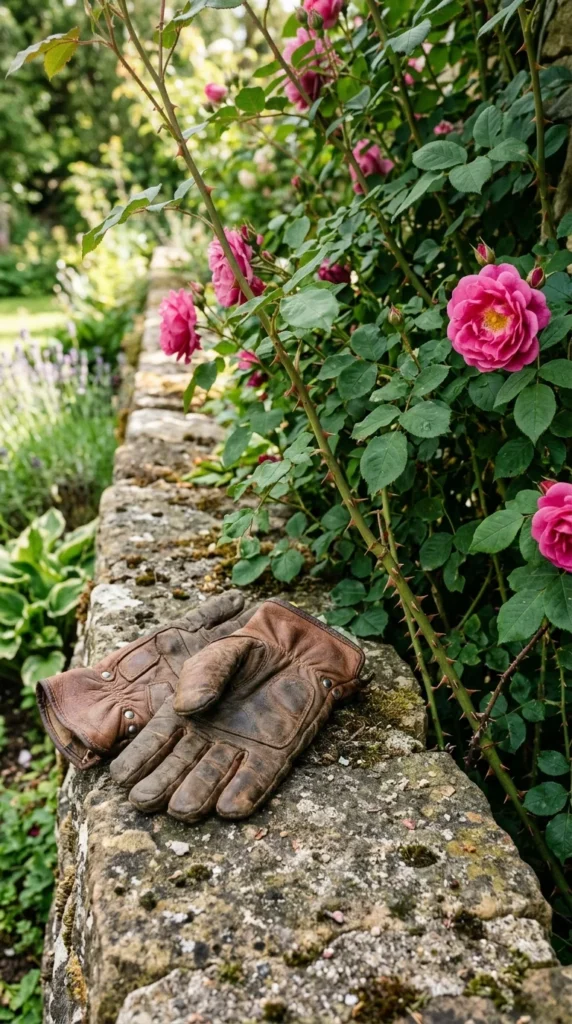
Protection is a vital part of plant care. A good pair of gardening gloves protects your hands from thorns, stinging nettles, and blisters. Leather gloves are ideal for heavy-duty tasks like pruning roses or clearing brush, while nitrile-coated fabric gloves offer the dexterity needed for handling small seeds and delicate seedlings. By keeping your hands dry and protected from soil-borne bacteria, gloves ensure that your gardening experience remains a healthy one.
7. Watering Can
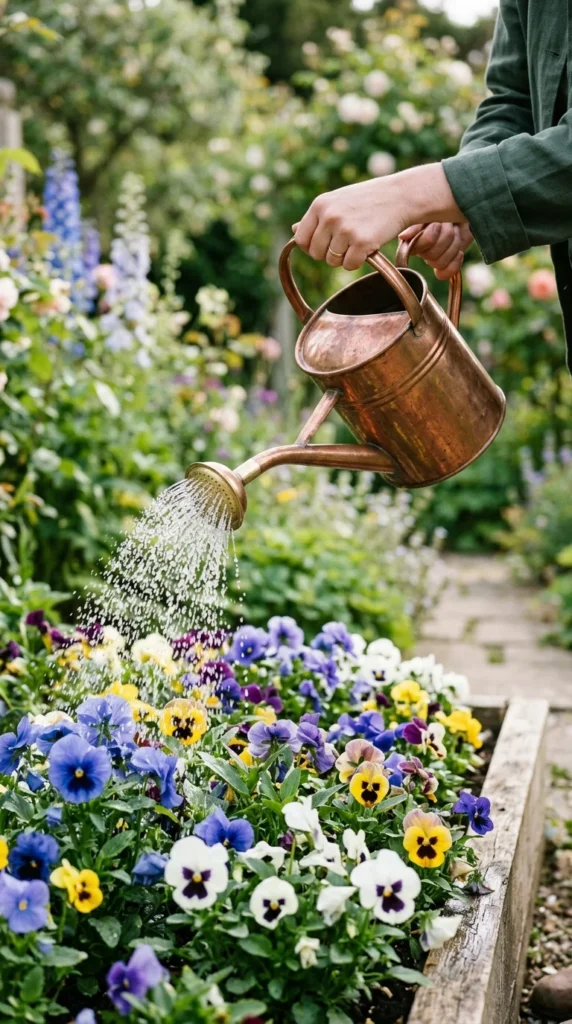
While a hose is great for the whole yard, a watering can allows for precision and control. A long-necked can is particularly useful for reaching into the center of dense plants or watering hanging baskets without making a mess. Look for a “rose” attachment on the spout—the perforated head that breaks the stream into a gentle shower. This prevents the force of the water from washing away soil or damaging young, tender sprouts.
8. Garden Hose
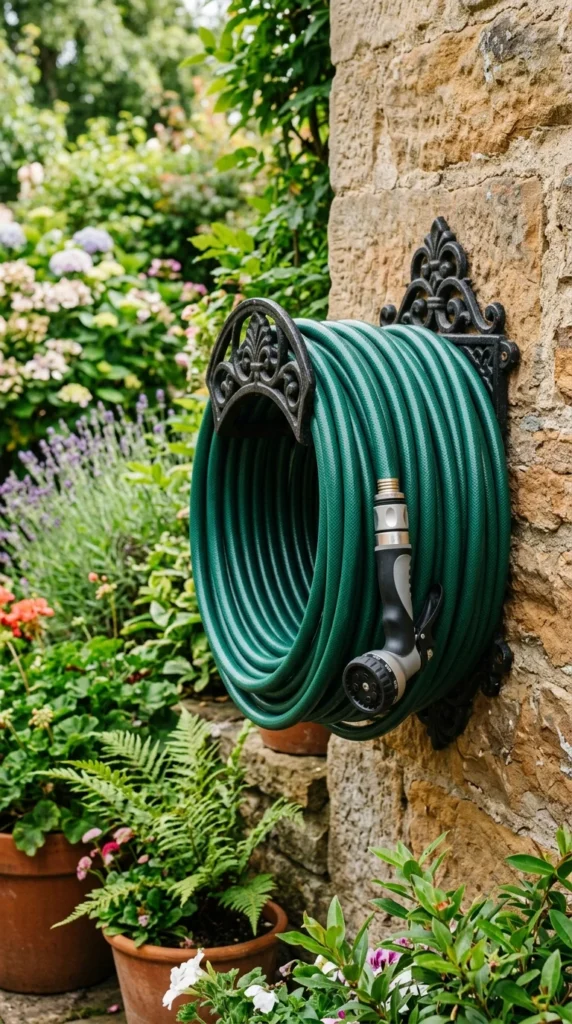
For larger landscapes, a high-quality hose is a non-negotiable necessity. Modern hoses are designed to be “kink-free,” saving you the frustration of walking back and forth to unblock the water flow. Pairing your hose with a multi-pattern spray nozzle allows you to switch from a powerful jet for cleaning tools to a soft “soaker” setting for delicate flower beds. Investing in a sturdy hose reel will also extend the life of the hose by protecting it from UV damage and tripping hazards.
9. Wheelbarrow
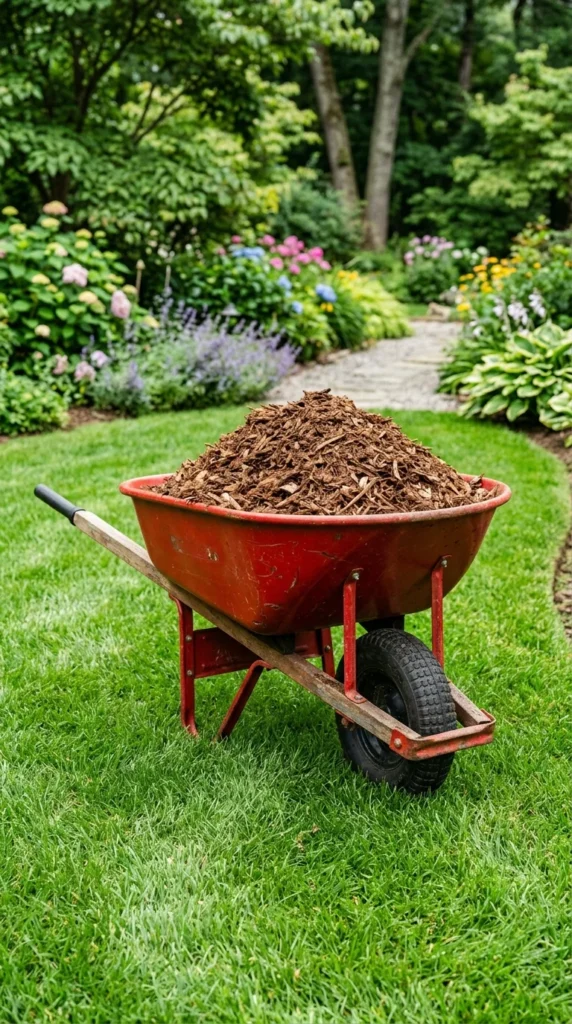
Transporting heavy bags of soil, mulch, or heaps of autumn leaves is much easier with a wheelbarrow. A traditional single-wheel model offers great maneuverability in tight spaces, while a two-wheeled garden cart provides more stability for heavier loads. Using a wheelbarrow significantly reduces the strain on your back and legs, allowing you to move bulk materials across the yard in a fraction of the time it would take to carry them by hand.
10. Bypass Loppers
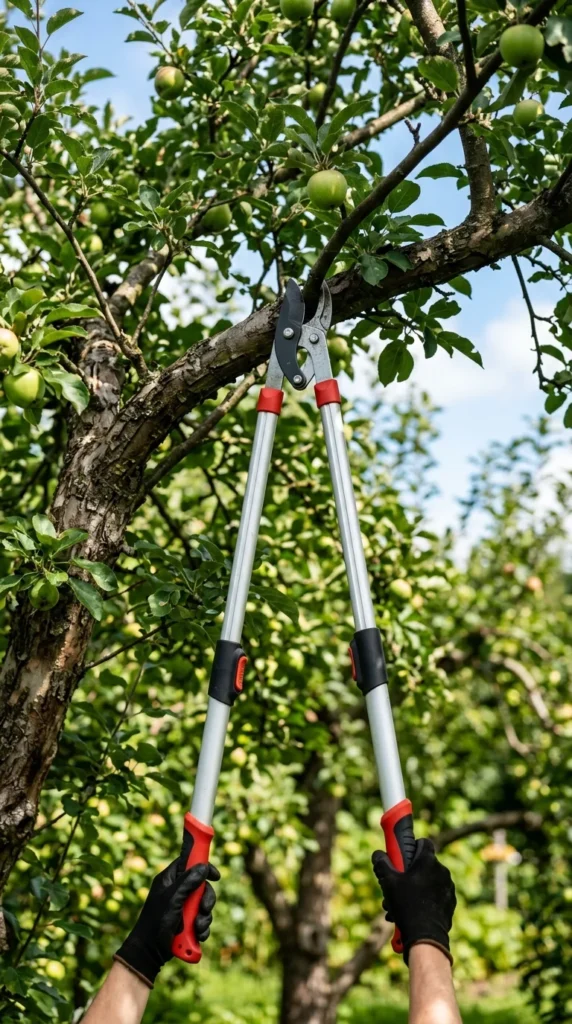
When a branch is too thick for pruning shears but too small for a saw, loppers are the perfect solution. With their long handles, they provide the mechanical leverage needed to cut through branches up to two inches thick. The extra reach also helps you access the interior of large shrubs or high tree limbs without needing a ladder. Like shears, the bypass version is best for clean cuts on living wood, ensuring the plant remains healthy after pruning.
11. Hedge Shears
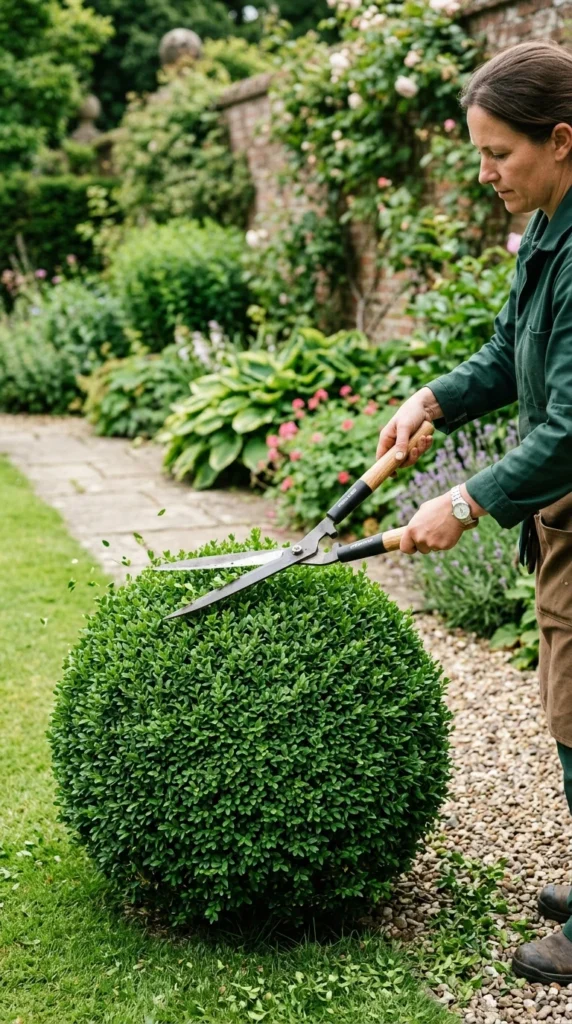
For those who keep formal hedges or topiary, hedge shears are essential for maintaining clean lines. These look like giant scissors and are designed to cut a large surface area at once. This makes them much more efficient than small hand pruners when you need to “shave” the outer layer of a bush. Sharp blades are crucial here; dull shears will tear the leaves, leading to brown edges and an unhealthy appearance for your greenery.
12. Kneeling Pad
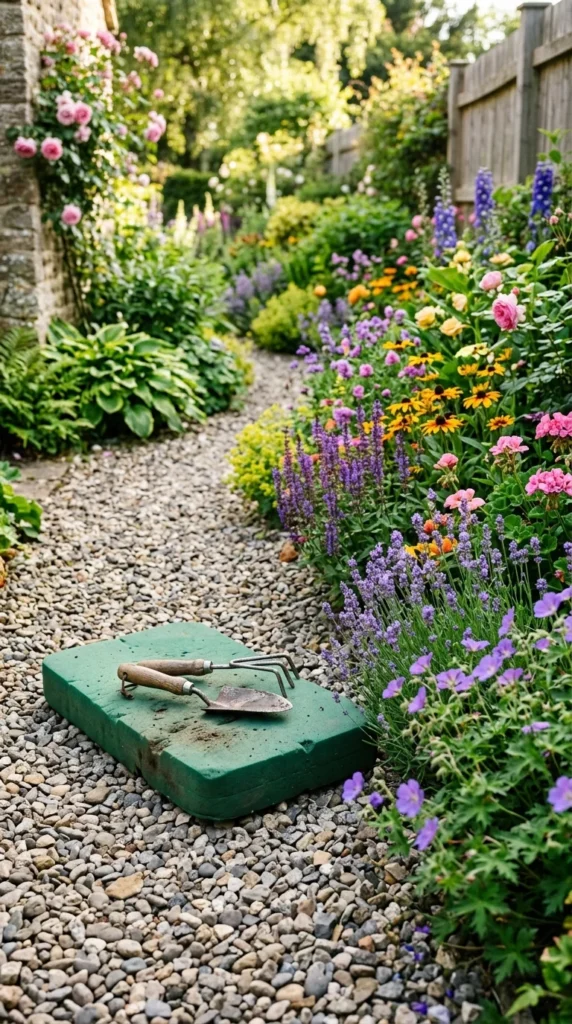
Gardening involves a lot of time spent close to the ground, which can be brutal on the knees. A thick, high-density foam kneeling pad or a pair of strap-on knee pads can make a world of difference. By providing a soft barrier between your joints and the hard, cold, or damp earth, these pads allow you to garden for much longer periods without pain. It’s a simple, inexpensive tool that pays massive dividends for your long-term joint health.
13. Soil Tester
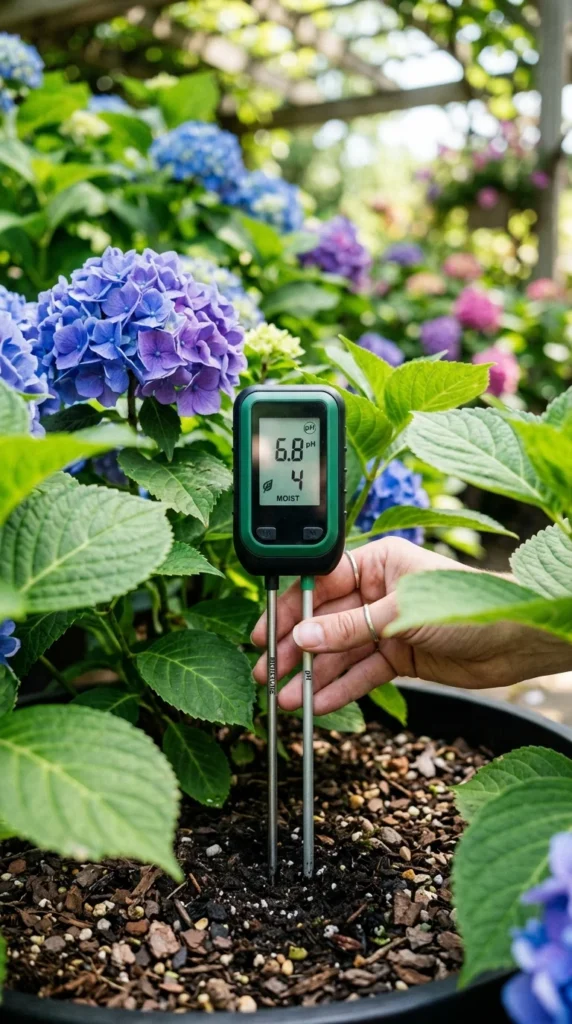
Understanding what is happening beneath the surface is the key to expert plant care. A soil tester or pH meter takes the guesswork out of gardening. These devices can tell you if your soil is too acidic or alkaline, and many also measure moisture levels at the root zone. By knowing exactly what your plants need, you can avoid overwatering and ensure you are using the right fertilizers, leading to much more vibrant and productive growth.
14. Garden Auger
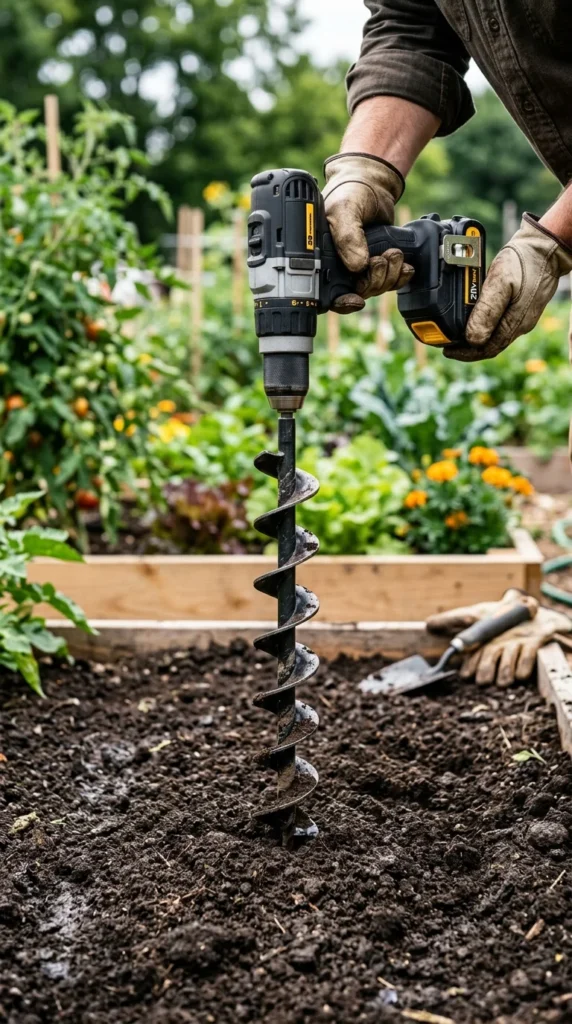
If you have a large number of bulbs or small bedding plants to install, a garden auger is a game-changer. This spiral drill bit attaches to a standard power drill and bores perfectly uniform holes in seconds. It saves an immense amount of manual digging and is particularly helpful in tough or compacted soil. An auger also serves as a great tool for aerating compost piles or mixing amendments directly into the planting hole.
15. Leaf Rake
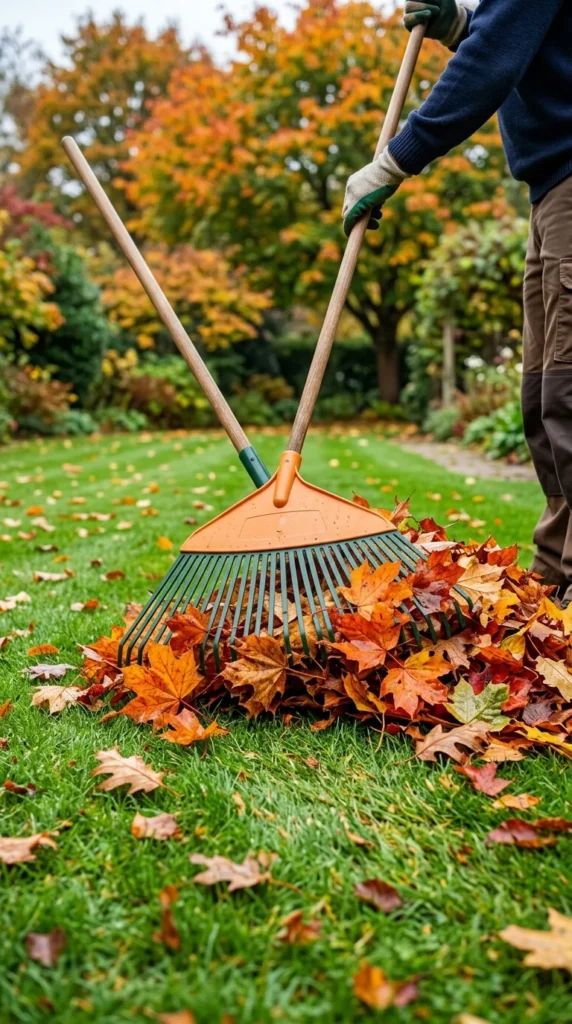
A leaf rake is about more than just aesthetics; it is a vital tool for lawn health. Clearing fallen leaves prevents “smothering,” where a thick mat of wet foliage blocks sunlight and traps moisture, leading to fungal diseases in your grass. The flexible tines of a leaf rake are designed to glide over the turf without pulling up the grass roots. Beyond leaves, it’s also the perfect tool for spreading light mulch or leveling out a new layer of topsoil.
16. Scuffle Hoe
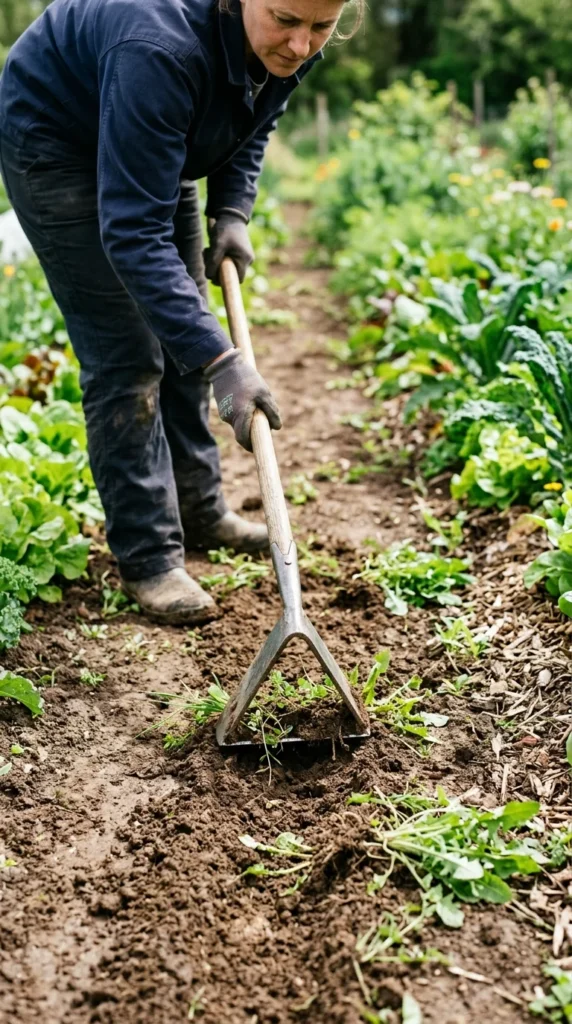
Also known as a stirrup hoe, the scuffle hoe is the most efficient way to deal with weeds in large garden beds or paths. Unlike a traditional hoe that you swing downward, the scuffle hoe has a blade that wobbles back and forth. You simply push and pull it just below the soil surface to slice through weed roots. It’s incredibly fast, requires very little effort, and doesn’t disturb the soil structure as much as deep digging does.
17. Potting Bench
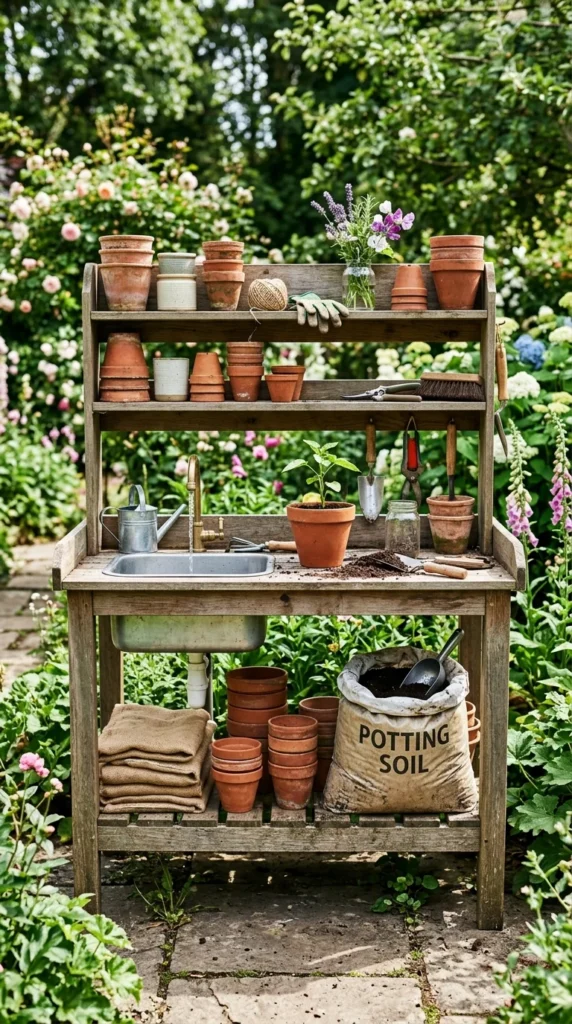
While not a portable tool, a potting bench is a central hub that makes plant care significantly more organized. Having a dedicated, waist-high surface for repotting means no more hunching over the ground or making a mess on the patio table. Most benches include storage for twine, labels, and small tools, keeping everything you need within arm’s reach. It transforms the “work” of potting into a streamlined and ergonomic process, ensuring your garden stays tidy and your back stays happy.