
As the vibrant colors of autumn fade and the first biting winds of winter begin to howl, gardeners around the world feel a familiar sense of urgency. The drop in temperature isn’t just a signal for us to bring out the heavy coats; it is a critical transition period for our outdoor sanctuaries. Winter gardening is less about growth and more about preservation—the art of ensuring that your beloved perennials, shrubs, and even your soil survive the “big sleep” to return even stronger in the spring.
The challenges of winter are manifold: desiccating winds that suck moisture from leaves, the “heaving” of soil caused by freeze-thaw cycles, and the physical weight of heavy snow that can snap brittle branches. However, with a proactive strategy, you can turn your garden into a fortress. Here are 12 essential winter gardening tips to safeguard your plants during the coldest months of the year.
1. Mulch
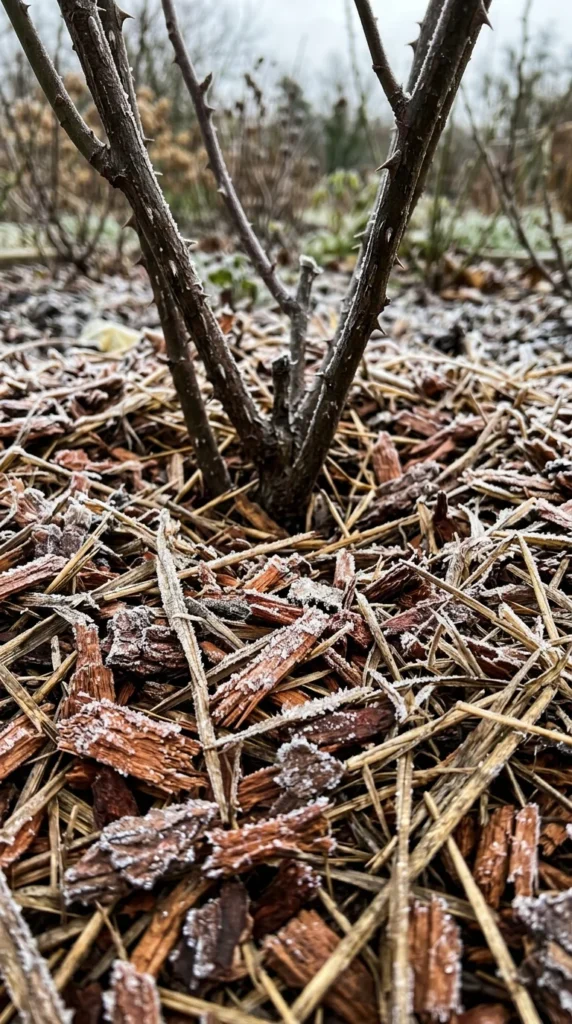
Think of mulch as a high-quality thermal blanket for your garden. While many believe mulch is used to keep the ground warm, its primary winter function is actually to keep the ground frozen. Frequent fluctuations in temperature cause the soil to expand and contract, which can literally push plants out of the ground—a phenomenon known as frost heaving. By applying a 3-to-4-inch layer of organic mulch, such as wood chips, straw, or shredded bark, you insulate the root systems and maintain a consistent soil temperature. This prevents the delicate roots from being exposed to the drying air.
2. Hydration
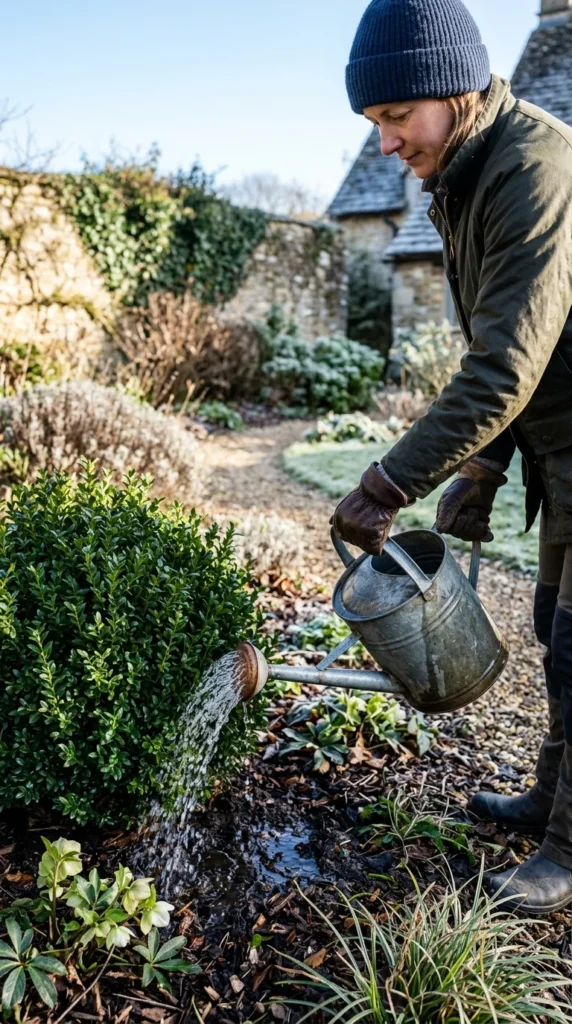
It might seem counterintuitive to water your plants when the air is freezing, but hydration is a plant’s best defense against winter kill. Desiccation, or drying out, is a leading cause of plant death in winter. Evergreens are particularly susceptible because they continue to transpire (lose water through their needles) throughout the season. When the ground is frozen, they cannot replenish that moisture. By deeply watering your garden before the first hard freeze, you ensure the soil is saturated. Moist soil also holds heat better than dry soil, providing a slightly warmer environment for the root ball.
3. Cloches
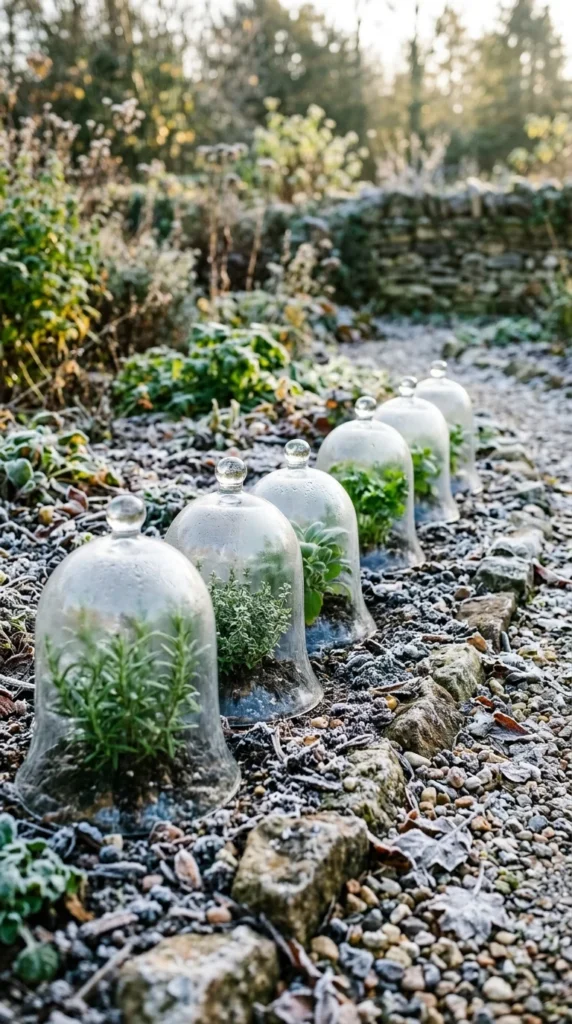
For smaller, more delicate plants or late-season vegetables, the cloche is an indispensable tool. Traditionally made of glass (though modern plastic versions are common), a cloche acts like a miniature greenhouse for individual plants. It traps the radiant heat from the soil and protects the foliage from direct contact with frost and freezing winds. If you don’t have professional glass cloches, you can easily DIY them by cutting the bottoms off of clear plastic gallon jugs. Just remember to remove or vent them on unseasonably sunny days to prevent your plants from overheating.
4. Windbreaks
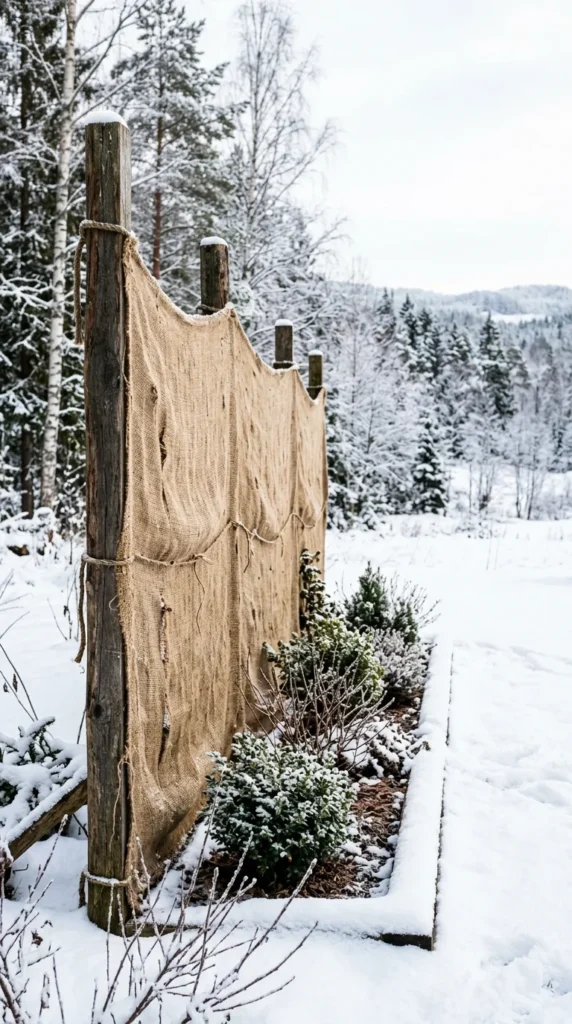
Winter winds are notoriously harsh, acting like a giant hairdryer that strips moisture from the leaves and stems of your plants. This is especially dangerous for broadleaf evergreens like rhododendrons and hollies. Creating a temporary windbreak can significantly reduce this stress. You can construct a simple “V” or “U” shaped screen using wooden stakes and burlap. Avoid using plastic wrap directly against the foliage, as it can trap moisture and lead to fungal issues or cause the plant to cook if the sun hits it directly. Burlap is the gold standard because it breathes while still blocking the brunt of the gale.
5. Containers
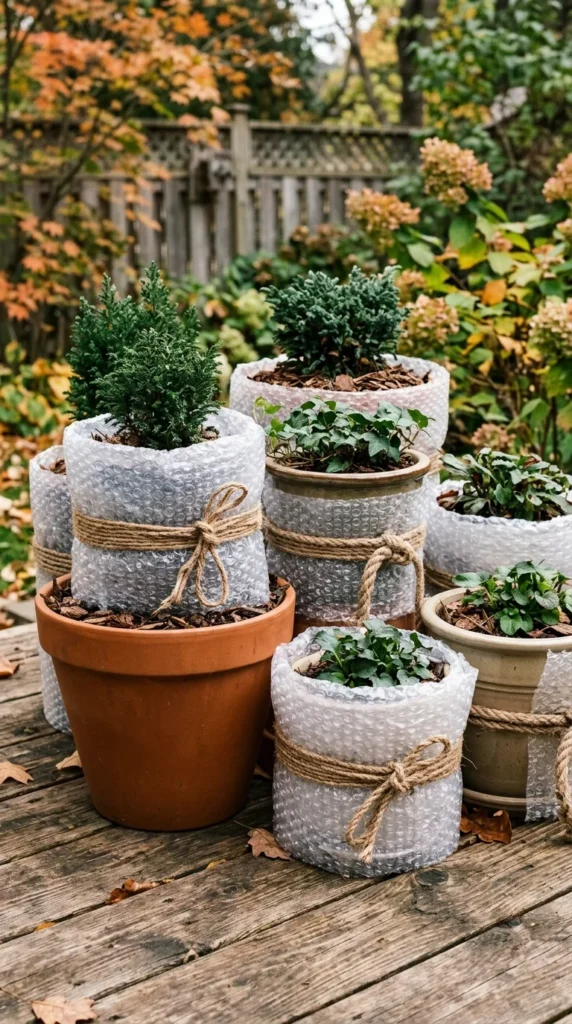
Plants in containers are much more vulnerable than those in the ground because their roots lack the massive insulation provided by the earth. To protect them, move your pots to a more sheltered location, such as against a south-facing wall or inside an unheated garage. Grouping containers together creates a microclimate where they can share ambient heat. For pots that must stay outside, wrap the containers in insulating materials like bubble wrap, old blankets, or burlap. This adds a critical layer of protection for the root zone, which is often two zones less hardy than the plant’s foliage.
6. Pruning

Winter is an excellent time for “structural pruning,” but timing is everything. While the plants are dormant, you can clearly see the “bones” of the tree or shrub without leaves in the way. However, you should avoid heavy pruning in early winter, as this can stimulate new growth that will immediately be killed by the frost. Instead, focus on removing the “three Ds”: dead, damaged, or diseased wood. Removing these branches prevents them from snapping under the weight of ice and falling on your house or other healthy plants. Save the heavy shaping for late winter, just before the buds begin to swell.
7. Blankets
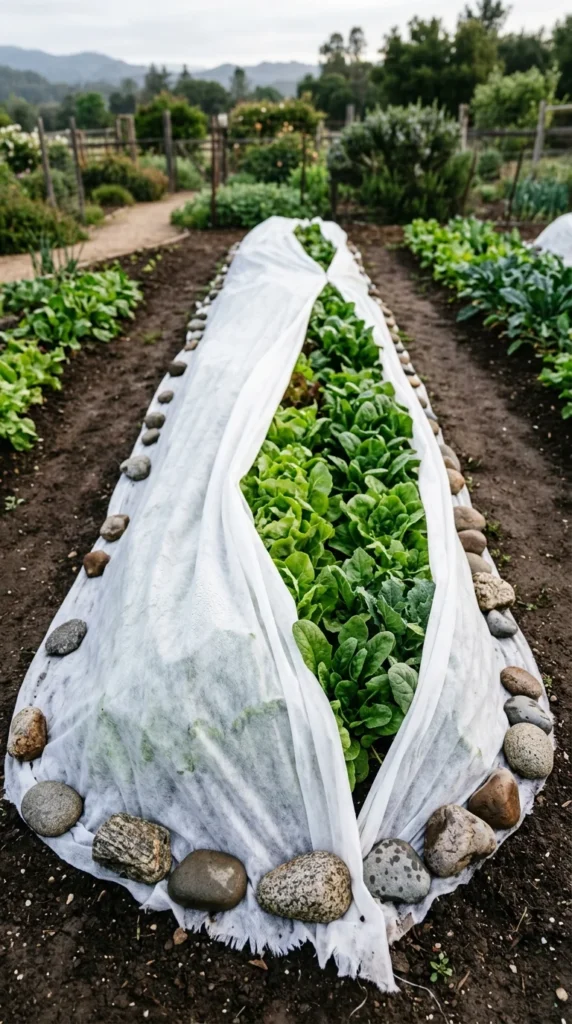
When a sudden “Arctic blast” is forecasted, frost blankets (also known as horticultural fleece) are your best friend. These lightweight, breathable fabrics can raise the temperature under the cover by several degrees—often enough to make the difference between life and death for semi-hardy species. The key is to drape the fabric all the way to the ground and secure the edges with rocks or bricks. This traps the heat radiating from the soil inside the “tent.” Be sure to remove the blankets during the day if temperatures rise above freezing to allow for light and air circulation.
8. Cold Frames
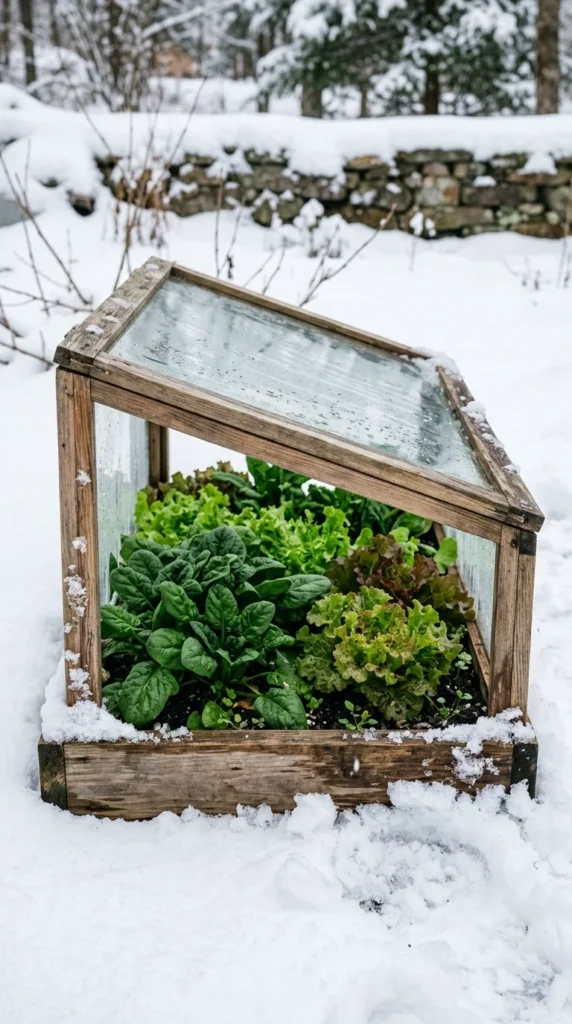
If you want to keep gardening through the depths of winter, a cold frame is a must-have. Essentially a bottomless box with a transparent lid, a cold frame utilizes solar energy to create a microclimate several degrees warmer than the outside air. It is the perfect environment for over-wintering hardy greens like kale, spinach, and leeks. You can build one easily using scrap wood and an old storm window. During the day, the sun warms the soil inside, and at night, the frame retains that heat. Just be mindful of ventilation; on sunny winter days, even a cold frame can get too hot.
9. Root Care
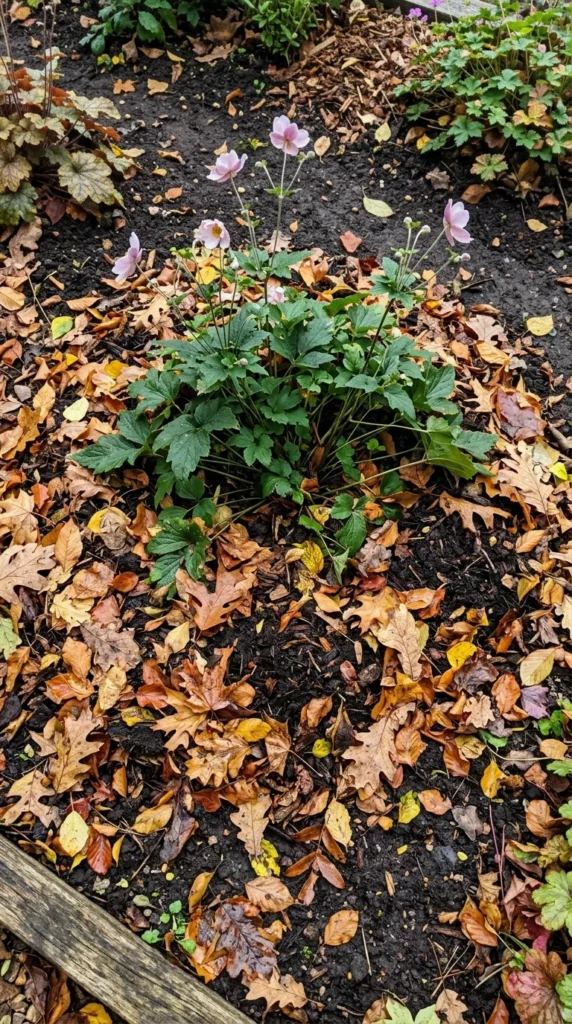
While we often focus on the leaves we see, the real engine of the plant is underground. Protecting the root system is paramount. Beyond mulching, you can use “natural insulation” like fallen leaves. Instead of bagging all your autumn leaves and sending them to the curb, pile them over your perennial beds. They provide excellent insulation and, as they break down, they return valuable nutrients to the soil. For particularly sensitive plants, you can even create a “cage” of chicken wire around the plant and fill it with leaves to provide a vertical layer of insulation.
10. Snow Loading
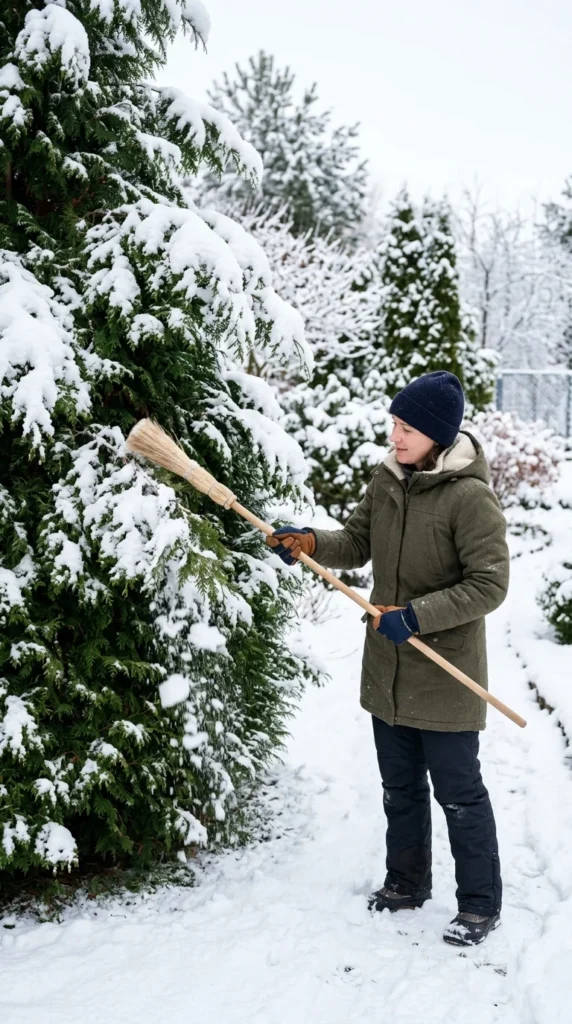
A light dusting of snow can actually act as an insulator, but heavy, wet snow is a different story. The weight can easily bend and snap the branches of evergreens and deciduous trees alike. After a heavy snowfall, go out and gently knock the snow off your plants. The trick is to use an upward motion with a broom or your hand. Shaking the branches violently or hitting them from the top can cause the very breakage you are trying to prevent. If ice has already formed on the branches, do not attempt to break it off, as this will almost certainly damage the plant’s bark and tissue.
11. Tool Care
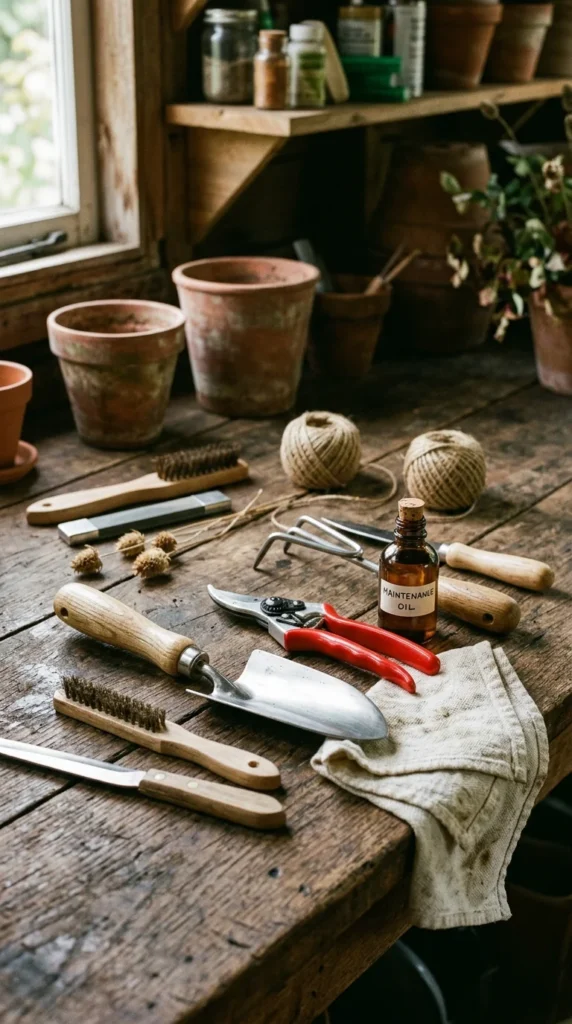
Winter gardening isn’t just about the plants; it’s also about the gear that helps you care for them. Use the downtime of winter to perform a deep clean of your tools. Remove rust with a wire brush or steel wool, sharpen the blades of your loppers and shears, and rub wooden handles with linseed oil to prevent cracking. Storing your tools in a dry environment will prevent the corrosive effects of winter humidity. When spring arrives, you’ll be ready to hit the ground running with equipment that is sharp, safe, and efficient.
12. Soil Health
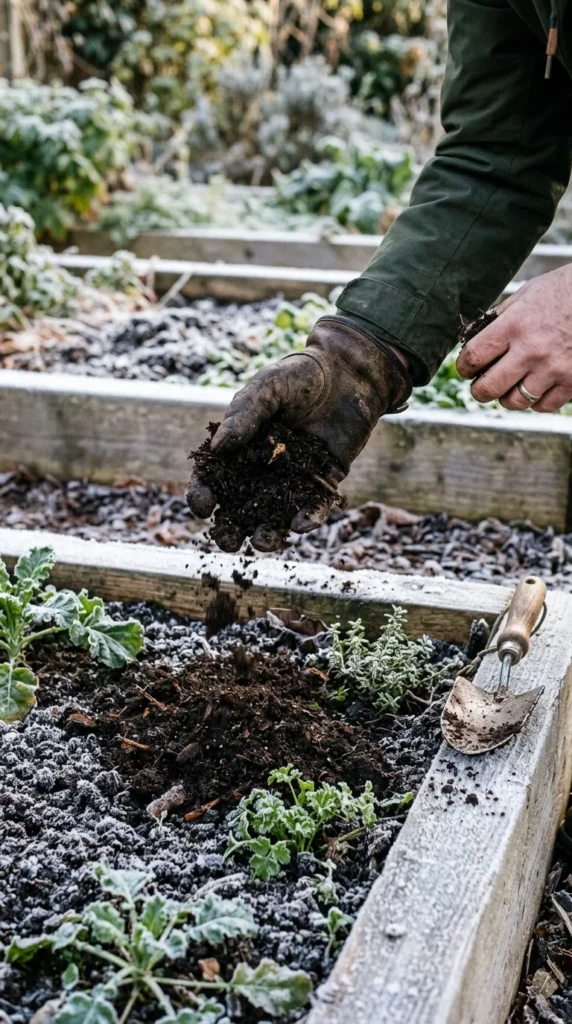
Finally, don’t forget the foundation of your garden: the soil. Winter is a great time to add amendments like compost or well-rotted manure. While the plants are dormant, these materials have time to integrate into the soil structure without disturbing active root growth. If the ground isn’t frozen solid, you can spread a layer of compost over your beds. The winter rains and snowmelt will help wash the nutrients down into the root zone. Additionally, avoid walking on your garden beds during the winter. Stepping on wet, cold soil causes extreme compaction, which makes it much harder for roots to penetrate and breathe come springtime.