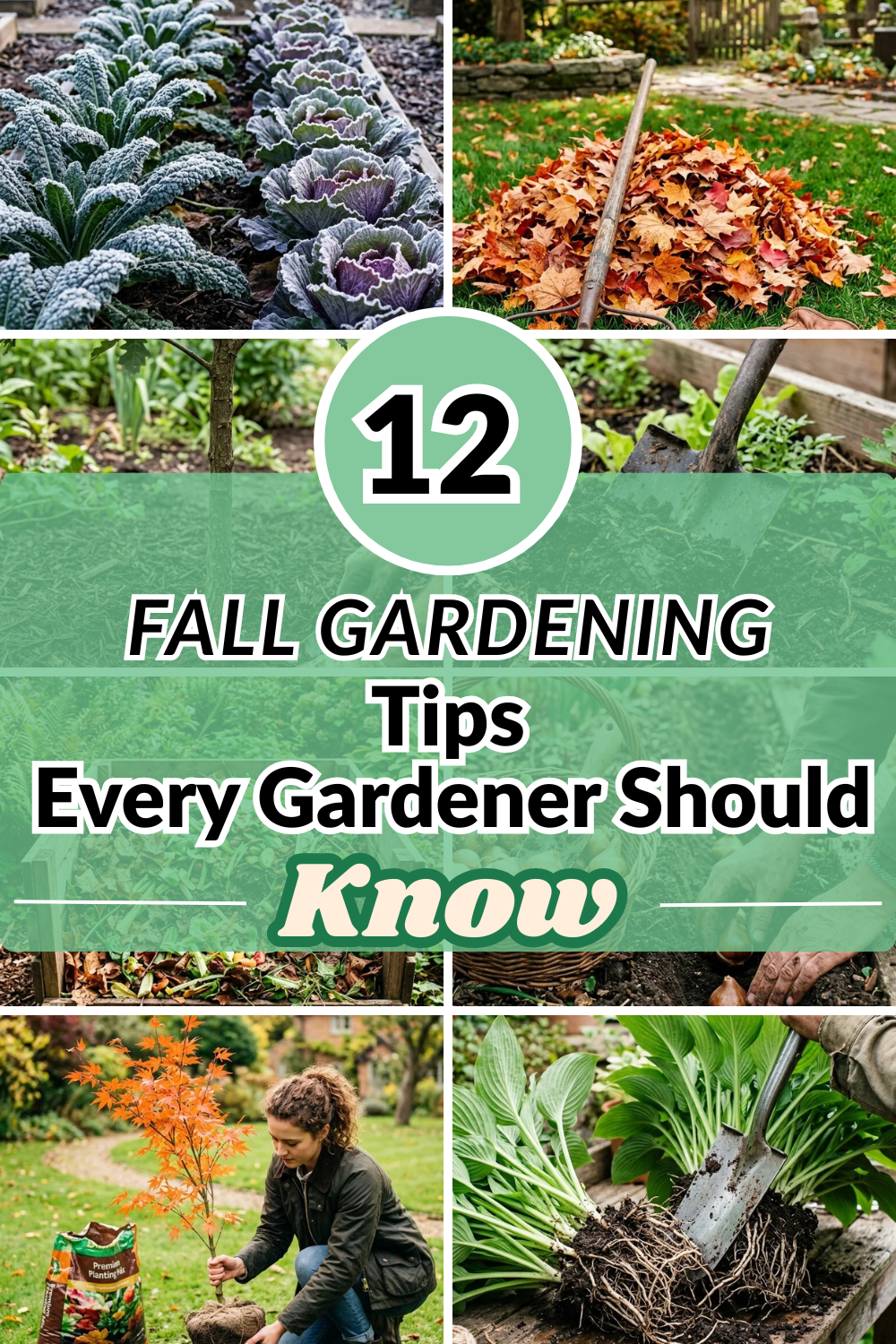
As the air turns crisp and the vibrant greens of summer fade into a tapestry of amber, gold, and crimson, many gardeners feel the urge to hang up their trowels and retreat indoors. However, the seasoned green thumb knows that autumn is not the end of the gardening season—it is the most critical time for preparation. What you do in the garden during these cooling months dictates the success of your landscape for the following spring.
Fall gardening is a unique blend of cleanup, preservation, and strategic planting. By taking advantage of the cooling soil temperatures and increased moisture, you can ensure your perennials thrive, your soil remains nutrient-rich, and your spring blooms are more spectacular than ever. Here are twelve essential fall gardening tips to help you master the season.
1. Cleanup
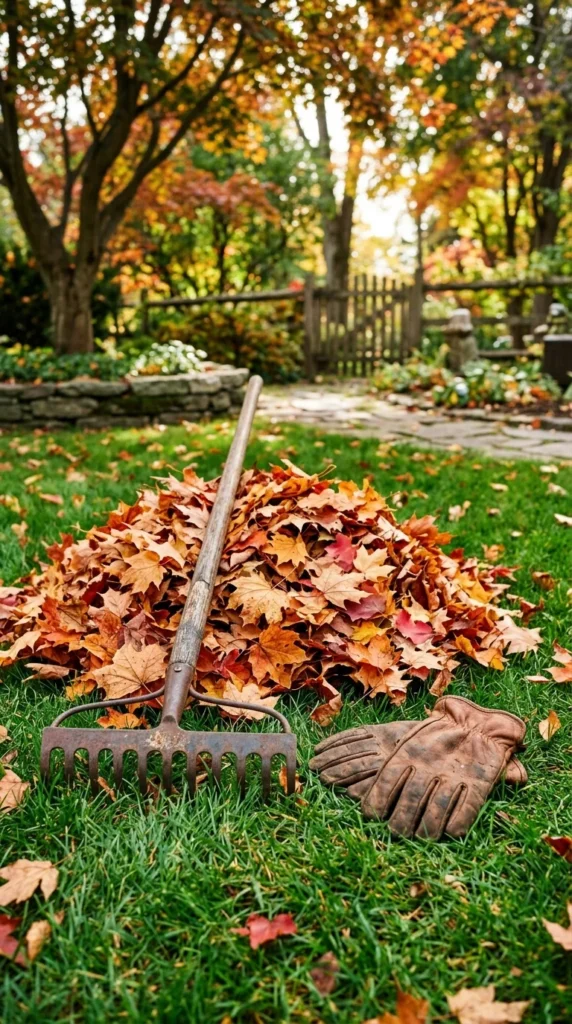
The first step in any successful fall transition is a thorough garden cleanup. This isn’t just about aesthetics; it’s about plant health. Removing spent annuals and clearing away fallen debris prevents pests and diseases from overwintering in your garden beds. If you’ve struggled with powdery mildew, aphids, or fungal spots during the summer, leaving infected foliage on the ground is an invitation for those problems to return next year.
Focus on removing dead or diseased foliage, but consider leaving some healthy ornamental grasses and seed heads. These provide visual interest during the winter months and offer essential food and shelter for local bird populations and beneficial insects.
2. Soil Prep
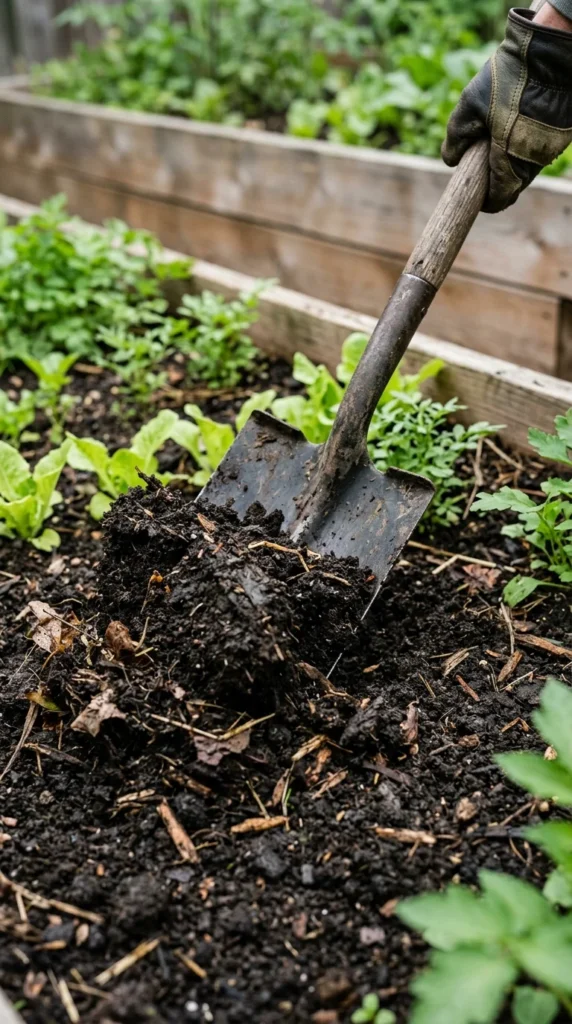
Fall is arguably the best time of year to amend your soil. While many wait until spring, adding organic matter in the fall allows it to break down and integrate into the soil structure throughout the winter. This process improves soil aeration and drainage while boosting the microbial life necessary for healthy plant growth.
Consider getting a soil test during this time. Understanding your soil’s pH and nutrient levels allows you to add specific amendments—like lime to raise pH or sulfur to lower it—well before the spring planting rush. Adding a thick layer of well-rotted manure or compost over your beds will “slow-cook” your garden, resulting in “black gold” by the time the ground thaws.
3. Bulb Planting
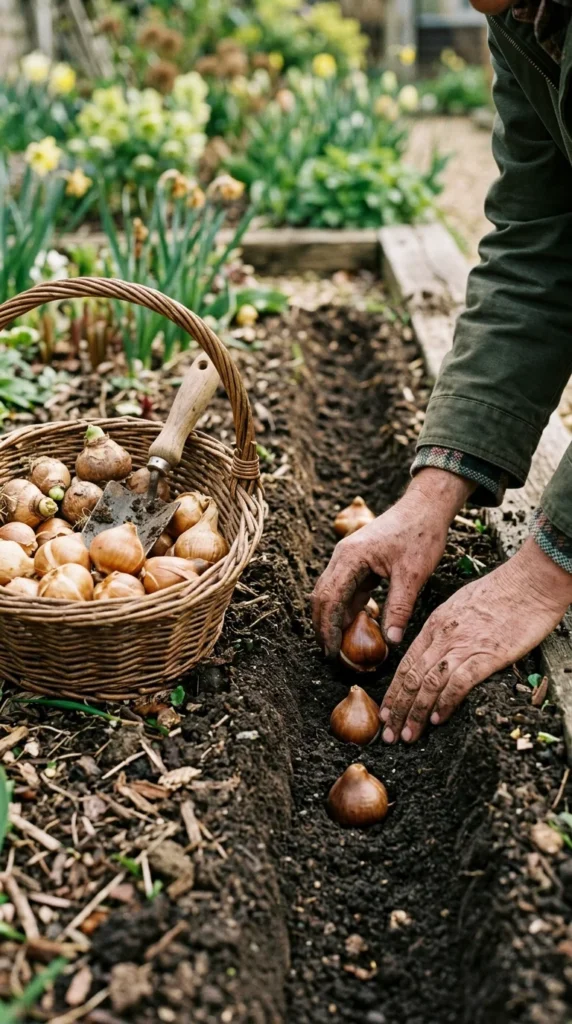
If you want the iconic pops of color that signify the arrival of spring, you must plant your hardy bulbs in the fall. Tulips, daffodils, crocuses, and hyacinths require a period of cold dormancy (vernalization) to trigger their blooming cycle.
The general rule of thumb is to plant bulbs at a depth three times their height. Ensure you plant them with the “pointy side up” and the root side down. If you struggle with squirrels or rodents digging up your bulbs, consider laying a piece of chicken wire over the planting area before covering it with soil and mulch. This allows the stems to grow through while keeping hungry critters at bay.
4. Dividing Perennials
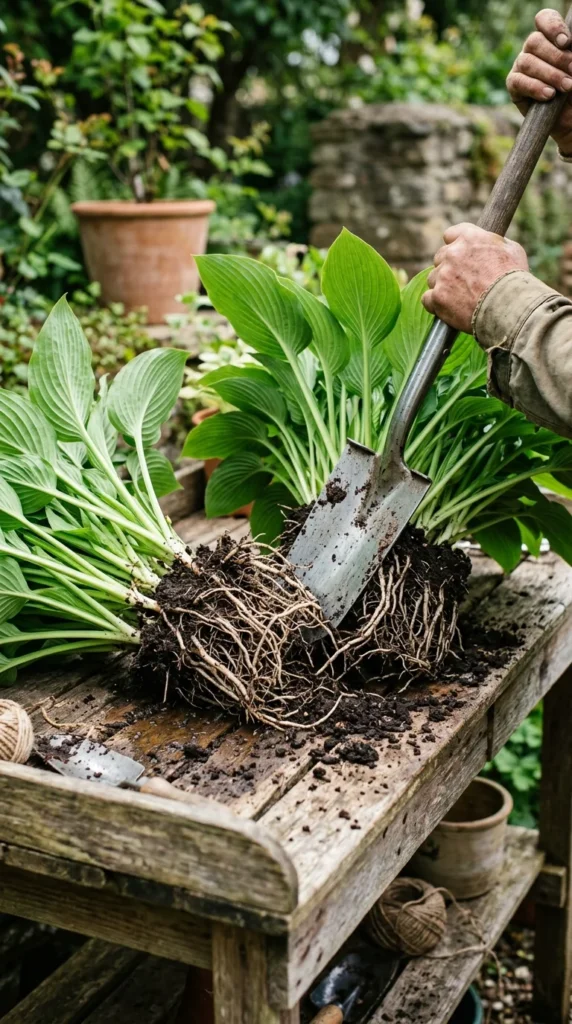
Perennials that bloom in the spring and summer often become overcrowded after a few years. When plants like hostas, daylilies, and irises grow too large, their centers can become woody and hollow, and flower production may drop. Fall is the ideal time to divide these plants.
By splitting the root balls and replanting the sections, you rejuvenate the parent plant and gain “free” plants for other areas of your yard. The cooler temperatures of autumn reduce transplant shock, and the fall rains help the new divisions establish strong root systems before the ground freezes.
5. Cool-Season Crops
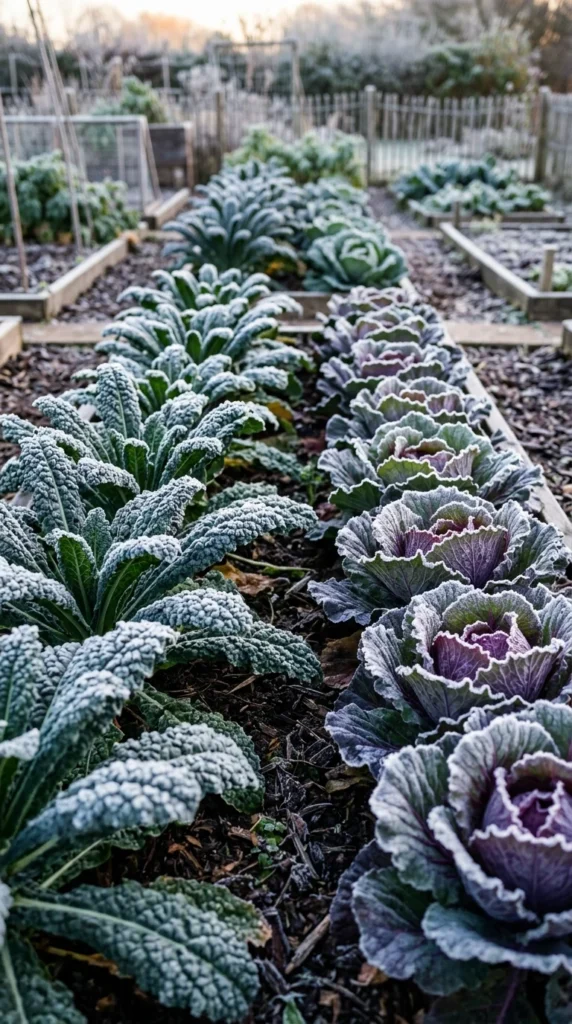
Your vegetable garden doesn’t have to go dormant just because the first frost is approaching. In fact, many vegetables thrive in the cooler temperatures of late September and October. Crops like kale, spinach, radishes, carrots, and Swiss chard often taste sweeter after a light frost because the plant converts starches into sugars to act as a natural antifreeze.
You can also plant garlic and shallots in the late fall. These are “set and forget” crops that will overwinter in the ground and be ready for harvest in mid-summer. Covering these late-season crops with a cold frame or floating row cover can extend your harvest well into the winter months.
6. Mulching
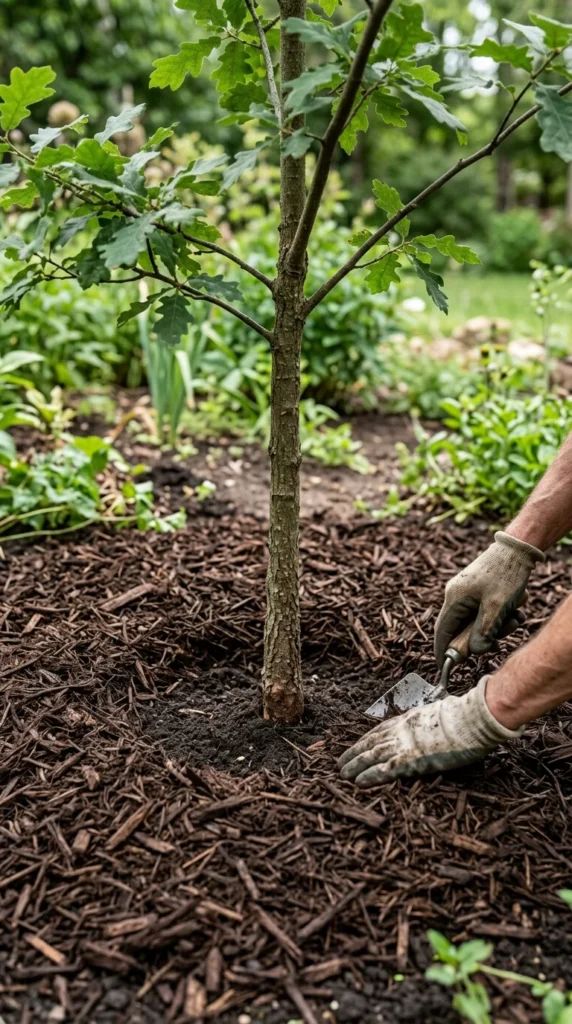
Mulch is your garden’s winter coat. Applying a 2- to 3-inch layer of mulch—such as shredded bark, pine needles, or straw—helps regulate soil temperature. This prevents the “heaving” effect, where the ground repeatedly freezes and thaws, which can push plants and bulbs out of the soil and expose their roots to killing frosts.
Mulching also helps retain moisture in the soil, which is vital for evergreens and newly planted perennials. When applying mulch, be careful not to create “mulch volcanoes” against the trunks of trees or the stems of shrubs, as this can trap moisture and cause rot or invite bark-gnawing rodents.
7. Composting
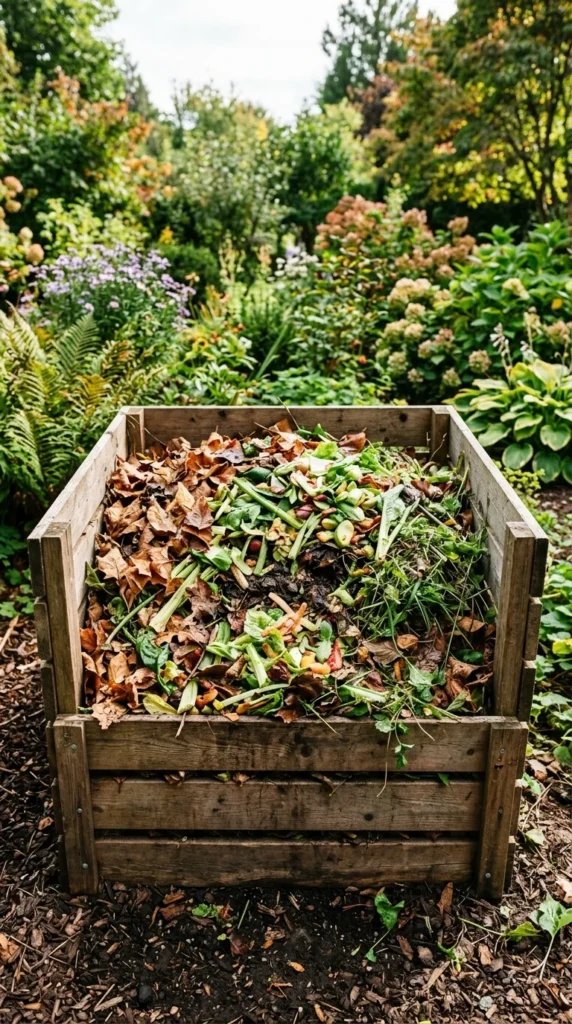
Fall provides an abundance of “brown” material in the form of fallen leaves, which is a goldmine for your compost pile. Instead of bagging up leaves and sending them to the landfill, mow over them to shred them and add them to your compost bin.
A healthy compost pile needs a balance of “greens” (nitrogen-rich kitchen scraps and fresh garden trimmings) and “browns” (carbon-rich dried leaves and straw). Shredding the leaves first speeds up the decomposition process significantly. By the time spring rolls around, you’ll have a nutrient-dense additive to jumpstart your garden beds.
8. Tool Maintenance
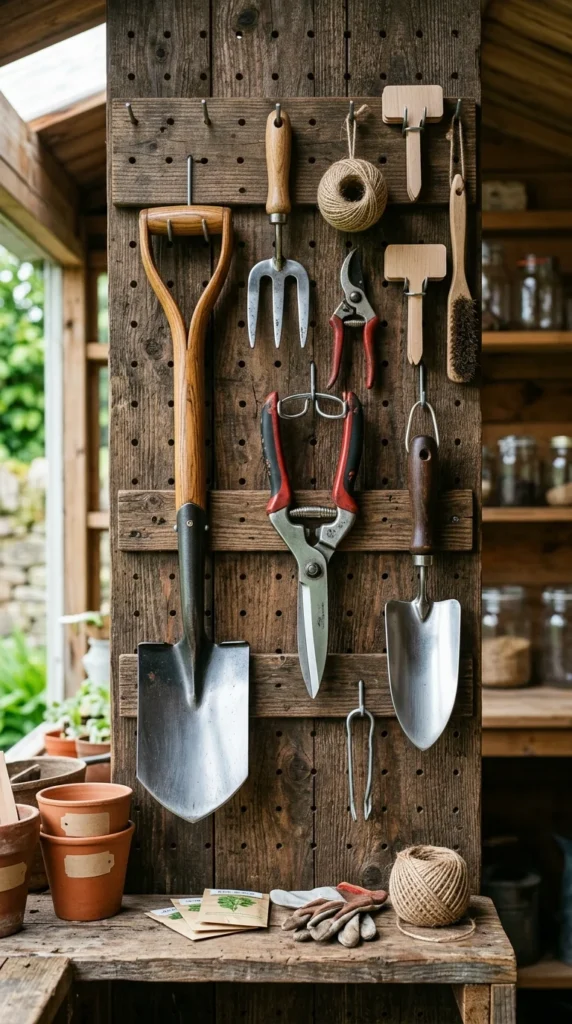
Your tools have worked hard all summer, and the damp conditions of fall can lead to rust and degradation if they aren’t cared for. Before storing your tools for the winter, give them a thorough cleaning. Use a wire brush to remove caked-on soil and a sharpening stone to hone the edges of your pruners, loppers, and spades.
Once cleaned and sharpened, wipe the metal surfaces with a rag dipped in vegetable oil or a specialized tool lubricant to prevent rust. If your wooden handles are feeling rough, a quick sanding followed by a coat of linseed oil will prevent splintering and prolong the life of the tool for years to come.
9. Tree Planting
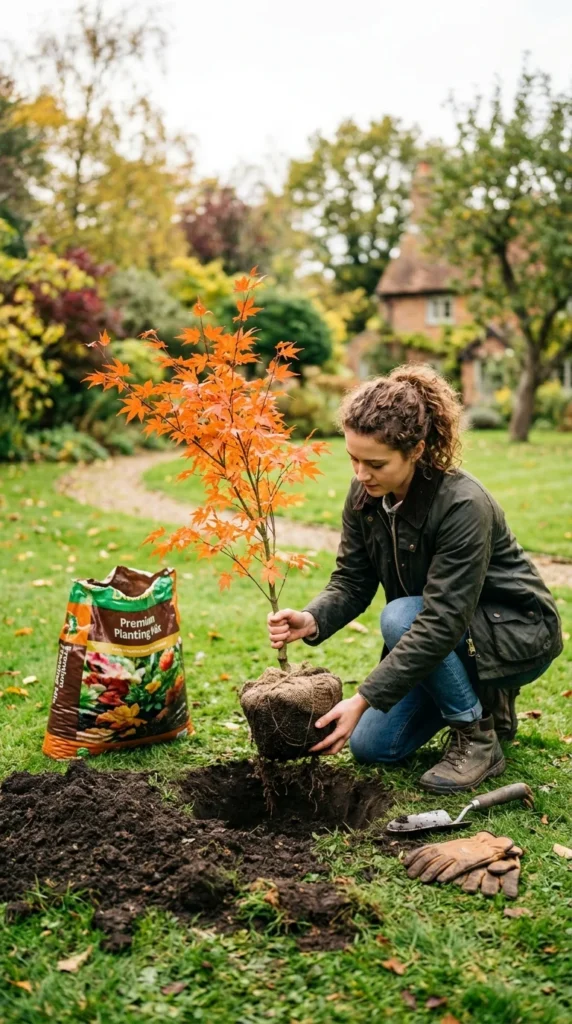
While many people think of spring as the time for planting trees and shrubs, fall is actually superior for many species. The combination of warm soil and cool air temperatures encourages rapid root growth without the stress of high heat and transpiration that occurs in the summer.
When you plant in the fall, the tree has several months to establish its root system before it has to worry about pushing out new leaves in the spring. Just ensure you keep newly planted trees well-watered until the ground actually freezes, as they are still active underground even after their leaves have fallen.
10. Watering
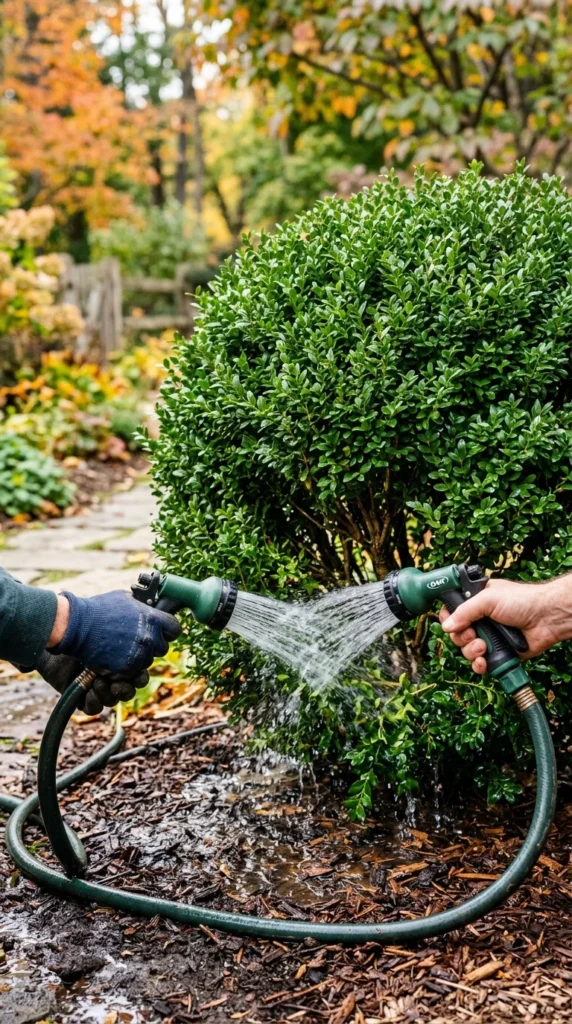
It is a common mistake to stop watering as soon as the weather cools down. However, many plants—especially evergreens like boxwoods, hollies, and rhododendrons—need to be fully hydrated before the ground freezes. These plants continue to lose moisture through their needles or leaves during the winter, a process called desiccation.
If the soil is dry when the ground freezes, the plant cannot take up water to replace what is lost to the winter wind and sun. Giving your garden a deep, thorough soaking in late autumn (until the first hard freeze) acts as an insurance policy against winter burn and dieback.
11. Lawn Care
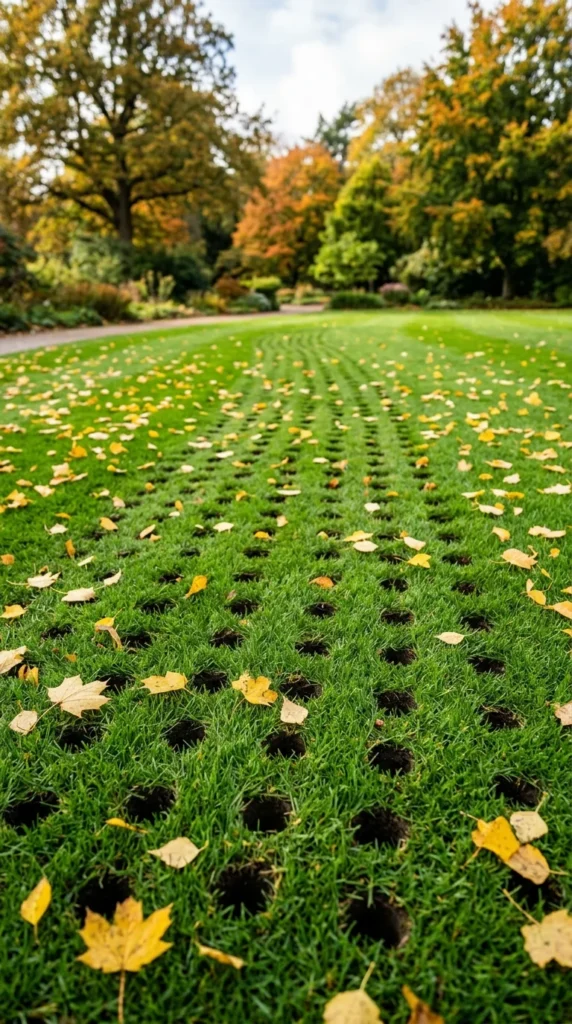
Fall is the most important season for lawn maintenance, particularly for cool-season grasses like fescue and bluegrass. This is the time to aerate your lawn, which involves pulling small plugs of soil out to allow air, water, and nutrients to reach the root zone.
Following aeration, overseeding and fertilizing are highly effective. A “winterizer” fertilizer high in potassium helps strengthen the grass roots and prepares the lawn for the stresses of winter. By tending to your lawn in the fall, you ensure a thicker, greener carpet that can better compete with weeds when spring arrives.
12. Record Keeping
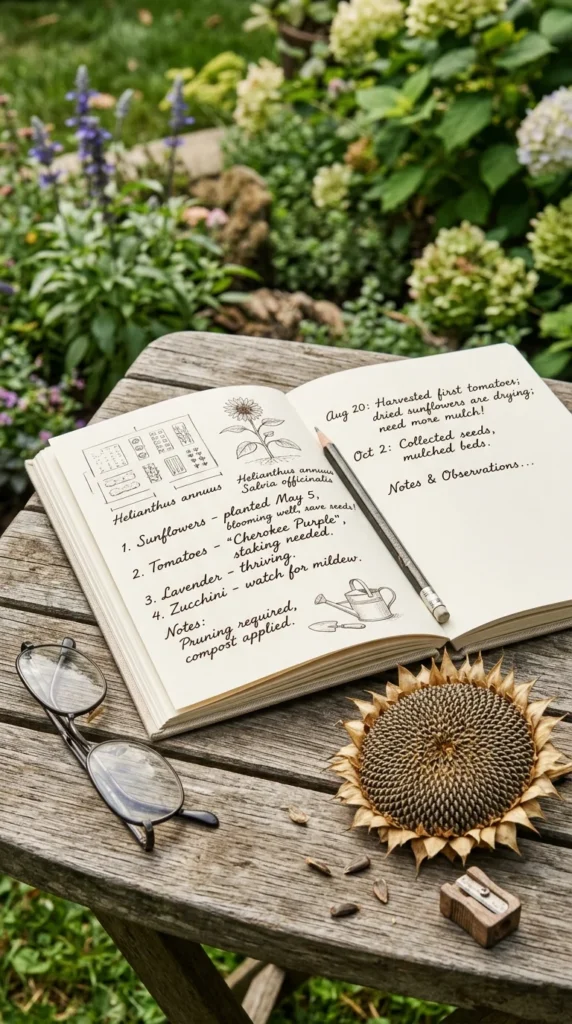
One of the most overlooked fall gardening tasks is reflection. Before the memory of your garden’s performance fades, take the time to update your garden journal. Note which varieties of tomatoes thrived, which perennials need to be moved because they didn’t get enough sun, and where you planted those 100 new tulip bulbs.
Sketching a quick map of your garden beds is incredibly helpful for the following spring when you might forget where dormant plants are located. These records are the blueprint for your future success, allowing you to learn from your mistakes and replicate your triumphs in the seasons to come.