Gardening is a dance with the seasons, a rhythmic cycle of planting, nurturing, and harvesting. However, even the most seasoned green thumbs can fall into traps set by the changing weather. Whether it’s the over-eagerness of spring or the complacency of winter, seasonal shifts require specific strategies to keep your backyard oasis thriving. If you’ve ever wondered why your perennials didn’t return or why your summer tomatoes looked parched despite daily watering, you might be falling victim to common seasonal blunders.
Avoiding these pitfalls isn’t just about saving your plants; it’s about saving your time, money, and sanity. Here are the 10 most common seasonal gardening mistakes you need to avoid to ensure your landscape remains the envy of the neighborhood.
1. Premature Pruning
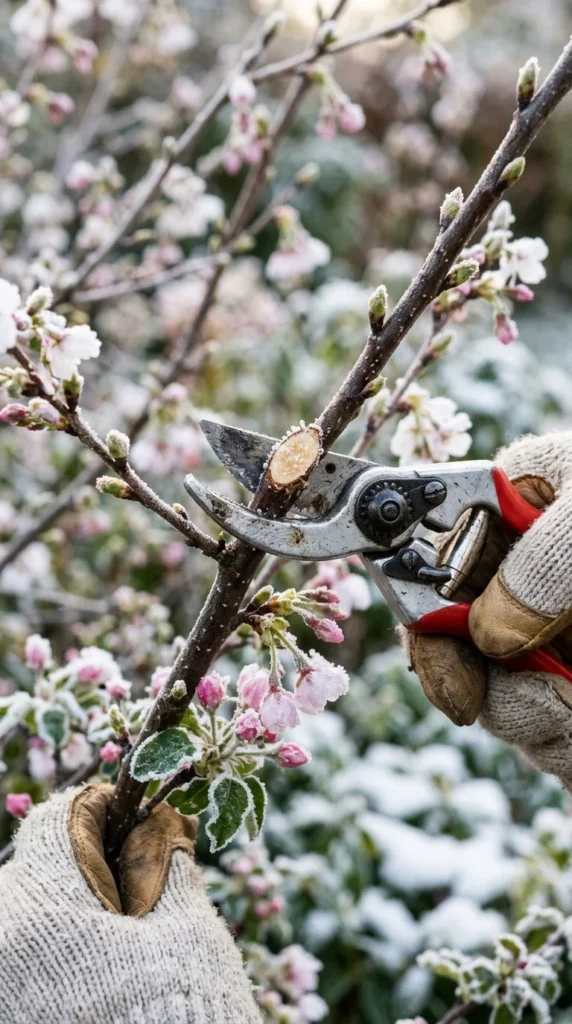
One of the most tempting tasks during a random warm week in late winter is to head outside with the shears. However, pruning too early is a cardinal sin of spring gardening. When you cut back a plant, you stimulate new growth. If a late-season frost hits—which it almost inevitably does—that tender new growth will be killed instantly, potentially damaging the entire plant or, at the very least, destroying this year’s flower buds.
- The Fix: Wait until the plant has fully emerged from dormancy or until the “last frost date” for your region has passed. For spring-flowering shrubs like forsythia or azaleas, wait until after they bloom to prune, or you’ll be cutting off all your color for the season.
2. Midday Watering
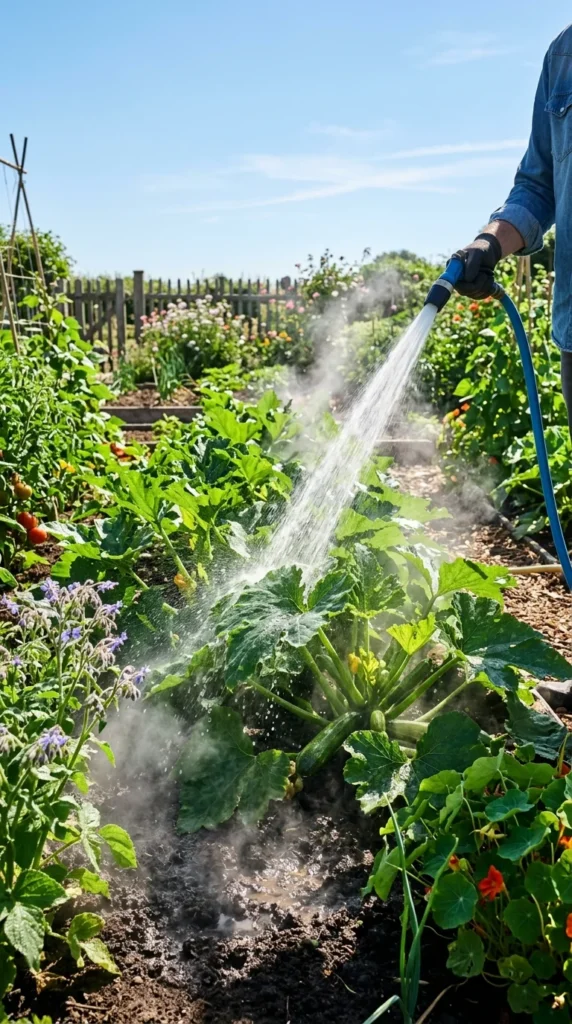
When the summer sun is scorching, your first instinct might be to grab the hose and give your wilting plants a drink in the middle of the afternoon. This is often a mistake. Not only does a significant portion of the water evaporate before it ever reaches the roots, but water droplets sitting on leaves can act as tiny magnifying glasses, potentially leading to leaf scorch in extremely sensitive species. Furthermore, frequent shallow watering in the heat encourages roots to stay near the surface where they are more vulnerable to drying out.
- The Fix: Water in the early morning, ideally between 6:00 AM and 9:00 AM. This allows the water to soak deep into the soil and gives the foliage time to dry off before evening, which prevents fungal diseases.
3. Soil Neglect
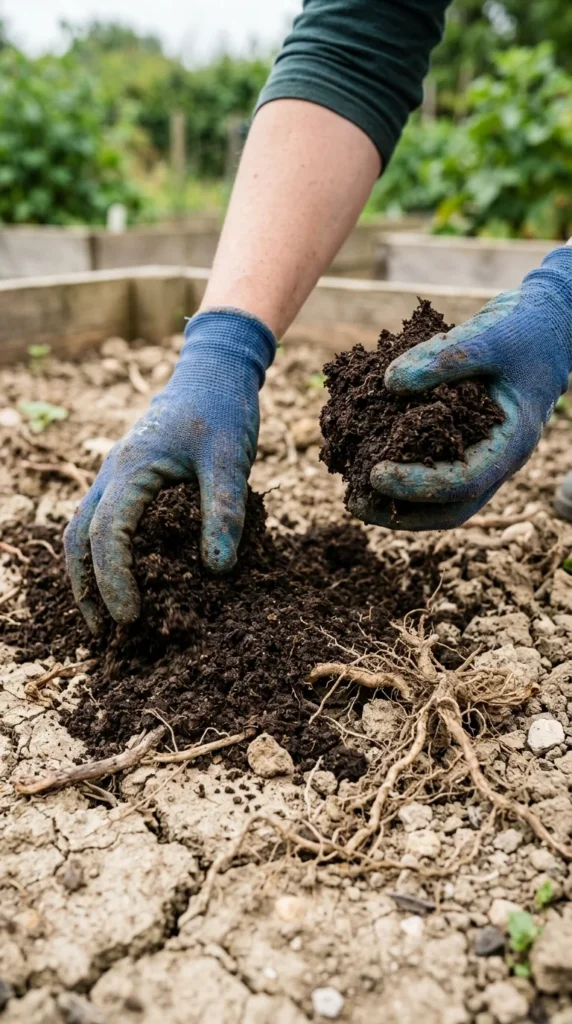
Many gardeners treat soil like an afterthought, focusing only on the plants themselves. However, the end of the growing season (autumn) is the most critical time to address soil health. If you harvest your vegetables and leave the soil bare and depleted all winter, you’re setting yourself up for failure next spring. Wind and rain can leach nutrients and erode the topsoil.
- The Fix: Fall is the perfect time for a soil test. Amend your soil with organic compost, well-rotted manure, or leaf mulch before the ground freezes. This gives the microorganisms all winter to break down the material, creating a nutrient-dense foundation for the next season.
4. Mulch Volcanos
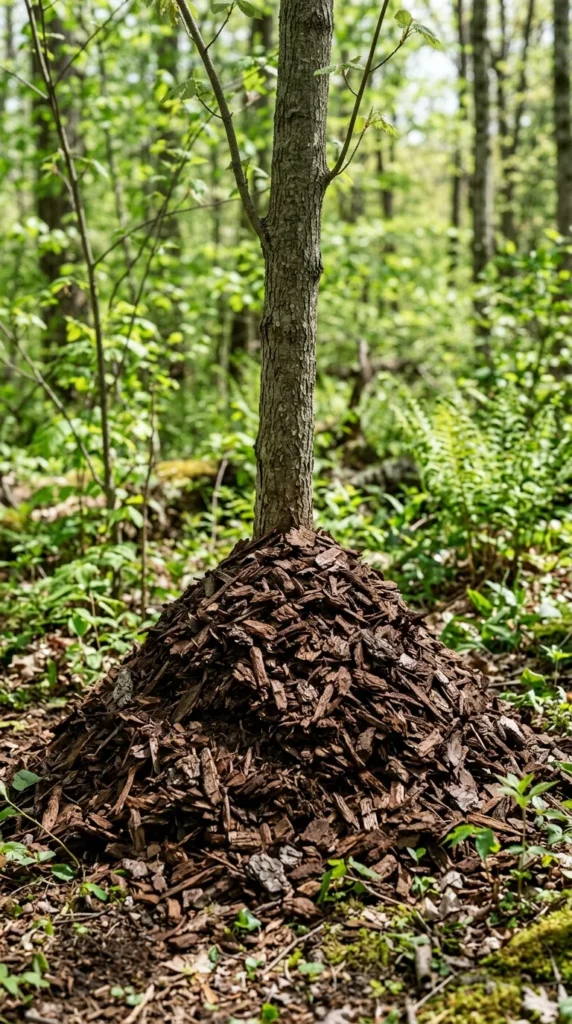
Mulching is essential for moisture retention and weed suppression, but there is such a thing as “too much of a good thing.” A common mistake made during spring and fall cleanups is the “mulch volcano”—piling mulch high against the trunk of a tree or the base of a shrub. This traps moisture against the bark, leading to rot, fungal infections, and providing a cozy home for rodents that will gnaw on the bark.
- The Fix: Use the “donut” method. Spread mulch 2 to 4 inches deep around the plant, but keep it several inches away from the trunk or stems. This allows the flare of the roots to breathe while still providing the benefits of ground cover.
5. Rushing Spring
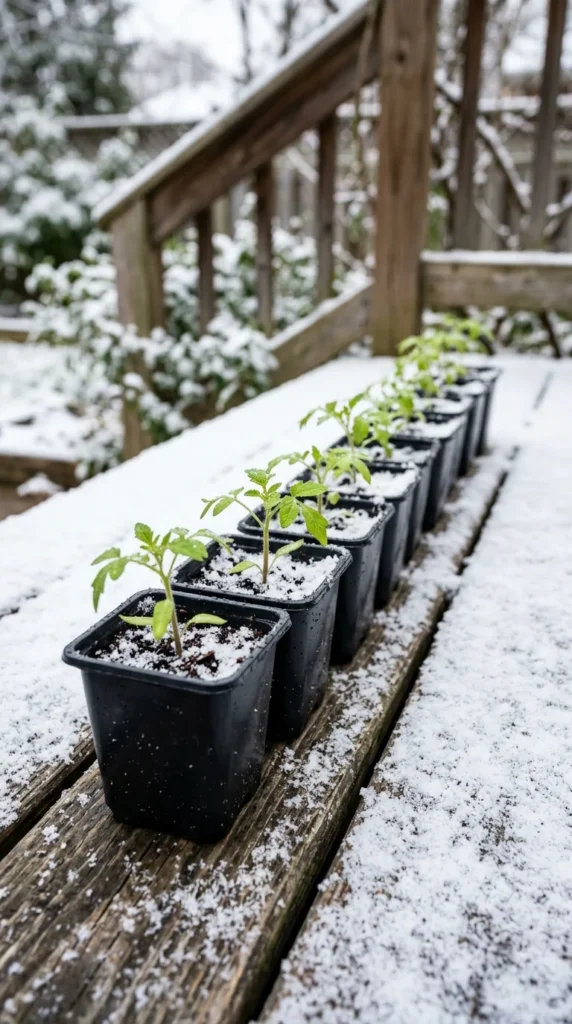
We’ve all been there: the sun comes out in late April, the garden center is packed with beautiful starts, and you fill your cart with tomatoes and peppers. But planting warm-weather crops too early is a recipe for disaster. These plants are native to tropical climates and cannot handle soil temperatures below 60°F (15°C). Even if there isn’t a frost, “chilling injury” can stunt the plant’s growth for the entire season.
- The Fix: Use a soil thermometer. Don’t be fooled by the air temperature; the soil takes much longer to warm up. Be patient and wait until the nighttime temperatures are consistently above 50°F before putting your tender annuals in the ground.
6. Late Fertilizing
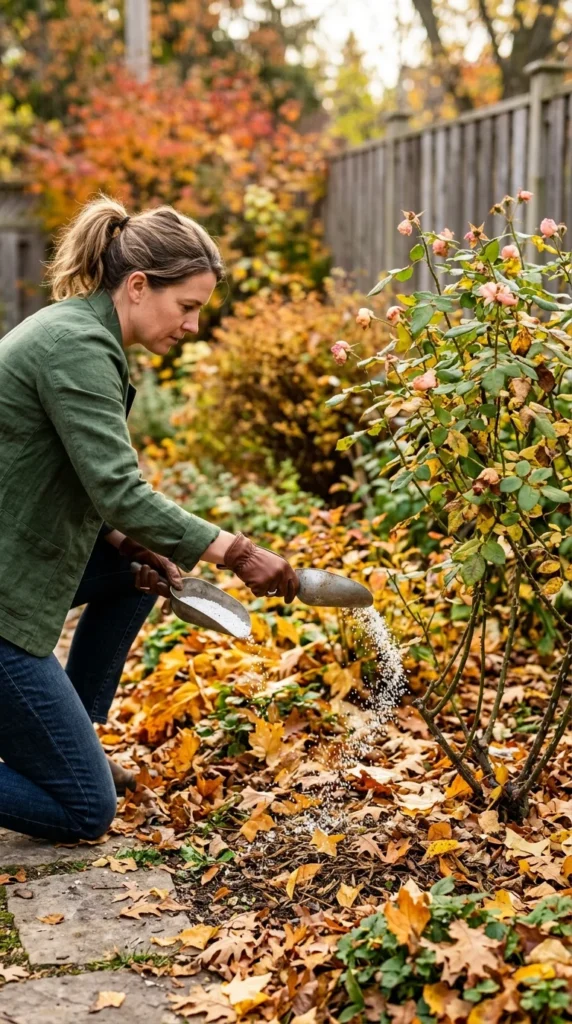
As summer fades into autumn, you might want to give your perennials one last boost of fertilizer. Resist the urge. Fertilizing late in the season encourages a flush of soft, green growth. Unlike the hardened wood of the rest of the plant, this new growth has no protection against the upcoming freezing temperatures. When the first hard freeze hits, this new growth will die back, often taking a portion of the healthy plant with it.
- The Fix: Stop fertilizing most perennials and shrubs by late summer (usually August). Let the plant naturally slow its growth and enter dormancy, which is its built-in survival mechanism for winter.
7. Dull Tools
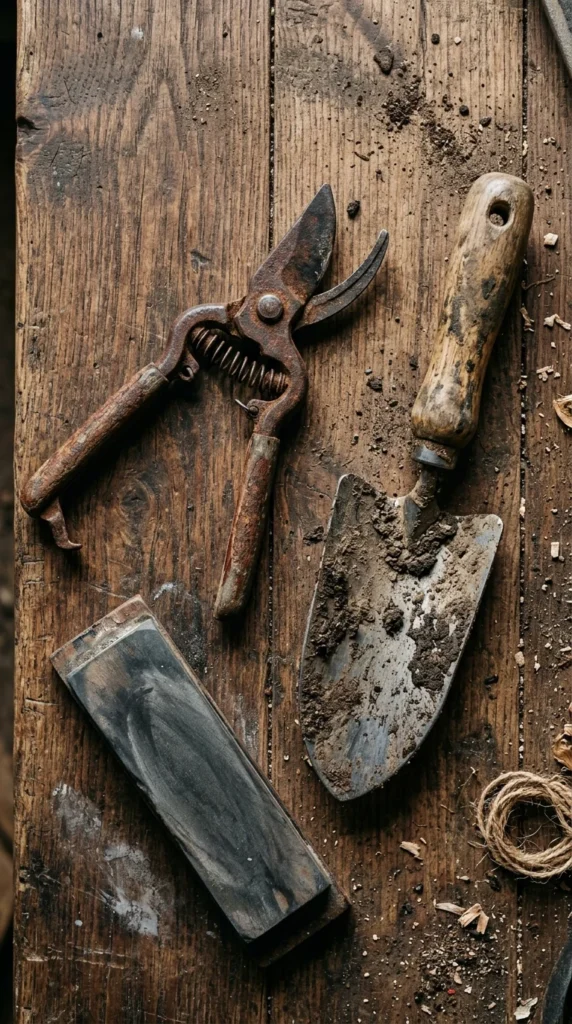
Winter is often seen as the “off-season,” but it’s actually the most important time for tool maintenance. Using dull, rusted shears in the spring doesn’t just make the work harder for you; it hurts the plants. A dull blade crushes the plant tissue rather than slicing it, creating a jagged wound that takes longer to heal and serves as an open door for pests and pathogens.
- The Fix: Dedicate one weekend in January or February to cleaning, sharpening, and oiling your tools. Use a whetstone or a simple file to hone the edges of your pruners, loppers, and even your shovels.
8. Crowded Beds
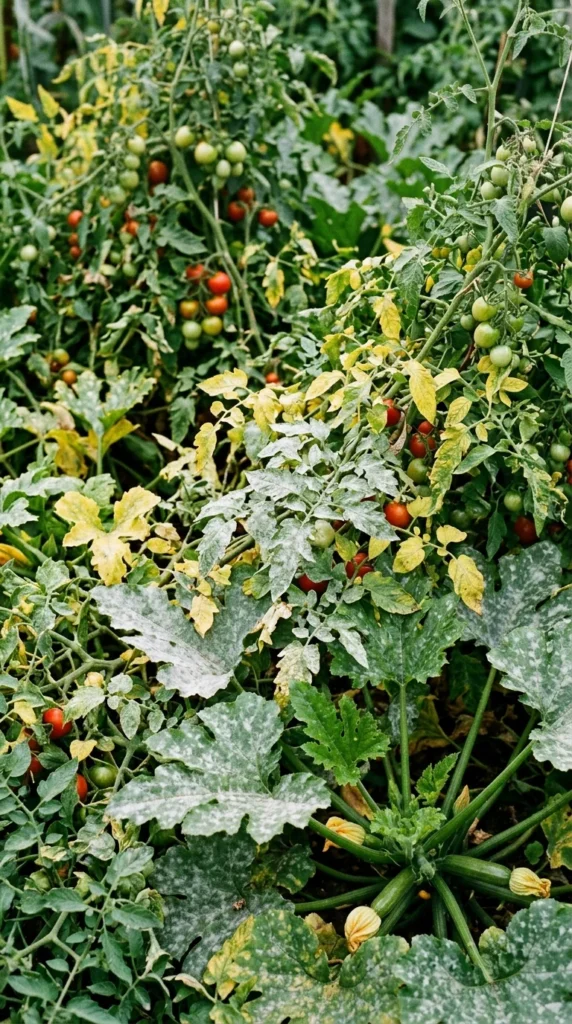
When plants are small in the spring, it’s easy to ignore the spacing instructions on the back of the seed packet. However, by mid-summer, those tiny seedlings will become massive. Overcrowding leads to poor airflow, which is the primary cause of fungal issues like powdery mildew and blight. Furthermore, crowded plants compete for the same pool of nutrients and water, leading to smaller harvests and weaker plants.
- The Fix: Follow the spacing guidelines religiously. It might look sparse in May, but by July, your plants will have the room they need to breathe and thrive. If you’ve already overplanted, don’t be afraid to thin out some seedlings or prune back excess foliage to improve circulation.
9. Wrong Grass
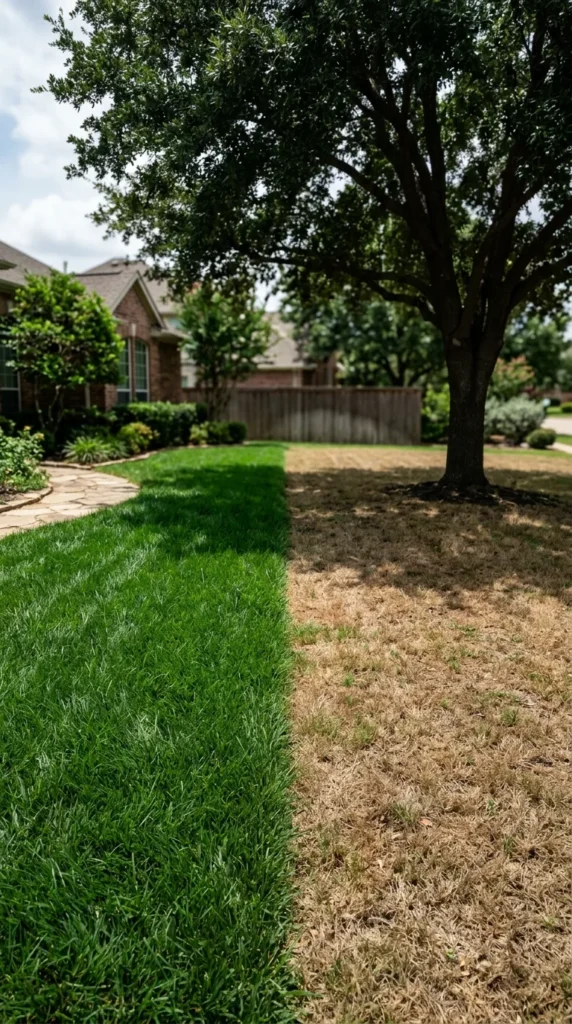
Lawn care is highly seasonal, yet many homeowners apply the same logic to their grass regardless of the species. Planting “cool-season” grass (like Kentucky Bluegrass or Fescue) in the heat of the summer is a waste of money; the seeds will likely bake before they can establish. Conversely, trying to revive a “warm-season” lawn (like Bermuda or Zoysia) in the late fall is equally futile.
- The Fix: Identify your grass type. Seed cool-season grasses in the early fall or very early spring when temperatures are mild. For warm-season grasses, the best time to plant or sod is late spring through early summer when they are entering their peak growth phase.
10. Winter Slumber
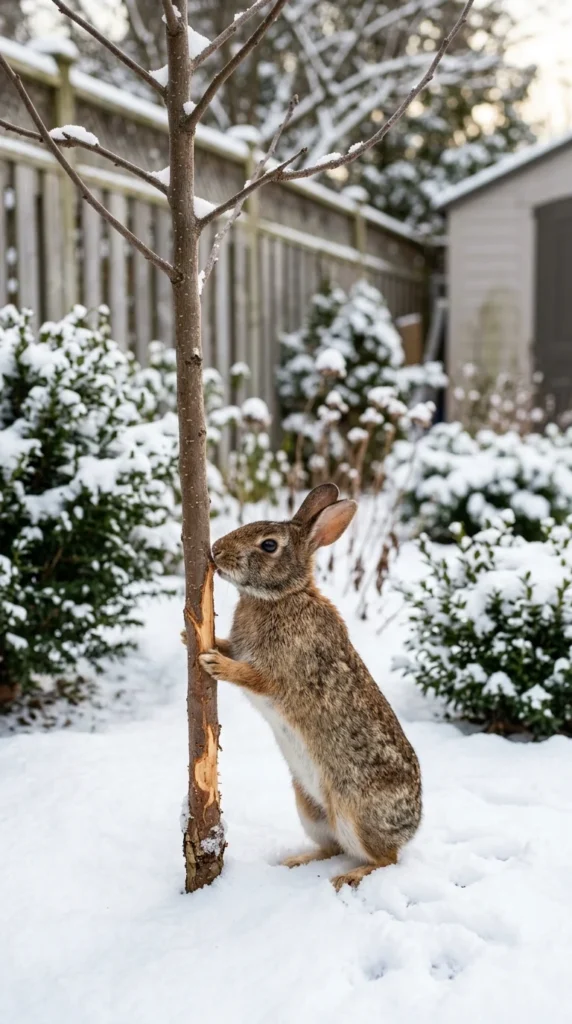
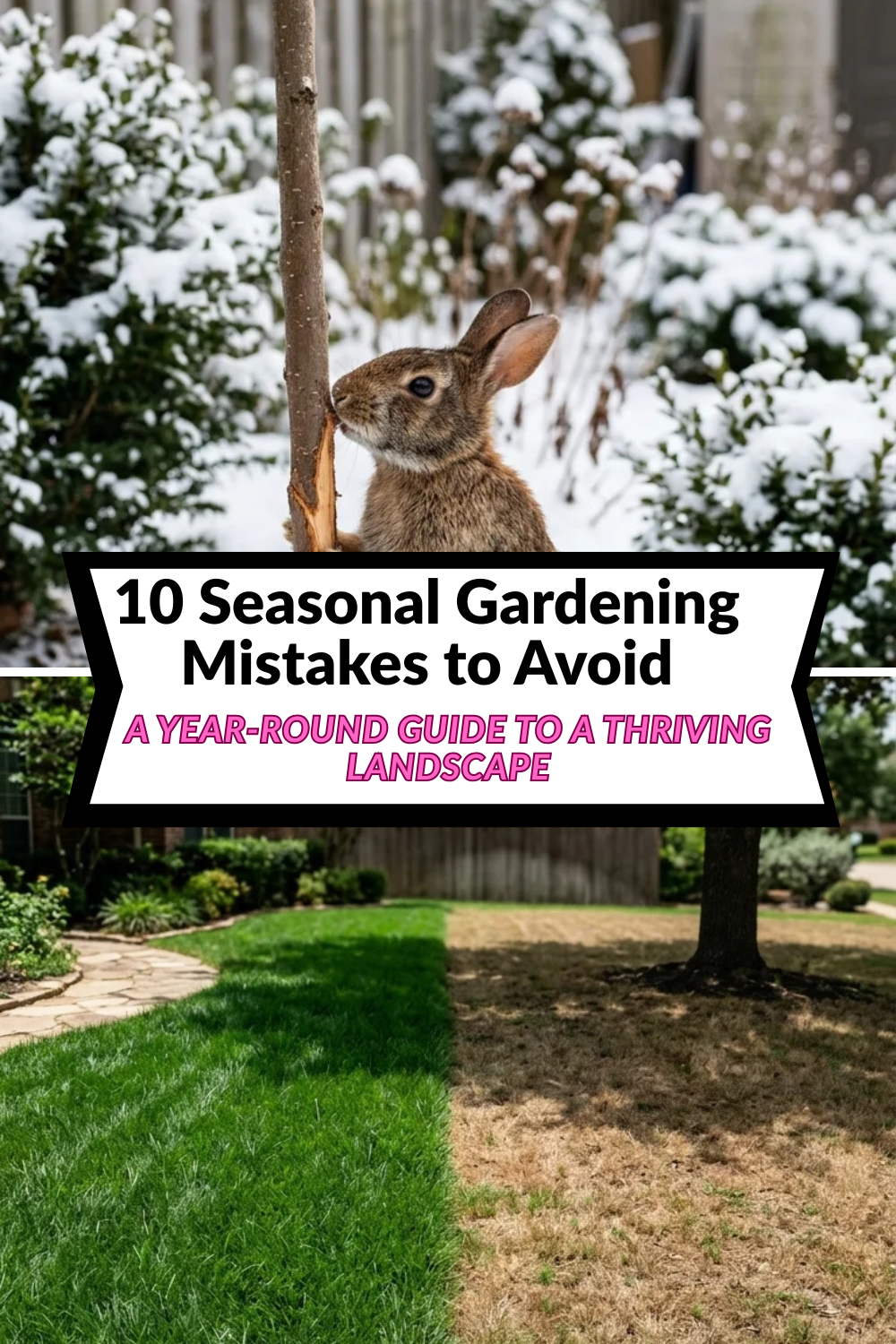
The biggest mistake you can make in the winter is forgetting about your garden entirely. While the plants are dormant, the environment is still active. Cold winds can dehydrate evergreens (a condition called winter burn), and hungry wildlife like rabbits and deer will turn to your prize shrubs and tree bark as a food source when the grass is covered in snow.
- The Fix: Periodically check your garden during the winter. Ensure that young trees have trunk guards to prevent rodent damage. If there is a prolonged dry spell without snow cover, give your evergreens a deep drink on a day when the ground isn’t frozen to prevent desiccation.