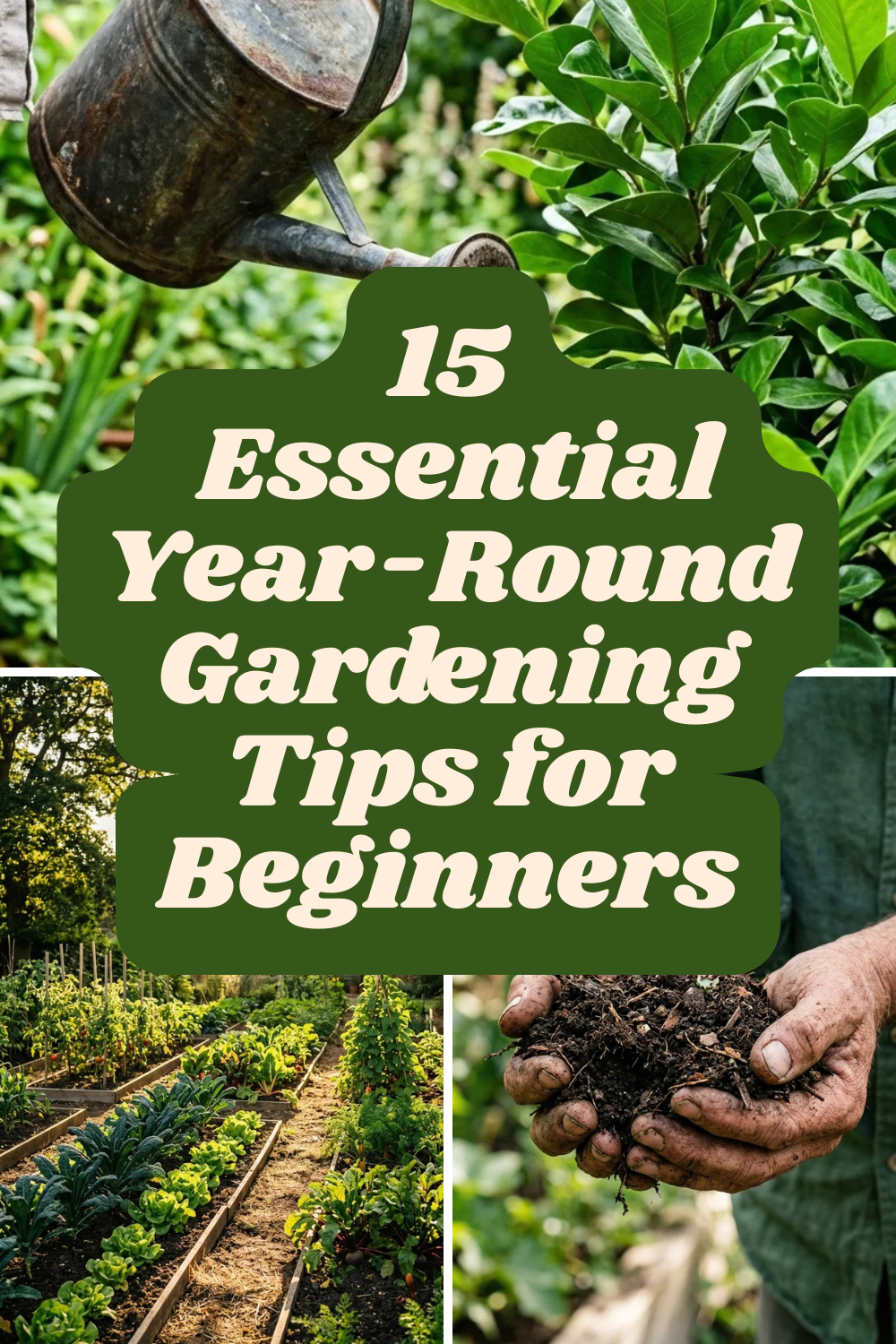
Gardening is a journey of patience, observation, and getting your hands a little dirty. While many people view gardening as a summer-only hobby, the most successful green thumbs know that the secret to a thriving landscape lies in year-round care. Whether you are working with a sprawling backyard or a few pots on a balcony, these fifteen tips will help you navigate the changing seasons and keep your garden healthy and productive through every month of the year.
1. Soil Quality
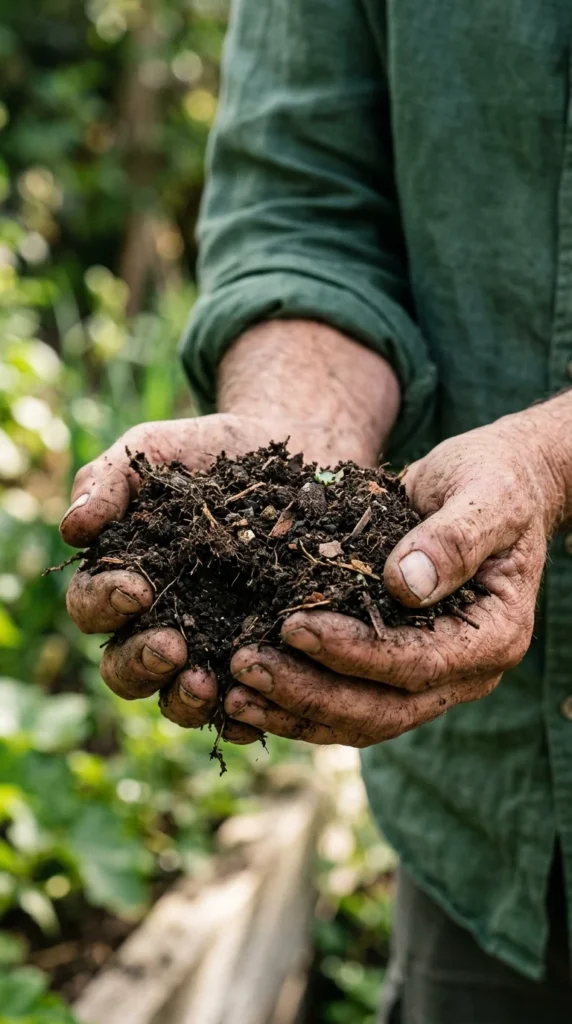
The foundation of any great garden is the soil. Beginners often make the mistake of focusing solely on the plants, but you are actually “growing” the soil first. Healthy soil is a living ecosystem full of beneficial microbes, fungi, and nutrients.
- Test Your Soil: Use a DIY kit to check pH levels and nutrient content.
- Amend Regularly: Add organic matter like aged manure or leaf mold to improve texture.
- Aeration: Avoid stepping on your garden beds to prevent compaction, which suffocates roots.
2. Sunlight Mapping
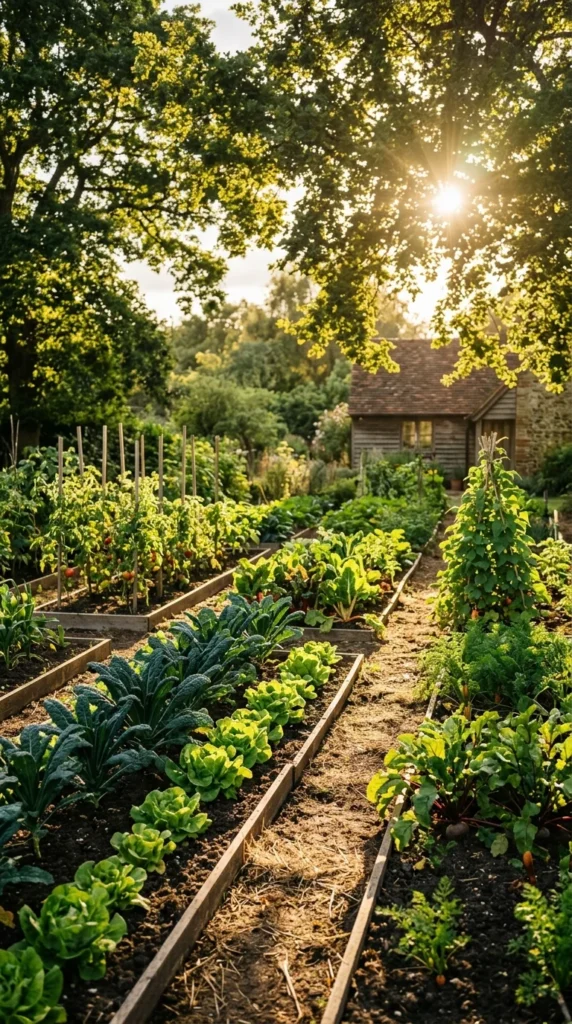
Understanding how the sun moves across your property is crucial. A spot that is bathed in light during July might be in total shade by October as the sun’s angle changes.
- Observe Patterns: Spend a full day tracking where shadows fall every few hours.
- Full Sun vs. Shade: Most vegetables need at least 6-8 hours of direct light, while many leafy greens can tolerate partial shade.
- Seasonal Shifts: Remember that deciduous trees lose their leaves, allowing more light into certain areas during winter.
3. Seasonal Planning
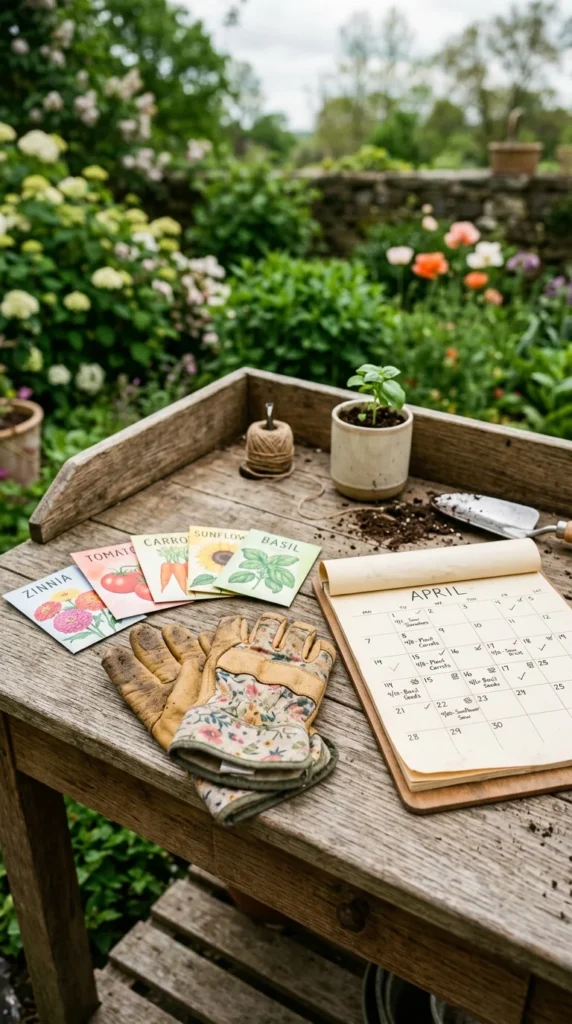
Success in gardening requires a roadmap. Without a plan, you might find yourself overwhelmed in the spring and left with an empty garden in the autumn.
- Create a Calendar: Mark dates for “last frost” and “first frost” for your specific zone.
- Stagger Planting: Don’t plant everything at once. Space out your seed sowing to ensure a continuous harvest.
- Research Varieties: Choose early-season, mid-season, and late-season varieties of your favorite crops.
4. Deep Watering
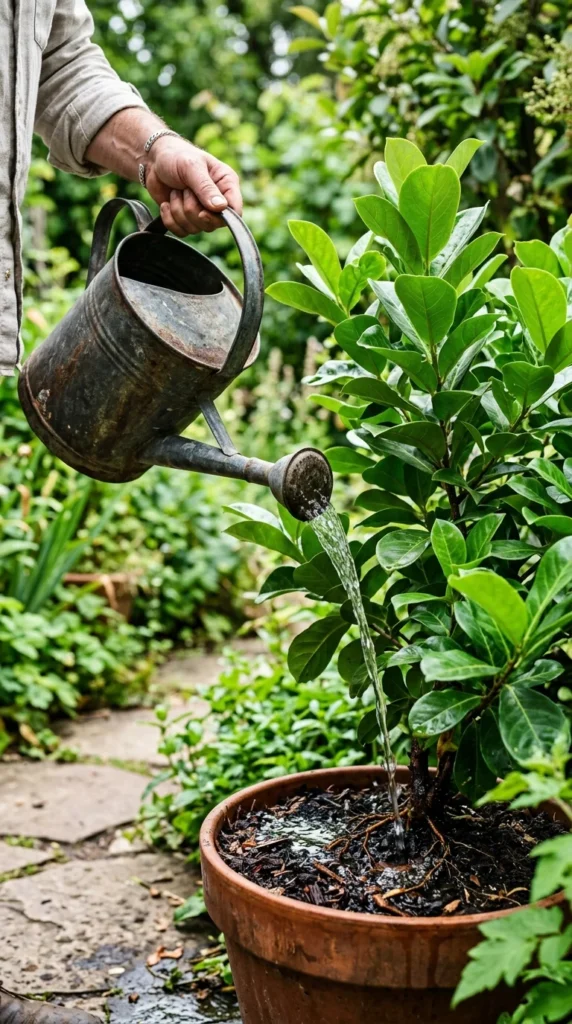
Watering correctly is an art form. Shallow watering encourages roots to stay near the surface, making them vulnerable to heat and drought.
- Water the Base: Avoid wetting the leaves, which can lead to fungal diseases.
- Morning Routine: The best time to water is early morning before the heat of the sun causes evaporation.
- Consistency: Use a finger test; if the top inch of soil is dry, it’s time to water.
5. Native Species
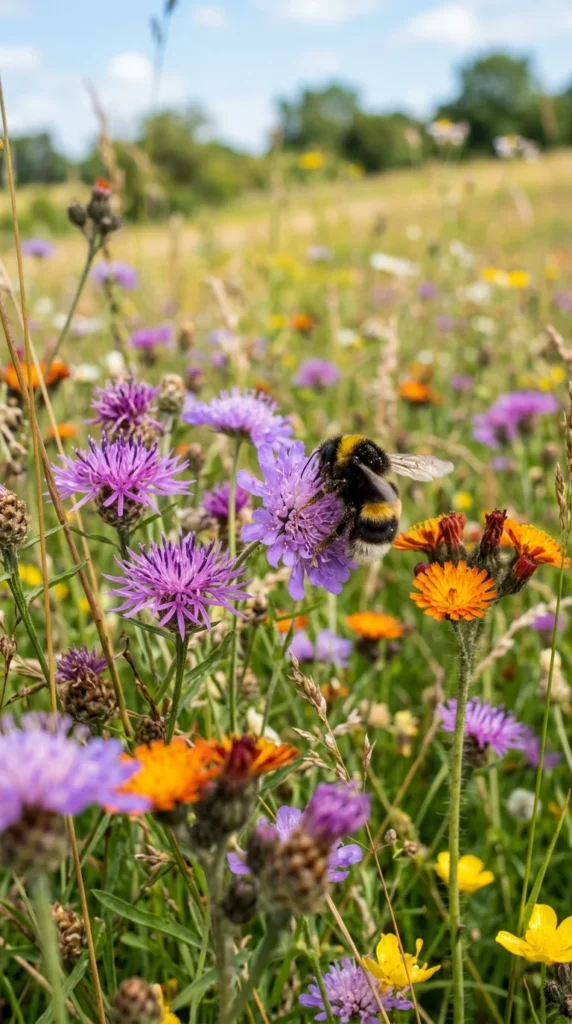
One of the easiest ways to ensure success is to work with nature rather than against it. Native plants are adapted to your local climate and soil conditions.
- Lower Maintenance: Natives typically require less water and fewer fertilizers once established.
- Support Pollinators: These plants provide essential food and habitat for local bees, butterflies, and birds.
- Hardiness: They are more likely to survive extreme weather events typical for your region.
6. Composting Basics
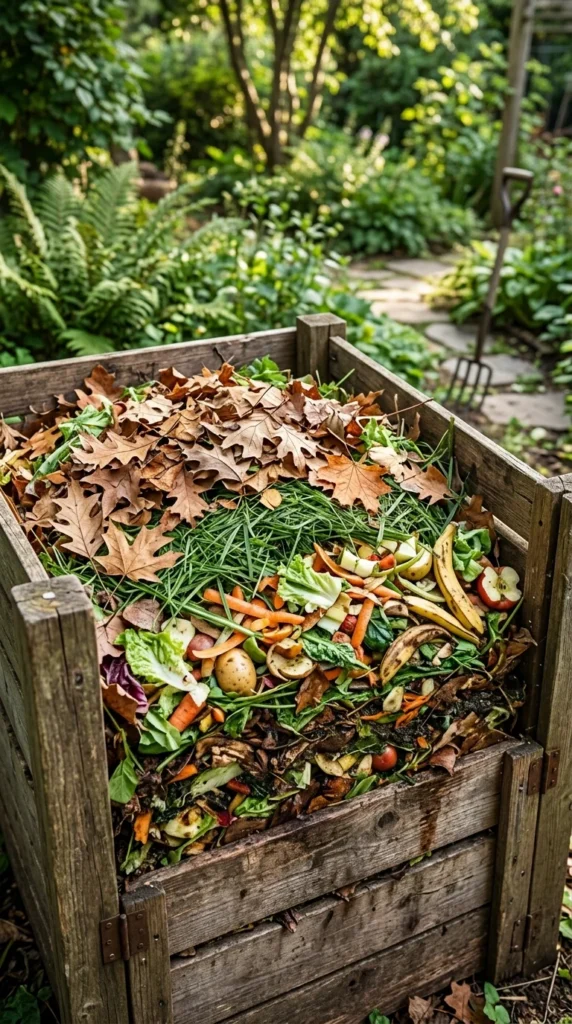
Think of compost as “black gold” for your garden. It recycles kitchen and yard waste into the most potent fertilizer available.
- The Mix: Aim for a balance of “greens” (nitrogen-rich food scraps) and “browns” (carbon-rich dried leaves or cardboard).
- Air and Moisture: Turn your pile regularly to provide oxygen, and keep it as damp as a wrung-out sponge.
- Patience: It can take several months for waste to transform into usable compost.
7. Mulching Mastery
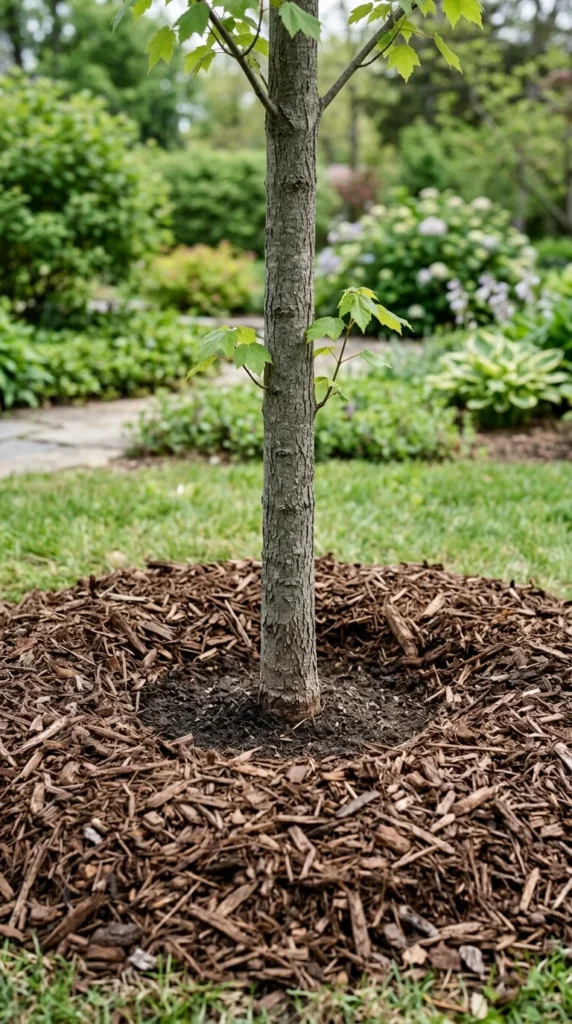
Mulch is the blanket that protects your soil. It is one of the most effective tools for year-round garden health.
- Moisture Retention: Mulch prevents the sun from baking the moisture out of the earth.
- Weed Suppression: A thick layer of mulch blocks light from reaching weed seeds.
- Temperature Regulation: It keeps roots cool in the summer and provides insulation against the winter freeze.
8. Seed Starting
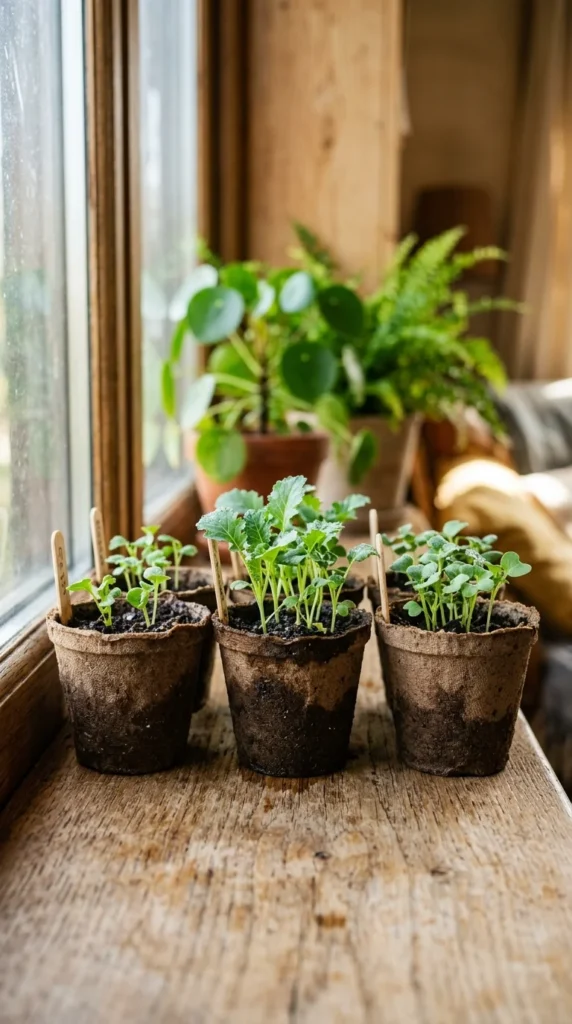
Starting seeds indoors gives you a head start on the growing season and allows you to grow varieties not found at local nurseries.
- Light Requirements: Use a dedicated grow light if your windows don’t provide enough direct sun.
- Drainage: Ensure your seed trays have holes to prevent root rot.
- Hardening Off: Gradually introduce indoor seedlings to the outdoors over a week to prevent transplant shock.
9. Tool Care
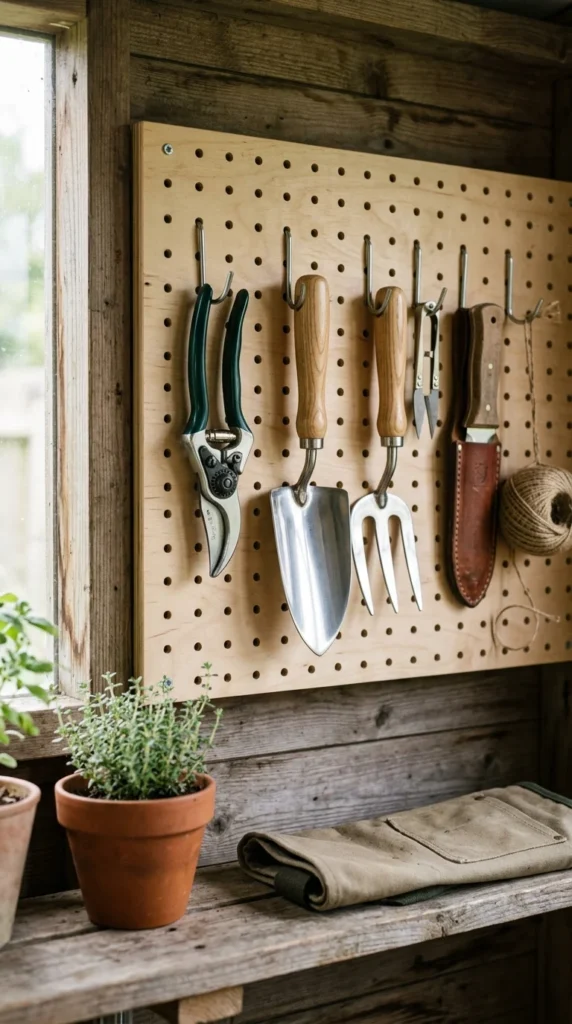
Your tools are an extension of your hands. Keeping them in good condition makes gardening easier and prevents the spread of disease.
- Sharpening: Dull blades crush stems rather than cutting them, which stresses the plant.
- Cleaning: Wipe tools down after each use to remove soil and sap.
- Sanitization: If you’ve been pruning a diseased plant, dip your shears in a bleach solution before moving to the next one.
10. Succession Planting
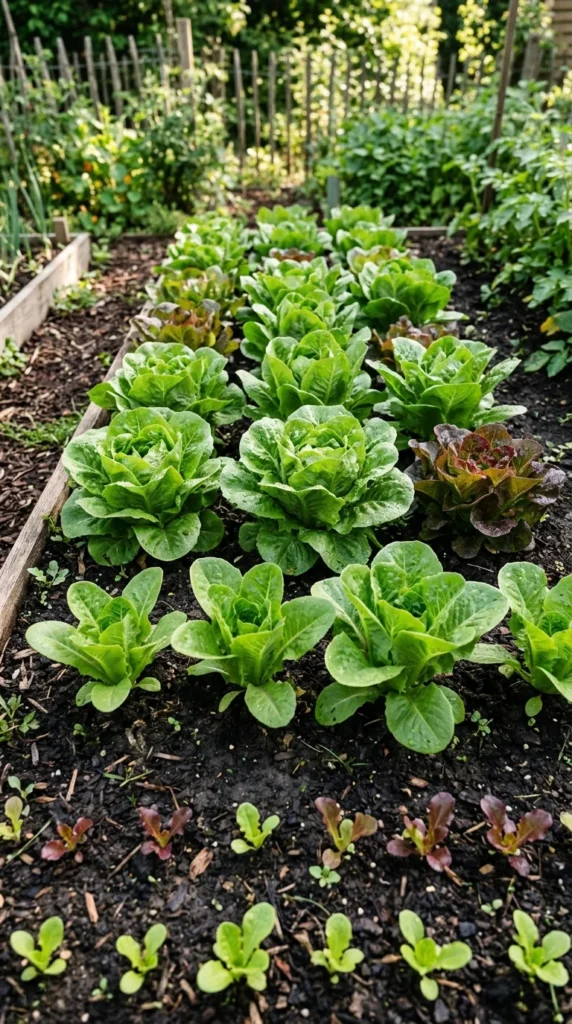
To maximize your harvest, never leave a patch of soil empty. Succession planting ensures that as one crop finishes, another is ready to take its place.
- Quick Crops: Follow short-season crops like radishes or spinach with longer-season crops like beans.
- Relay Planting: Plant a new row of the same crop every two weeks.
- Vertical Space: Use trellises for climbing plants to free up ground space for smaller greens.
11. Natural Deterrents
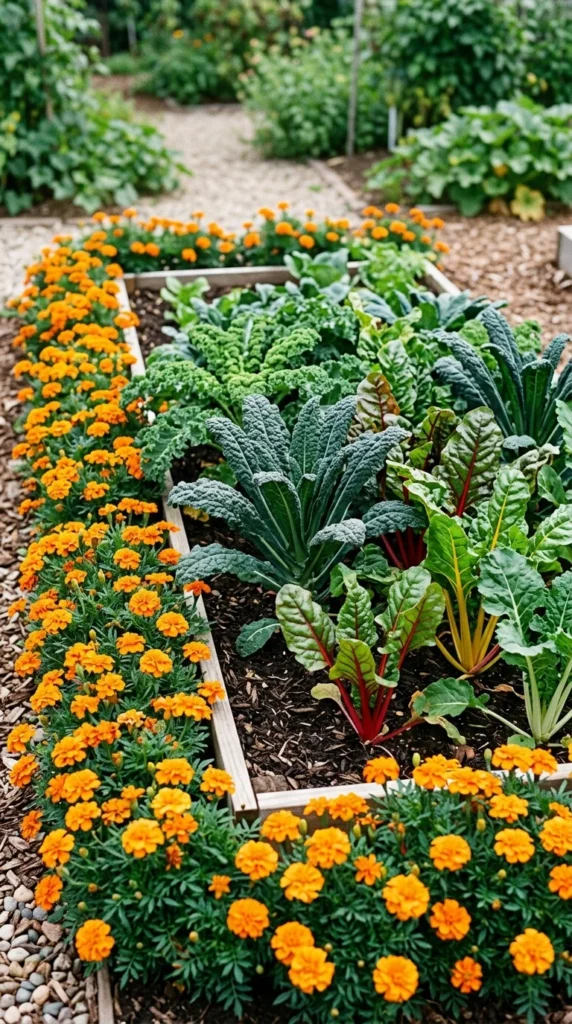
Instead of reaching for harsh chemicals, use biological and physical methods to manage pests.
- Companion Planting: Certain plants, like marigolds and garlic, naturally repel harmful insects.
- Hand-Picking: Often, the most effective pest control is simply picking off hornworms or beetles by hand.
- Barriers: Use fine netting or row covers to prevent insects from laying eggs on your crops.
12. Utilizing Microclimates
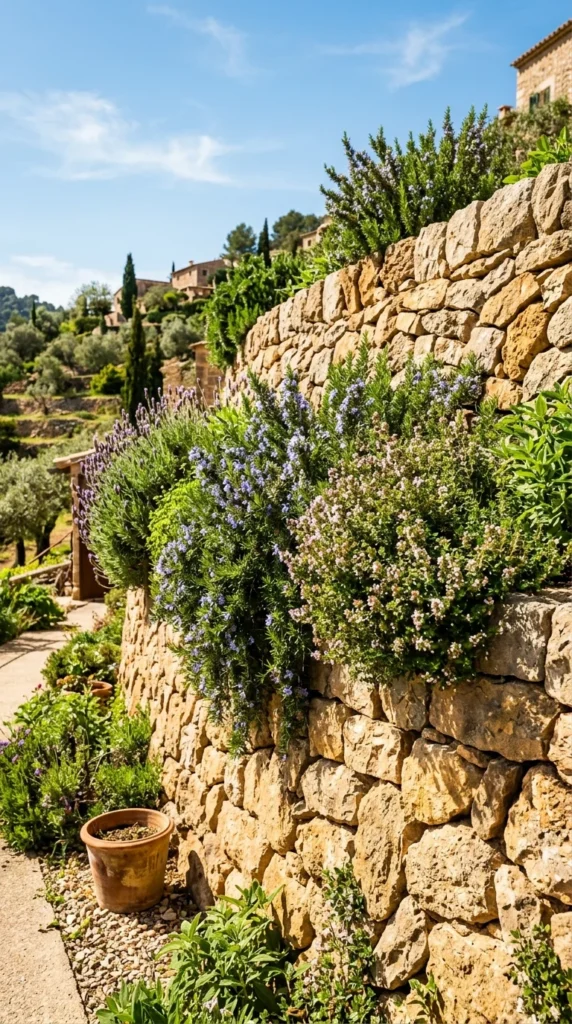
Every garden has small areas where the temperature and humidity differ from the rest of the yard.
- Thermal Mass: Stone walls or concrete paths absorb heat during the day and release it at night, creating a warmer zone.
- Windbreaks: Hedges or fences can protect delicate plants from chilling winds.
- Low Spots: Be aware that cold air settles in low-lying areas, creating “frost pockets.”
13. Strategic Pruning
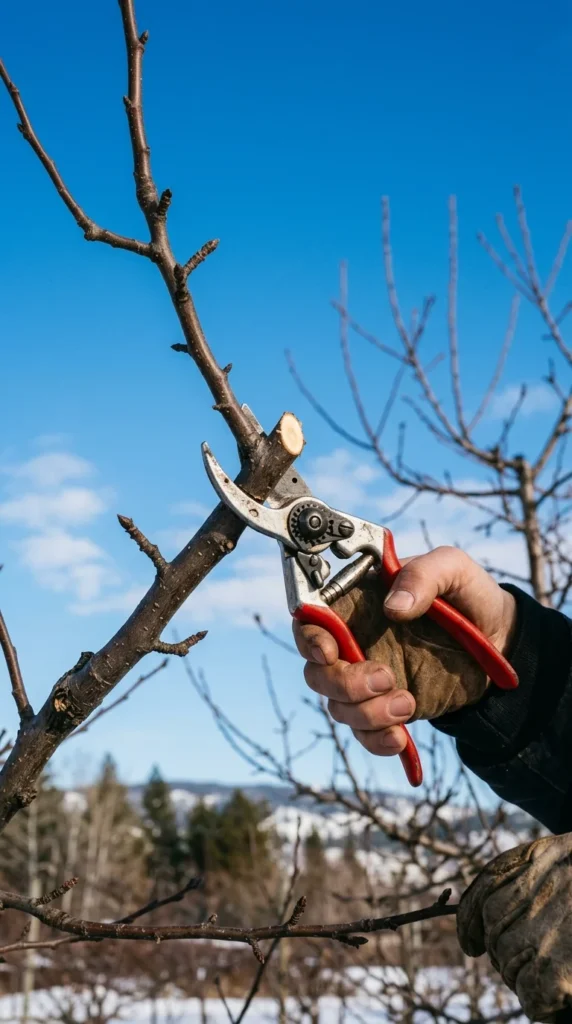
Pruning isn’t just about shaping; it’s about health and vigor. Removing the right branches at the right time encourages better fruit and flower production.
- The Three D’s: Always remove branches that are Dead, Damaged, or Diseased.
- Timing: Most woody plants should be pruned in late winter or early spring before new growth begins.
- Airflow: Thin out the center of shrubs to allow air to circulate, reducing the risk of mildew.
14. Winter Protection
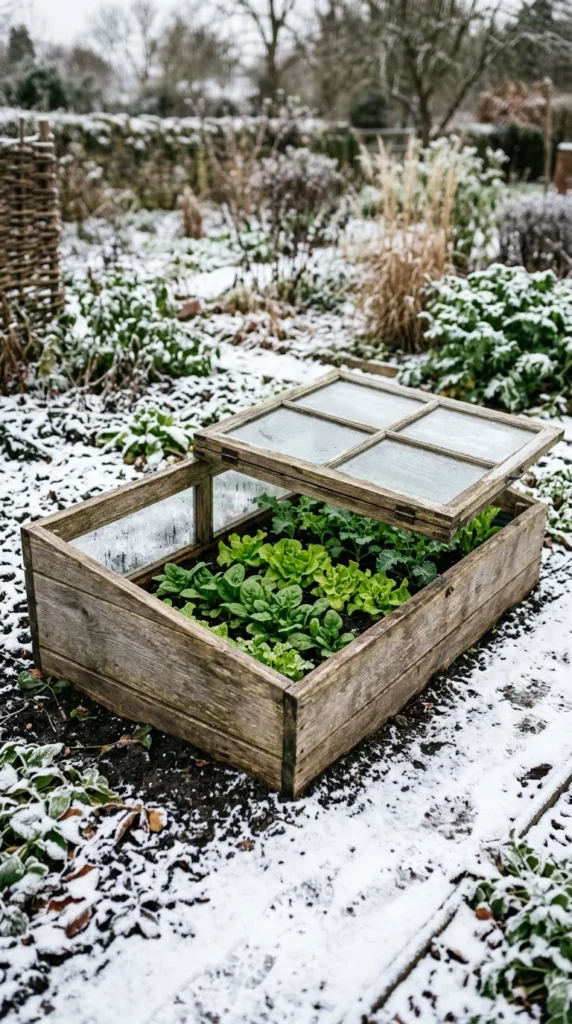
The garden doesn’t have to die when the temperature drops. With a little protection, you can harvest cold-hardy vegetables well into winter.
- Cold Frames: These mini-greenhouses use solar energy to keep plants several degrees warmer than the outside air.
- Frost Blankets: Lightweight fabrics can be thrown over plants during unexpected cold snaps.
- Heavy Mulching: For root crops like carrots or parsnips, a thick layer of straw allows you to dig them up even when the ground is frozen.
15. Garden Journaling
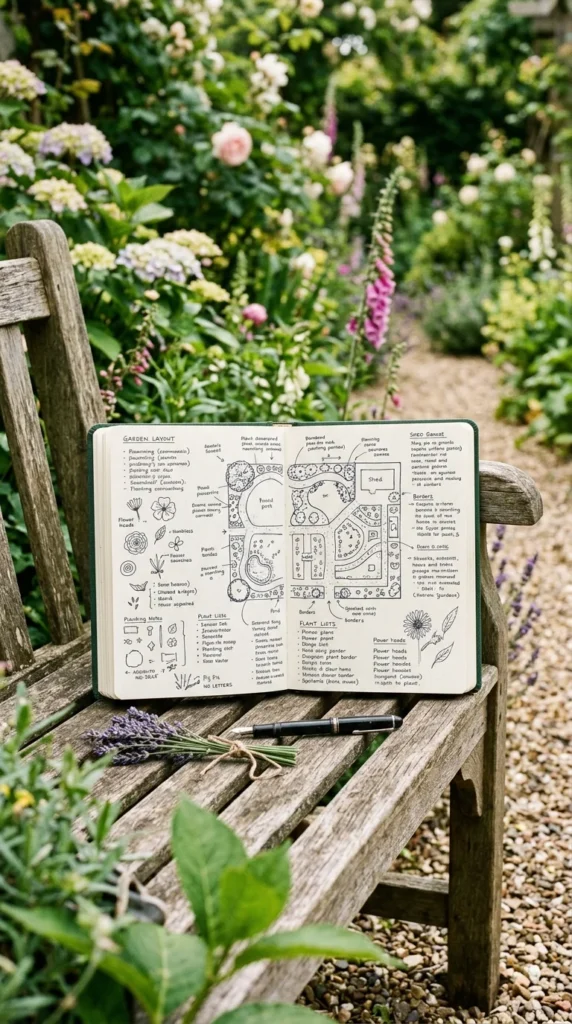
The best tool a gardener owns is their memory, but a journal is a close second. Documentation allows you to learn from your successes and failures.
- Track Dates: Note when you planted, when seeds germinated, and when you harvested.
- Weather Notes: Record unusual weather events like late frosts or heatwaves.
- Sketching: Draw your garden layout each year to ensure you are rotating crops and not planting the same family in the same spot twice.