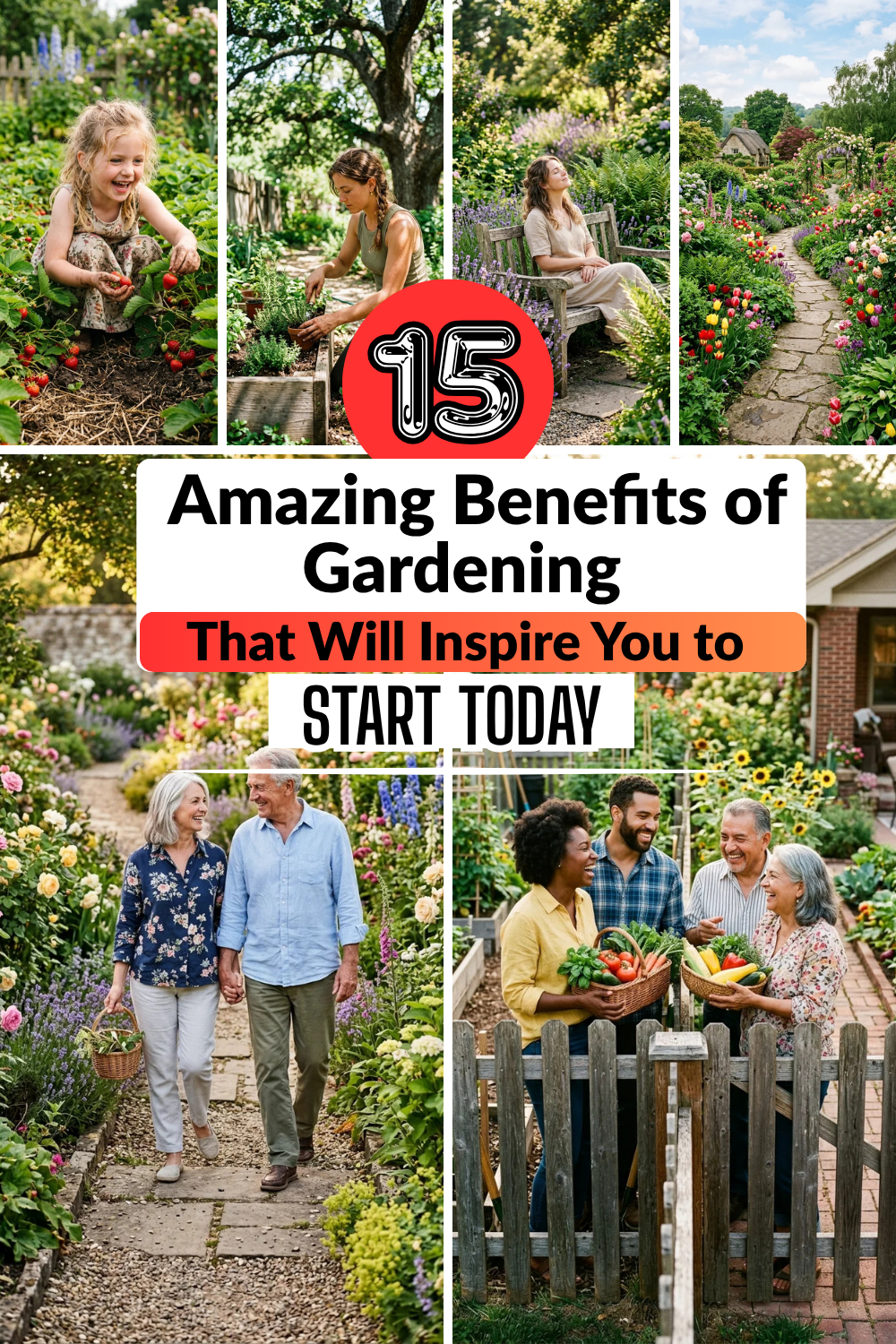
Gardening is often viewed as a quiet hobby for retirees or a chore for those with large lawns, but it is actually one of the most comprehensive and rewarding lifestyle choices a person can make. Whether you have a vast rural acreage or a few pots on a high-rise balcony, the act of nurturing a plant from seed to harvest offers a profound connection to the natural world. In recent years, scientific research has begun to catch up with what gardeners have known for centuries: digging in the dirt is transformative for the body, mind, and soul.
1. Physical Fitness
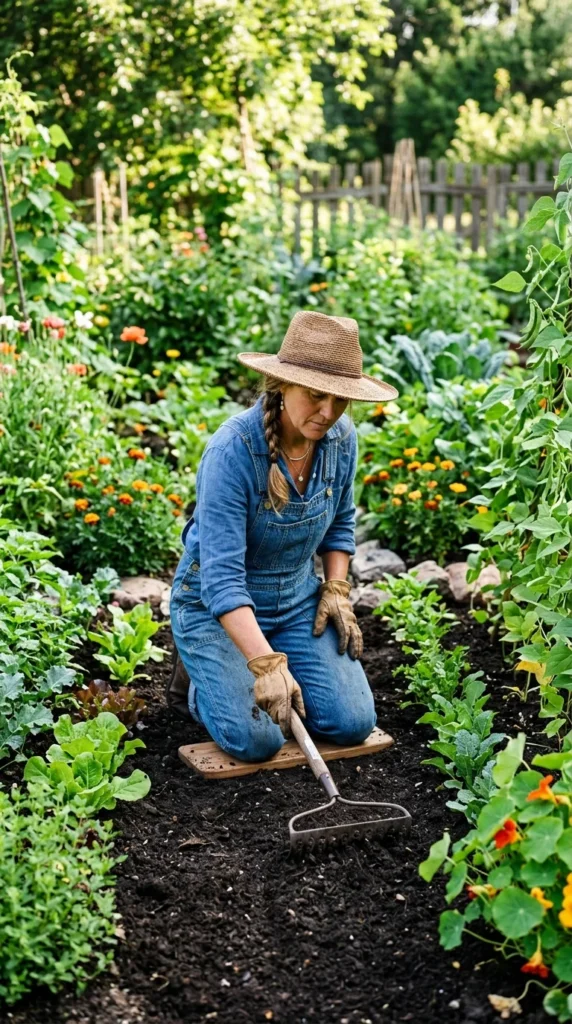
Gardening is a full-body workout masquerading as a leisure activity. Digging, planting, weeding, and hauling mulch require significant physical exertion that engages multiple muscle groups. It involves functional movements like squatting, lunging, and reaching, which improve flexibility and core strength. According to health experts, an hour of heavy gardening can burn between 300 and 450 calories, making it an excellent way to maintain a healthy weight without the monotony of a treadmill.
2. Stress Reduction
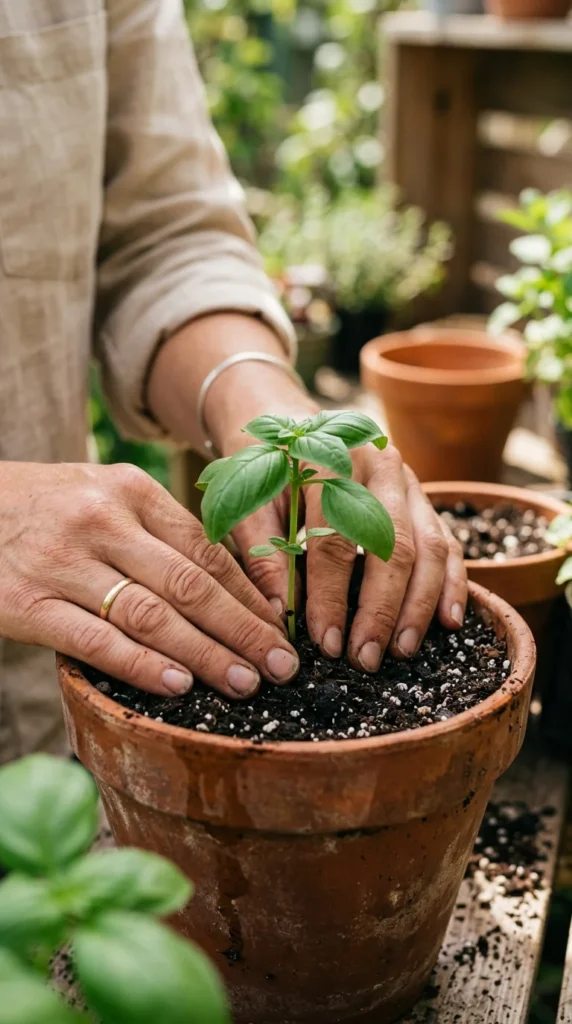
The therapeutic power of “horticultural therapy” is well-documented. Spending time in a green space lowers cortisol levels—the hormone responsible for stress. The rhythmic nature of tasks like weeding or deadheading flowers allows the mind to enter a flow state, where worries about work or finances fade into the background. The sights, sounds, and smells of a garden provide a sensory experience that grounds the individual in the present moment, offering a natural reprieve from the anxieties of modern life.
3. Nutritious Harvests
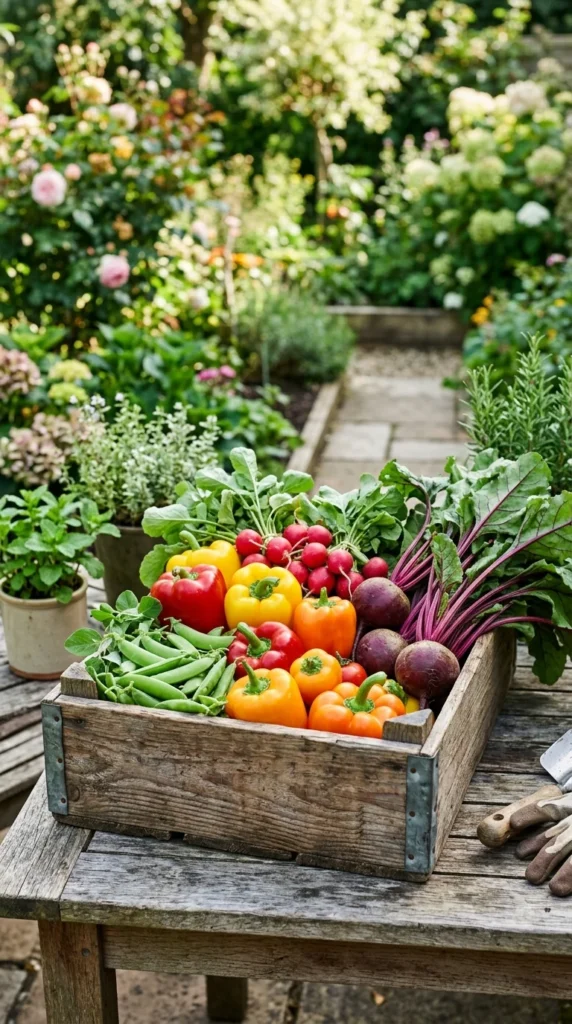
When you grow your own food, you have total control over what goes into it. Homegrown vegetables are often more nutrient-dense than store-bought counterparts because they are harvested at their peak ripeness and eaten immediately. There are no long-haul shipping times or chemical preservatives involved. Furthermore, the flavor of a sun-warmed tomato picked straight from the vine is incomparable to anything found in a supermarket aisle, encouraging a diet rich in fiber and vitamins.
4. Vitamin D

Sunlight exposure is the primary way our bodies produce Vitamin D, which is essential for bone health and a robust immune system. While it is important to wear sunscreen, spending moderate amounts of time in the garden ensures you are getting your daily dose of the “sunshine vitamin.” This can lead to improved calcium absorption and a lower risk of chronic illnesses. Just twenty minutes of gardening in the morning sun can significantly boost your mood and metabolic health.
5. Mental Mindfulness
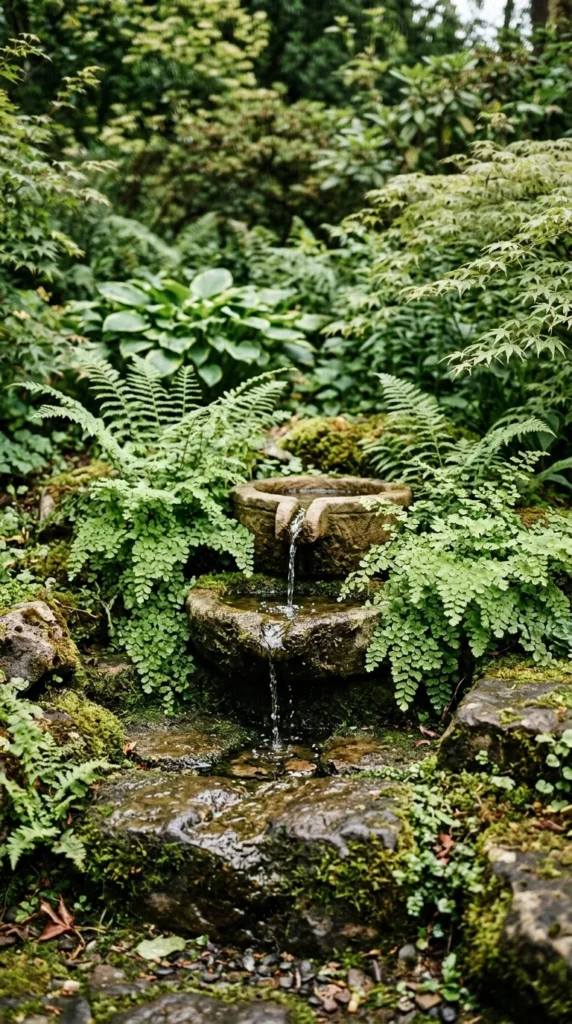
Gardening forces us to slow down. In a world of instant gratification and digital distractions, plants operate on a different timeline. Observing the slow transition from a bud to a bloom teaches mindfulness—the practice of being fully present. It encourages a “soft fascination” that allows the brain to recover from the “directed attention fatigue” caused by screens and urban environments. This mental reset is vital for long-term psychological well-being.
6. Immune Support
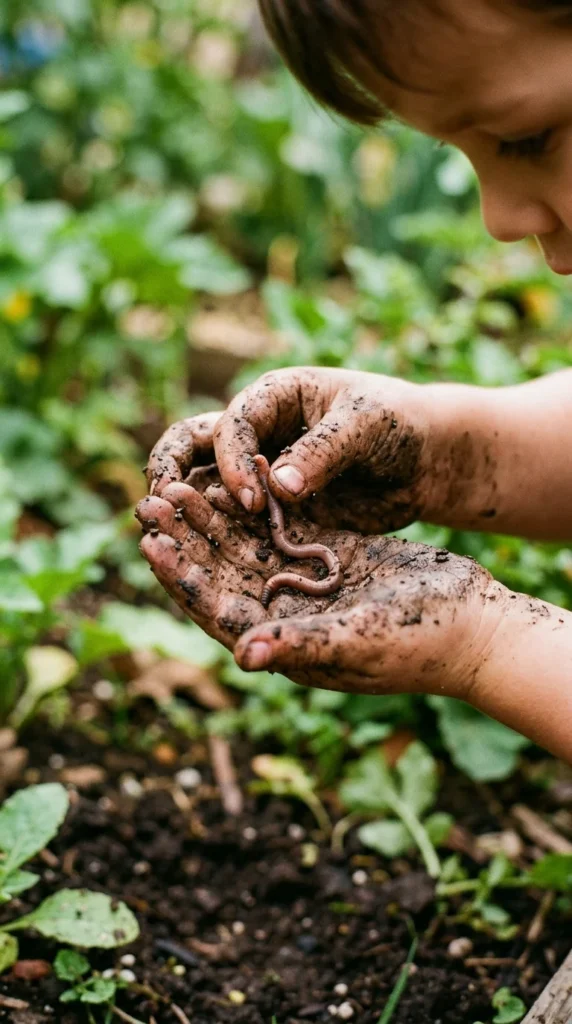
Believe it or not, getting dirty is good for you. Soil contains a friendly bacterium called Mycobacterium vaccae, which has been shown to stimulate the immune system and even increase serotonin levels in the brain. Exposure to a diverse range of environmental microbes through gardening can help “train” the immune system, potentially reducing the risk of allergies and asthma. The “hygiene hypothesis” suggests that our modern, sterile environments may be doing us a disservice, and the garden is the perfect place to reconnect with beneficial bacteria.
7. Better Sleep
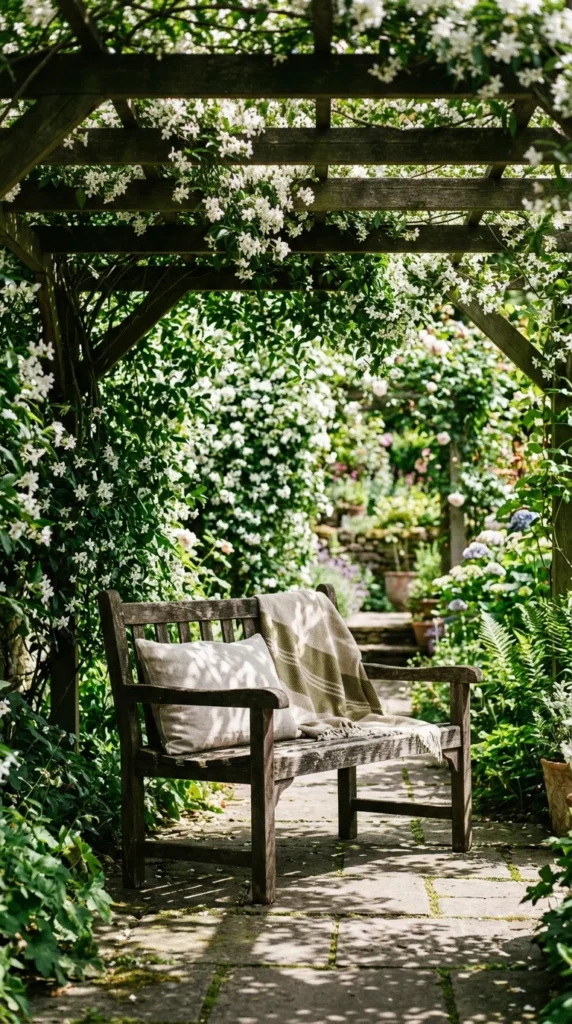
The combination of physical labor, fresh air, and exposure to natural light helps regulate the body’s circadian rhythm. People who garden regularly often find they fall asleep faster and enjoy a deeper, more restorative sleep. The physical tiredness resulting from a day of yard work is a “good tired” that signals to the brain it’s time to shut down and recover, leading to improved cognitive function and energy levels the following day.
8. Cognitive Health
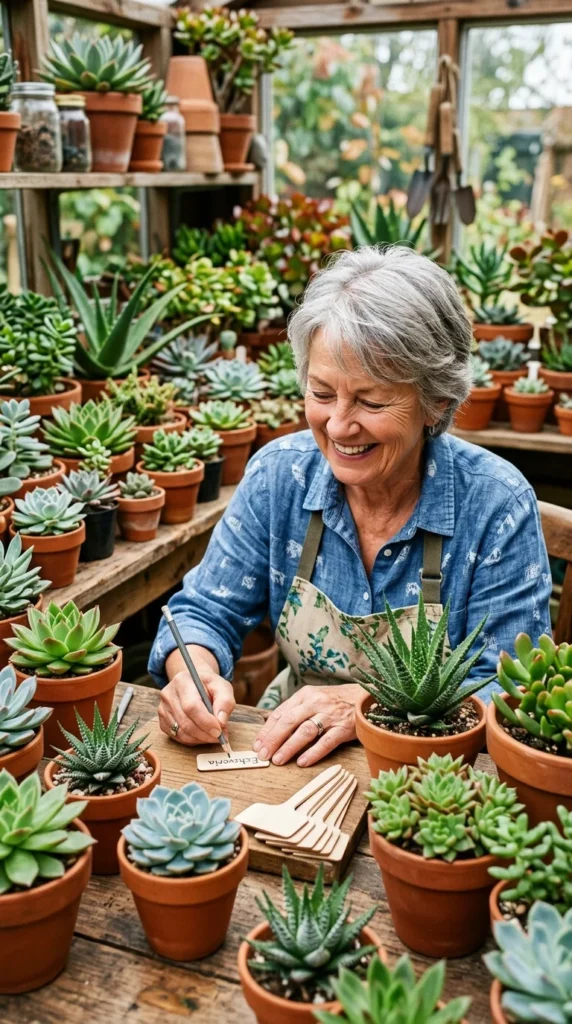
Research has indicated that gardening can significantly lower the risk of dementia and Alzheimer’s disease. The complex tasks involved in gardening—such as planning a planting schedule, identifying different species, and using fine motor skills—keep the brain active and engaged. It requires problem-solving and sensory awareness, which helps maintain neural pathways. For many, the garden provides a sense of purpose and a structured routine, which is crucial for maintaining mental acuity as we age.
9. Environmental Impact
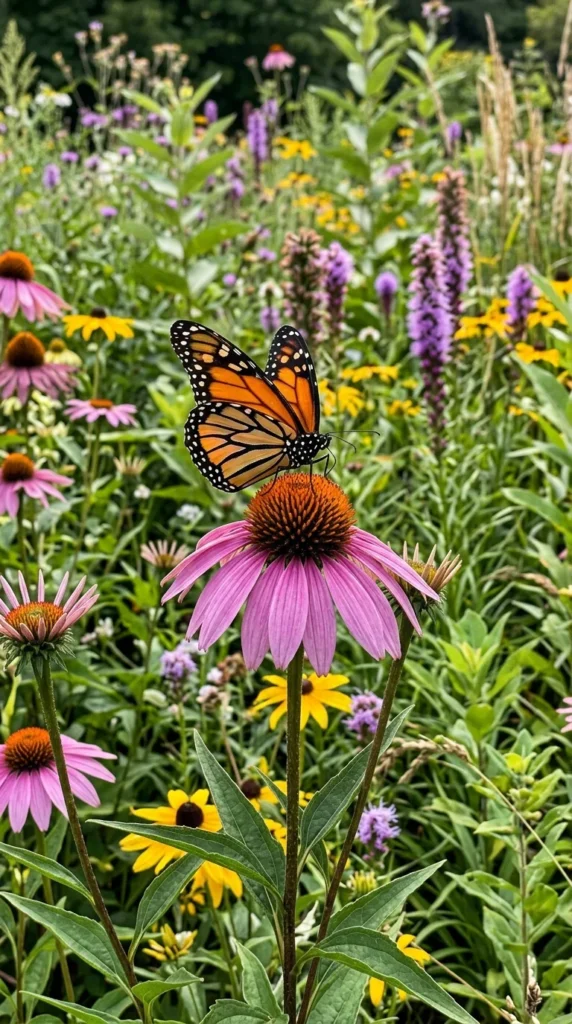
Your garden is a mini-ecosystem. By planting native species and avoiding harsh pesticides, you provide a sanctuary for essential pollinators like bees, butterflies, and birds. Gardening also helps reduce your carbon footprint by minimizing the “food miles” associated with your diet. Additionally, plants act as natural air filters, absorbing carbon dioxide and releasing oxygen, while garden soil helps manage rainwater runoff, preventing erosion and filtering pollutants before they reach local waterways.
10. Self-Esteem

There is a unique sense of accomplishment that comes from successfully raising a plant. For beginners, seeing the first green sprout emerge from the dirt provides a massive boost in confidence. This “nurturing instinct” and the tangible results of your labor foster a sense of self-worth. Whether it’s a beautiful flower arrangement for your dining table or a basket of potatoes for a family dinner, the garden provides constant opportunities to feel proud of your hard work.
11. Patience and Resilience
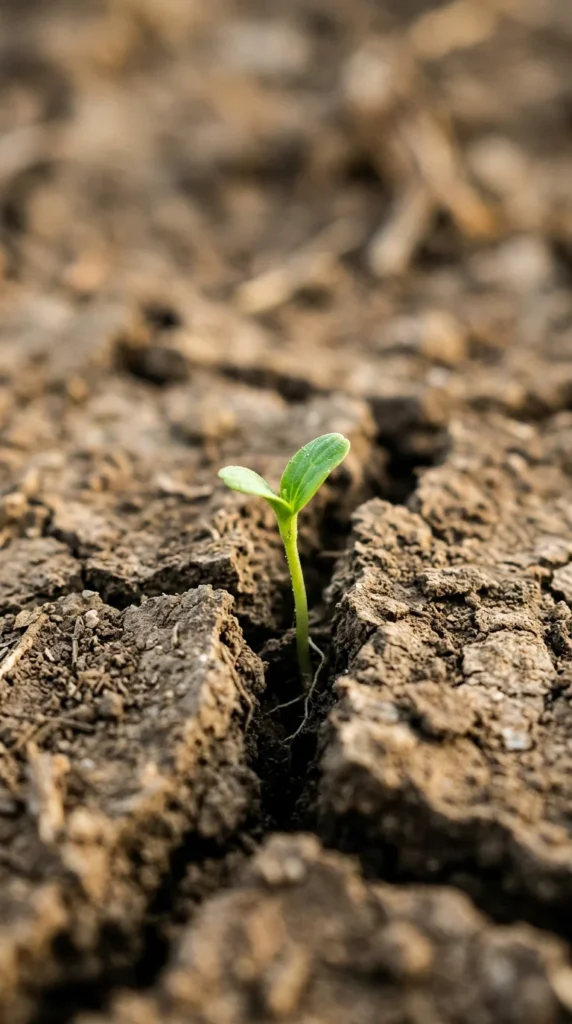
Nature does not hurry, yet everything is accomplished. Gardening is an exercise in patience; you cannot force a pepper to ripen or a seed to germinate faster than it is meant to. It also teaches resilience. Some years, the pests win, or a late frost kills the seedlings. Gardeners learn to accept these setbacks, troubleshoot the issues, and try again next season. This “growth mindset” is a valuable life skill that translates to professional and personal challenges outside the garden.
12. Community Connection
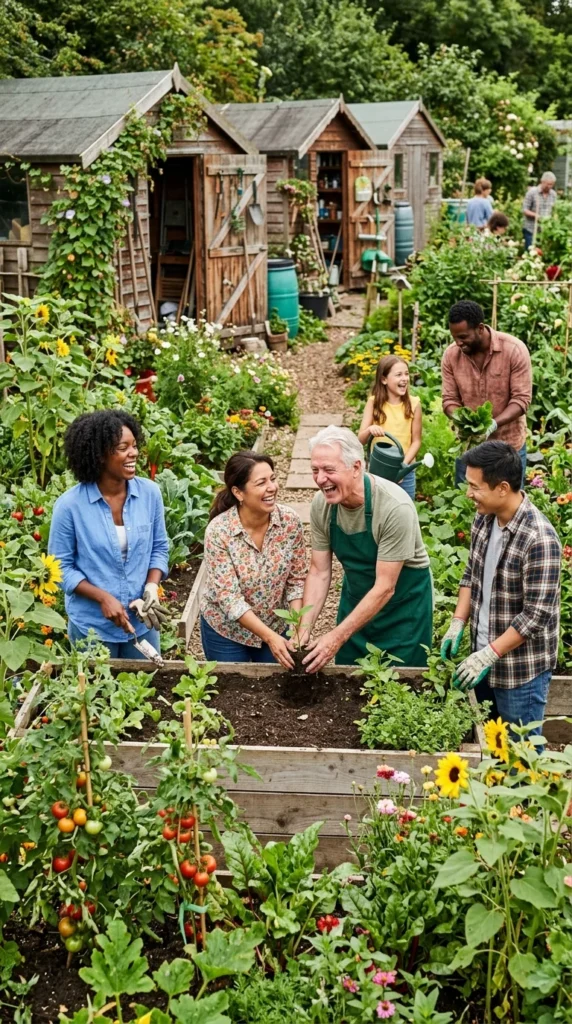
Gardening has a wonderful way of bringing people together. Whether it’s swapping extra zucchini with a neighbor over the fence or joining a local community garden, it fosters social interaction. Gardening communities are known for being generous with their knowledge, seeds, and harvests. For those feeling isolated, the garden provides a common ground (literally) to meet like-minded individuals and build lasting friendships centered around a shared love for the earth.
13. Financial Savings
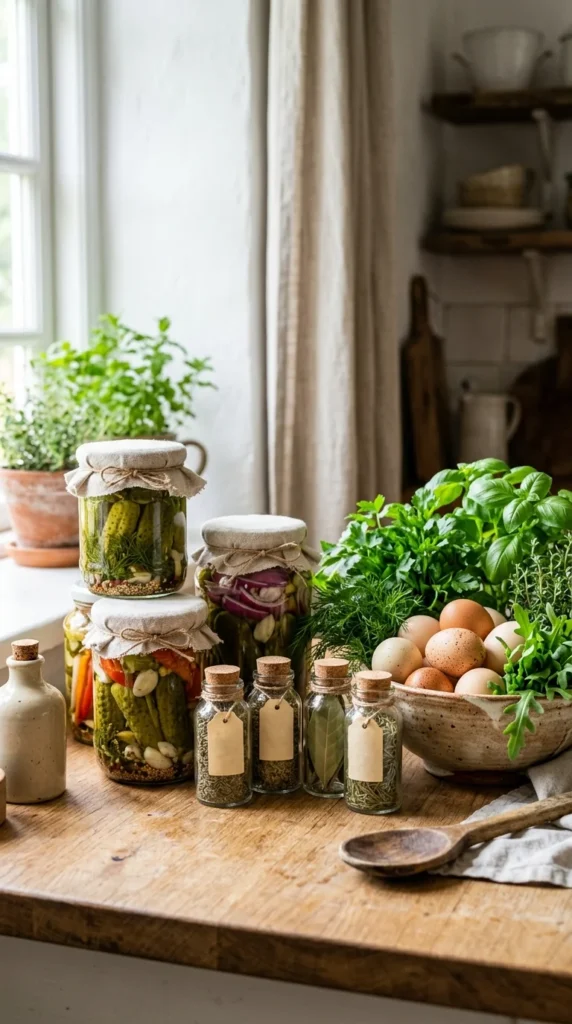
While there is an initial investment in tools and seeds, a well-managed garden can drastically reduce your grocery bill. High-value crops like berries, herbs, and organic greens are expensive at the store but relatively cheap to grow at home. By learning to preserve your harvest through canning, drying, or freezing, you can enjoy the fruits of your labor all year round. Over time, the garden pays for itself many times over in fresh, high-quality produce.
14. Creative Expression
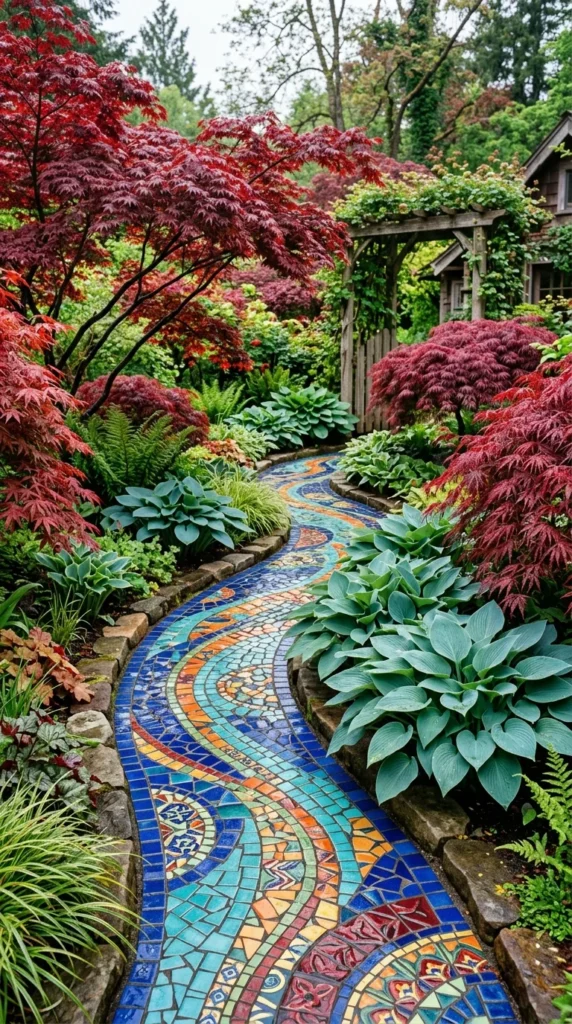
Gardening is a form of living art. You are the designer, choosing the color palettes, textures, and layouts of your landscape. From the structural elements like trellises and paths to the delicate balance of height and bloom times, a garden is a canvas for your creativity. This allows for personal expression that evolves with the seasons, providing a satisfying outlet for those who enjoy aesthetics and design.
15. Spiritual Grounding
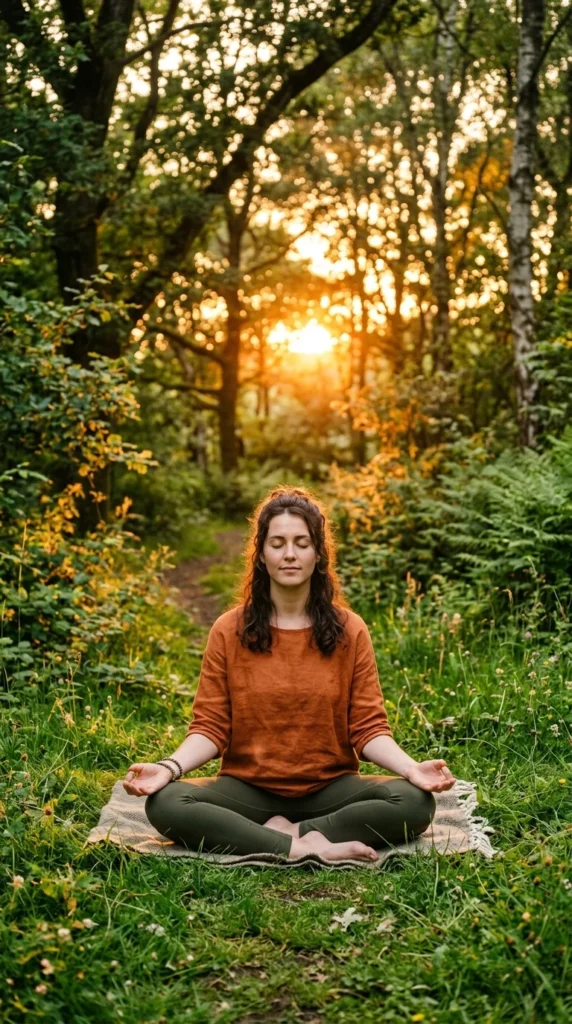
Many people find a deep spiritual connection in the garden. The cycle of life, death, and rebirth is on full display every year. Working with the soil reminds us that we are part of a much larger, interconnected system. This “grounding” effect helps people feel more connected to the Earth and provides a sense of peace that is hard to find in the concrete-and-steel world. It is a place of sanctuary, a place of prayer, and a place of profound quietude.
Gardening is more than just a pastime; it is a holistic approach to a better life. By stepping outside and putting your hands in the earth, you are investing in your physical health, your mental clarity, and the health of the planet. There is no better time to start than today—grab a trowel, find a sunny spot, and watch as your life begins to bloom alongside your plants.