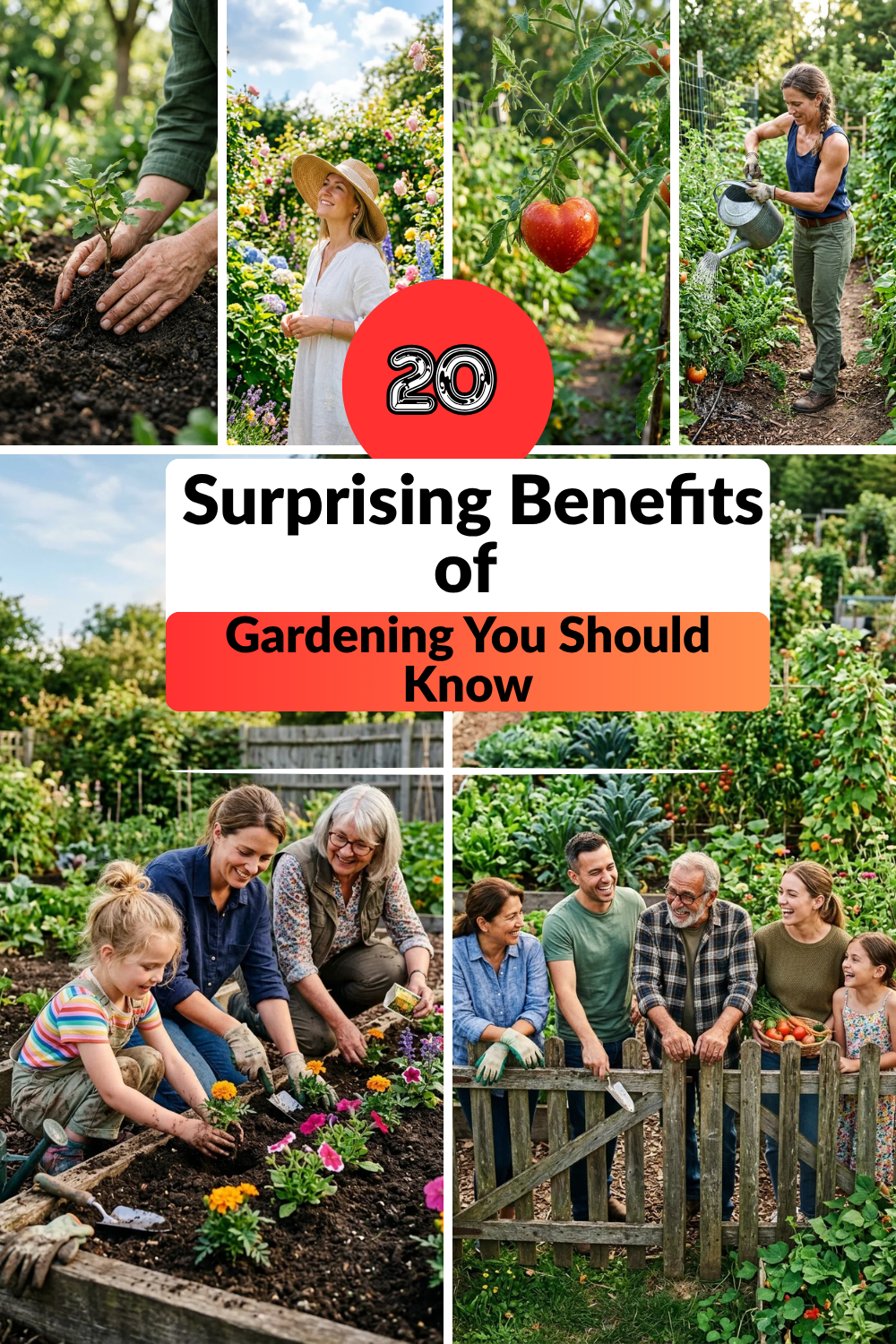
For centuries, humanity has looked to the earth as a source of sustenance, but modern science is beginning to reveal that the act of gardening offers far more than just a harvest of tomatoes and zucchini. The “hidden power of soil” refers to a complex interplay of physical activity, microbial exposure, and psychological restoration that occurs when we sink our hands into the dirt. Whether you have a sprawling rural estate or a few pots on a city balcony, the benefits of cultivating life are profound and life-changing.
1. Stress Reduction
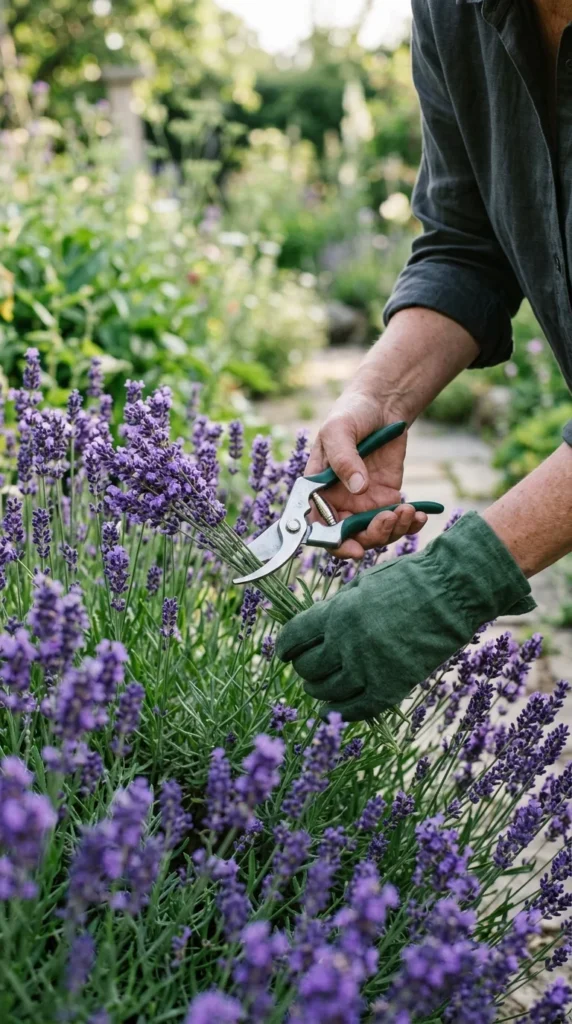
Gardening is one of the most effective natural stress relievers available. Studies have shown that rhythmic tasks like weeding, planting, and watering can lower cortisol levels—the body’s primary stress hormone—more effectively than many other quiet leisure activities. The repetitive nature of the work allows the mind to enter a “flow state,” a meditative zone where worries about the past or future melt away, leaving only the tactile sensation of the present moment.
2. Immune Support
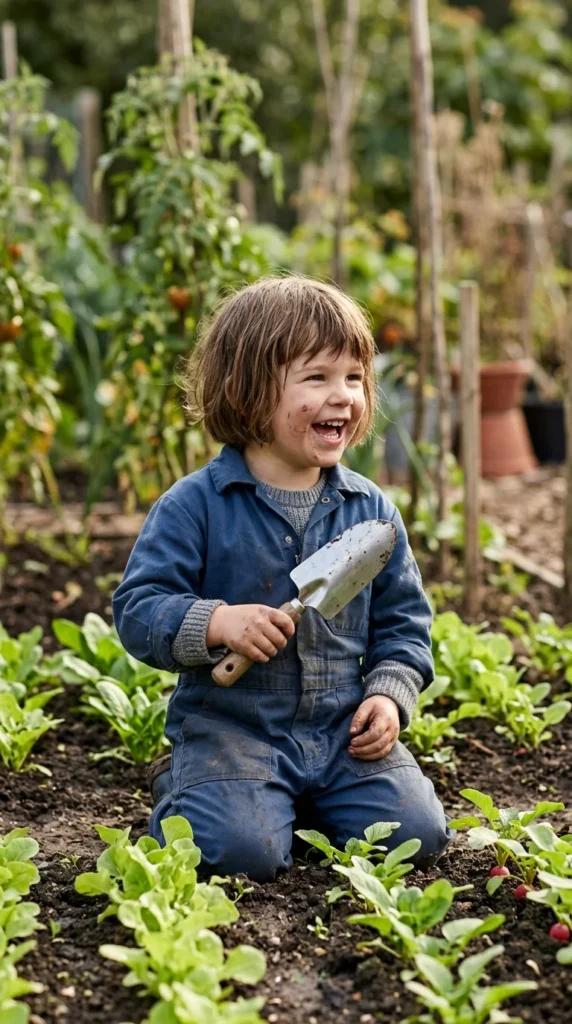
Modern hygiene has its perks, but being “too clean” can actually weaken our immune systems. Soil is teeming with beneficial bacteria, specifically Mycobacterium vaccae. Research suggests that exposure to these microbes can stimulate the immune system and even increase serotonin levels in the brain. By getting your hands dirty, you are essentially “vaccinating” yourself with nature’s probiotics, helping your body build resilience against allergies and inflammatory conditions.
3. Physical Fitness
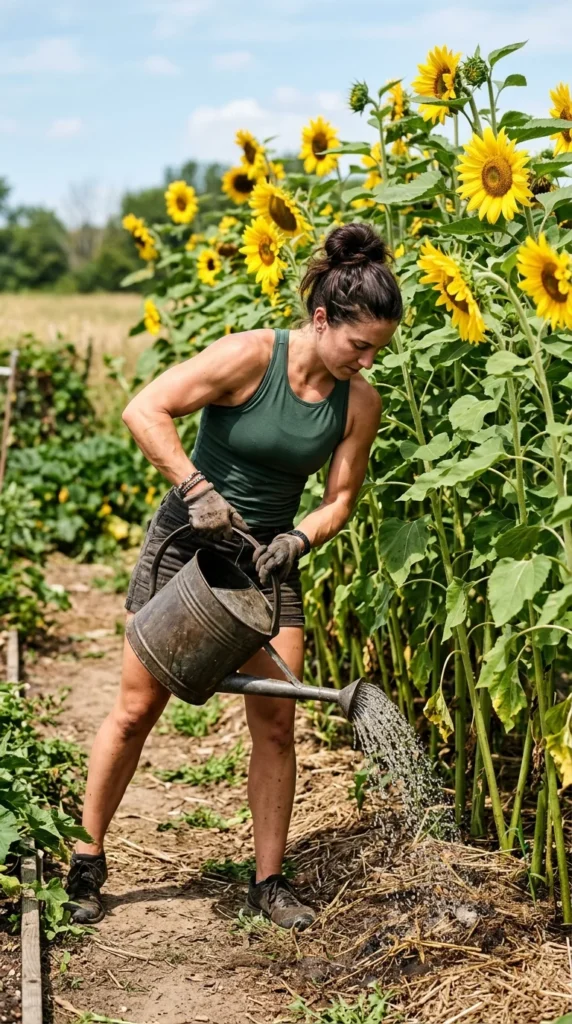
Forget the treadmill; the garden is a full-body gym. Digging, raking, and hauling mulch involve functional movements that build strength, flexibility, and endurance. Gardening burns an average of 300 calories per hour, making it a low-impact cardiovascular workout that doesn’t feel like a chore. Because it involves varied movements—squatting, reaching, and lifting—it engages muscle groups that are often neglected in traditional gym routines.
4. Healthy Eating
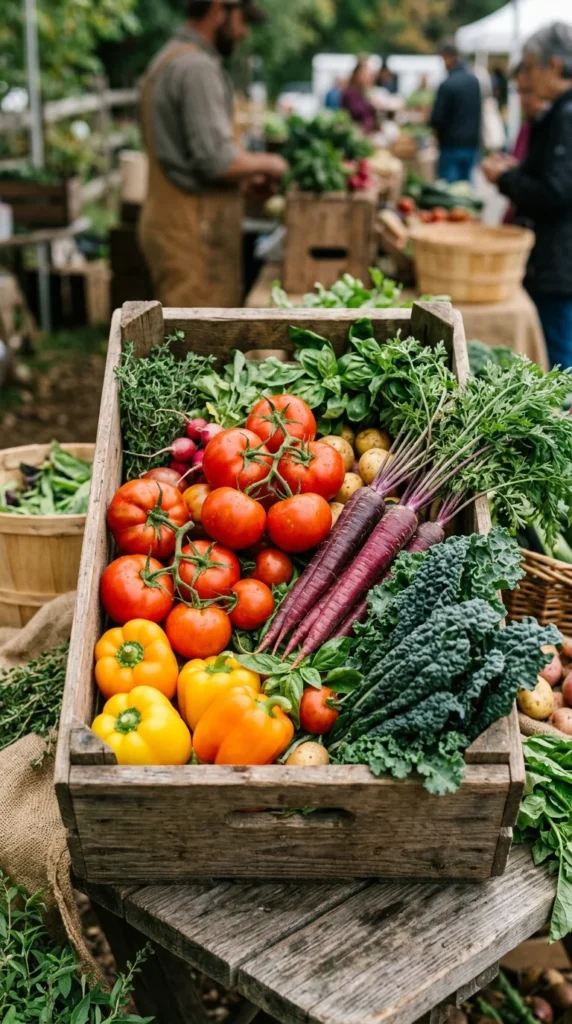
It is a well-documented psychological phenomenon: when you grow it, you are more likely to eat it. Gardening provides a direct connection to the food chain, encouraging a diet rich in fresh produce. Homegrown vegetables are often more nutrient-dense than store-bought counterparts because they are harvested at peak ripeness and haven’t lost nutrients during long-distance transport. Plus, the flavor of a sun-warmed heirloom tomato is enough to convert anyone into a vegetable lover.
5. Mental Clarity
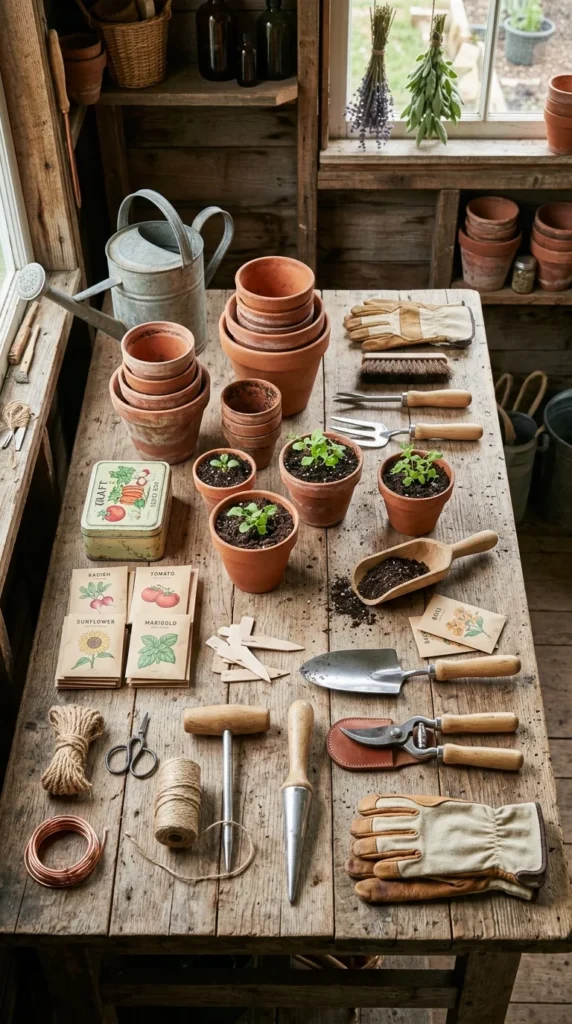
The “Attention Restoration Theory” suggests that urban environments drain our cognitive resources, while natural environments allow them to replenish. Gardening requires a type of “soft fascination” that allows the brain to rest from the constant stimulation of screens and notifications. This mental reset improves focus, memory, and problem-solving skills, making the garden a perfect retreat for those suffering from “brain fog” or creative blocks.
6. Vitamin D

Most people spend the majority of their lives indoors, leading to widespread Vitamin D deficiencies. Gardening is the ultimate outdoor hobby, providing a safe and productive way to get regular sun exposure. Vitamin D is essential for bone health, metabolic function, and mood regulation. Just 15 to 30 minutes of gardening a few times a week can significantly boost your levels, provided you practice sun safety.
7. Heart Health
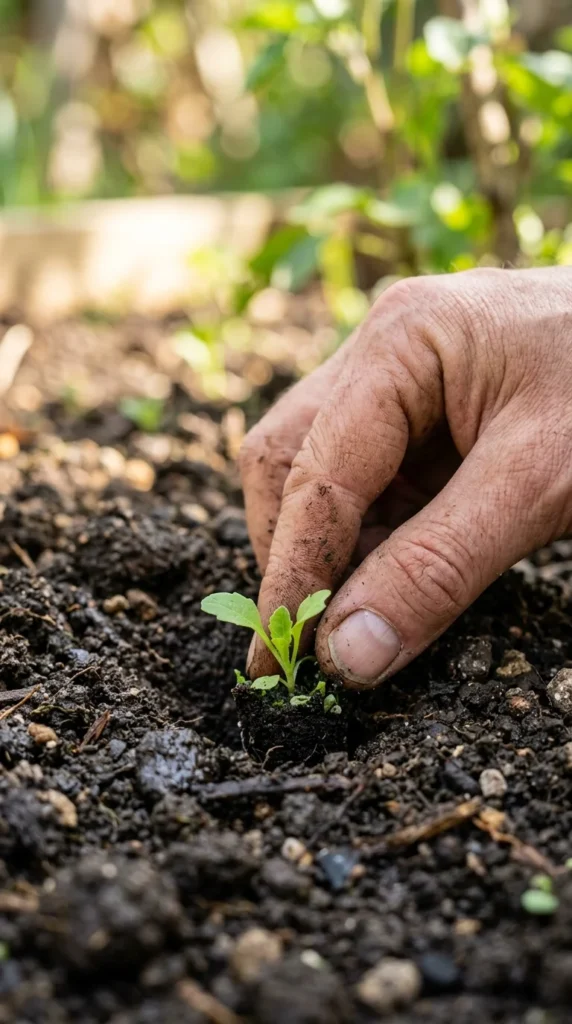
Consistent physical activity is the cornerstone of heart health, and gardening fits the bill perfectly. Engaging in light-to-moderate garden work reduces the risk of stroke and heart attack. The combination of physical exertion, reduced stress, and improved diet creates a “triple threat” against cardiovascular disease. Furthermore, the calming environment of a garden helps maintain healthy blood pressure levels.
8. Community Bonds
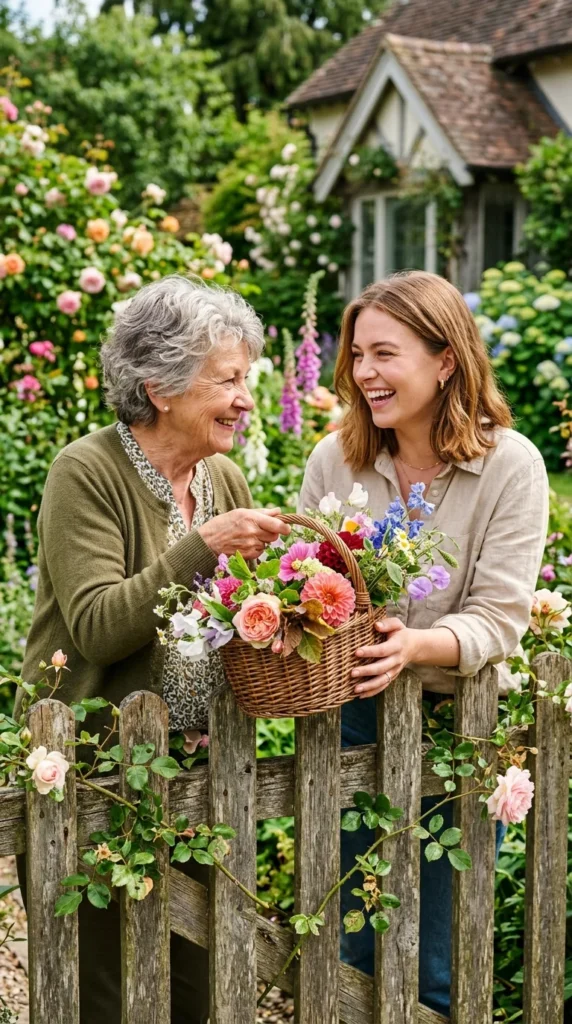
Gardening is a universal language. Community gardens have been shown to reduce crime and increase social cohesion in urban areas. Sharing seeds, swapping tips over the fence, or donating excess produce to local food banks fosters a sense of belonging and purpose. It breaks down social barriers and connects people across different age groups and backgrounds, creating a resilient local network.
9. Better Sleep

The physical exhaustion from a day in the dirt, combined with the regulation of your circadian rhythm through sunlight exposure, leads to deeper and more restorative sleep. Gardening helps “reset” your internal clock, signaling to your body when it is time to be active and when it is time to rest. Those who garden regularly report falling asleep faster and experiencing fewer disruptions during the night.
10. Hand Dexterity
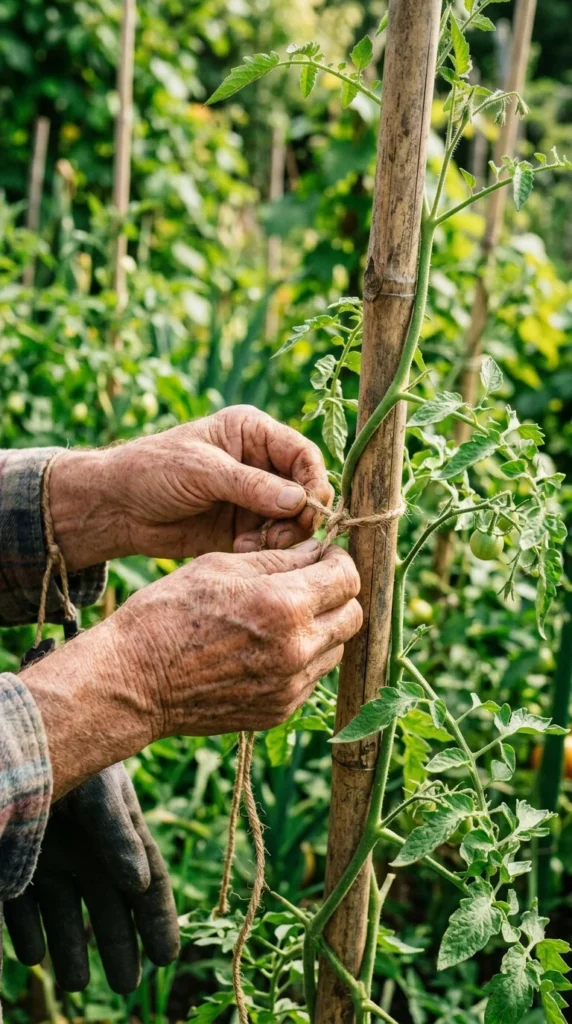
As we age, maintaining fine motor skills and grip strength becomes crucial. Gardening involves a wide range of hand movements—from the precision of sowing tiny seeds to the strength required for pruning thick branches. This “occupational therapy” helps keep the joints in the hands and wrists flexible, potentially delaying the onset of arthritis or helping to manage its symptoms.
11. Self-Esteem
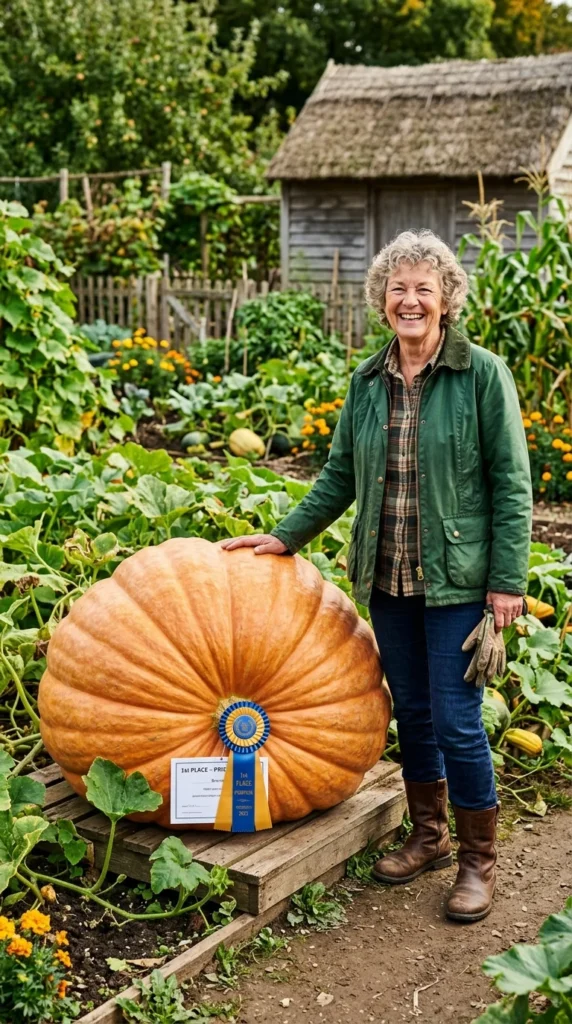
There is a unique sense of accomplishment that comes from nurturing a plant from a tiny seed to a flourishing specimen. For many, gardening provides a “win” in a world that can often feel chaotic. Successfully growing your own food or creating a beautiful landscape boosts self-confidence and provides a tangible reminder of your ability to impact the world around you positively.
12. Sensory Integration
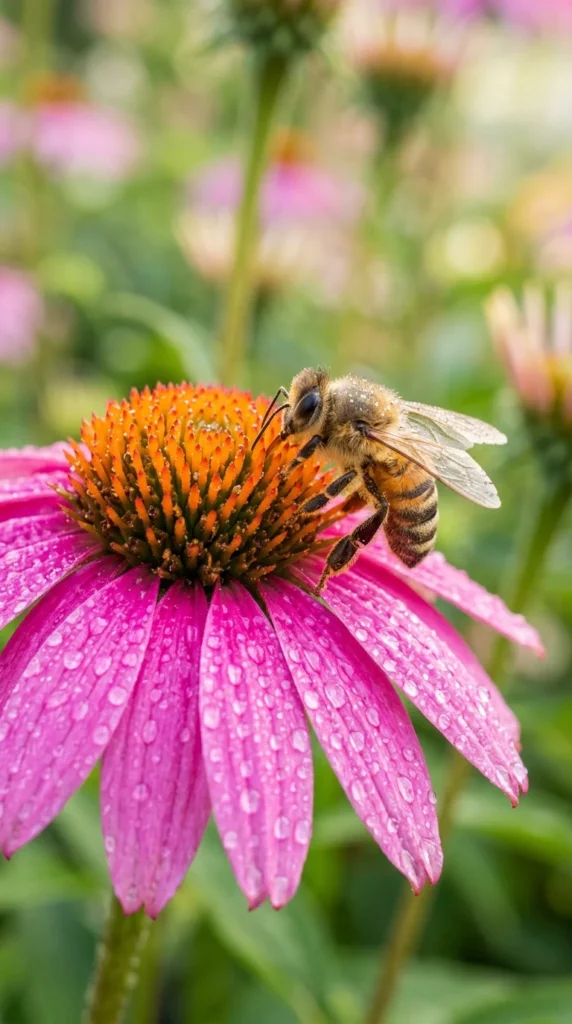
Gardening is a full-sensory experience. The smell of damp earth, the sound of wind through the leaves, the texture of fuzzy sage leaves, and the vibrant colors of blooming perennials all work together to ground the individual. This sensory stimulation is particularly beneficial for children and individuals with sensory processing disorders, as it provides a safe, controlled environment to explore different textures and stimuli.
13. Sustainability
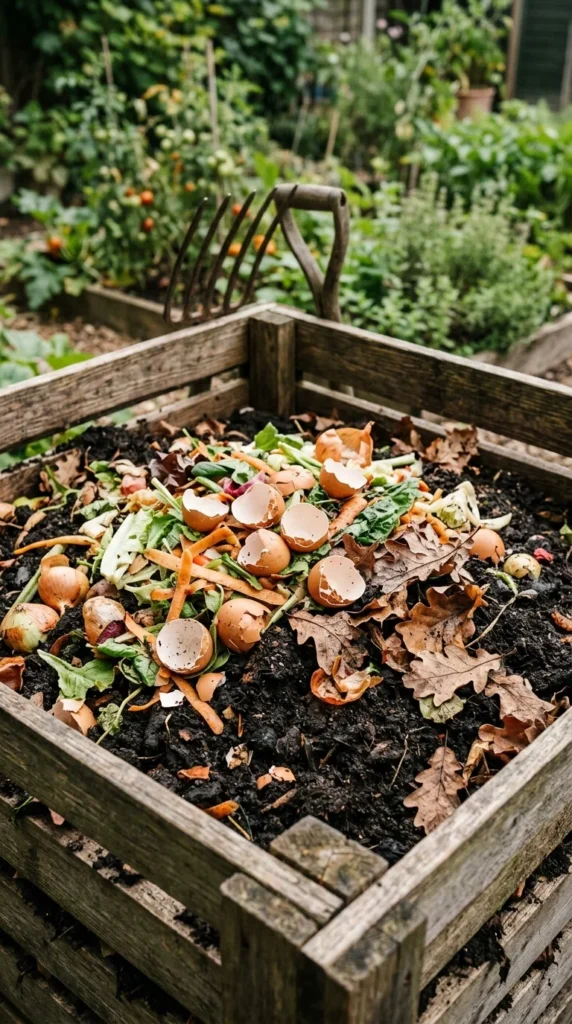
Gardening is an act of environmental activism. By growing your own food, you reduce the carbon footprint associated with commercial agriculture and transportation. Home gardens also provide essential habitats for pollinators like bees and butterflies, which are currently facing global declines. Composting your kitchen scraps further reduces waste and returns vital nutrients to the earth, creating a closed-loop system in your own backyard.
14. Creativity
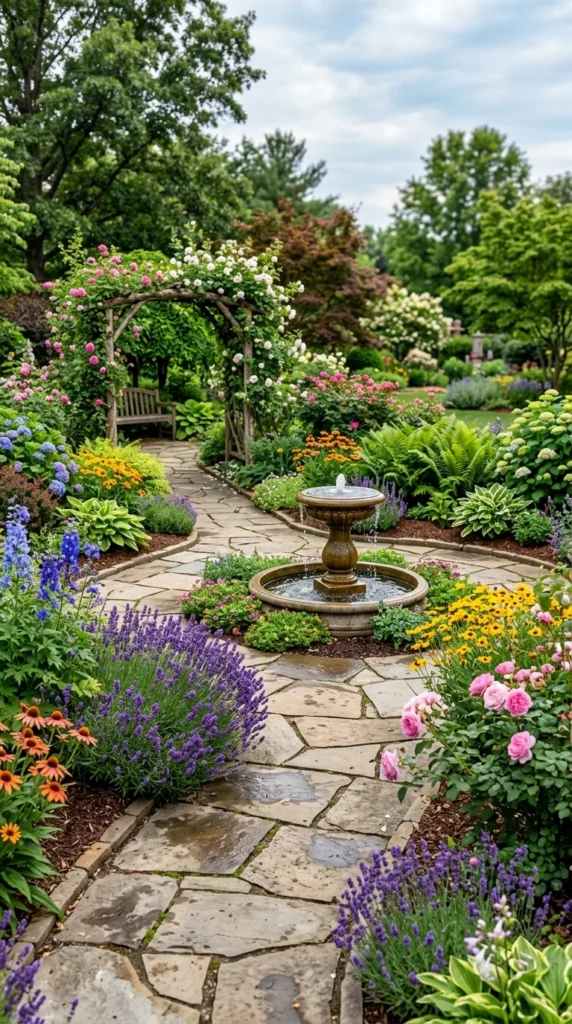
A garden is a living canvas. Deciding which plants to pair together, how to balance colors and heights, and where to place decorative elements allows for immense creative expression. Gardening encourages you to think about aesthetics, timing, and spatial relationships. This creative outlet can be incredibly therapeutic, providing a space where there are no “mistakes,” only opportunities for growth and redesign.
15. Patience
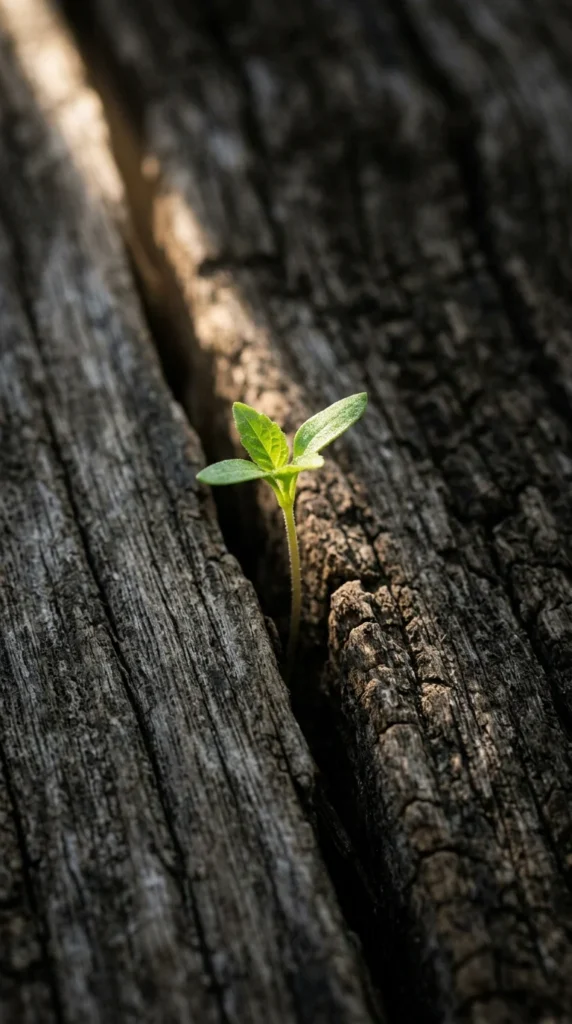
In our world of instant gratification, gardening teaches the value of the “long game.” You cannot force a plant to grow faster than nature intended. Gardeners must learn to wait for the seasons to turn and for the seeds to germinate. This cultivated patience often spills over into other areas of life, helping individuals handle delays and setbacks with greater grace and resilience.
16. Longevity

Studies of “Blue Zones”—areas of the world where people live the longest—have found that gardening is a common hobby among centenarians. The combination of low-intensity exercise, a plant-based diet, and a sense of daily purpose contributes to a longer, healthier life. Gardening keeps the mind sharp and the body moving well into the senior years, providing a reason to get out of bed every morning.
17. Eco-Awareness
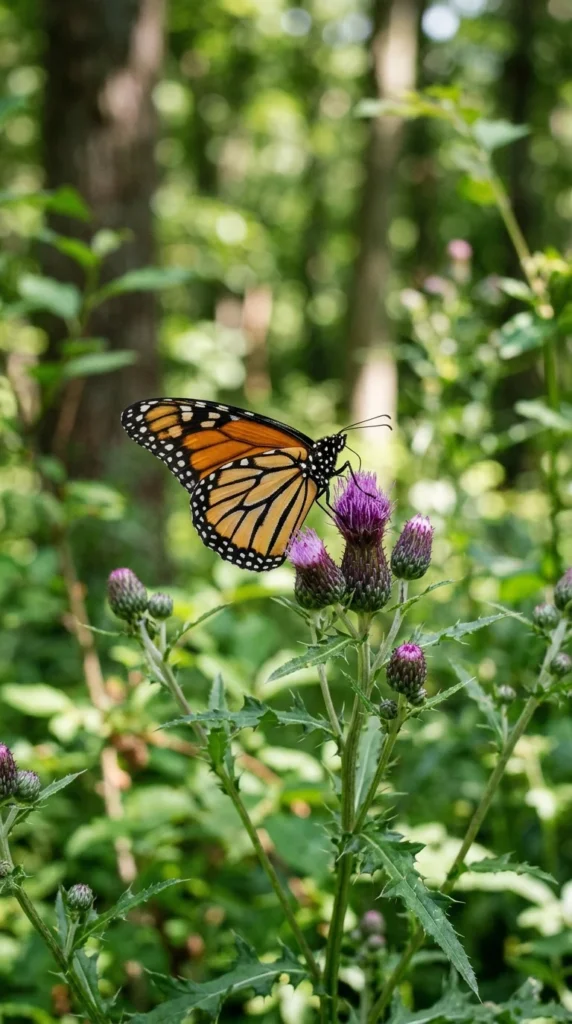
Once you start gardening, you become acutely aware of the weather, the seasons, and the local wildlife. This increased “ecological literacy” fosters a deeper respect for the planet. Gardeners are often the first to notice changes in local climate patterns or the arrival of invasive species. This connection to the land transforms the gardener into a steward of the environment, advocating for more sustainable practices in their wider community.
18. Cost Savings
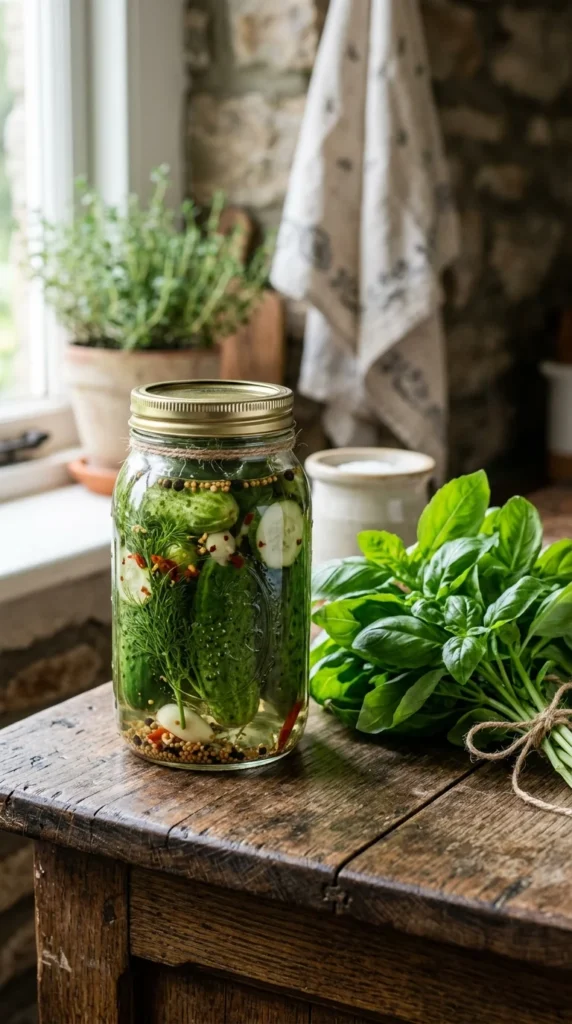
While gardening can have upfront costs for tools and soil, a well-managed garden eventually pays for itself. High-value crops like berries, herbs, and leafy greens are expensive at the supermarket but can be grown at home for the price of a packet of seeds. Furthermore, learning to preserve your harvest through canning, drying, or freezing can significantly slash your grocery bills throughout the winter months.
19. Pest Control
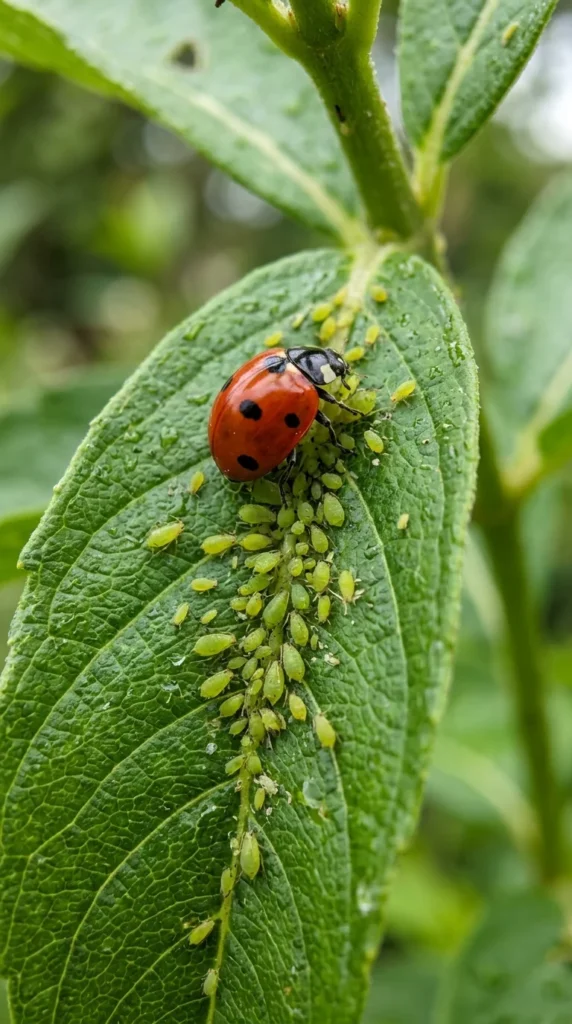
A healthy garden creates its own ecosystem. By gardening, you learn how to manage pests without the use of harsh chemicals. Encouraging beneficial insects like ladybugs and lacewings to take up residence in your garden creates a natural balance. This chemical-free approach ensures that your immediate environment is safer for children, pets, and the local groundwater supply.
20. Spiritual Connection
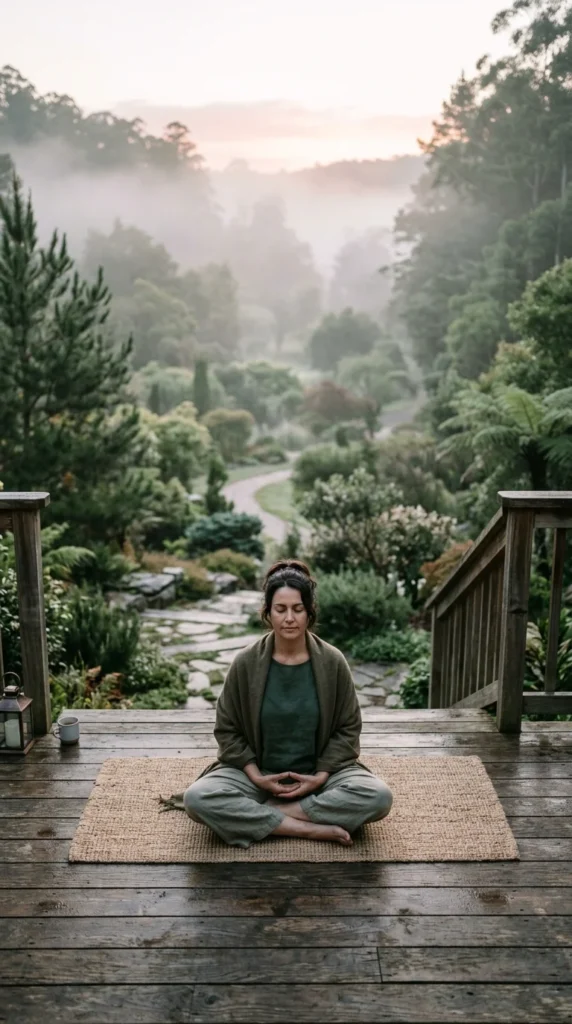
For many, the garden is a sacred space. The cycle of birth, growth, death, and decay is visible in every flower bed, offering a profound perspective on the nature of existence. Gardening allows for a connection to something larger than oneself—the ancient and rhythmic pulse of the Earth. This spiritual grounding can provide immense comfort during difficult times, offering a sense of peace that is hard to find in the modern, digital world.