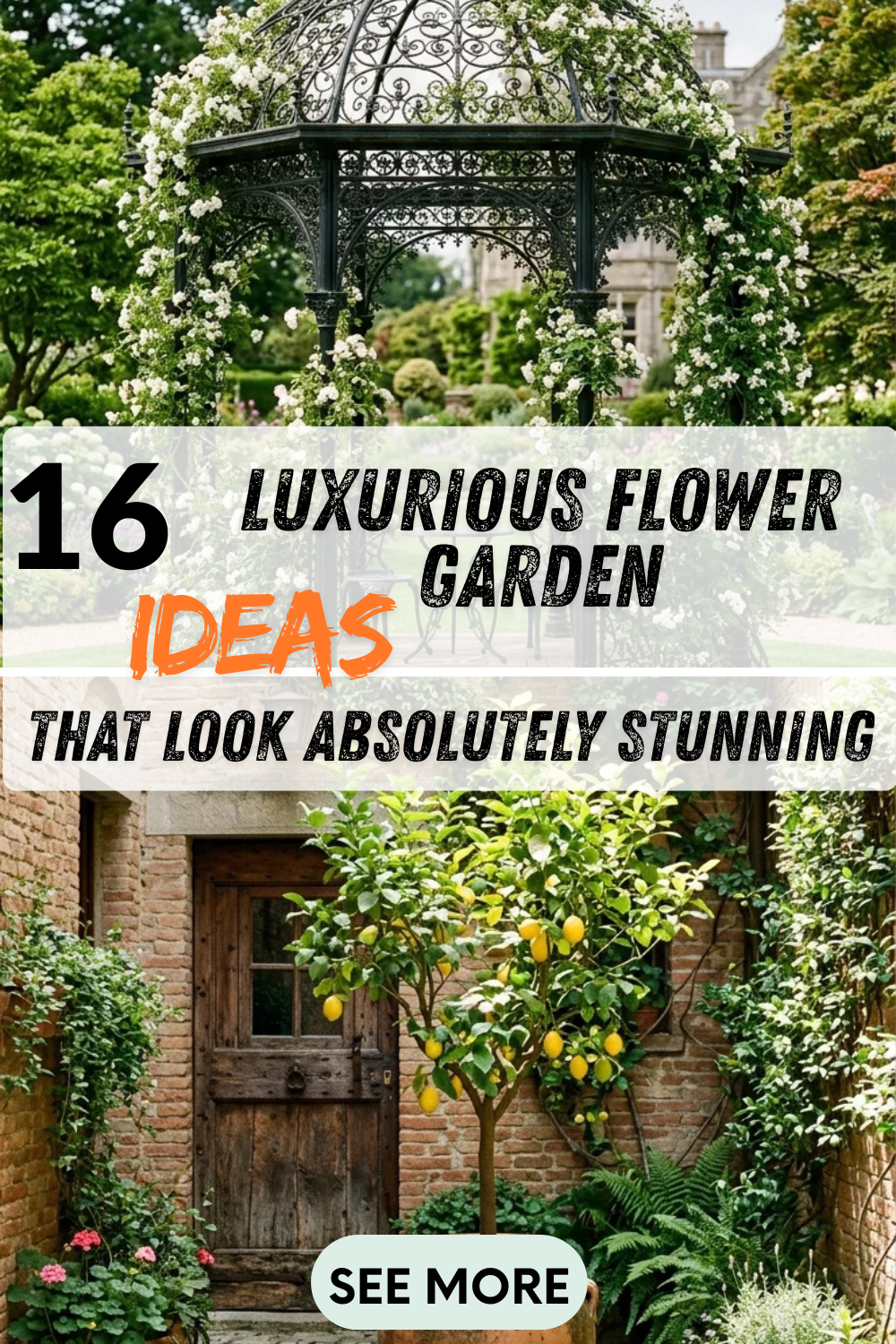
Creating a garden that exudes luxury is about more than just planting expensive flowers; it is about orchestrating an experience. A high-end garden serves as an outdoor sanctuary, an extension of the home’s architecture, and a testament to refined taste. Whether you have a sprawling countryside estate or a compact urban rooftop, luxury is found in the details—the choice of stone, the precision of a hedge, and the deliberate layering of scent and color.
In this guide, we explore sixteen sophisticated design concepts that will transform your outdoor space into a breathtaking botanical masterpiece.
1. English Roses
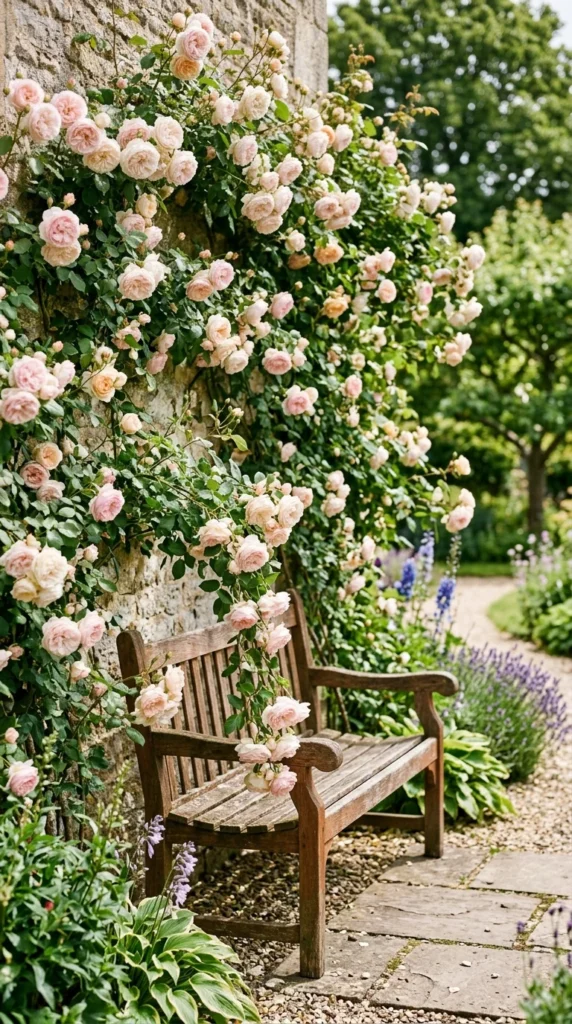
There is nothing quite as synonymous with classic luxury as the English rose garden. Known for their high petal counts and intoxicating fragrances, English roses (like David Austin varieties) create a sense of romantic abundance. To achieve this look, focus on “climbing” varieties for vertical interest and “shrub” varieties for dense, colorful borders. Pair them with architectural elements like stone pillars or heavy timber pergolas to provide a structural contrast to the soft, delicate blooms.
2. Infinity Fountains
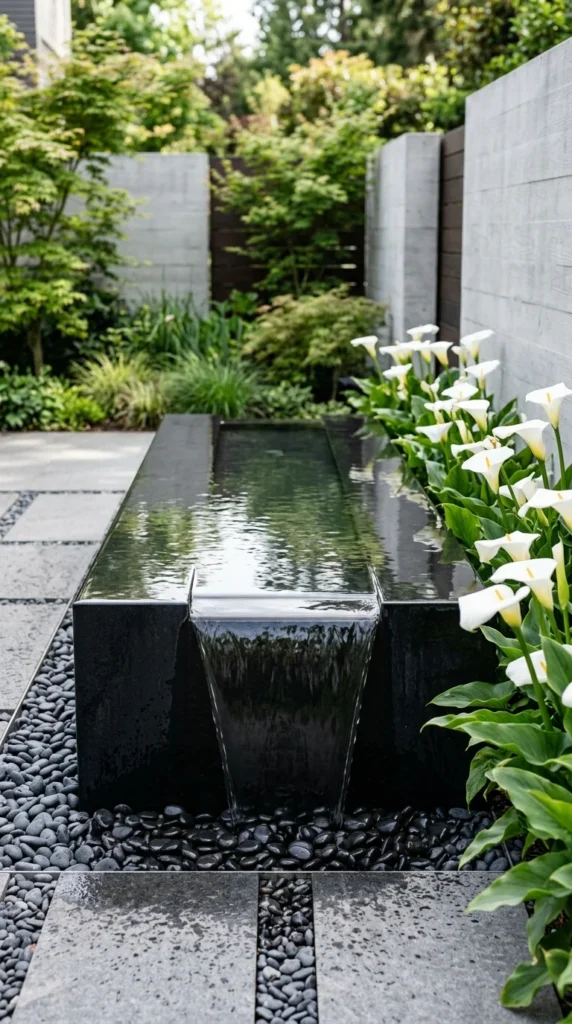
Water has a transformative effect on a garden, providing both visual movement and soothing sound. An infinity fountain—where water appears to flow over the edges into nothingness—adds a contemporary, high-end feel. Use dark materials like slate or polished granite to create deep reflections of the sky and surrounding flora. Placing a fountain at the center of a circular path or at the end of a long vista creates a powerful focal point that draws the eye and anchors the entire garden design.
3. Lavender Rows
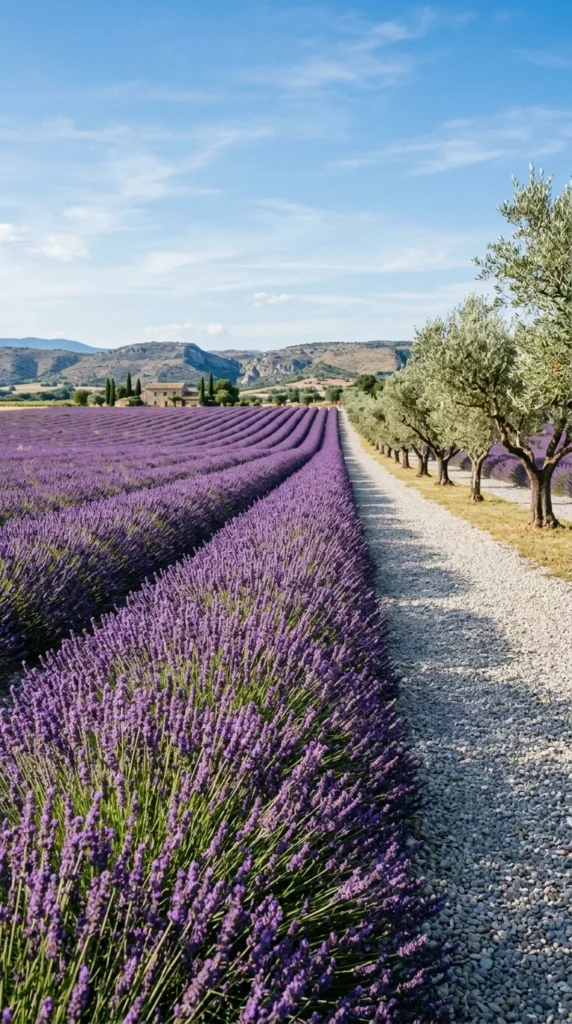
Inspired by the hills of Provence, mass-planted lavender creates a sensory explosion that feels both rustic and incredibly expensive. The key to the “luxurious” look is repetition and scale. Instead of a few plants, install dozens in long, linear drifts. Not only does this provide a striking purple hue for months, but the fragrance also fills the air every time a breeze passes through. Border these rows with crushed limestone or pea gravel for a clean, Mediterranean aesthetic.
4. Iron Gazebos
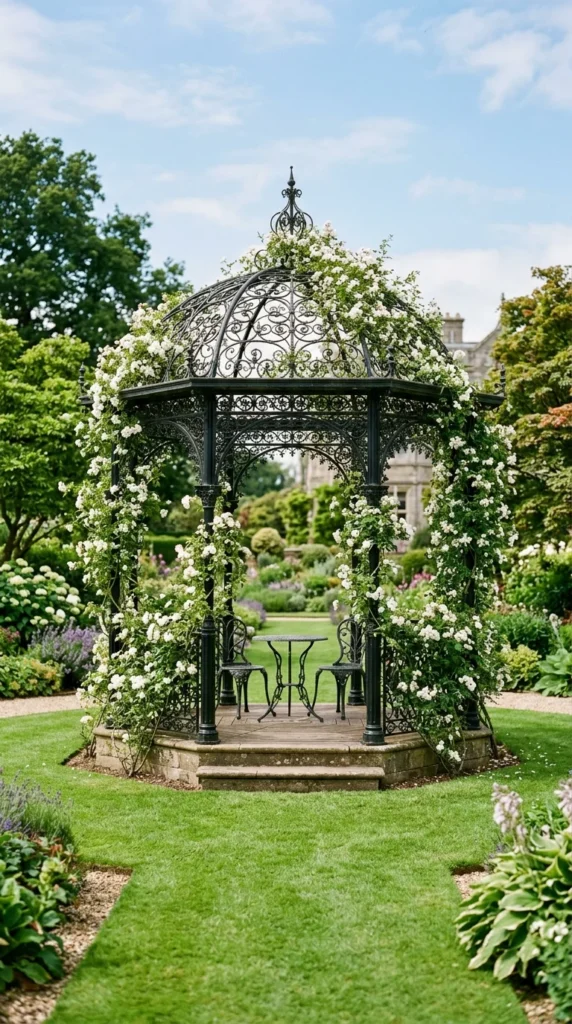
A gazebo is the ultimate garden “folly,” providing a destination within the landscape. For a luxurious touch, opt for heavy wrought iron with intricate scrollwork rather than wood. This adds a sense of history and permanence to the garden. Draping the structure in scented climbers like jasmine or wisteria turns the gazebo into a private, shaded retreat perfect for afternoon tea or evening cocktails, blending architectural elegance with natural beauty.
5. Sculptural Topiaries
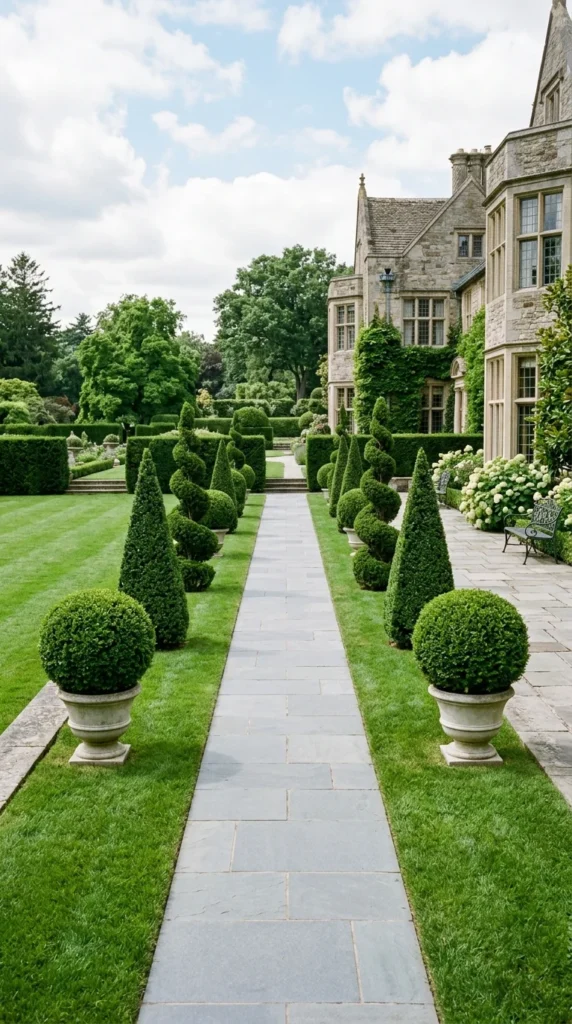
Topiary is the art of “taming” nature, and nothing says high-end maintenance like perfectly clipped greenery. Using species like boxwood, yew, or holly, you can create living sculptures that provide year-round structure. To keep the look modern, mix different geometric shapes—spheres of varying sizes grouped together create a playful yet sophisticated rhythm. These pieces act as anchors in a flower garden, providing a green backdrop that makes the colors of nearby blooms pop.
6. Sunken Gardens
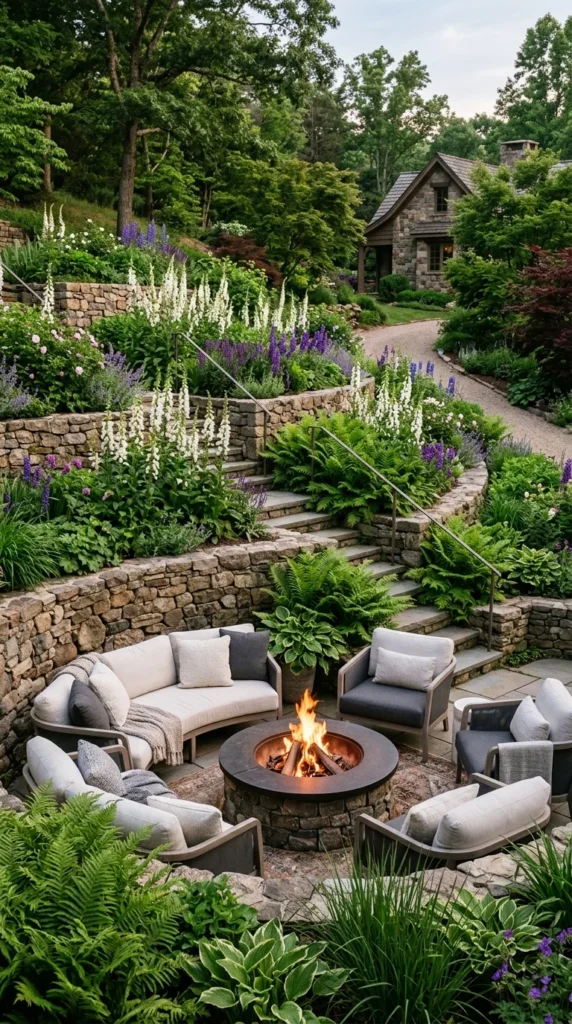
A sunken garden creates an immediate sense of intimacy and “reveal.” By changing the elevation of your landscape, you create a private enclave that is shielded from wind and noise. Luxury sunken gardens often feature high-quality masonry, such as flagstone or travertine, and are centered around a feature like a reflecting pool or a bespoke fire table. Surround the perimeter with tall perennials to enhance the feeling of being “held” by the garden.
7. White Gardens
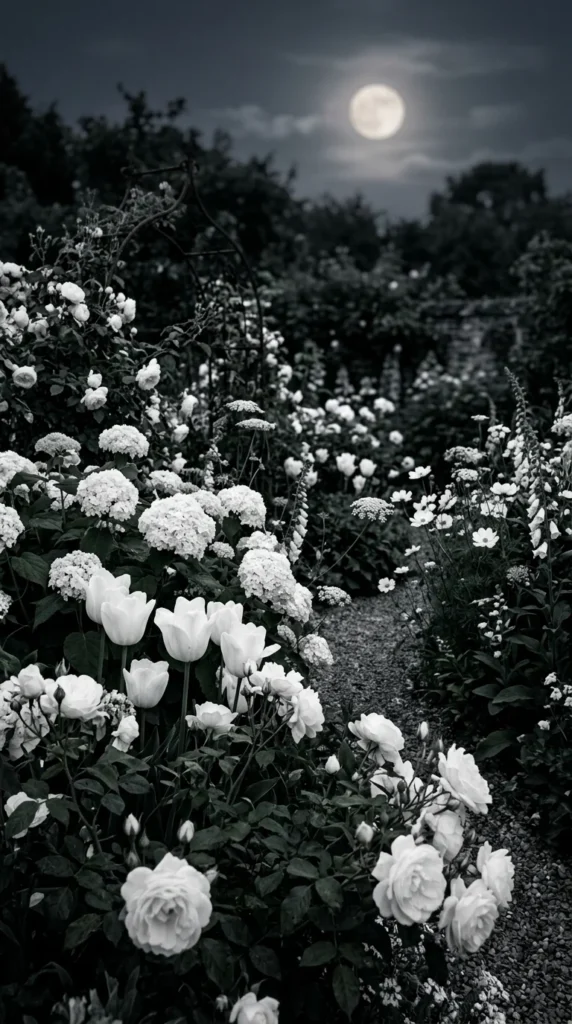
Inspired by the famous Sissinghurst Castle, a monochromatic white garden is the pinnacle of sophisticated garden design. Often called “Moonlight Gardens,” these spaces are designed to glow at dusk. The secret lies in varying the textures and heights of the plants—pair the massive globes of ‘Annabelle’ hydrangeas with the delicate spikes of white veronica and the silvery leaves of ‘Dusty Miller.’ The result is a clean, serene, and incredibly cohesive landscape.
8. Living Walls
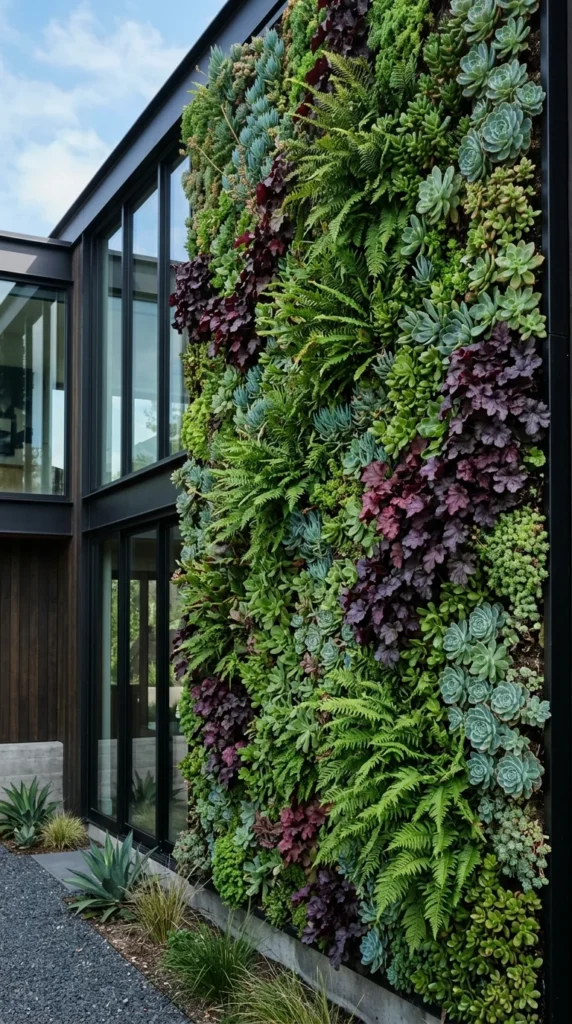
For urban estates or modern homes with limited ground space, a vertical garden or “living wall” is the ultimate luxury statement. These installations use specialized hydroponic systems to grow a dense carpet of plants directly on a vertical surface. Use a mix of ferns for texture, succulents for structure, and trailing campanula for a splash of color. A well-maintained living wall is not just a garden; it is a piece of living contemporary art.
9. Hidden Courtyards
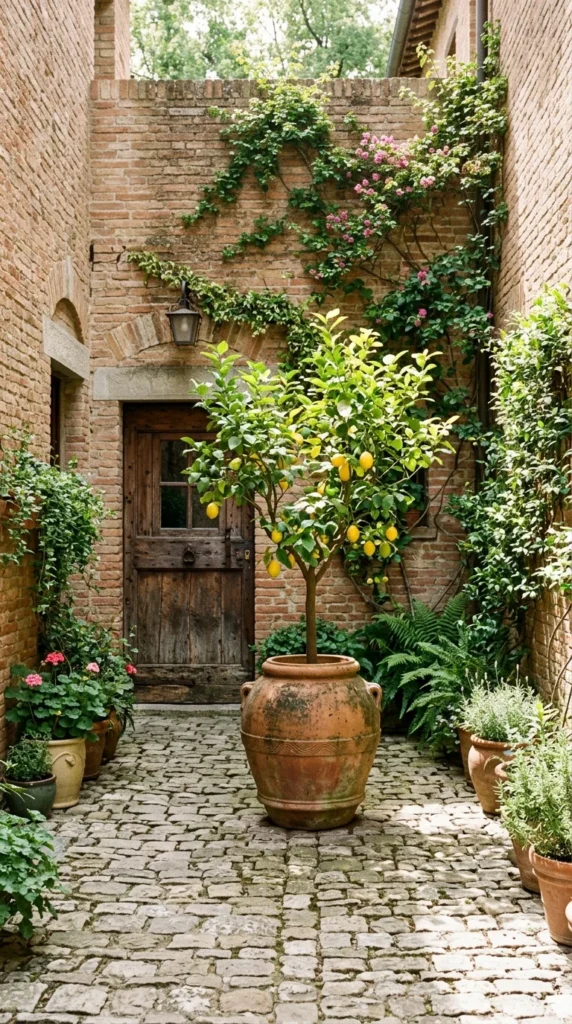
The concept of the “secret garden” is a hallmark of luxury design. A hidden courtyard, tucked away behind a gate or a high hedge, provides a sense of mystery and exclusivity. These spaces should feel different from the rest of the garden—perhaps more Mediterranean with terracotta pots and citrus trees, or more Japanese with moss and raked gravel. The luxury here is in the privacy; it is a personal sanctuary away from the world.
10. Grand Parterres
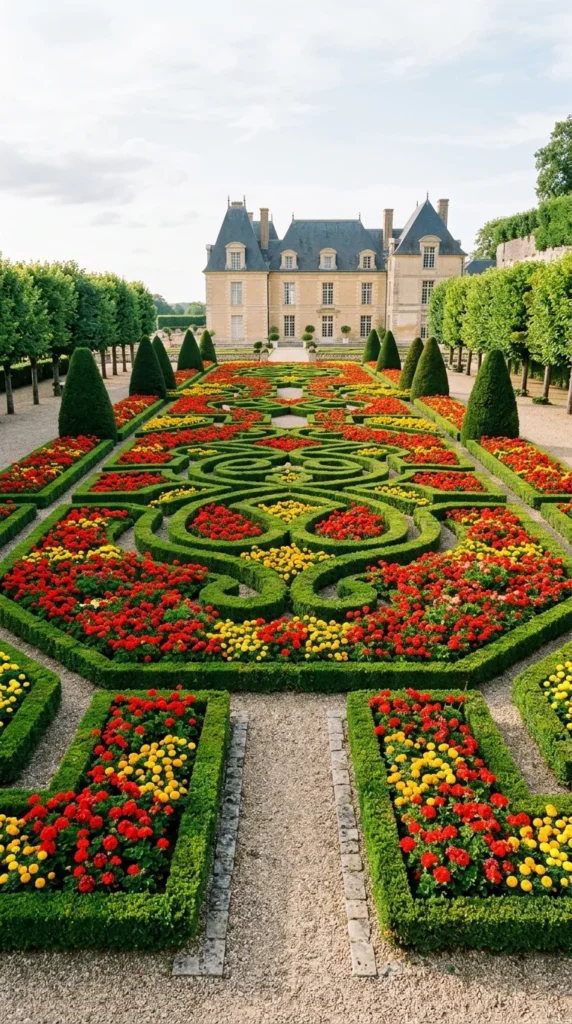
If you want your garden to feel like a royal palace, a parterre is the way to go. This formal garden construction consists of plant beds organized in symmetrical patterns, usually separated by gravel paths. The precision required to maintain a parterre is what makes it feel so luxurious. Use low hedges to “frame” the flowers, ensuring that the colors stay within their designated geometric bounds. This style looks best when viewed from an elevated terrace or balcony.
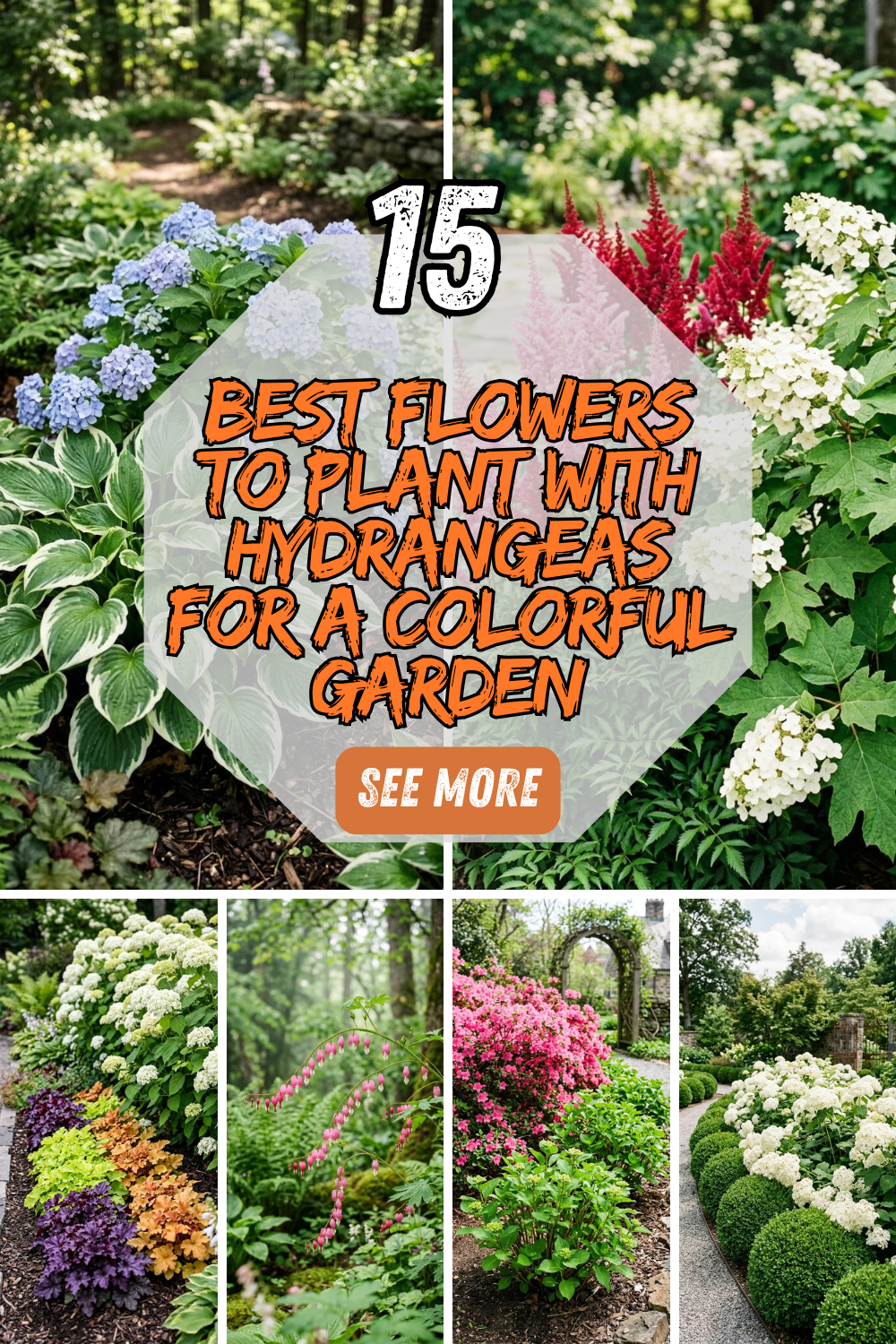
11. Hydrangea Alleys
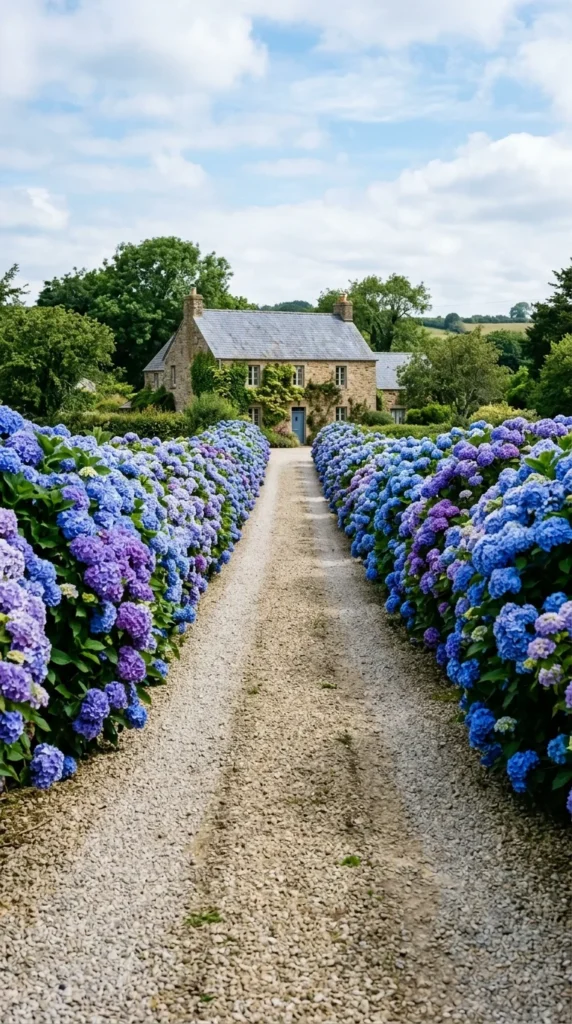
There is a grand, coastal luxury associated with hydrangeas, especially the large-leaf Macrophylla varieties. Planting them in a long “alley” or “walkway” creates a sense of arrival. The sheer volume of the blooms—massive spheres of blue, pink, or white—creates a lushness that few other plants can match. To maintain the luxury feel, ensure they are heavily mulched and well-hydrated so the leaves remain a deep, healthy green throughout the summer.
12. Glass Orangeries
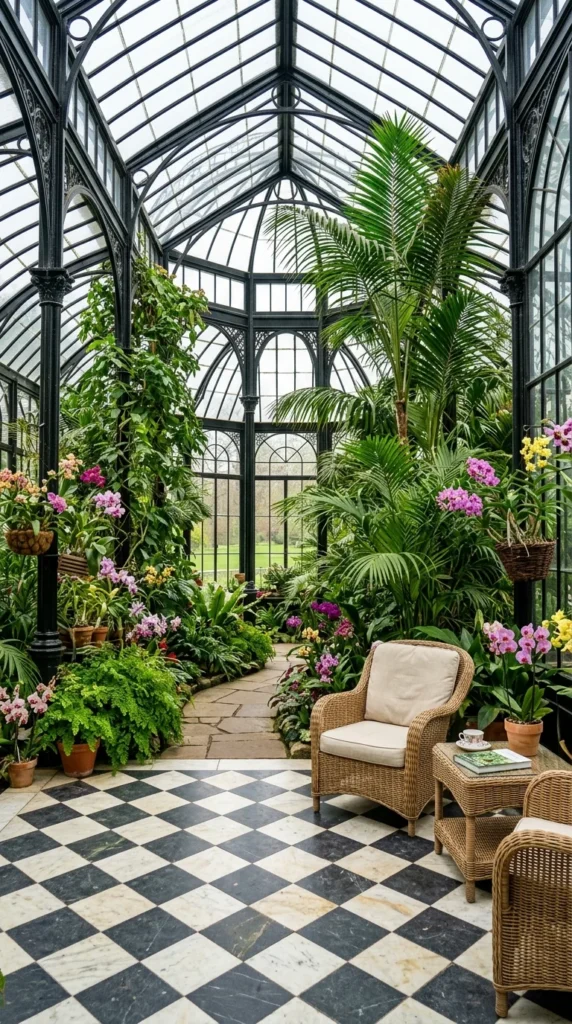
An orangery is the ultimate intersection of architecture and botany. Traditionally used to protect citrus trees during winter, a modern glass orangery serves as a year-round garden room. With high ceilings and glass walls, it allows you to grow exotic, non-hardy species like bird of paradise or giant palms. Filling the interior with high-end garden furniture and hanging plants creates a seamless transition between indoor luxury and outdoor natural beauty.
13. Stone Pathways
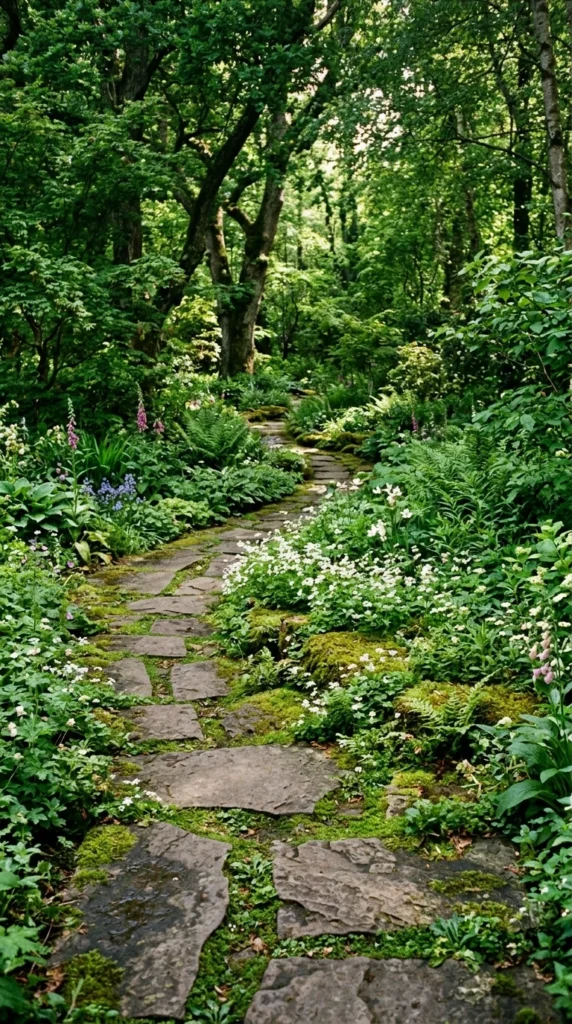
The materials underfoot are just as important as the plants above. Cheap concrete pavers can ruin the aesthetic of an otherwise beautiful garden. Instead, opt for natural stone like oversized bluestone, weathered limestone, or reclaimed antique brick. A wide, winding stone path feels grounded and permanent. Allowing low-growing groundcovers like thyme or moss to grow between the stones softens the look and makes the path feel like it has been there for centuries.
14. Reflecting Pools
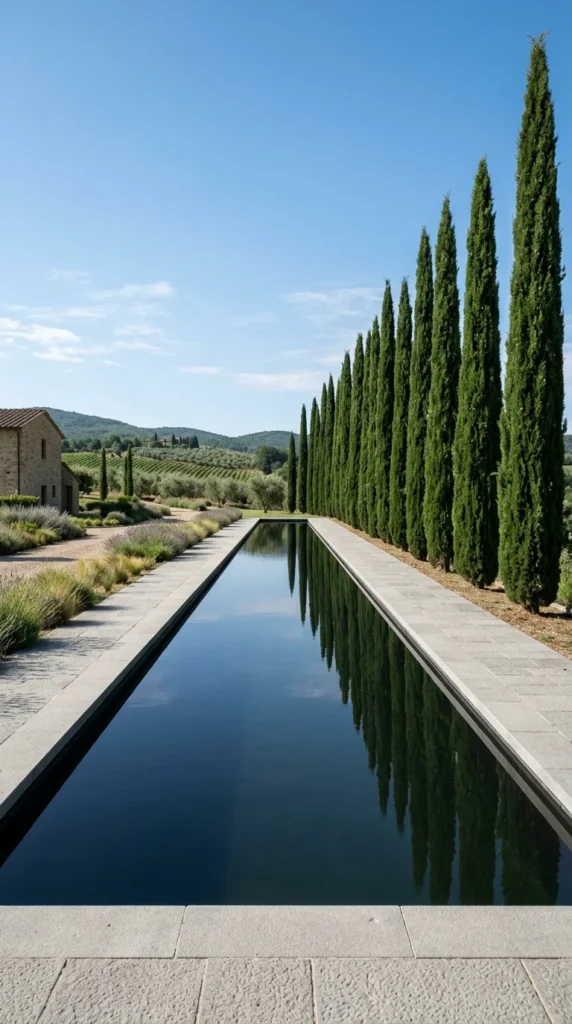
Unlike a swimming pool, a reflecting pool is designed for meditation and visual symmetry. It is usually shallow and often painted black or dark green on the bottom to increase its reflective properties. Position the pool so that it catches the reflection of your most beautiful garden feature—be it a statue, a grand tree, or the house itself. The stillness of the water adds a layer of quiet luxury and profound peace to the landscape.
15. Perennial Borders
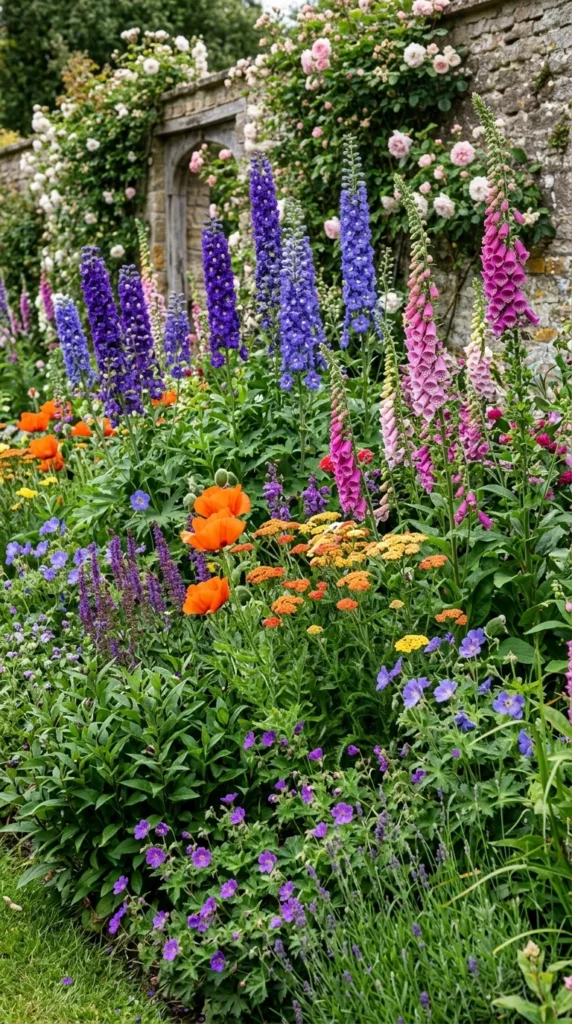
A “double herbaceous border” is a classic element of grand English estates. The goal is to create layers of color and texture that change throughout the seasons. Place the tallest plants, like hollyhocks and delphiniums, at the back, followed by mid-sized blooms like peonies and lupines, with low-growing hardy geraniums at the front. The luxury lies in the density—there should be no visible soil, only a rich tapestry of foliage and flowers.
16. Ambient Lighting
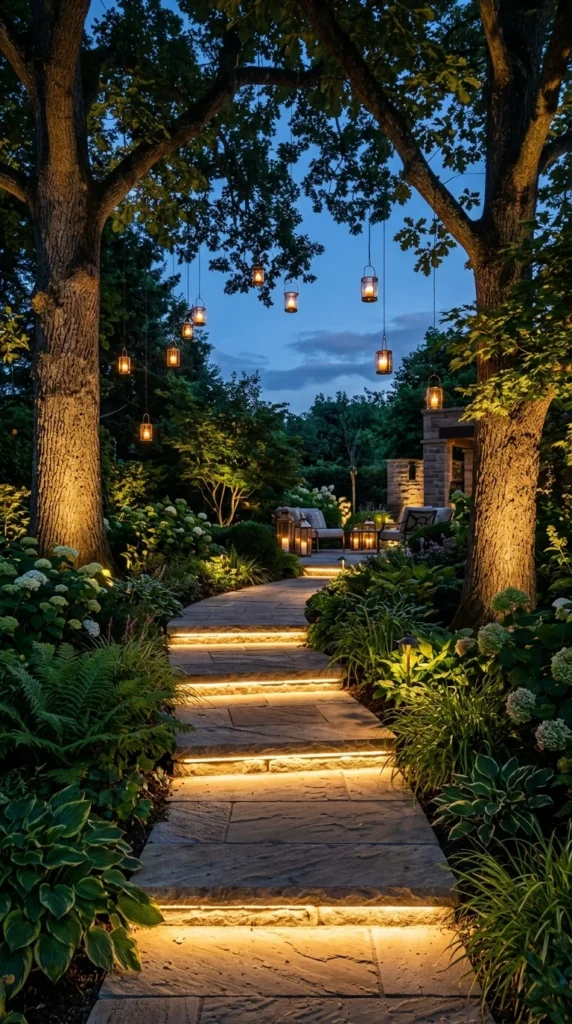
A garden should be just as stunning at night as it is during the day. Professional-grade landscape lighting is the final touch in a luxurious garden. Avoid bright, floodlight-style fixtures. Instead, use “uplighting” to highlight the texture of tree bark and “downlighting” (or moonlighting) to create soft shadows on the ground. Hidden LED strips under the lips of stone stairs or along the edges of a reflecting pool provide safety while creating a magical, high-end ambiance that invites you to stay outdoors long after the sun has set.