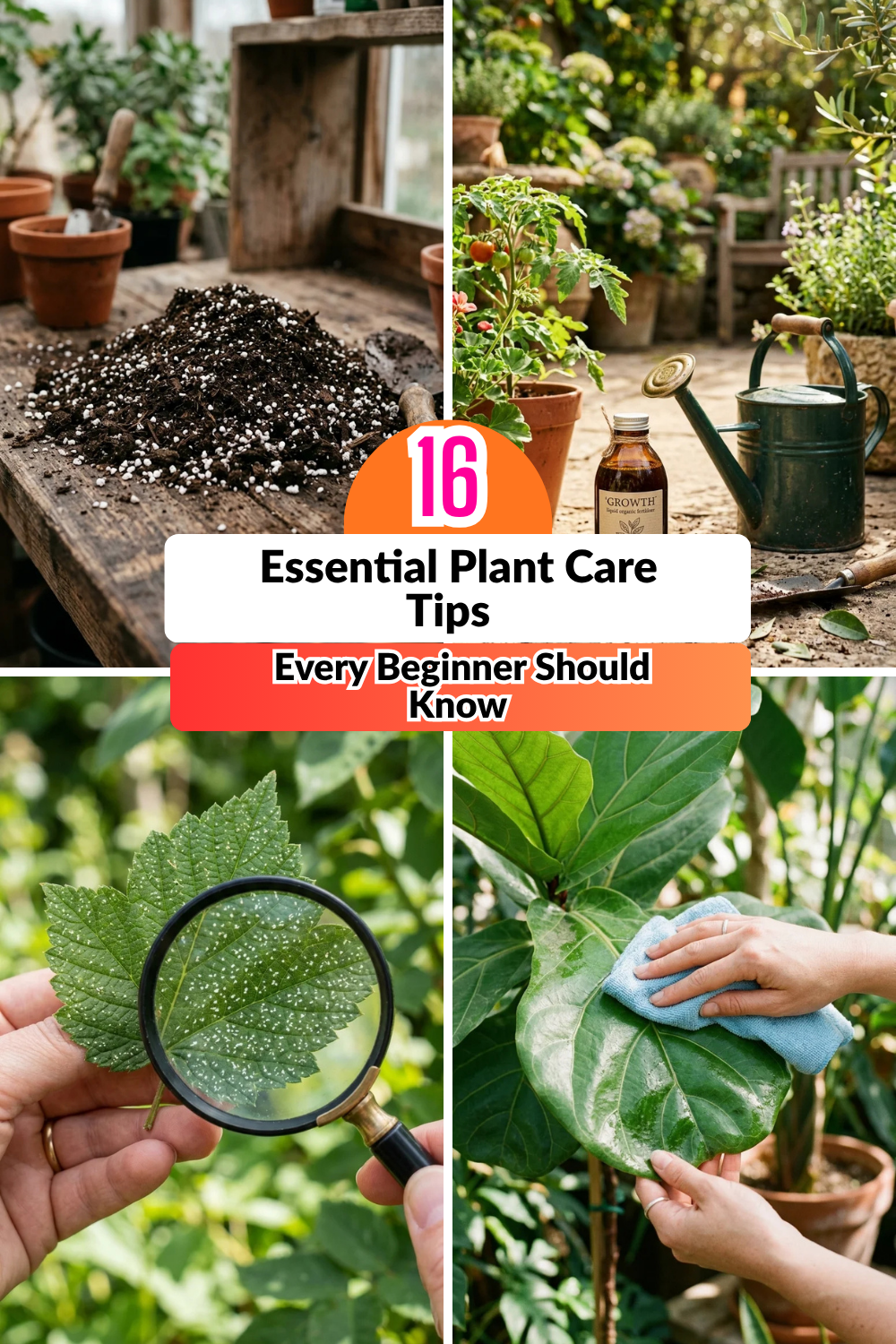
Stepping into the world of indoor gardening is like learning a new language—the language of leaves, soil, and light. For many beginners, the transition from “plant admirer” to “plant parent” can feel a bit overwhelming. You see a beautiful Fern at the nursery, bring it home, and suddenly you’re wondering if it’s thirsty, bored, or just dramatic.
The truth is, most plants are remarkably resilient; they just need us to understand their basic requirements. Whether you are looking to turn your apartment into a sanctuary or just want to keep a single Pothos alive on your desk, these sixteen essential tips will provide the foundation you need for a thriving indoor garden.
1. Sunlight
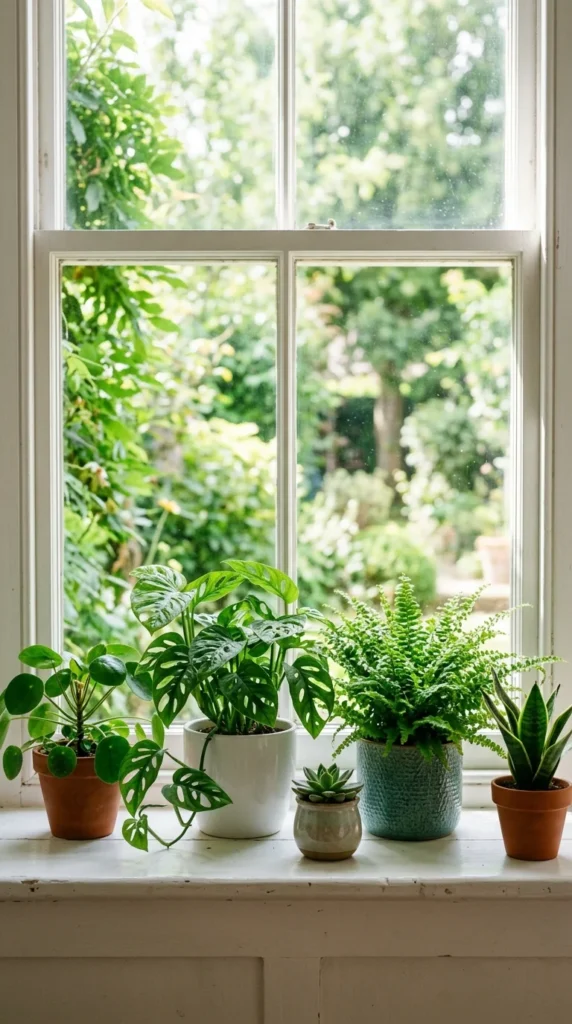
Light is the most critical factor in plant survival because it is their primary source of food through photosynthesis. However, not all light is created equal. Most “bright light” plants actually prefer indirect light—think of the dappled sun in a forest rather than the harsh rays of a desert.
Before placing a plant, observe how light moves through your room during the day. North-facing windows offer the lowest light, while South-facing windows provide the most intense heat and rays. East and West windows offer moderate levels. If your plant is leaning toward the light or losing its variegation, it’s telling you it needs a brighter spot.
2. Watering
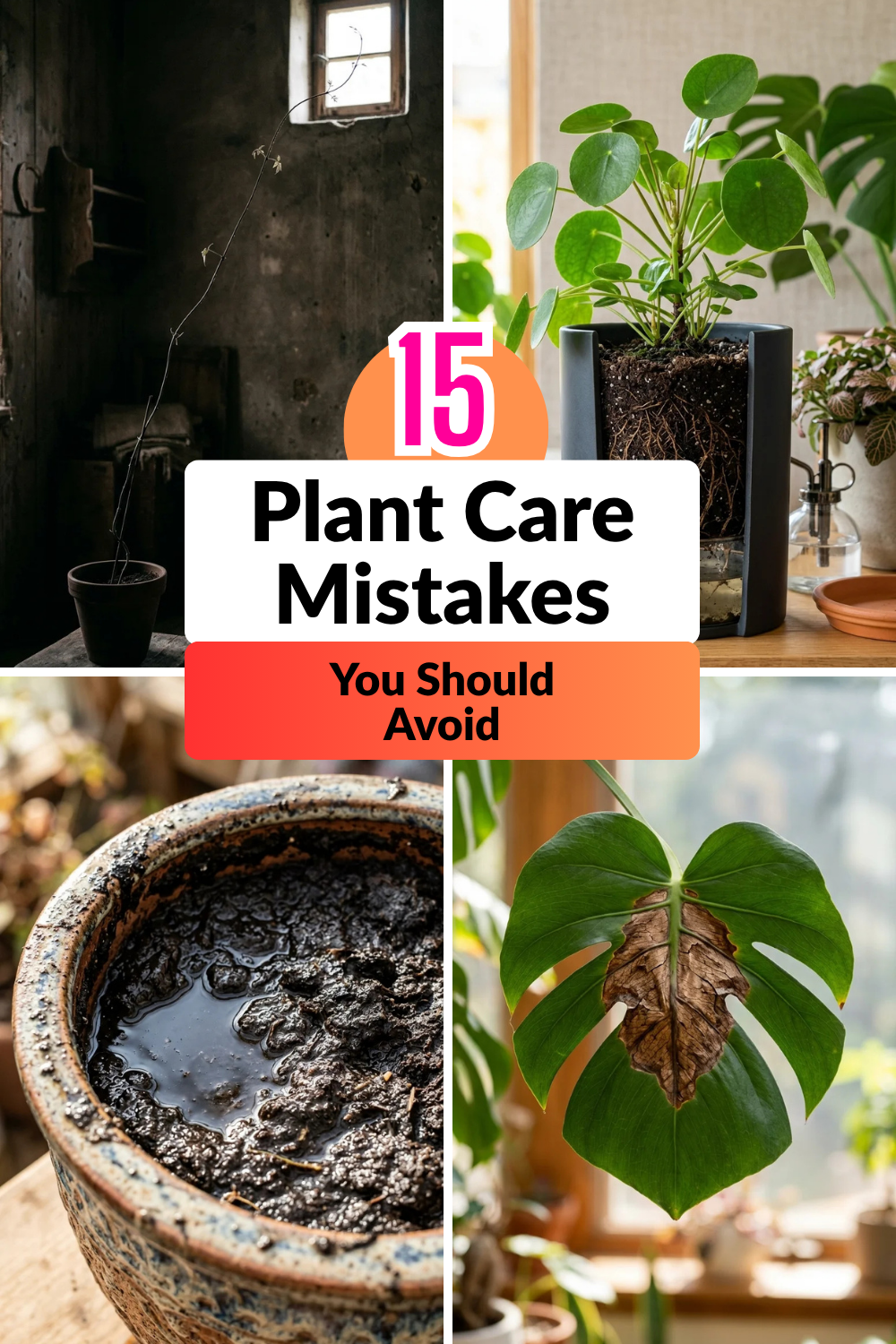
The number one cause of plant death is overwatering, not underwatering. Many beginners follow a strict “once a week” schedule, but plants don’t work on a human calendar. Their thirst depends on the temperature, humidity, and their growth phase.
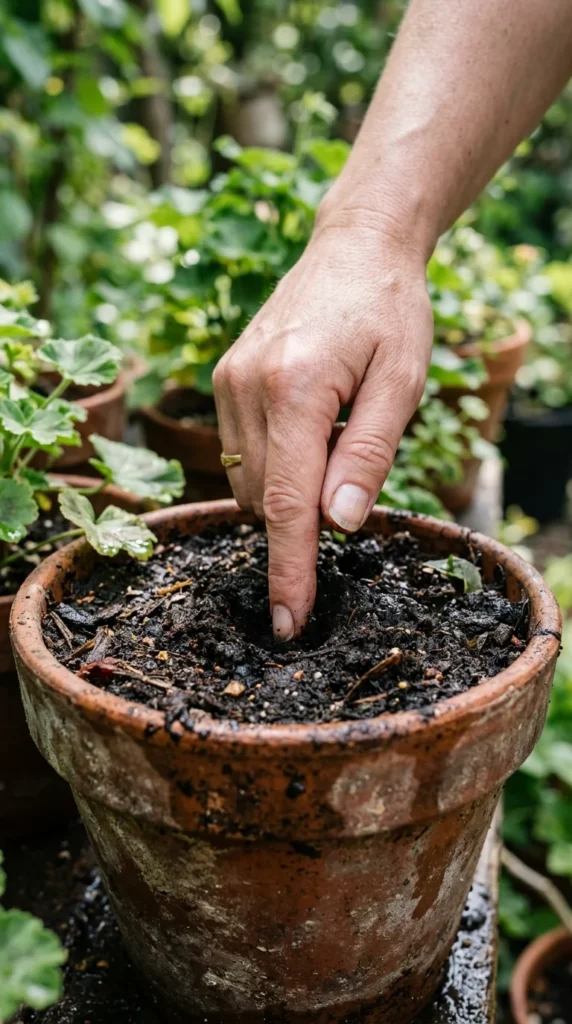
Instead of a schedule, use the finger test. Stick your finger about an inch into the soil. If it feels dry, it’s time to water. If it’s still moist, wait a few days. Always water thoroughly until liquid runs out of the bottom of the pot, ensuring the entire root ball is saturated.
3. Drainage
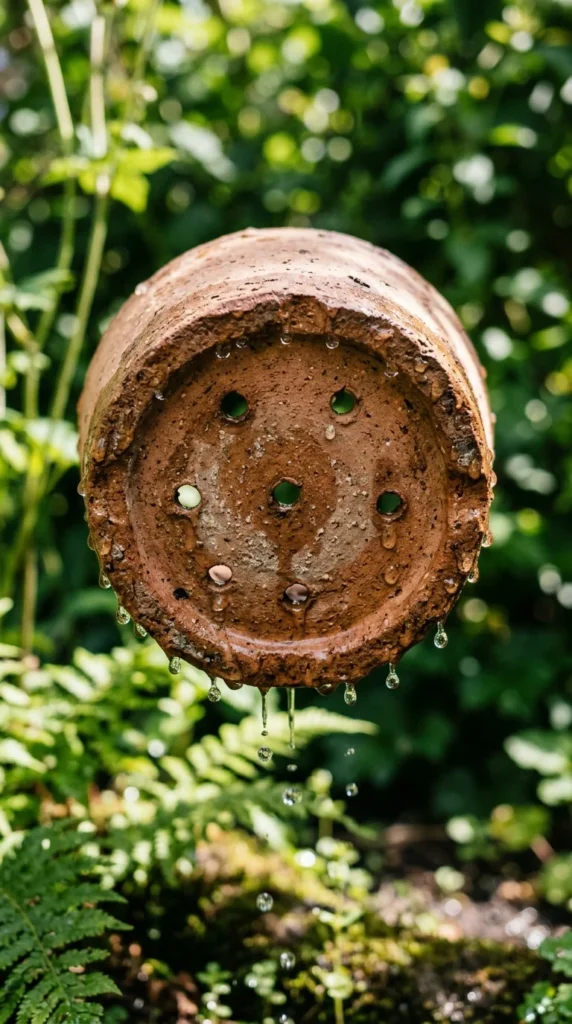
Drainage is your safety net against root rot. If a pot doesn’t have holes, water pools at the bottom, essentially drowning the roots and inviting fungus. Even if you find a beautiful decorative pot without holes, use it as a “cachepot”—keep the plant in a plastic nursery pot with drainage and set that inside the decorative one. This allows you to take the plant to the sink, water it, let it drain, and then return it to its stylish home.
4. Soil
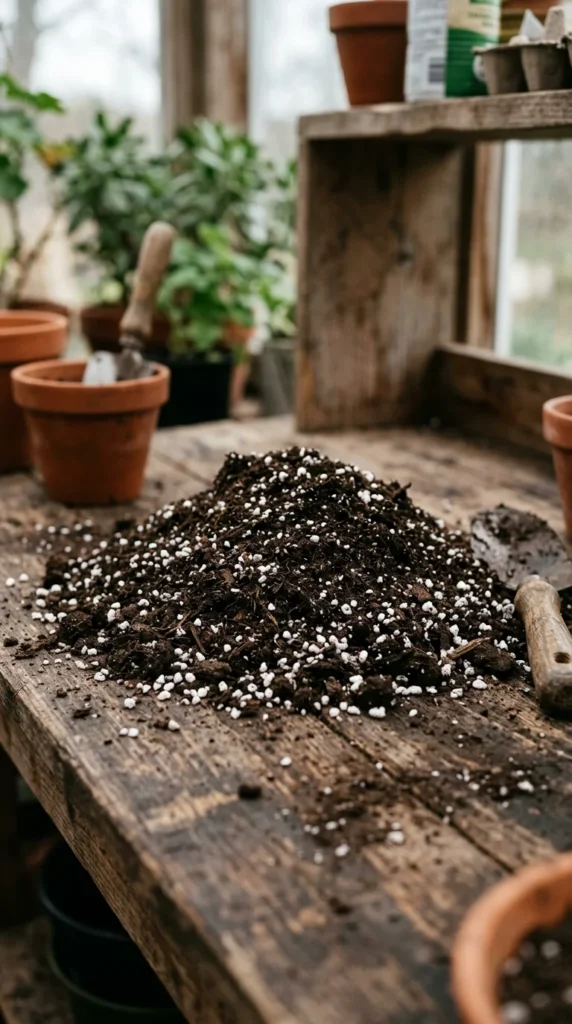
Don’t just grab dirt from your backyard. Garden soil is too heavy for indoor pots; it compacts easily and can harbor pests or pathogens. High-quality potting mix is actually “soilless,” usually consisting of peat moss, pine bark, and perlite or vermiculite. These components allow for the perfect balance of moisture retention and aeration, giving the roots the oxygen they need to breathe.
5. Humidity
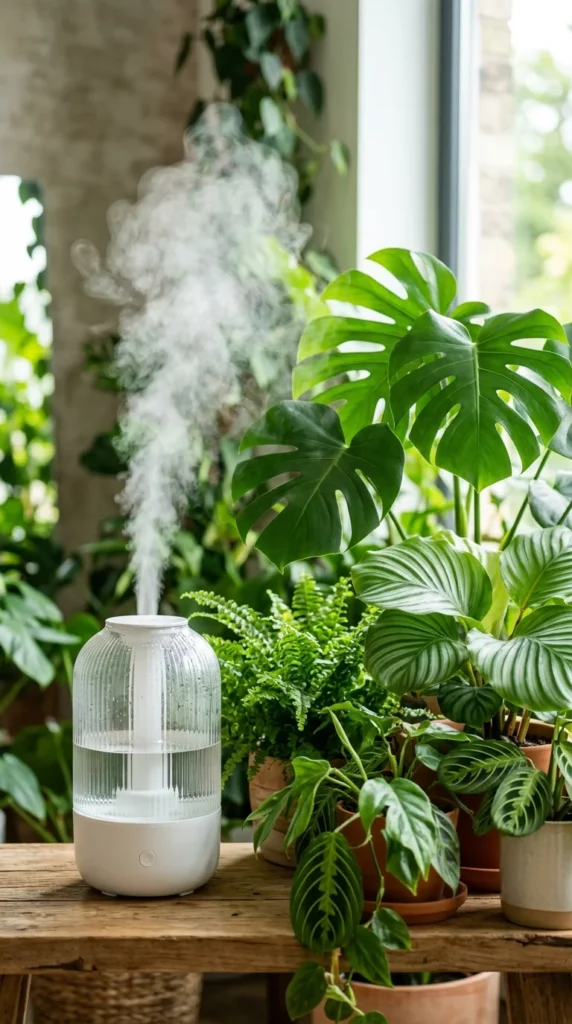
Most houseplants are tropical natives that thrive in 50% to 60% humidity, but our homes (especially in winter) can drop to 10% or 20%. If you notice brown, crispy edges on your leaves, your plant is likely gasping for moisture. You can increase humidity by grouping plants together, placing them on a tray filled with pebbles and water, or investing in a small humidifier. Misting provides a temporary boost but isn’t as effective as a consistent ambient humidity source.
6. Feeding
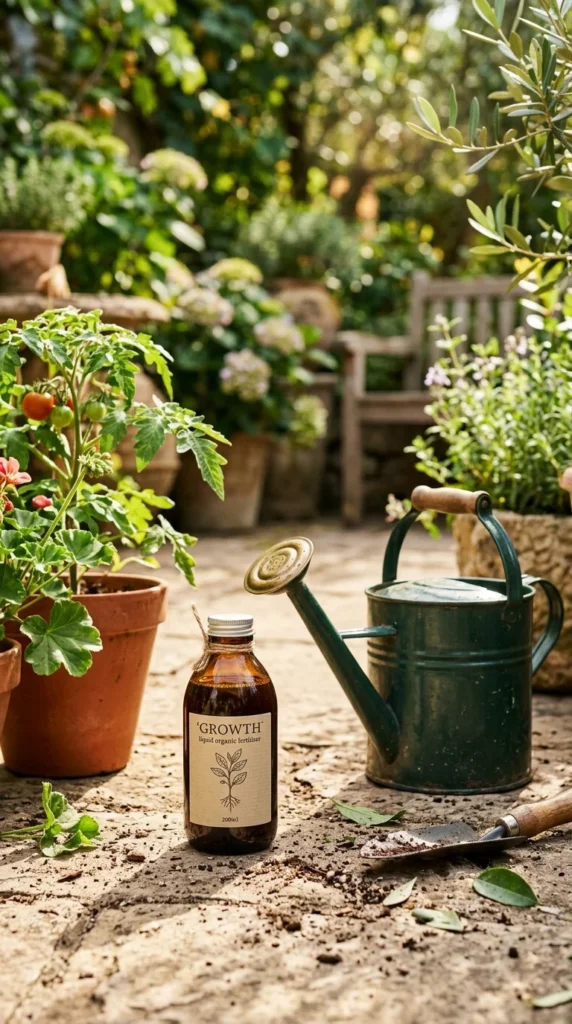
Think of fertilizer as a multivitamin, not a meal. Plants get their “calories” from the sun and use minerals from the soil to grow strong. Over time, the nutrients in potting soil get depleted. During the growing season (spring and summer), use a balanced liquid fertilizer every few weeks. In the winter, when most plants go dormant or slow down, stop fertilizing entirely to avoid chemical burn on the roots.
7. Cleaning
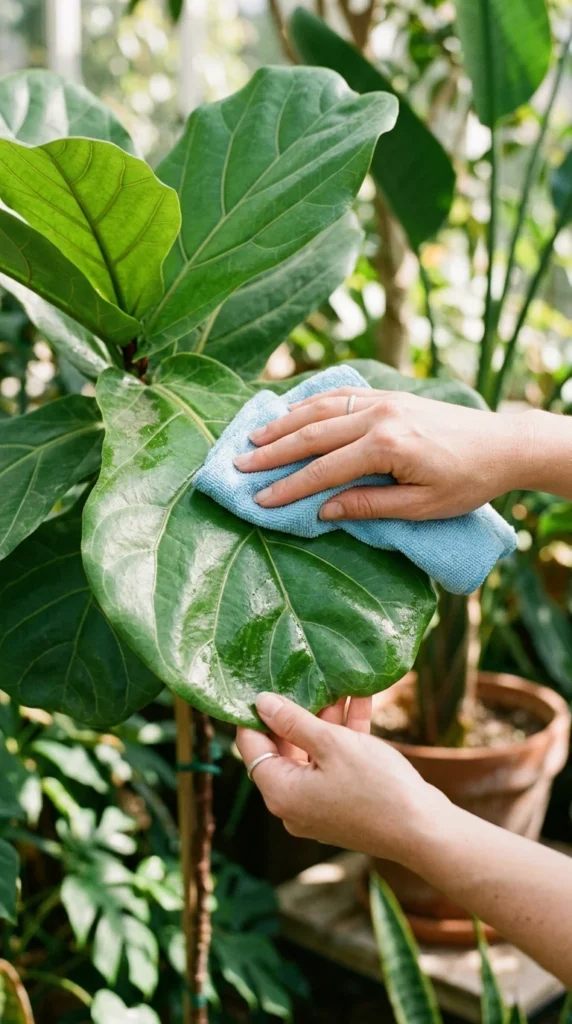
In the wild, rain washes dust off leaves. In your living room, dust accumulates, which can actually block sunlight and clog the pores (stomata) through which the plant breathes. Once a month, take a damp cloth and gently wipe the leaves. For plants with many small leaves, you can give them a gentle “shower” in the sink or bathtub with lukewarm water.
8. Pruning
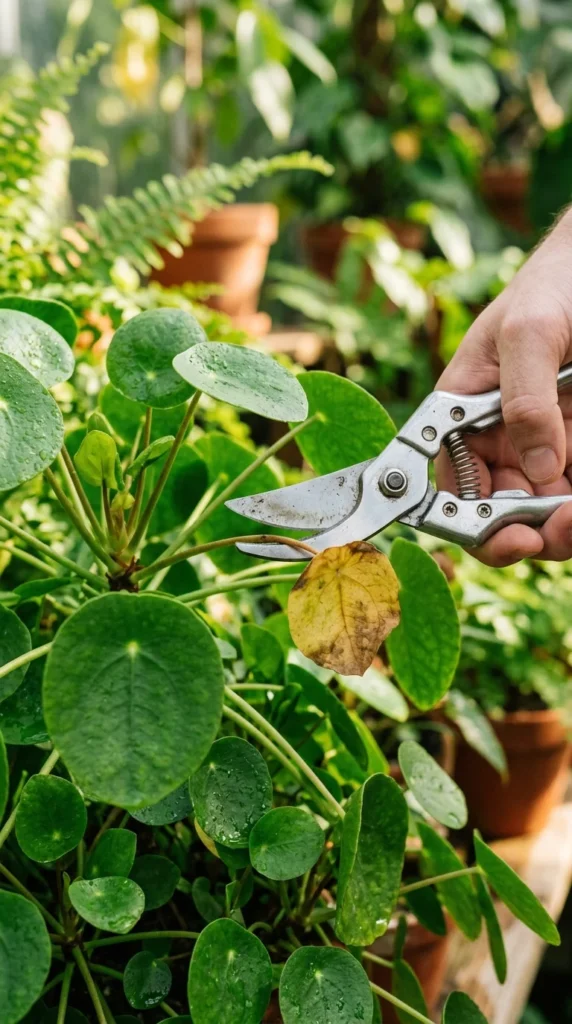
Pruning isn’t just about aesthetics; it’s about health. Yellow or brown leaves are a drain on the plant’s energy as it tries to “fix” a part that is already dying. By snipping off dead foliage with clean, sharp shears, you allow the plant to redirect its energy into producing new, healthy growth. It also encourages bushier growth in many species, preventing them from becoming “leggy.”
9. Repotting
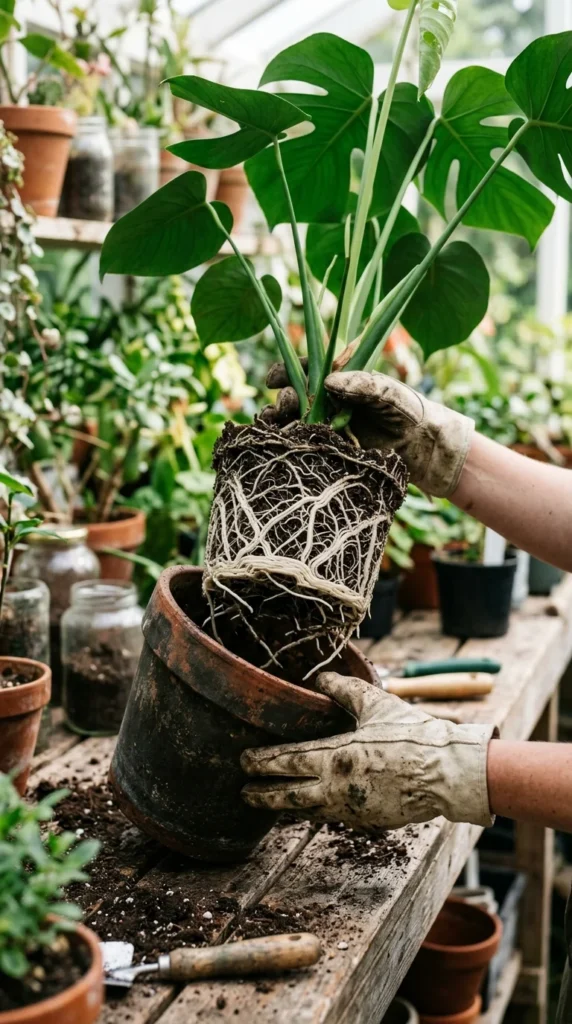
Plants eventually outgrow their homes. If you see roots circling the bottom of the pot or poking out of the drainage holes, it’s time to move up. Generally, you should only choose a pot that is 1–2 inches wider than the current one. Moving a plant into a pot that is too large can lead to “overpotting,” where the excess soil stays wet for too long because the roots can’t reach all the water, leading to rot.
10. Pests
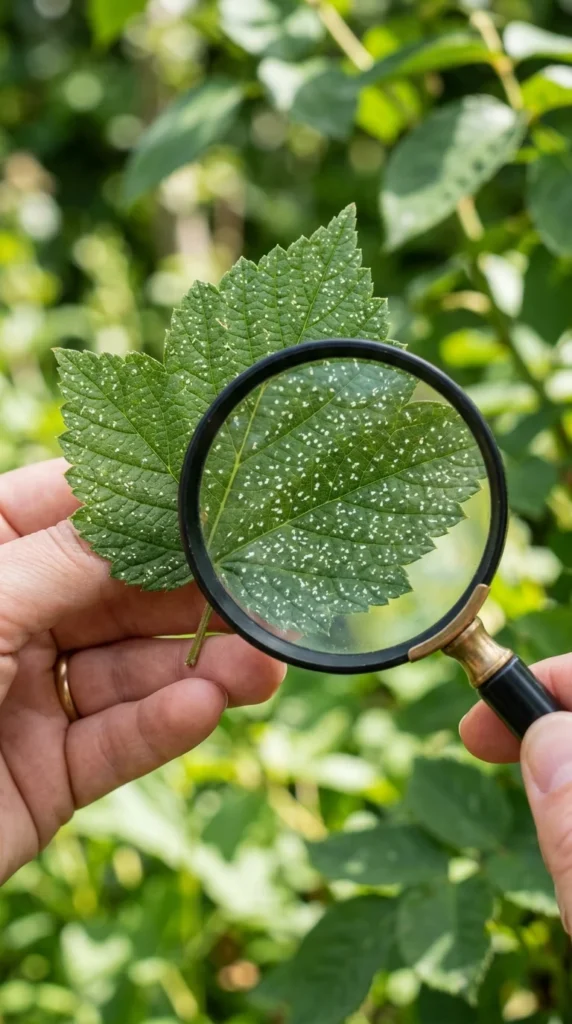
Prevention is better than a cure. Check your plants regularly for unwanted guests like spider mites, mealybugs, or fungus gnats. Look under the leaves and at the nodes (where the leaf meets the stem). If you catch an infestation early, it’s usually easy to treat with neem oil or insecticidal soap. If you ignore it, pests can quickly spread to your entire collection.
11. Temperature
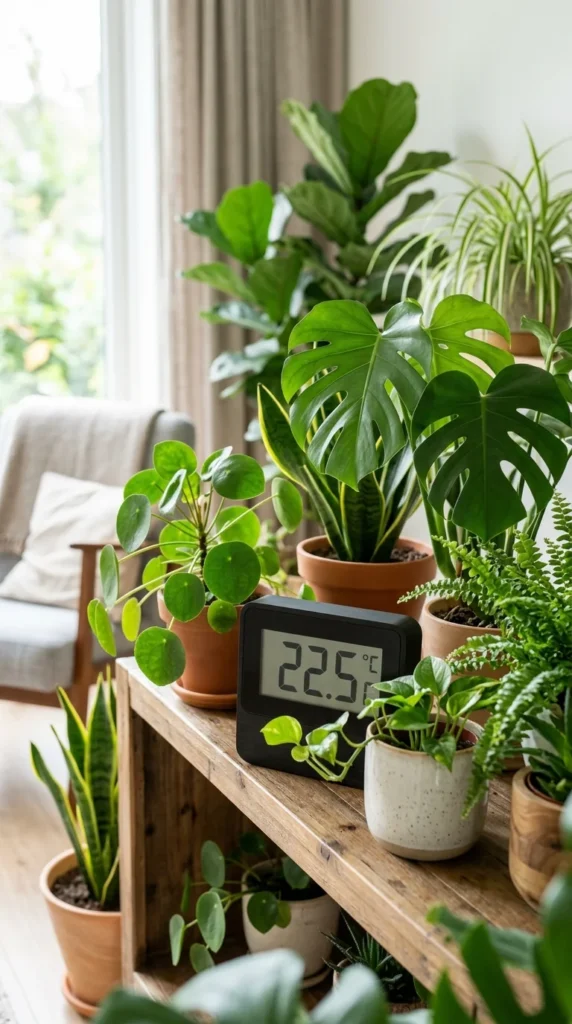
If you are comfortable, your plants are likely comfortable. Most houseplants prefer temperatures between 65°F and 75°F (18°C–24°C). The biggest danger isn’t the average temperature, but sudden fluctuations. Keep your plants away from cold drafts near doors in winter and away from direct blasts from air conditioning vents or heaters, which can shock the plant and cause leaf drop.
12. Acclimation
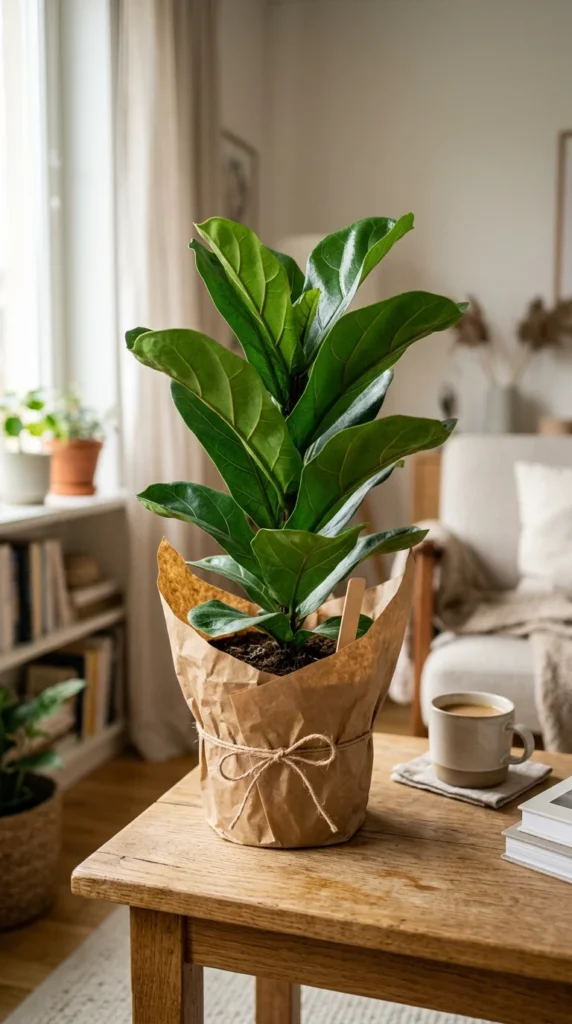
When you bring a new plant home, it undergoes “nursery shock.” It has just moved from a perfect greenhouse environment to a truck, to a store, and finally to your home. Give it time to adjust. Don’t repot it immediately; let it sit in its new spot for two weeks to get used to the light and temperature. If it drops a leaf or two during this time, don’t panic—it’s just getting settled.
13. Grouping
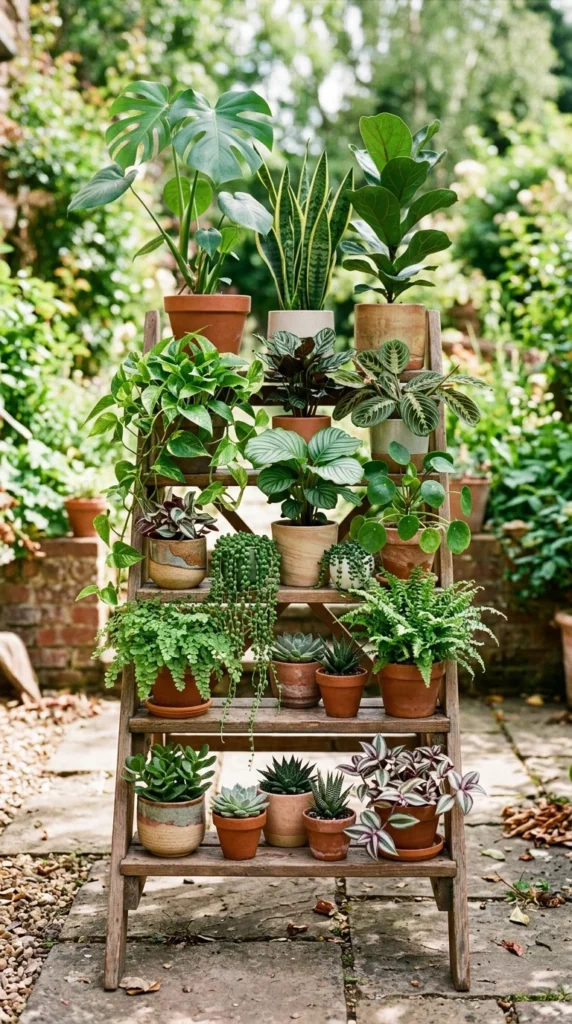
Plants are social creatures. When you group plants together, they create a “microclimate.” Through a process called transpiration, plants release moisture into the air. By huddling them together, they share this moisture, effectively raising the local humidity for the whole group. Plus, a cluster of plants looks much more visually striking than a single pot sitting alone.
14. Airflow
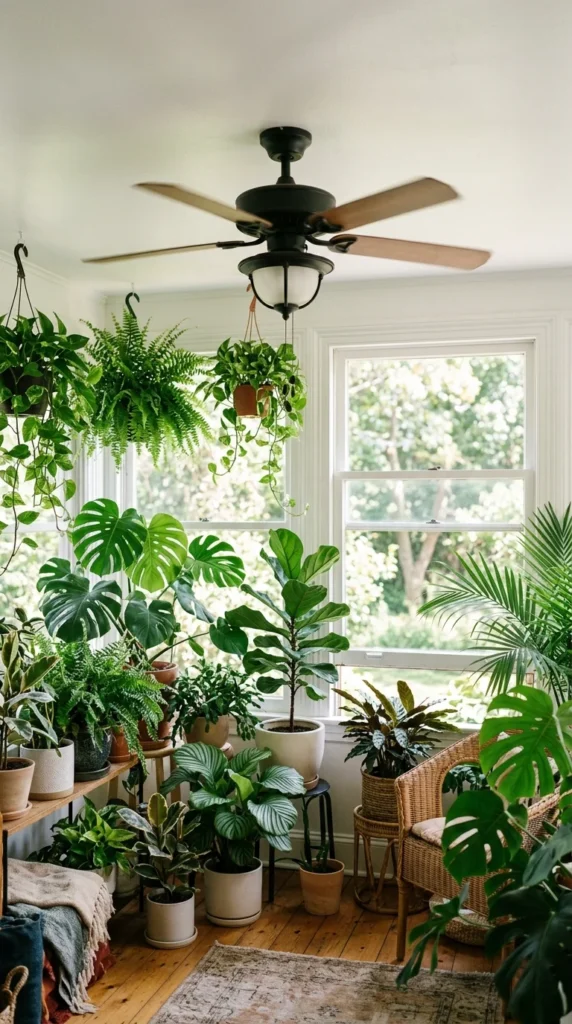
Stagnant air is a breeding ground for mold and fungal diseases. While you want to avoid harsh drafts, a gentle movement of air is beneficial. It helps strengthen the plant’s stems and prevents moisture from sitting on the leaves for too long after watering. Opening a window on a mild day or using a low-power fan can make a world of difference for your indoor garden’s health.
15. Equipment
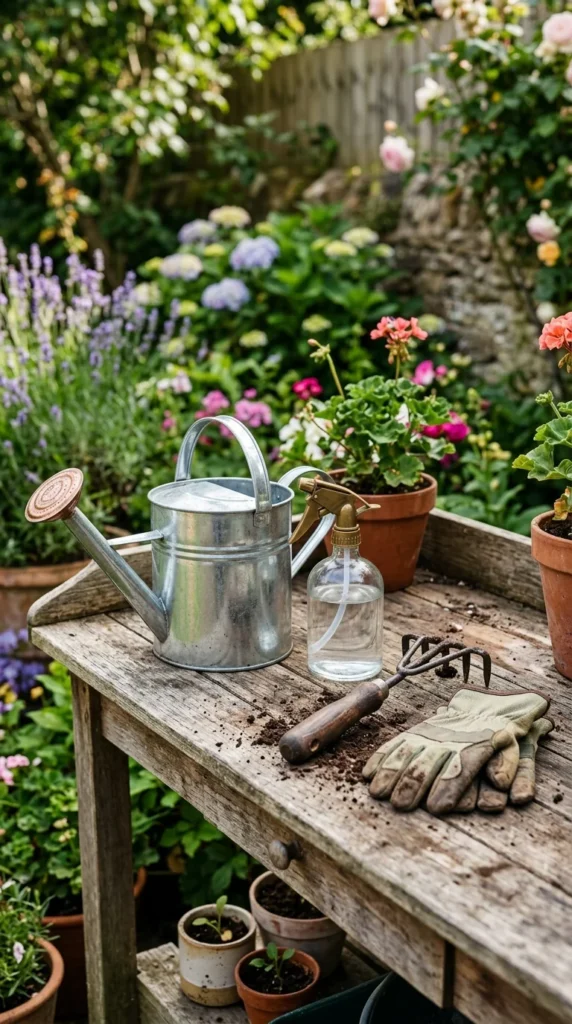
You don’t need a professional greenhouse to be successful, but a few basic tools make the job easier. A watering can with a long, narrow spout allows you to target the soil without getting the leaves wet. A simple spray bottle is great for cleaning or light misting. Having a dedicated set of sharp snips ensures you don’t crush the stems when you prune, and a moisture meter can be a lifesaver for beginners who struggle to judge soil dampness.
16. Observation
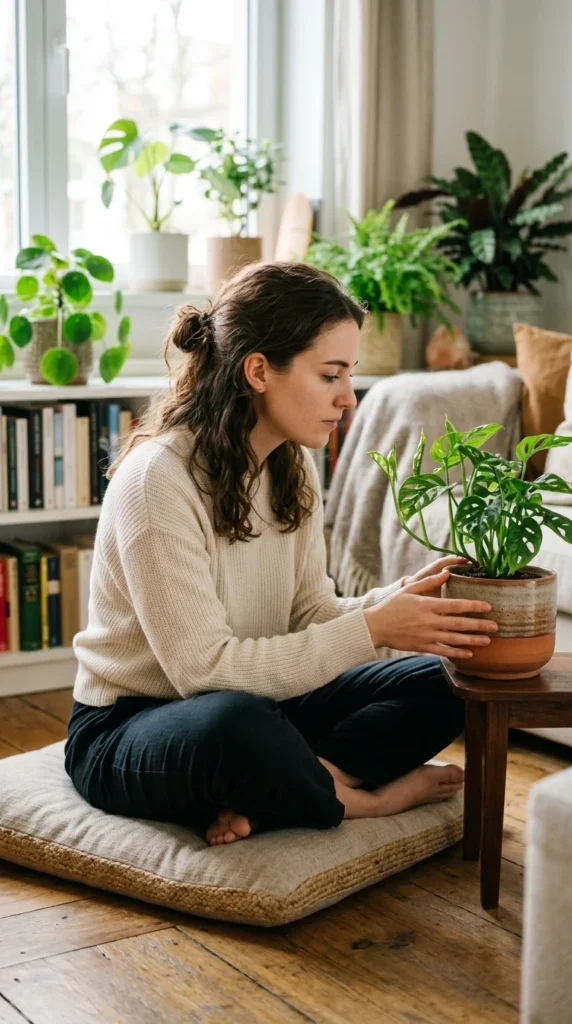
The most important tool in your arsenal is your own eyes. Spend a few minutes every day just looking at your plants. Is the new leaf unfurling? Are the stems drooping slightly? Is the color vibrant? By observing your plants when they are healthy, you will notice much faster when something is wrong. Every plant has its own personality—some will tell you they are thirsty by wilting dramatically, while others will just quietly fade. Learning these cues is the true secret to becoming a “green thumb.”
The journey of plant parenthood is one of patience and discovery. You will likely lose a few plants along the way, but every “failure” is just a lesson in what that specific species needs. By following these sixteen tips, you aren’t just keeping plants alive; you are creating an environment where they—and you—can truly flourish.