Gardening is far more than a hobby reserved for those with a “green thumb.” It is a transformative lifestyle choice that bridges the gap between the modern, fast-paced world and the rhythmic, healing pace of nature. Whether you have a sprawling estate or a small balcony filled with potted herbs, the act of nurturing a plant from seed to bloom offers a unique cocktail of biological, psychological, and physical benefits. Scientific studies and anecdotal evidence alike suggest that digging in the dirt might be one of the most effective ways to improve your quality of life.
1. Stress Relief
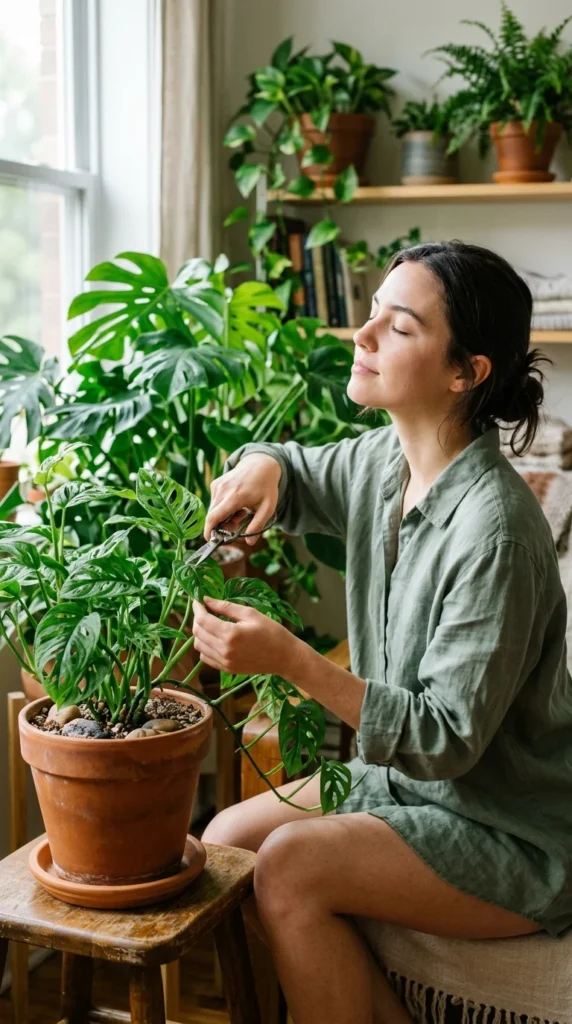
One of the most immediate benefits of gardening is its ability to lower cortisol levels, the hormone responsible for stress. When you step into a garden, the visual complexity of nature—the fractal patterns of leaves and the gentle movement of grass—triggers a relaxation response in the brain. Unlike the “directed attention” required by screens and urban environments, nature provides “soft fascination,” which allows the mind to recover from fatigue. The rhythmic tasks of weeding, watering, and pruning act as a form of active meditation, slowing the heart rate and quieting a racing mind.
2. Physical Fitness
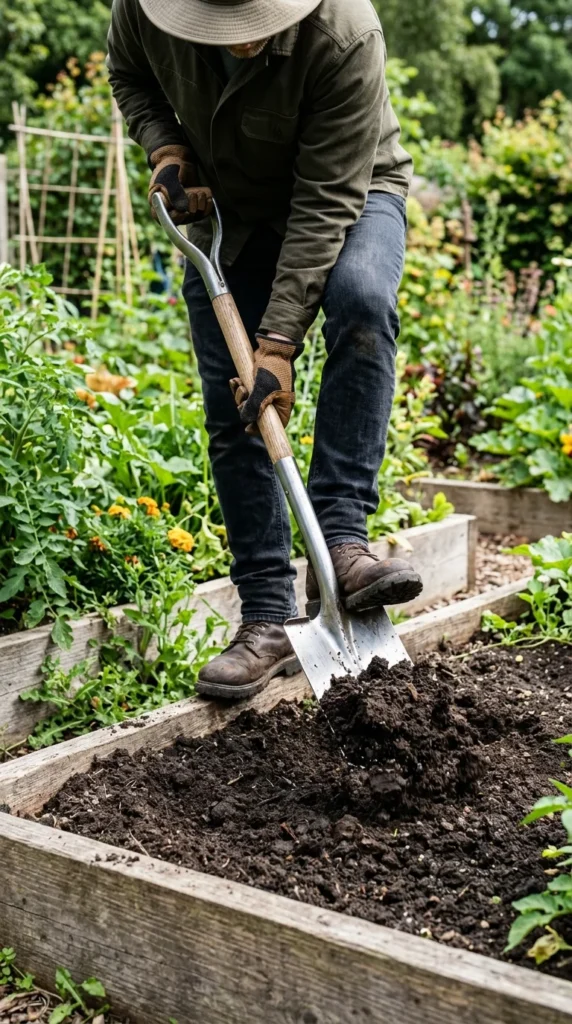
Gardening is a full-body workout disguised as a leisure activity. It involves reaching, bending, lifting, and digging, all of which engage major muscle groups. Tasks like hauling mulch or raking leaves provide low-impact aerobic exercise, which burns calories and strengthens the cardiovascular system. For many, gardening is more sustainable than a gym routine because it is purposeful; you aren’t just lifting weights, you are building a landscape. Over time, this consistent physical activity improves flexibility, stamina, and functional strength, especially in the hands and forearms.
3. Vitamin D
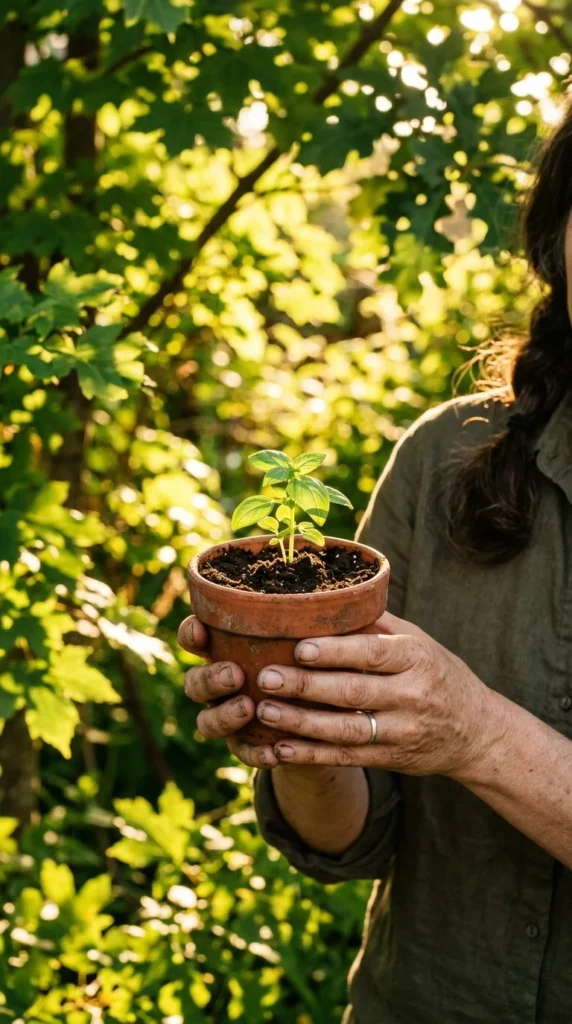
Spending time outdoors is the most natural way to boost your Vitamin D levels. This essential “sunshine vitamin” is crucial for bone health as it helps the body absorb calcium. Beyond bone density, Vitamin D plays a massive role in regulating the immune system and mood. Low levels are often linked to seasonal affective disorder (SAD) and depression. A morning spent tending to your flower beds ensures you get a healthy dose of natural light, which also helps regulate your circadian rhythm, telling your body when to be awake and when to rest.
4. Healthy Soil
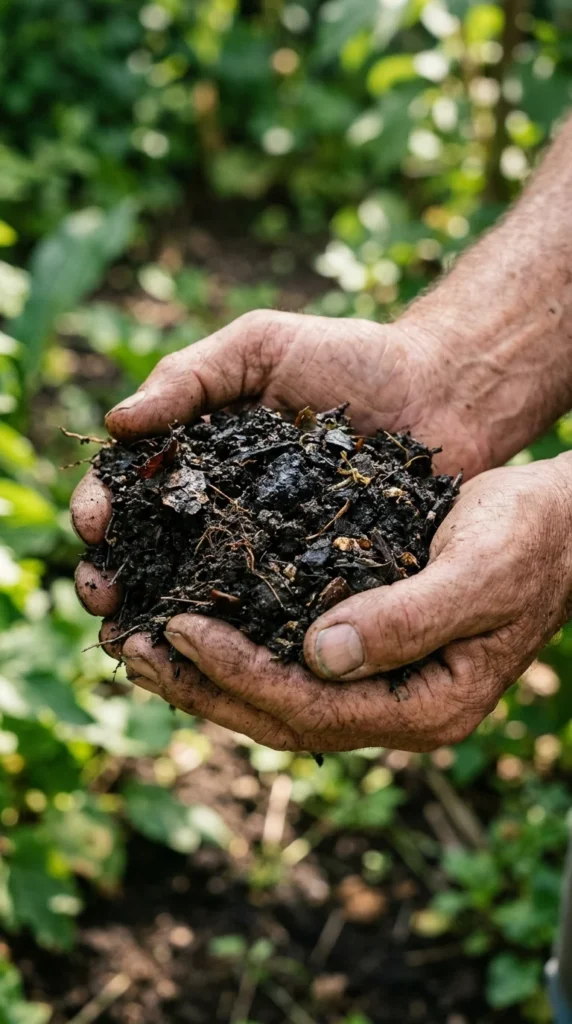
It might sound strange, but getting “dirty” can actually make you happier. Soil contains a specific strain of bacterium called Mycobacterium vaccae. Research has shown that when this bacterium is inhaled or absorbed through the skin during gardening, it stimulates the production of serotonin in the brain. Serotonin is the chemical responsible for feelings of well-being and happiness. In essence, the soil itself acts as a natural antidepressant, providing a biological boost to your mood every time you dig into the earth.
5. Fresh Produce

There is no comparison between a store-bought tomato and one ripened on the vine in your own backyard. Gardening allows you to control exactly what goes into your food, eliminating the need for harmful pesticides and synthetic fertilizers. Homegrown fruits and vegetables are often harvested at their peak nutritional value, whereas commercial produce is frequently picked early to survive transport. Furthermore, people who grow their own food are statistically more likely to eat a higher volume of vegetables, leading to a more nutrient-dense diet and better long-term health outcomes.
6. Mindful Presence
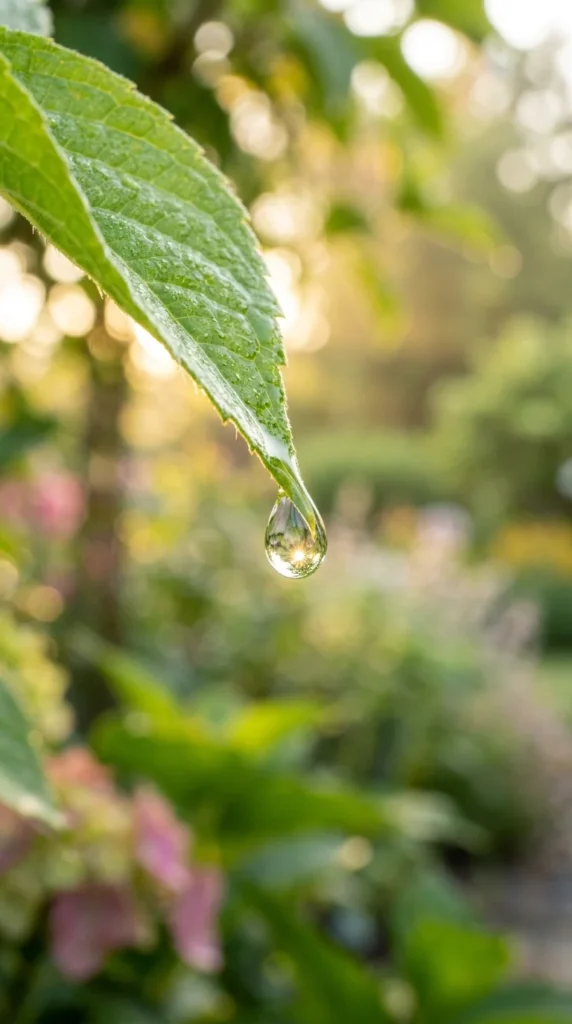
Gardening forces us into the present moment. You cannot rush a flower to bloom or a seed to sprout; you must work on nature’s timeline. This inherent slowness teaches mindfulness—the practice of being fully engaged in the “now.” Whether you are feeling the texture of the soil, smelling the fragrance of damp earth, or listening to the hum of bees, your senses are heightened. This sensory engagement pulls you away from anxieties about the future or regrets about the past, providing a mental sanctuary from the digital noise of modern life.
7. Achievement
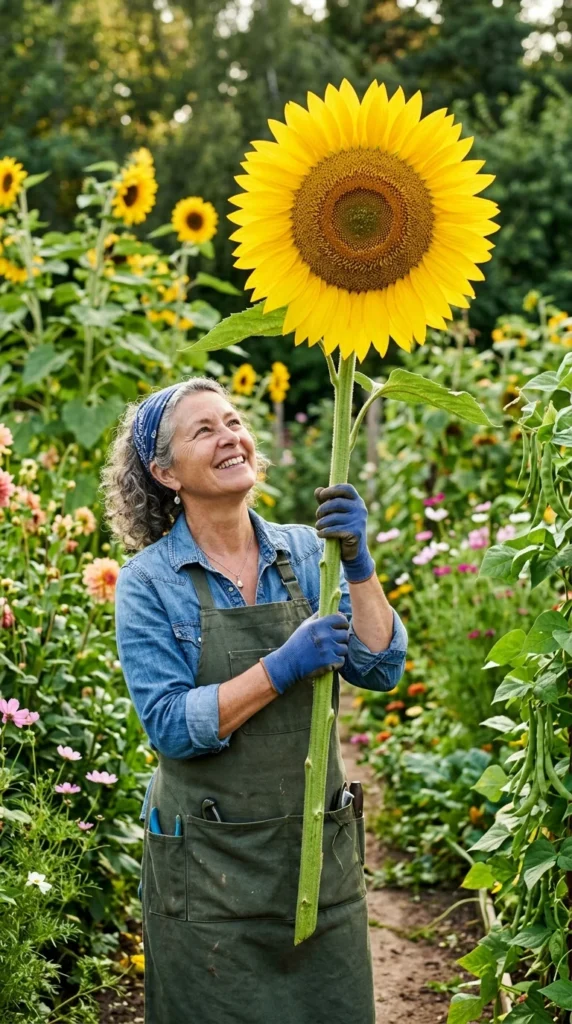
The “harvest” isn’t just about food; it’s about the psychological reward of seeing your hard work come to fruition. Watching a tiny, dry seed transform into a towering plant or a beautiful flower provides a profound sense of self-efficacy and accomplishment. This boost in self-esteem is particularly beneficial for individuals struggling with depression or a sense of helplessness. It serves as a tangible reminder that your actions have a direct, positive impact on the world around you, fostering a sense of purpose and pride.
8. Cognitive Function
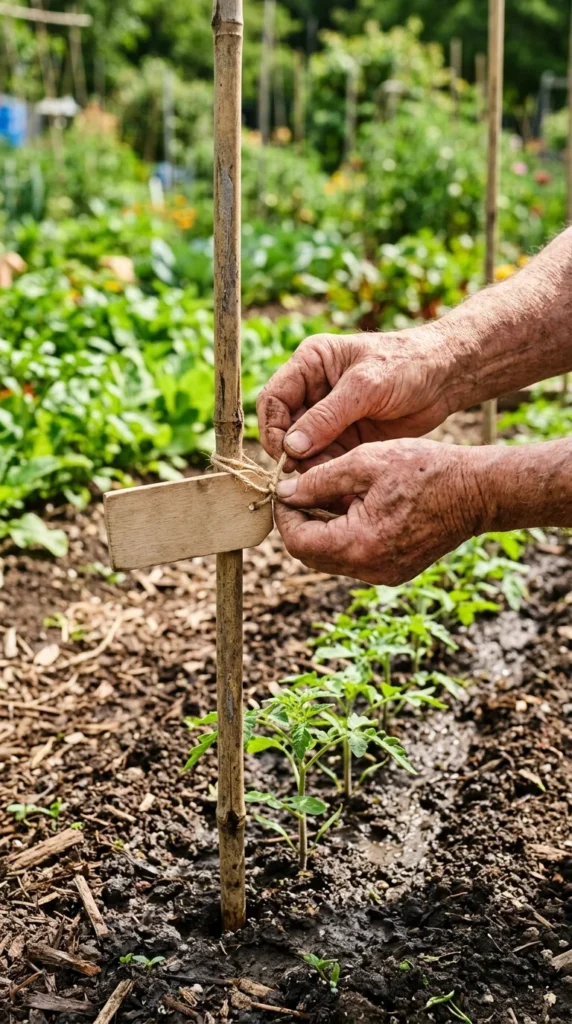
Gardening is a “brain-healthy” activity that can help keep the mind sharp as we age. It requires a combination of sensory awareness, motor skills, and complex problem-solving (such as deciding where to plant certain species or how to manage pests). Studies have indicated that daily gardening can significantly reduce the risk of dementia and Alzheimer’s disease. The combination of physical activity, social interaction, and mental stimulation creates a protective effect on the brain, improving memory and attention span.
9. Restful Sleep

If you struggle with insomnia or poor sleep quality, gardening might be the cure. The physical exertion required by gardening naturally tires the body, while the exposure to natural sunlight helps regulate your internal clock. Furthermore, the reduction in stress and anxiety levels achieved through gardening makes it easier for the mind to “shut down” at night. After a day spent in the fresh air and physical labor, the body is primed for a deep, restorative sleep cycle, which is essential for cellular repair and mental clarity.
10. Immunity
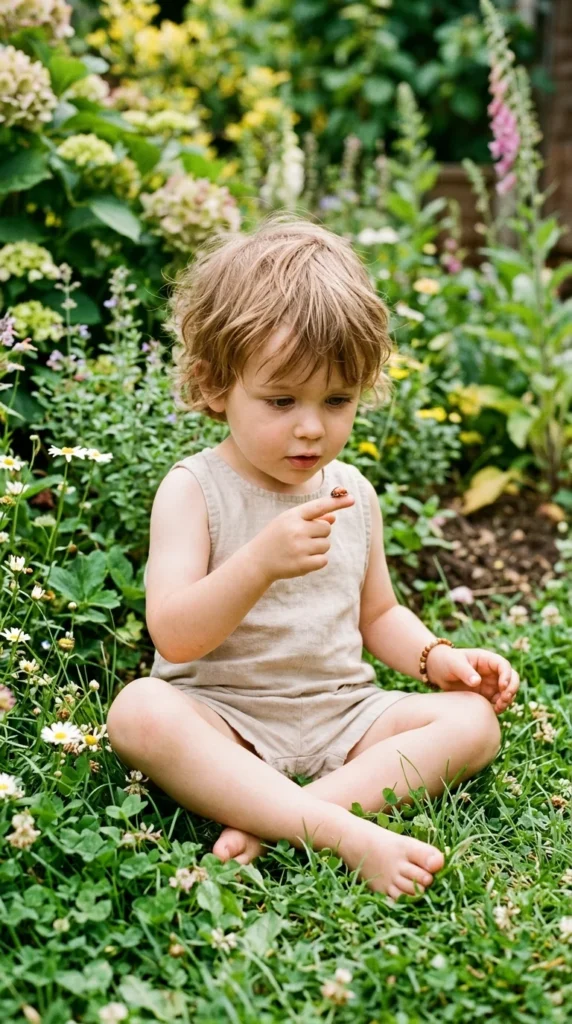
The “hygiene hypothesis” suggests that our modern, hyper-sanitized environments might actually be weakening our immune systems. Exposure to the diverse microbes found in a garden can help train the immune system to distinguish between harmful pathogens and harmless environmental triggers. For children, playing in the dirt can reduce the likelihood of developing allergies and asthma. For adults, the combination of Vitamin D, reduced stress, and exposure to beneficial soil bacteria creates a robust defense system against common illnesses.
11. Social Bonds

Gardening is a powerful tool for building community. Whether it’s a community garden plot, a neighborhood plant swap, or simply chatting with a neighbor over the fence, gardening fosters social connection. Sharing seeds, advice, and excess harvest creates a sense of belonging and mutual support. For those who may feel isolated, joining a gardening club or volunteering at a public park can provide a meaningful way to meet like-minded individuals, reducing feelings of loneliness and strengthening the social fabric of a neighborhood.
12. Earth Stewardship
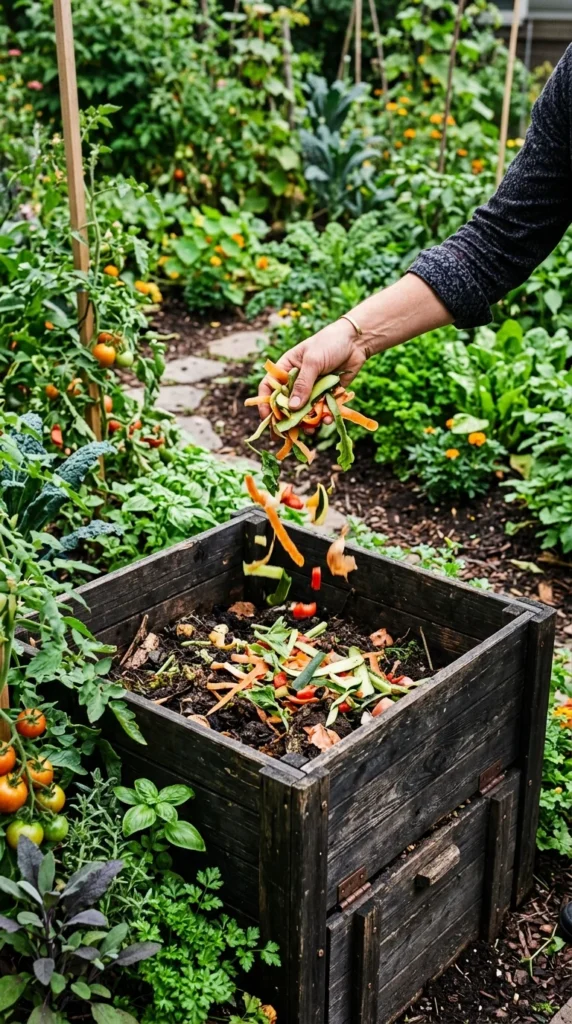
There is a deep psychological satisfaction that comes from knowing you are helping the planet. Gardening allows you to create a small oasis for local wildlife, providing nectar for bees, butterflies, and birds. By composting kitchen scraps, you reduce waste and return nutrients to the soil. Growing your own food also reduces your carbon footprint by eliminating the need for long-distance transportation. This connection to the environment fosters a “stewardship mindset,” making you more aware of ecological issues and more invested in the health of the Earth.
13. Sensory Joy
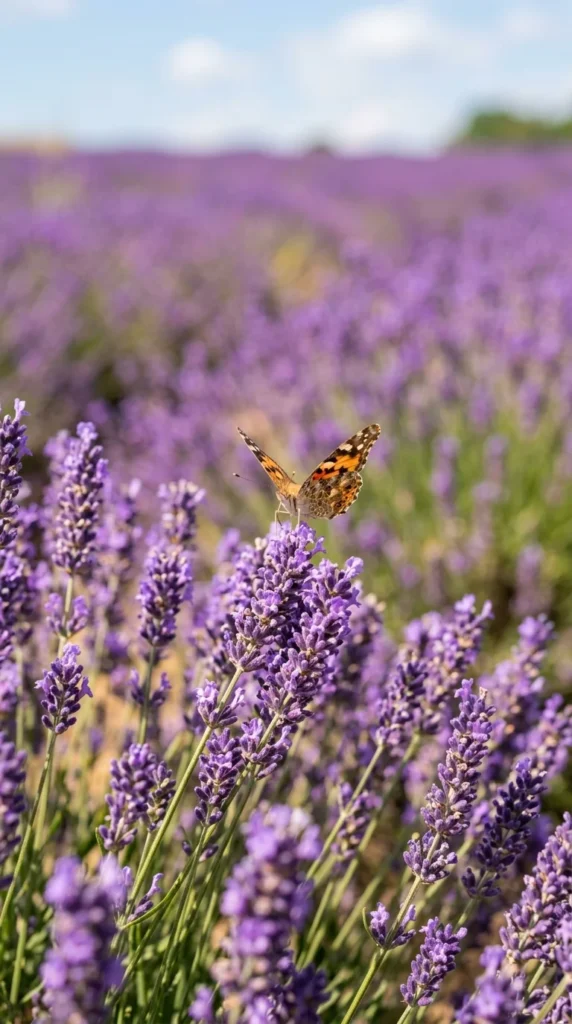
Our modern environments are often sterile and grey, but a garden is a riot of color, scent, and texture. The vibrant reds of a rose, the calming scent of lavender, and the soft fuzz of a lamb’s ear leaf provide a feast for the senses. This sensory stimulation is highly therapeutic. It can trigger positive memories, elevate mood, and even reduce the perception of physical pain. Creating a garden designed for the senses—often called a “sensory garden”—is a common practice in hospitals and care facilities because of its profound healing effects on the human spirit.
14. Emotional Resilience
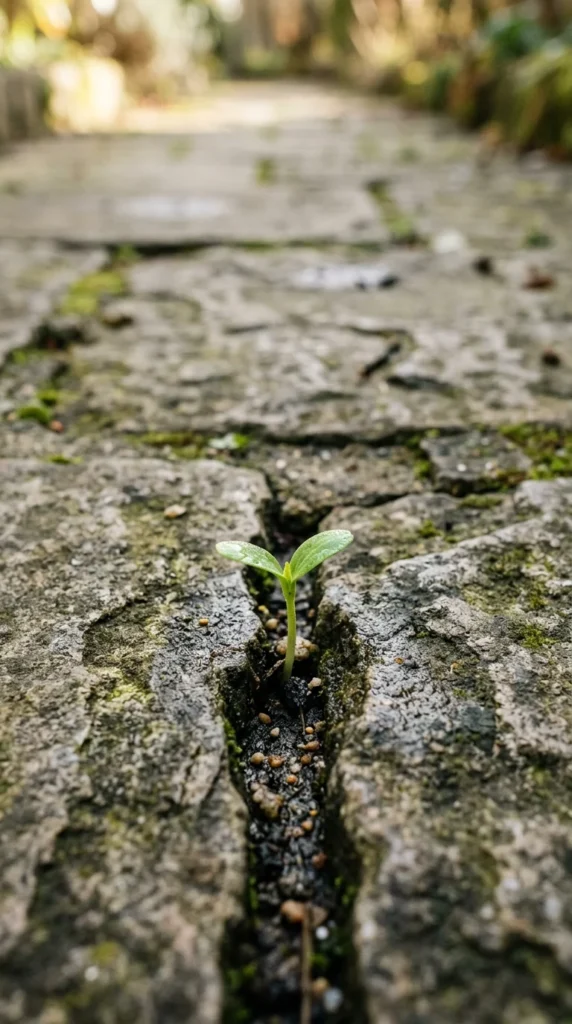
Gardening is a masterclass in patience and resilience. Not every seed will grow, and sometimes pests or weather will destroy a season’s hard work. Dealing with these setbacks teaches a valuable life lesson: how to accept failure and try again. Gardeners learn to adapt to things beyond their control and to find beauty in every stage of the life cycle, including decay and dormancy. This emotional flexibility translates to other areas of life, helping you navigate personal and professional challenges with a calmer, more grounded perspective.