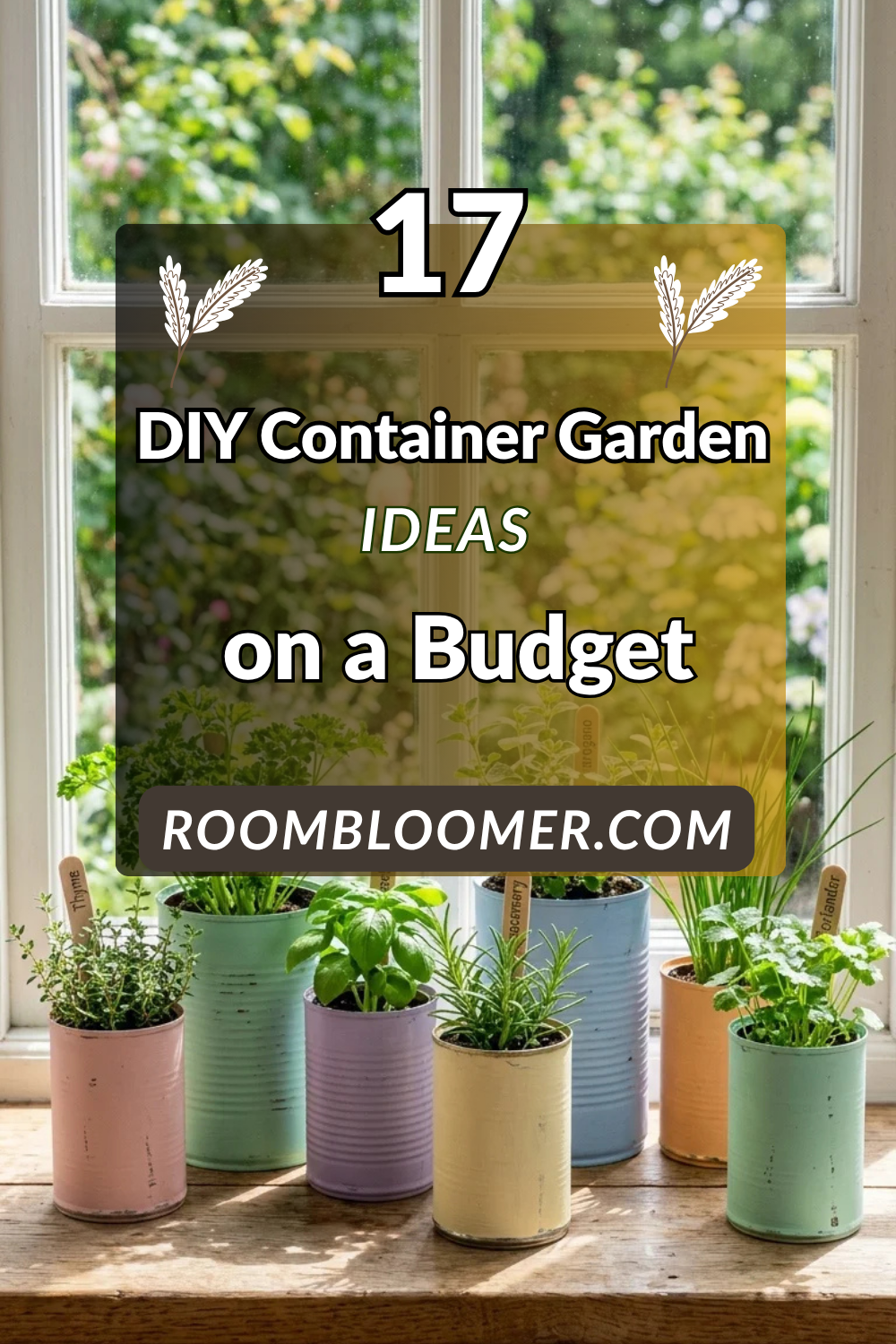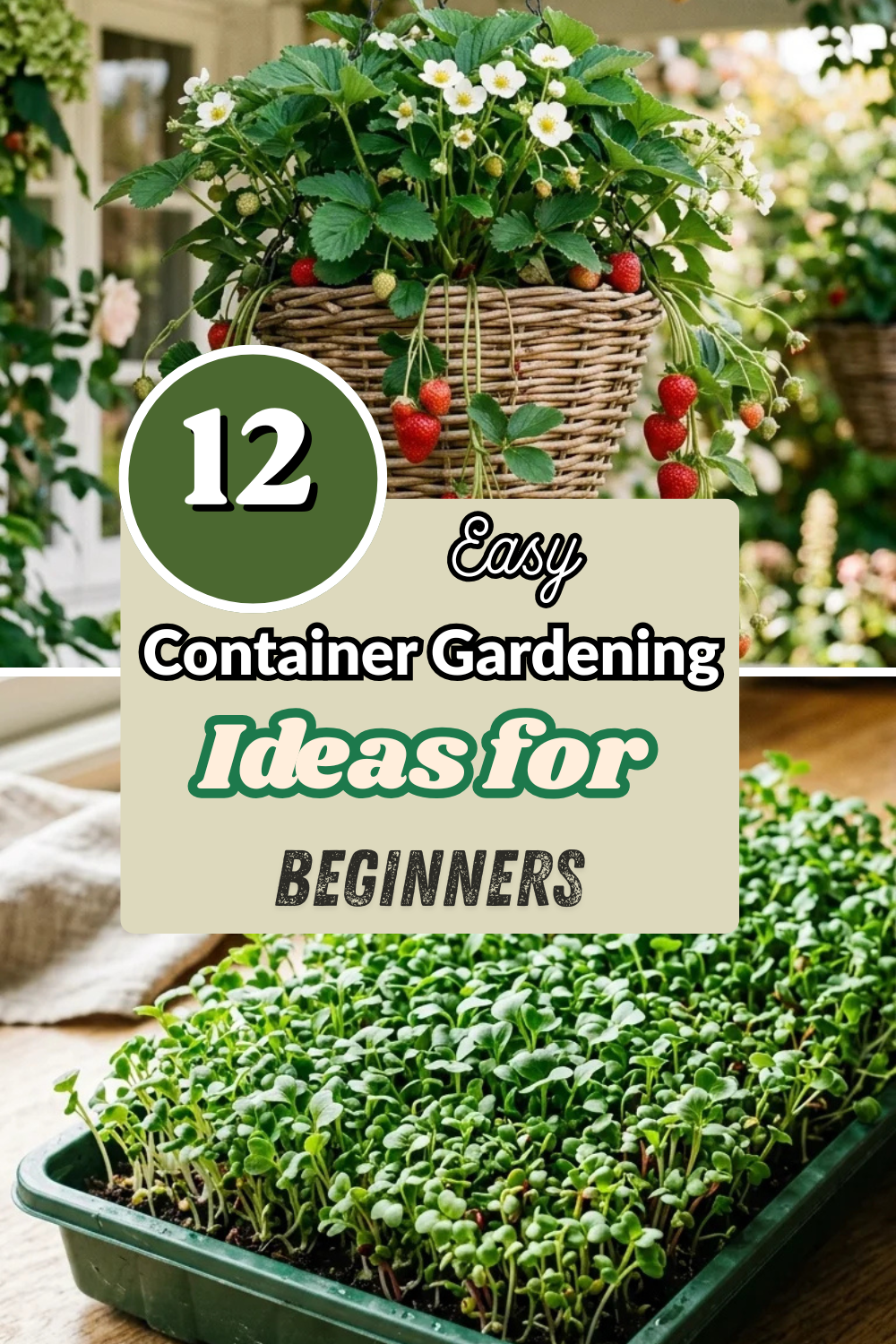
Container gardening is the ultimate “low-barrier” entry point into the world of horticulture. Whether you live in a high-rise apartment with a tiny balcony or a suburban home with a sprawling porch, growing in pots allows you to control the environment, soil quality, and sunlight exposure with precision. You don’t need a plow, a tiller, or even a backyard to harvest fresh food and beautiful blooms.
If you are just starting out, the sheer variety of plants can be overwhelming. To help you succeed, we have curated twelve foolproof container gardening ideas that prioritize ease of care, high yields, and aesthetic appeal.
1. Herb Garden
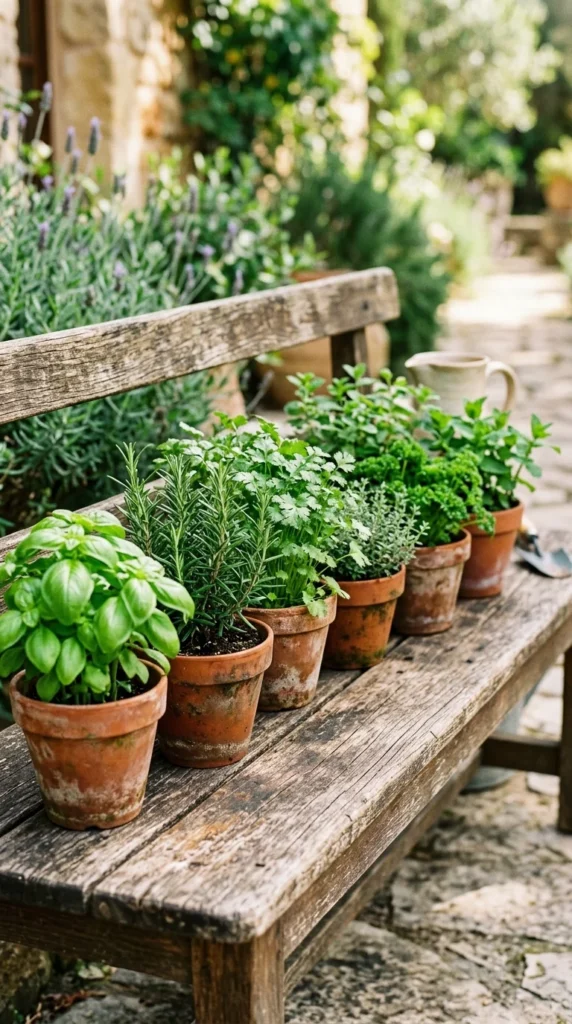
Herbs are arguably the best starting point for any beginner. They are resilient, require minimal space, and provide immediate rewards in the kitchen. A “Culinary Trio” of basil, parsley, and cilantro can thrive in a single long window box.
- Light Requirements: Most herbs need at least 6 hours of direct sunlight.
- Watering: Basil likes to stay moist, while rosemary and thyme prefer to dry out between waterings.
- Pro Tip: Always pinch off the flowers (bolting) to encourage the plant to keep producing flavorful leaves.
2. Salad Greens
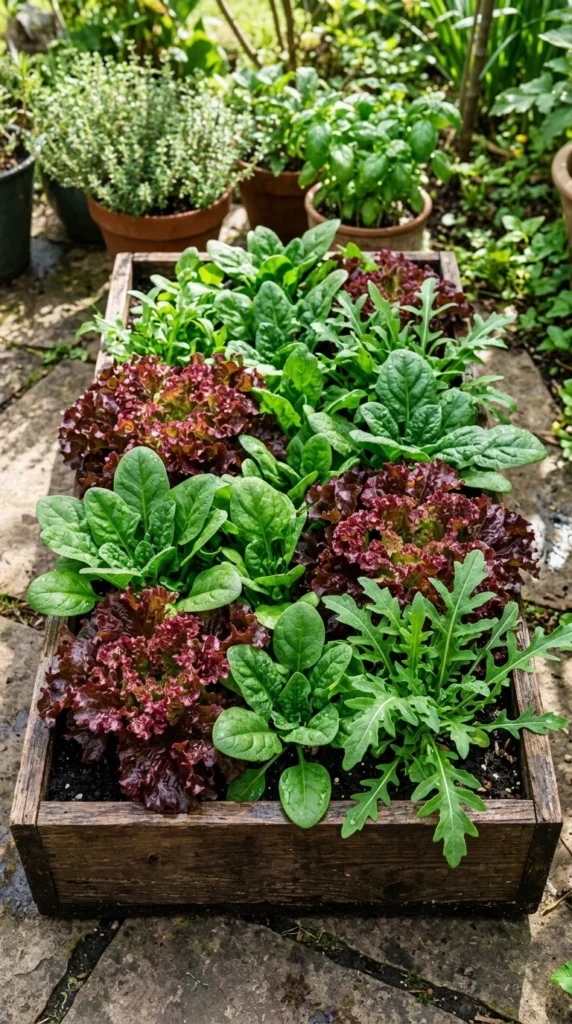
Salad greens like lettuce, spinach, and arugula have shallow root systems, making them perfect for shallow containers or “salad bowls.” These plants grow incredibly fast, often reaching harvestable size in just 30 to 45 days.
- The “Cut and Come Again” Method: Instead of pulling the whole plant, snip the outer leaves. The center will continue to grow, providing multiple harvests from one pot.
- Temperature: Greens prefer cooler weather. If you live in a hot climate, place these containers in partial shade to prevent the leaves from becoming bitter.
3. Tomato Tubs
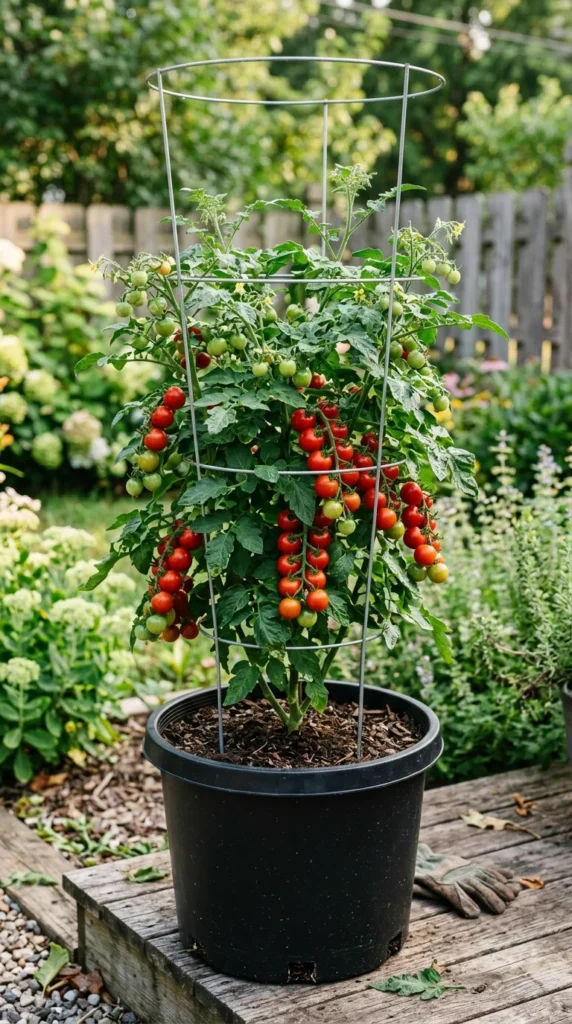
You haven’t truly tasted a tomato until you’ve eaten one warmed by the sun, straight from the vine. For beginners, “determinate” or “bush” varieties are best for containers because they grow to a fixed size and don’t require massive trellises.
- Container Size: Tomatoes need space. Use at least a 5-gallon bucket for a single plant to ensure the roots have room to breathe.
- Support: Even dwarf varieties benefit from a small tomato cage or a sturdy stake to keep the fruit off the soil.
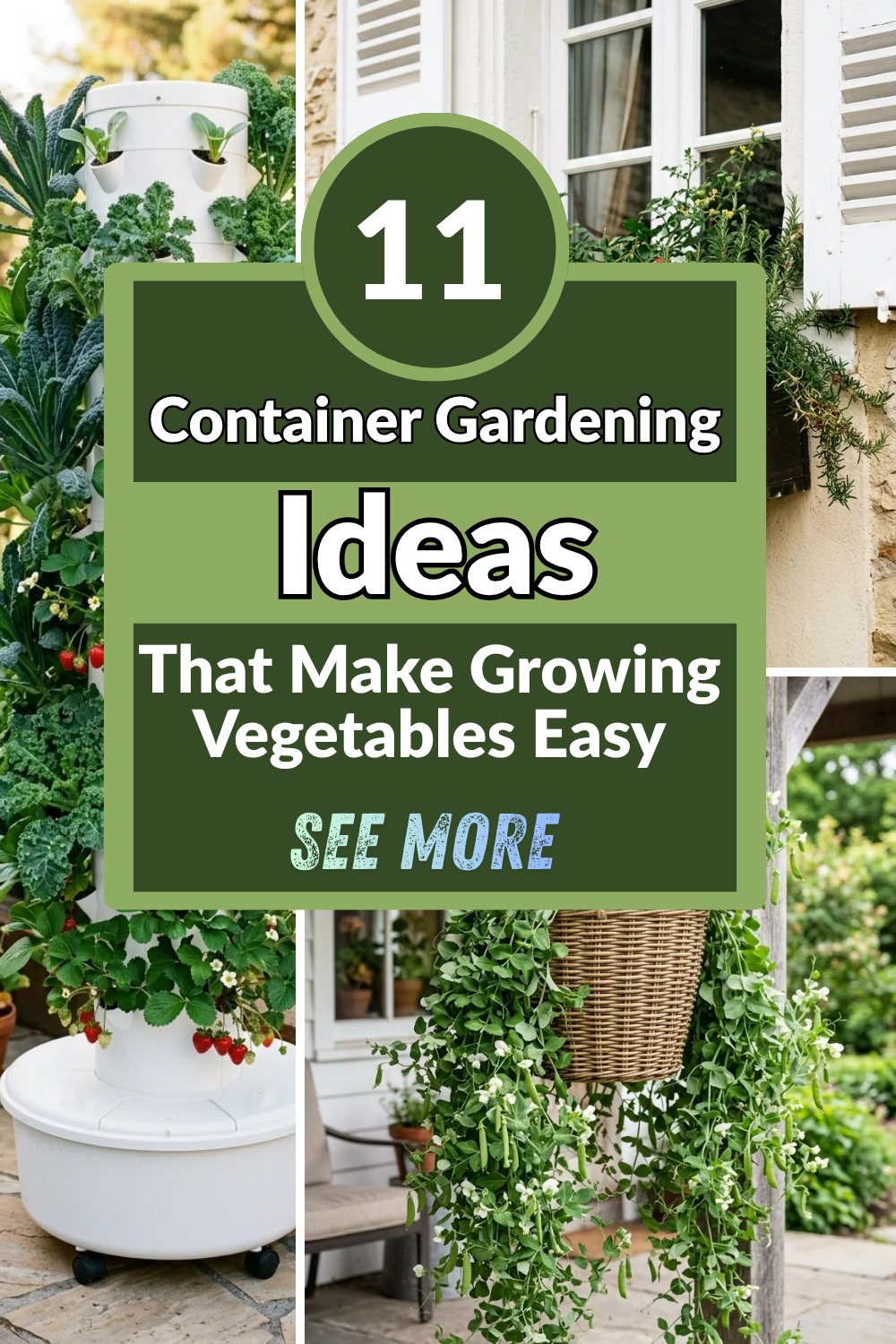
4. Strawberry Baskets
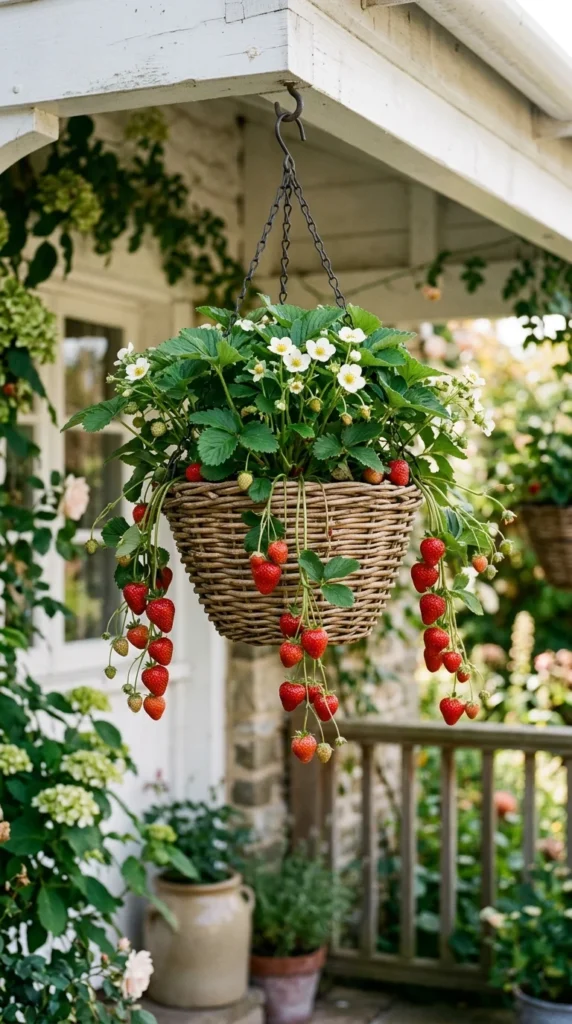
Strawberries are naturally “trailing” plants, which makes them ideal for hanging baskets. Keeping them elevated protects the delicate fruit from ground-dwelling pests like slugs and keeps the berries clean.
- Variety Choice: Look for “everbearing” varieties like Quinault or Alpine strawberries, which produce fruit throughout the entire growing season rather than all at once.
- Drainage: Ensure your hanging basket has a high-quality liner (like coco coir) to retain moisture while allowing excess water to drain freely.
5. Succulent Bowls
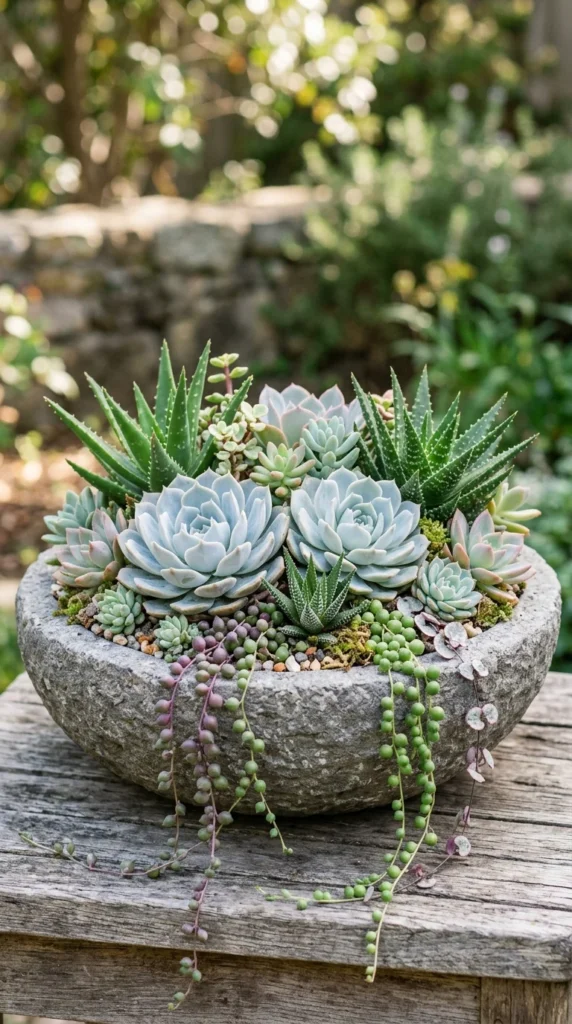
If you are prone to forgetting to water your plants, succulents are your best friends. These desert natives store water in their fleshy leaves and thrive on neglect. A “Succulent Zen Bowl” creates a beautiful centerpiece for an outdoor table.
- Soil: Use a specific “Cactus and Succulent” potting mix that contains sand or perlite for rapid drainage.
- Sunlight: Most succulents love bright, indirect light. Too much intense, direct midday sun can actually scorch their leaves.
6. Pepper Pots
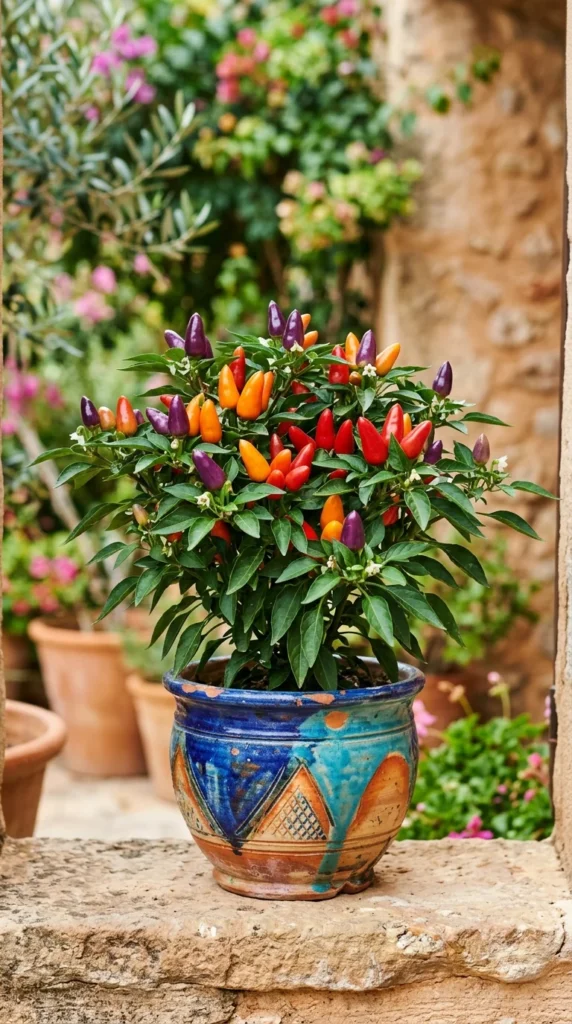
Peppers—both sweet bell peppers and spicy chilies—love the heat that builds up in a container. They are also highly ornamental; many chili varieties produce fruit in a rainbow of colors that look like living Christmas lights.
- Heat is Key: Place your pepper pots in the sunniest spot you have. The more sun they get, the more fruit they will produce.
- Feeding: Use a fertilizer high in phosphorus once the plant starts flowering to encourage fruit production rather than just leaf growth.
7. Pollinator Mix
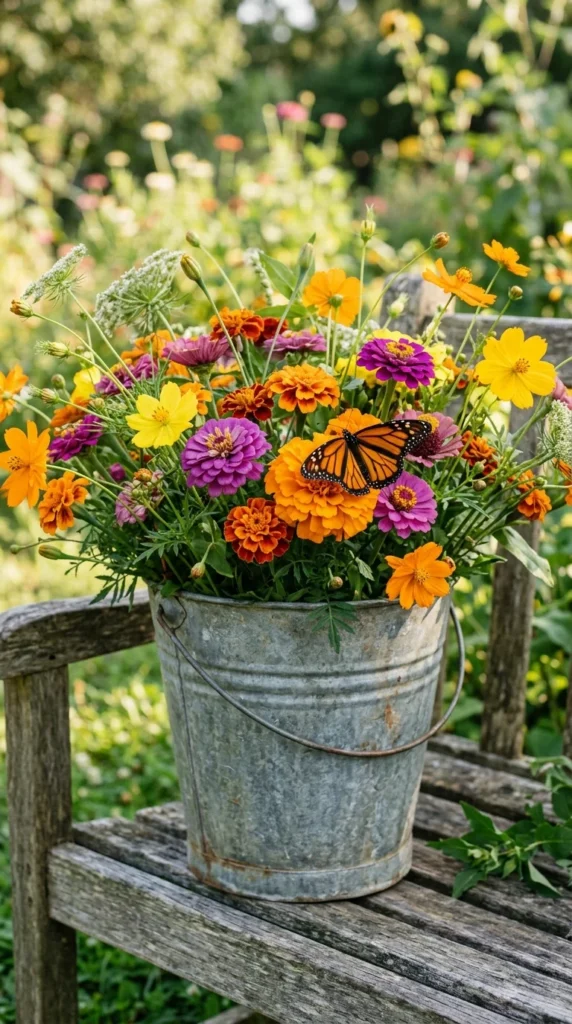
Gardening isn’t just about food; it’s about supporting the local ecosystem. A pollinator container filled with nectar-rich flowers will attract bees, butterflies, and hummingbirds to your space.
- Flowers to Try: Zinnia, Marigold, Lantana, and Petunias are all easy to grow from seed or starter plants.
- Deadheading: Remove faded flowers regularly. This tells the plant to keep producing new blooms instead of shifting energy into seed production.
8. Potato Bags
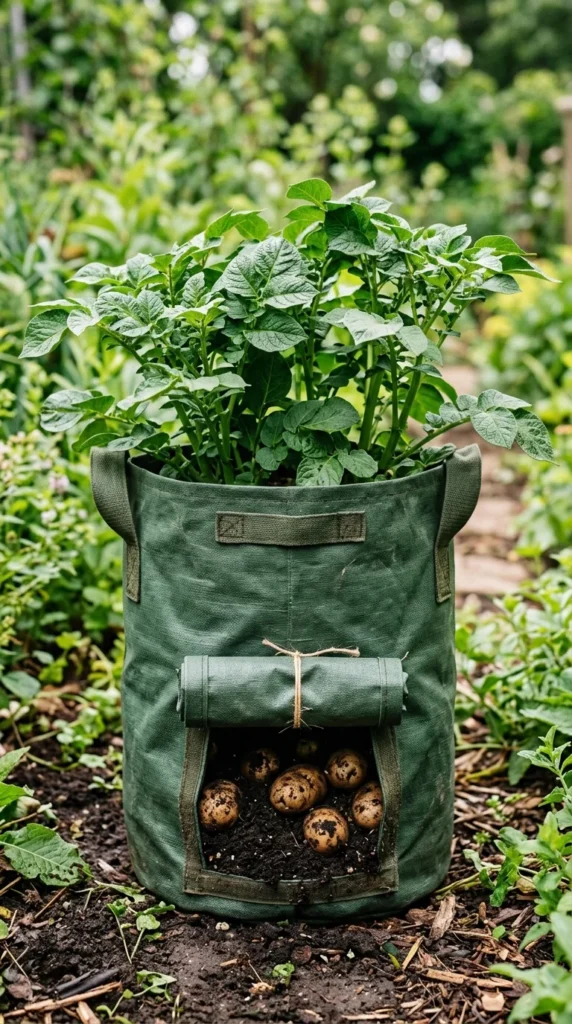
Most people think you need a farm to grow potatoes, but “grow bags” have changed the game. These fabric containers allow for excellent aeration and make harvesting a breeze—no shoveling required.
- Hilling: Start with only a few inches of soil at the bottom of the bag. As the plant grows taller, keep adding soil to cover the stem. This “hilling” process encourages the plant to grow more potatoes along the buried stem.
- Harvesting: Once the foliage turns yellow and dies back, simply tip the bag over and “dig for gold.”
9. Tea Garden
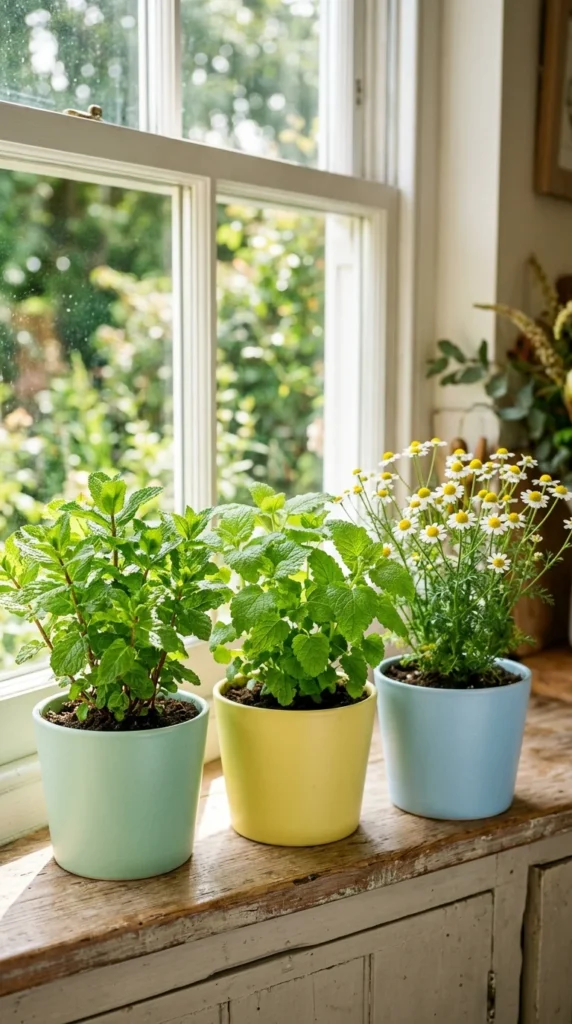
Imagine stepping onto your patio to snip fresh ingredients for a morning cup of tea. A tea-themed container garden is both fragrant and functional.
- Contain the Mint: Mint is notorious for being invasive in a traditional garden bed, but it is the perfect container plant because the pot keeps its aggressive roots contained.
- Inspiration: Plant Chocolate Mint, Lemon Verbena, and Chamomile together for a variety of flavor profiles.
10. Root Veggies
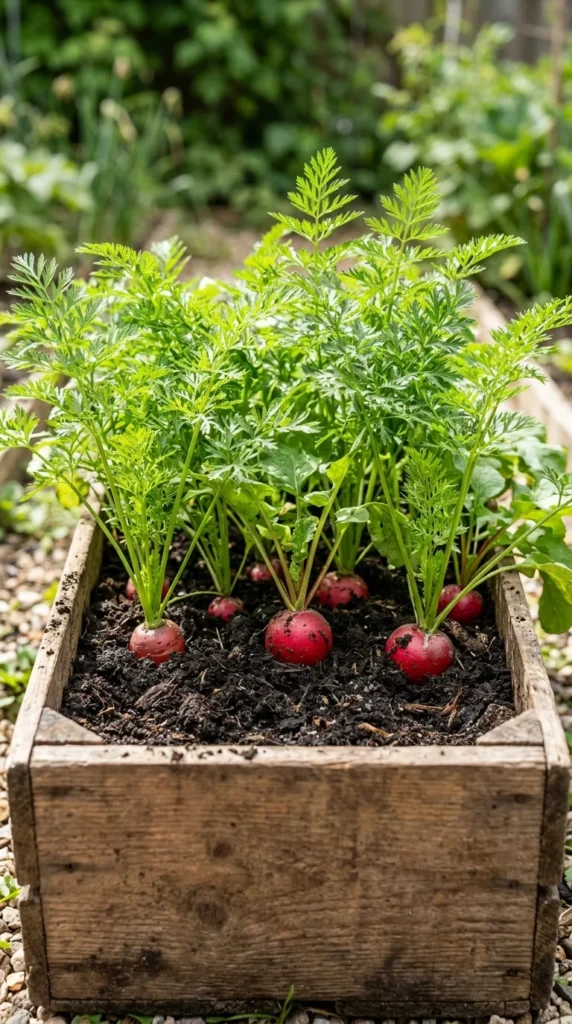
Carrots and radishes are excellent for containers because you can control the soil texture perfectly. In the ground, rocks and heavy clay can cause carrots to become stunted or “forked.” In a pot with loose, sandy potting mix, they grow straight and beautiful.
- Depth: Ensure your container is at least 10–12 inches deep for standard carrots.
- Thinning: This is the hardest part for beginners. You must pull out some of the tiny seedlings so the remaining ones have enough space to expand their roots.
11. Tropical Vibe
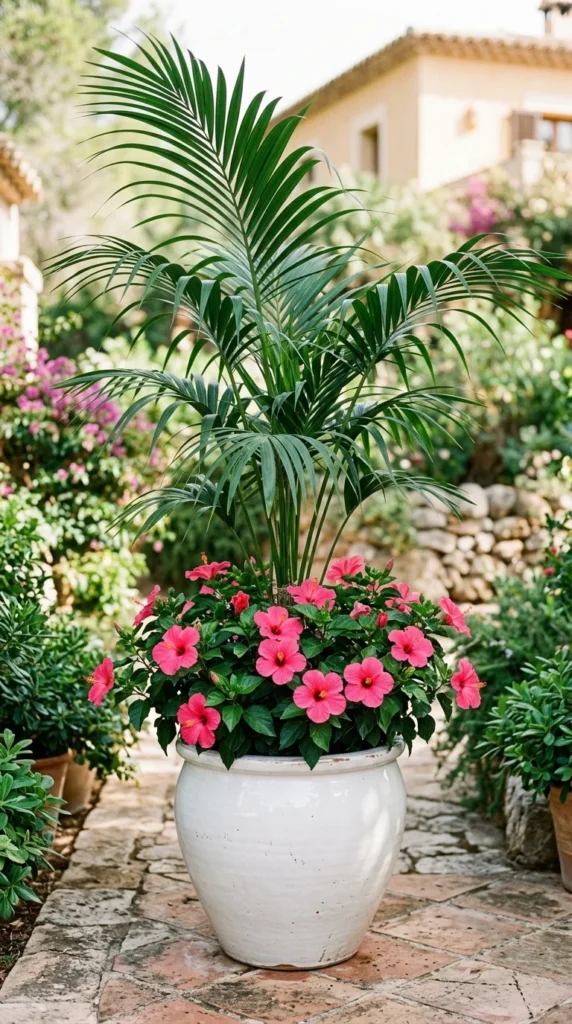
If you want to turn your patio into a vacation destination, go for large-scale tropicals. Using one large “thriller” plant (like a palm or a bird of paradise) surrounded by “filler” flowers creates a high-end look with minimal effort.
- Humidity: Tropical plants love moisture. Grouping pots together creates a microclimate with higher humidity.
- Overwintering: If you live in a cold climate, these are “annuals” for you, or you can bring the pots indoors during the winter months.
12. Microgreen Trays
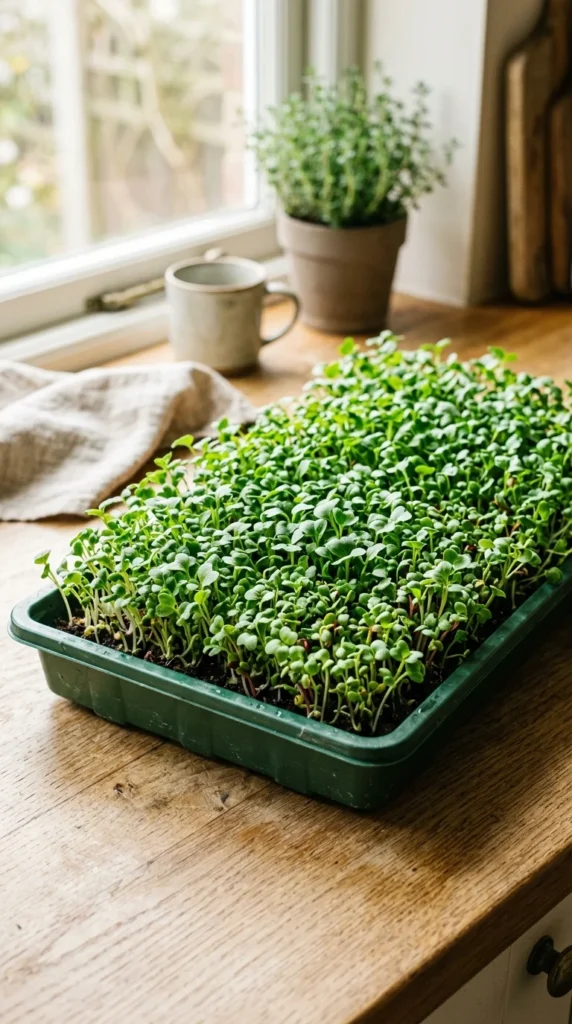
Microgreens are the “instant gratification” of the gardening world. They are essentially vegetable seedlings harvested just after the first leaves appear. You can grow these indoors year-round on a sunny windowsill.
- Speed: You can harvest microgreens in as little as 10 to 14 days.
- Nutrition: These tiny greens are packed with up to 40 times more nutrients than their fully-grown counterparts.
- No Fertilizer Needed: Because you harvest them so early, the seeds contain all the energy the plant needs; you only need water and light.