Living in an urban environment or a home with limited outdoor square footage doesn’t mean you have to sacrifice your green thumb. Container gardening is the ultimate solution for the space-constrained plant lover, offering the flexibility to grow everything from gourmet vegetables to exotic florals on a balcony, patio, or even a windowsill.
The beauty of container gardening lies in its versatility. You can control the soil quality, move plants to follow the sun, and swap out varieties as the seasons change. Whether you are looking to create a zen-like retreat or a functional “grocery store” on your porch, these eleven ideas will transform your small space into a thriving botanical haven.
1. Vertical Herbs
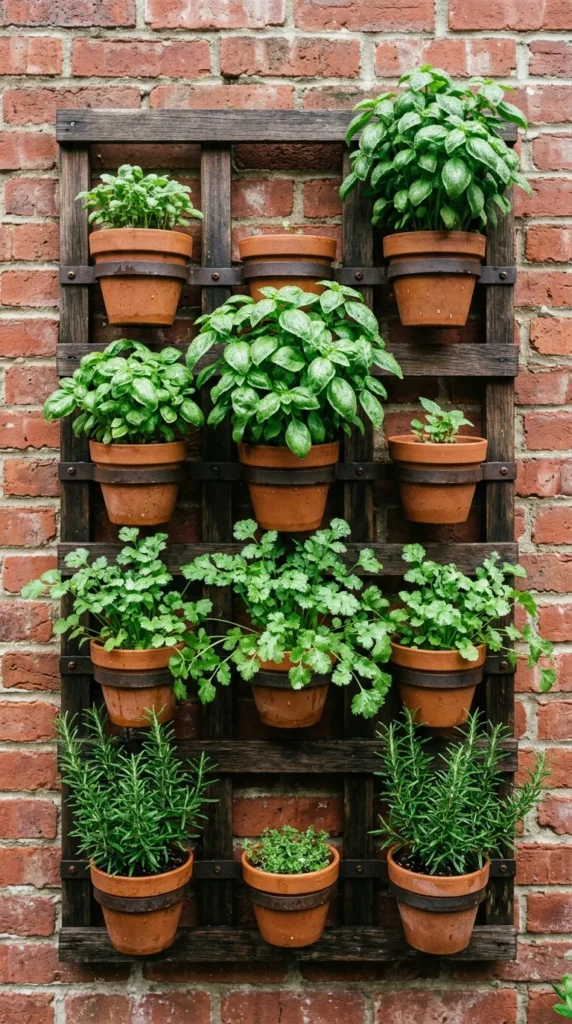
When floor space is at a premium, the only way to go is up. Vertical herb gardens are not only stunning to look at but also incredibly practical for the home cook. By utilizing wall space or a dedicated vertical planter, you can grow a dozen different herbs in the footprint of a single large pot.
To succeed with vertical herbs, consider the light requirements of each plant. Place sun-hungry Mediterranean herbs like rosemary, thyme, and oregano at the top where they can soak up the most rays. Softer herbs like mint and parsley, which can tolerate a bit of shade and prefer more moisture, should go toward the bottom where water naturally settles. Using a drip irrigation system or self-watering pots can help manage the unique drainage challenges of vertical setups.
2. Hanging Baskets
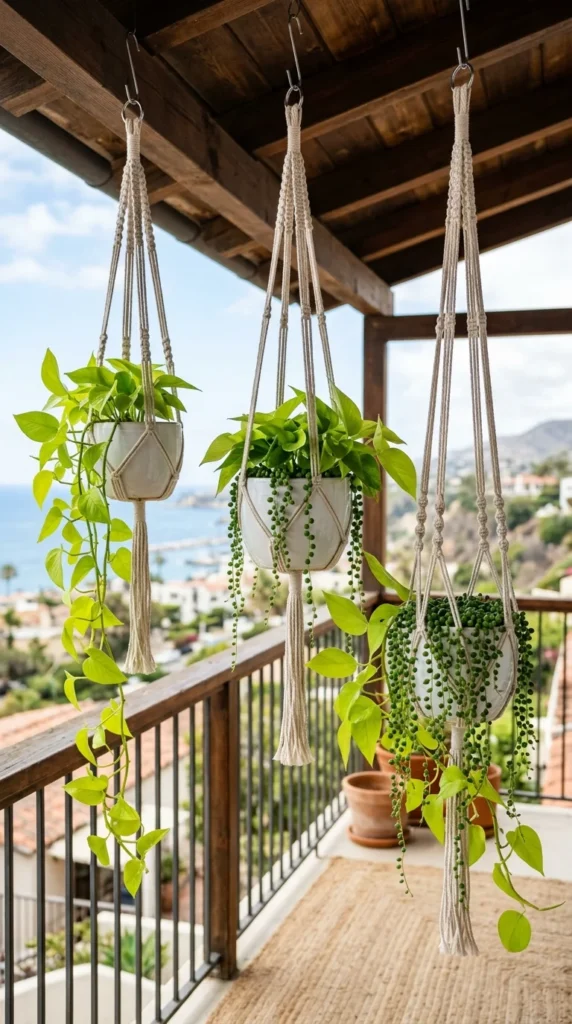
Hanging baskets are the “crown molding” of the garden world. They draw the eye upward, making a small space feel larger and more immersive. While traditional petunias are a classic choice, modern hanging gardens can feature anything from trailing succulents to “Tumbler” tomatoes.
The key to a beautiful hanging basket is the “thriller, filler, and spiller” technique. Start with a central, upright plant (the thriller), surround it with mounded foliage (the filler), and finish with plants that drape over the edges (the spiller). For small spaces, look for lightweight containers made of resin or fiberglass to avoid putting too much stress on your mounting hooks.
3. Tiered Steps
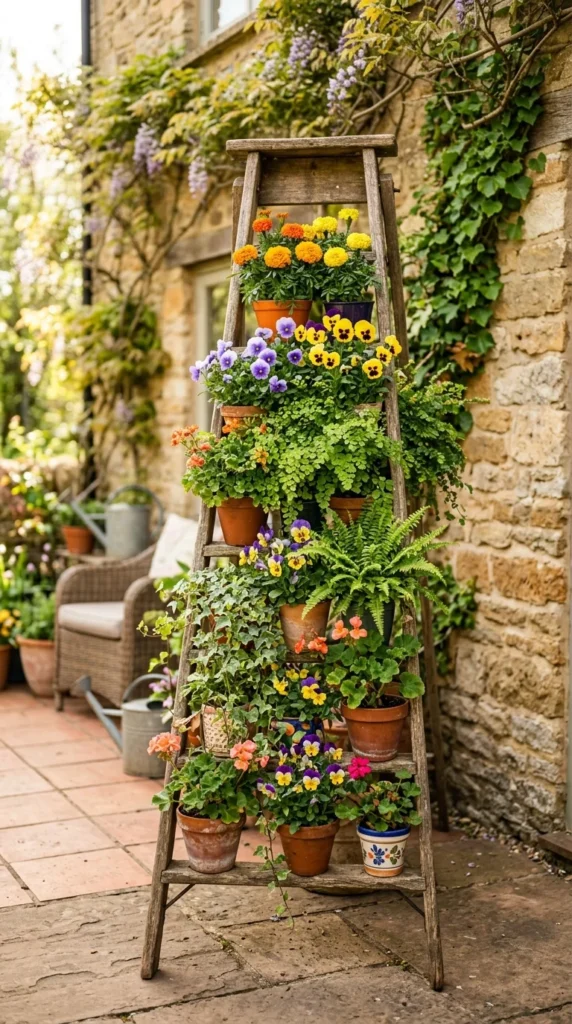
A tiered step arrangement is perfect for creating depth and visual interest without needing a large garden bed. By using a ladder, a set of wooden crates, or a purpose-built tiered stand, you create distinct microclimates. The top tiers get the most sun and airflow, while the bottom tiers remain cooler and more humid.
This setup is ideal for collectors. You can dedicate one tier to succulents, another to flowering annuals, and the bottom to shade-loving hostas or ferns. It’s also an excellent way to organize your garden; keeping your “daily use” plants at chest level makes harvesting or deadheading much easier on your back.
4. Window Boxes
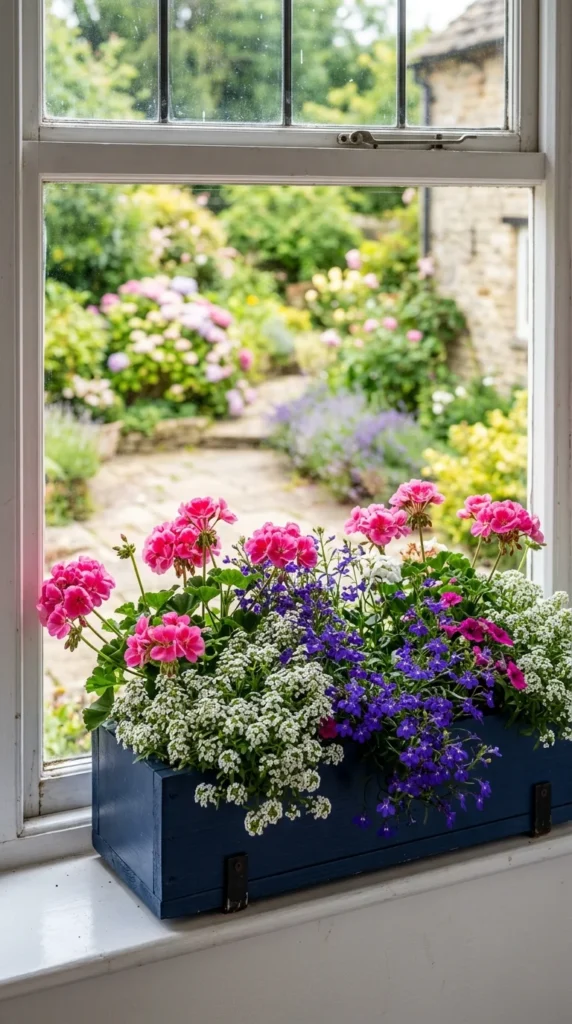
Window boxes are the quintessential small-space gardening solution. They provide a burst of curb appeal while allowing you to enjoy your garden from both inside and outside the home. Modern window boxes come in various styles, from sleek metal troughs for a contemporary look to ornate hayracks for a cottage feel.
When planting a window box, ensure it is securely fastened, as wet soil can be surprisingly heavy. Choose plants that have a compact growth habit so they don’t block your view or grow too leggy. Mix textures—such as the broad leaves of a sweet potato vine with the delicate needles of asparagus fern—to keep the display looking professional throughout the season.
5. Succulent Bowls
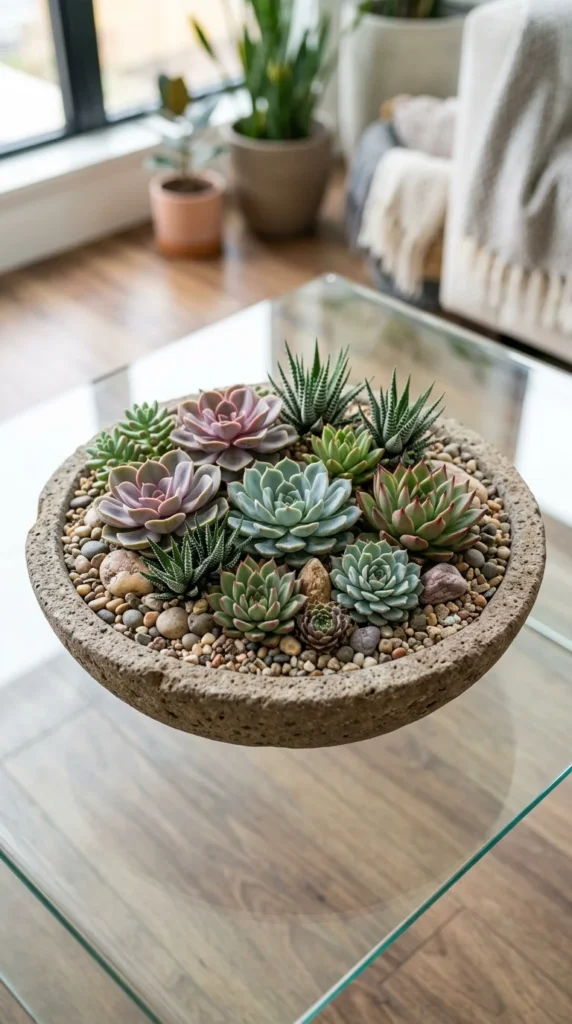
For those who want high impact with low maintenance, succulent bowls are the answer. These “living tapestries” thrive in shallow containers because succulents have relatively small root systems. Their diverse shapes, colors, and textures allow you to create a miniature landscape that looks like a work of art.
The secret to a healthy succulent bowl is drainage. Always use a gritty, well-draining cactus mix and ensure your bowl has a hole at the bottom. Since these plants grow slowly, you can pack them tightly together for an instant “full” look. Top the soil with decorative pea gravel or sea glass to give it a finished, polished appearance.
6. Edible Railing
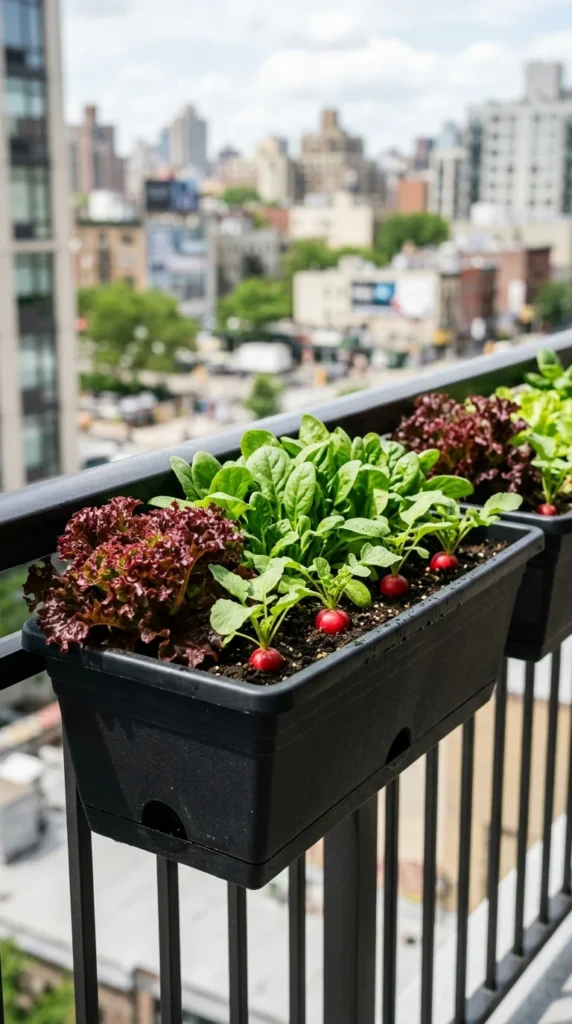
Don’t let your balcony railing go to waste. Railing planters (or “saddle” planters) are designed to sit securely on top of or hang from balustrades. This is premium real estate because it usually receives the most unobstructed sunlight on a balcony.
This is the perfect spot for a “salad bar” garden. Leafy greens like arugula, kale, and butterhead lettuce thrive in the relatively shallow depths of railing containers. Since these plants are at waist height, harvesting a fresh salad for dinner is incredibly convenient. Plus, the dense foliage of lettuce and spinach can provide a bit of extra privacy from neighbors.
7. Dwarf Fruit
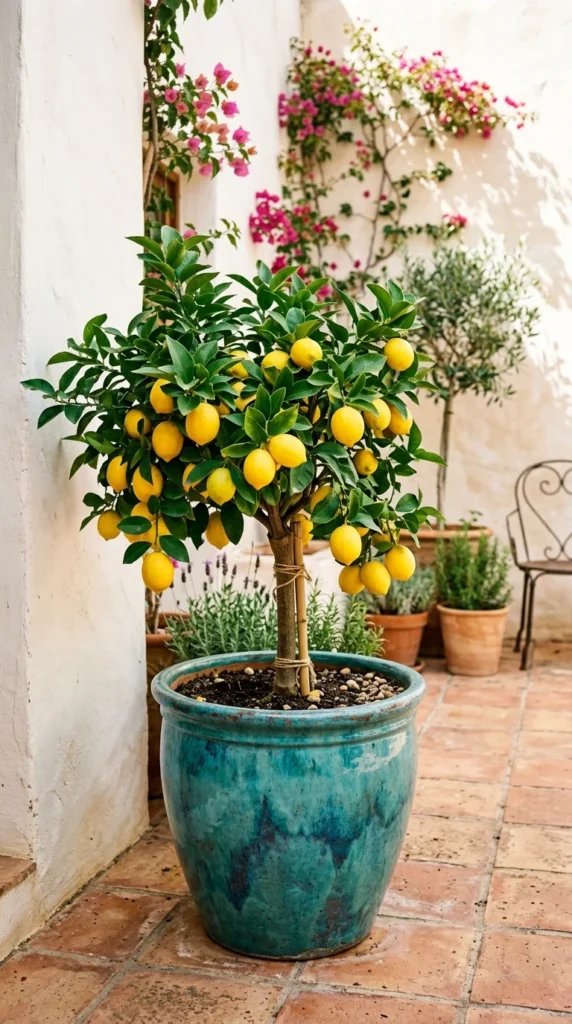
Many people assume you need an orchard to grow fruit, but thanks to modern breeding, “dwarf” and “columnar” varieties make it possible to grow fruit in a pot. Dwarf citrus, columnar apple trees, and even patio-sized blueberry bushes can thrive in containers of 10 to 15 gallons.
When growing fruit in small spaces, the pot is just as important as the plant. Choose a heavy container (like glazed ceramic or stone) to prevent the tree from tipping over in the wind. Remember that fruiting plants are heavy feeders; they will require regular organic fertilization and a spot that receives at least 6–8 hours of direct sunlight per day to produce a sweet harvest.
8. Pocket Organizers
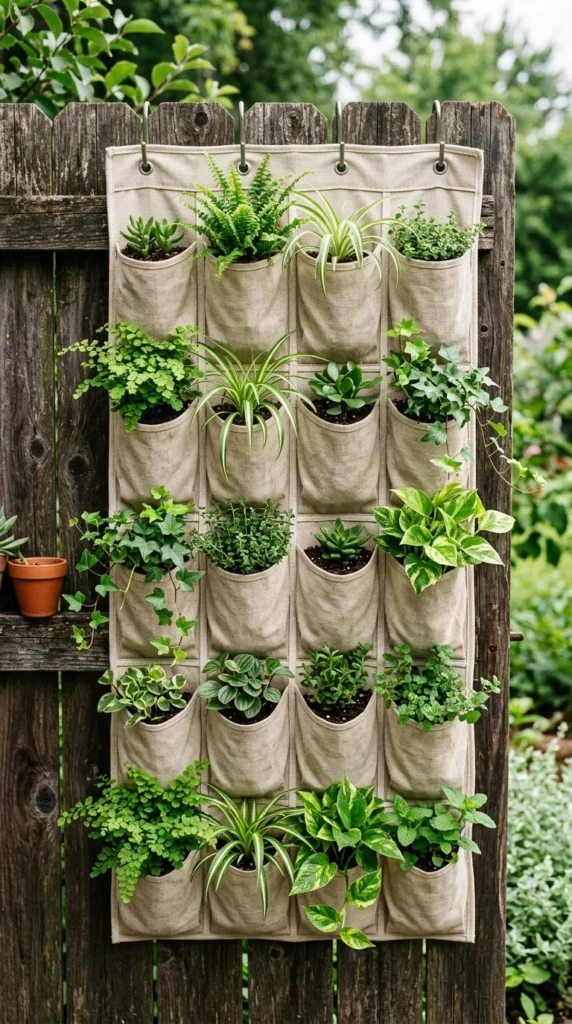
One of the most creative and budget-friendly ways to garden in a small space is by repurposing a fabric over-the-door shoe organizer. The individual pockets act as perfect “cells” for small plants, creating an instant vertical garden that can be hung on a fence, a wall, or the back of a door.
Canvas or breathable fabric organizers are better than plastic ones because they allow the roots to breathe and prevent waterlogging. This setup is particularly effective for “spilling” plants and small tropicals. Because the soil volume in each pocket is small, these gardens dry out quickly, so they are best suited for shaded areas or for enthusiasts who don’t mind daily watering.
9. Galvanized Tubs
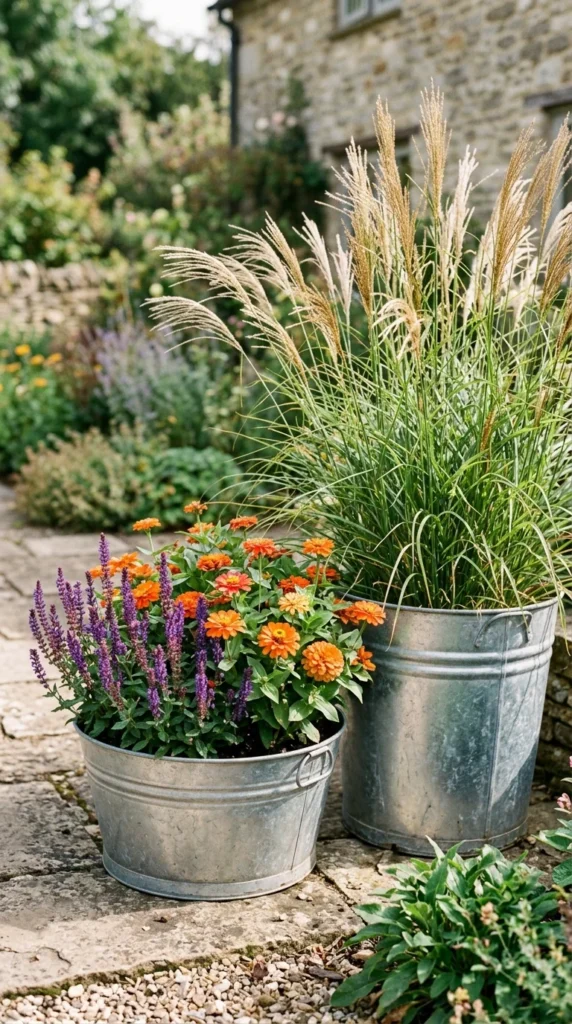
If you prefer an industrial or farmhouse aesthetic, galvanized steel tubs make excellent large-scale containers. They provide a significant soil volume, which is vital for larger plants or creating a “mini-meadow” effect. The reflective surface of the metal can also help brighten up a dark balcony or patio corner.
Before planting, you must drill several large drainage holes in the bottom of the tub. It is also wise to line the bottom with a layer of large stones or broken pottery to ensure water can move freely. Because metal can heat up quickly in the sun, these are best for heat-loving plants or placed in areas that receive afternoon shade.
10. Terrarium Tables
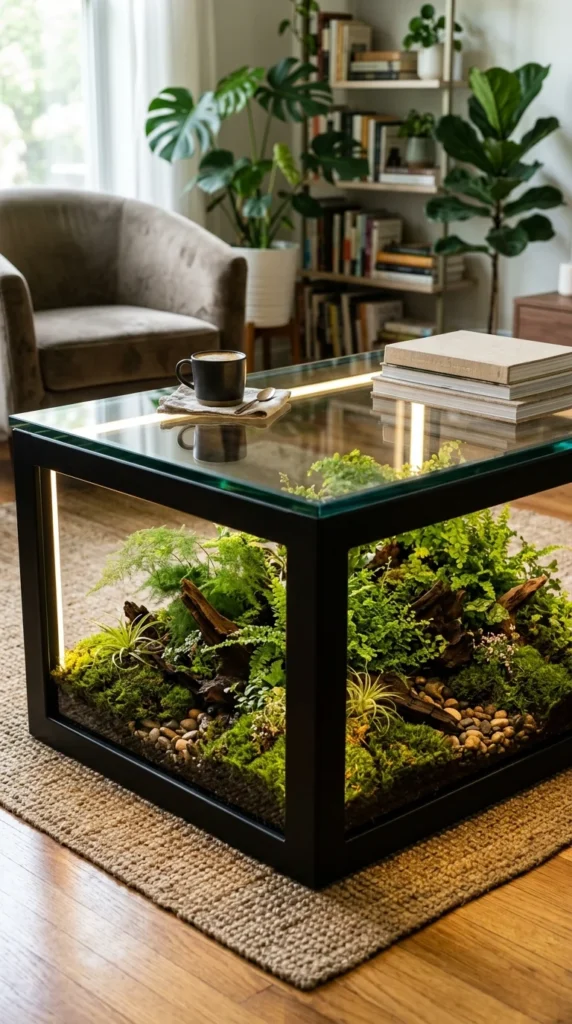
When outdoor space is non-existent, bring the container garden inside with a terrarium table. This functional piece of furniture doubles as a self-contained ecosystem. It’s the ultimate “small space” garden because it takes up no additional floor area beyond what your furniture already occupies.
Terrarium tables usually house humidity-loving plants like fittonia, ferns, and mosses. Because these are closed or semi-closed environments, they require very little watering. The glass protects the plants from drafts and maintains a consistent internal temperature, making it a perfect conversation piece for an urban apartment.
11. Trellised Vines
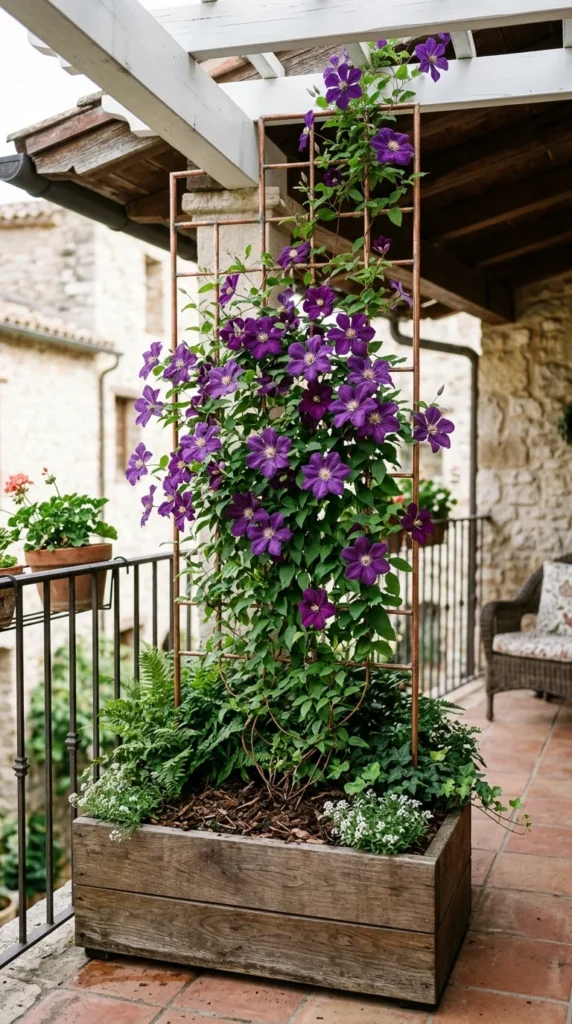
Vines are the secret weapon of the small-space gardener. They provide the maximum amount of foliage with the minimum amount of ground space. By placing a trellis inside a large container, you can create a living privacy screen or a vertical focal point that adds height to your garden design.
Flowering vines like clematis, jasmine, or mandevilla add fragrance and color, while climbing vegetables like pole beans or cucumbers provide a functional harvest. When choosing a trellis, ensure it is tall enough for the plant’s ultimate height and sturdy enough to withstand the weight of the mature vine and its fruit. Using a heavy pot at the base is essential to prevent the “sail effect” during high winds.