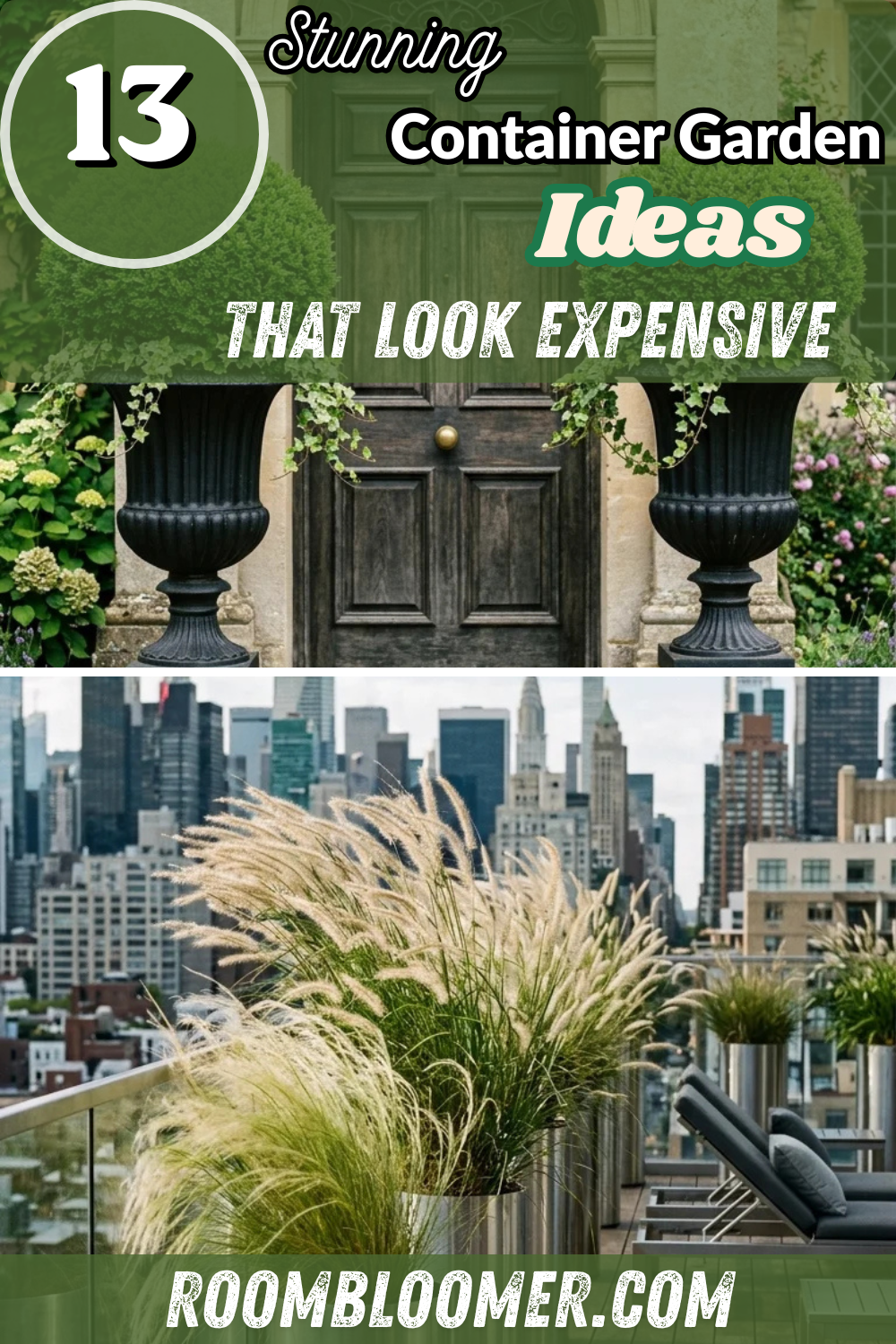
Container gardening is the ultimate secret weapon for homeowners looking to elevate their outdoor spaces without committing to a full landscape overhaul. While a few plastic pots might look functional, the “expensive” look comes from a combination of scale, texture, and curated color palettes. You don’t need a professional designer to achieve a high-end, estate-like feel; you simply need to apply a few strategic design principles.
Whether you have a sprawling veranda or a compact balcony, these thirteen container garden ideas will transform your space into a high-end sanctuary that breathes sophistication.
1. Monochromatic White
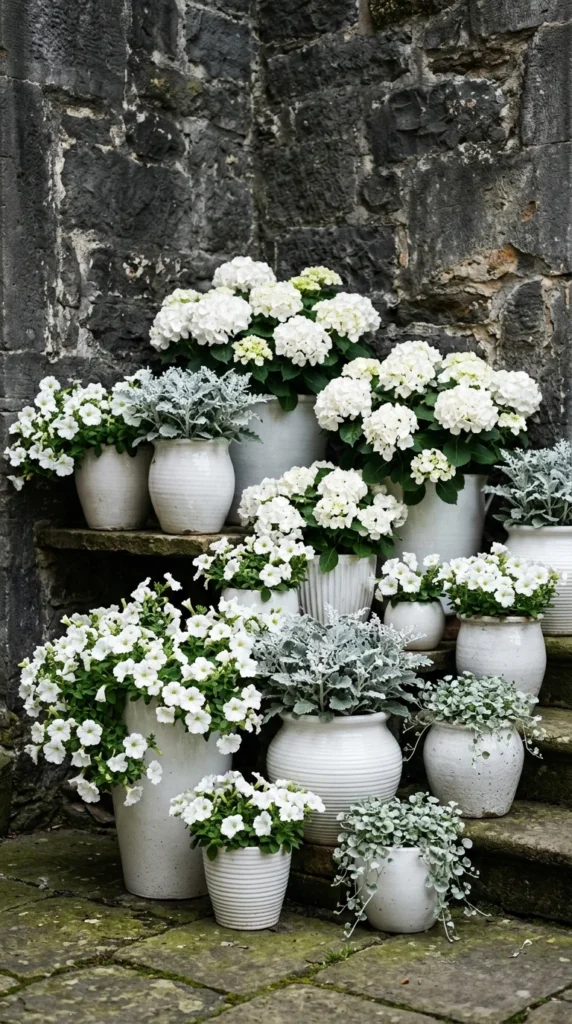
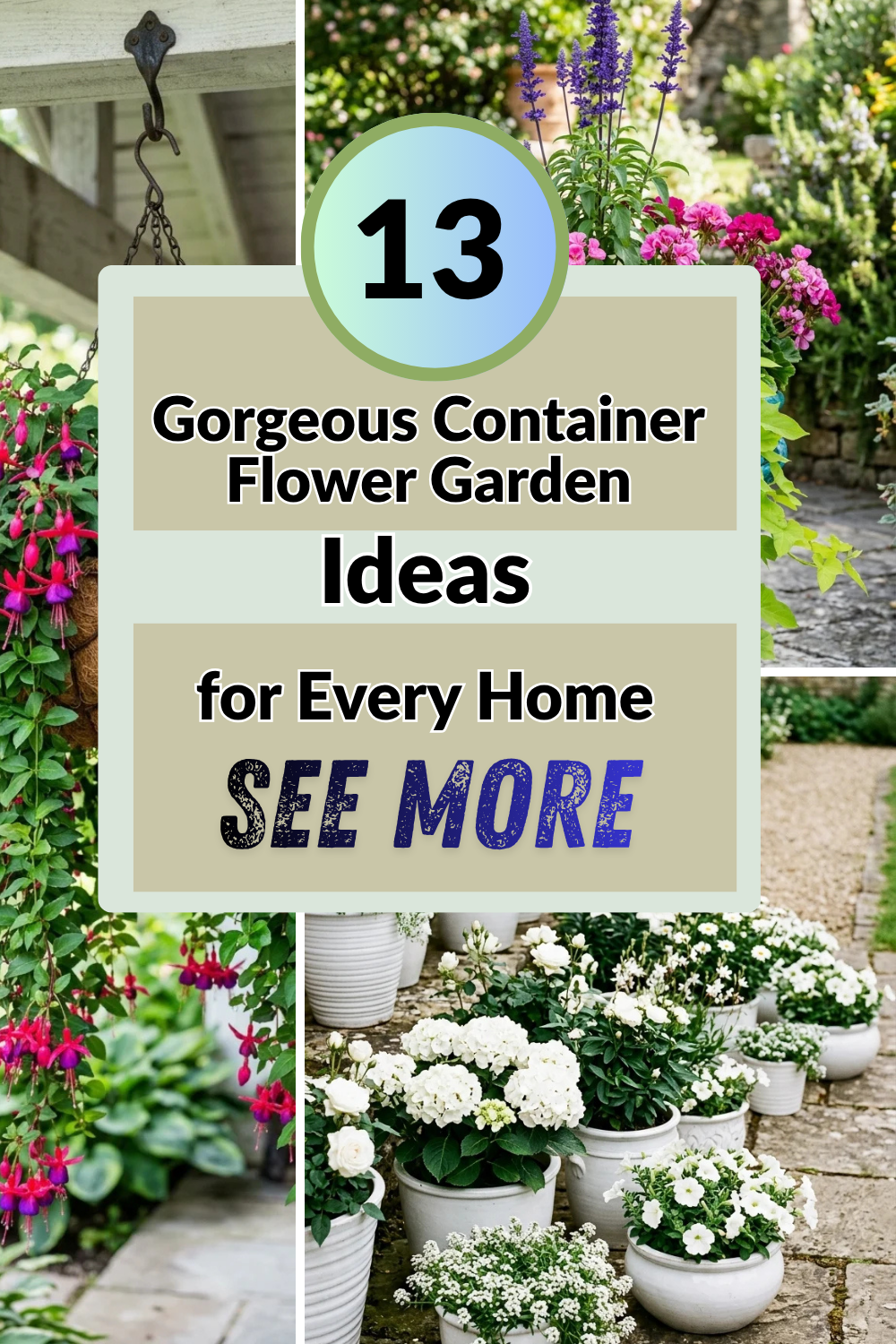
There is nothing quite as timeless and sophisticated as a “Moon Garden” aesthetic. By sticking to a strictly white-and-green color palette, you create a sense of cohesion that mimics the gardens of luxury resorts. The key to making this look expensive is to vary the textures of the white blooms.
- Planting Strategy: Combine large, structural blooms like white Hydrangeas with delicate fillers like Alyssum or Bacopa.
- The Pots: Use matte white or charcoal grey containers to let the white petals pop.
- Design Tip: White flowers reflect light in the evening, making your garden glow during twilight hours.
2. Weathered Terracotta
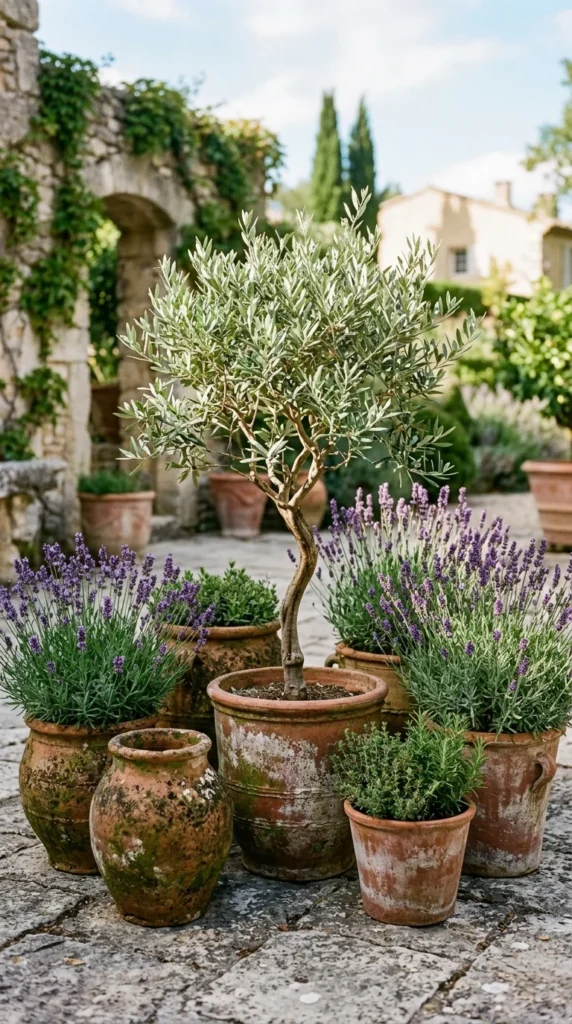
Expensive-looking gardens often lean into history. Authentic, hand-thrown terracotta pots that have developed a natural patina suggest a garden that has been lovingly tended for decades. This look is synonymous with Mediterranean luxury and Tuscan estates.
- The Vibe: Rustic yet refined. Look for “Impruneta” style pots or aged clay that feels heavy and substantial.
- What to Plant: Mediterranean staples like Lavender, Rosemary, or even a dwarf Olive tree.
- Maintenance: Allow moss to grow on the exterior of the pots to enhance the “old money” aesthetic.
3. Formal Topiary
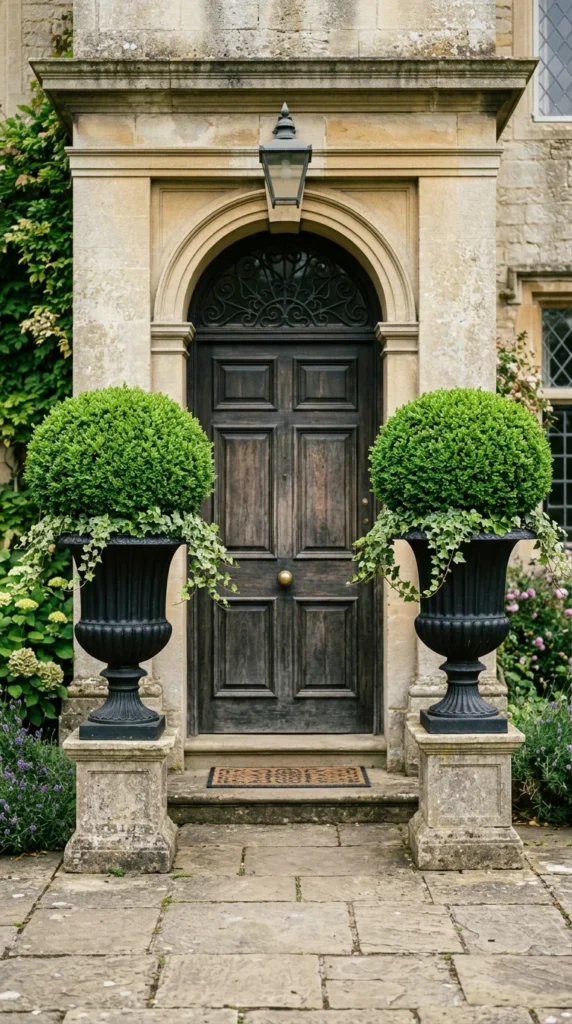
Symmetry is a hallmark of high-end design. Utilizing topiaries in classic shapes—spheres, cones, or spirals—provides an architectural element that feels deliberate and polished. Placing a matching pair at an entrance instantly increases “curb appeal.”
- Plant Selection: Boxwood (Buxus), Privet, or Yew are the gold standards for shearing.
- The Container: Classic black or stone-colored urns work best to ground the formal shape.
- Styling: Keep the base of the plant clean or use a uniform mulch like black pebbles or dark bark.
4. Sculptural Succulents
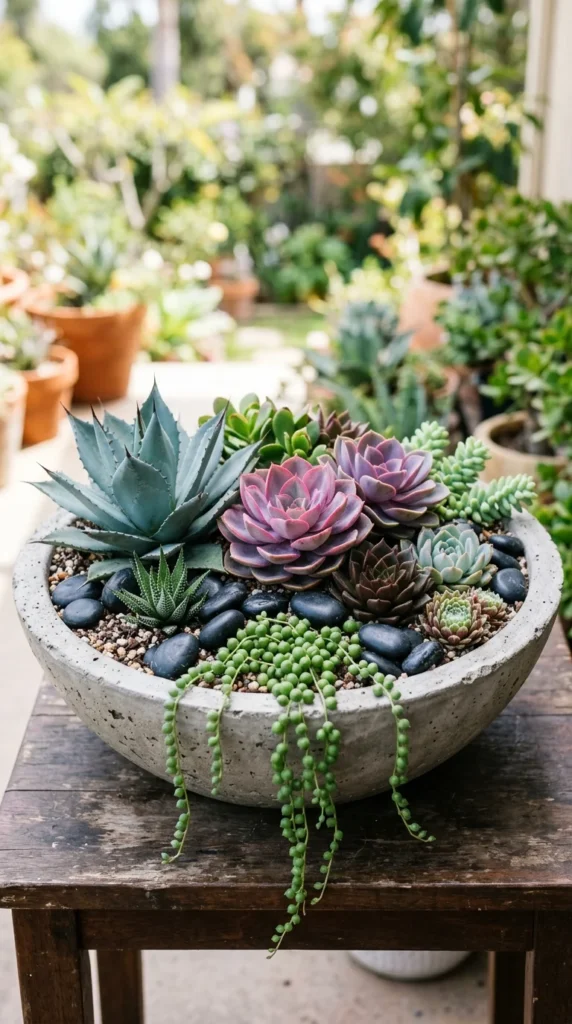
Succulents are the jewelry of the plant world. To make them look expensive, avoid the tiny nursery pots and instead create a “succulent tapestry” in a large, shallow vessel. This minimalist approach feels modern, clean, and incredibly chic.
- Arrangement: Focus on one large “hero” plant like an Agave or an Aloe, and surround it with smaller rosettes in contrasting colors like deep burgundy and pale mint.
- Texture: Use decorative top-dressing (like white quartz or lava rock) to give it a professional finish.
- Durability: These gardens are low-maintenance but look high-effort due to their intricate patterns.
5. Ornamental Grasses
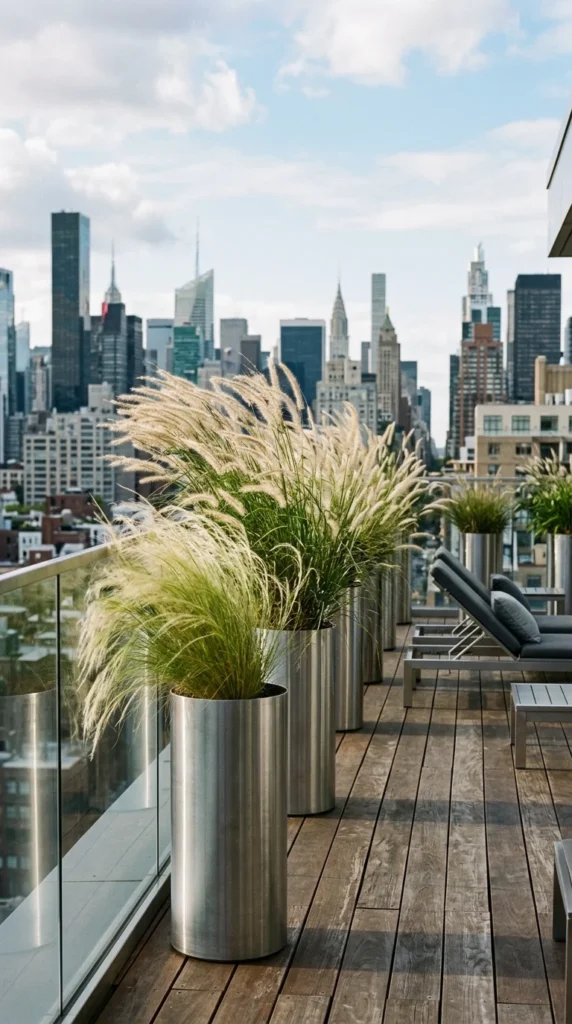
Movement is an underrated element of luxury gardening. Tall, ornamental grasses add height and a sense of dynamic energy to a patio. When the wind catches them, they create a soft rustling sound that adds a sensory layer to your outdoor experience.
- Best Varieties: Pennisetum (Fountain Grass) for volume, or Miscanthus for height.
- The Look: Go for a minimalist, “hotel lobby” vibe by using identical tall, rectangular planters lined up in a row.
- Color Palette: Stick to bronzes, silvers, and deep greens to maintain a mature look.
6. Tiered Groupings
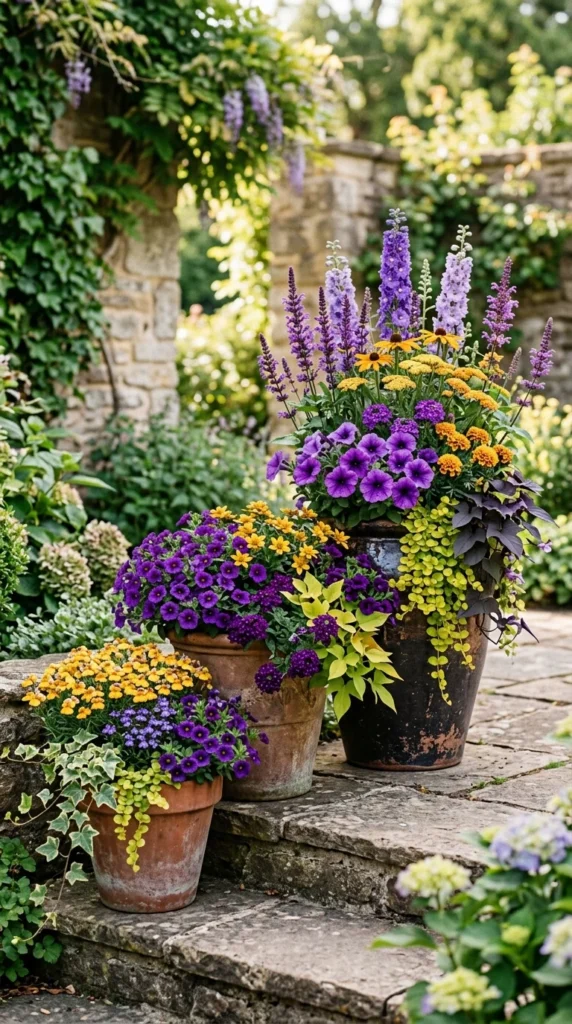
Professional stylists never leave a pot alone. To get that “designer” look, group your containers in odd numbers (usually three or five) and vary the heights. This creates a “mountain” of greenery that feels much more substantial than a single plant.
- The Rule: Use the “Thriller, Filler, Spiller” method. One tall plant (thriller), a mid-level mounding plant (filler), and something that cascades over the edge (spiller).
- Consistency: Keep the pot material the same (e.g., all zinc or all ceramic) but vary the sizes.
- Layering: Place the tallest pot in the back and the shortest in the front to create depth.
7. Mediterranean Herbs
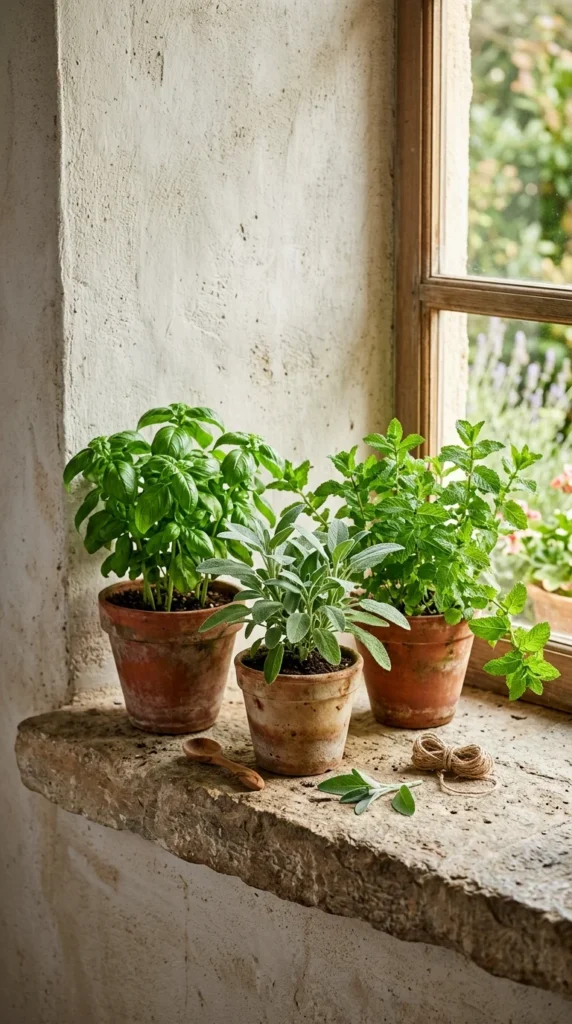
An herb garden doesn’t have to look like a science project. By using high-quality pots and grouping herbs by their foliage color, you can create a functional garden that looks like it belongs in a high-end culinary magazine.
- The Aesthetic: Use unglazed clay or stone pots for a grounded, earthy feel.
- Pairing: Mix “Purple Ruffles” Basil with silver Sage and lime-green Oregano for a stunning color contrast.
- Functionality: Place these near your outdoor seating area so guests can enjoy the fragrance.
8. Dramatic Dark Foliage
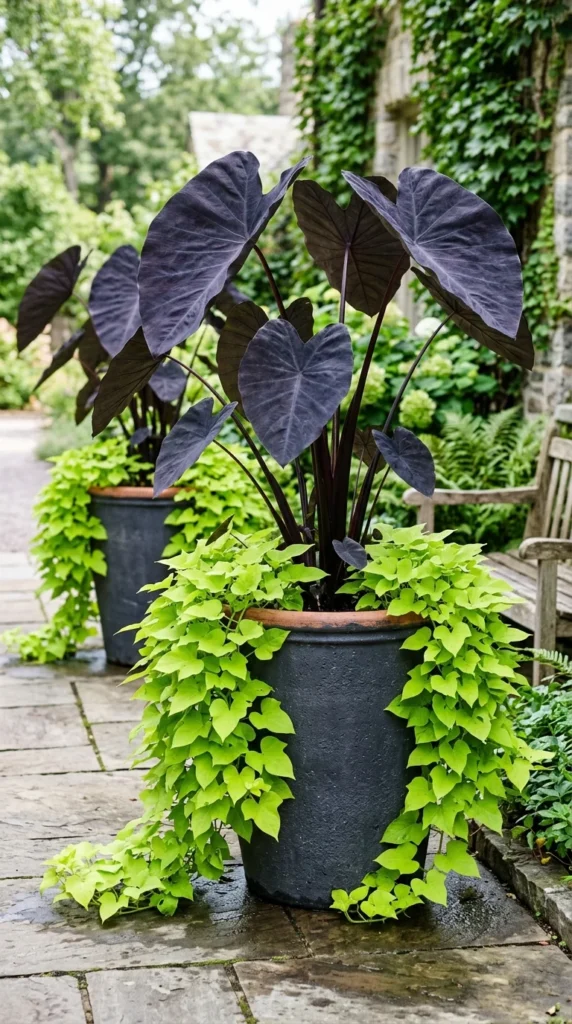
Using “black” plants is a bold move that screams high-end fashion. Plants with deep burgundy, chocolate, or near-black leaves provide a dramatic backdrop that makes every other color in your garden look more vivid.
- Hero Plants: ‘Black Magic’ Taro, ‘Obsidian’ Heuchera, or dark Coleus.
- Contrast: Always pair dark foliage with a bright “pop” of color, like chartreuse or hot pink, to ensure the dark plants don’t disappear into the shadows.
- Lighting: Position these where they get plenty of sunlight to highlight the sheen of the dark leaves.
9. Exotic Tropicals
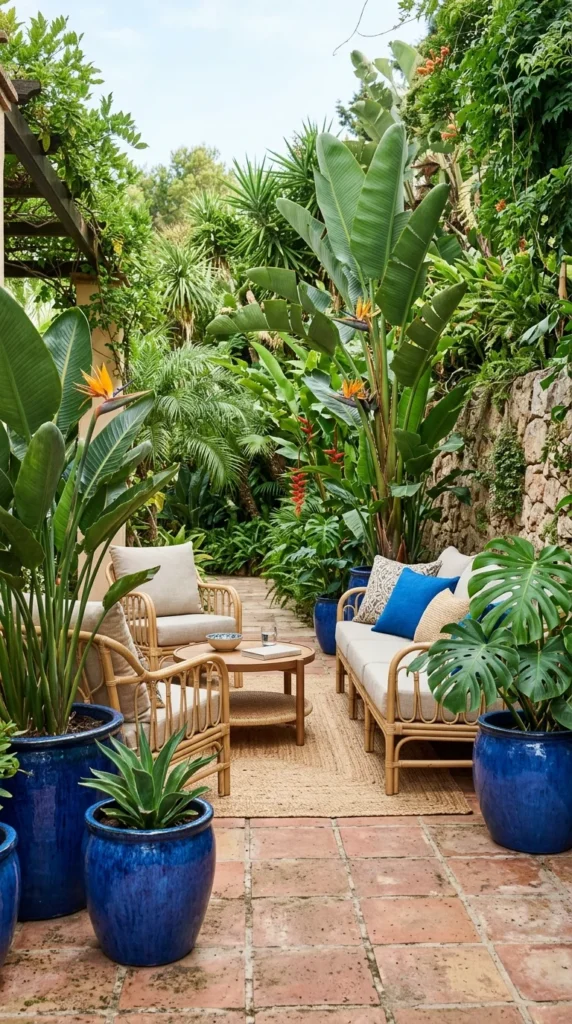
Nothing says “luxury vacation” like tropical foliage. Large-scale leaves create an instant sense of drama and privacy. Even in non-tropical climates, using these as seasonal container plants can turn a standard deck into an exotic retreat.
- The Scale: Go big. Use the largest pots you can afford to accommodate the root systems of Cannas, Bananas, or Palms.
- The Vibe: Lush, over-the-top, and vibrant.
- Winterizing: Remember that these will likely need to be moved indoors when the temperature drops, so consider putting the pots on rolling casters.
10. Vertical Wall Planters
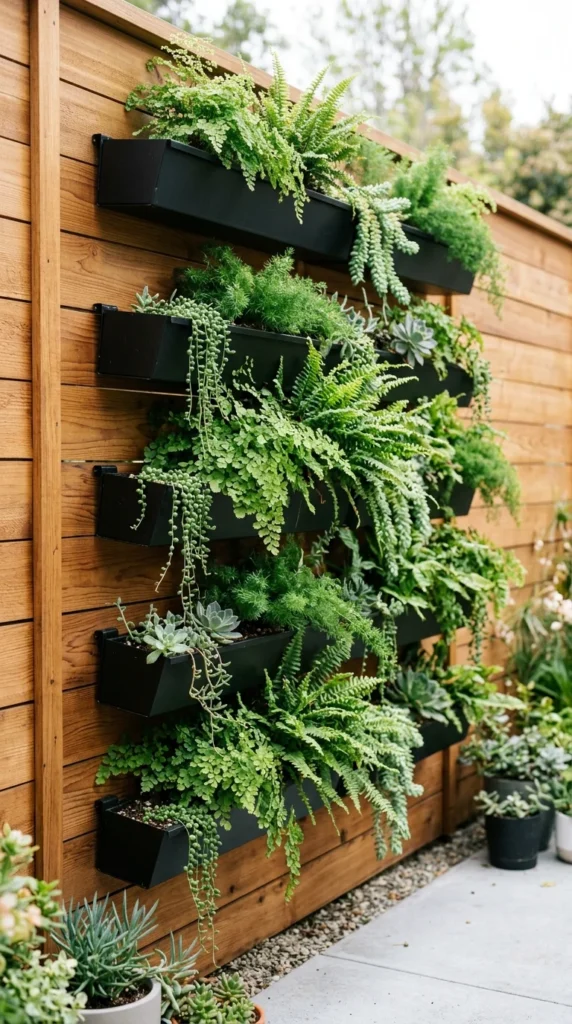
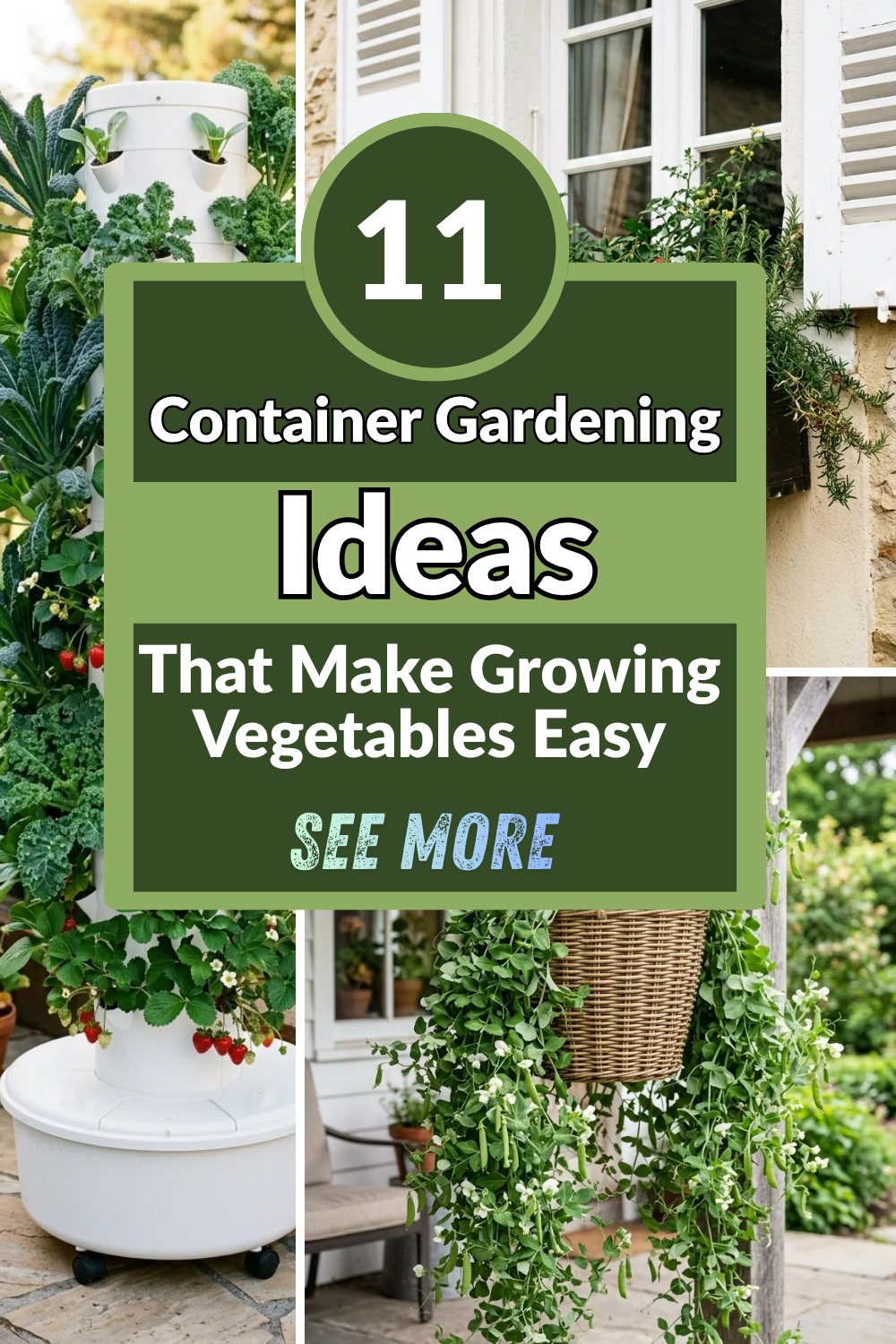
If you have limited floor space, go vertical. A well-executed vertical garden looks like a custom architectural feature. Instead of cheap plastic pockets, use sleek metal or wood troughs mounted directly to a wall or fence.
- Planting: Use “spillers” almost exclusively. Ferns, Ivy, and Creeping Jenny will grow down to cover the structure, creating a wall of green.
- Irrigation: Luxury vertical gardens often have hidden drip lines to keep plants hydrated without the mess of manual watering.
- Symmetry: Mount them in a grid pattern for a clean, contemporary look.
11. Oversized Statement Pots
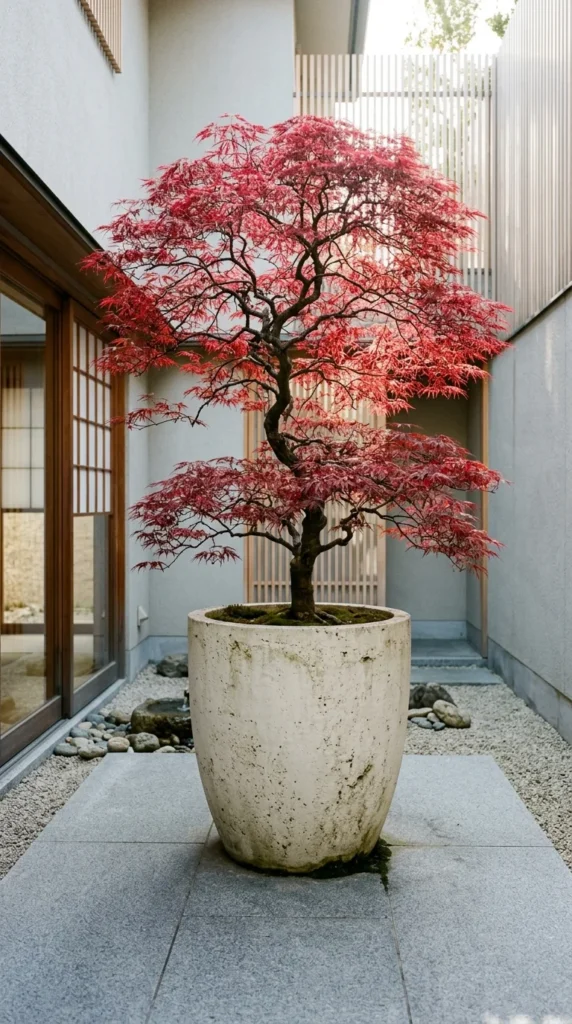
One of the biggest mistakes in container gardening is using too many small pots, which can look cluttered. A single, massive statement piece can be far more impactful. Think of it as a piece of sculpture for your garden.
- The Choice: Look for a pot that is at least 30 inches in diameter.
- The Plant: A specimen tree like a Japanese Maple, a Multi-stemmed Birch, or a large Tree Fern.
- Placement: Put it at the end of a walkway or in the center of a courtyard to draw the eye.
12. Wildflower Meadow Style
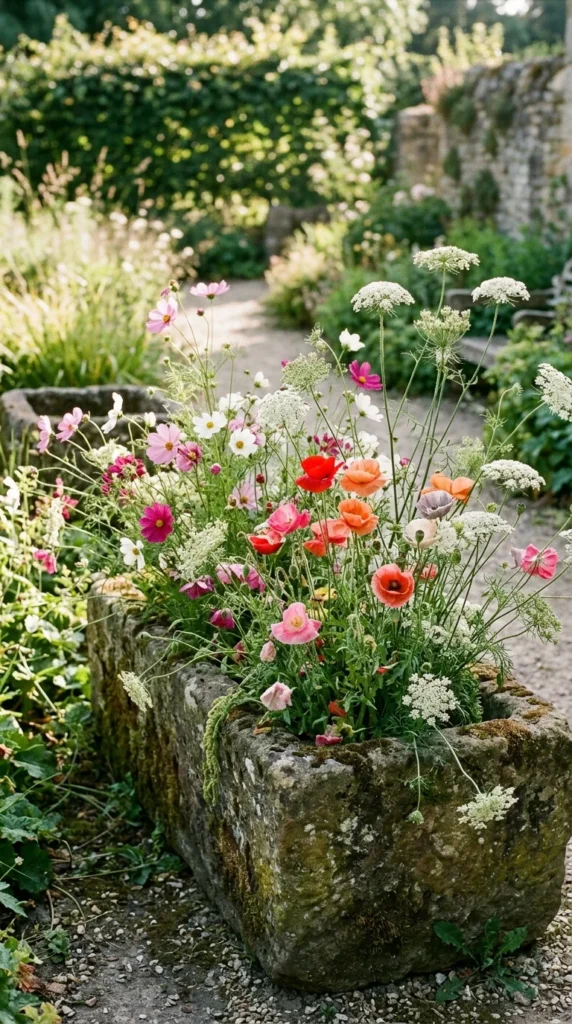
The “controlled wild” look is currently very popular in high-end English gardens. This style avoids the stiff, formal arrangements of the past in favor of something more romantic and ethereal.
- The Secret: It’s all about the “airy” quality. Choose plants with thin stems and delicate flowers that sway.
- The Mix: Combine Cosmos, Bronze Fennel, and Gaura for a look that feels like a piece of the countryside caught in a container.
- The Pot: Soften the look by using organic materials like wood or distressed stone.
13. Metallic Finishes
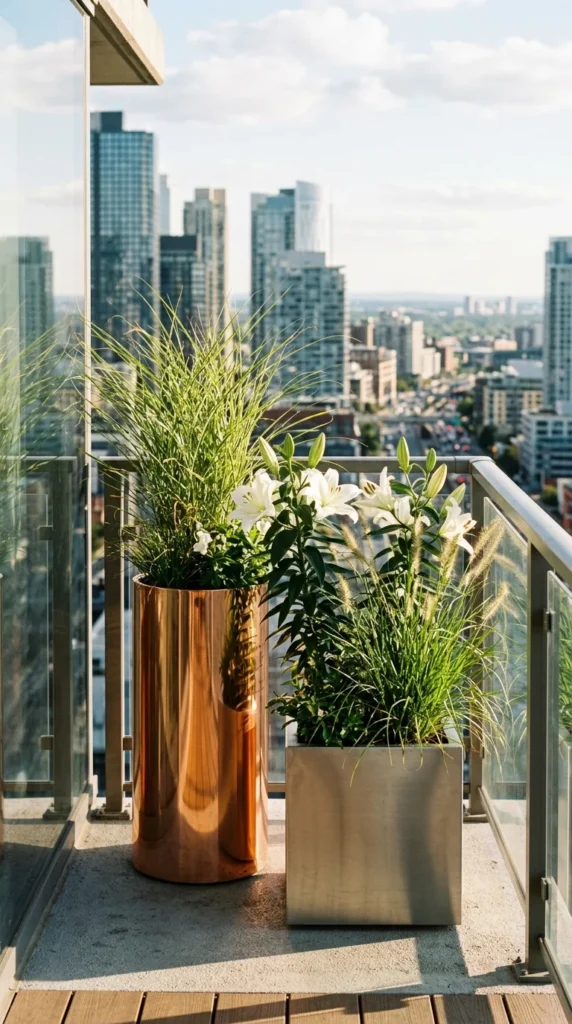
For a truly modern, high-glamour look, incorporate metallic containers. Copper, brass, and stainless steel catch the light and add a “jewelry” element to your landscape that plastic or ceramic simply can’t match.
- Warmth vs. Cool: Use copper or bronze for a warmer, traditional luxury feel; use brushed steel or zinc for a cool, industrial-chic vibe.
- Reflectivity: Be mindful of where you place these, as metal can heat up in direct midday sun. They are perfect for shaded patios or morning-sun spots.
- Patina: Real copper will turn a beautiful Verdigris green over time, which is a highly sought-after look in high-end gardens.