Container gardening is the ultimate solution for those who dream of a lush sanctuary but lack the sprawling acreage of a traditional backyard. Whether you have a tiny fire escape, a modest patio, or a sunny windowsill, the right container strategy can turn a sterile environment into a thriving ecosystem. Beyond just functionality, container gardening is an art form—a way to express your style while bringing the soothing presence of nature into your daily life.
1. Tiered Terra Cotta
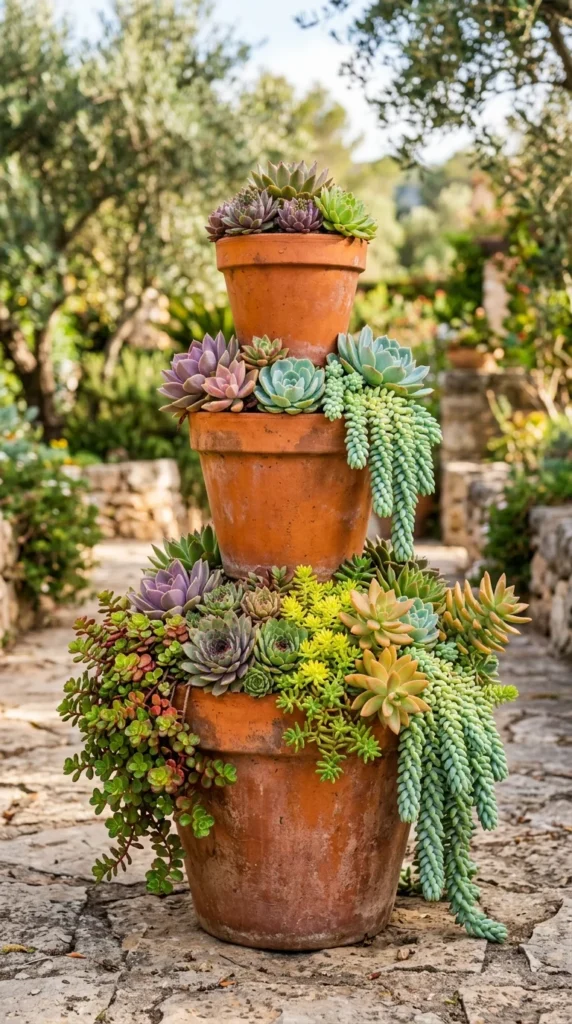
The “spilled pot” or stacked tower look is a classic for a reason. By nesting pots of decreasing sizes, you create vertical interest and maximize planting surface area without increasing the footprint. Terra cotta is an ideal material because its porous nature allows the soil to breathe, making it perfect for drought-tolerant plants like succulents or Mediterranean herbs. To achieve this, place a large pot at the base, fill it with soil, and press a medium pot into the center, repeating the process for a third layer. The result is a sculptural focal point that looks just as beautiful in a garden corner as it does flanking a front door.
2. Hanging Baskets
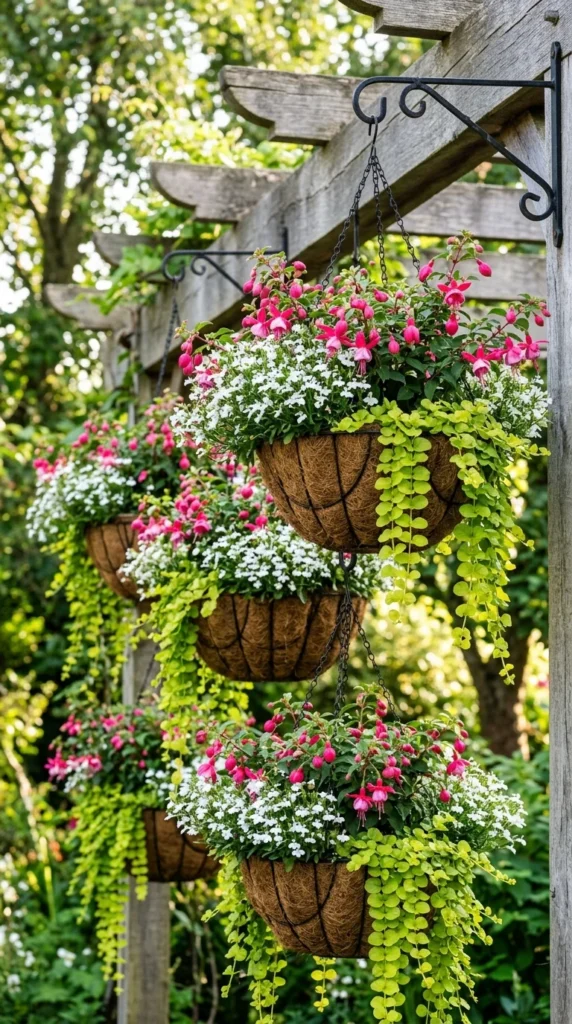
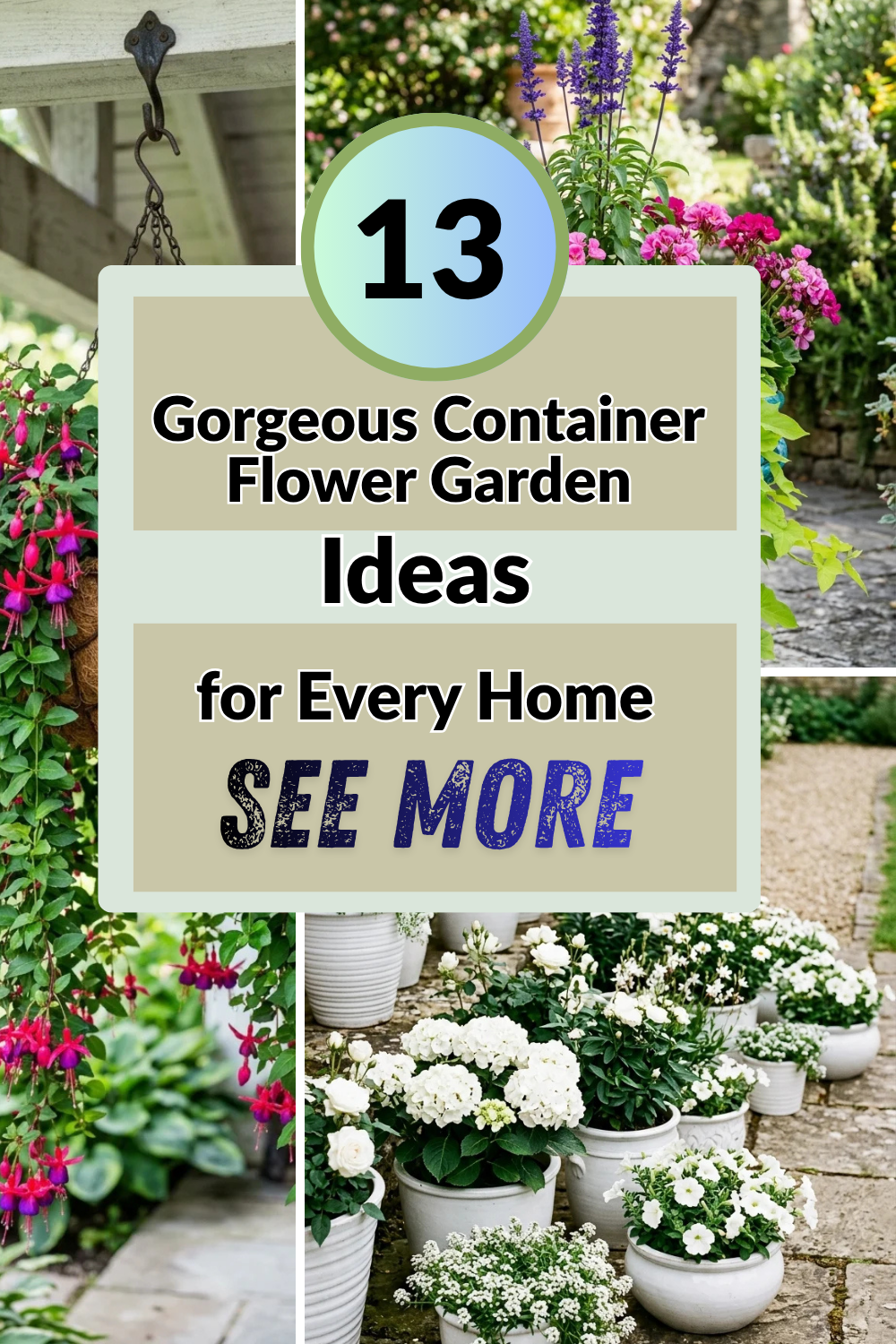
Vertical space is often the most underutilized asset in small-space gardening. Hanging baskets allow you to bring greenery to eye level and beyond. Using wire frames lined with coco coir or sphagnum moss provides excellent drainage and a natural aesthetic. For a high-impact display, choose “thriller, filler, and spiller” plants: something tall for the center, mounded plants to fill the space, and trailing vines to cascade over the edges. This creates a lush, orb-like effect that softens the hard lines of balconies and porches.
3. Upcycled Pallets
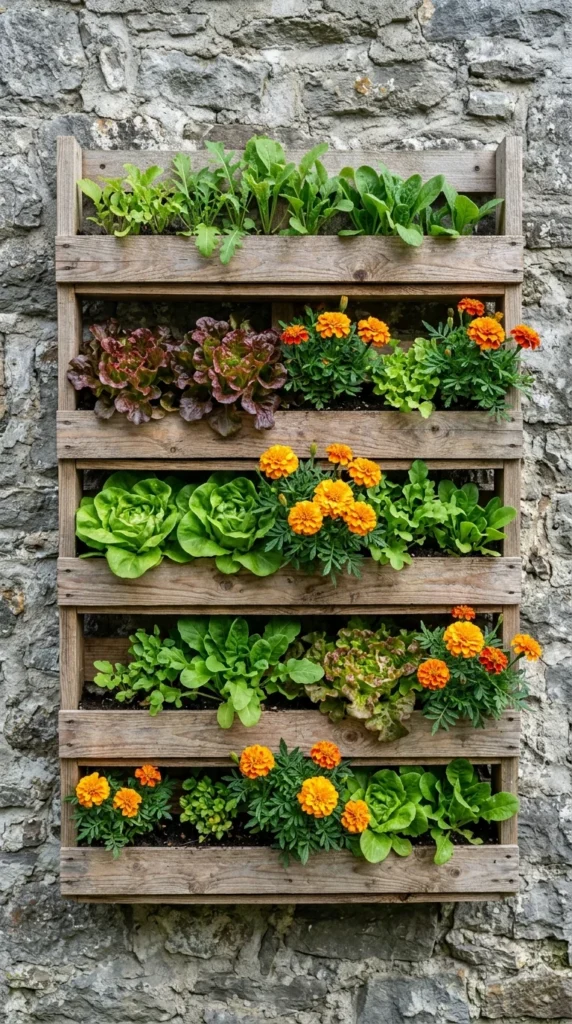
Shipping pallets are a favorite among DIY enthusiasts for their versatility and rustic charm. When stood upright and fitted with landscape fabric pockets, a pallet becomes a living wall. This is particularly effective for growing edible greens and herbs, as it keeps the produce off the ground and away from many common garden pests. Ensure the wood is heat-treated rather than chemically treated if you plan on growing food, and paint or stain the wood to match your outdoor decor for a polished, intentional look.
4. Galvanized Buckets
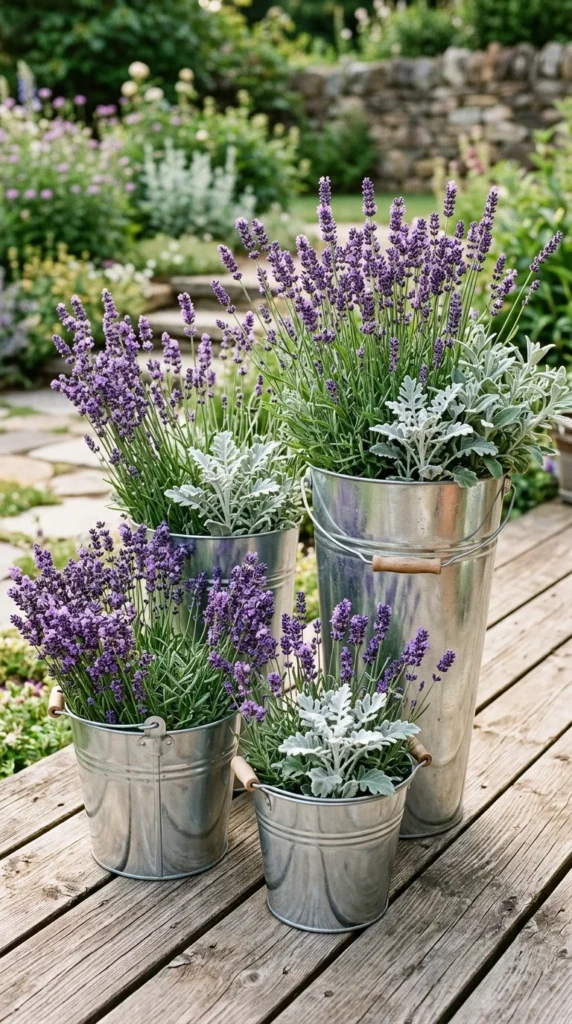
For those who lean toward a farmhouse or industrial aesthetic, galvanized metal containers are a perfect choice. They are durable, weather-resistant, and provide a clean, reflective surface that highlights the deep greens of foliage. To prevent “cooking” the roots in high heat, ensure these buckets are placed in areas with some afternoon shade or use them as cachepots—decorative outer shells for plastic nursery pots. Always drill drainage holes in the bottom to prevent waterlogging, which is the most common cause of plant failure in metal containers.
5. Windowsill Herbs
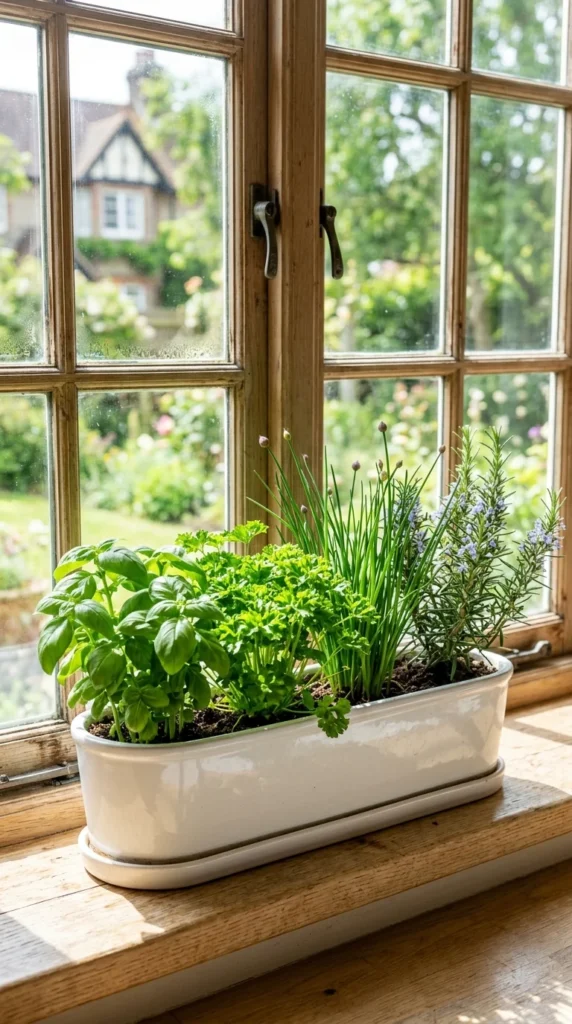
You don’t need an outdoor space at all to enjoy the benefits of container gardening. A sunny windowsill is the perfect microclimate for a kitchen herb garden. Culinary herbs like basil, mint, and cilantro thrive in the warmth of a window and provide fresh flavors for your cooking just inches from the stove. Using a long, rectangular trough-style container creates a clean, modern look and ensures each plant has enough room for its root system.
6. Colander Planters
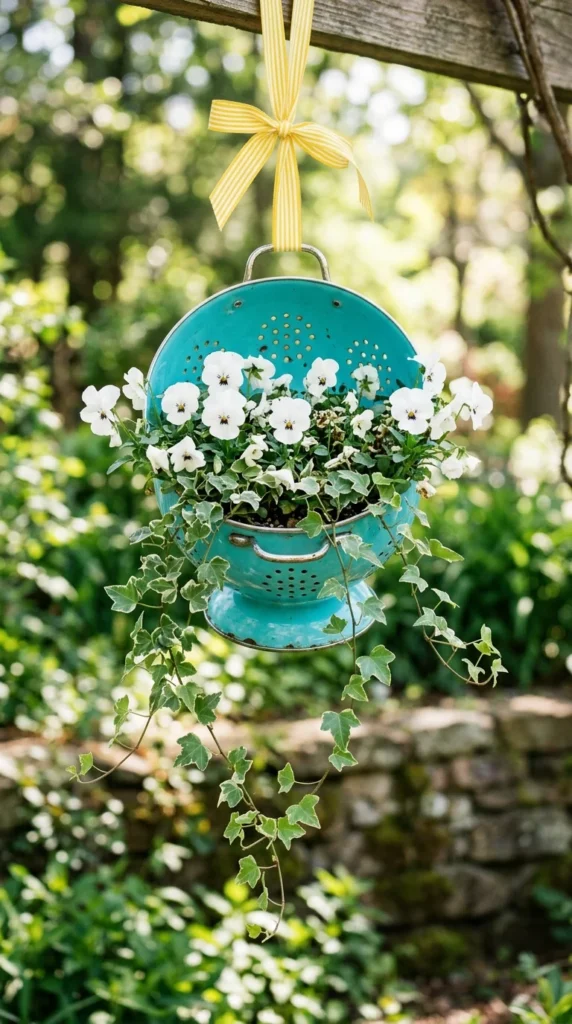
One of the most creative ways to garden in containers is to repurpose household items. A vintage metal colander is a genius choice because it comes with built-in drainage holes. These whimsical planters add a pop of color and a touch of nostalgia to a patio or kitchen garden. They are particularly well-suited for plants that require excellent drainage and don’t have deep root systems, such as annual flowers or low-growing succulents.
7. Wheelbarrow Centerpiece
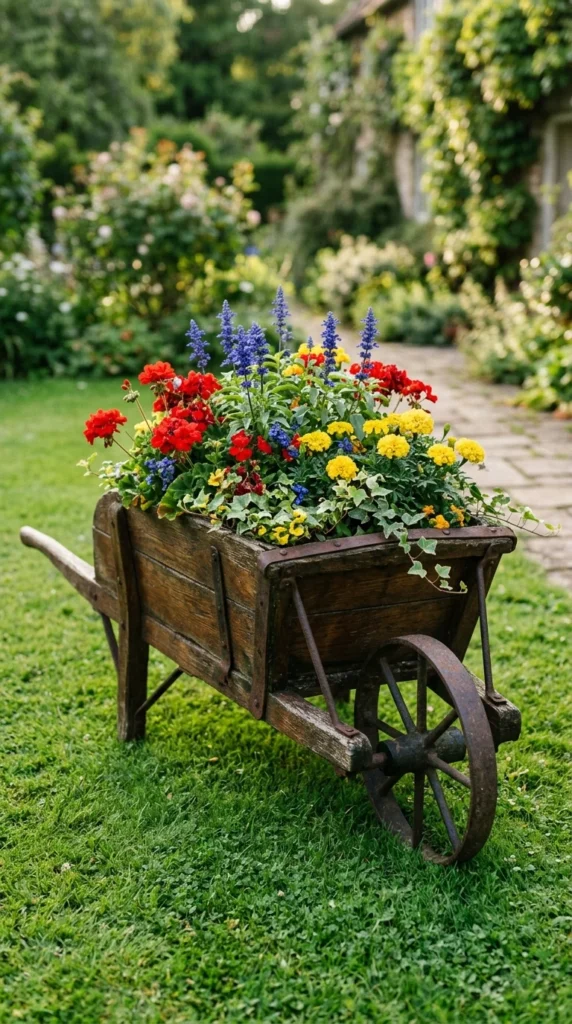
If you have a bit more ground space, an old wheelbarrow serves as a stunning, mobile container. It acts as a large-scale planter that can be moved to follow the sun or moved out of the way for entertaining. The depth of a wheelbarrow allows for larger plants and shrubs that wouldn’t survive in smaller pots. This “portable flower bed” can be changed seasonally—filled with tulips in the spring, petunias in the summer, and pumpkins and mums in the autumn.
8. Ladder Shelving
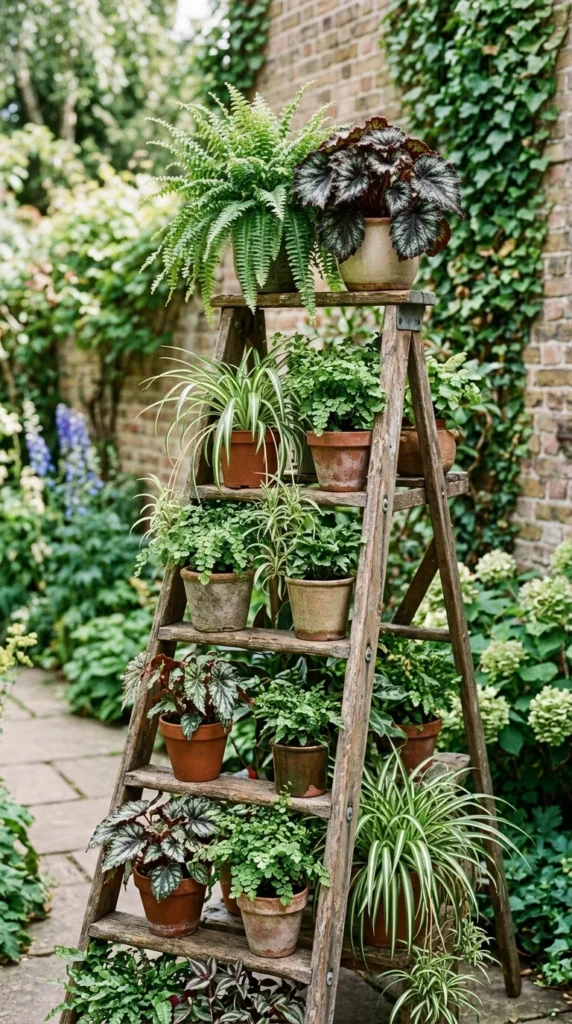
A ladder garden is the ultimate solution for collectors. If you find yourself buying “just one more pot” every time you visit the nursery, a tiered ladder shelf allows you to display your collection vertically. This arrangement ensures that even the plants at the bottom get adequate light and creates a lush, layered look. It’s an excellent way to mix and match different pot styles—ceramic, clay, and metal—while maintaining a cohesive, organized appearance.
9. Shoe Organizers
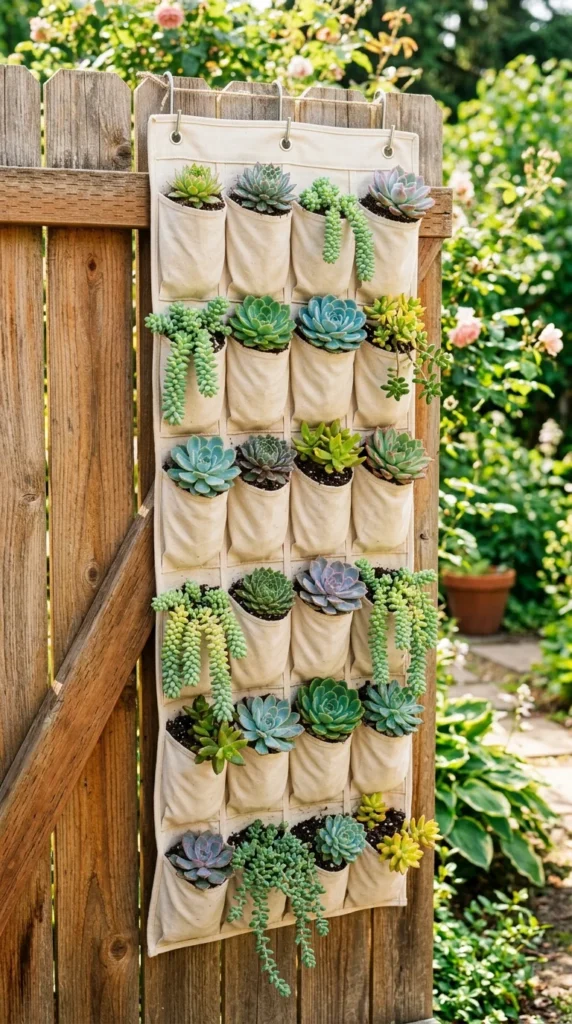
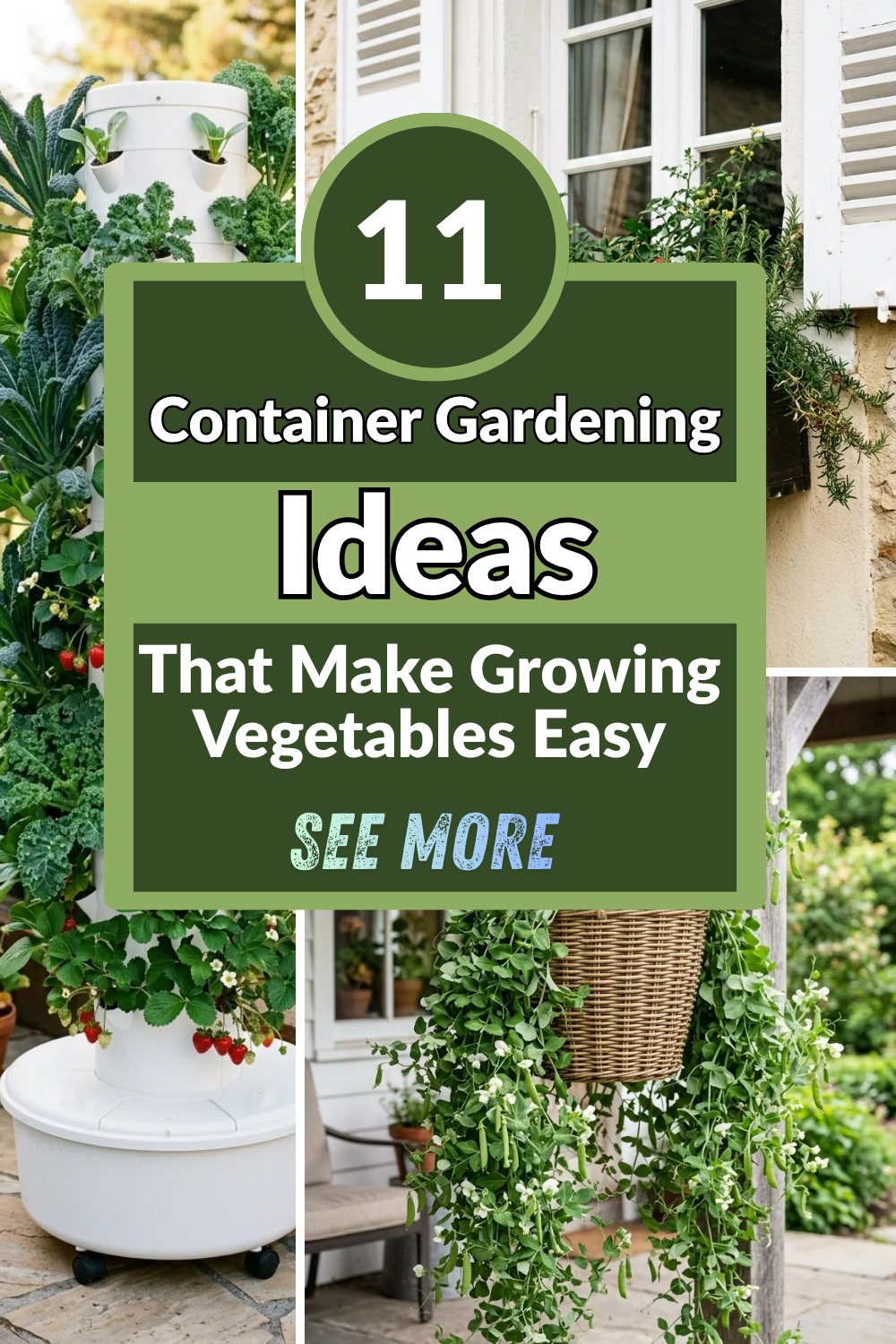
For the ultimate vertical garden on a budget, look no further than a canvas shoe organizer. When hung on a fence or wall, the individual pockets become perfect vessels for small plants. This is an exceptionally effective method for growing a “salad wall” of spinach, arugula, and kale. The fabric allows for air pruning of the roots and excellent drainage, which encourages healthy, vigorous growth in a very confined space.
10. Tea Tin Succulents
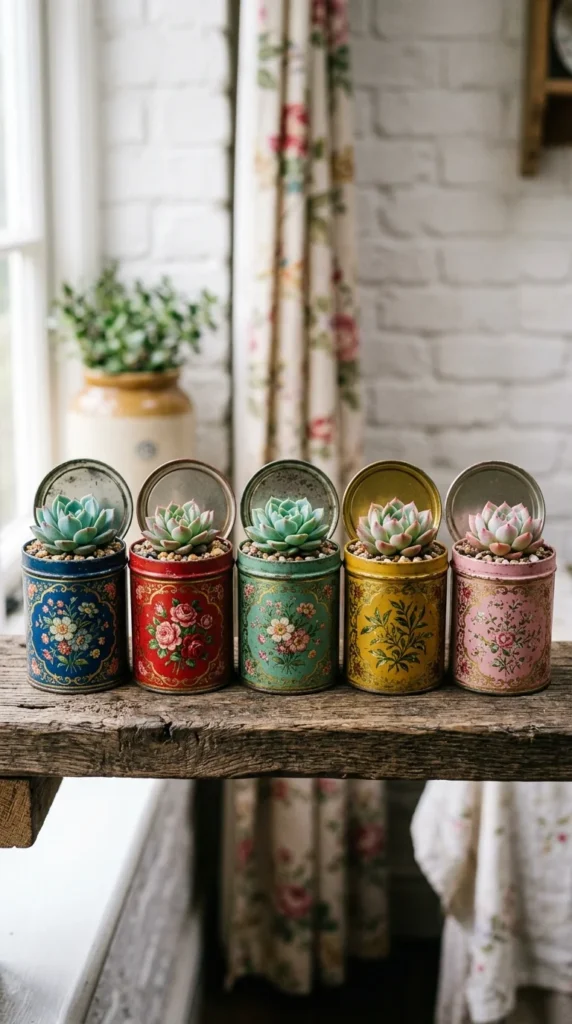
Small containers like vintage tea tins or coffee cans are perfect for slow-growing plants like succulents. These “mini-gardens” are ideal for tabletops, bookshelves, or as part of a centerpiece. Because these containers are often small, they are easy to move and rearrange. They also make excellent personalized gifts. Just be sure to add a layer of gravel at the bottom for drainage if you aren’t able to drill holes through the metal.
11. Concrete Blocks
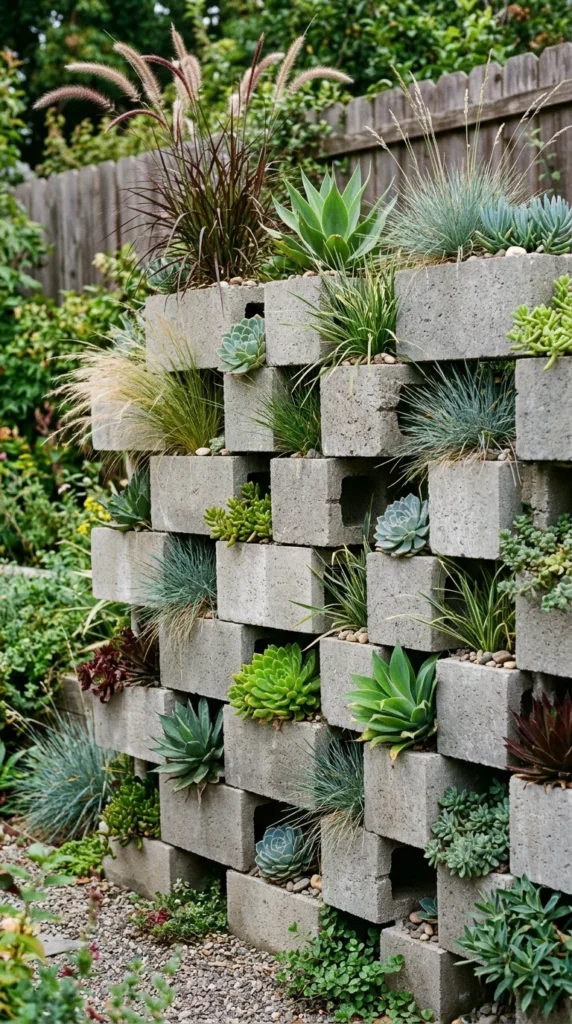
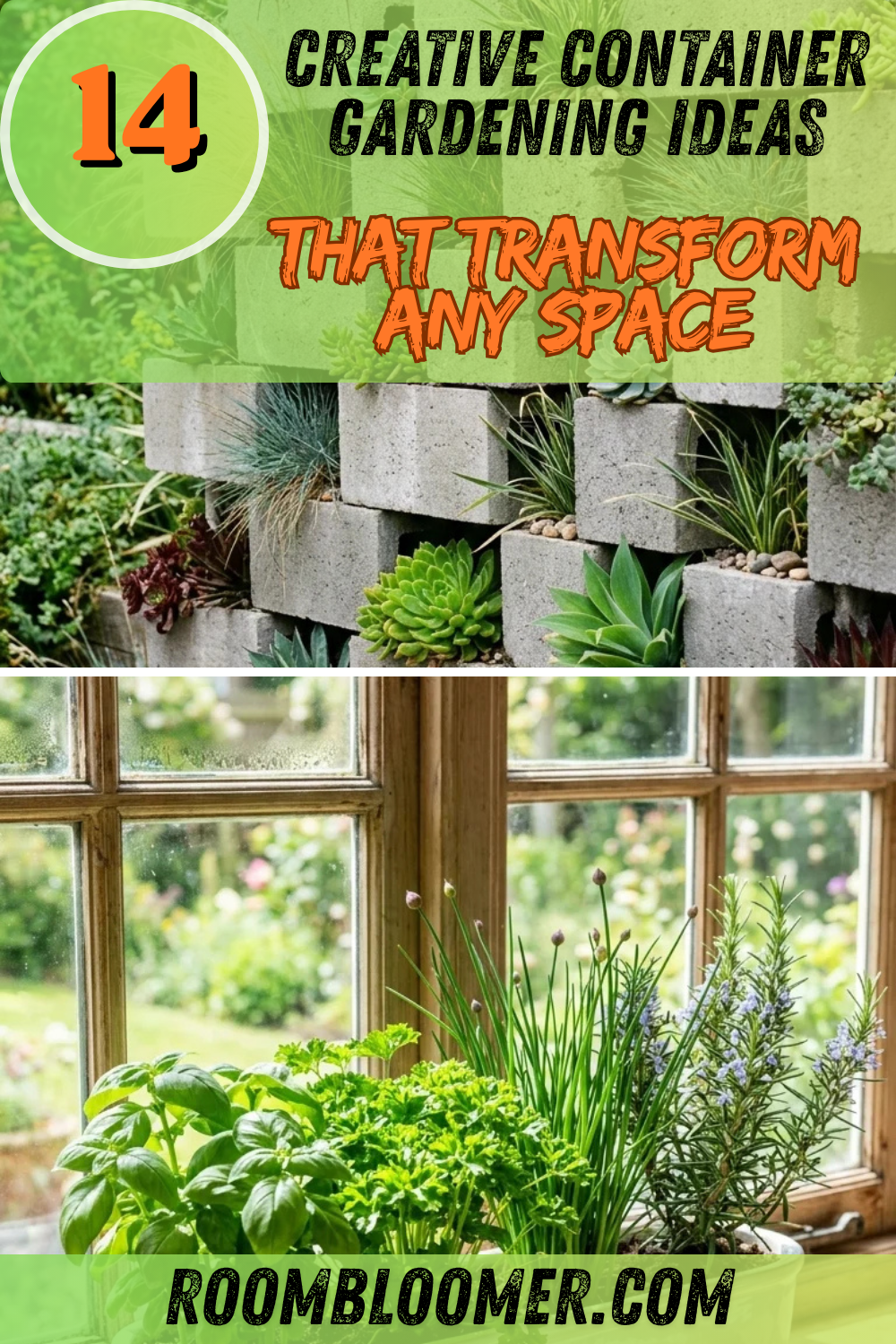
For a modern, industrial, or brutalist garden style, cinder blocks are an inexpensive and highly modular option. You can stack them in various configurations to create a custom “living wall” or a geometric garden bed. The grey tone of the concrete provides a neutral backdrop that makes the colors of your plants pop. They are heavy and stable, making them a great choice for windy balconies or rooftop gardens where lighter pots might tip over.
12. Barrel Planters
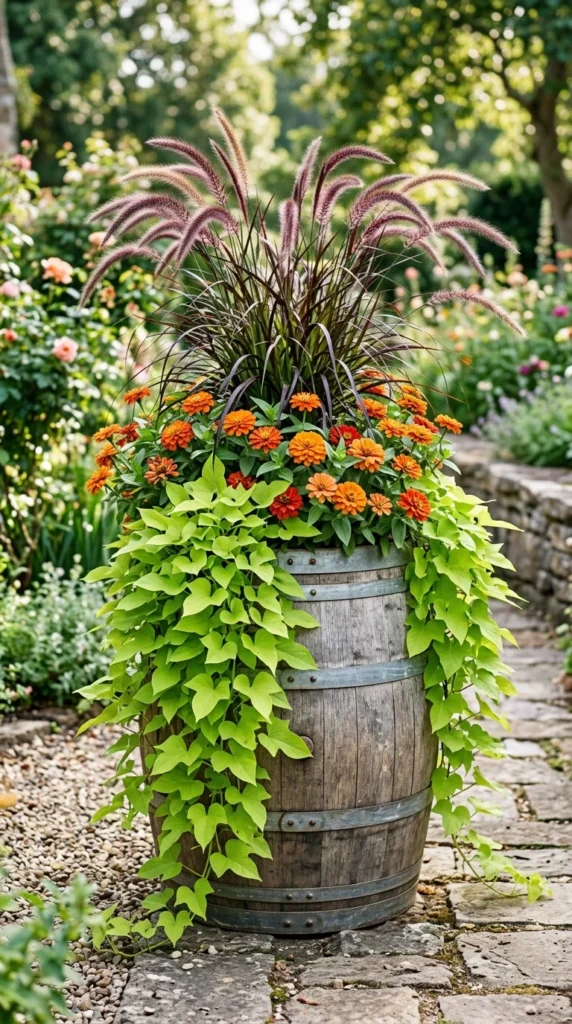
Whiskey or wine barrels provide a significant volume of soil, which is essential for growing larger plants like dwarf fruit trees, blueberries, or large tomato varieties. The thick wooden staves provide natural insulation for the roots, protecting them from extreme temperature fluctuations. A halved barrel adds a touch of rustic elegance to any space and can serve as a permanent fixture in your landscape design.
13. Birdcage Gardens
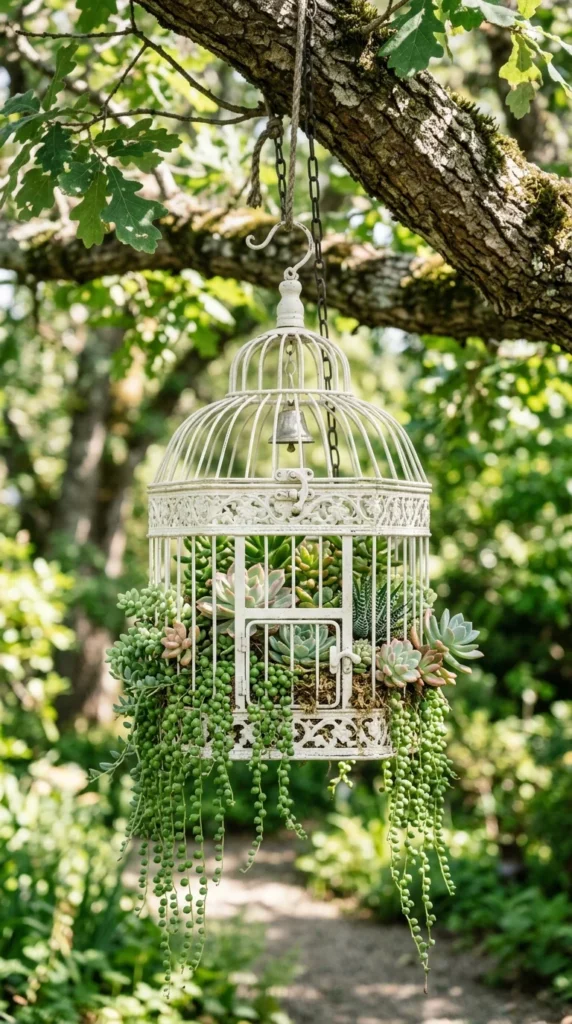
Transforming a decorative birdcage into a planter adds a touch of fairytale magic to your garden. By lining the bottom with moss and filling it with trailing plants, you create a look that is both artistic and whimsical. As the plants grow, they weave through the wire bars, creating a lush, contained “jungle” that looks like it belongs in a secret garden.
14. Trellis Containers
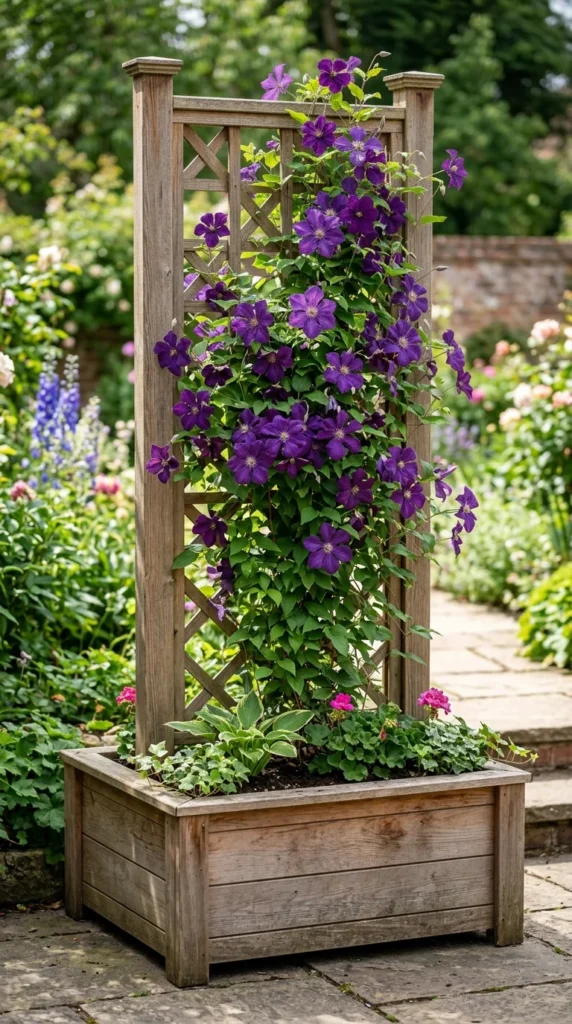
When space is limited horizontally, go up. A container with an integrated trellis allows you to grow climbing plants like jasmine, honeysuckle, or even pole beans and cucumbers. This not only maximizes your growing space but also creates a living privacy screen. Using a trellis-container combo is an excellent way to block the view of a neighbor’s wall or to create “rooms” within a larger patio or deck area, adding a sense of seclusion and intimacy to your outdoor sanctuary.