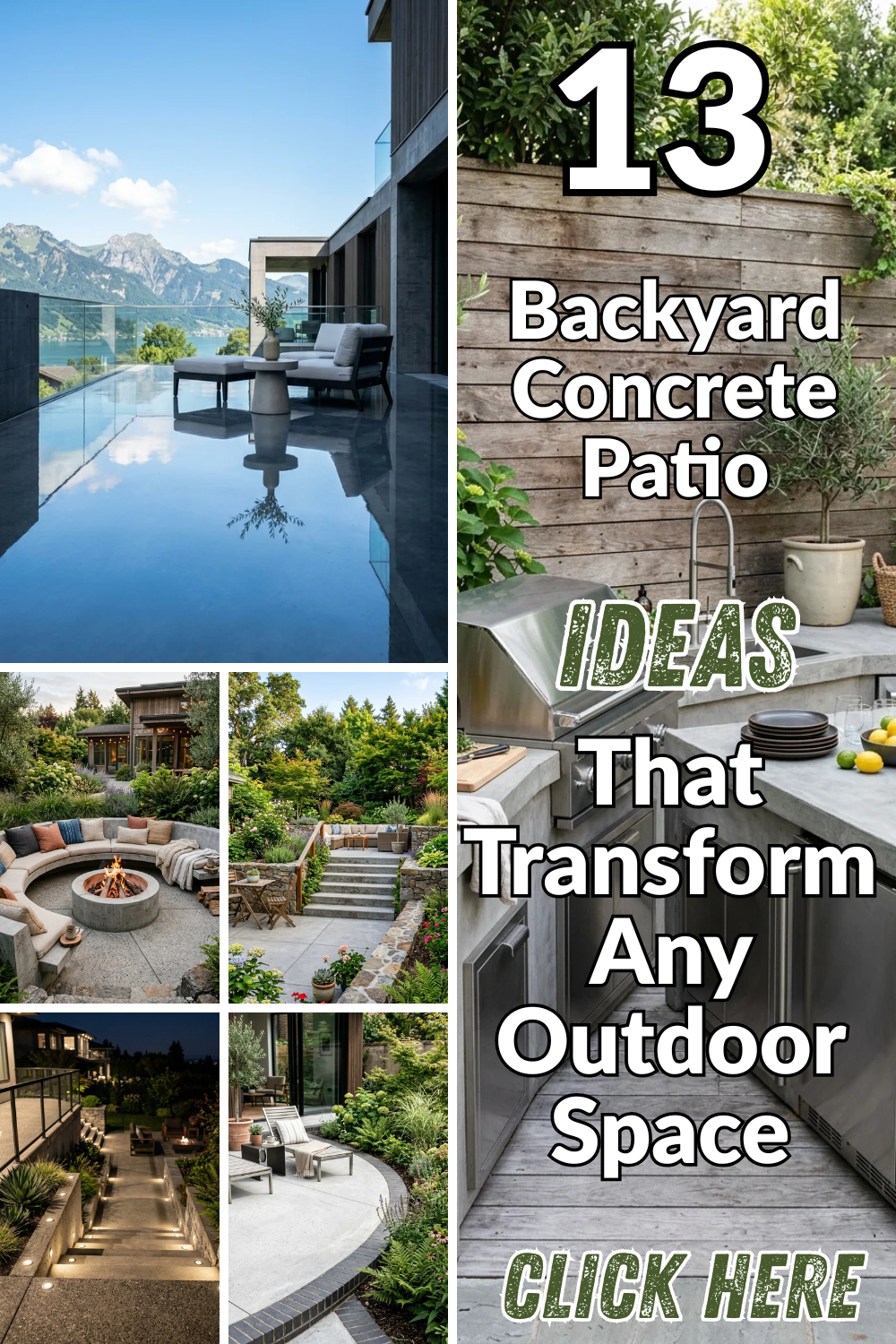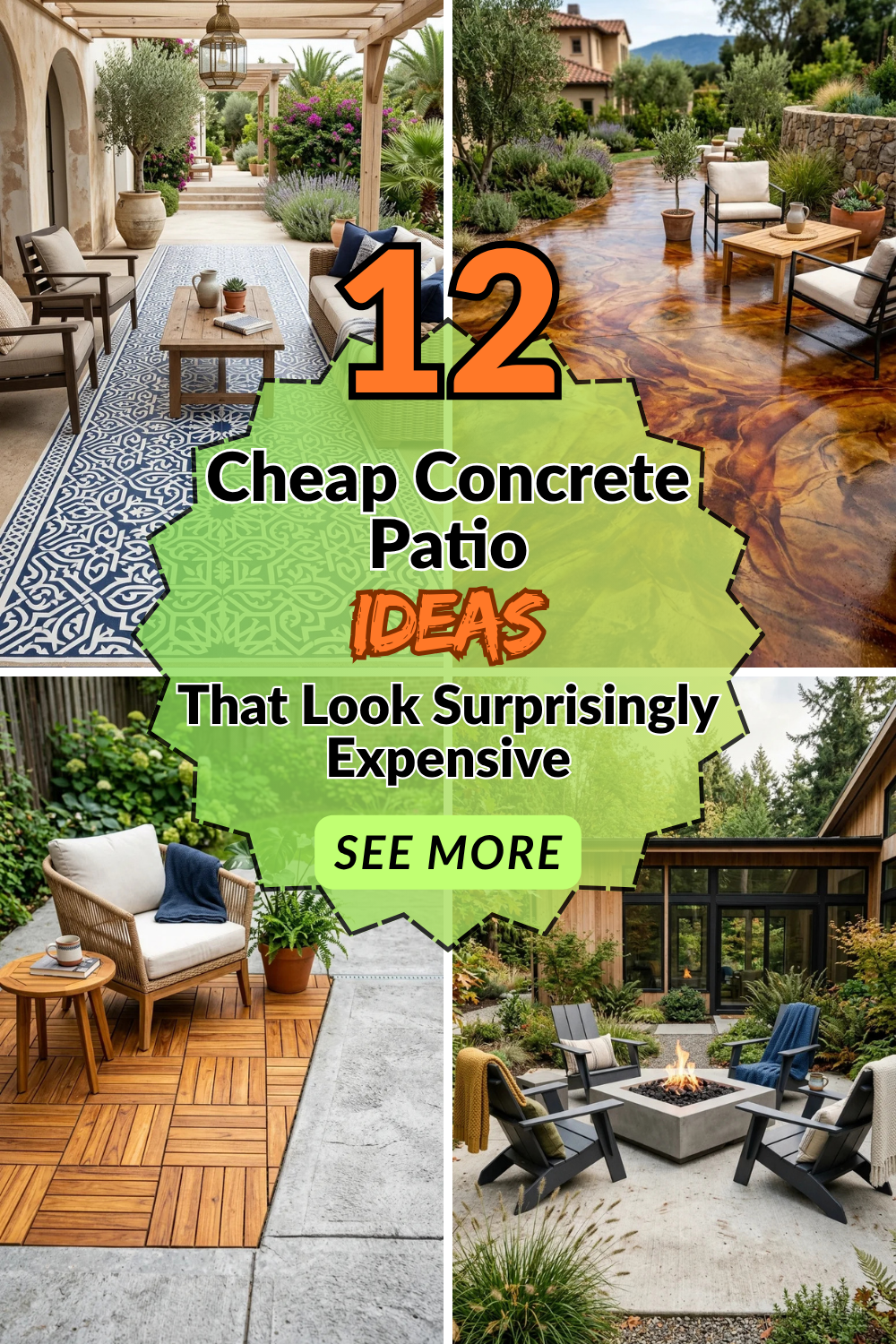
When it comes to home improvement, the backyard is often the final frontier. We dream of sprawling stone terraces and intricate tile work, but the reality of the budget often points us toward one material: concrete. However, “basic” doesn’t have to mean “boring.” Concrete is perhaps the most versatile building material on the planet, acting as a blank canvas for creativity.
With the right techniques, a standard slab can be transformed into a high-end architectural feature that rivals the look of expensive bluestone, marble, or hardwood. Here are 14 cheap concrete patio ideas that look surprisingly expensive.
1. Stamped Patterns
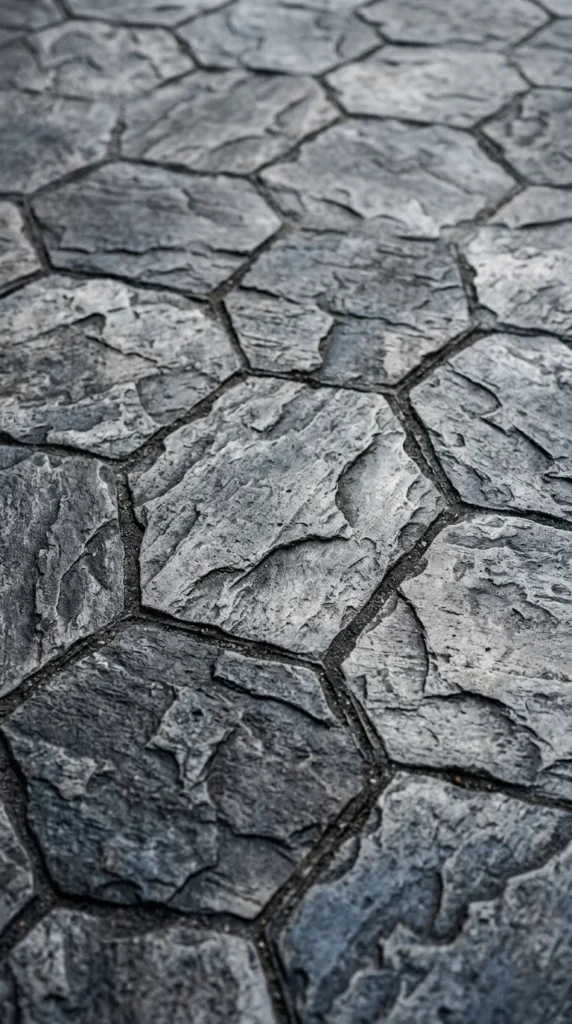
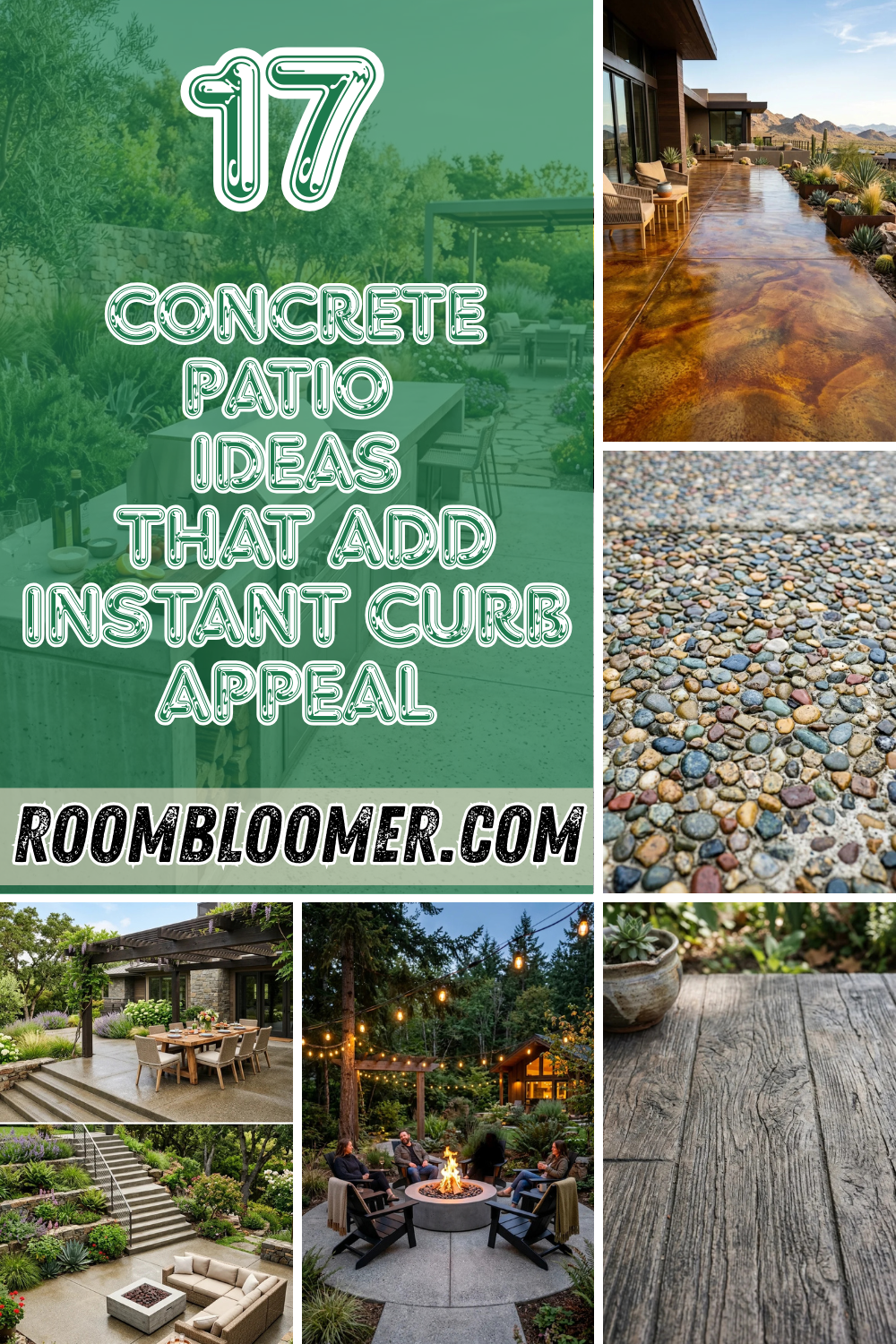
Stamping is the gold standard for making concrete look like something else entirely. By pressing heavy-duty rubber mats into wet concrete, you can replicate the texture of cobblestones, slate, or even wooden planks. To make it look truly expensive, use a “seamless” stamp which provides texture without a repetitive grid, giving it a more organic, hand-laid appearance.
2. Acid Staining
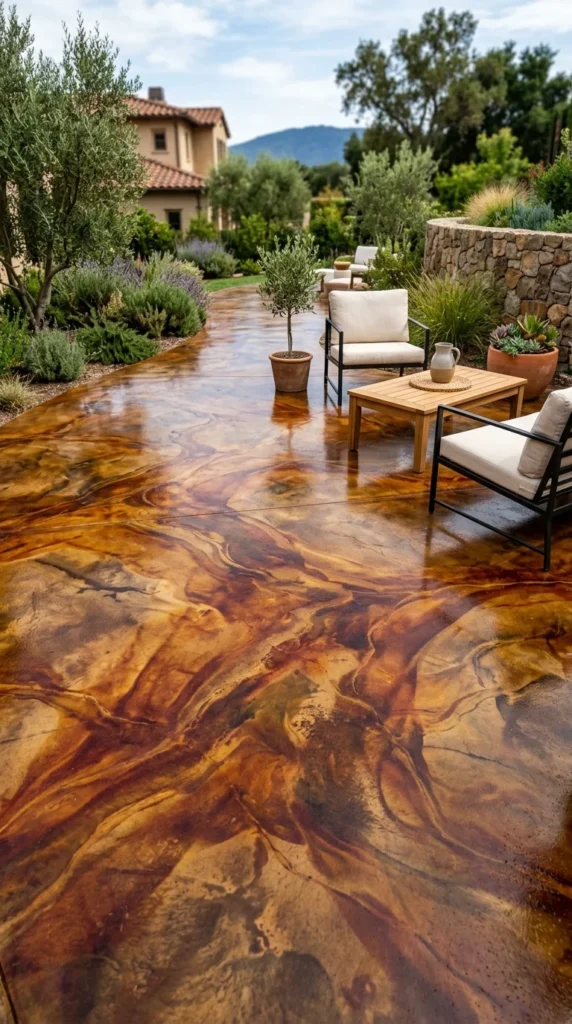
Unlike paint, which sits on top of the surface, acid stains penetrate the concrete to create a permanent, variegated finish. The chemical reaction between the acid and the minerals in the concrete creates a marbled effect that looks remarkably like high-end Italian tile or natural stone. Because no two slabs react the same way, your patio will have a custom, artisanal look that belies its low cost.
3. Painted Stencils
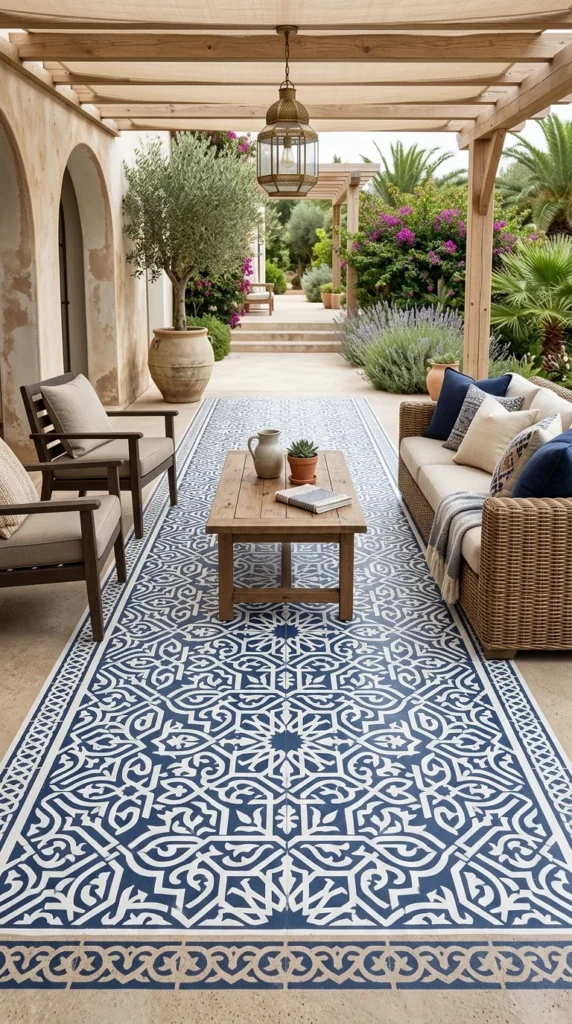
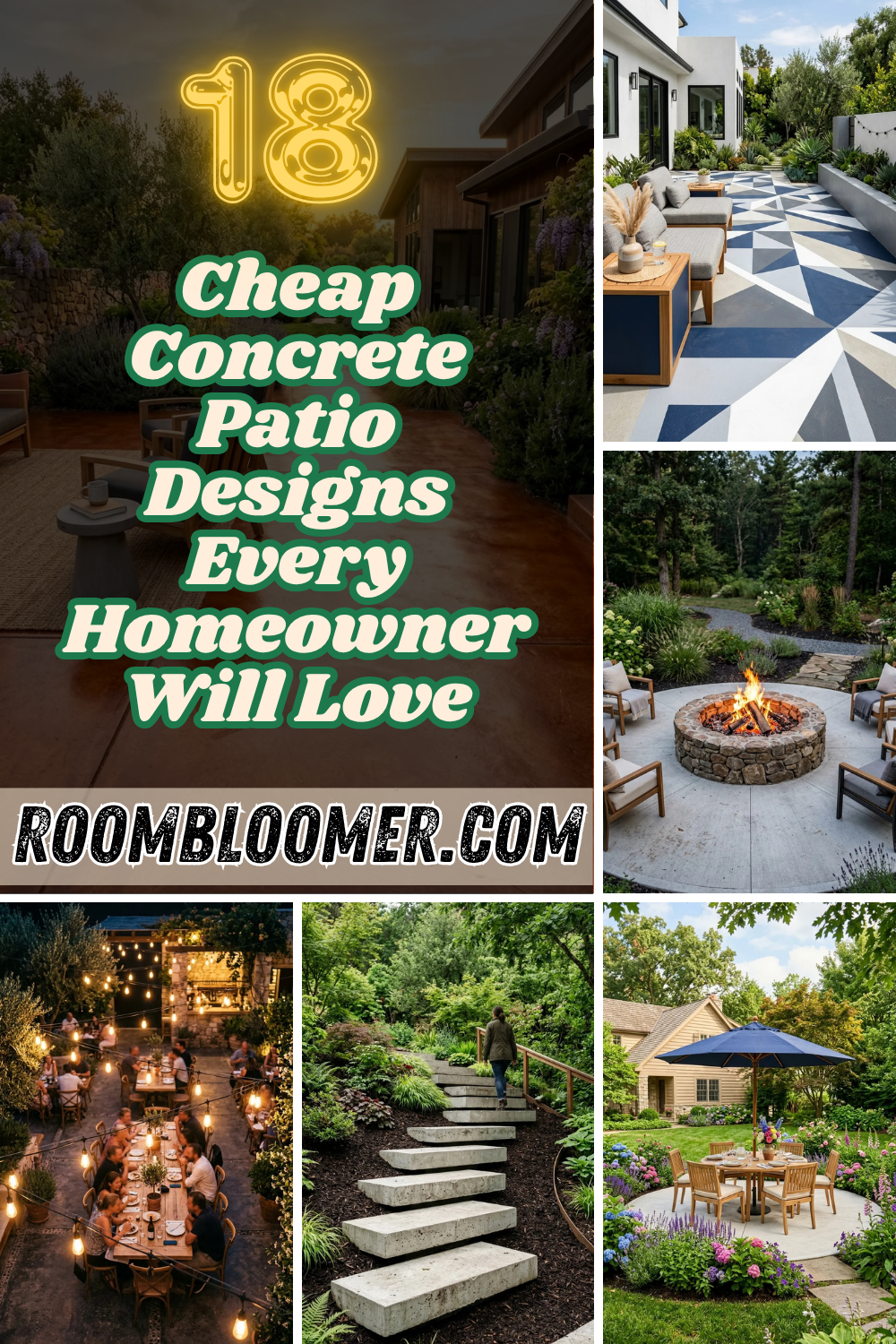
If your existing concrete is stained or dated, stenciling is the ultimate “expensive-look” hack. By using a large-format stencil and outdoor porch paint, you can mimic the look of trendy encaustic cement tiles. Focus on classic patterns like fleur-de-lis or Moroccan stars to add a Mediterranean villa vibe to your backyard without the thousands of dollars required for real tile installation.
4. Geometric Breaks
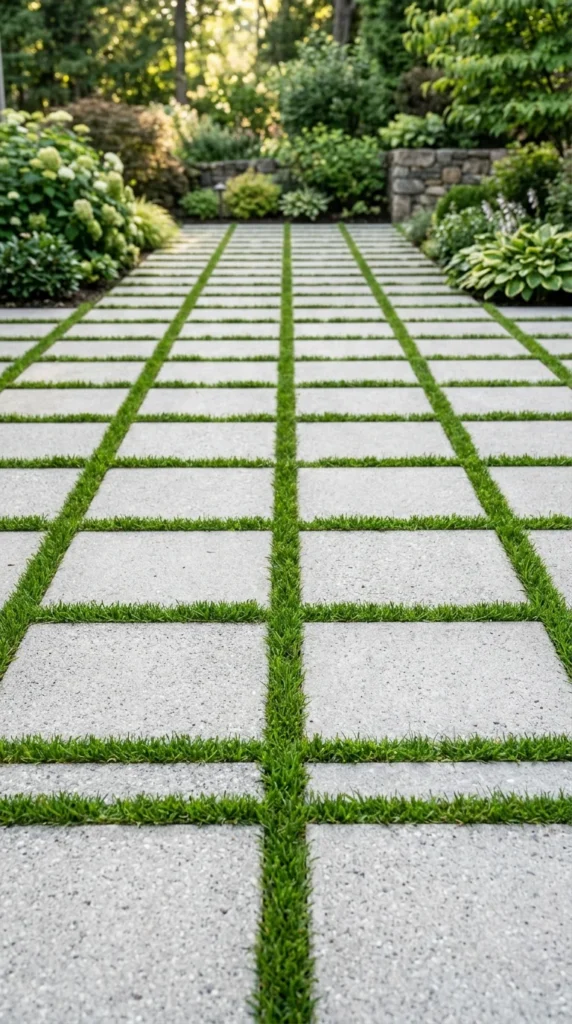
One of the hallmarks of modern luxury design is the use of negative space. Instead of pouring one continuous slab, create large geometric “island” pavers with gaps in between. Fill these gaps with artificial turf, real grass, or moss. This broken-up aesthetic looks like a high-budget architectural installation and helps with drainage, preventing the “parking lot” look of large concrete expanses.
5. Scored Lines
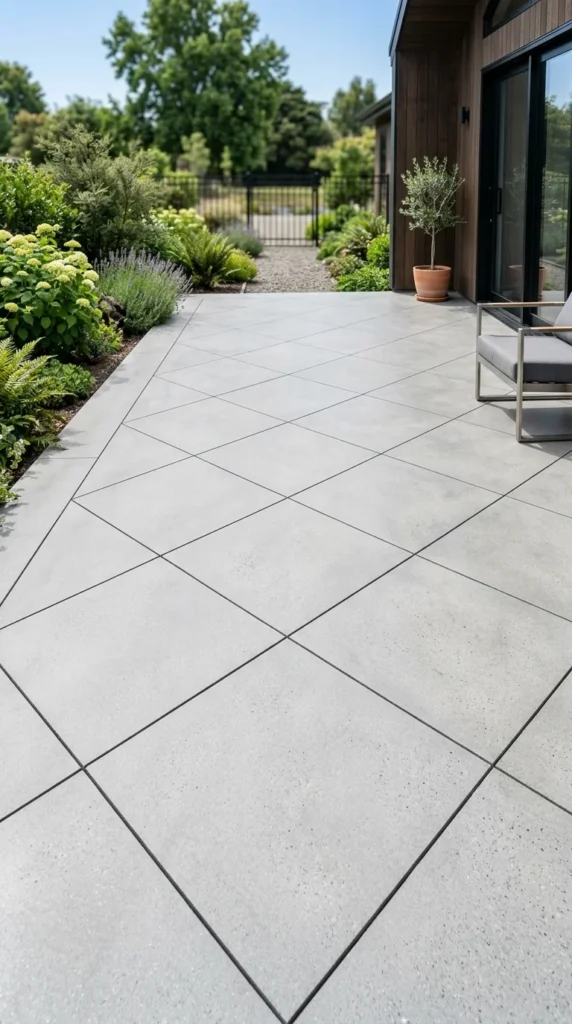
You don’t need to stamp wet concrete to get a patterned look. Using a circular saw with a diamond blade, you can “score” shallow lines into a cured concrete slab. By creating a large-scale grid, you trick the eye into seeing massive, expensive stone tiles. This minimalist approach is a favorite in contemporary luxury homes because it provides a clean, structured aesthetic for very little investment.
6. Exposed Aggregate
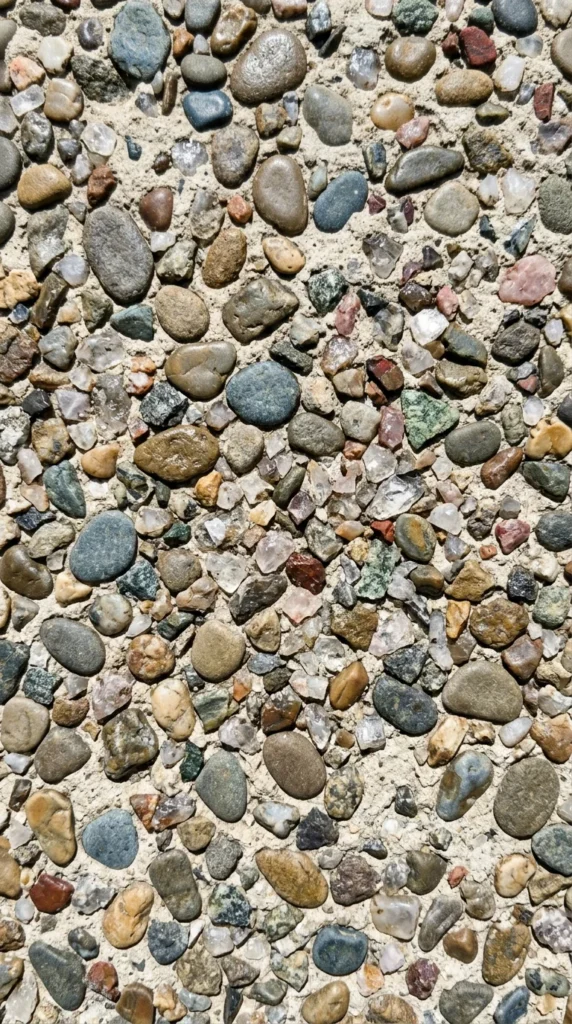
Exposed aggregate is the “granite countertop” of the patio world. By washing away the top layer of concrete paste before it sets, you reveal the stones and sand underneath. The result is a highly textured, slip-resistant surface that looks like a natural riverbed. It’s incredibly durable and hides dirt and wear much better than smooth concrete, maintaining its “expensive” look for decades.
7. Gravel Borders
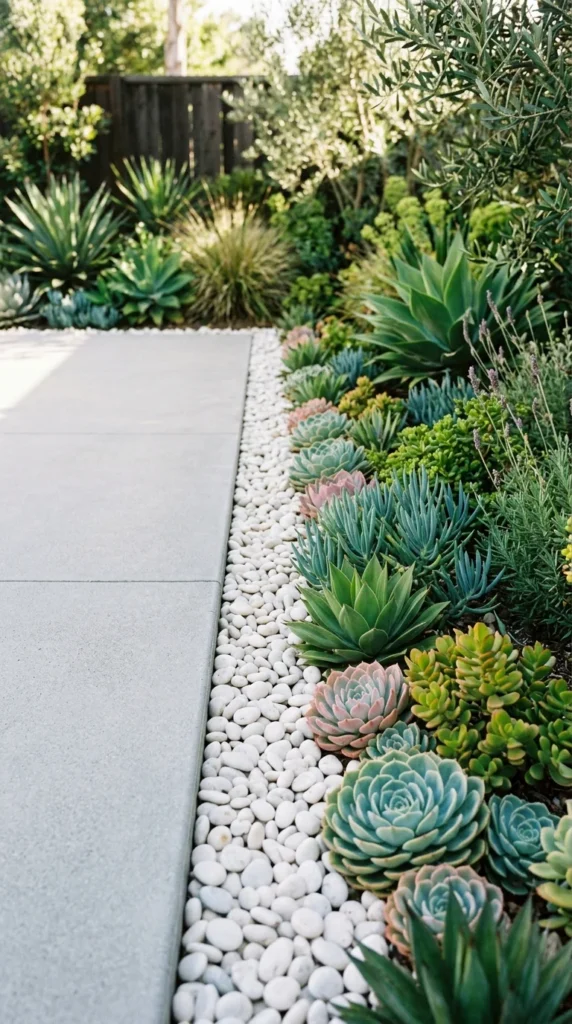
High-end landscaping is all about the transition between materials. Instead of letting your concrete meet the grass directly, leave a 6-to-12-inch gap and fill it with contrasting river rock or Mexican beach pebbles. This simple border defines the space and makes the concrete look like a deliberate, inset design element rather than just a slab that was dropped into the yard.
8. Polished Sheen
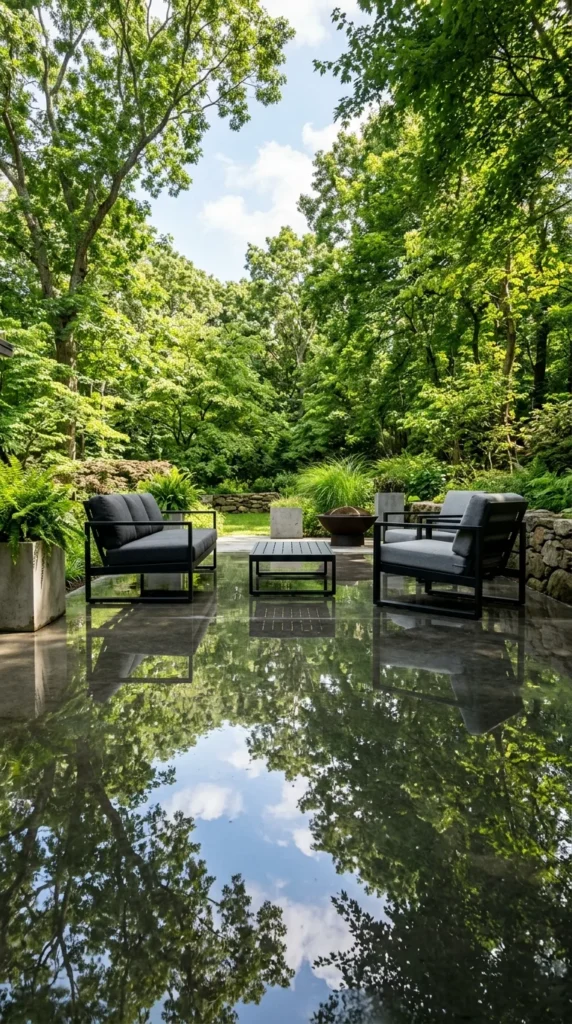
Polished concrete was once reserved for high-end art galleries and industrial lofts, but it is now a top-tier choice for outdoor patios. By grinding the surface with progressively finer diamond pads, you can achieve a high-gloss finish that reflects light and looks incredibly sophisticated. It gives the patio a refined, “finished” feel that standard broom-finished concrete simply cannot match.
9. Wood Overlays
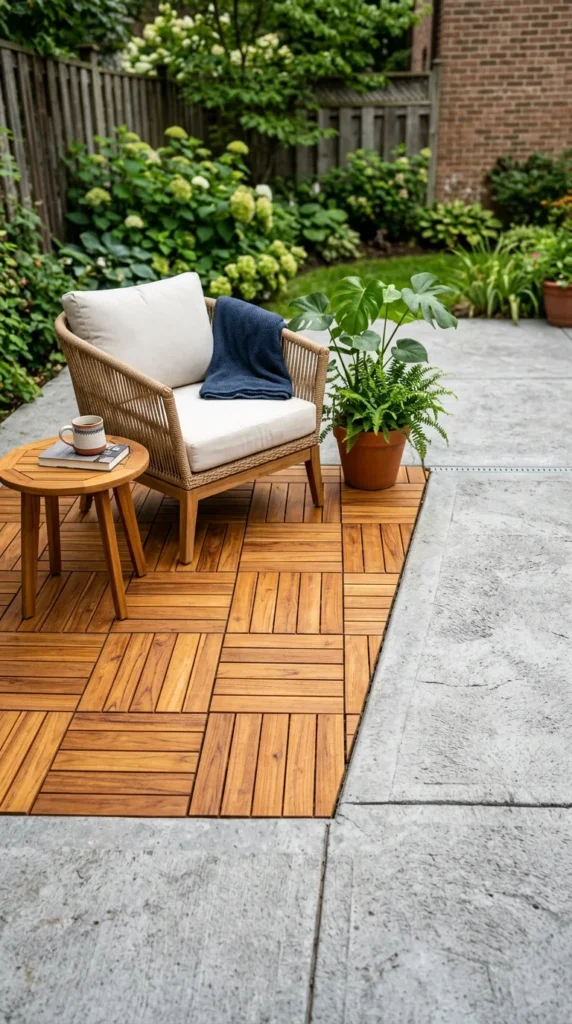
If your concrete is in rough shape, you can skip the demolition and go for an overlay. Interlocking wood or composite deck tiles can be placed directly over the concrete. This creates a “mixed media” look that is very popular in luxury resort design. Combining the cool grey of the concrete with the warm tones of wood creates a sophisticated, multi-layered environment.
10. Fire Focal
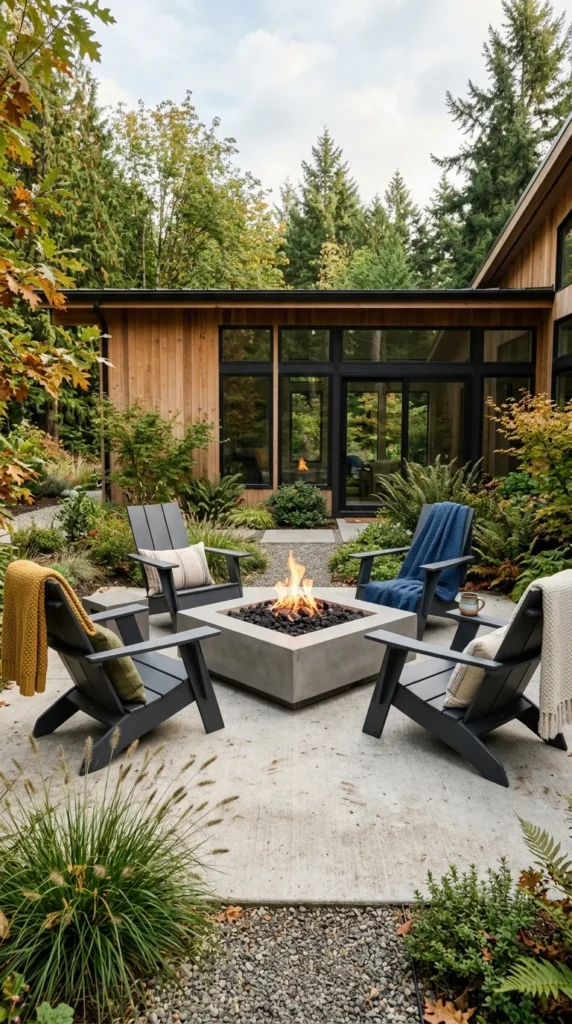
Nothing says “expensive” like a built-in feature. When pouring your patio, leave a cutout or build a matching concrete box for a gas or wood-burning fire pit. By using the same material for the patio and the fire pit, you create a seamless, custom-built look that feels like it was designed by an architect rather than a DIYer.
11. Brick Inlays
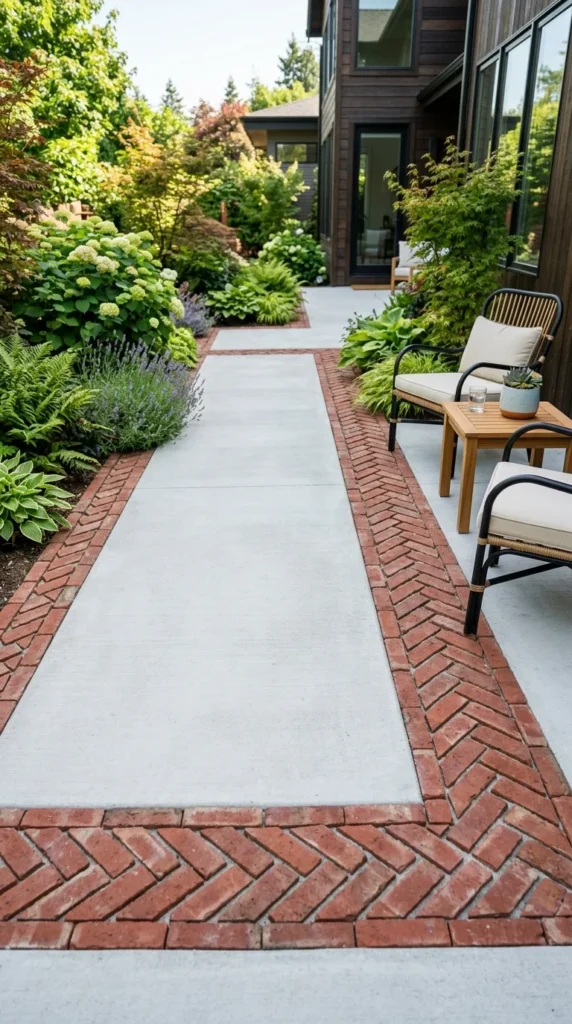
To break up the monotony of grey concrete, consider adding a brick or paver inlay. By embedding a row of bricks around the perimeter or through the center of the slab, you add color, texture, and a sense of craftsmanship. The contrast between the industrial concrete and the traditional brick creates a “timeless” aesthetic found in historic estate gardens.
12. Integrated Planters
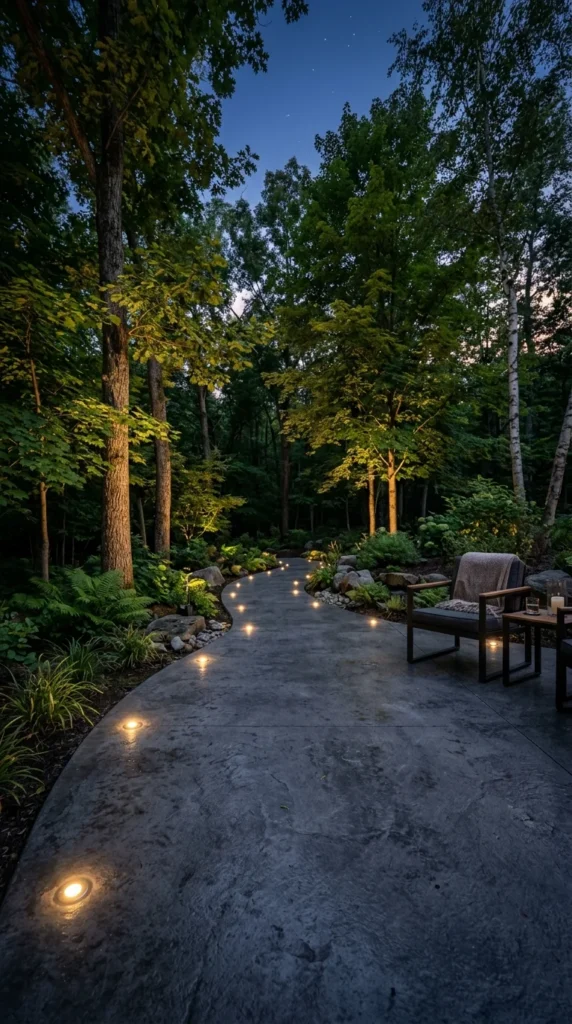
The secret weapon of expensive-looking homes is lighting. Installing recessed LED “well lights” directly into the concrete or along the borders transforms the patio after the sun goes down. Lighting emphasizes the textures of the concrete and gives the entire backyard a “five-star hotel” atmosphere. It is a relatively low-cost addition that provides the highest visual ROI of any upgrade on this list.