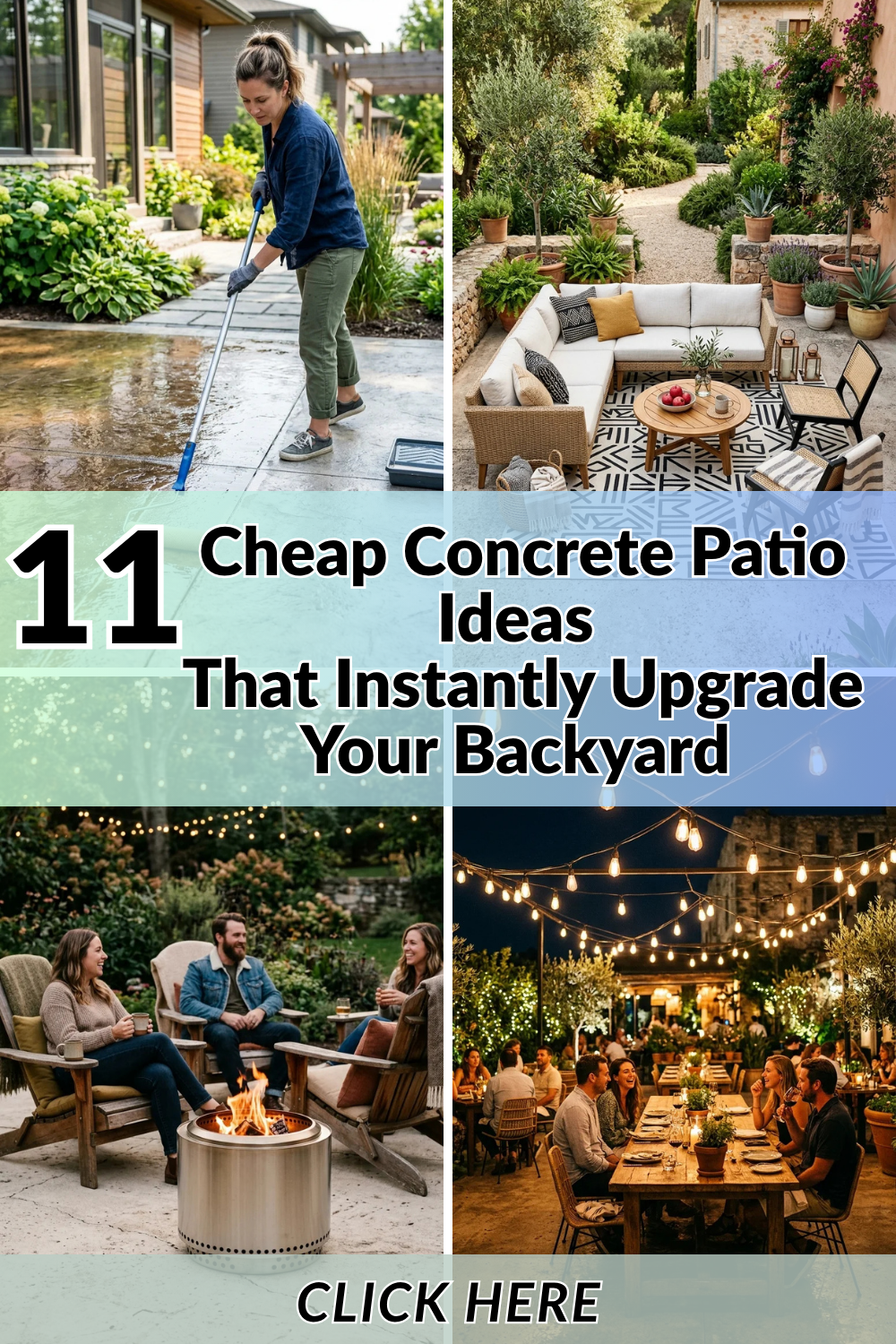
A concrete patio is often viewed as the “blank canvas” of the backyard. While it is durable and functional, raw concrete can sometimes feel cold, industrial, or just plain boring. However, you don’t need a massive renovation budget to turn that gray slab into a high-end outdoor oasis. With a little creativity, some elbow grease, and a few strategic purchases, you can elevate your outdoor living space significantly.
Whether you are dealing with an old, cracked surface or a brand-new slab that lacks personality, these eleven affordable ideas will help you reclaim your backyard and create a space where you actually want to spend time.
1. Stenciled Patterns
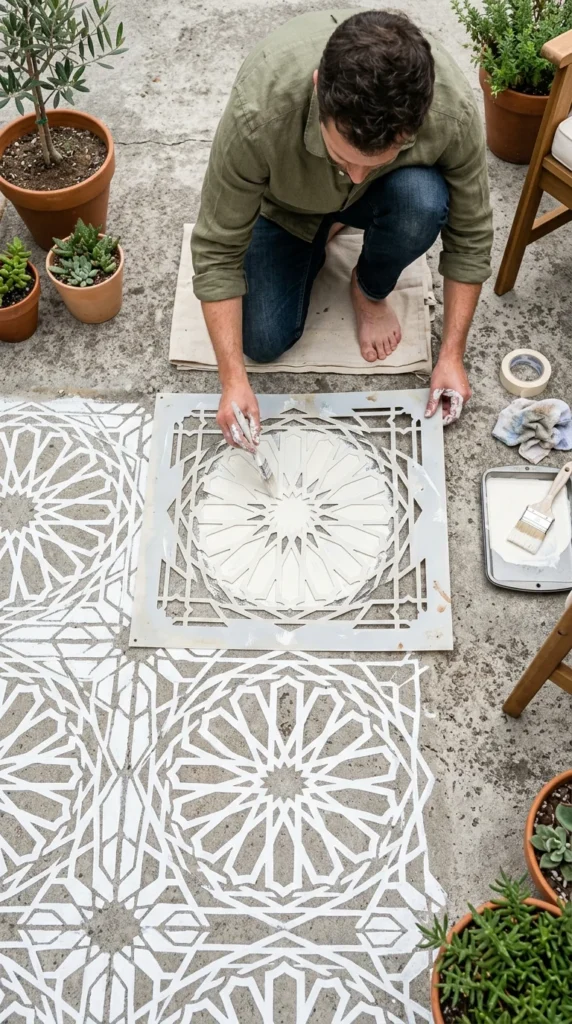
One of the most cost-effective ways to mimic the look of expensive Spanish or Moroccan tiles is through stenciling. Instead of ripping out the concrete and laying down heavy stone, you can simply paint a pattern directly onto the surface. This technique works wonders for covering up stains or minor imperfections in the concrete.
To achieve this, start with a thorough power wash and a base coat of porch and patio paint. Once dry, secure your stencil with painter’s tape and use a dense foam roller to apply a contrasting color. The result is a high-impact, custom look that defines the space and adds an artistic flair that guests will swear is real tile.
2. Acid Staining
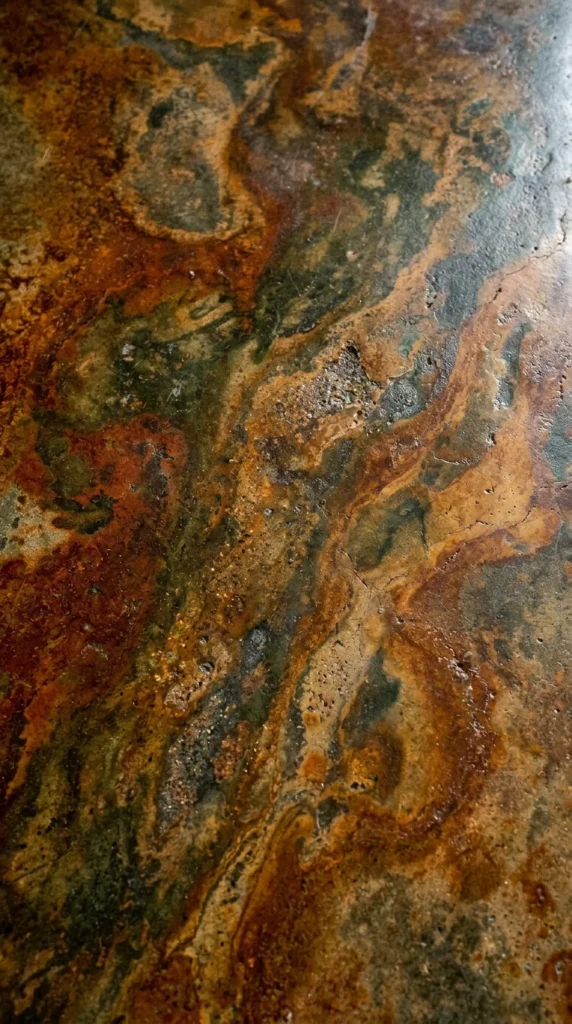
If you prefer a more organic, high-end look, acid staining is the way to go. Unlike paint, which sits on top of the concrete, acid stains penetrate the surface and react chemically with the minerals in the cement. This creates a mottled, translucent, and variegated effect that looks like natural stone or aged leather.
Staining is incredibly affordable because the materials are relatively inexpensive, and the labor is mostly preparation. Once the stain is applied and neutralized, adding a clear sealer will make the colors “pop” and give the patio a professional, glossy finish that resists water and UV damage.
3. Paver Borders
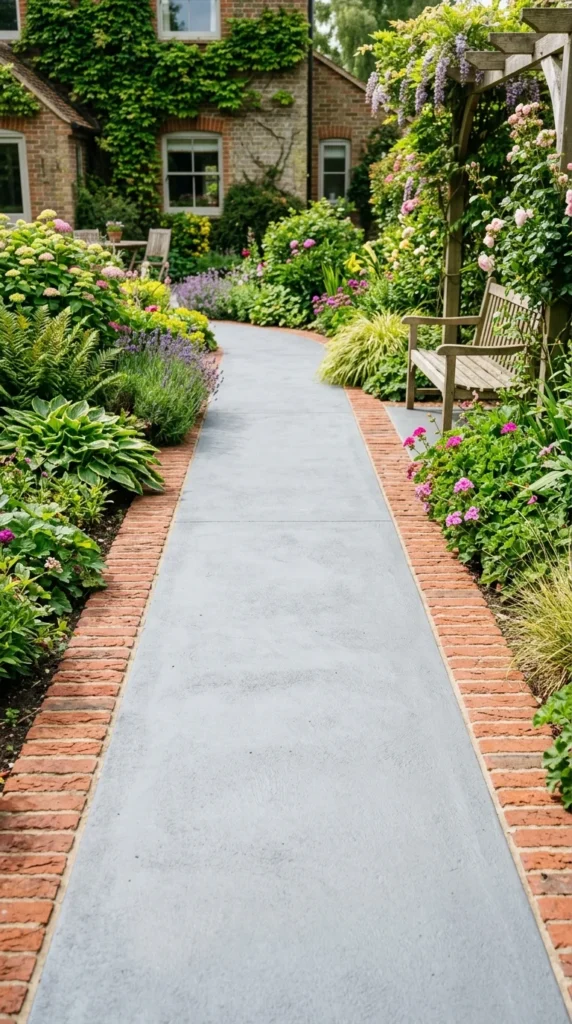
Sometimes, a concrete patio feels unfinished because it lacks clear boundaries. Adding a border of pavers or bricks around the perimeter of the slab can instantly make it look like a custom masonry job. This “frames” the patio, giving it a more intentional and polished appearance.
You don’t need to mortar these in place if you are on a tight budget. Dig a shallow trench around the edge, fill it with a bit of leveled sand, and nestle the pavers tightly against the concrete. Use contrasting colors—like charcoal gray pavers against light concrete—to create a modern, architectural aesthetic.
4. Gravel Edging
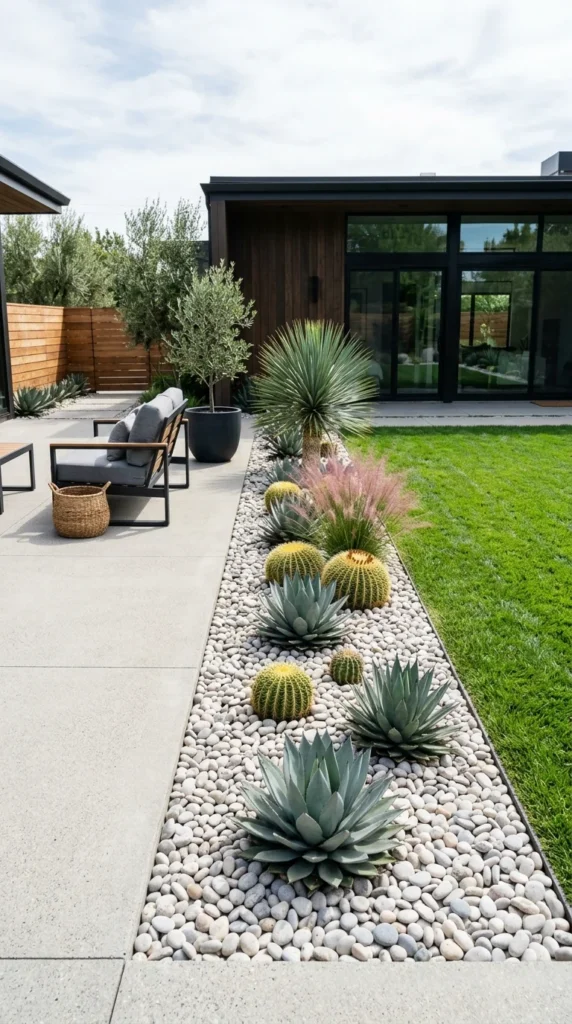
For those who love the “Mid-Century Modern” or “Zen Garden” look, gravel edging is a game-changer. By removing a strip of grass around the patio and replacing it with decorative gravel or river rock, you create a sophisticated transition zone.
This isn’t just about looks; it’s also functional. Gravel borders improve drainage and prevent mud from splashing onto your clean concrete during rainstorms. Choose white marble chips for a bright, clean look, or dark Mexican beach pebbles for a moody, high-end resort vibe.
5. Outdoor Rugs
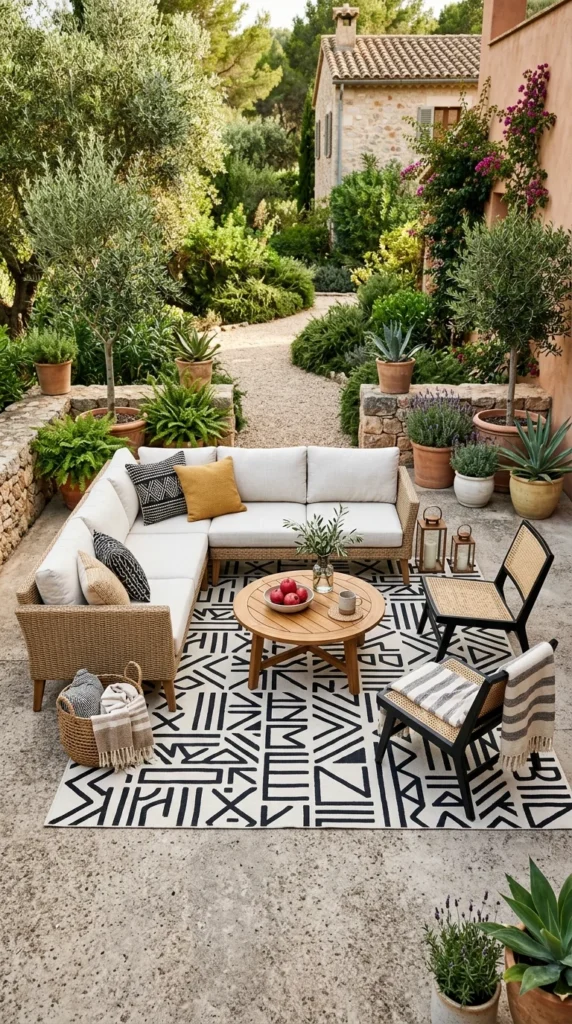
If you want an instant upgrade that requires zero drying time and zero tools, buy an outdoor rug. A rug serves as an anchor for your furniture, defining a “room” within your backyard. It also provides a soft surface for bare feet, which can be a relief on hot concrete days.
When choosing a rug, look for UV-stabilized polypropylene. These rugs are hose-able, mold-resistant, and won’t fade in the sun. To make the patio feel larger, choose a rug that is big enough for at least the front legs of all your furniture to sit on. It hides any unsightly cracks in the concrete while injecting color and texture into the space.
6. String Lighting
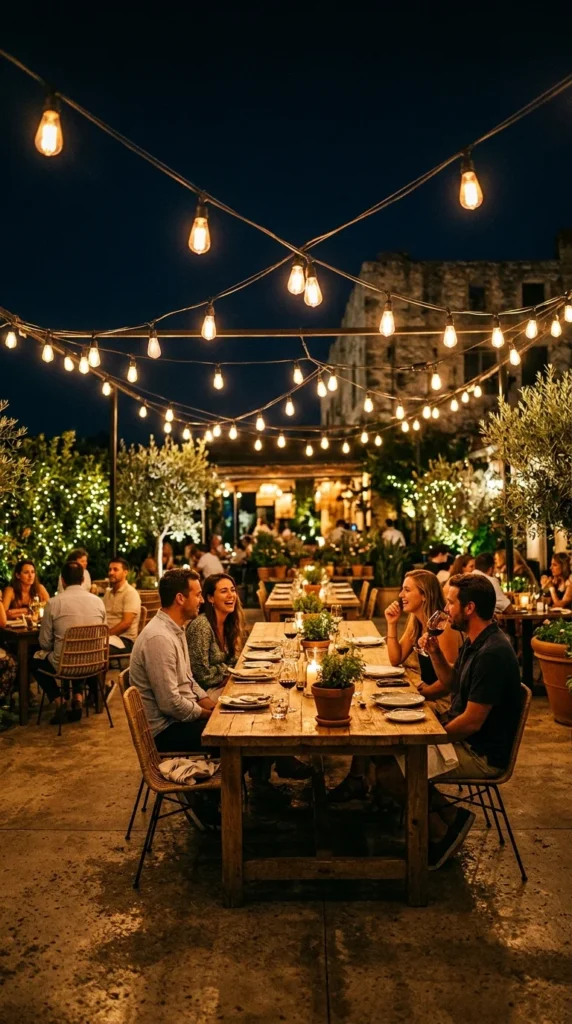
Lighting is the most atmospheric upgrade you can make. Overhead string lights (often called “bistro lights”) transform a flat concrete slab into a magical evening retreat. The glow from the lights reflects off the concrete, making the entire area feel larger and more welcoming.
To install these cheaply, you can use wooden 4×4 posts set in heavy planters or attach them to the side of your house. The key is to hang them high enough so they don’t interfere with movement but low enough to create an intimate “ceiling” effect. This simple addition makes your patio usable long after the sun goes down.
7. Privacy Screens
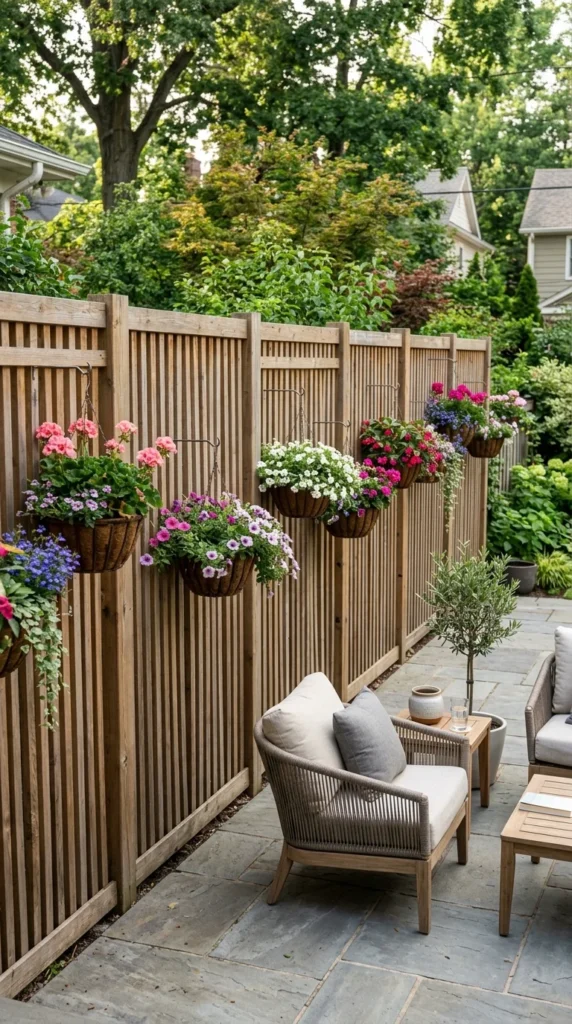
Concrete patios can often feel exposed, especially in suburban neighborhoods. Adding a DIY privacy screen made of cedar slats or even pressure-treated wood can create a sense of enclosure and luxury. These screens act as “walls” for your outdoor room.
You can customize these screens by painting them a bold color or leaving them natural for a rustic look. Beyond privacy, they serve as excellent backdrops for vertical gardening. You can hang small pots of herbs or succulents directly onto the slats, adding life and greenery to your concrete space without taking up valuable floor real estate.
8. Potted Clusters
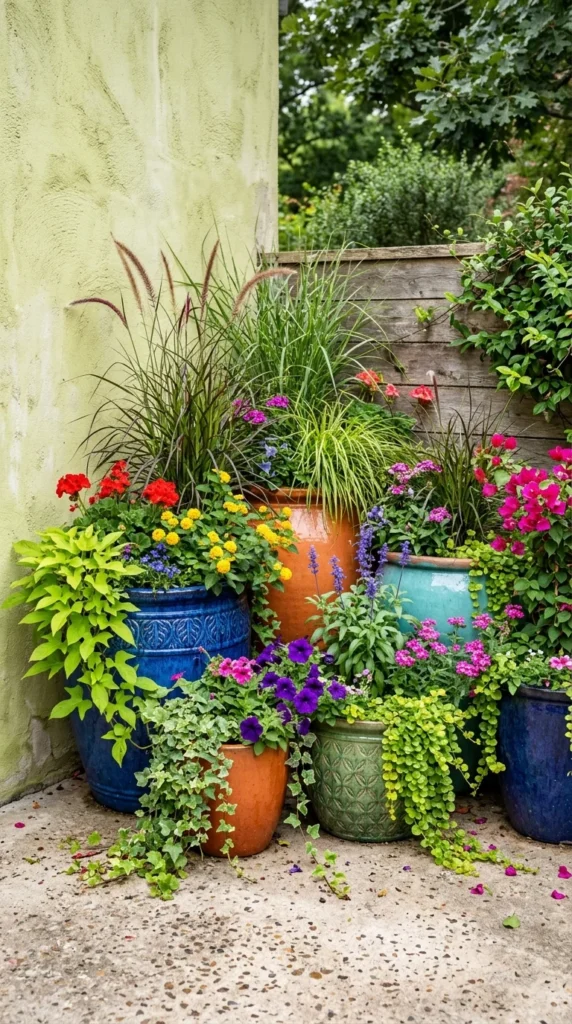
Concrete can feel sterile, but you can soften the hard edges by introducing a variety of plants. Instead of placing one lonely pot in a corner, try “clustering.” Group three to five pots of varying heights, shapes, and textures together to create a lush focal point.
Using pots allows you to change your landscape with the seasons. In the summer, go for tropicals like hibiscus or palms; in the autumn, switch to mums and ornamental kale. This creates a dynamic environment that feels like a curated garden rather than a static slab of cement.
9. Fire Pits
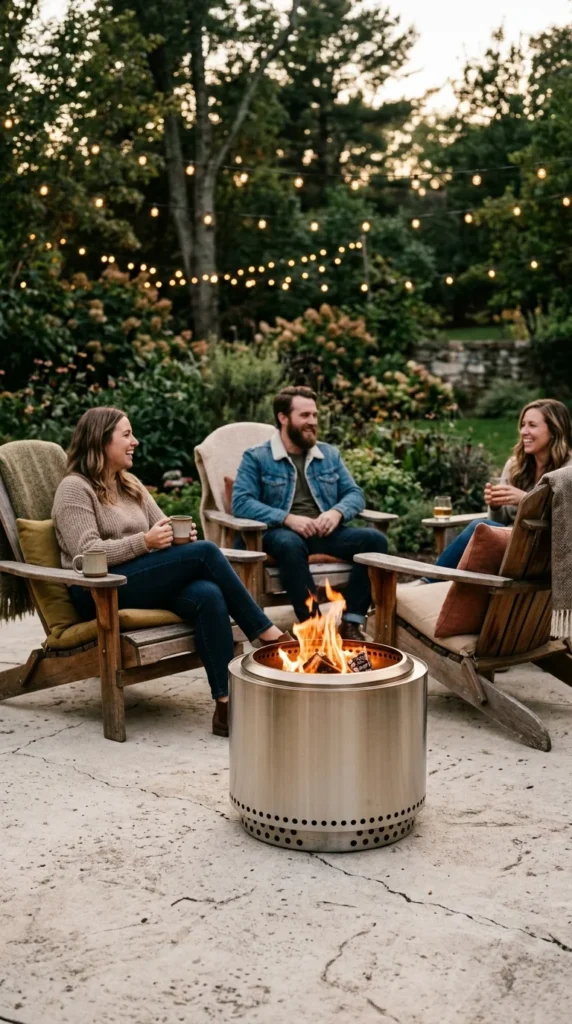
A fire pit is the ultimate backyard destination. Even a basic concrete patio becomes a “spot” when there is a central flame to gather around. You don’t need a custom-built stone hearth; a portable metal fire pit or a simple DIY kit from a hardware store works perfectly.
Positioning a fire pit on your patio creates a focal point that dictates how furniture should be arranged. It encourages conversation and extends the usability of your patio into the colder months. Just ensure you have a heat-shield mat if you are worried about the concrete discoloring, though most slabs handle the heat just fine.
10. Resin Sealing
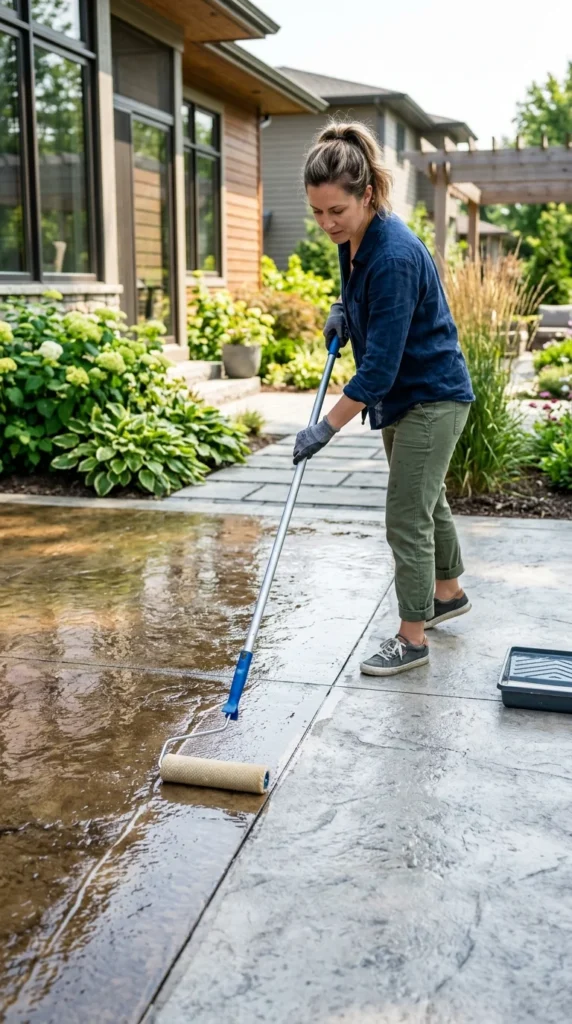
If your concrete is in good shape but just looks “dusty” or dull, a high-quality wet-look sealer can work wonders. This is essentially a clear coat that protects the concrete from oil stains, water penetration, and salt damage while giving it a permanent “just-washed” sheen.
Sealing is an afternoon project that costs very little but adds a level of professional finish that makes the concrete look expensive. It darkens the natural tone of the concrete slightly, bringing out the aggregate and giving it a much richer, deeper appearance than raw, unsealed cement.
11. Furniture Zones
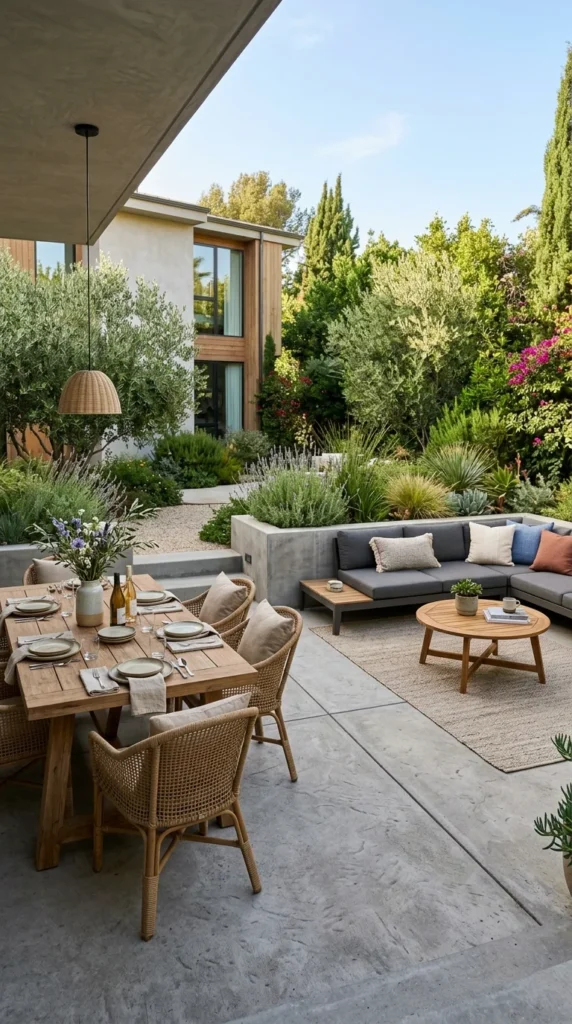
The biggest mistake homeowners make with a concrete patio is pushing all the furniture against the house. To make the space feel upgraded, you need to “zone” it. Use your furniture to create distinct areas for different activities, such as a dining zone and a lounging zone.
By pulling the furniture away from the walls and toward the center or the edges of the slab, you create flow and movement. Even inexpensive plastic or wooden furniture looks intentional when arranged in a thoughtful layout. Add some outdoor throw pillows and a few side tables, and your “cheap” concrete patio will suddenly feel like a multi-functional outdoor living suite.