Living in an apartment shouldn’t mean sacrificing your green thumb. While a sprawling backyard might be off the table, your balcony is a blank canvas waiting to be transformed into a sky-high sanctuary. The secret to a successful urban garden isn’t the square footage—it’s how creatively you use the vertical and peripheral space.
Whether you’re looking to grow your own salad greens, create a private floral retreat, or simply add some oxygen-rich life to your concrete surroundings, these twelve ideas will help you maximize every single inch of your balcony.
1. Vertical Planters
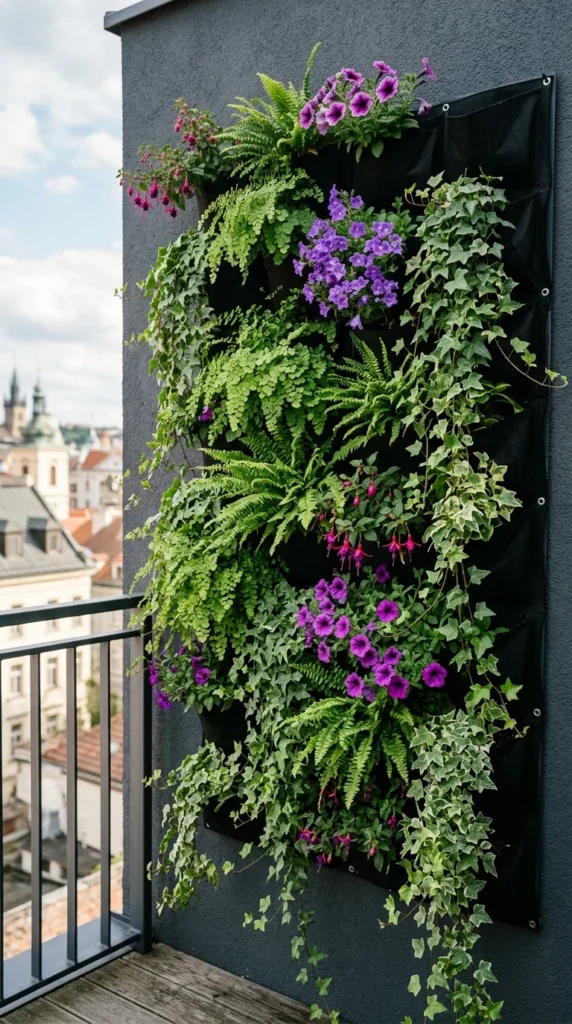
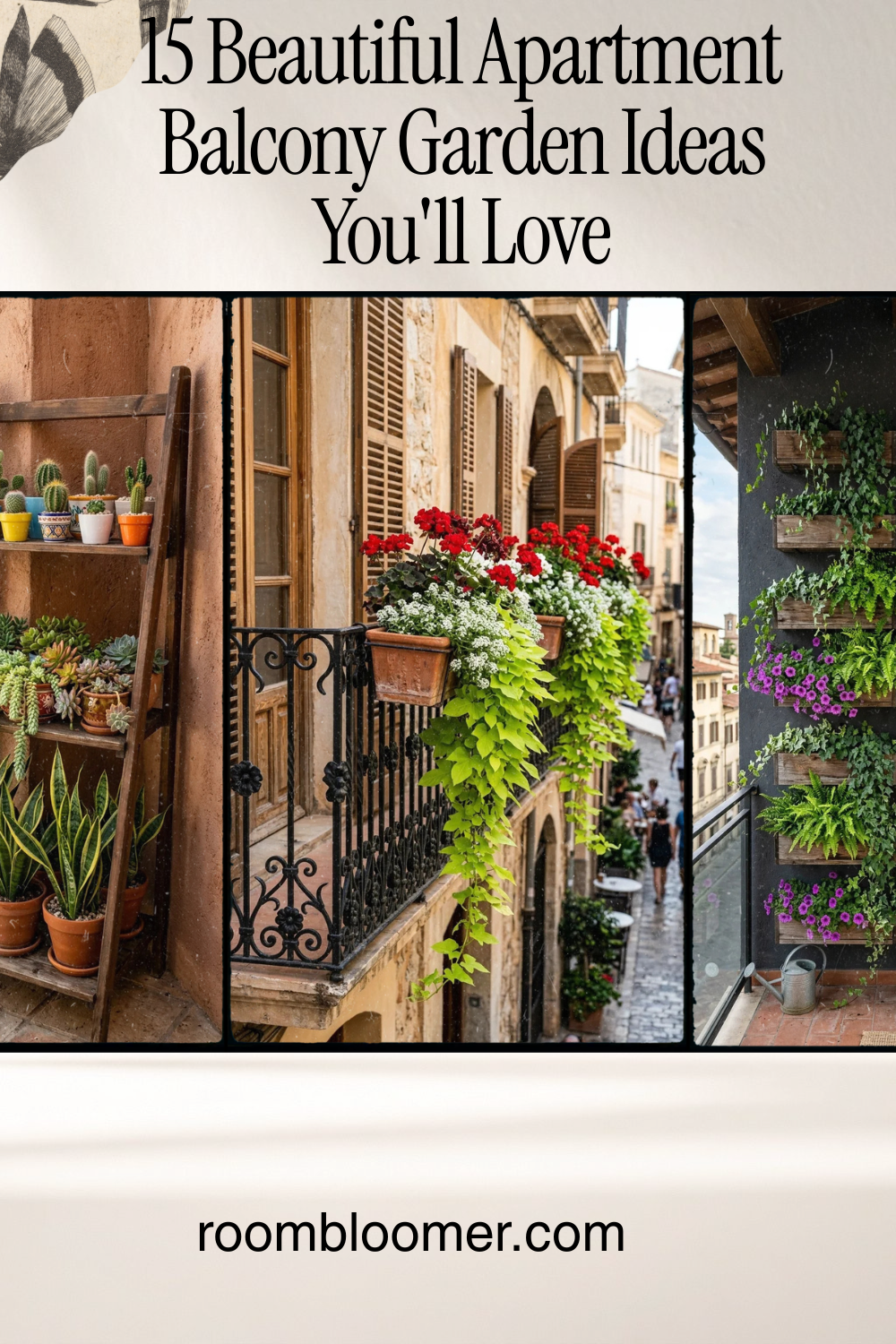
When floor space is at a premium, the only way to go is up. Vertical wall planters are the ultimate space-savers for apartment dwellers. You can find modular systems that snap together, felt pocket bags that breathe easily, or even DIY options using wooden pallets. By utilizing your walls, you leave the floor clear for seating or walking, effectively doubling your gardening area. These systems are perfect for shallow-root plants like strawberries, ferns, and various types of lettuce.
2. Railing Boxes
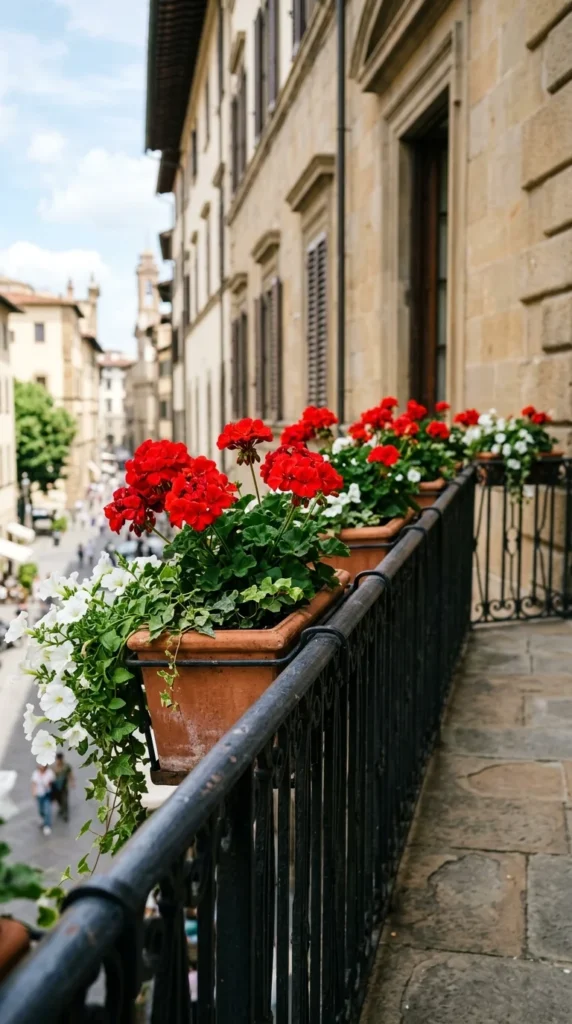
The perimeter of your balcony is often underutilized real estate. Railing boxes allow you to garden on the very edge of your space, often hanging slightly outward to save interior room. Modern designs include “saddle” planters that sit directly on top of the rail or traditional bracket-hung boxes. Not only do these provide a beautiful view from inside your home, but they also offer “curb appeal” to the building’s exterior. They are ideal for sun-loving annuals and trailing vines that can drape elegantly over the side.
3. Hanging Baskets
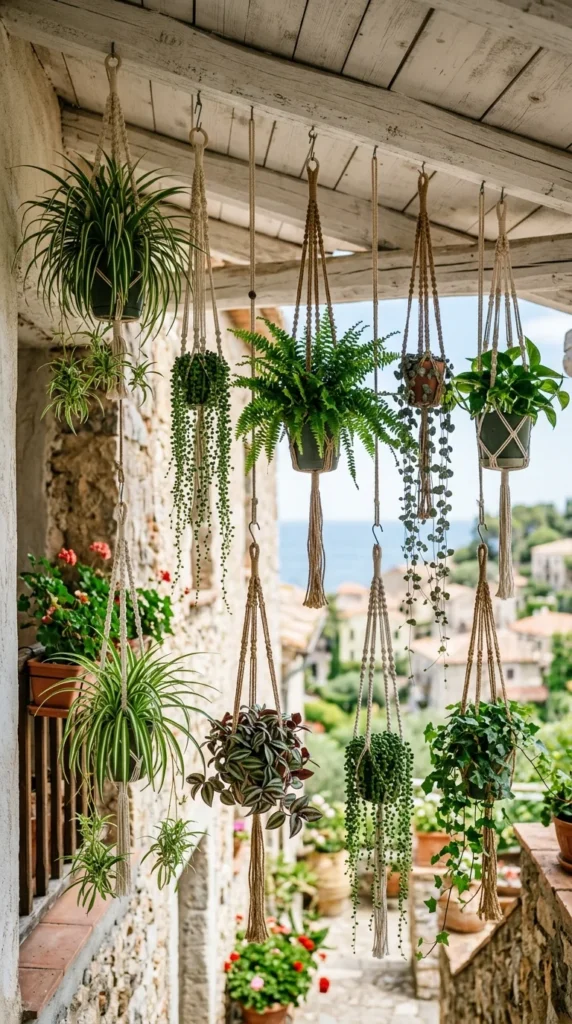
Don’t forget to look up! The ceiling of your balcony (or the underside of the balcony above you) is perfect for hanging baskets. Using “the fifth wall” keeps your plants at eye level and adds a sense of immersion to your garden. Use lightweight plastic pots or coconut coir liners to keep the weight manageable. Mixing different heights creates a lush, canopy-like effect. Trailing plants like fuchsia, lobelia, or even “tumbling” cherry tomatoes thrive in this elevated environment.
4. Tiered Shelving
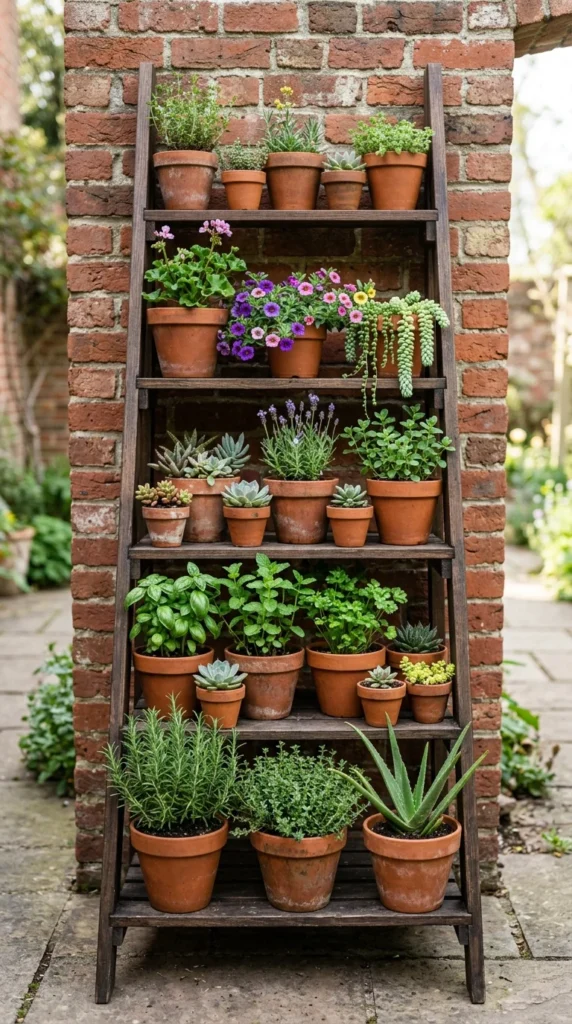
Tiered shelving, such as a ladder plant stand or an A-frame shelf, allows you to stack your garden vertically without mounting anything to the walls—a major plus for renters. This setup creates a “stadium seating” effect for your plants, ensuring that those in the back still get plenty of sunlight. It’s an excellent way to organize a collection of different species, from tall ornamental grasses on the top shelf to shade-loving mosses on the bottom.
5. Privacy Trellises
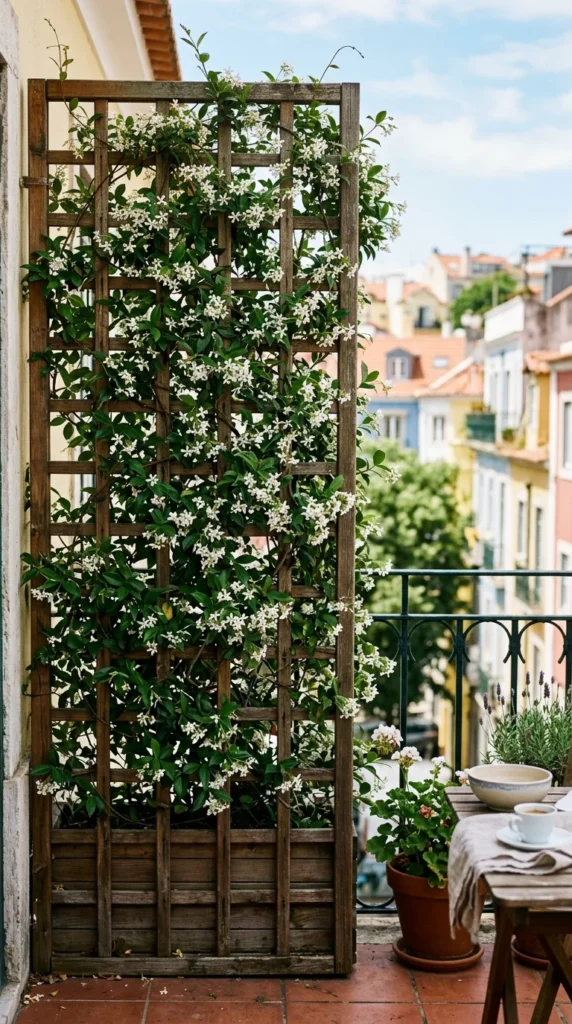
A garden can serve a dual purpose: beauty and privacy. By installing a trellis or a lattice screen, you create a framework for climbing plants like clematis, jasmine, or honeysuckle. As these plants grow, they form a living wall that blocks the view from neighboring buildings and muffles street noise. This turns a functional garden element into a structural piece of decor that makes your balcony feel like a secluded outdoor room.
6. Herb Towers
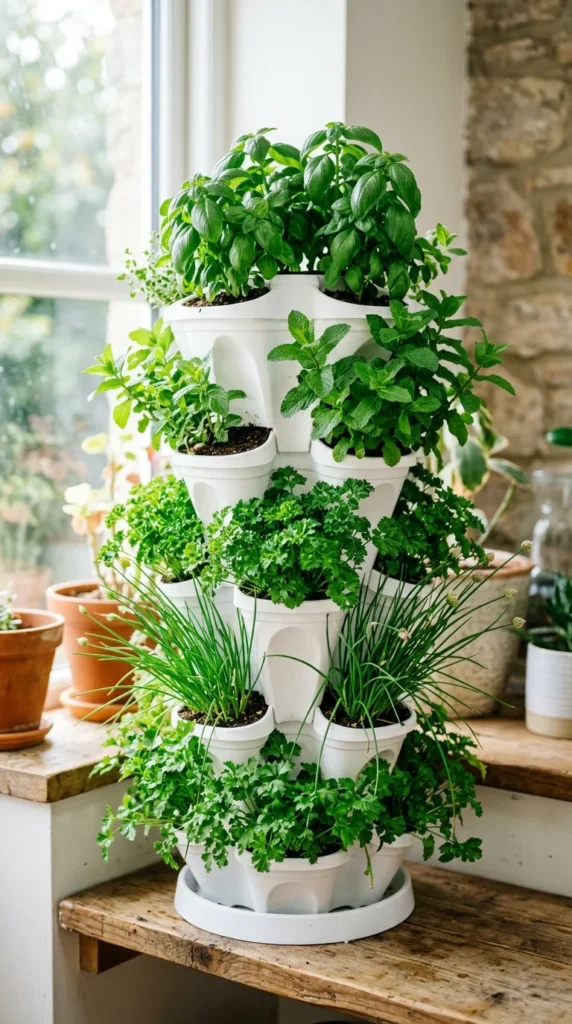
For the culinary enthusiast, a herb tower is a must. These specialized containers feature multiple planting ports in a single vertical column. You can grow an entire spice rack’s worth of fresh ingredients in a footprint no larger than a dinner plate. Because herbs like rosemary, thyme, and oregano generally prefer well-drained soil, the vertical drainage of a tower system works perfectly for their root health.
7. Corner Units
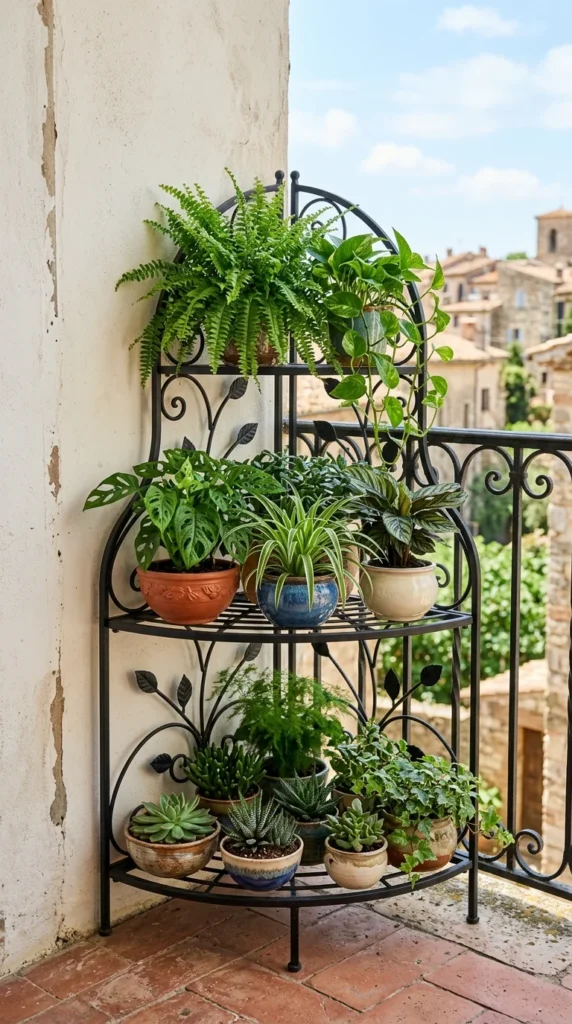
Corners are often the most wasted spaces on a balcony. A dedicated corner plant stand allows you to reclaim these awkward angles. By filling the corners with dense greenery, you soften the harsh lines of the architecture and make the space feel larger and more organic. Look for tiered corner units that provide maximum surface area while tucking neatly out of the way of your main foot traffic.
8. Folding Tables
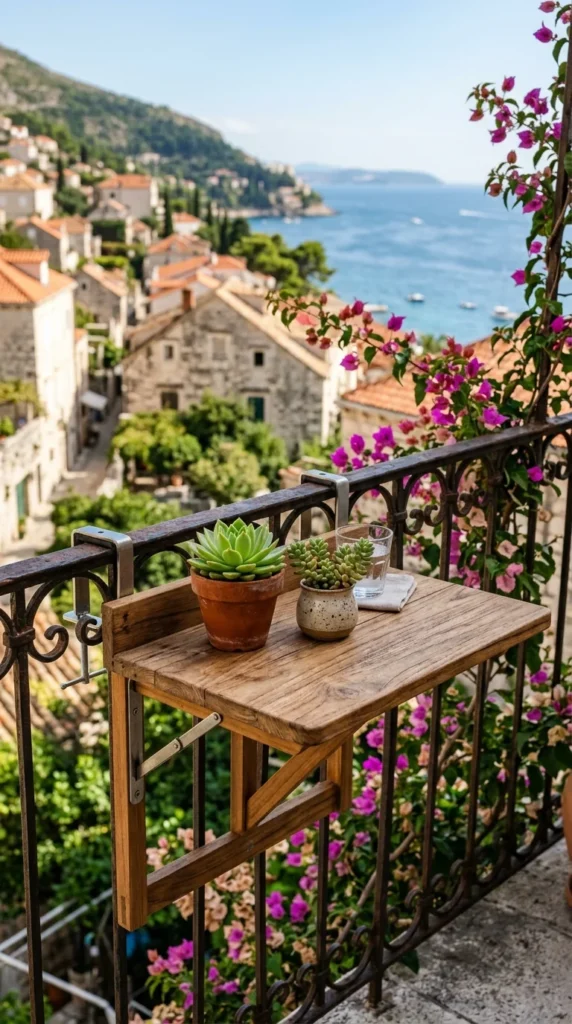
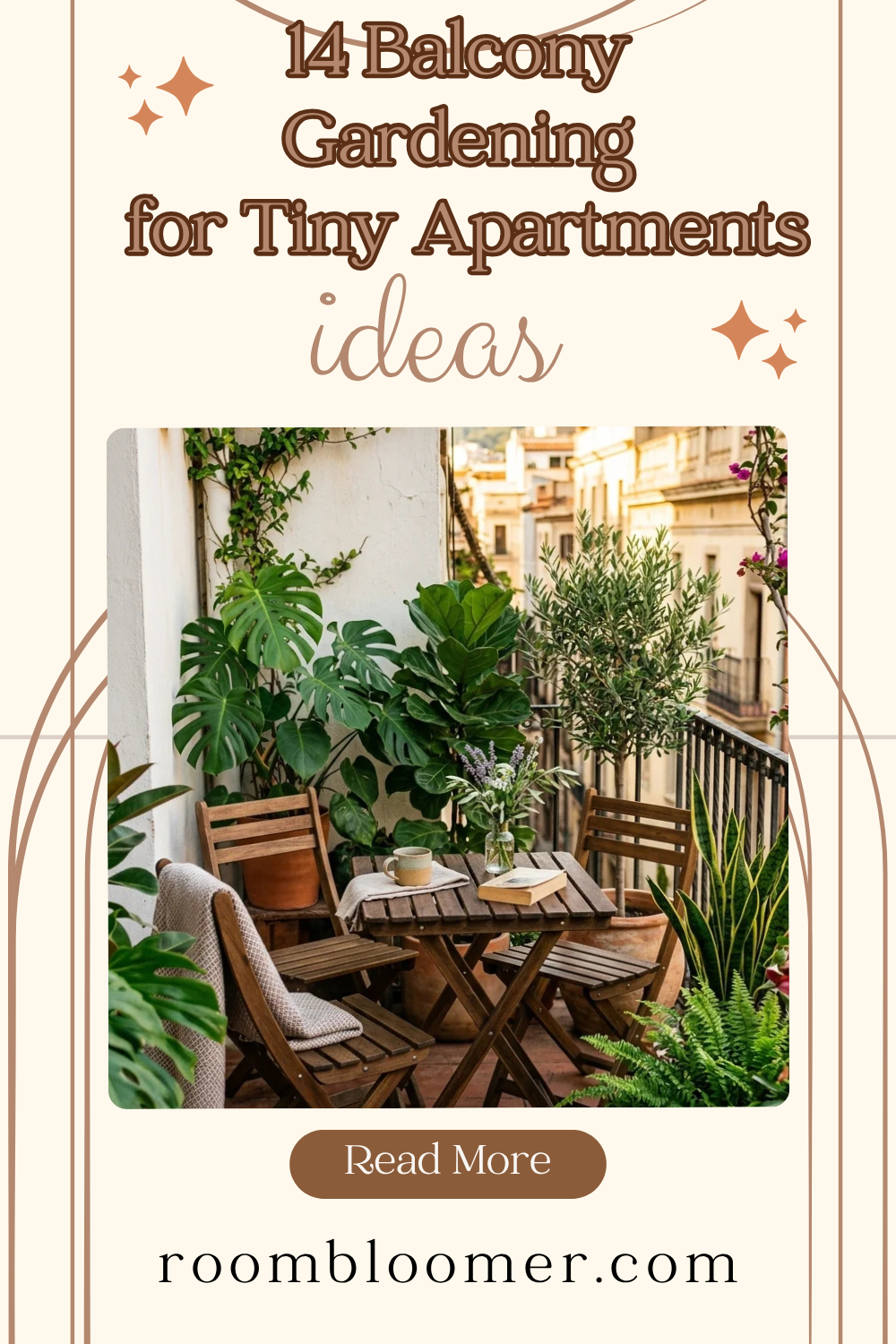
Space-saving furniture and gardening go hand-in-hand. Use “balcony bars” or folding tables that clip onto the railing. These provide a surface for small pots during the day and can be cleared for a coffee or a book in the evening. Some innovative designs even feature a built-in “gutter” or trough in the center of the table specifically for planting low-profile succulents or wheatgrass.
9. Succulent Frames
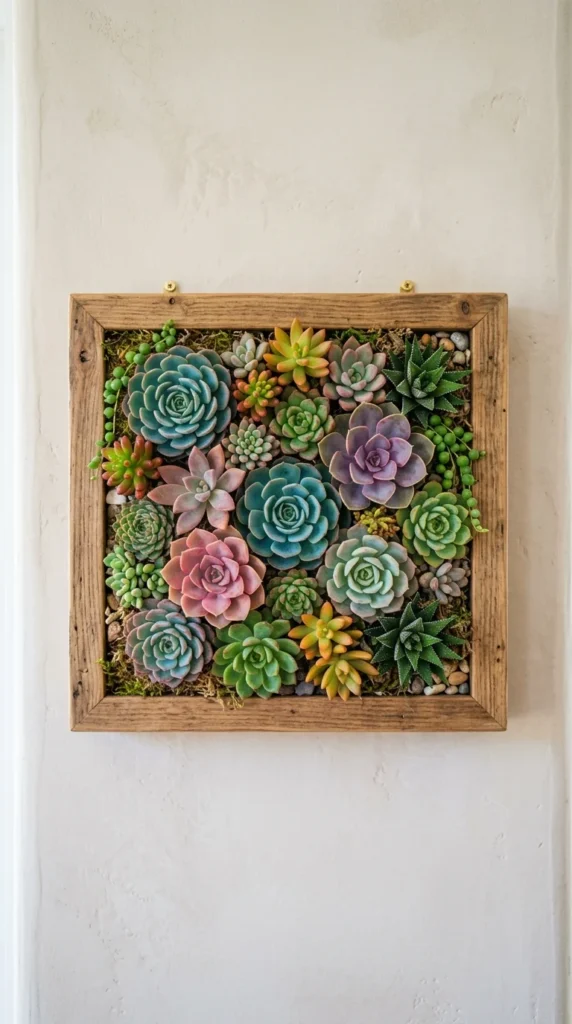
If you have very little room but want maximum visual impact, “living art” is the answer. Succulent frames are shallow boxes with a wire mesh front that allows you to plant small succulents in a vertical mosaic. Because succulents require very little water and have shallow root systems, they can live happily in these wall-mounted frames for years. It’s a sophisticated, low-maintenance way to add texture and color to your balcony walls.
10. Dwarf Trees
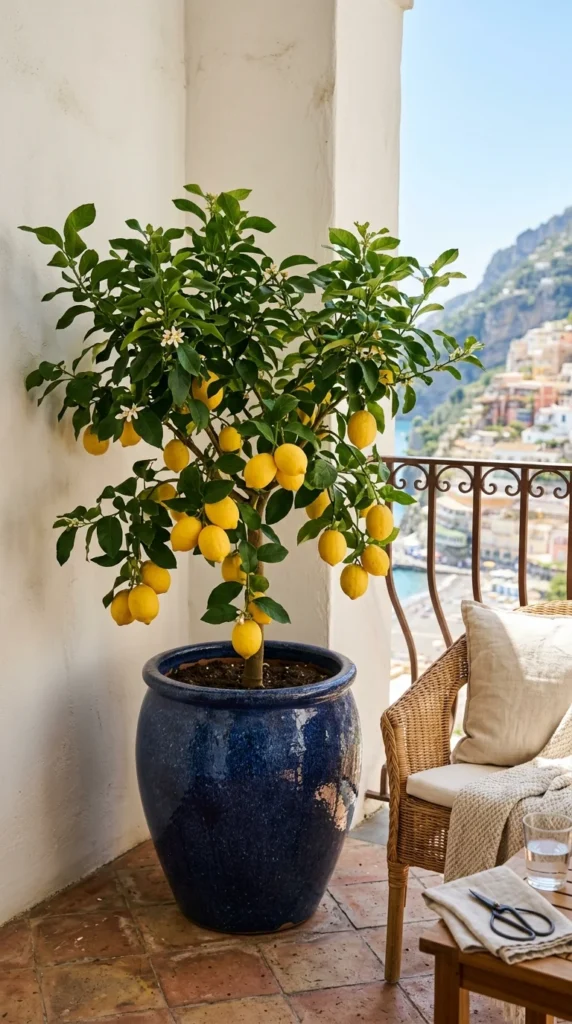
You don’t need a backyard to grow an orchard. Many fruit trees now come in “dwarf” or “columnar” varieties specifically bred for container life. A dwarf citrus, apple, or fig tree can provide a stunning focal point and a bit of vertical height to your garden. These trees stay compact but still produce edible fruit, giving your balcony a touch of Mediterranean luxury.
11. Window Boxes
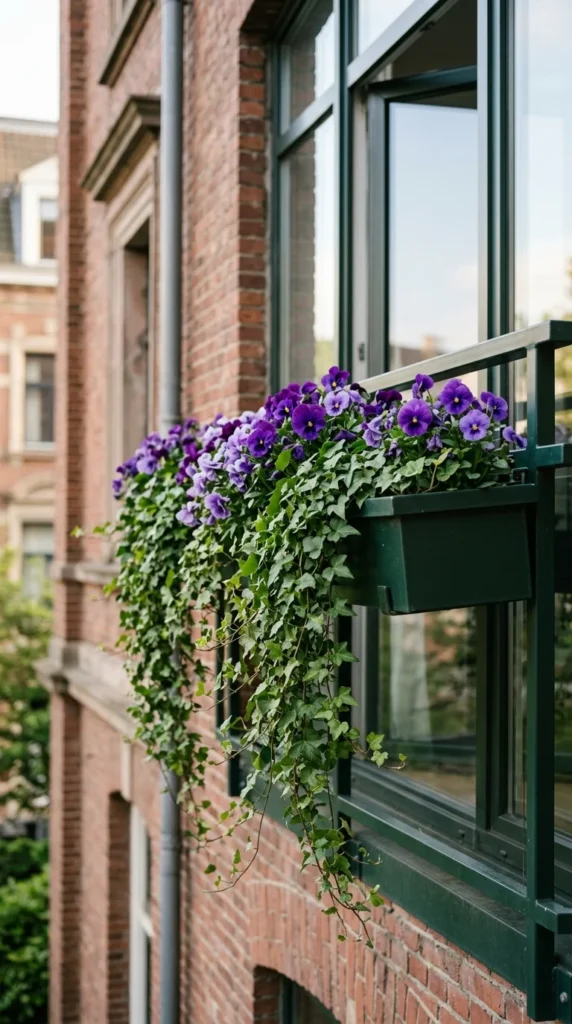
If your balcony features windows or glass sliding doors, you can install window boxes along the ledges. This allows you to view your garden from inside the apartment, effectively extending your living room into the outdoors. Window boxes are perfect for seasonal rotations—plant tulips in the spring, petunias in the summer, and ornamental kale in the autumn to keep your view fresh year-round.
12. Hydroponic Systems
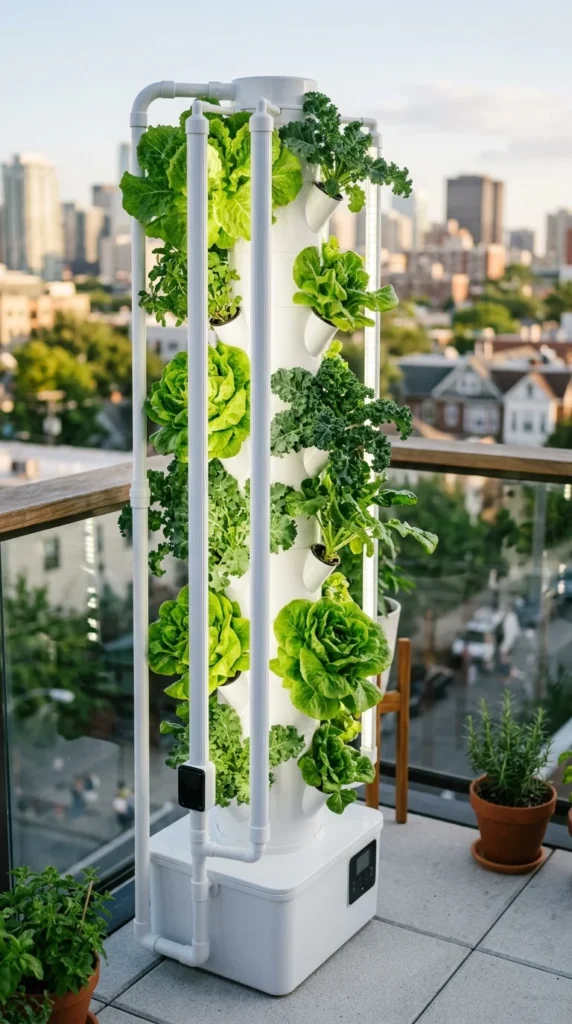
For the tech-forward gardener, a vertical hydroponic system is the pinnacle of space efficiency. These systems use nutrient-rich water instead of soil, allowing plants to grow closer together and at a faster rate. Many units are designed with a very slim profile, making them perfect for narrow balconies. Not only do they provide a high yield of leafy greens and herbs, but the sound of the trickling water also adds a peaceful, fountain-like ambiance to your outdoor space.