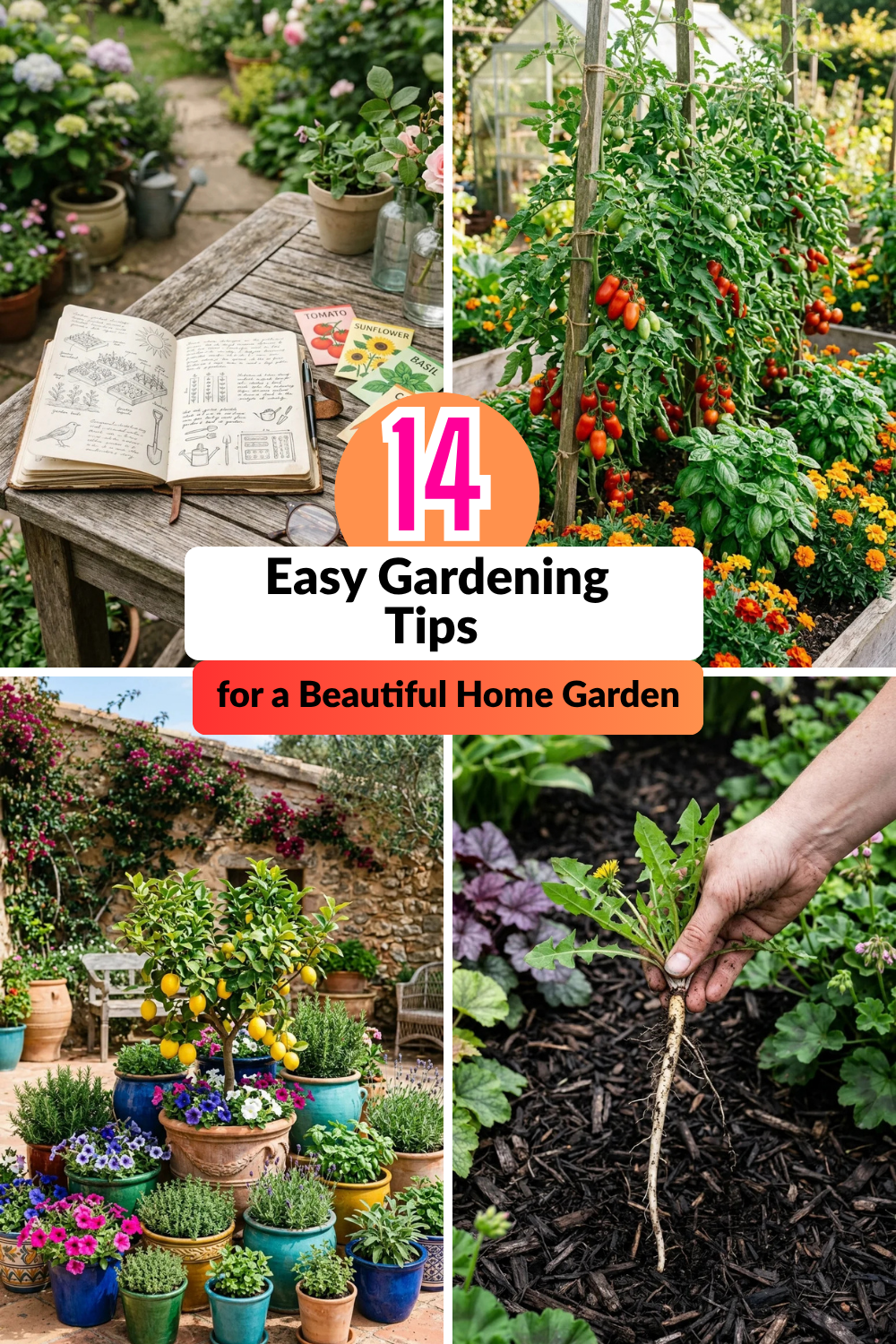
Creating a breathtaking home garden is a journey that blends patience, creativity, and a touch of science. Whether you have a sprawling backyard or a modest balcony, the secret to a flourishing green space doesn’t lie in expensive equipment, but in understanding the rhythm of nature. Gardening is more than just a hobby; it is a therapeutic practice that rewards you with fresh air, vibrant colors, and perhaps even a harvest of your own. To help you transform your outdoor space into a personal sanctuary, we have compiled fourteen essential, easy-to-follow tips that will set you on the path to horticultural success.
1. Soil Quality
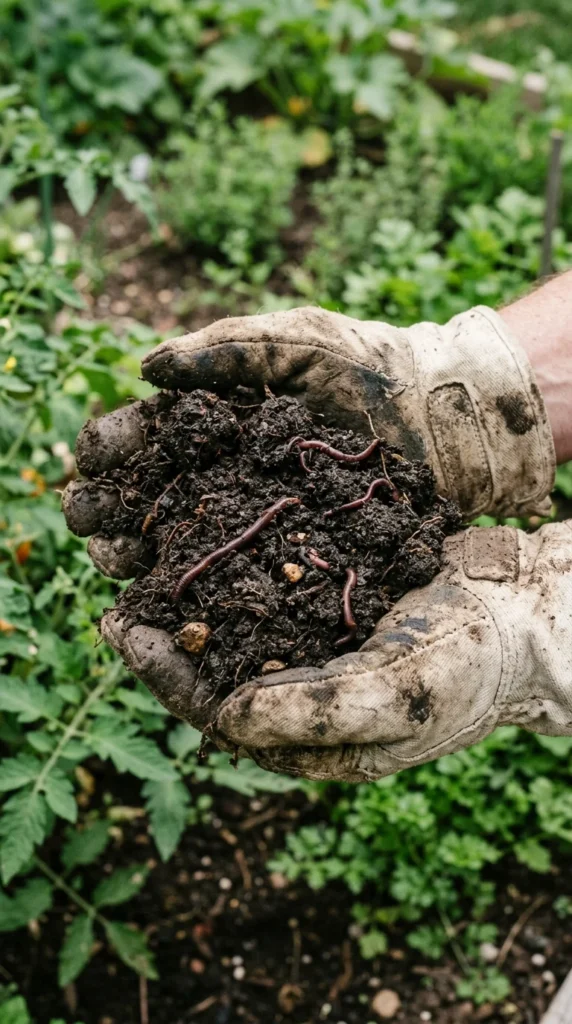
The foundation of every stunning garden is the soil. Think of soil as the “stomach” of your plants; if the soil is healthy, the plants will be robust. Most garden plants prefer loamy soil that is rich in organic matter and drains well. If your soil is too sandy, water will run through it too quickly; if it’s too clay-heavy, the roots might suffocate. To improve your soil quality, regularly incorporate organic compost or well-rotted manure. This not only adds essential nutrients like nitrogen, phosphorus, and potassium but also improves the soil’s structure, allowing roots to breathe and expand effortlessly.
2. Sun Exposure
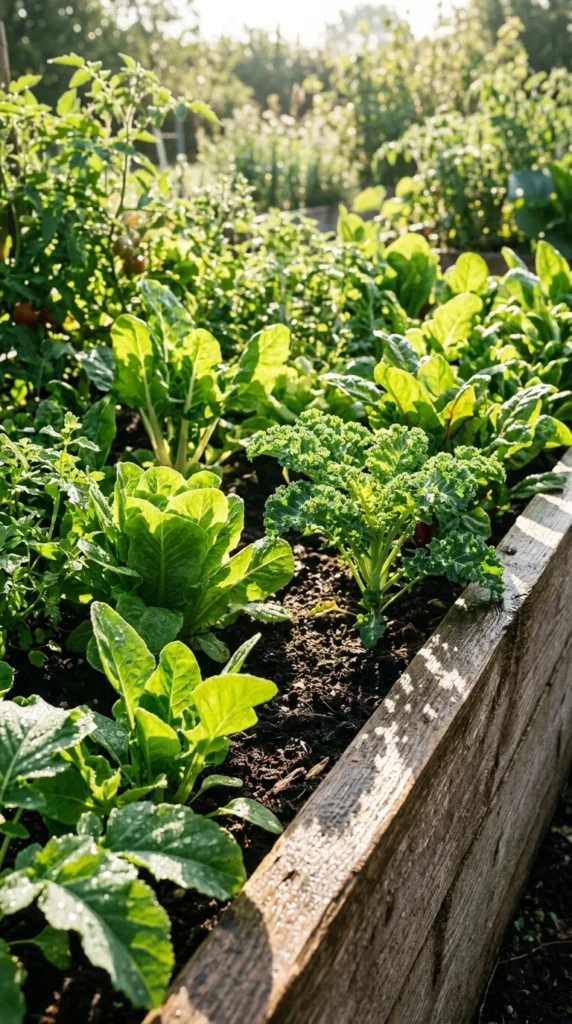
Light is the fuel for photosynthesis. Before you start digging, observe your garden at different times of the day. Most flowering plants and vegetables require “full sun,” which translates to at least six to eight hours of direct sunlight daily. However, if your garden is shaded by large trees or buildings, don’t despair. You can choose “shade-loving” varieties like hostas, ferns, or bleeding hearts. Grouping plants according to their light requirements ensures that no one is left “starving” for sun or getting scorched by too much intensity.
3. Smart Watering
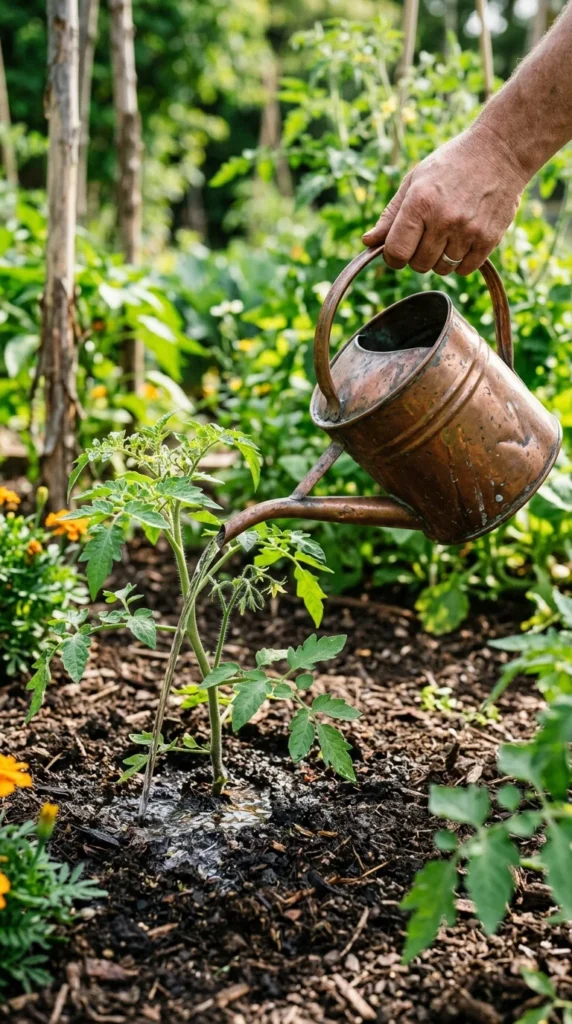
Watering might seem straightforward, but timing and technique are everything. The best time to water is early in the morning. This allows the water to soak deep into the roots before the heat of the midday sun causes evaporation. It also gives the foliage time to dry out, which prevents fungal diseases. Always aim your watering can or hose at the base of the plant rather than spraying the leaves. Deep, infrequent watering is far better than a light daily sprinkle, as it encourages roots to grow deeper into the earth, making the plants more drought-resistant.
4. Native Plants
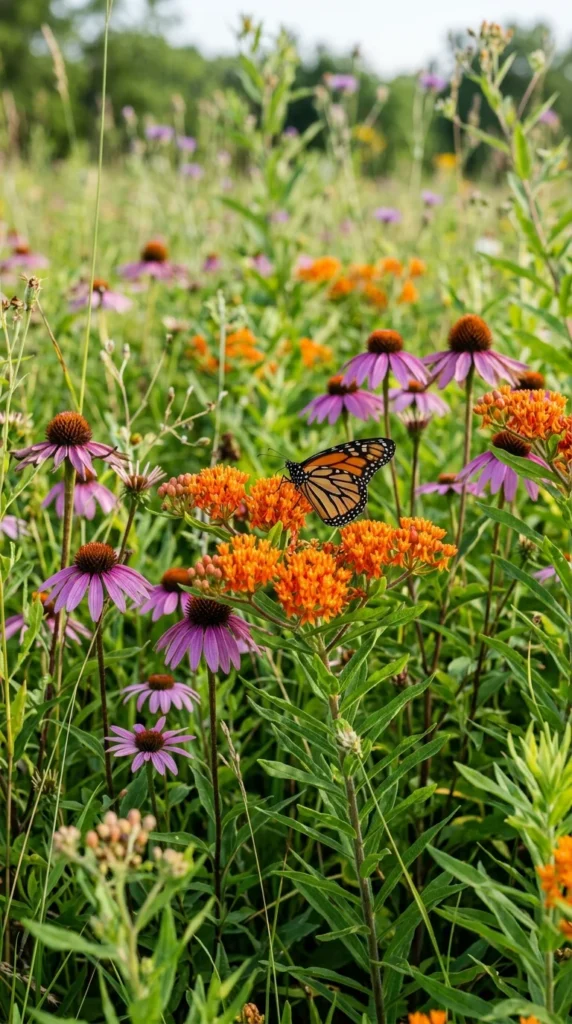
One of the easiest ways to ensure a beautiful garden with minimal effort is to choose native plants. These are species that naturally occur in your region and have adapted over centuries to the local climate, soil conditions, and rainfall patterns. Native plants are generally more resistant to local pests and diseases, requiring less fertilizer and supplemental watering. Plus, they provide a vital habitat for local pollinators like bees, butterflies, and birds, turning your garden into a thriving ecosystem.
5. Mulching Magic
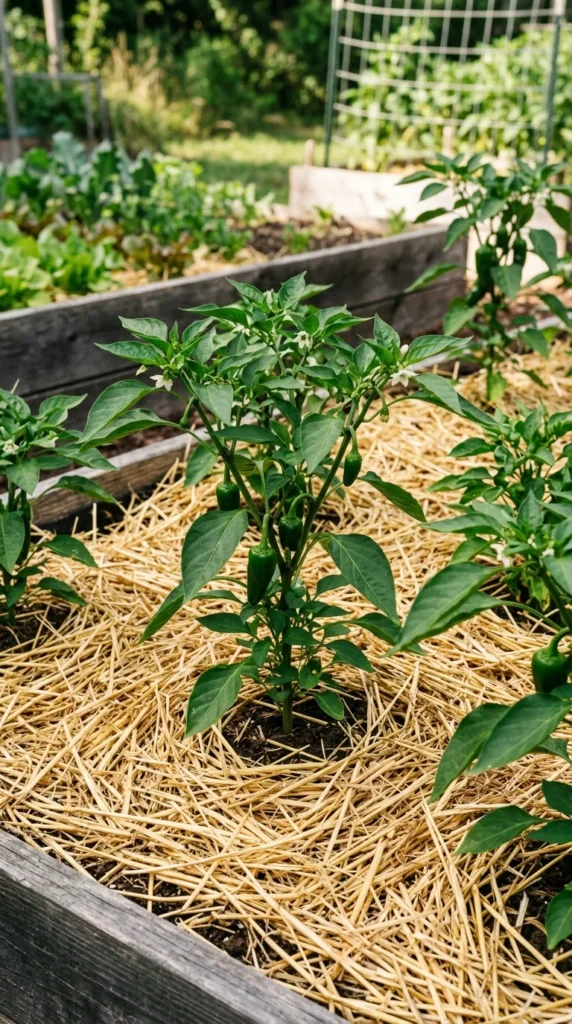
Mulching is the “secret weapon” of experienced gardeners. By covering the soil surface with a 2- to 3-inch layer of organic material—such as wood chips, straw, or shredded bark—you provide a protective blanket for your plants. Mulch suppresses weed growth by blocking sunlight from weed seeds, retains moisture in the soil by reducing evaporation, and regulates soil temperature, keeping roots cool in the summer and warm in the winter. As the mulch breaks down, it also adds valuable nutrients back into the earth.
6. Composting Basics
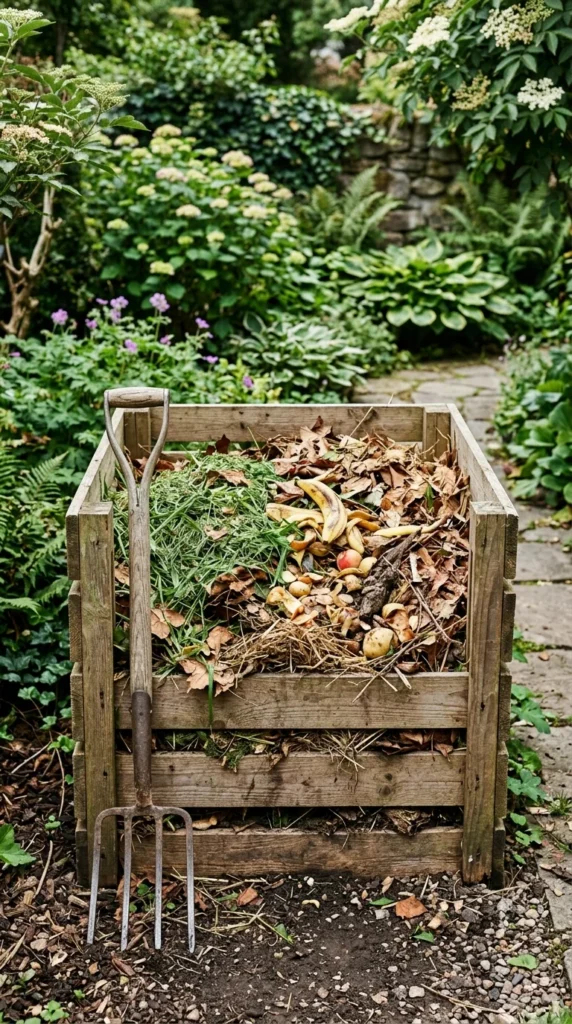
Stop throwing away your kitchen scraps and start making “black gold.” Composting is the process of recycling organic waste into a nutrient-rich soil additive. By combining “greens” (nitrogen-rich items like vegetable peels and coffee grounds) with “browns” (carbon-rich items like dry leaves and cardboard), you create an environment where beneficial bacteria break down the material. Adding compost to your garden beds improves soil health naturally, reducing the need for chemical fertilizers and saving you money.
7. Strategic Pruning
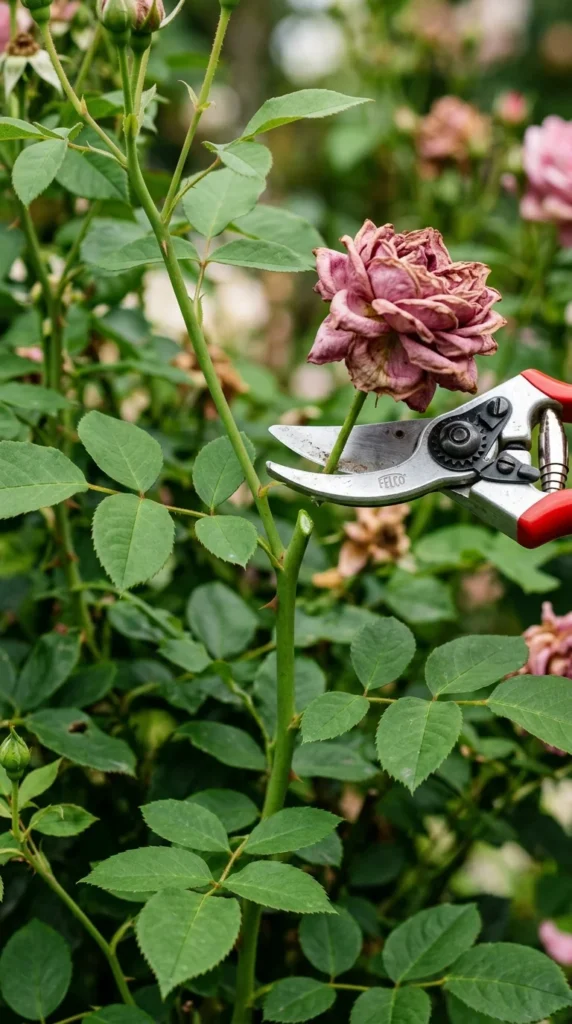
Pruning is essential for maintaining the shape, health, and productivity of your plants. Removing dead, damaged, or diseased stems prevents rot from spreading. Additionally, “deadheading”—the practice of removing spent flowers—encourages the plant to divert its energy from seed production back into creating more blooms. For shrubs and trees, pruning allows for better air circulation and light penetration, which keeps the inner foliage healthy and vibrant.
8. Natural Pest-Control
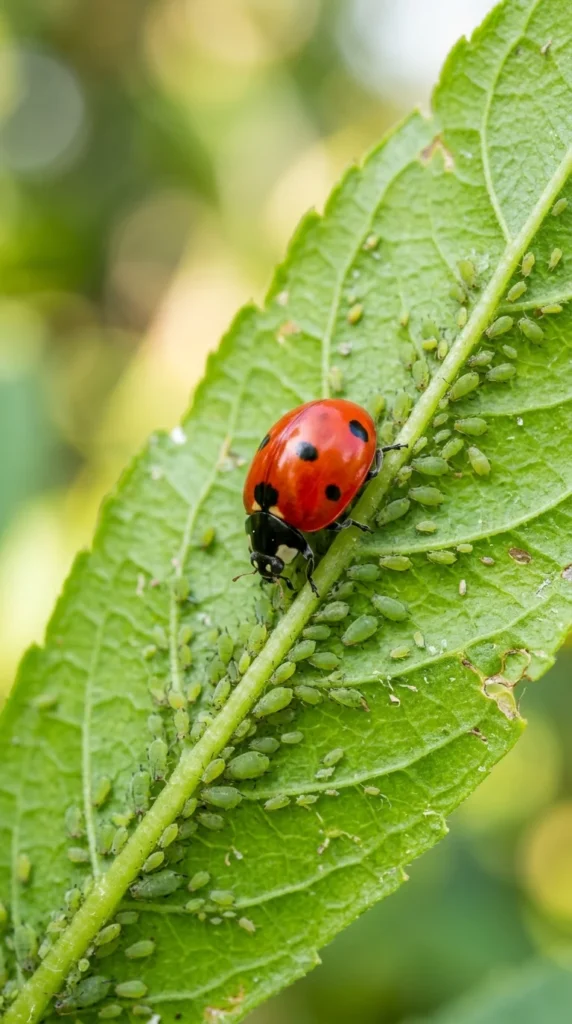
Before reaching for harsh chemical pesticides, try working with nature. Many insects are actually “garden heroes.” Ladybugs, lacewings, and predatory wasps eat the aphids and mites that damage your plants. You can attract these beneficial insects by planting a variety of flowers. For stubborn pests, consider using neem oil or a mild soap-and-water spray. Encouraging biodiversity in your garden creates a natural balance where pests are kept in check without harming the environment or your family’s health.
9. Vertical Gardening
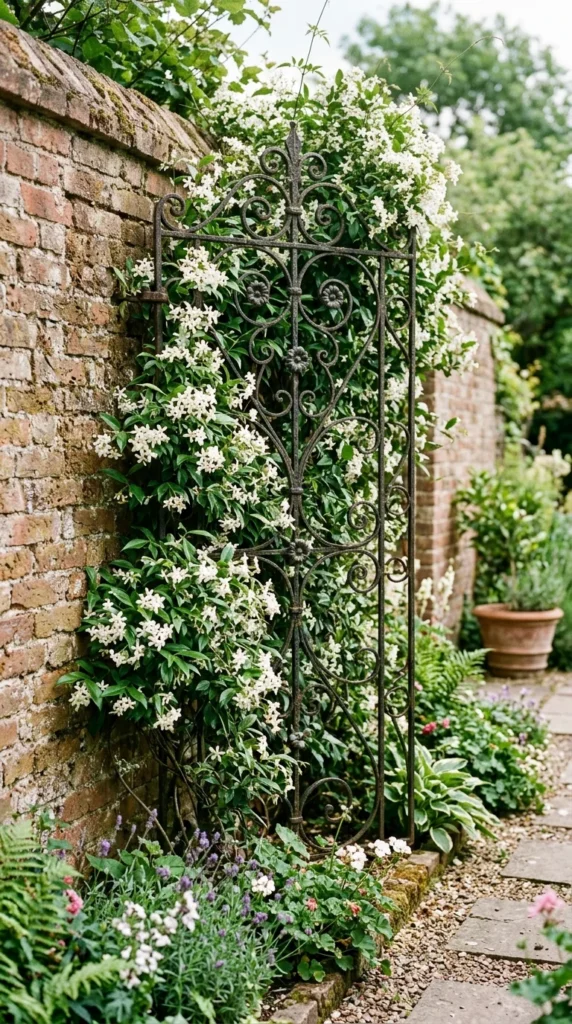
If you are short on square footage, look up! Vertical gardening is a brilliant way to maximize space and add visual interest. Use trellises, fences, or wall-mounted planters to grow climbing plants like ivy, sweet peas, cucumbers, or pole beans. Not only does this create a stunning “living wall,” but it also improves air circulation around the plants and makes harvesting much easier on your back.
10. Container Gardening
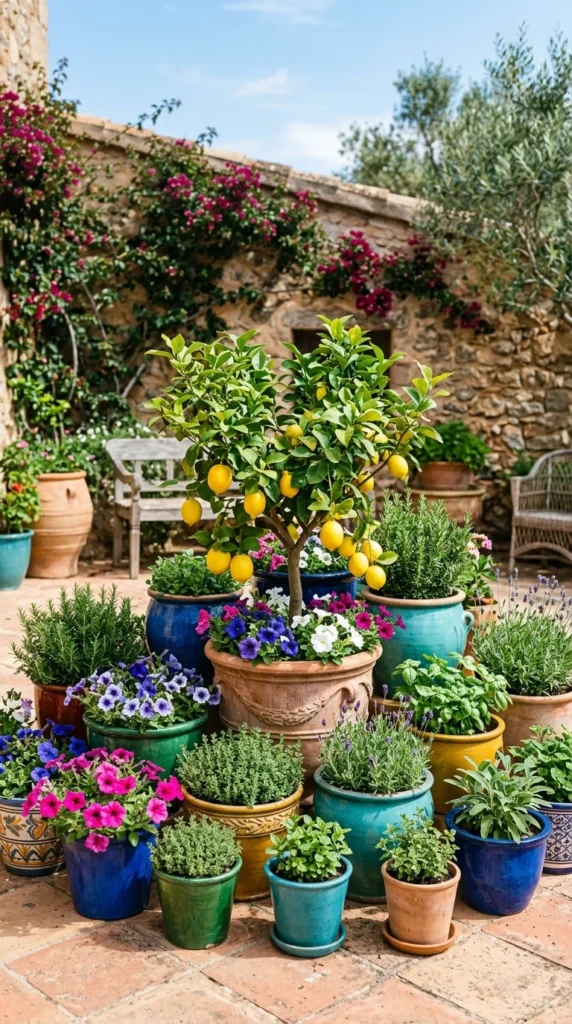
Containers offer ultimate flexibility. They allow you to grow plants on balconies, decks, or even indoors. The key to successful container gardening is ensuring your pots have adequate drainage holes to prevent root rot. Use a high-quality potting mix rather than garden soil, as potting mix is lighter and designed to hold moisture in a confined space. Containers also allow you to “chase the sun,” moving your plants around as the seasons change to ensure they get the best light.
11. Companion Planting
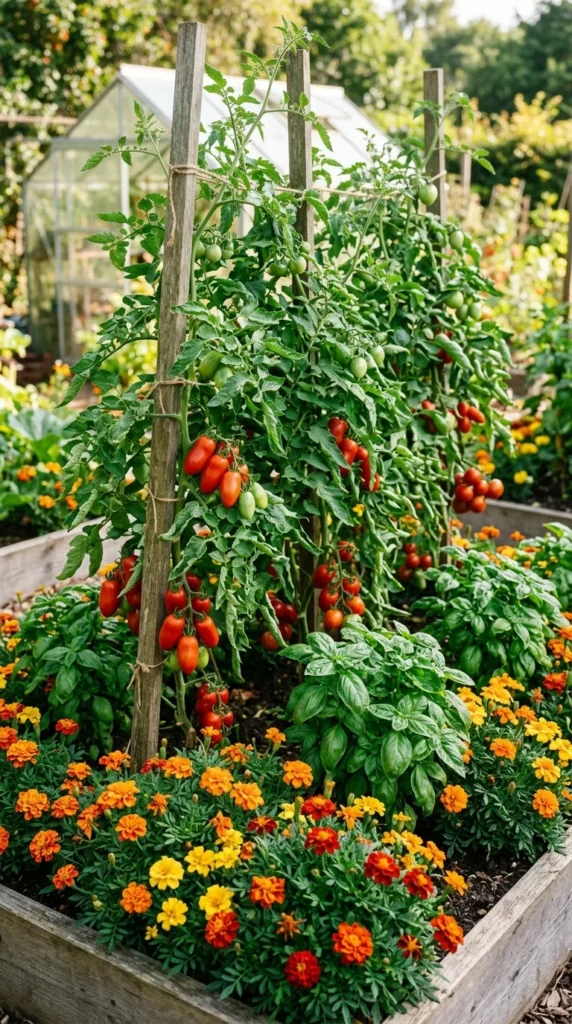
Plants, much like people, have “friends.” Companion planting is the practice of growing different plants together for mutual benefit. For example, planting marigolds near tomatoes can help repel harmful nematodes and pests with their strong scent. Planting tall sunflowers can provide shade for delicate lettuce, while beans can fix nitrogen in the soil for heavy feeders like corn. This age-old technique helps maximize yields and reduces the need for external interventions.
12. Tool Maintenance
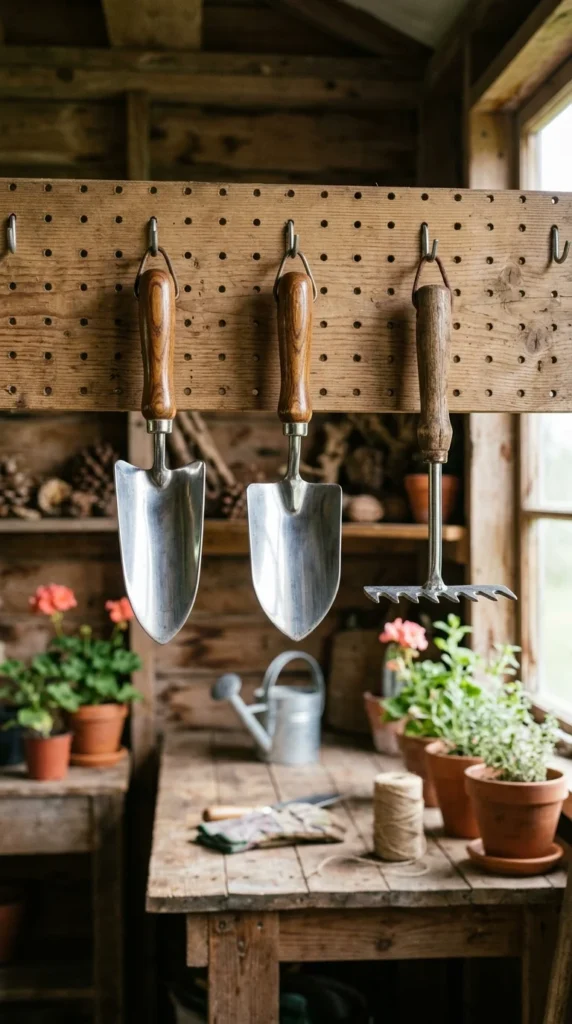
Working with dull or rusty tools is not only frustrating but can also harm your plants. Jagged cuts from dull shears can become entry points for disease. At the end of each gardening session, wipe your tools clean of dirt and moisture. Once or twice a year, sharpen your blades with a whetstone and rub wooden handles with linseed oil to prevent cracking. High-quality, well-maintained tools make gardening tasks faster, safer, and much more enjoyable.
13. Seasonal Planning
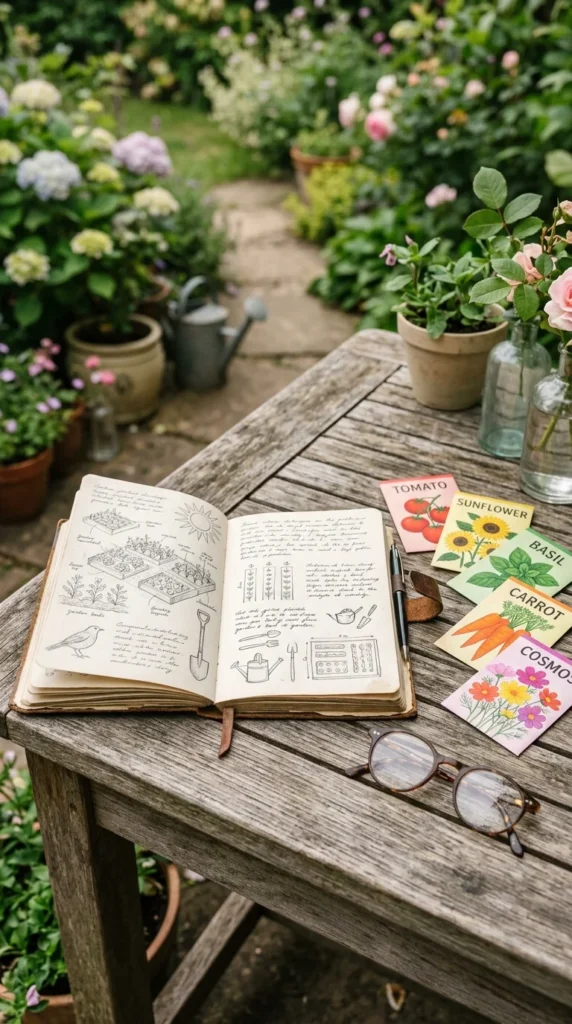
A beautiful garden is the result of a good plan. Research your local “hardiness zone” to understand which plants will thrive in your climate’s temperature extremes. Keep a garden journal to record what worked and what didn’t each year. Plan for successional blooms so that as one flower fades, another is ready to take its place. This ensures your garden remains colorful and engaging from early spring through the last days of autumn.
14. Regular Weeding
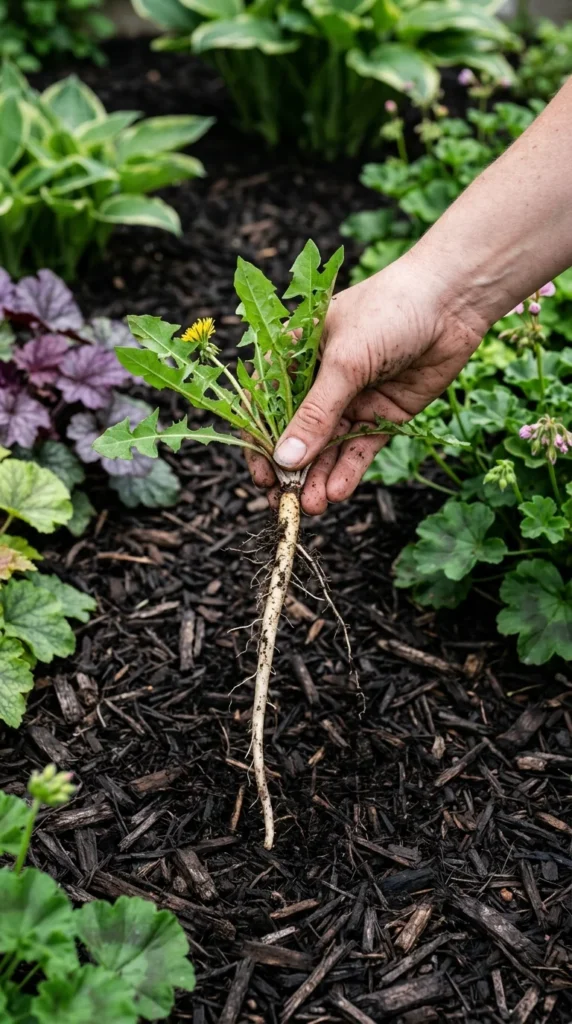
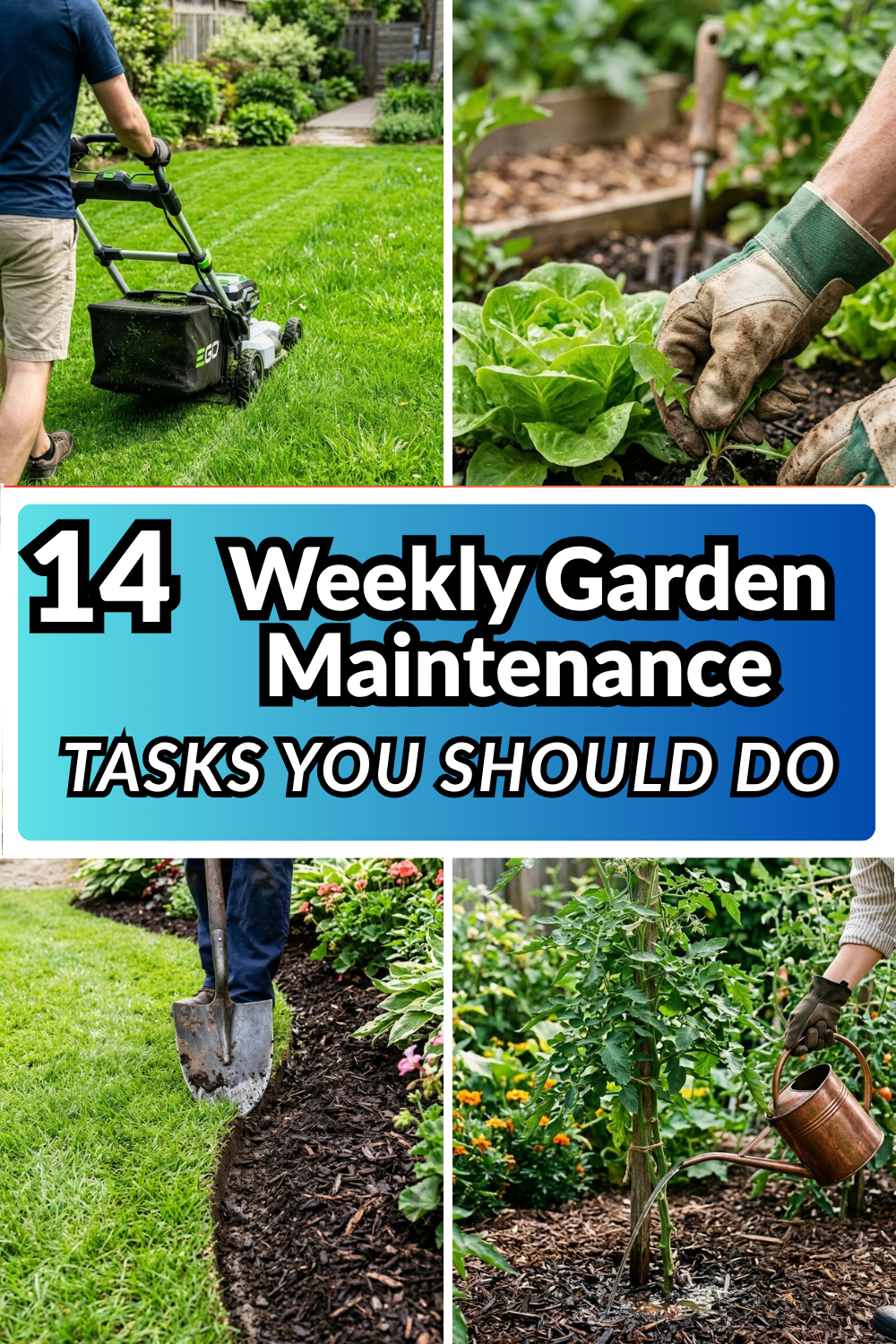
Weeds are the ultimate competitors; they steal water, nutrients, and sunlight from your desired plants. The best way to manage weeds is to stay ahead of them. Spend ten minutes every few days walking through your garden and pulling small weeds before they have a chance to go to seed. Pulling them when the soil is damp makes the task much easier, as the roots slide out more readily. Consistent, light weeding is far less daunting than trying to tackle a garden that has been completely overtaken by invasive plants.