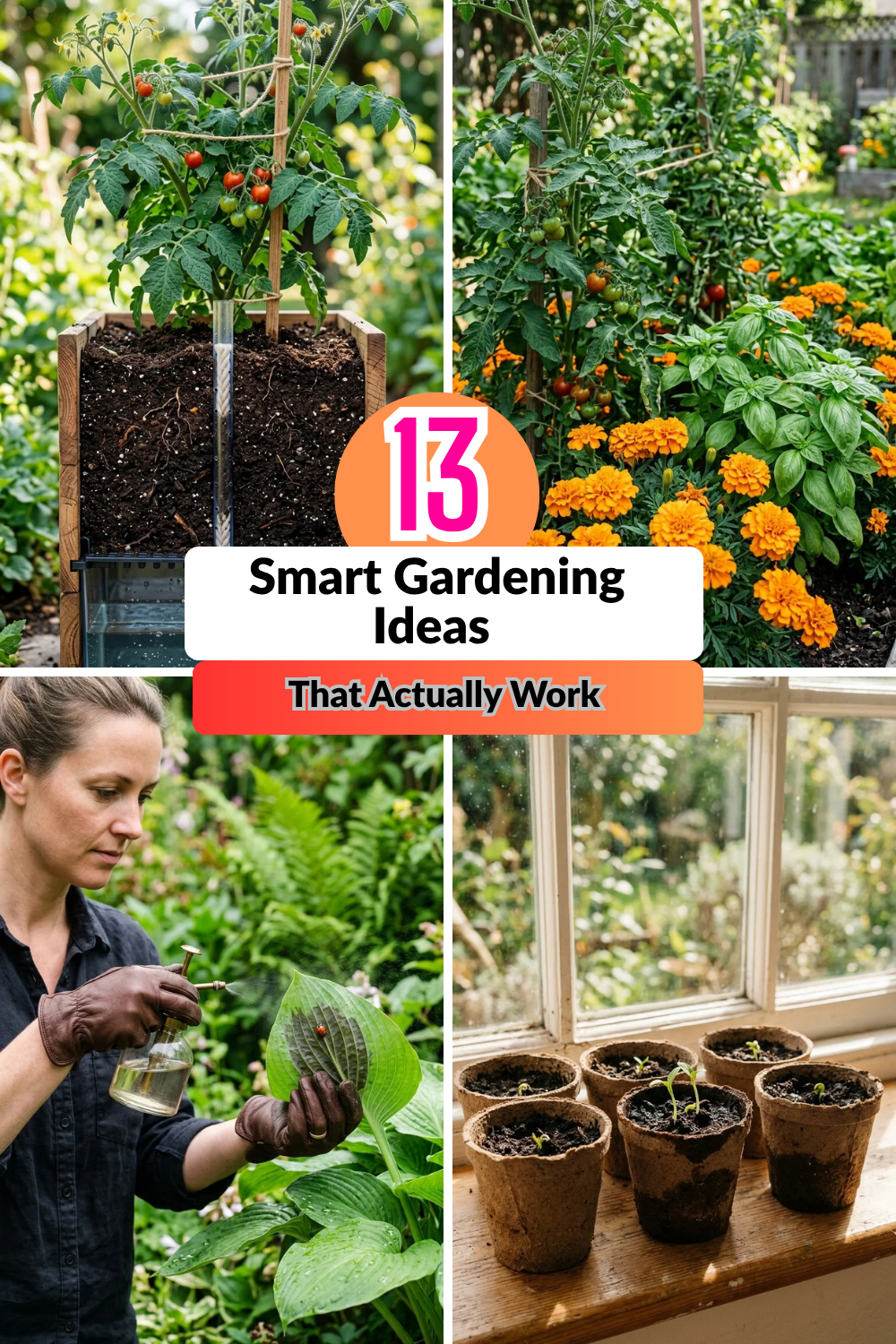
Gardening is often portrayed as a serene, effortless hobby, but any seasoned enthusiast knows it involves a fair share of trial, error, and physical labor. Whether you are battling stubborn pests, managing a limited water supply, or trying to maximize a tiny balcony space, the challenges are real. However, the “smart” in smart gardening isn’t just about high-tech gadgets; it’s about working with nature and utilizing clever hacks to produce a more bountiful, sustainable, and low-maintenance garden.
From ancient companion planting techniques to modern DIY irrigation hacks, these thirteen strategies are designed to help you garden smarter, not harder.
1. Self-Watering
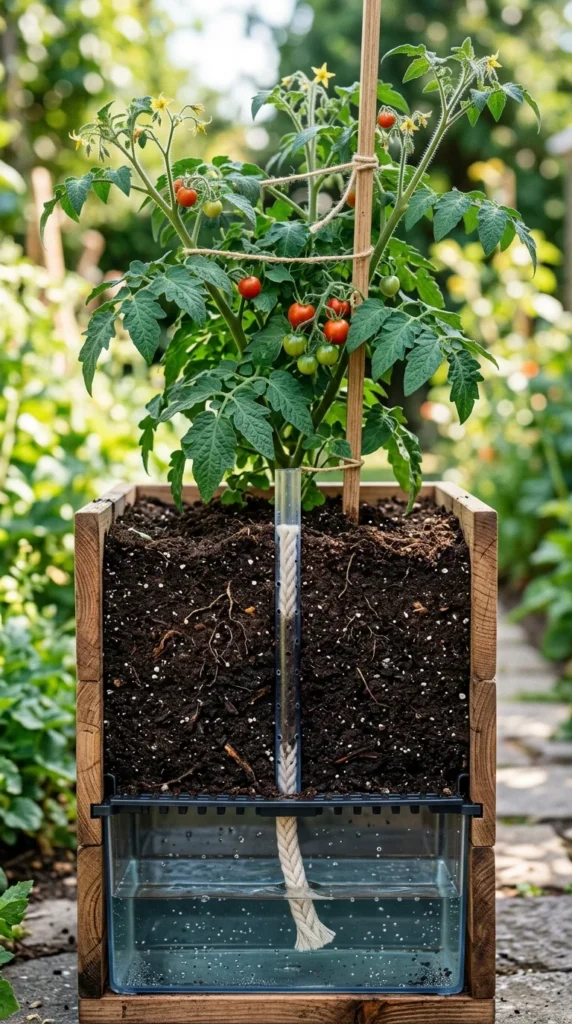
One of the biggest hurdles for any gardener is maintaining consistent moisture levels. Self-watering containers, or sub-irrigation planters, solve this by using a reservoir at the bottom of the pot. Through capillary action, the soil “wicks” water upward to the roots as needed.
- Consistency: It prevents the cycle of drought and drowning that often stresses plants.
- Water Conservation: Because the water is stored below the soil, there is significantly less evaporation.
- DIY Potential: You can easily convert five-gallon buckets or plastic totes into self-watering systems using basic PVC pipe and pond liner.
2. Vertical Layers
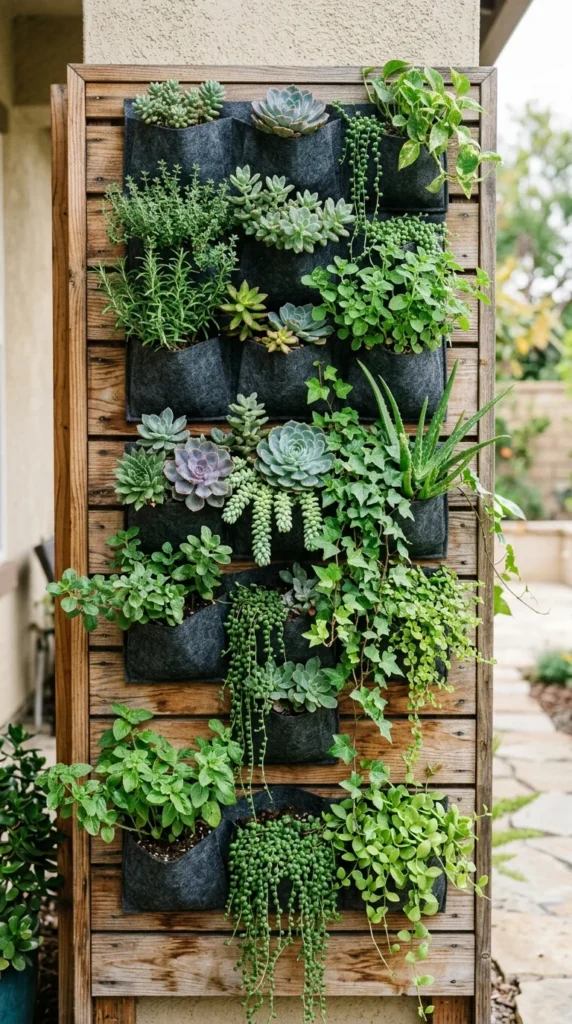
When ground space is at a premium, look up. Vertical gardening is a game-changer for urban dwellers and those with small yards. By utilizing trellises, wall-mounted planters, and hanging baskets, you can double or triple your growing area.
- Air Circulation: Lifting plants off the ground improves airflow, which significantly reduces the risk of fungal diseases like powdery mildew.
- Easy Harvest: Vining crops like cucumbers, pole beans, and peas are much easier to harvest when they are hanging at eye level rather than hidden under foliage on the ground.
- Aesthetics: Vertical gardens act as “living walls,” providing privacy and a stunning visual backdrop for outdoor seating areas.
3. Companion Planting
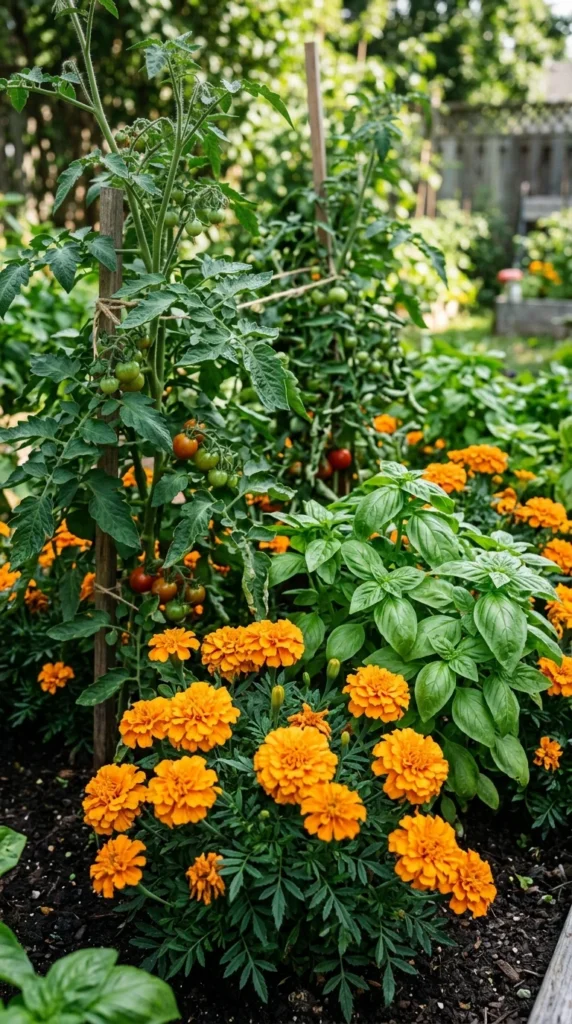
Nature rarely grows in monocultures. Companion planting is the strategic placement of different plants near each other to improve growth, flavor, and pest resistance. It is essentially creating a mini-ecosystem in your backyard.
- Pest Deterrents: Marigolds and nasturtiums emit scents that confuse or repel common garden pests like aphids and beetles.
- Nutrient Sharers: Legumes like beans and peas “fix” nitrogen in the soil, which benefits heavy feeders like corn or leafy greens planted nearby.
- The Three Sisters: Use the ancient Indigenous technique of planting corn, beans, and squash together—the corn provides a pole for the beans, the beans add nitrogen, and the squash leaves shade the soil to retain moisture.
4. Mulch Magic
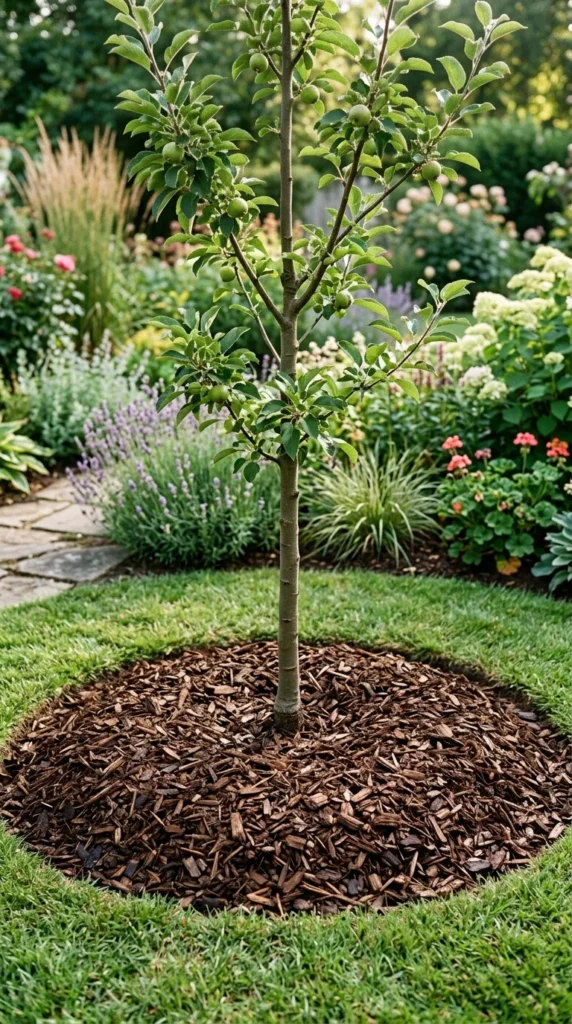
If there is one “secret ingredient” to a low-maintenance garden, it is mulch. Covering bare soil with organic material is the closest thing to a “set it and forget it” strategy for soil health.
- Weed Suppression: A three-inch layer of mulch blocks sunlight from reaching weed seeds, preventing them from germinating.
- Moisture Retention: Mulch acts as an insulator, keeping the soil cool and reducing the frequency of watering by up to 50%.
- Soil Building: As organic mulches like straw, shredded leaves, or wood chips break down, they add vital organic matter back into the earth.
5. Seed Starting
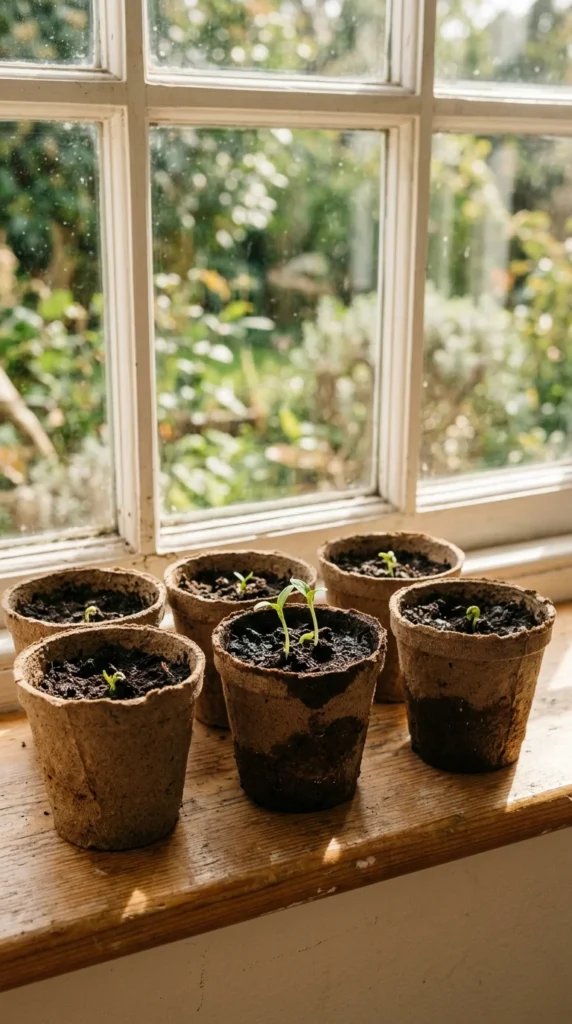
Buying starts from a nursery is expensive and limits your variety. Smart gardening involves starting your own seeds, but you don’t need fancy equipment to do it successfully.
- Repurposed Containers: Use egg cartons, yogurt cups, or even toilet paper rolls as biodegradable seed starters.
- The Paper Towel Method: For seeds with low germination rates, sprout them between damp paper towels inside a plastic bag before moving them to soil.
- Winter Sowing: Use clear plastic milk jugs as mini-greenhouses to start cold-hardy seeds outdoors in the middle of winter, saving you indoor shelf space.
6. Native Species
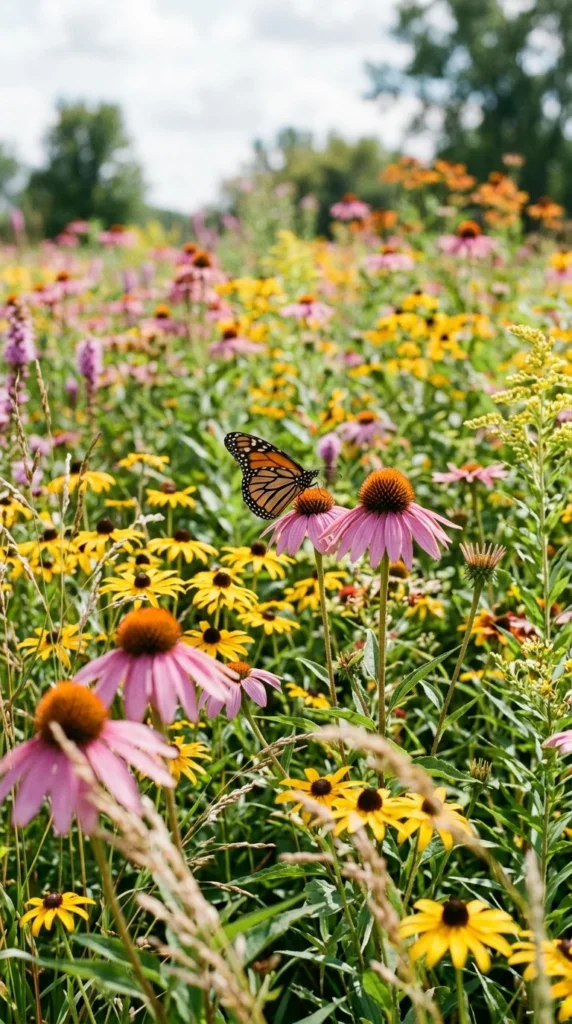
One of the smartest moves a gardener can make is to stop fighting the local environment. Native plants are adapted to your specific climate, soil type, and rainfall patterns, making them incredibly resilient.
- Low Maintenance: Once established, native plants rarely need supplemental watering or fertilizers.
- Pollinator Support: Native flowers provide the specific nectar and pollen sources required by local bees, butterflies, and birds.
- Biodiversity: Choosing natives helps restore the local ecosystem, creating a habitat for beneficial insects that help control pests naturally.
7. Composting Gold
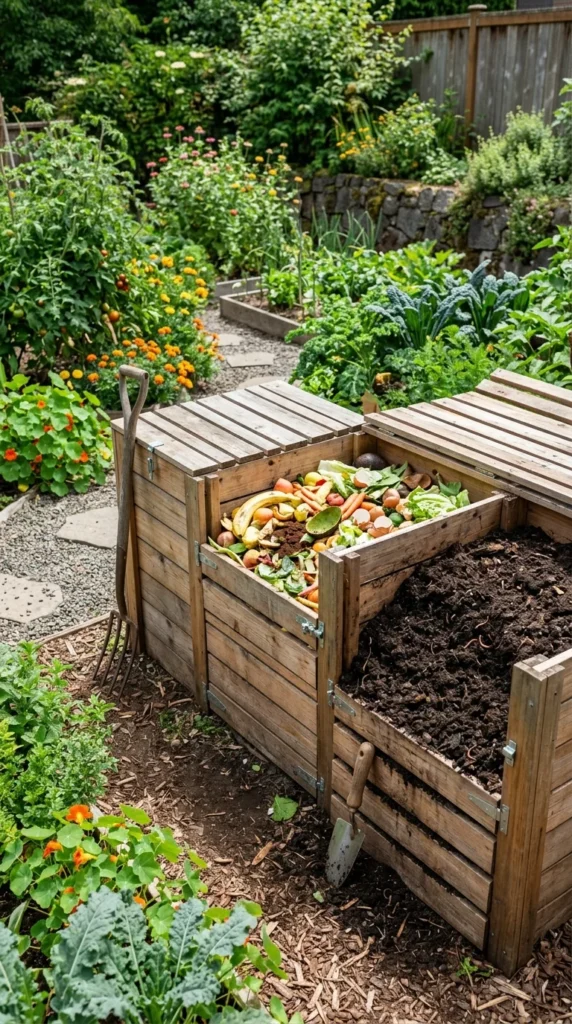
Stop throwing away your “waste” and start making “black gold.” Composting is the ultimate smart gardening cycle, turning kitchen scraps and yard debris into the best fertilizer money can’t buy.
- Soil Structure: Compost improves the texture of both sandy and clay soils, helping with drainage and nutrient retention.
- Cost Savings: By making your own soil amendments, you eliminate the need for expensive chemical fertilizers.
- Microbial Life: Compost is teeming with beneficial bacteria and fungi that help plants uptake nutrients more efficiently.
8. Pest Control
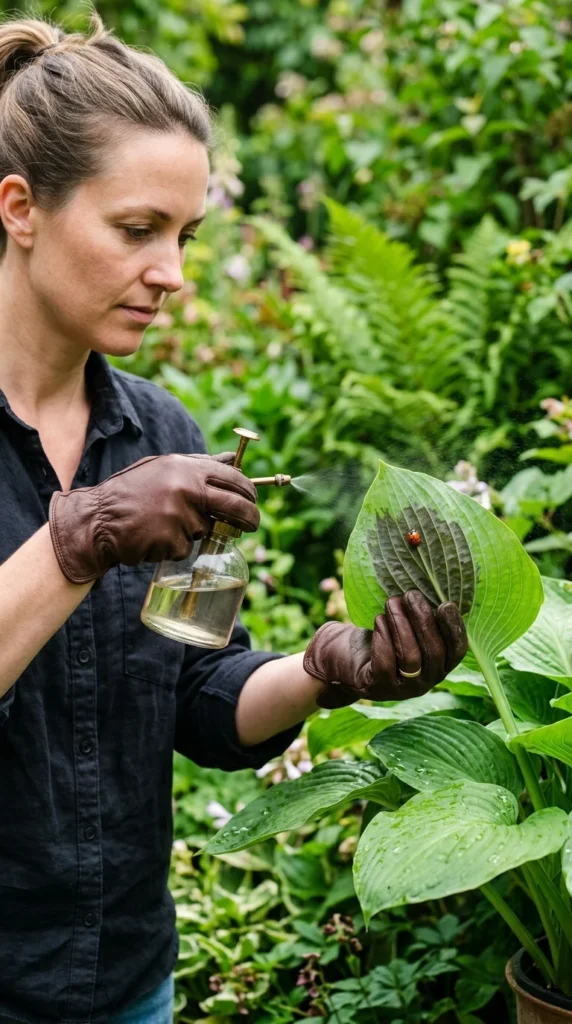
Smart pest control is about prevention and targeted intervention rather than broad-spectrum chemicals. Integrated Pest Management (IPM) focuses on keeping the garden balanced.
- Attract Predators: Plant umbellifers like dill and fennel to attract hoverflies and ladybugs, which eat aphids by the thousands.
- Physical Barriers: Use floating row covers to protect young brassicas from cabbage moths without using sprays.
- Natural Sprays: A simple mixture of water, a drop of castile soap, and neem oil can handle most minor infestations without harming the environment.
9. Tool Organization
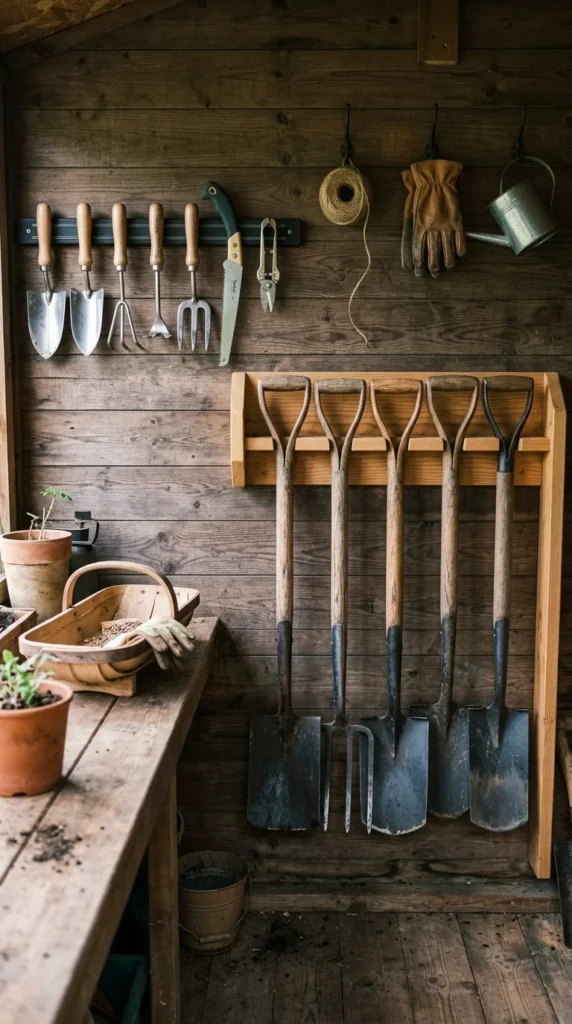
Searching for a misplaced trowel is a waste of precious gardening time. A smart gardener keeps their tools clean, sharp, and organized.
- Sand and Oil Bucket: Keep a bucket filled with sand and a bit of mineral oil; plunging your metal tools into it after use cleans them and prevents rust simultaneously.
- Vertical Storage: Use a repurposed wooden pallet to hold long-handled tools like rakes and hoes against a wall.
- Color Coding: Paint the handles of small hand tools a bright color like neon orange or yellow so they are easy to spot if you set them down in the grass.
10. Drip Irrigation
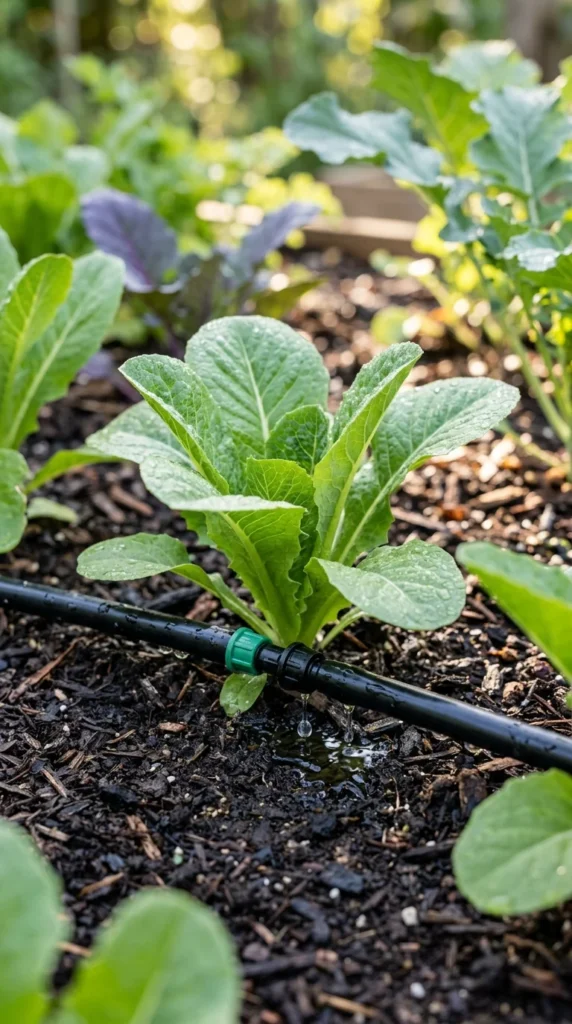
Overhead watering is inefficient and can lead to disease. Drip irrigation delivers water directly to the root zone, where it is needed most.
- Efficiency: This method uses up to 70% less water than traditional sprinklers.
- Healthier Foliage: By keeping water off the leaves, you drastically reduce the chance of leaf spot and other moisture-loving pathogens.
- Automation: Connect your drip system to a simple battery-operated timer, and your garden will water itself even when you are on vacation.
11. Raised Beds
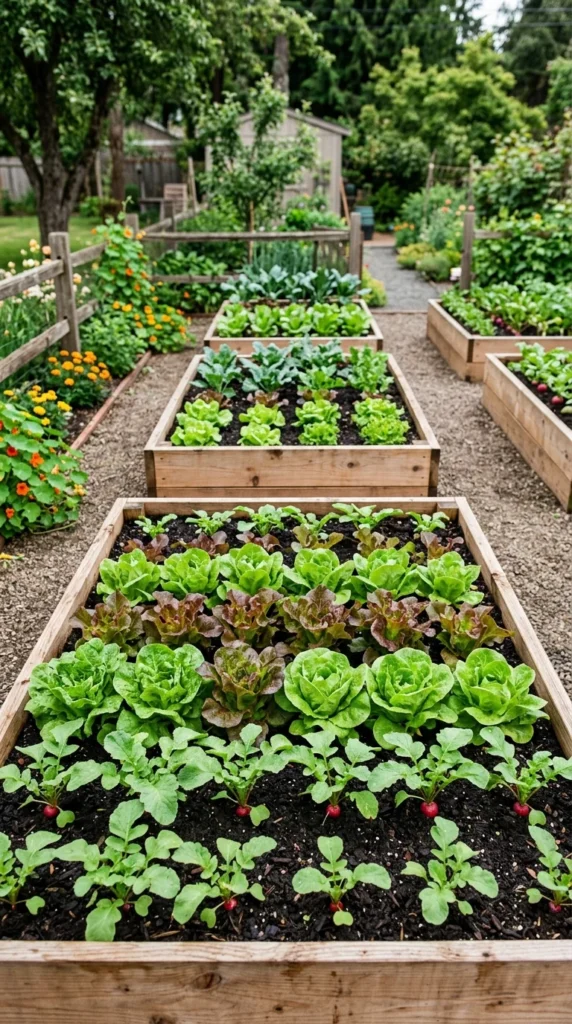
Raised beds offer total control over your growing environment. If your backyard has “dead” soil or heavy clay, raised beds allow you to bypass those issues entirely.
- Better Drainage: Raised beds naturally drain better than in-ground gardens, which is vital during heavy rainy seasons.
- Warmer Soil: The soil in a raised bed warms up faster in the spring, allowing for an earlier planting date.
- Ergonomics: Building beds at waist height or using high sides reduces the strain on your back and knees during planting and weeding.
12. Container Gardening
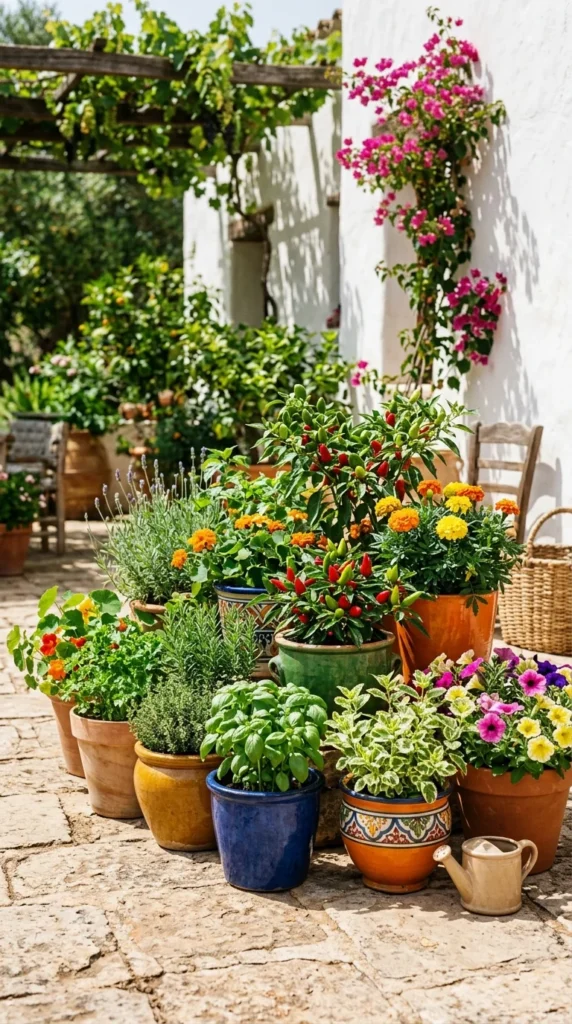
Smart gardening means adapting to your lifestyle. Containers offer flexibility that in-ground beds cannot match.
- Mobility: You can move your pots to follow the sun throughout the day or bring them indoors if a surprise frost is predicted.
- Containment: Invasive but delicious plants like mint or horseradish should always be grown in containers to prevent them from taking over your entire yard.
- Custom Soil: You can tailor the soil mix in each pot to the specific needs of the plant—extra drainage for succulents or extra peat for blueberries.
13. Seasonal Planning
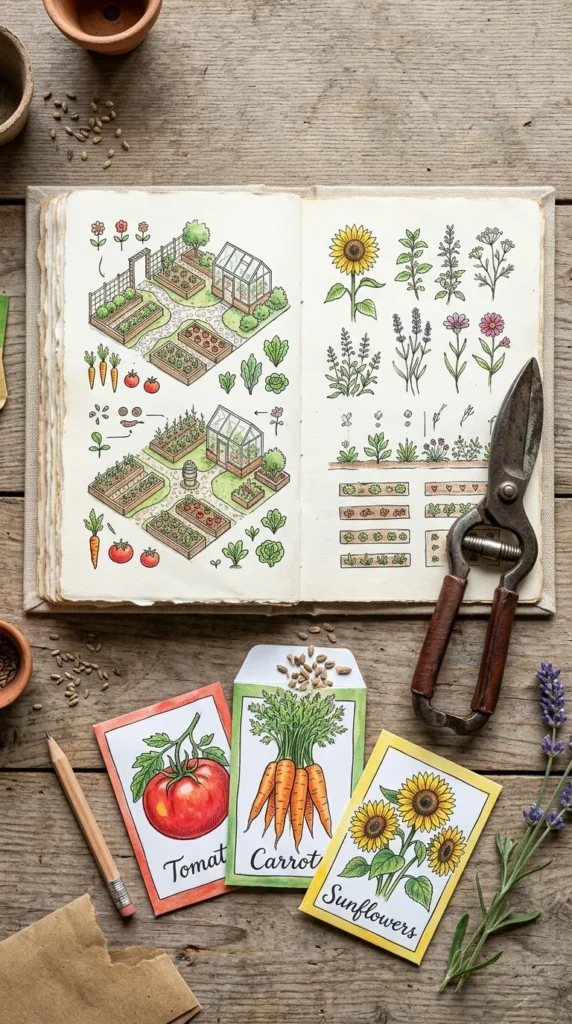
The most successful gardens are those that are planned with intention. Keeping a garden journal is one of the “smartest” habits you can develop.
- Crop Rotation: Tracking where you plant specific families (like nightshades or brassicas) ensures you don’t deplete the same nutrients year after year or allow soil-borne pests to build up.
- Timing: Record the dates of your first and last frosts, as well as when specific pests appear. This data becomes your roadmap for the following year.
- Performance Reviews: Note which varieties thrived and which failed. Over time, you will curate a list of “superstar” plants perfectly suited to your microclimate.
By implementing these thirteen smart gardening ideas, you move away from the frustration of high-maintenance landscaping and toward a more efficient, productive, and enjoyable outdoor space. Gardening is a lifelong journey of learning, and with these tools in your belt, you are well on your way to a greener thumb.