Gardening is often described as a blend of art and science. While the “art” lies in the aesthetic arrangement of colors and textures, the “science” involves understanding the biological needs of your plants. Whether you are a seasoned horticulturalist or a novice with a single windowsill succulent, the goal remains the same: a thriving, resilient garden. Achieving a lush botanical sanctuary doesn’t happen by accident; it requires a strategic approach to soil, water, light, and maintenance.
To help you transform your green space into a flourishing paradise, we have compiled ten essential gardening tips that focus on long-term plant health and vitality.
1. Soil Quality
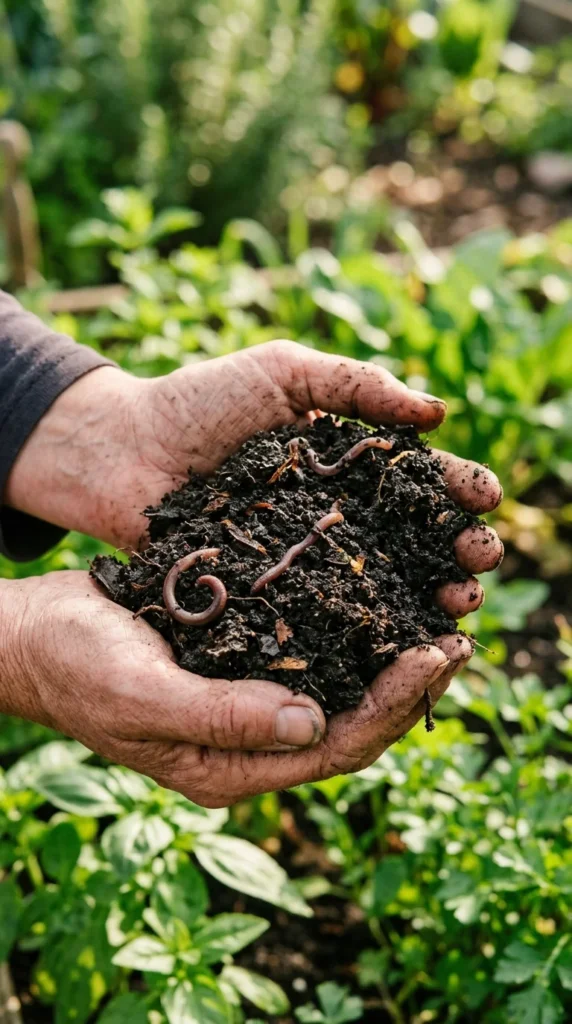
The foundation of every successful garden is the soil. Think of soil not just as dirt, but as a living ecosystem that provides the necessary nutrients, water, and oxygen to your plants’ roots. Most plants thrive in “loamy” soil—a balanced mixture of sand, silt, and clay that drains well but retains enough moisture to keep roots hydrated.
- Test Your pH: Different plants require different acidity levels. Most garden vegetables prefer a slightly acidic to neutral pH (6.0 to 7.0). You can buy a simple testing kit at any nursery to see where your soil stands.
- Amend with Organic Matter: Adding compost, aged manure, or leaf mold is the single best thing you can do for your soil. It improves structure, encourages beneficial microbial activity, and provides a slow-release source of nutrients.
- Avoid Compaction: Never walk on your garden beds. Stepping on the soil squeezes out the air pockets that roots need to breathe. Use dedicated pathways or stepping stones to navigate your garden.
2. Proper Watering
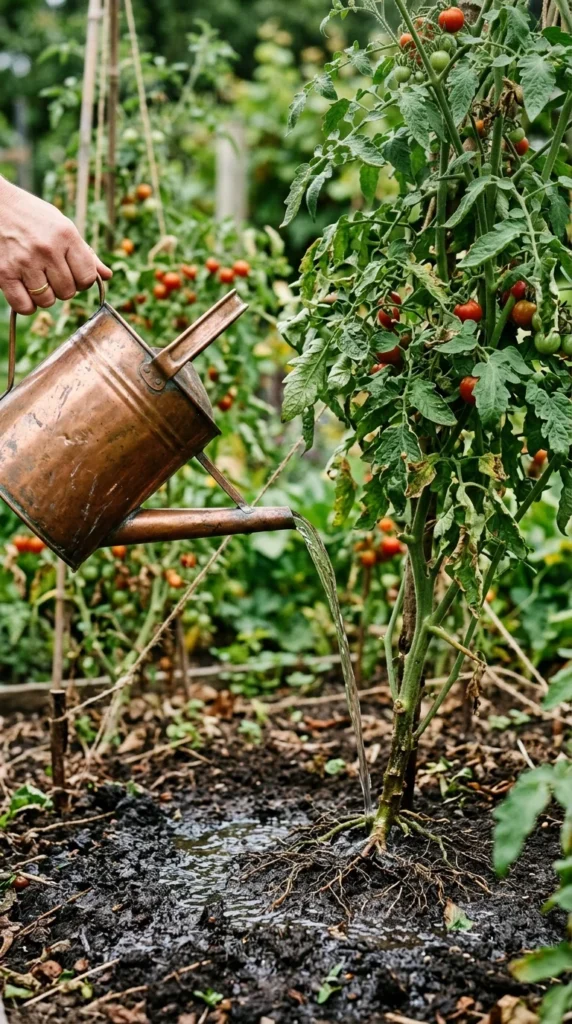
Watering seems simple, but it is one of the areas where most gardeners go wrong. Overwatering can lead to root rot and fungal diseases, while underwatering stresses the plant and stunts growth.
- Water the Base, Not the Leaves: Wet foliage is an invitation for fungal diseases like powdery mildew. Always aim your hose or watering can at the soil line to ensure the moisture reaches the roots directly.
- Deep and Infrequent: It is better to water deeply once or twice a week than to give your plants a light sprinkle every day. Deep watering encourages roots to grow further down into the earth, making them more drought-resistant.
- Timing is Everything: The best time to water is early in the morning. This allows the plant to hydrate before the heat of the day and ensures that any accidental splashes on the leaves have time to dry in the sun.
3. Sunlight Exposure
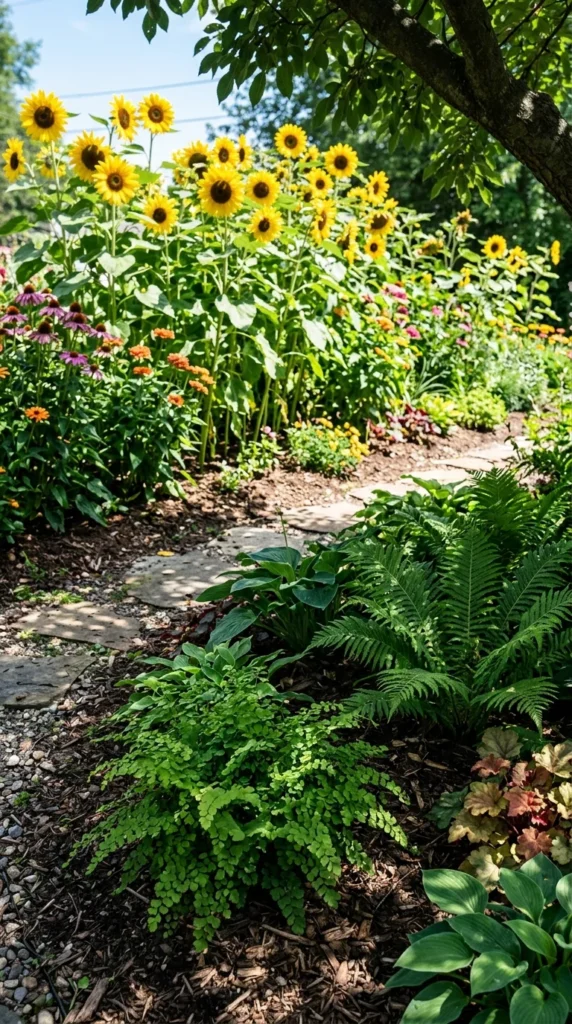
Light is the fuel for photosynthesis, the process by which plants create energy. However, “full sun” doesn’t mean the same thing for every plant. Understanding the light patterns in your yard is crucial for placing plants where they will truly thrive.
- Know Your Labels: “Full Sun” generally means at least six to eight hours of direct sunlight. “Partial Shade” means three to six hours, and “Full Shade” refers to less than three hours of direct light, often filtered through trees.
- Track the Sun: Spend a day observing how shadows move across your garden. A spot that looks sunny at 10:00 AM might be in deep shade by 2:00 PM due to a nearby building or tree canopy.
- Consider the Intensity: Afternoon sun is significantly hotter and more intense than morning sun. Delicate plants that need “partial sun” often do better with morning light rather than the harsh rays of a July afternoon.
4. Mulching Benefits
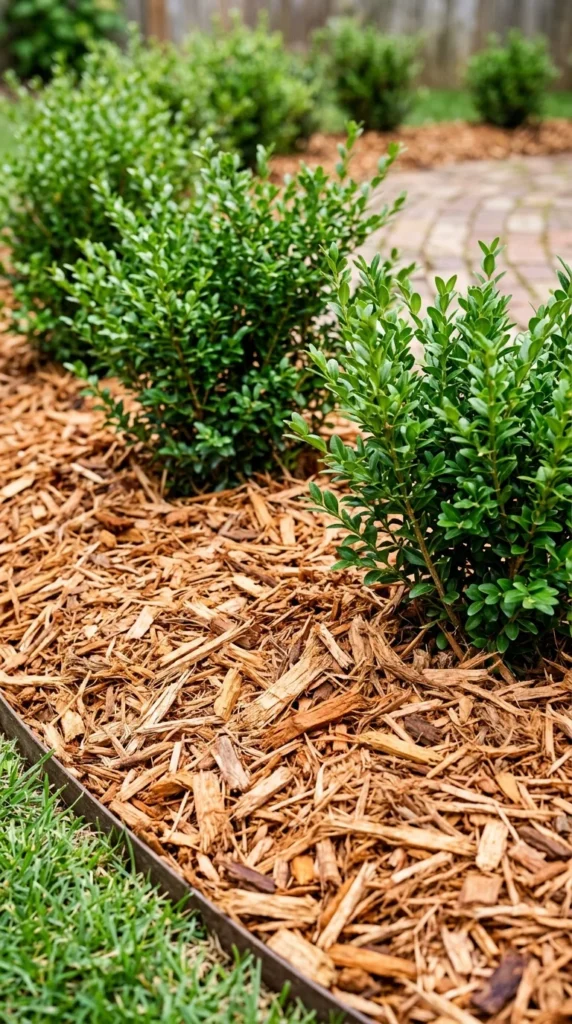
Mulching is the “secret weapon” of professional gardeners. By covering the soil surface with a layer of organic material, you create a protective barrier that offers multiple benefits.
- Moisture Retention: Mulch slows down evaporation, keeping the soil moist for much longer. This reduces the frequency of watering and protects plants during heatwaves.
- Weed Suppression: A two-to-three-inch layer of mulch blocks sunlight from reaching weed seeds, preventing them from germinating and competing with your plants for nutrients.
- Temperature Regulation: Mulch acts as insulation, keeping the soil cooler in the summer and warmer in the winter, which protects sensitive root systems from extreme temperature fluctuations.
5. Regular Pruning
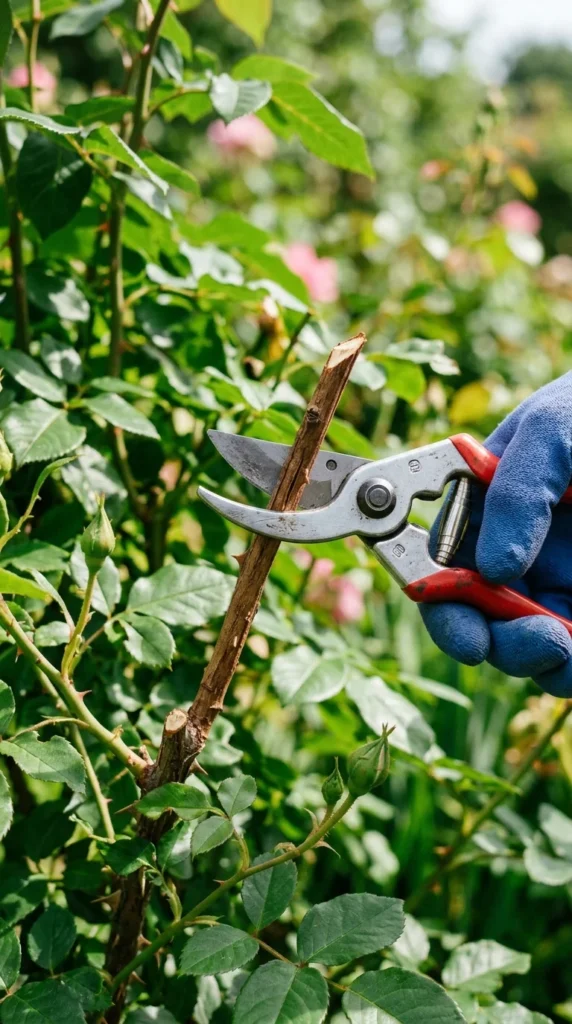
Many beginners are afraid to prune because they fear they will hurt the plant. In reality, regular pruning is essential for health and vigor. It allows the plant to redirect its energy from old, dying limbs to new, productive growth.
- The Three Ds: Always prune away any wood that is Dead, Damaged, or Diseased. Removing these parts prevents decay from spreading to the rest of the plant.
- Improve Airflow: Thinning out the center of a dense shrub or tomato plant increases air circulation, which is vital for preventing mold and fungus.
- Deadheading: For flowering plants, removing faded blooms (deadheading) encourages the plant to produce more flowers rather than putting energy into seed production.
6. Nutrient Management
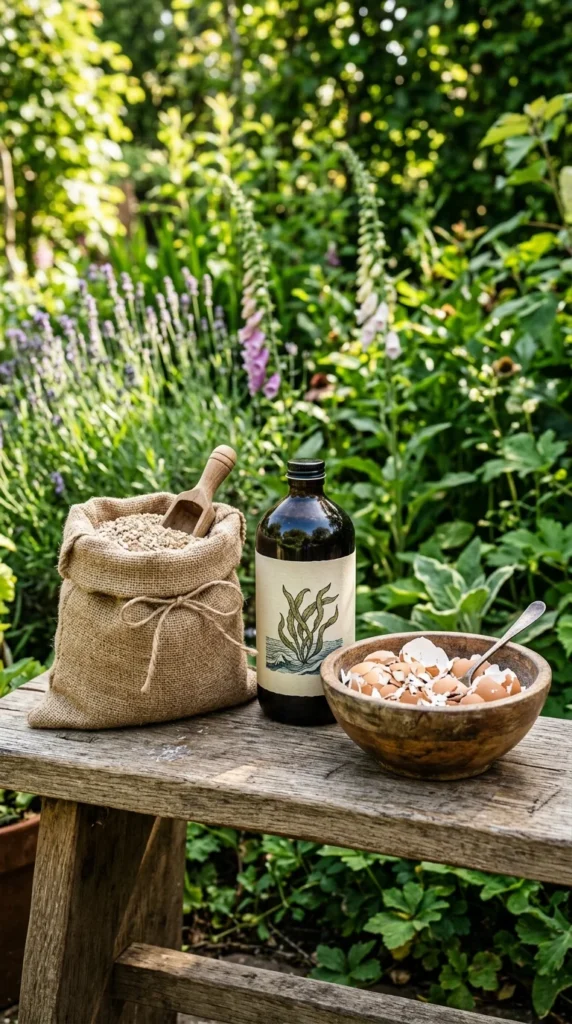
Plants are “heavy feeders,” especially during their peak growing and blooming seasons. While good soil provides a baseline, supplemental fertilization ensures your plants have the specific minerals they need to reach their full potential.
- Understand N-P-K: Most fertilizers list three numbers (e.g., 10-10-10). These represent Nitrogen (for leaf growth), Phosphorus (for root and flower development), and Potassium (for overall plant health).
- Go Organic: Organic fertilizers, like fish emulsion or compost tea, break down slowly and improve the soil structure over time, whereas synthetic fertilizers can lead to salt buildup if overused.
- Don’t Overdo It: Too much fertilizer can “burn” the roots or cause a flush of weak, succulent growth that is highly attractive to pests. Always follow the instructions on the label.
7. Pest Defense
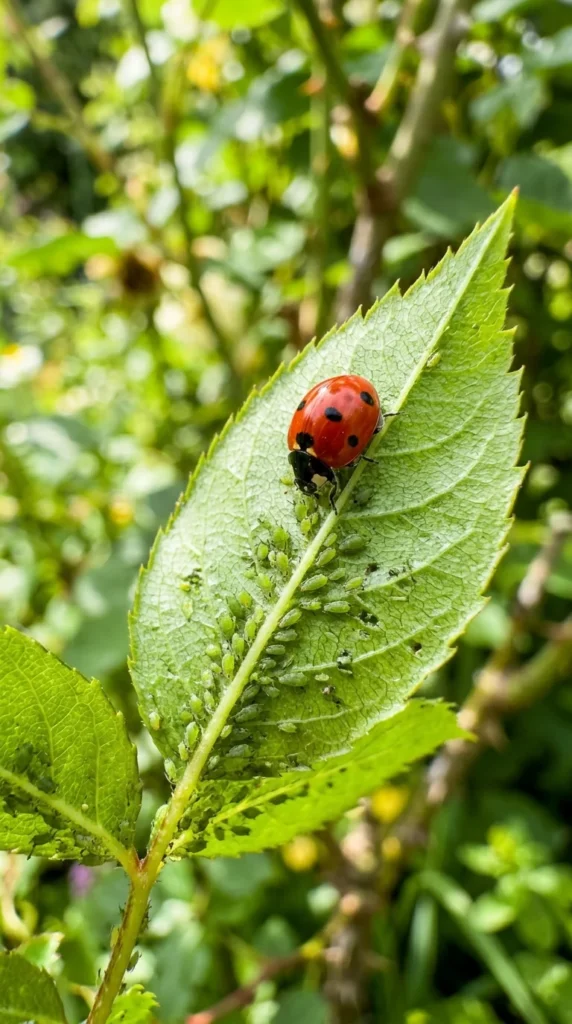
A healthy garden will always have some insects, but the key is to manage them so they don’t become an infestation. Integrated Pest Management (IPM) focuses on natural and preventative measures rather than jumping straight to harsh chemicals.
- Encourage Beneficial Insects: Ladybugs, lacewings, and predatory wasps are a gardener’s best friends. They eat common pests like aphids and mites. Plant flowers like marigolds, dill, and yarrow to attract them.
- Companion Planting: Some plants naturally repel pests. For example, planting garlic or onions near roses can help deter aphids, while basil can help keep pests away from tomato plants.
- Hand-Picking: For larger pests like tomato hornworms or Japanese beetles, sometimes the most effective method is simply picking them off by hand and dropping them into a bucket of soapy water.
8. Spacing and Airflow
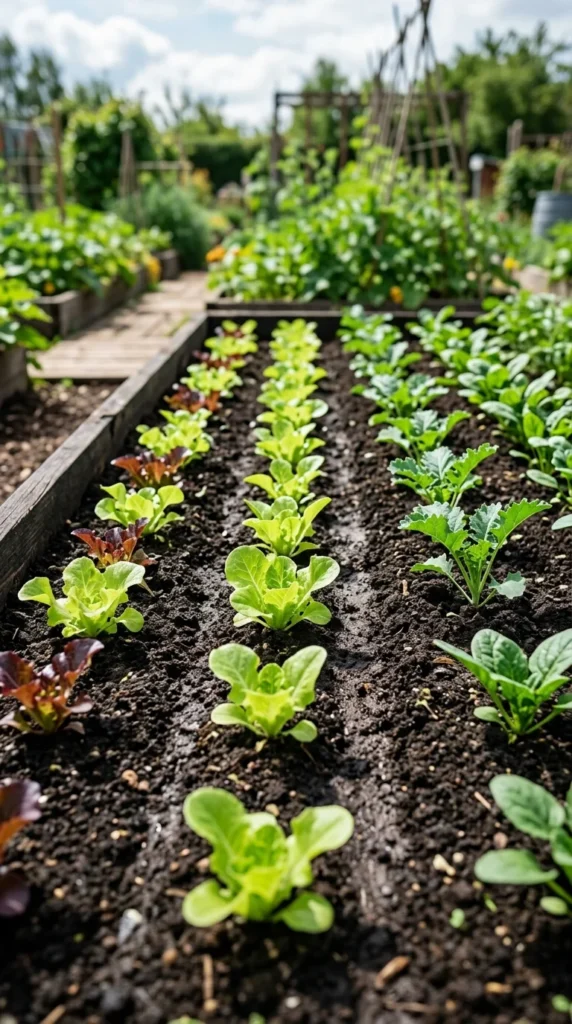
When you bring home small starts from the nursery, it’s tempting to plant them close together for an instant “full” look. However, overcrowding is a recipe for disaster as the plants mature.
- Follow Spacing Guides: Always check the plant tag for the “mature width.” If a plant grows to three feet wide, it needs space to breathe, or it will compete with its neighbors for water and nutrients.
- Prevent Disease: High humidity and stagnant air are the primary causes of fungal infections. Proper spacing ensures that wind can move through the foliage, drying out leaves and keeping the environment less hospitable to pathogens.
- Root Competition: Plants jammed too closely together will fight underground for space. This leads to stunted growth and smaller yields in vegetable gardens.
9. Clean Tools
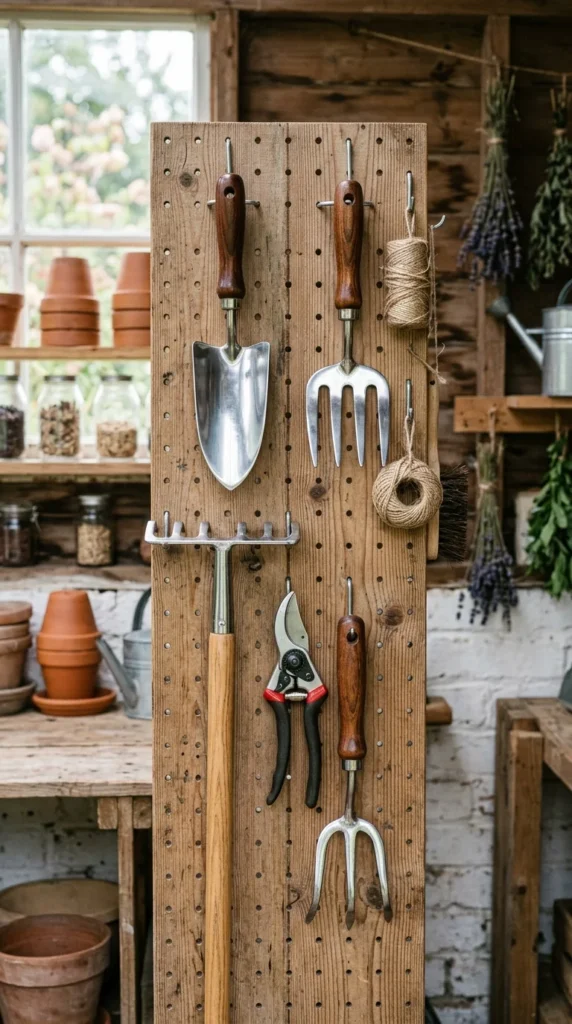
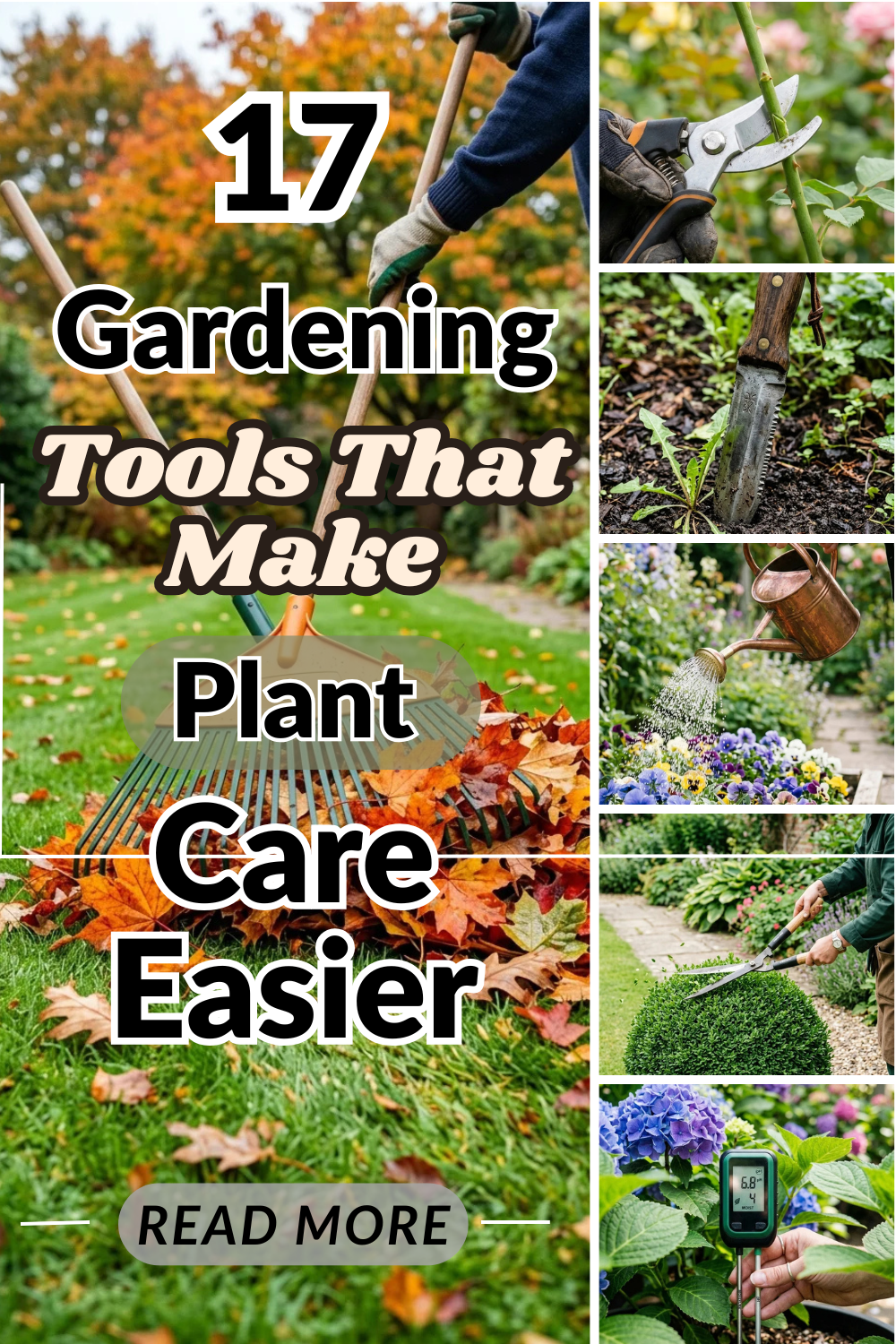
Your garden tools are an extension of your hands, and keeping them in top condition is vital for plant health. Dirty or dull tools can do more harm than good.
- Prevent Disease Spread: If you prune a diseased branch and then move to a healthy plant without cleaning your shears, you are effectively “injecting” the disease into the healthy plant. Wipe your blades with rubbing alcohol or a 10% bleach solution between plants.
- Sharp Blades Matter: A dull blade crushes the plant tissue rather than slicing it. This creates a jagged wound that takes longer to heal and is more susceptible to infection. Keep a whetstone or file handy to maintain a sharp edge.
- Oil Your Tools: After cleaning, a light coating of linseed oil or even vegetable oil on the metal parts will prevent rust and keep your tools moving smoothly.
10. Regular Monitoring
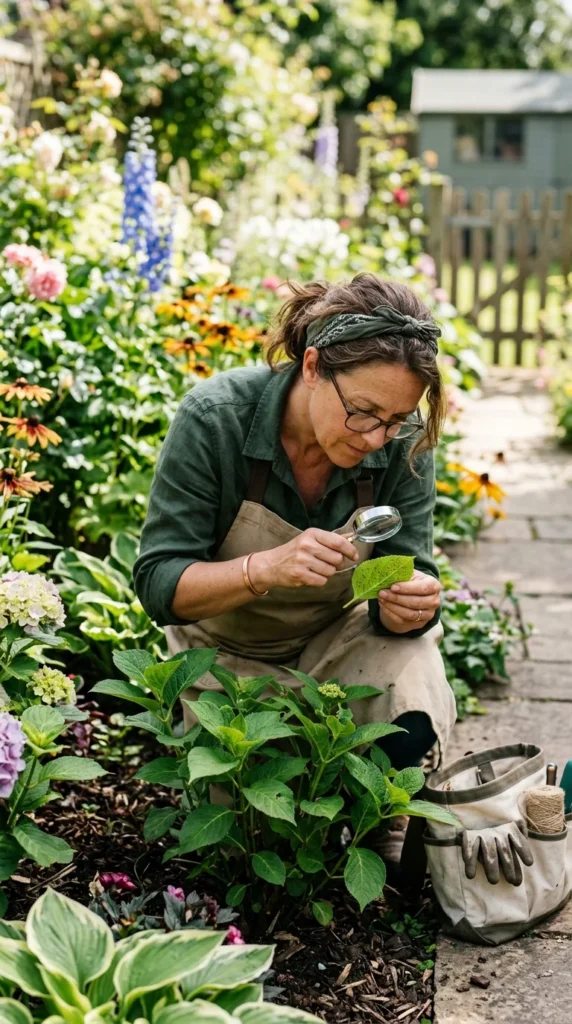
The most important tool any gardener possesses is their power of observation. Spending just ten minutes a day walking through your garden can help you spot problems before they become catastrophes.
- Check the Undersides: Most pests and fungal spores hide on the undersides of leaves. Periodically flip leaves over to look for eggs, webs, or unusual spots.
- Watch for Color Changes: Yellowing leaves (chlorosis) can indicate a nutrient deficiency or overwatering, while brown, crispy edges usually mean the plant is thirsty or getting too much direct sun.
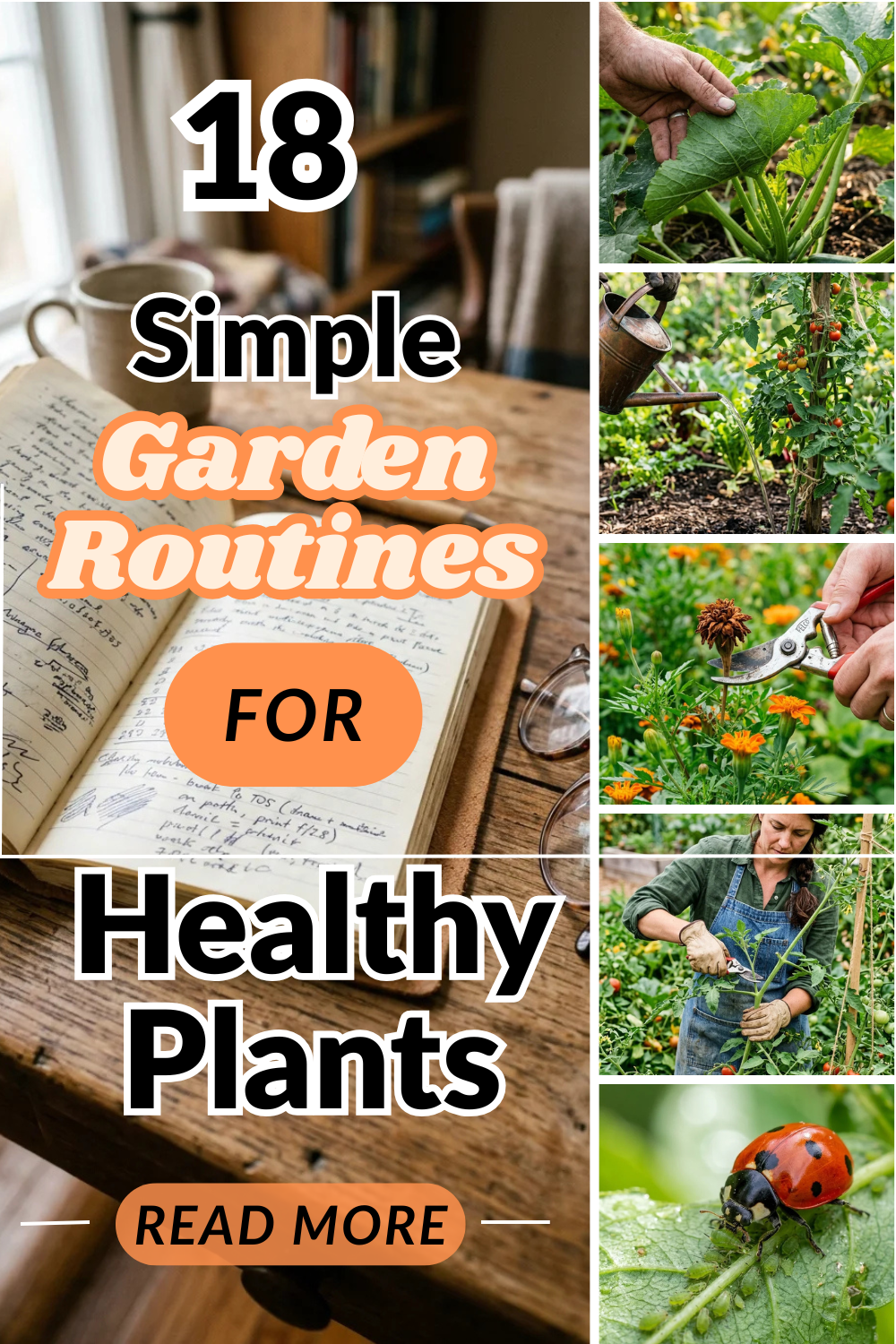
- Keep a Garden Journal: Note when things bloom, when pests appear, and what the weather was like. Over time, you’ll start to see patterns that allow you to predict and prevent issues before they even start.
By following these ten foundational tips, you are not just growing plants; you are cultivating an environment where life can flourish. Gardening is a journey of continuous learning, and with a little patience and attention to detail, your thumb will be greener than ever.