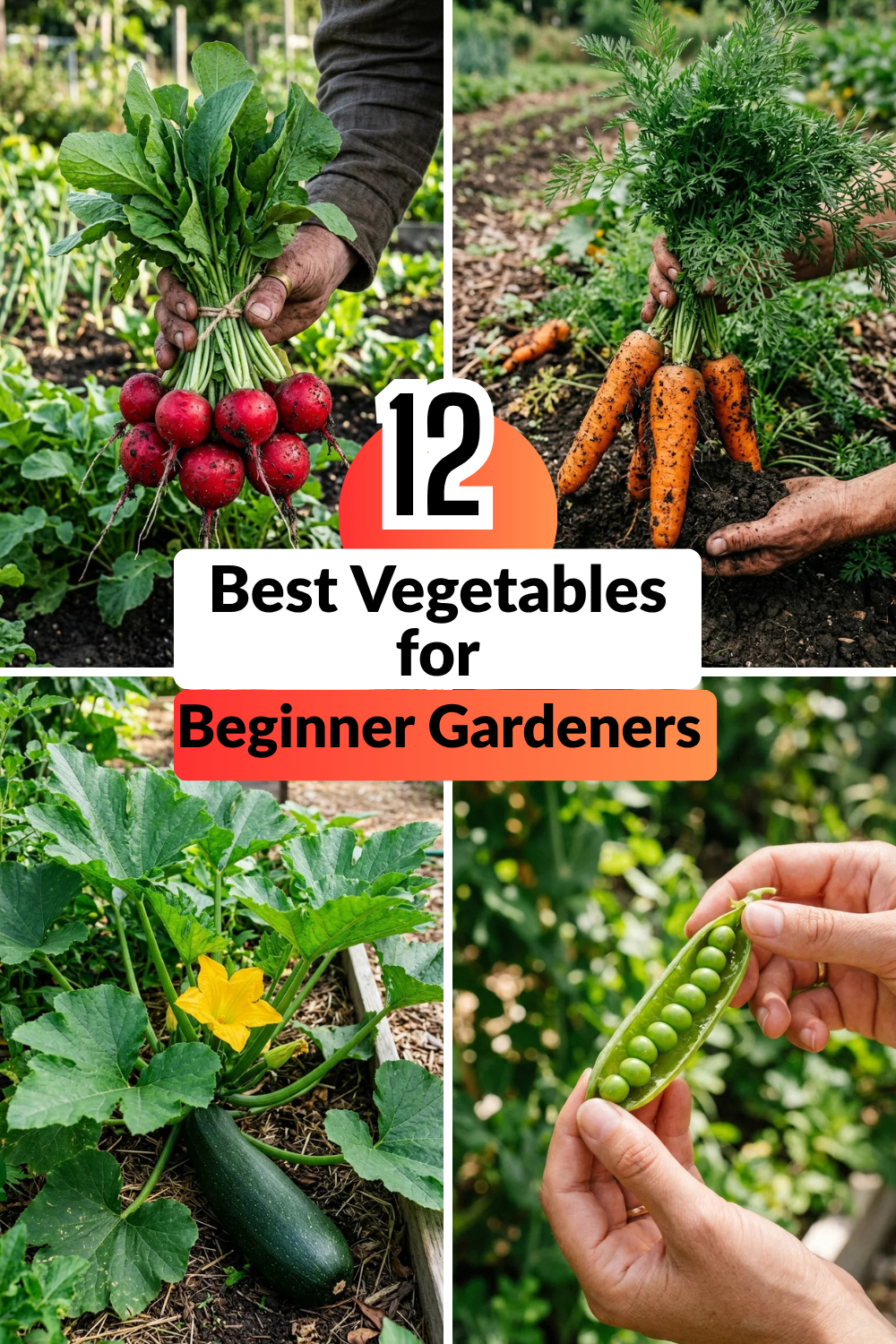
There is a common myth that you need to be born with a “green thumb” to successfully grow your own food. In reality, gardening is less about magic and more about choosing the right players for your team. For a beginner, the difference between a season of bounty and a season of frustration often comes down to the specific crops you choose to plant.
If you are just starting your journey into homesteading or simply want to garnish your dinner plate with home-grown goodness, you want “high-reward, low-effort” plants. These are the hardy, fast-growing, and resilient vegetables that can handle a bit of neglect or a novice’s over-enthusiasm. Here are the 12 best vegetables to guarantee your success in your first growing season.
1. Lettuce
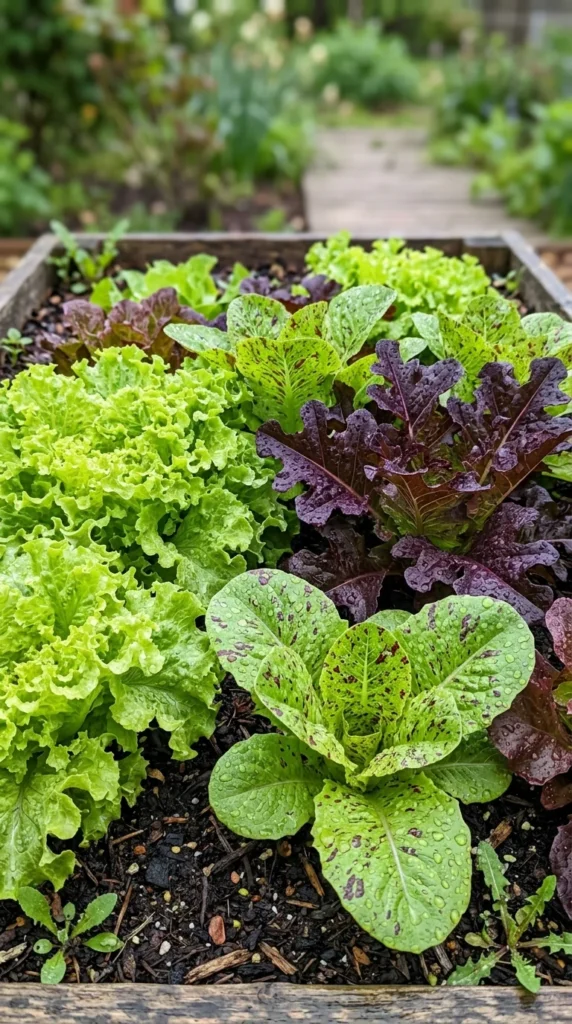
Lettuce is the undisputed king of the beginner garden. Because it grows so quickly, you get almost instant gratification. You can plant “cut-and-come-again” varieties, which allow you to snip off the outer leaves for a salad while the center of the plant continues to grow.
- Why it’s easy: It thrives in containers, raised beds, or traditional rows. It also grows well in partial shade, making it perfect for gardens that don’t get full sun all day.
- Top Tip: Plant seeds every two weeks (succession planting) so you have a continuous harvest throughout the spring and fall.
2. Radishes
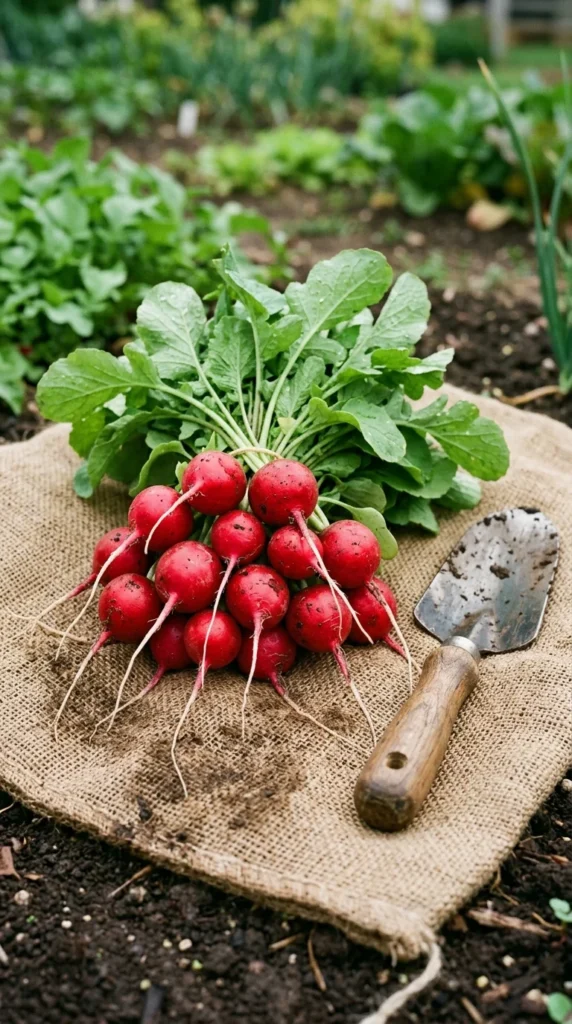
If you are looking for the fastest possible results, radishes are your best friend. Some varieties can go from seed to plate in as little as 25 days. They are the perfect “gateway vegetable” for children and impatient adults alike.
- Why it’s easy: They require very little space and have few pests that bother them before they are ready to harvest.
- Top Tip: Sow them directly into the soil. They don’t like being transplanted, so pick a spot and let them stay put.
3. Zucchini
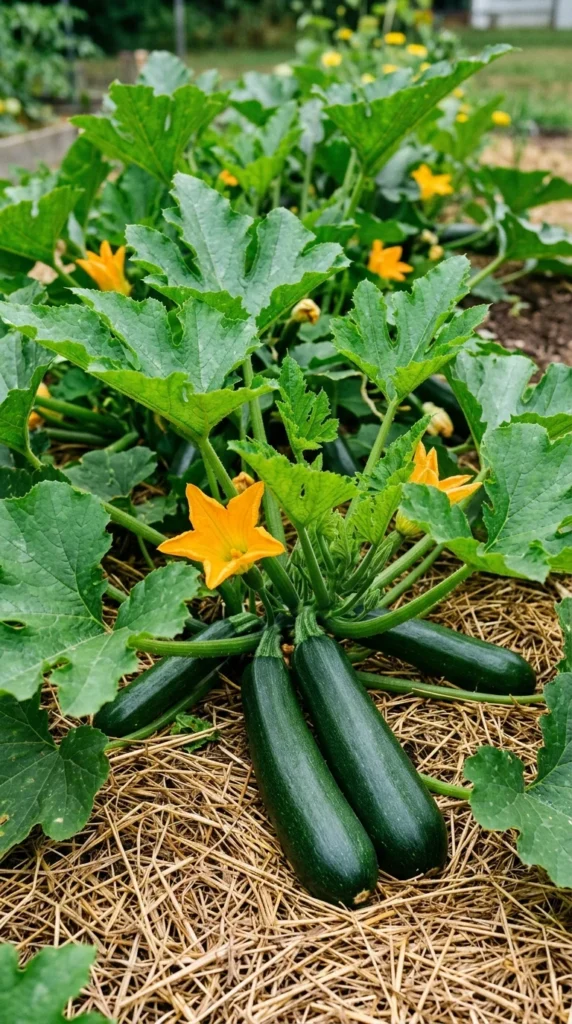
Zucchini is famously prolific. Often, the joke among gardeners is that if you grow zucchini, you’ll be leaving baskets of it on your neighbors’ doorsteps because you’ll have more than you can eat.
- Why it’s easy: One or two plants are usually enough for an entire family. They are incredibly hardy and grow with an almost aggressive enthusiasm.
- Top Tip: Give them plenty of space. A single zucchini plant can take up a 3-foot by 3-foot area.
4. Cherry Tomatoes
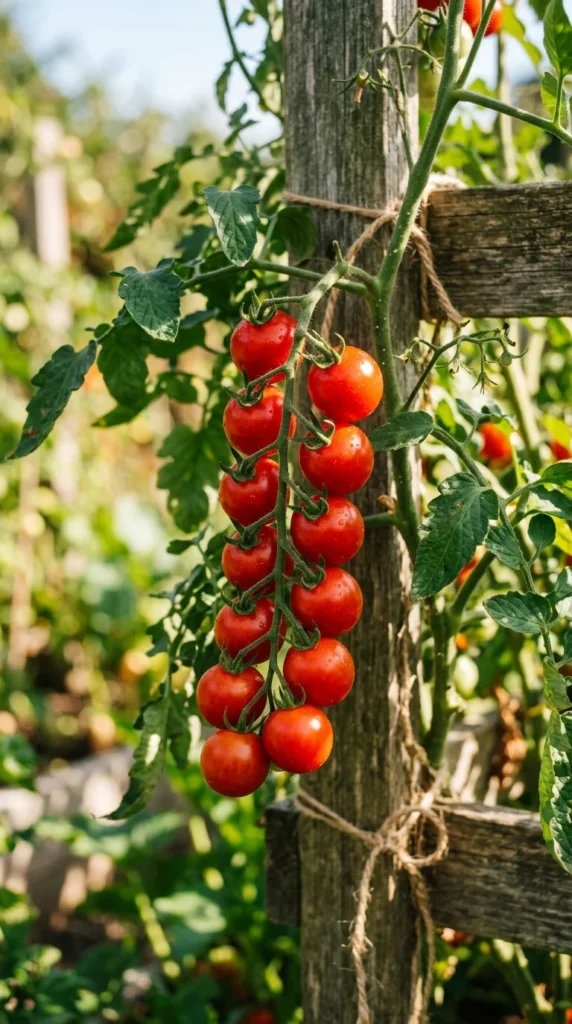
While large heirloom beefsteak tomatoes can be finicky and prone to disease, cherry tomatoes are the wild children of the tomato world. They are much more resilient and produce hundreds of fruits over the course of a summer.
- Why it’s easy: They are less prone to “blossom end rot” than larger varieties and continue to produce until the first frost hits.
- Top Tip: Use a sturdy cage or trellis immediately upon planting. These vines grow fast and need support to keep the fruit off the ground.
5. Green Beans
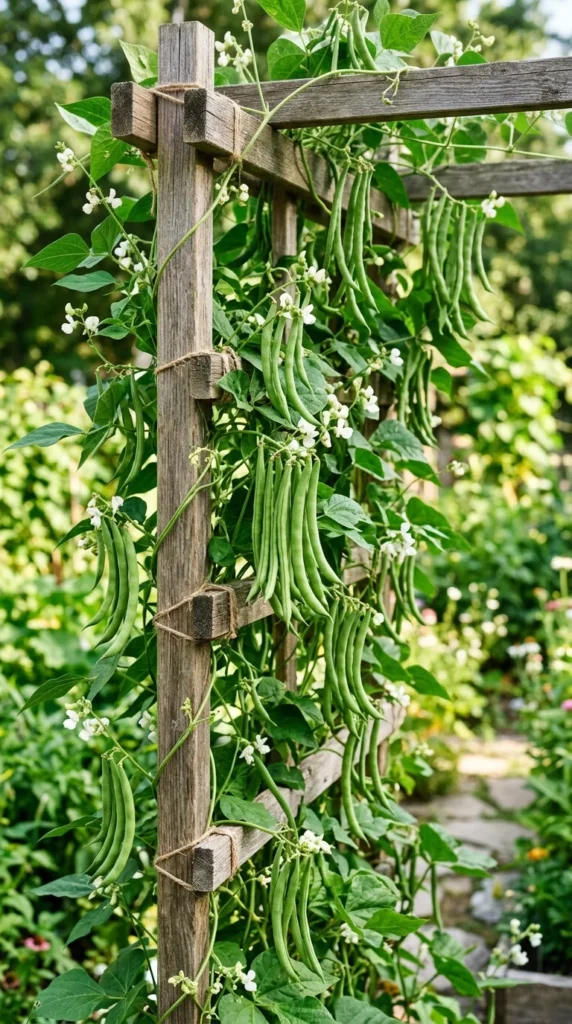
Whether you choose “bush beans” (which grow in compact mounds) or “pole beans” (which climb upward), green beans are a staple for the new gardener. They are nitrogen-fixers, meaning they actually improve the quality of your soil while they grow.
- Why it’s easy: The seeds are large and easy to handle, and they germinate reliably in warm soil.
- Top Tip: Pick them frequently! The more you harvest, the more the plant will produce.
6. Peas
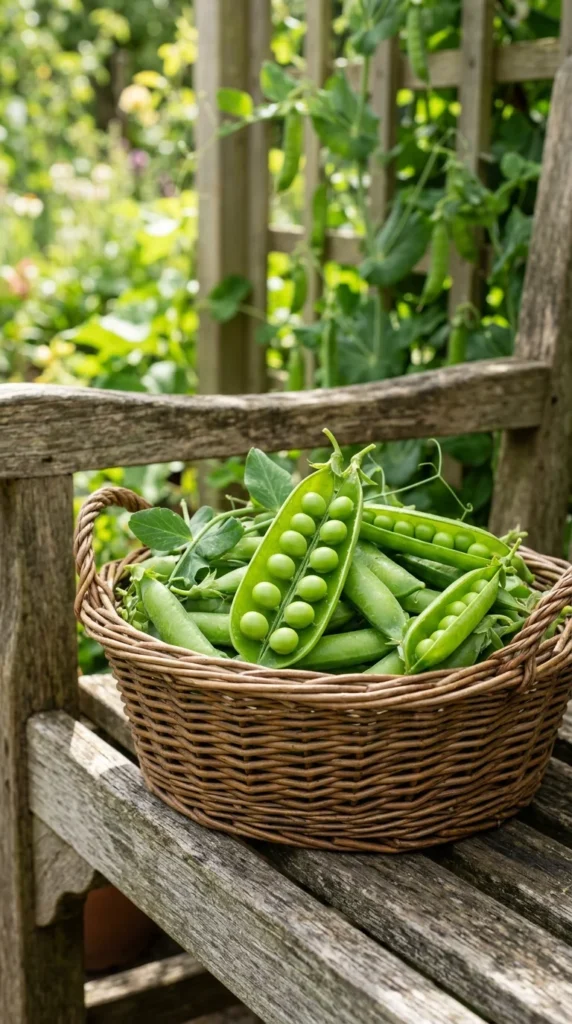
Peas love the cool weather of early spring and late autumn. There is nothing quite like the taste of a sugar snap pea eaten straight off the vine. Because they grow vertically, they are excellent for small-space gardening.
- Why it’s easy: They have few pests in the early spring when the weather is still too cold for most bugs.
- Top Tip: Provide a net or string for them to climb. They use tiny tendrils to pull themselves upward toward the sun.
7. Carrots
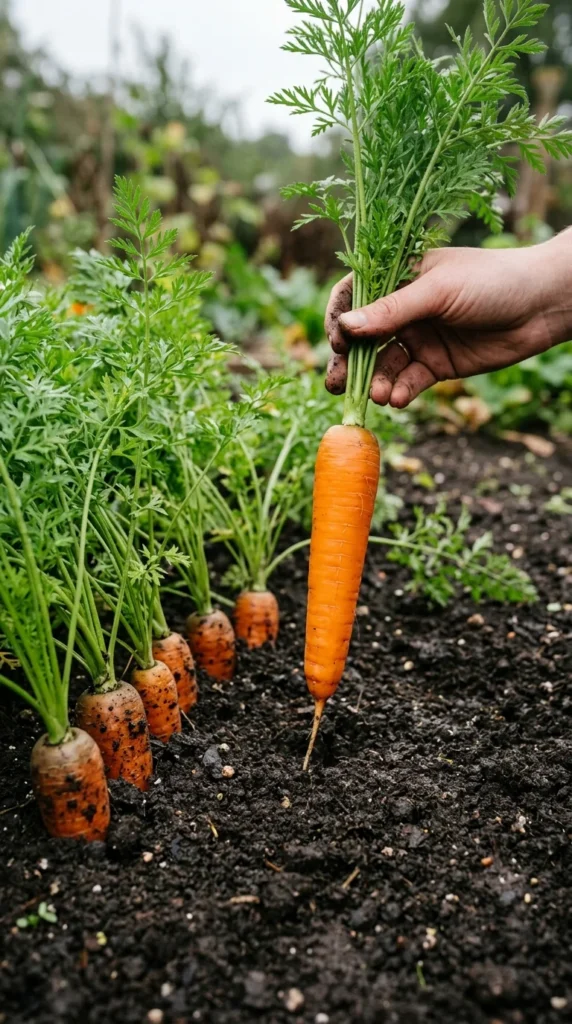
Growing carrots feels like uncovering buried treasure. While they take a bit longer to mature than radishes, the process is straightforward. They are a “set it and forget it” crop once they have germinated.
- Why it’s easy: They can stay in the ground even after a light frost, which actually makes them taste sweeter.
- Top Tip: Make sure your soil is loose and free of rocks. If a carrot root hits a stone, it will grow into a funny, twisted shape!
8. Cucumbers
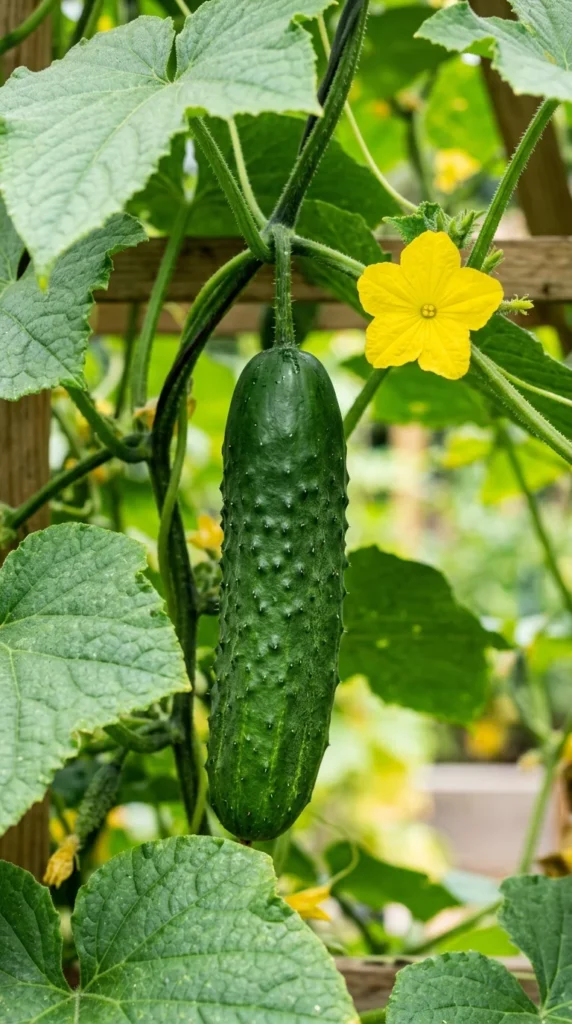
Cucumbers are a summer essential. They love heat and water. If you provide them with a trellis to climb, you can save massive amounts of garden space while keeping the fruit clean and straight.
- Why it’s easy: They grow very rapidly once the summer heat kicks in.
- Top Tip: Pick them when they are medium-sized. If you leave them on the vine too long, they become bitter and the skin gets tough.
9. Kale
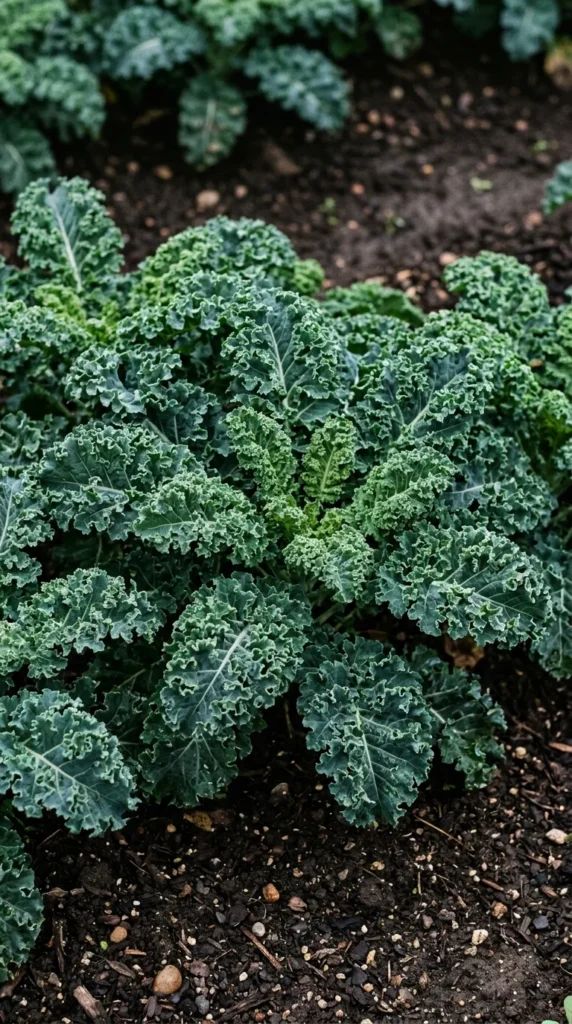
Kale has earned its reputation as a superfood, but it’s also a “super-plant” in the garden. It is incredibly cold-hardy; in many climates, it will continue to grow right through a light snowfall.
- Why it’s easy: It is very difficult to kill. You can harvest individual leaves for months, and the plant will just keep sending up new growth from the center.
- Top Tip: If you live in a hot climate, give kale some afternoon shade to prevent it from wilting.
10. Swiss Chard
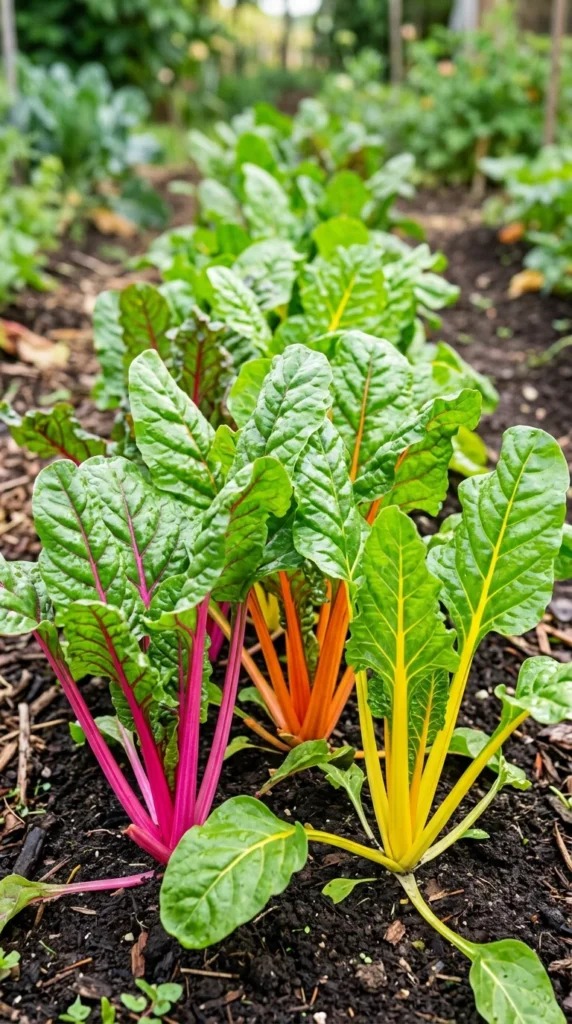
If you want your vegetable garden to look like a botanical masterpiece, plant Swiss chard. The “Bright Lights” variety features stems in neon pink, yellow, and red. It is as beautiful as any flower but completely edible.
- Why it’s easy: Unlike spinach, which “bolts” (goes to seed and turns bitter) as soon as it gets hot, Swiss chard is very heat-tolerant.
- Top Tip: Use the leaves like spinach and the stems like celery—two vegetables for the price of one!
11. Bell Peppers
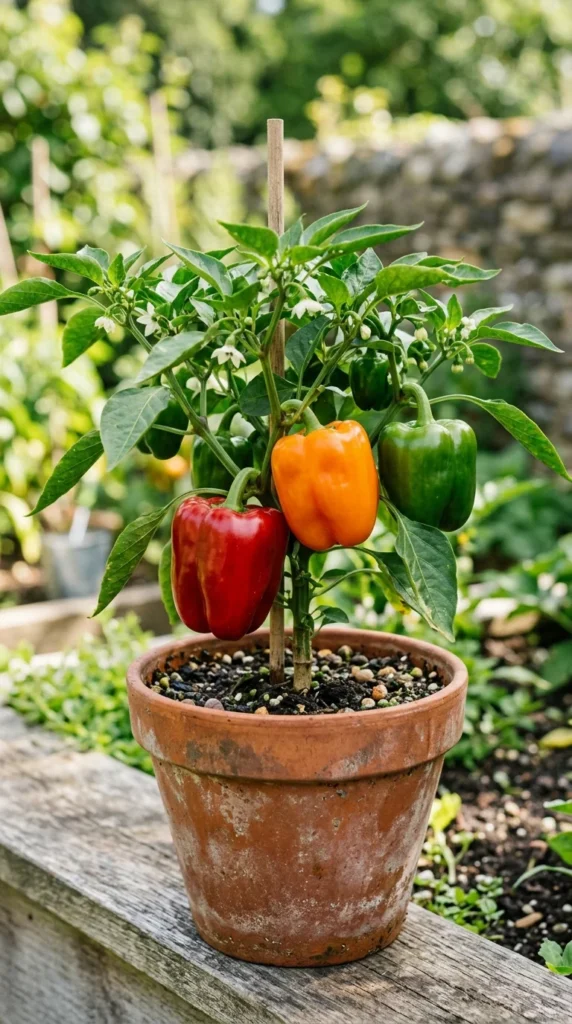
Bell peppers are a fantastic choice for gardeners who want to try container gardening. They have a neat, upright growth habit and look beautiful on a patio or balcony.
- Why it’s easy: They have very few pest problems and don’t require the heavy pruning that some other vegetables do.
- Top Tip: Be patient. A pepper will turn from green to its final color (red, yellow, or orange) over several weeks, and the flavor gets sweeter the longer it stays on the plant.
12. Potatoes
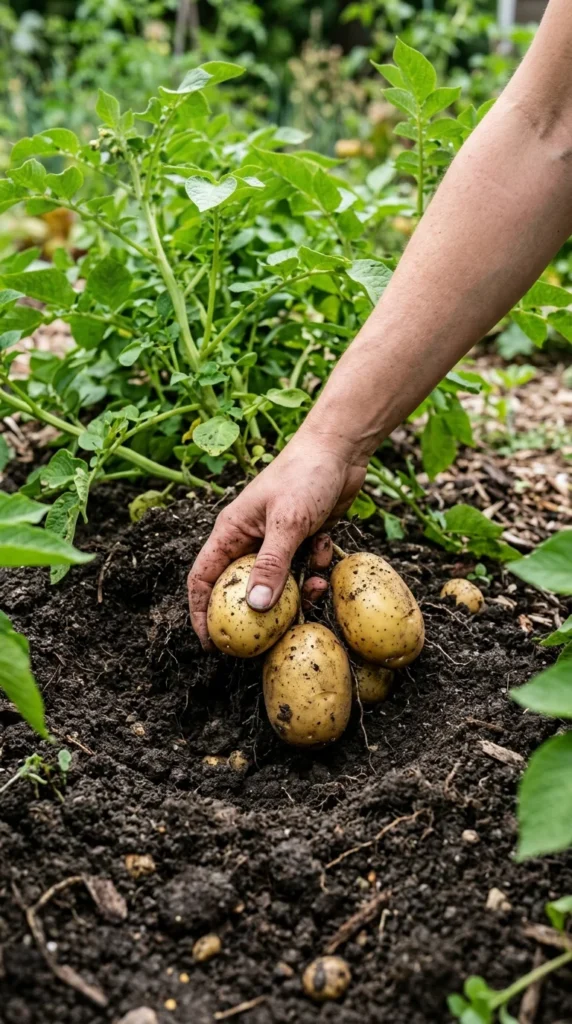
Growing potatoes is often called “potato magic” because you plant one shriveled potato and harvest ten fresh ones. It is an excellent project for beginners because most of the work happens underground.
- Why it’s easy: You can grow them in specialized “grow bags” or even a simple pile of straw and soil. They require almost no maintenance once planted.
- Top Tip: When the plant flowers, it’s a sign that small “new potatoes” are ready. When the foliage dies back completely, the full-sized tubers are ready for long-term storage.
Starting Your Journey
Gardening is a skill that grows alongside your plants. Don’t worry if everything doesn’t go perfectly the first time; every “failure” is just a lesson for next season. By starting with these 12 resilient and high-yielding vegetables, you are setting yourself up for a bountiful harvest and a lifelong love of growing your own food. Grab your trowel, find a sunny spot, and get planting!