Embarking on an organic gardening journey is one of the most rewarding ways to connect with nature and take control of what ends up on your dinner plate. Unlike conventional gardening, which often relies on synthetic chemicals to boost growth or kill pests, organic gardening focuses on building a self-sustaining ecosystem. It’s about working with the earth, not against it. By fostering healthy soil and encouraging biodiversity, you can grow vegetables that are more flavorful, nutrient-dense, and environmentally friendly.
Whether you have a sprawling backyard or a few pots on a balcony, these 17 tips will help you navigate the transition from a novice to a confident organic gardener.
1. Sun Placement
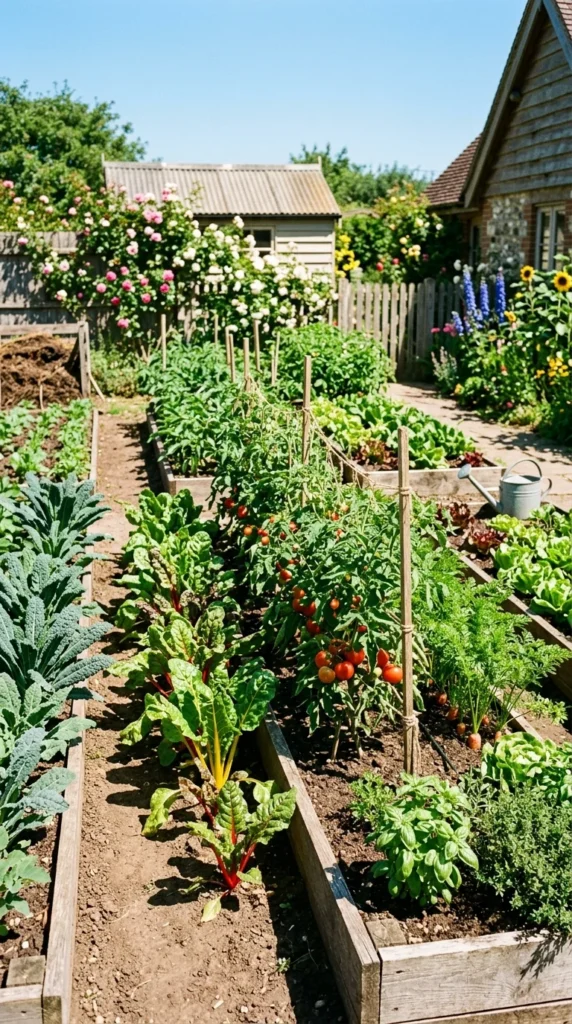
The foundation of a successful vegetable garden is light. Most vegetables, especially those that produce fruit like tomatoes, peppers, and cucumbers, require at least six to eight hours of direct sunlight every day. Before you dig your first hole, observe your yard throughout the day to see where the shadows fall. Remember that the sun’s angle changes with the seasons; a spot that is sunny in mid-summer might be shaded by a tree in the early spring. If you have a shadier spot, don’t despair—you can still grow leafy greens like spinach, lettuce, and kale, which are more tolerant of partial shade.
2. Soil Health
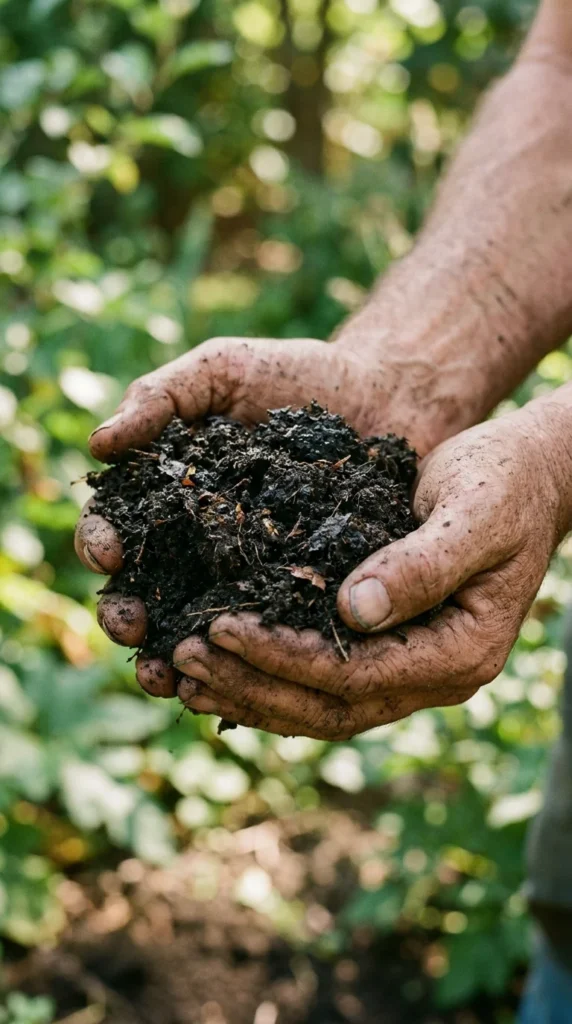
In organic gardening, you don’t feed the plants; you feed the soil. Healthy soil is a living organism teeming with bacteria, fungi, and earthworms. To get started, test your soil to understand its pH and nutrient levels. Organic soil should be “loamy”—a perfect balance of sand, silt, and clay that drains well but retains enough moisture to keep roots hydrated. Avoid using synthetic fertilizers, which can kill beneficial soil microbes. Instead, focus on building the structure of your soil over time by adding organic matter regularly.
3. Gold Compost
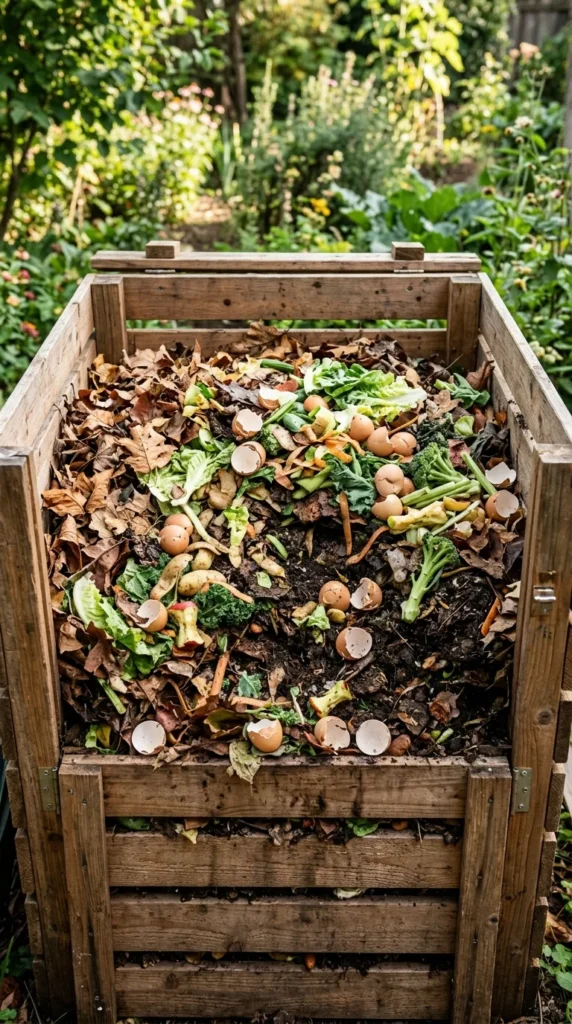
Compost is often referred to as “black gold” by gardeners, and for good reason. It is the ultimate organic amendment, providing a slow-release source of nutrients while improving soil structure. You can make your own by layering “greens” (nitrogen-rich kitchen scraps, grass clippings) and “browns” (carbon-rich dried leaves, cardboard). Over time, these materials break down into a rich, earthy substance. Mixing a few inches of compost into your garden beds every season replenishes the nutrients that your previous crop used up, ensuring your soil stays fertile year after year.
4. Companion Planting
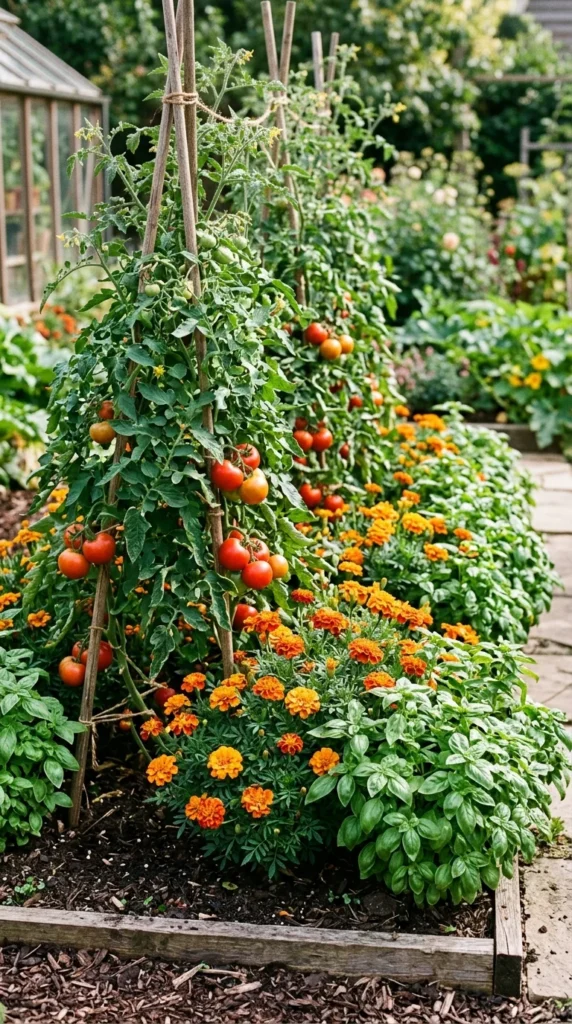
Nature rarely grows in monocultures. Companion planting is the practice of growing different plants together for mutual benefit. Some plants help each other by warding off pests, while others improve flavor or provide structural support. For example, planting marigolds near your tomatoes can help repel harmful nematodes and aphids. Planting basil near tomatoes is said to improve the flavor of the fruit. Understanding these relationships allows you to create a miniature ecosystem that protects itself without the need for chemical sprays.
5. Straw Mulching
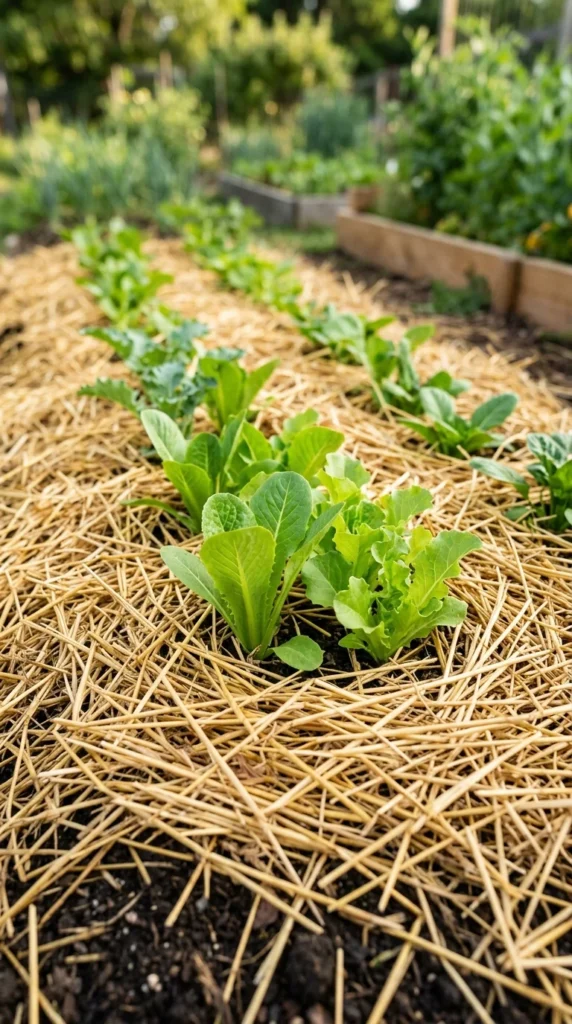
Mulching is a critical step that beginners often overlook. By covering the soil surface with organic materials like straw, shredded leaves, or wood chips, you create a protective barrier. Mulch helps regulate soil temperature, keeping roots cool in the summer and warm in the fall. More importantly, it suppresses weed growth by blocking sunlight and retains moisture by preventing evaporation. As the mulch breaks down, it further enriches the soil with organic matter. Just be sure to use “clean” straw that is free of weed seeds to avoid accidental infestations.
6. Morning Watering
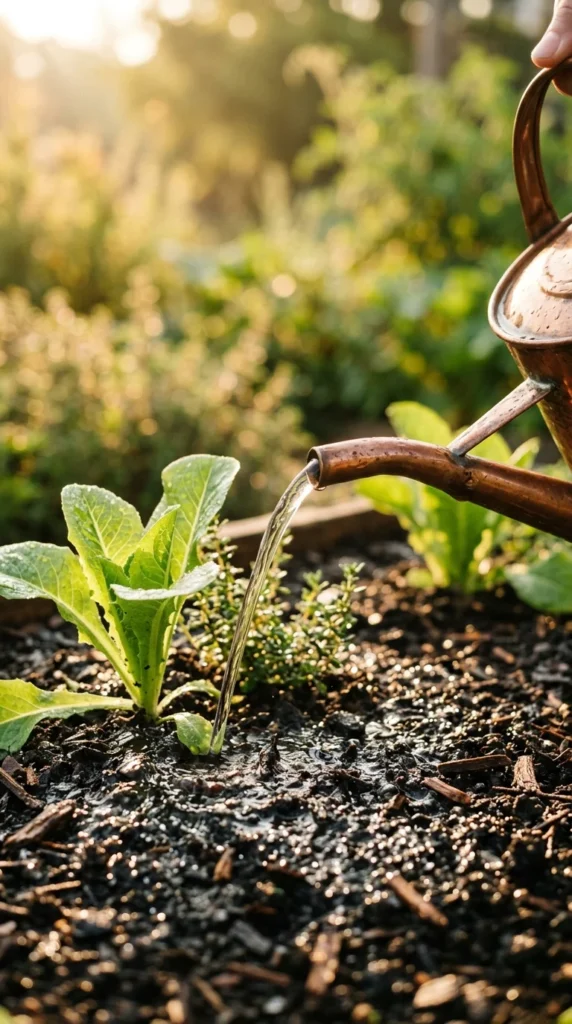
When and how you water can make or break your organic garden. The best time to water is early in the morning. This allows the water to soak deep into the soil before the heat of the sun causes it to evaporate. It also ensures that any water that gets on the leaves has time to dry off during the day, which prevents the growth of fungal diseases like powdery mildew. Always aim for the base of the plant rather than spraying the foliage. Deep, infrequent watering encourages plants to grow deep root systems, making them more resilient during dry spells.
7. Native Varieties
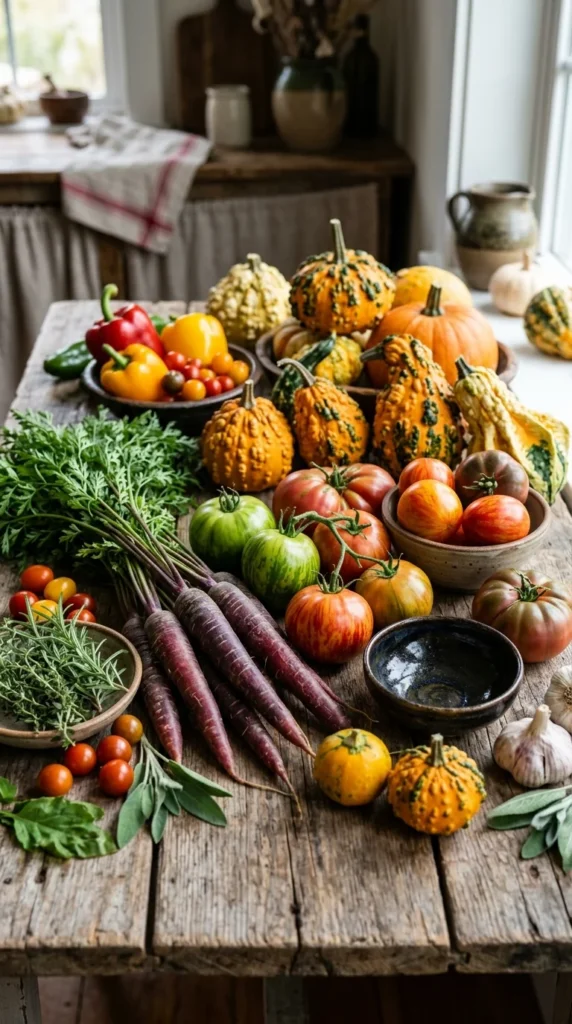
For a successful organic garden, choose vegetable varieties that are naturally adapted to your local climate. Heirloom and native seeds are often hardier and more resistant to local pests and diseases than hybrid varieties bred for industrial farming. These plants have spent generations adapting to specific soil types and weather patterns. By growing native or heirloom varieties, you are also helping to preserve genetic diversity. Plus, the flavor profiles of heirloom vegetables are often far superior to the uniform, bland varieties found in grocery stores.
8. Natural Fertilizers
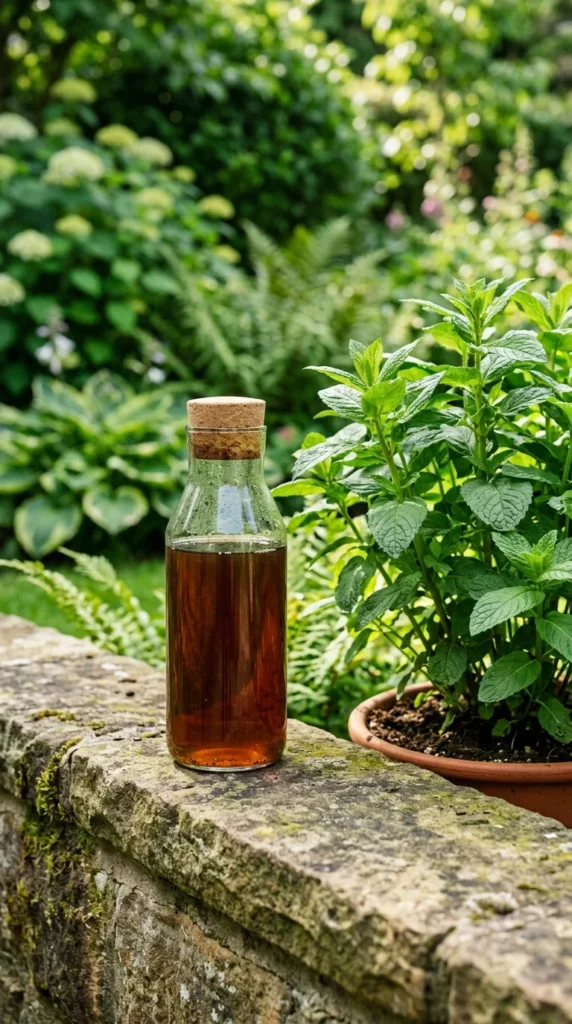
Even with great compost, your plants might need a little extra boost during the peak of the growing season. In an organic system, look for natural fertilizers like liquid seaweed, fish emulsion, or compost tea. These provide a quick dose of micronutrients without the harsh salts found in synthetic versions. Bone meal can be used to add phosphorus for root and flower development, while blood meal provides a nitrogen punch for leafy growth. Always follow the instructions on the package, as even natural fertilizers can be overused.
9. Beneficial Insects

Not all bugs are bad! In an organic garden, your goal is to achieve a balance between “pests” and “predators.” Ladybugs, lacewings, and hoverflies are your best friends because they feast on common pests like aphids and mites. To attract these “good guys,” plant a variety of flowers and herbs such as dill, fennel, and cosmos near your vegetables. By avoiding broad-spectrum pesticides, you allow these natural defenders to thrive, creating a self-regulating pest control system that saves you work and protects your harvest.
10. Crop Rotation
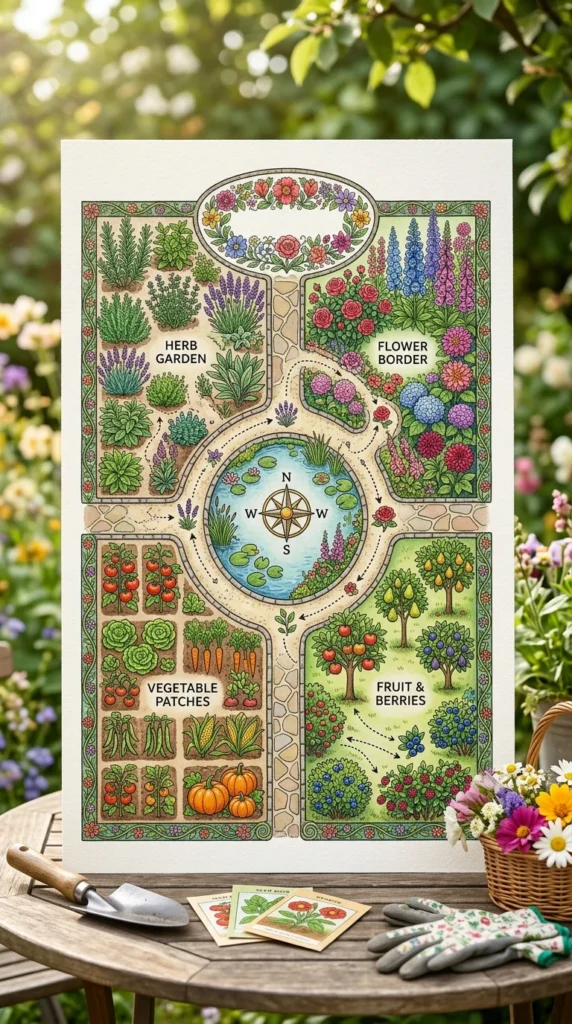
Planting the same type of vegetable in the same spot year after year is an invitation for trouble. Pests and diseases that target specific plant families can build up in the soil, and certain plants deplete the same nutrients repeatedly. Crop rotation involves moving plant families (like the nightshades: tomatoes, peppers, potatoes) to a different bed each year. A simple four-year rotation plan helps break the life cycles of pests and allows the soil to recover. For instance, follow nitrogen-hungry corn with nitrogen-fixing beans to naturally restore soil balance.
11. Raised Beds
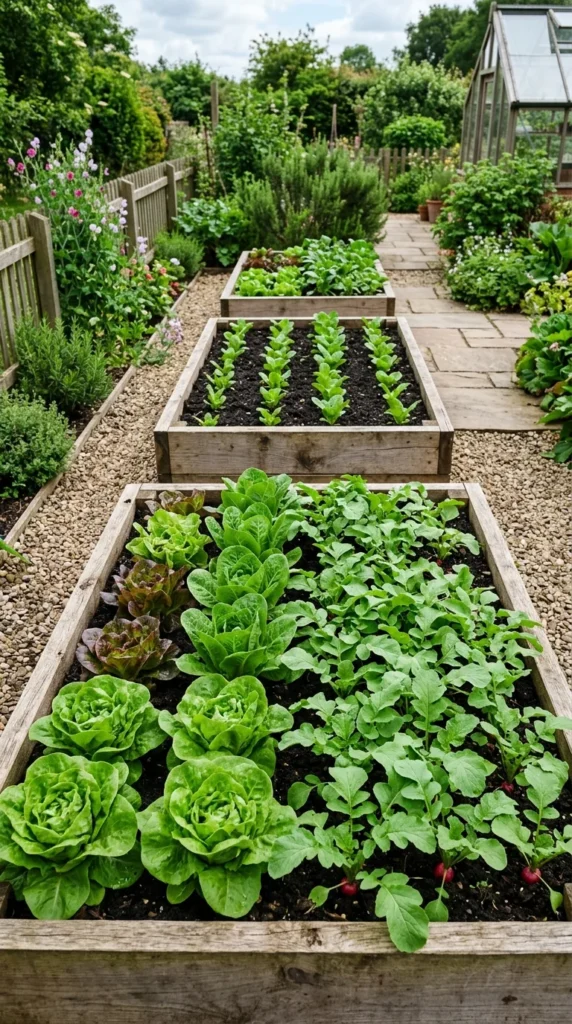
For beginners, raised beds are often the easiest way to start an organic garden. They give you total control over the soil quality and drainage. Because you never walk on the soil in a raised bed, it stays light and airy, which is perfect for root growth. Raised beds also warm up faster in the spring, allowing you to plant earlier. They provide a clear physical boundary for your garden, making it easier to manage weeds and pests. You can build them out of cedar, stone, or even recycled materials, as long as they haven’t been treated with toxic chemicals.
12. Seed Quality
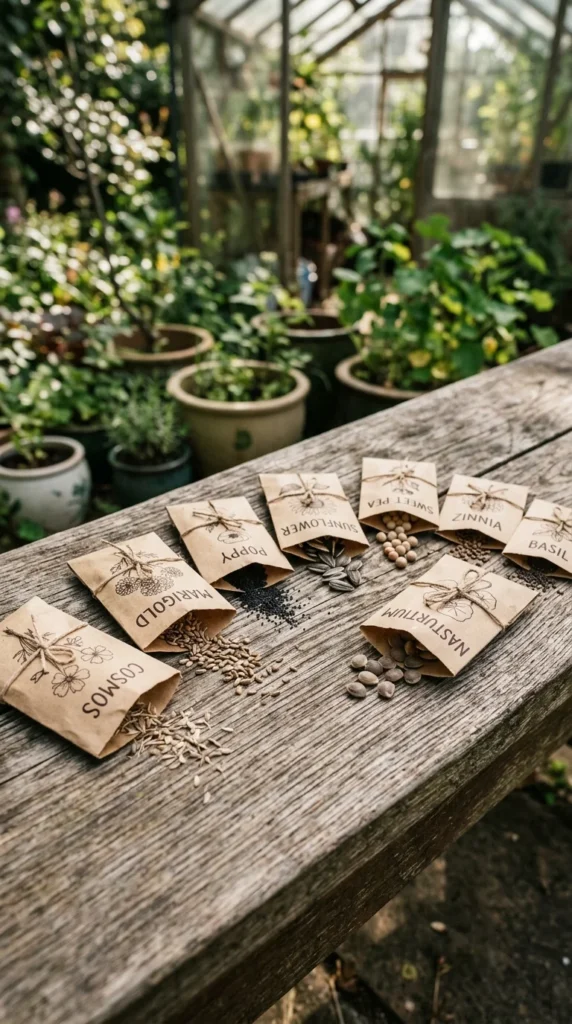
Your garden is only as good as the seeds you start with. When shopping for seeds, look for labels that say “USDA Organic” or “Non-GMO Project Verified.” This ensures that the seeds were produced without synthetic pesticides or genetic engineering. Investing in high-quality seeds from reputable organic nurseries often results in higher germination rates and stronger seedlings. If you find a variety that performs exceptionally well in your garden, you can even learn to save your own seeds for the following year, truly closing the loop of your organic system.
13. Weed Management
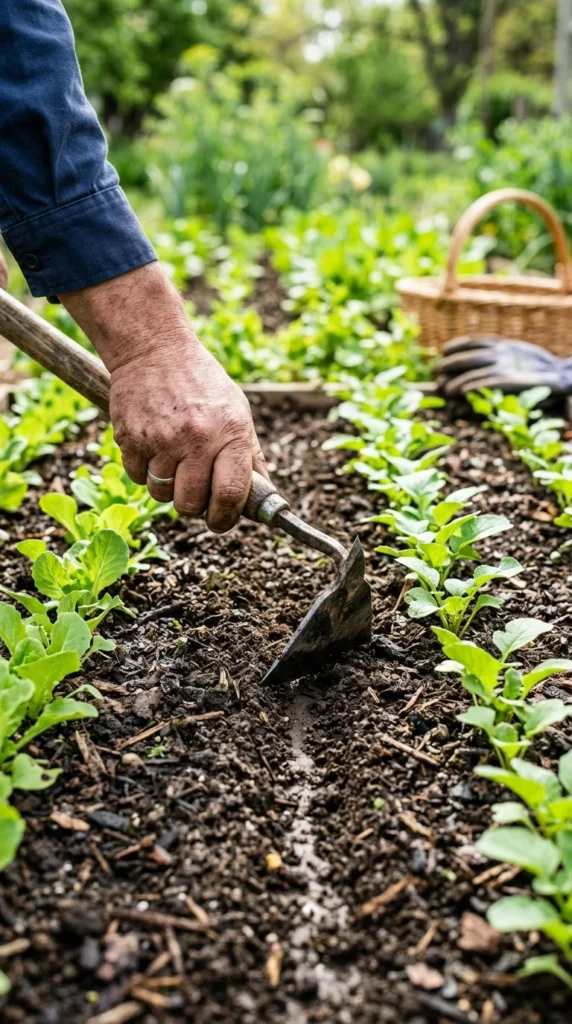
Weeds are just plants in the wrong place, but in a vegetable garden, they compete with your crops for water, light, and nutrients. The key to organic weed management is “early and often.” Don’t wait for weeds to become huge; pull them while they are small and their roots are shallow. Using a hand hoe to lightly disturb the soil surface on a sunny day can kill tiny weed seedlings before they take hold. By keeping up with weeding, you prevent them from going to seed and creating thousands of new problems for next year.
14. Vertical Gardening
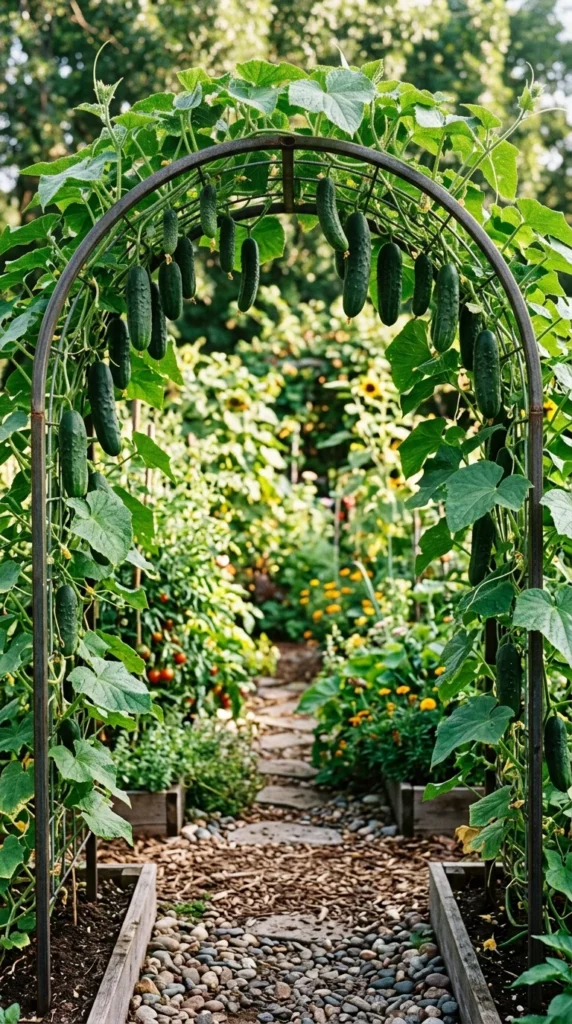
If you have limited space, think vertically! Many organic vegetables, like pole beans, cucumbers, peas, and even small squash, love to climb. Using trellises, stakes, or cages saves valuable ground space and keeps the fruit off the damp soil, which reduces the risk of rot and soil-borne diseases. Vertical gardening also improves air circulation around the plants, which is a natural way to prevent fungal issues. It makes harvesting much easier on your back, as most of the produce will be at eye or waist level.
15. Pollinator Support
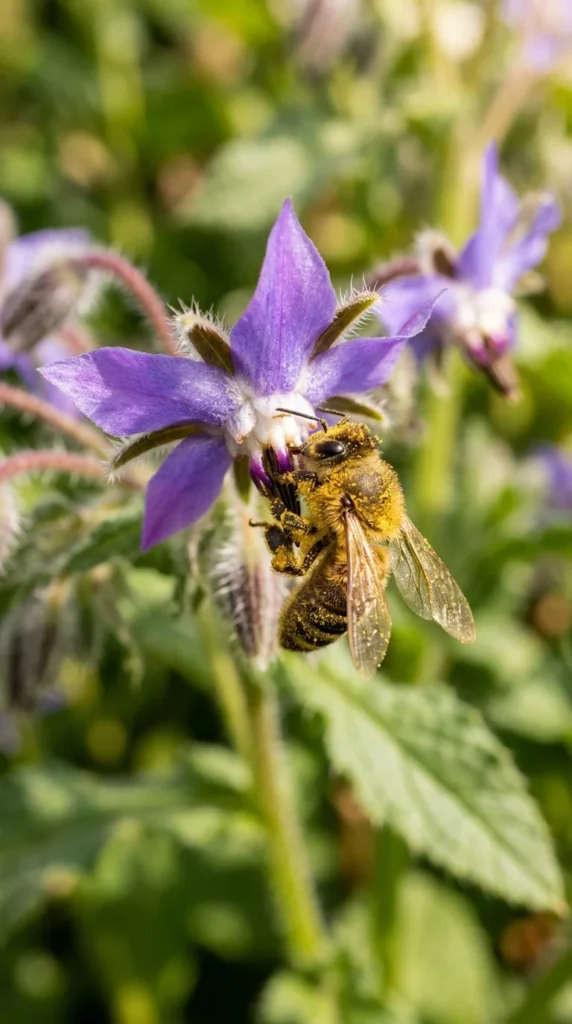
Without pollinators, many of our favorite vegetables—like squash, melons, and cucumbers—simply wouldn’t grow. To ensure a bountiful harvest, you need to invite bees, butterflies, and other pollinators into your garden. Dedicate a portion of your garden to flowering plants that bloom at different times throughout the season. Native wildflowers are particularly effective. Avoid using any type of insecticide, even organic ones like Neem oil, during the day when pollinators are active, as these can still harm beneficial visitors.
16. Record Keeping
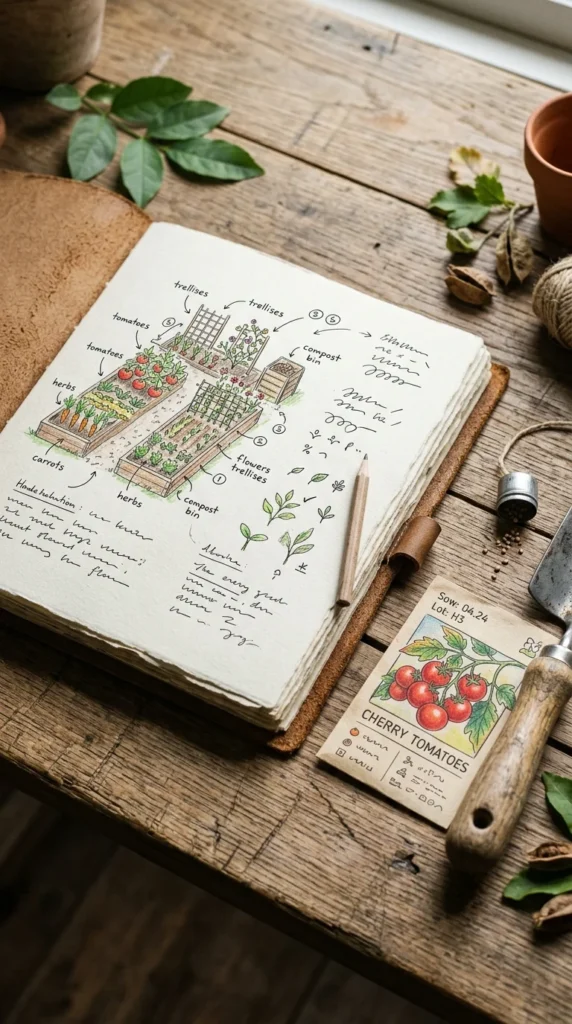
One of the most important tools for a beginner gardener is a notebook. Each season, record what you planted, where you planted it, and how it performed. Note when you saw the first pests, when the first frost occurred, and which varieties tasted the best. This personal “garden diary” becomes an invaluable resource over the years. It helps you remember which plants to rotate and alerts you to patterns in your microclimate. Learning from your own successes and failures is the fastest way to become an expert organic grower.
17. Harvesting Early
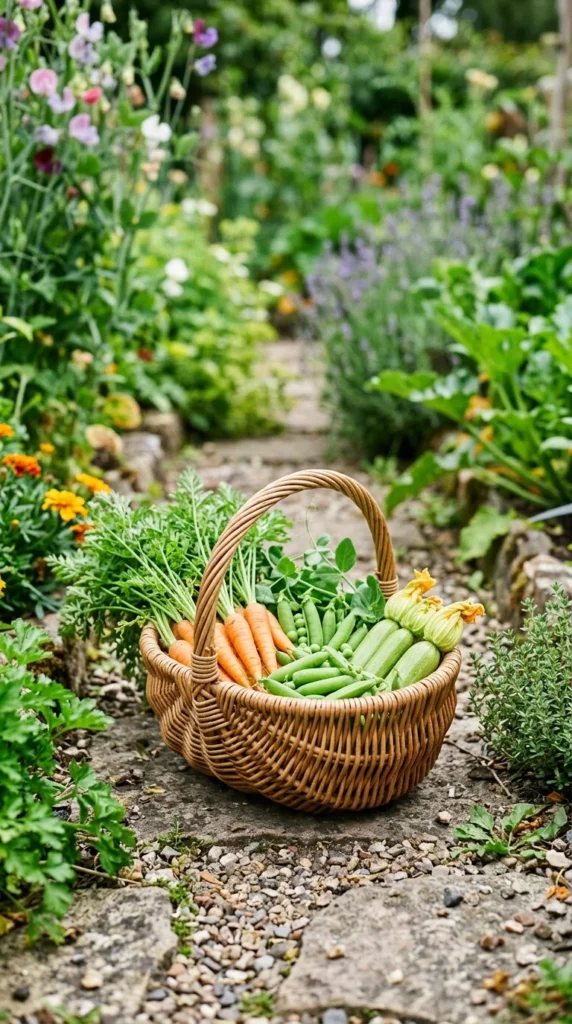
For the best flavor and texture, harvest your organic vegetables when they are young and tender. Many beginners wait too long, hoping for “giant” produce, but oversized vegetables often become woody, bitter, or tough. Picking frequently also encourages the plant to produce more. For example, the more you harvest beans and zucchini, the more the plant will produce to try and create seeds. Regular harvesting keeps the plant’s energy focused on production rather than maturing seeds, leading to a much higher total yield over the course of the season.