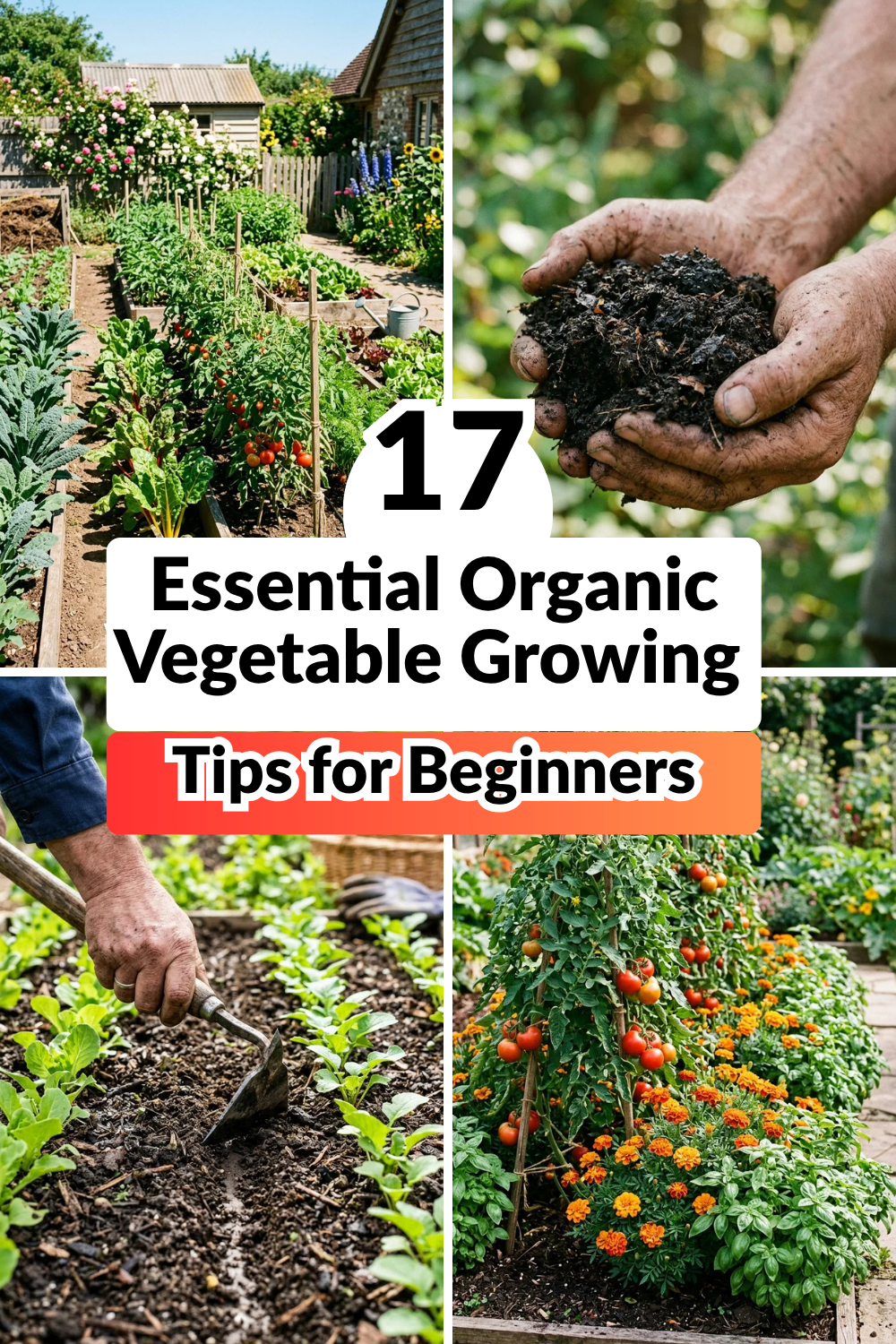
There is nothing quite like the satisfaction of walking into your backyard and returning with a basket full of fresh, organic produce. However, the difference between a struggling patch of wilted greens and a high-yielding “victory garden” often comes down to a few expert techniques. If you want to stop settling for a handful of cherry tomatoes and start harvesting bushels of produce, you need to optimize every stage of the growing process. From the microscopic health of your soil to the way you trellis your vines, every detail contributes to the final weight of your harvest.
1. Soil Quality
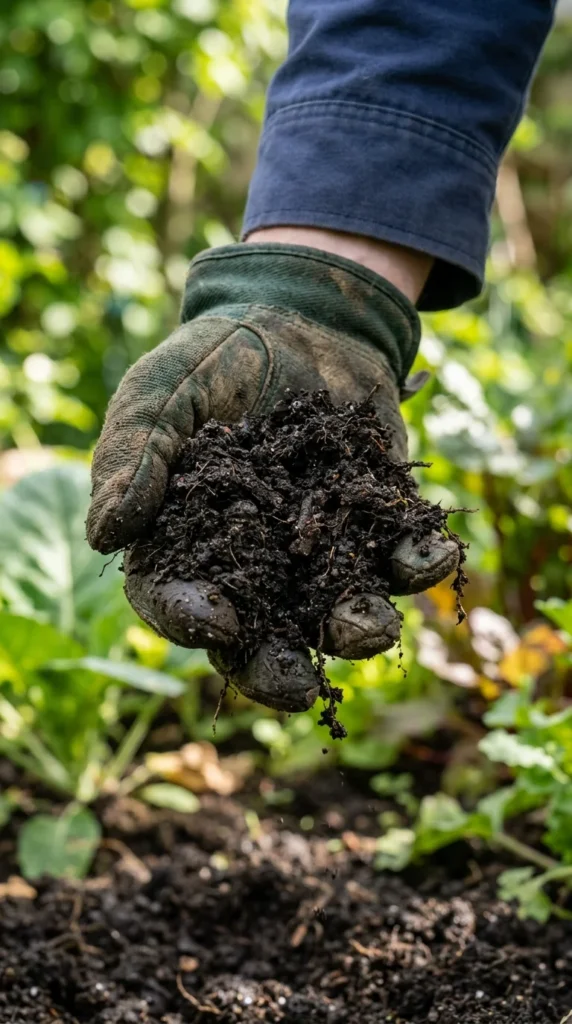
The secret to a massive harvest isn’t found in a bottle of chemicals; it’s found in the ground. Soil is a living ecosystem, and if your soil is depleted, your plants will be stunted. High-yielding gardens require soil that is rich in organic matter, which provides a steady stream of nutrients and supports beneficial microbial life.
To improve your soil, incorporate generous amounts of well-rotted compost or aged manure before planting. This improves the soil structure—making it “loamy”—which allows roots to penetrate deeper and access more water. If your soil is too sandy, water drains too fast; if it’s too clay-heavy, roots drown. Organic matter solves both problems, creating the perfect foundation for explosive growth.
2. Sun Exposure
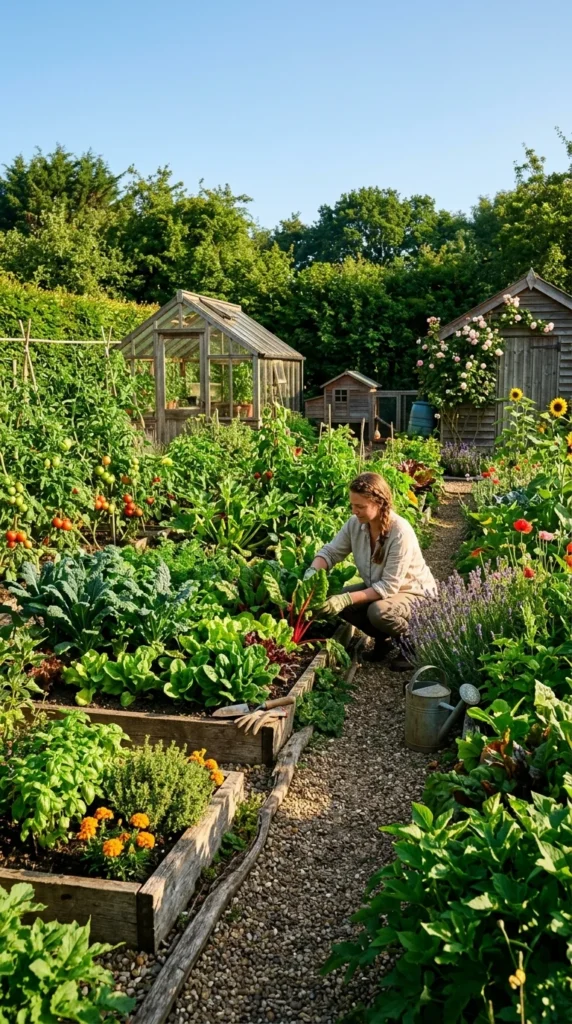
Vegetables are essentially solar-powered machines. While some leafy greens like spinach and lettuce can tolerate partial shade, the “heavy hitters”—tomatoes, peppers, cucumbers, and melons—require a minimum of six to eight hours of direct sunlight per day.
Sunlight drives photosynthesis, the process by which plants turn light into the sugars that grow the fruit. If your garden is shaded for half the day, your plants will focus their limited energy on survival rather than production. When planning your garden, track the sun’s path throughout the day to ensure your most productive crops are positioned in the “hot spots” of your yard.
3. Proper Spacing
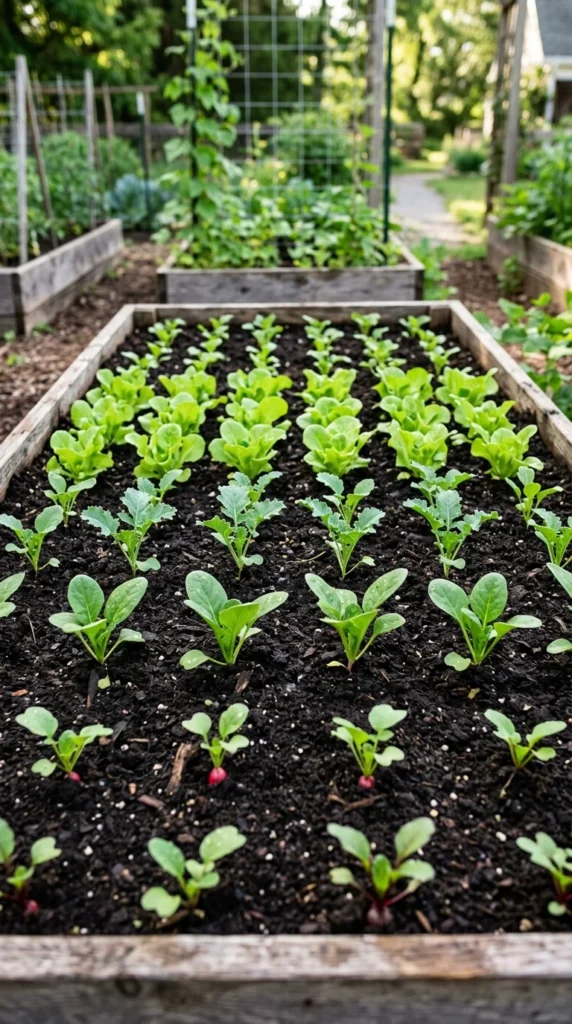
It is tempting to crowd as many seedlings as possible into a small space, but overcrowding is a harvest-killer. When plants are too close together, they compete for the same pool of nutrients and water. More importantly, poor spacing restricts airflow, creating a humid environment where fungal diseases like powdery mildew and blight thrive.
Follow the spacing recommendations on seed packets meticulously. Proper spacing ensures that each plant has enough “elbow room” to reach its full genetic potential. When plants have space to breathe, they grow stronger stems and produce larger, more frequent fruits because they aren’t stressed by their neighbors.
4. Consistent Irrigation
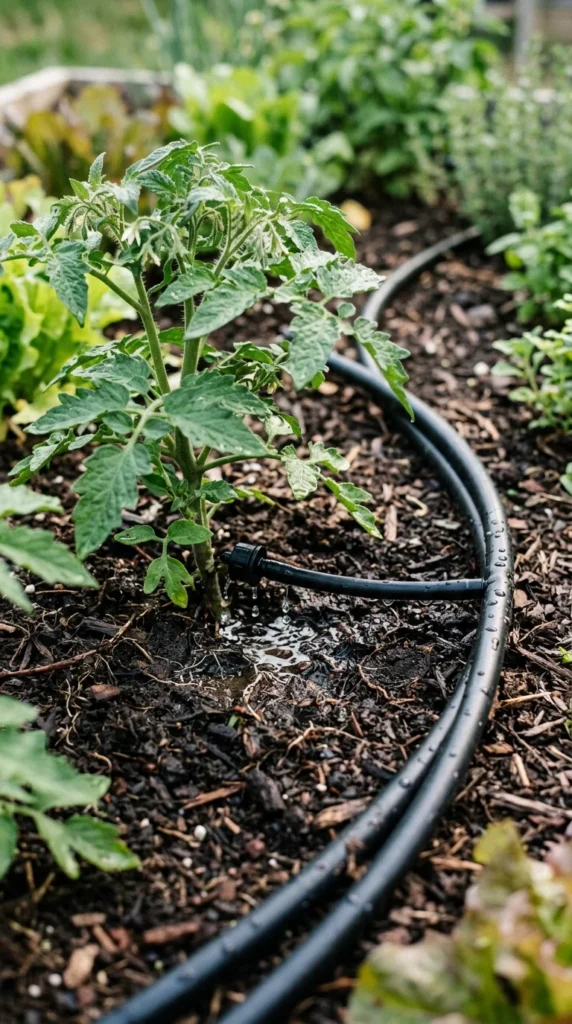
Plants thrive on consistency. If you let your soil bone-dry and then flood it with water, you cause physiological stress that leads to issues like blossom end rot in tomatoes or “bolting” in lettuce. Deep, consistent watering is the key to a heavy harvest.
Aim to water early in the morning so the moisture can soak deep into the root zone before the heat of the day evaporates it. Using a drip irrigation system or a soaker hose is far more effective than overhead sprinkling, as it delivers water directly to the roots and keeps the foliage dry, which prevents disease.
5. Organic Mulching
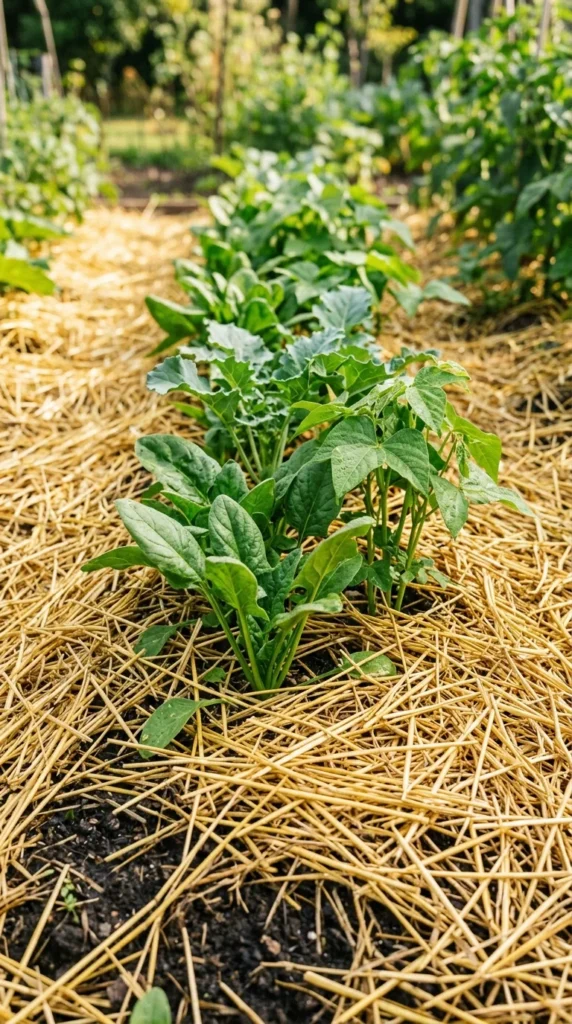
Mulch is a gardener’s best friend. By covering the soil with a 2-to-3-inch layer of organic material—like straw, shredded leaves, or wood chips—you create a protective barrier. This barrier regulates soil temperature, keeping roots cool in the summer heat, and drastically reduces water evaporation.
Furthermore, mulch suppresses weeds that would otherwise steal nutrients from your vegetables. As the organic mulch breaks down over the season, it also adds a slow-moving stream of nutrients back into the soil, keeping the cycle of growth moving forward.
6. Companion Planting
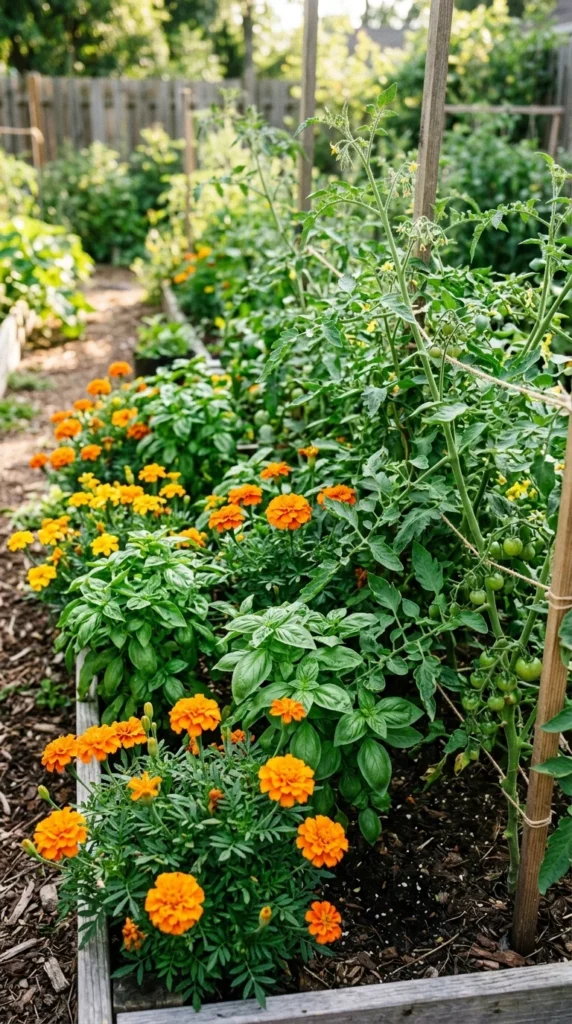
Plants, much like people, have “friends” that help them grow better. Companion planting is the practice of placing specific plants together to enhance growth or repel pests. For example, planting basil near tomatoes is said to improve the flavor of the fruit and repel certain flies.
Marigolds are a classic companion for almost any vegetable because their scent confuses pests and their roots can deter harmful nematodes in the soil. By creating a polyculture rather than a monoculture, you create a more resilient garden that can defend itself against infestations, leading to a much higher survival rate for your crops.
7. Succession Planting
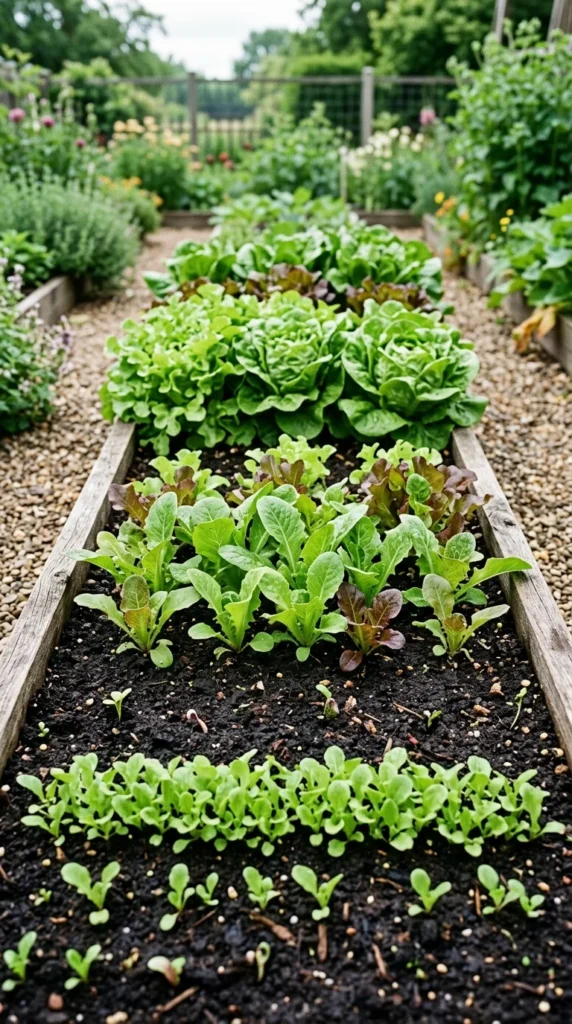
Don’t plant everything at once. If you plant all your bush beans on May 1st, you will have a massive harvest in July and then nothing for the rest of the summer. To maximize your total annual harvest, use succession planting.
This involves planting small batches of seeds every two to three weeks. As one crop finishes its life cycle, the next one is just beginning to produce. This ensures a steady, manageable supply of food throughout the entire growing season and prevents the “glut and famine” cycle that often happens in beginner gardens.
8. Pollinator Attraction
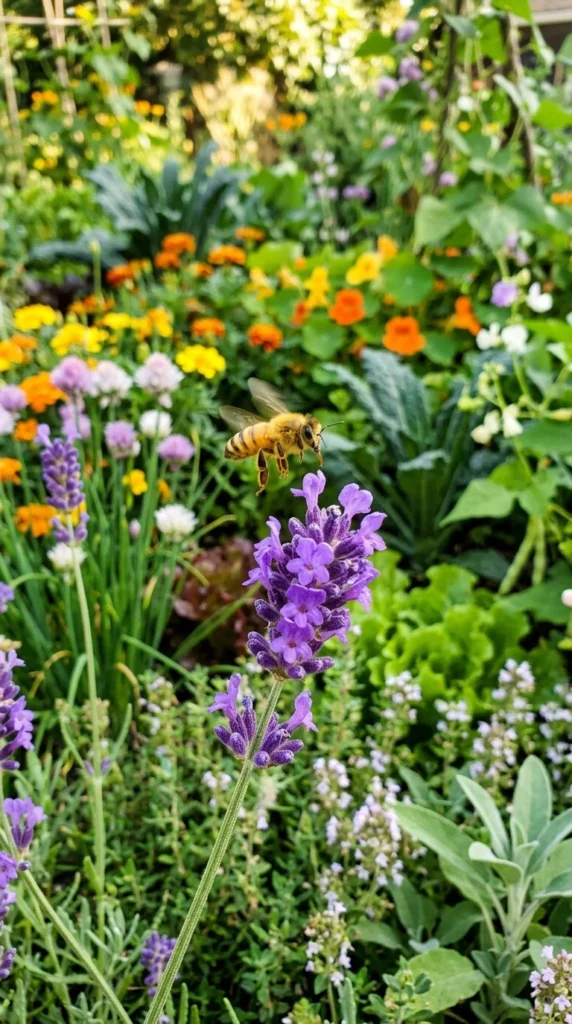
If your plants are flowering but not producing fruit, you likely have a pollination problem. Vegetables like squash, cucumbers, and melons rely on insects to move pollen from male flowers to female flowers. Without pollinators like bees and butterflies, those flowers will simply shrivel and fall off.
To boost your harvest, plant “pollinator magnets” like lavender, zinnias, and sunflowers in and around your vegetable beds. These flowers draw in the insects your vegetables need. The more bees you have buzzing through your garden, the higher the “fruit set” percentage will be.
9. Strategic Fertilization
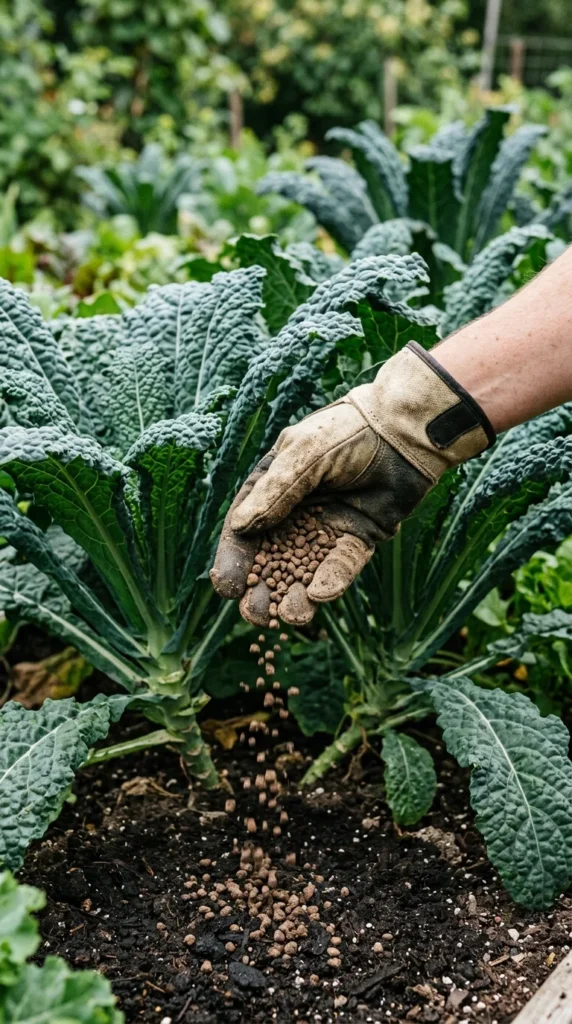
While good soil is the base, high-producing plants often need a mid-season boost. Think of fertilizer as a multivitamin. Nitrogen promotes leafy green growth, phosphorus encourages root development and flowering, and potassium supports overall plant health and disease resistance.
For the biggest harvests, use a balanced organic liquid fertilizer or compost tea every few weeks during the peak of the growing season. Be careful not to over-fertilize with nitrogen late in the season for fruiting plants like tomatoes, or you’ll end up with a massive green bush but no actual fruit.
10. Regular Pruning
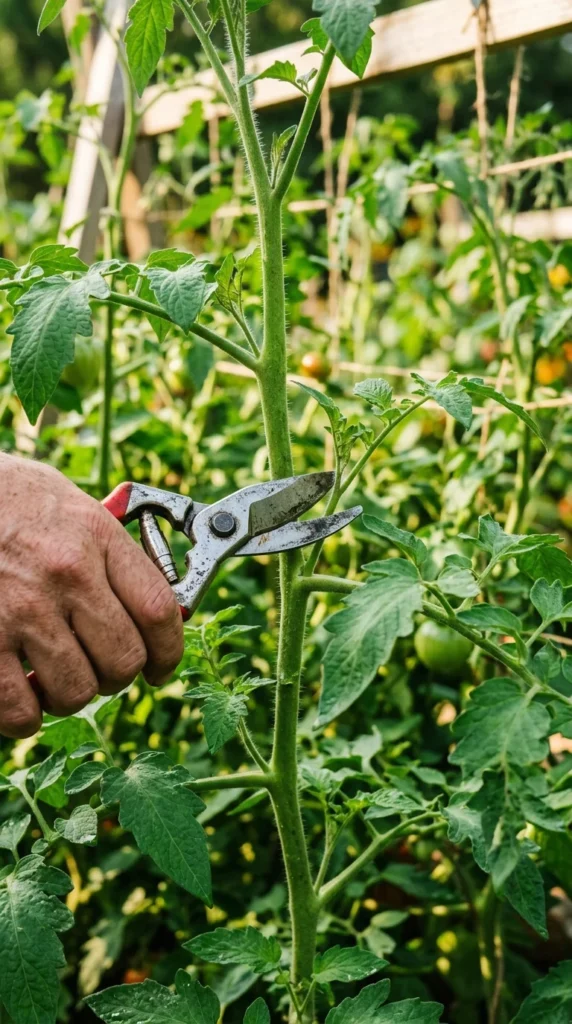
It may feel counterintuitive to cut off parts of your plant, but pruning is essential for a big harvest. In plants like tomatoes, “suckers”—small shoots that grow in the crotch between the main stem and a branch—take up energy but rarely produce quality fruit.
By pruning away these excess stems, you force the plant to direct all its energy into the main fruit-bearing clusters. Pruning also improves airflow and allows sunlight to reach the inner parts of the plant, which speeds up the ripening process and prevents rot.
11. Pest Management
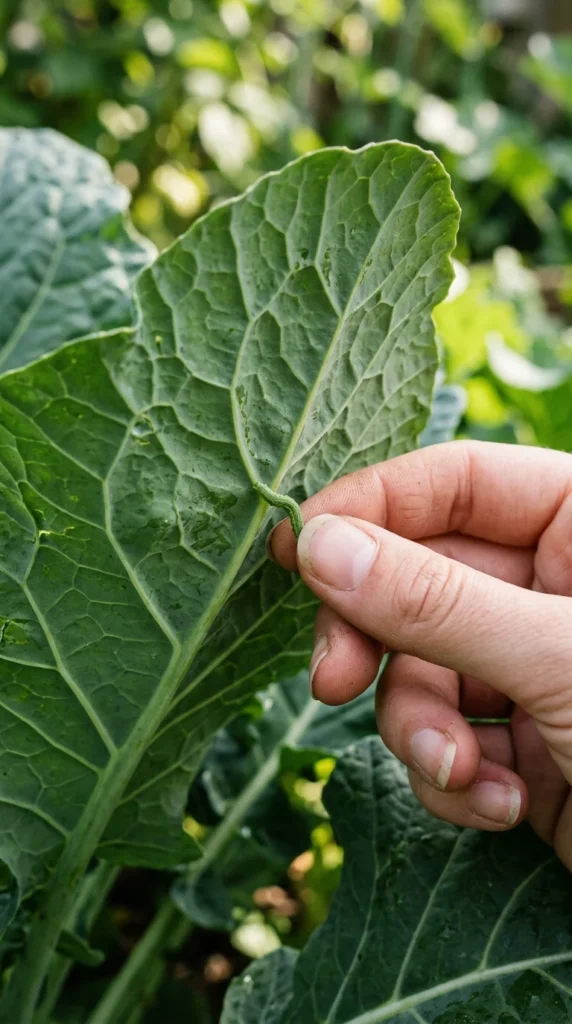
A single pest outbreak can wipe out weeks of hard work. The key to a big harvest is “Integrated Pest Management,” which starts with daily inspections. Check the undersides of leaves for eggs and look for signs of chewing or discoloration.
Catching a problem early—like hand-picking a few hornworms or spraying a small colony of aphids with neem oil—prevents a full-blown infestation. Healthy, well-fed plants are also more resistant to pests, so a strong defense starts with the health tips mentioned above.
12. Raised Beds
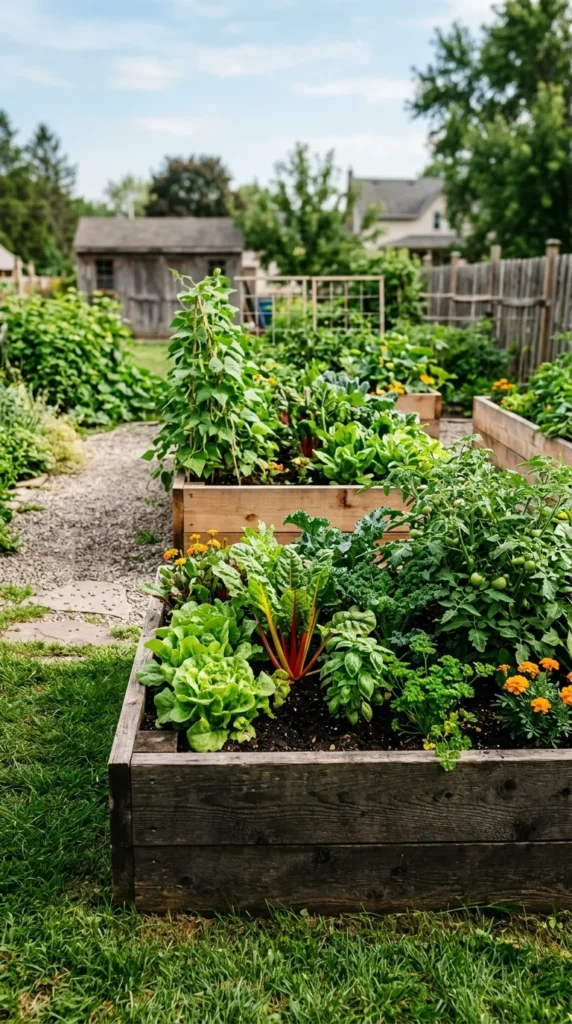
If your backyard soil is poor or you have drainage issues, raised beds are a game-changer. Because the soil in a raised bed isn’t stepped on, it stays loose and aerated, allowing roots to grow much faster and larger.
Raised beds also warm up earlier in the spring, allowing you to plant sooner and extend your growing season. They provide better drainage during heavy rains, preventing root rot, and they make it much easier to control the quality of the soil you are using. Better control over the environment almost always leads to a bigger harvest.
13. Vertical Gardening
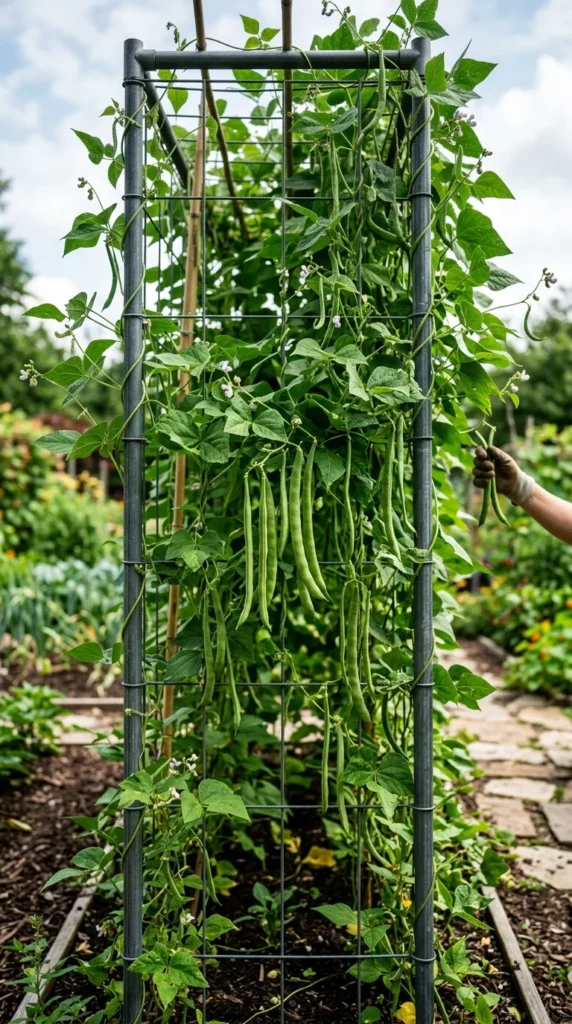
Don’t just garden horizontally; go vertical! Many vegetables, like cucumbers, pole beans, and even small melons, love to climb. Growing vertically saves precious ground space, allowing you to plant more varieties in the same square footage.
Vertical gardening also keeps the fruit off the ground, which reduces the risk of soil-borne diseases and pest damage from slugs or rodents. Plus, harvesting is much easier on your back when you can pick your vegetables at eye level! By utilizing trellises and cages, you turn your garden into a 3D production factory.