Creating a flower garden is more than just a hobby; it is an act of artistic expression that transforms a patch of earth into a living masterpiece. Whether you have a sprawling backyard or a tiny urban balcony, the right floral arrangement can elevate your home’s aesthetic and provide a peaceful sanctuary for your soul. From the wild, untamed beauty of a meadow to the structured elegance of a formal estate, there are endless ways to bring color and life to your outdoor space.
In this guide, we explore 19 stunning flower garden ideas designed to inspire your green thumb. Each concept focuses on different styles, maintenance levels, and sensory experiences, ensuring there is something for every gardener.
1. Rose Arches
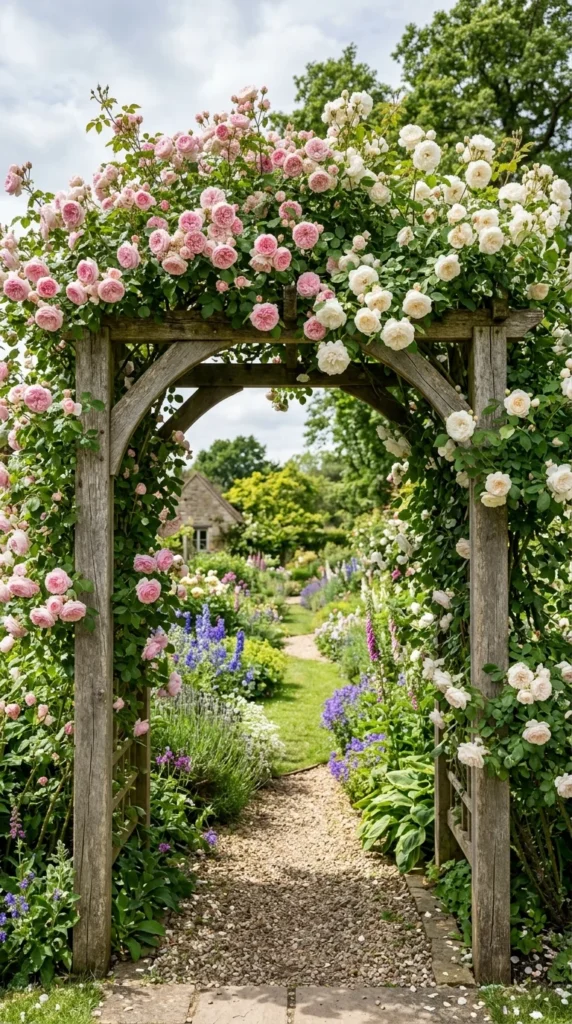
Nothing says romance quite like a rose-covered archway. This classic garden feature creates a dramatic entrance or a focal point that draws the eye upward. Climbing roses, such as the ‘Eden’ or ‘Cecile Brunner’ varieties, are perfect for this as they vigorously wrap around structures. The key to a successful rose arch is regular pruning and “training” the canes horizontally to encourage more blooms along the entire length of the arch rather than just at the top.
2. Wildflower Meadows
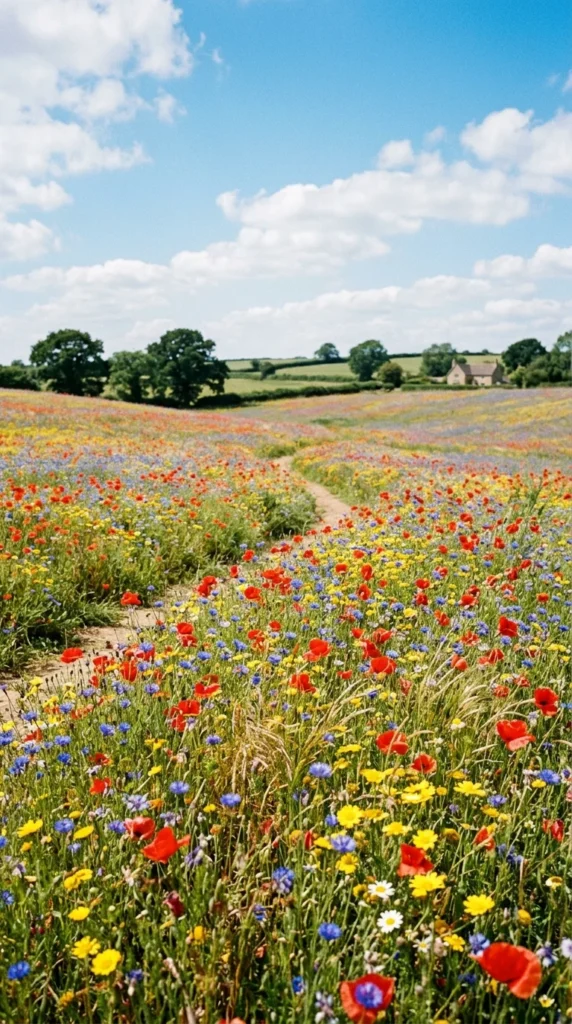
If you prefer a low-maintenance, “naturally messy” look, a wildflower meadow is the perfect solution. Instead of battling weeds, you embrace a diverse ecosystem that supports local bees and butterflies. Wildflowers are incredibly resilient and often thrive in poorer soil conditions. By sowing a mix of annuals and perennials, you ensure a rotating color palette that changes with the seasons, offering a rustic charm that requires very little water or fertilizer once established.
3. Cottage Gardens
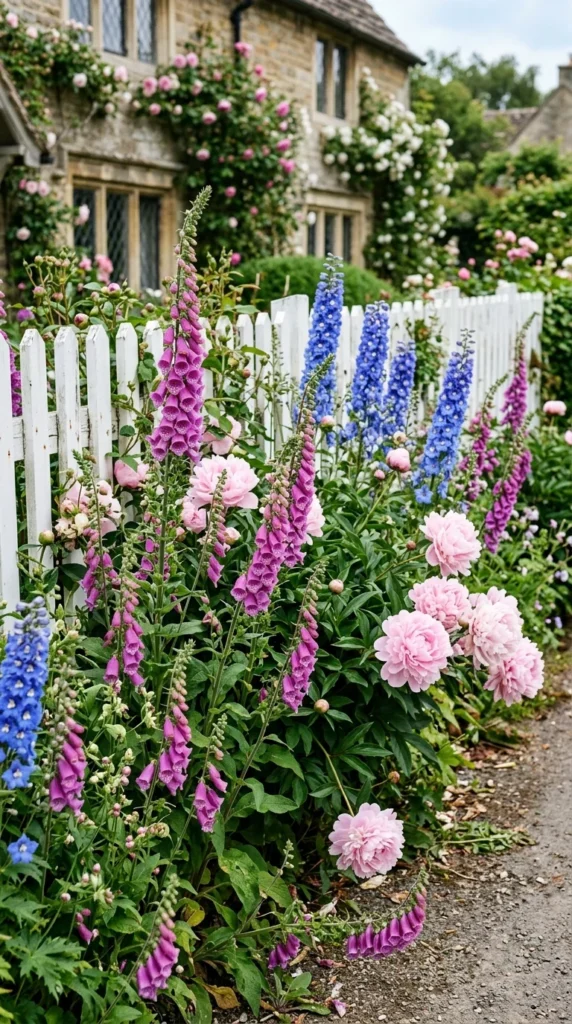
The quintessential cottage garden is all about abundance and “controlled chaos.” Traditionally, these gardens combined flowers, herbs, and even vegetables in a dense, informal layout. To achieve this look, avoid straight lines and instead plant in thick, overlapping clusters. Focus on old-fashioned favorites like hollyhocks, lavender, and sweet peas to create a fragrant, nostalgic atmosphere that feels like a scene from a storybook.
4. Vertical Gardens
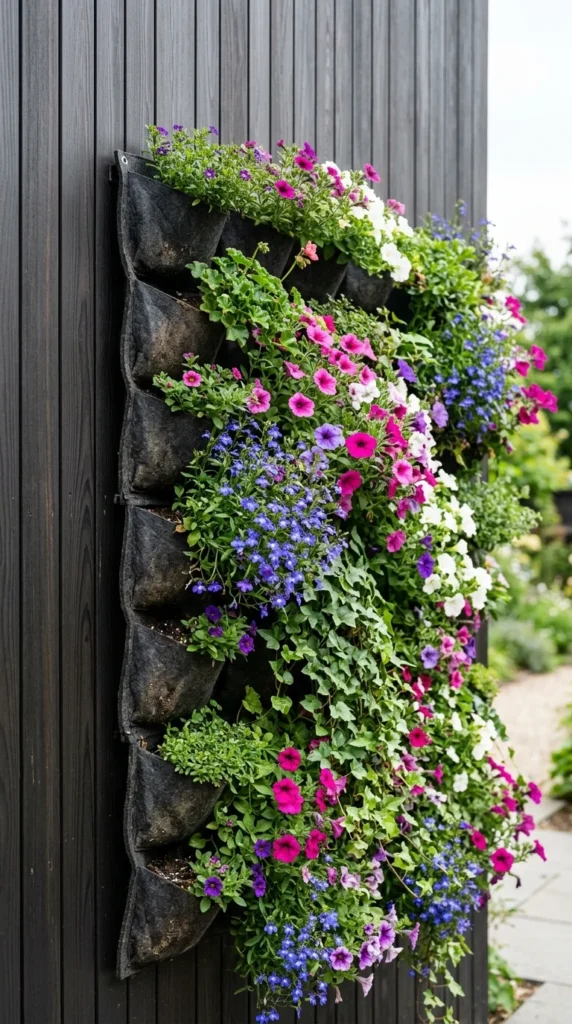
For those with limited ground space, the only way is up. Vertical gardens utilize walls, fences, or specialized towers to host a variety of blooms. This approach is perfect for balconies or small patios. You can use hanging succulents, cascading petunias, or even “living walls” of ferns and begonias. Beyond saving space, vertical gardens act as natural insulation for your home and can hide unsightly fences with a lush tapestry of color.
5. Layered Borders
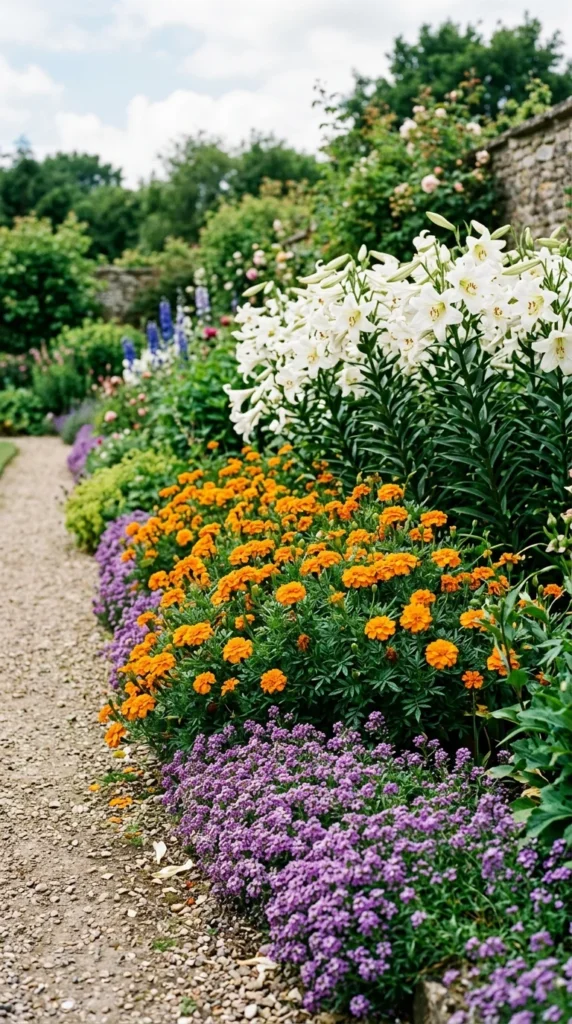
The secret to a professional-looking garden bed is layering. By arranging plants according to their height, you create a sense of depth and ensure that every flower gets its moment in the sun. Place the tallest varieties (like sunflowers or hollyhocks) at the back, mid-sized plants (like zinnias or echinacea) in the middle, and low-growing groundcovers (like pansies or creeping phlox) at the very front. This stadium-seating arrangement maximizes visual impact.
6. Moon Gardens
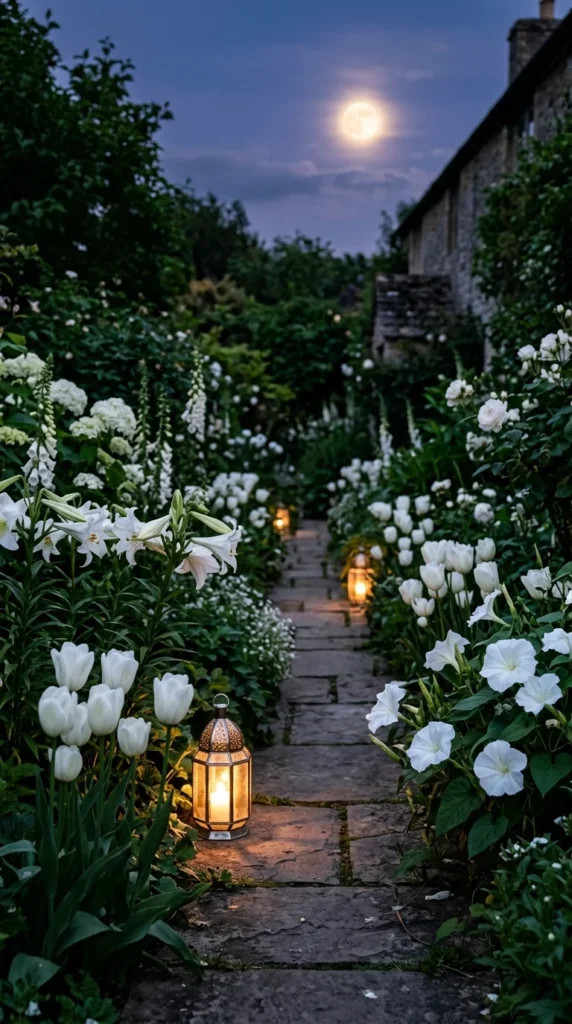
Most people enjoy their gardens during the day, but a “moon garden” is designed specifically for the evening. By using exclusively white or silver-foliaged plants, the garden reflects the moonlight, creating an ethereal, glowing effect after dark. Fragrance is also a major component; flowers like night-blooming jasmine, tuberoses, and moonflowers release their intoxicating scents as the sun goes down, providing a sensory experience that is truly magical.
7. Zen Rock Gardens
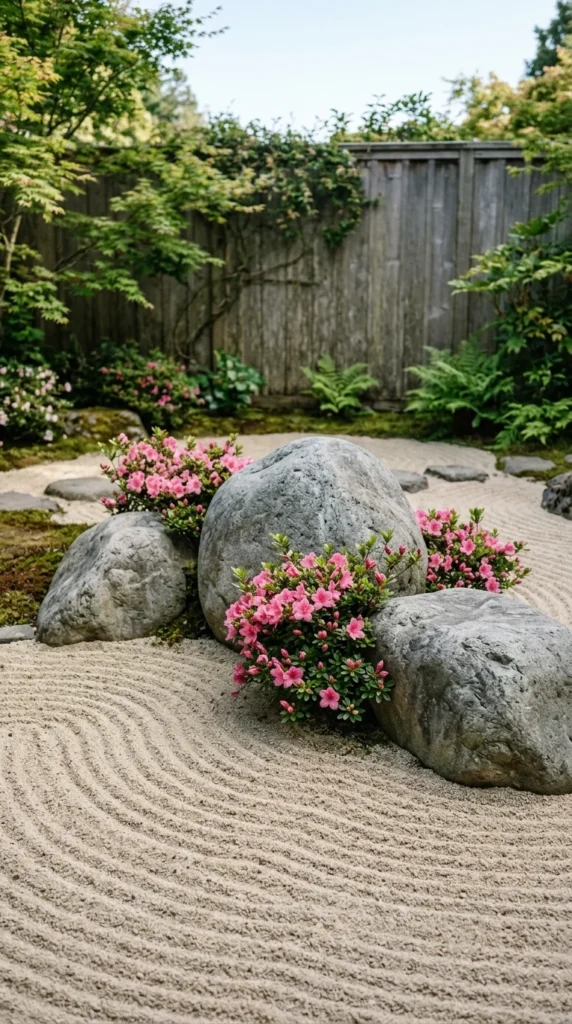
For a space focused on meditation and tranquility, a Zen-inspired garden is ideal. These designs prioritize structure, balance, and simplicity over vibrant riots of color. While rocks, sand, and gravel form the foundation, the addition of specific flowering shrubs—like rhododendrons or Japanese camellias—adds a soft, seasonal touch. The contrast between the hard, permanent stones and the delicate, fleeting flowers creates a profound sense of harmony.
8. Window Boxes
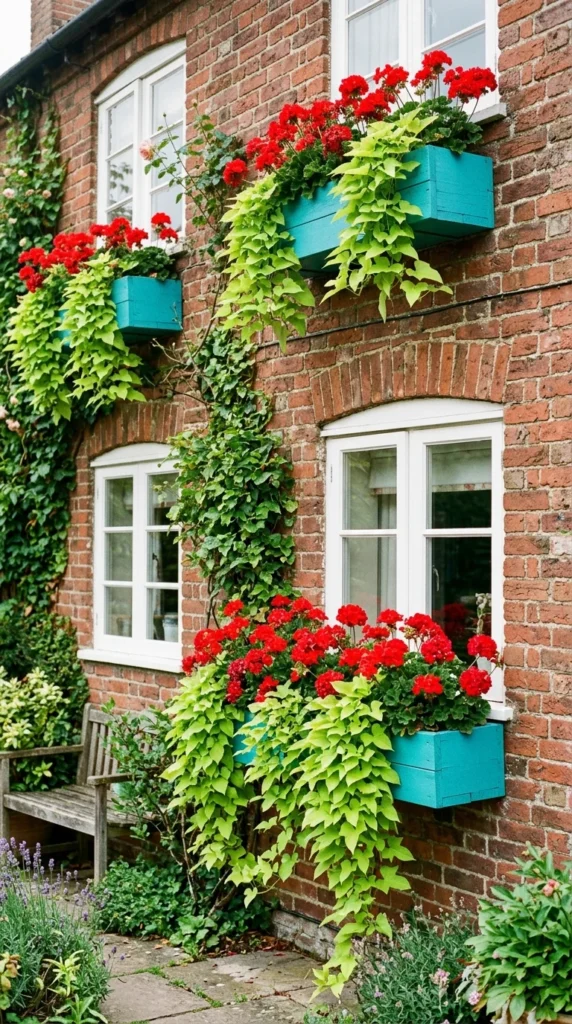
Window boxes are the ultimate “instant” garden. They provide a burst of color to the exterior of your home and can be viewed from both inside and out. The trick to a stunning window box is the “thriller, filler, spiller” method: use a tall plant for drama (thriller), mounded plants to take up space (filler), and trailing plants to cascade over the edge (spiller). They are also easy to swap out seasonally, allowing for pansies in the spring and kale or mums in the autumn.
9. Tropical Oasis
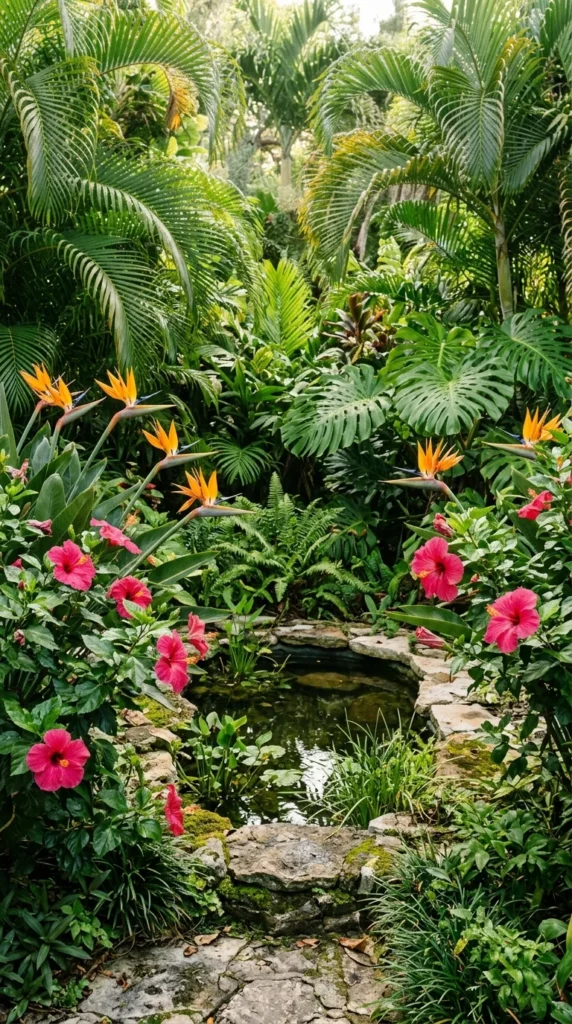
Even in temperate climates, you can evoke a tropical vibe by using plants with large, dramatic foliage and saturated colors. Think bold canna lilies, exotic hibiscus, and hardy palms. These gardens thrive on moisture and heat, creating a private jungle-like retreat. Adding a water feature or some bamboo fencing can further enhance the “vacation at home” feeling, making your backyard feel like a hidden resort.
10. Cutting Gardens
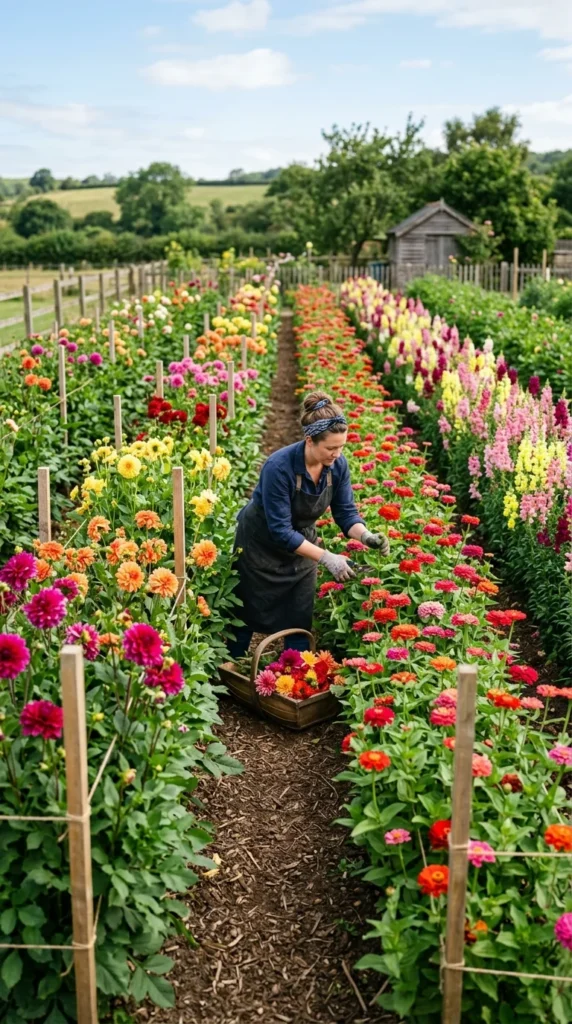
If you love having fresh flowers inside your home, dedicate a portion of your yard to a cutting garden. Unlike decorative beds, a cutting garden is arranged for efficiency—usually in rows—making it easier to harvest blooms without ruining the look of your main landscape. Focus on “cut-and-come-again” varieties like dahlias, sweet peas, and cosmos, which actually produce more flowers the more you pick them.
11. Herb & Flower Mix
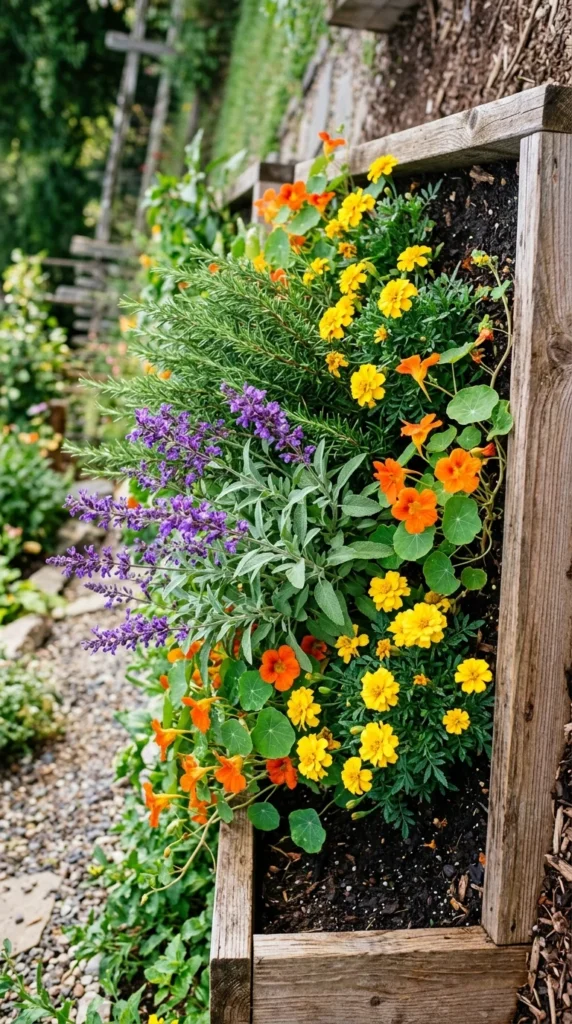
Who says beauty and utility can’t coexist? Mixing flowering herbs with traditional garden blooms is a smart way to maximize space. Herbs like lavender, chives, and sage produce beautiful flowers that attract pollinators, while flowers like nasturtiums and marigolds are edible and help deter pests from your culinary plants. This companion planting approach creates a hardworking garden that looks as good as it tastes.
12. Potted Clusters
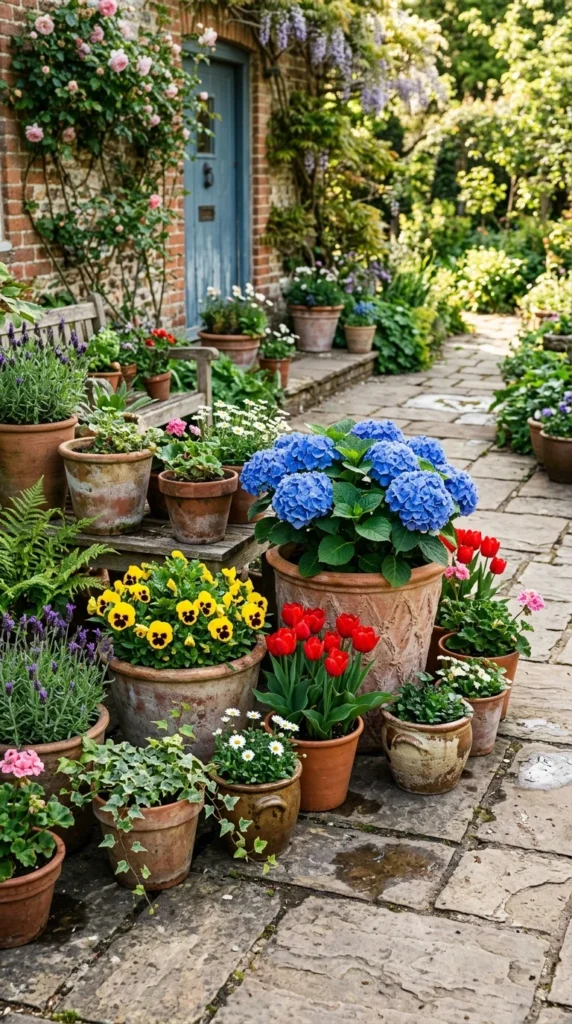
Container gardening is the most versatile way to decorate an outdoor space. By grouping pots of varying heights, textures, and colors together, you can create a dynamic display that can be moved and rearranged at will. This is particularly useful for sensitive plants that need to be brought indoors during winter. Using a consistent color palette for the pots themselves can tie the look together even if the flowers inside are wildly different.
13. Lavender Paths
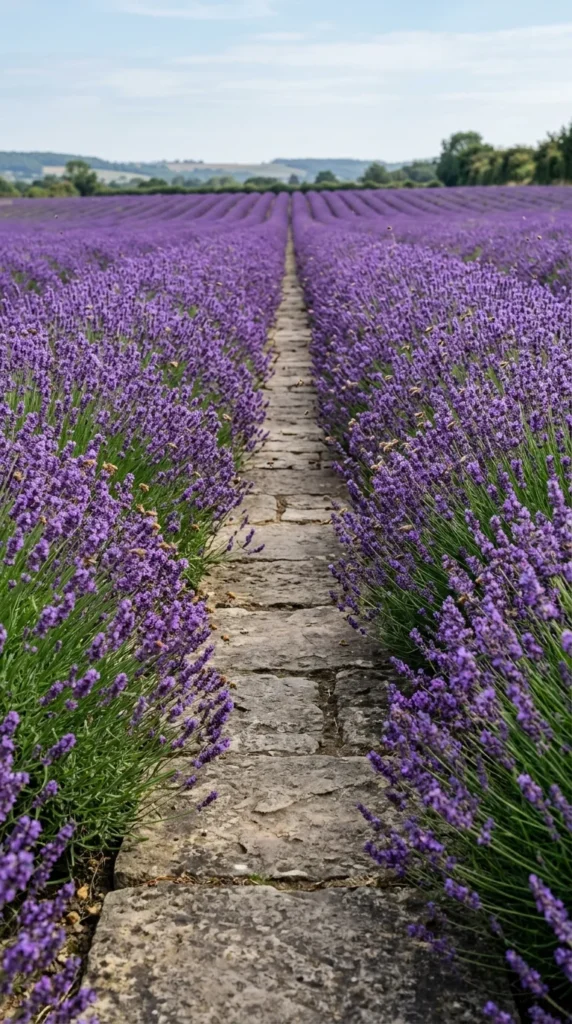
Imagine walking to your front door accompanied by the soothing scent of fresh lavender. Lining a path with this hardy, drought-tolerant perennial provides both visual structure and an incredible aroma. Lavender’s silvery-green foliage remains attractive even when it isn’t in bloom, and its neat, mounding habit keeps the path looking tidy. It is a classic Mediterranean touch that works beautifully in sunny, well-drained spots.
14. Shade Sanctuaries
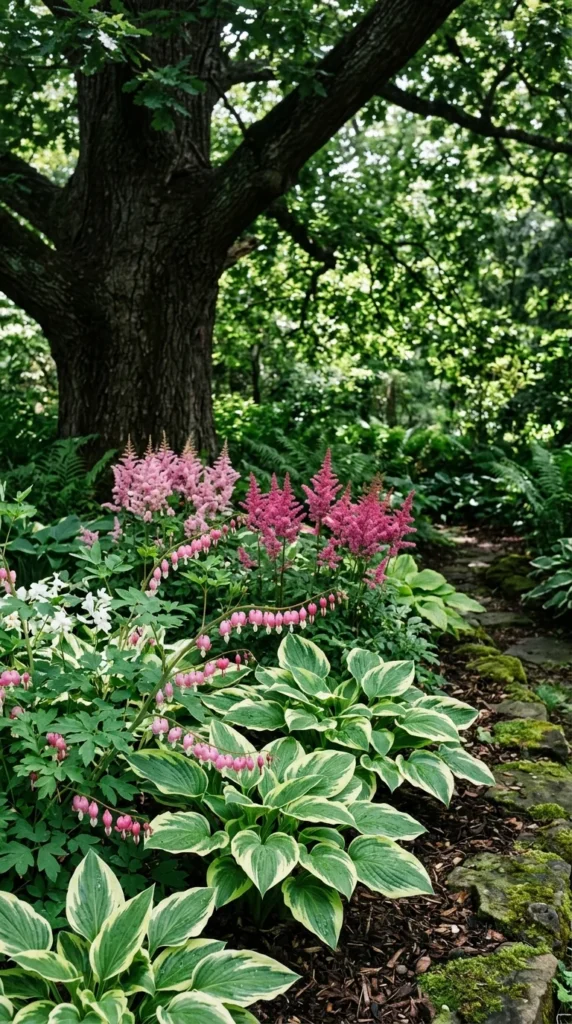
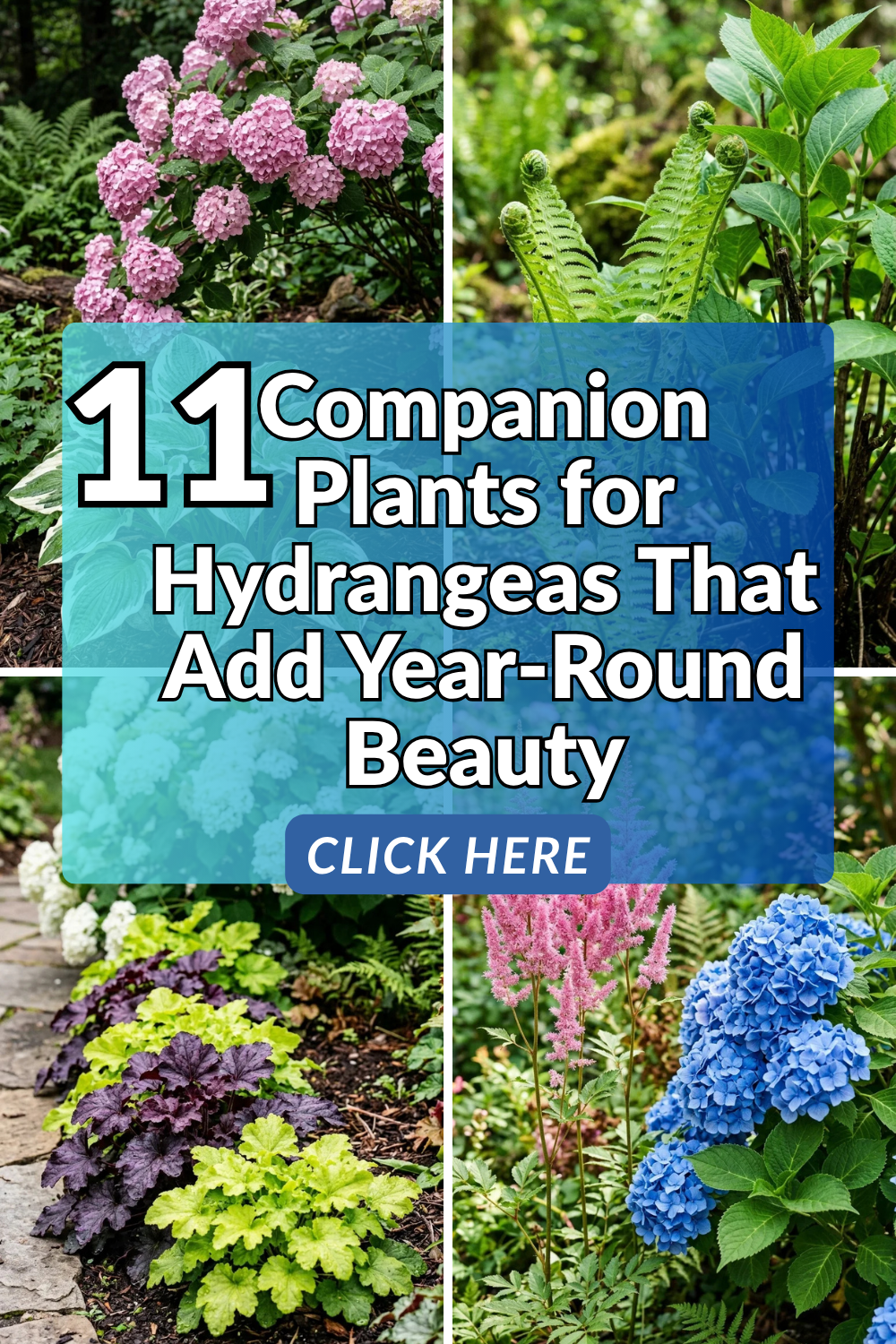
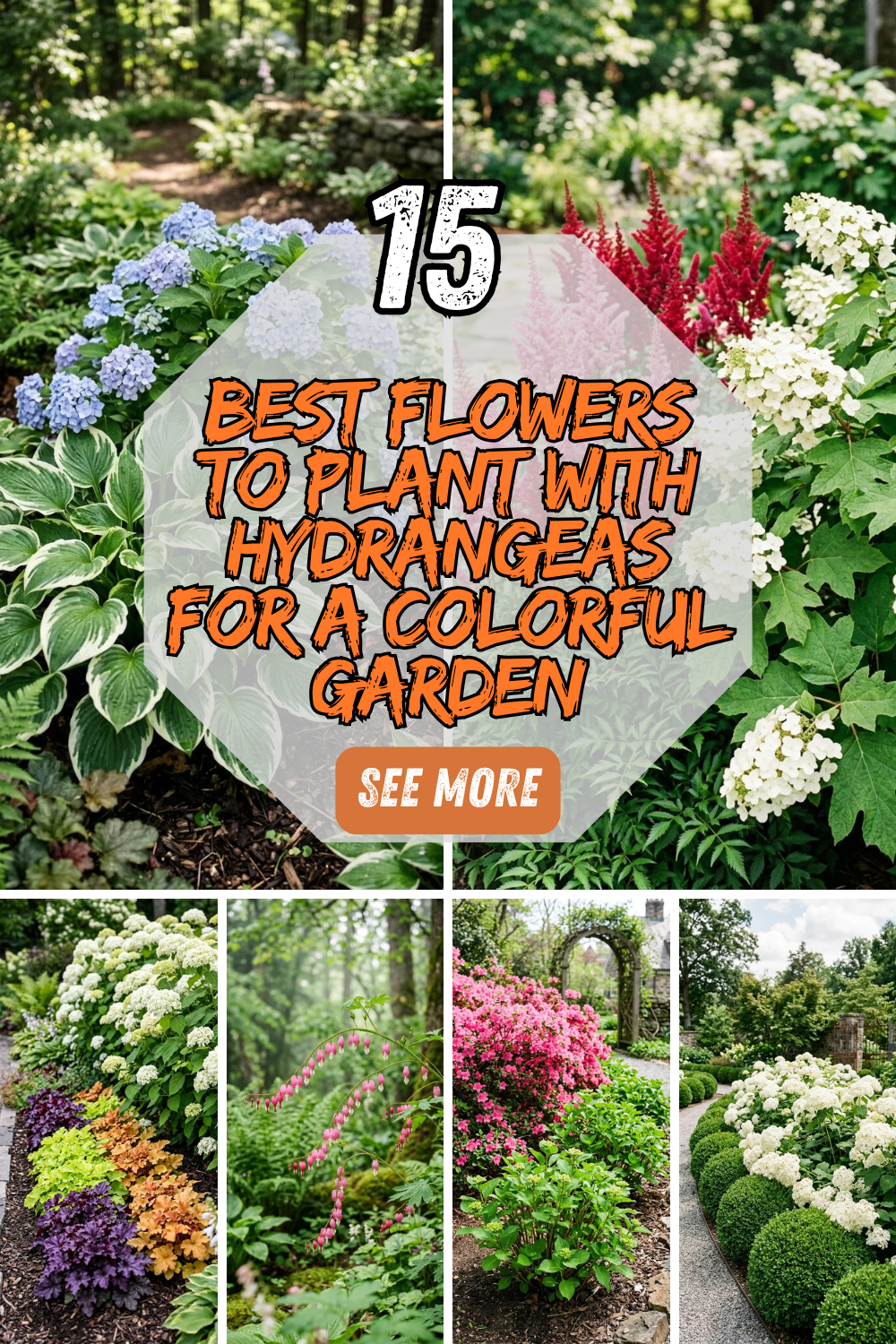
Don’t let a lack of sun stop you from gardening. Shade gardens offer a cool, lush reprieve from the summer heat. While you might not have the sun-loving roses, you have access to a stunning array of textures and subtle colors. Hostas, ferns, and coral bells provide incredible foliage, while flowers like bleeding hearts, impatiens, and fuchsias provide pops of bright color in the dimmest corners of your yard.
15. Geometric Layouts
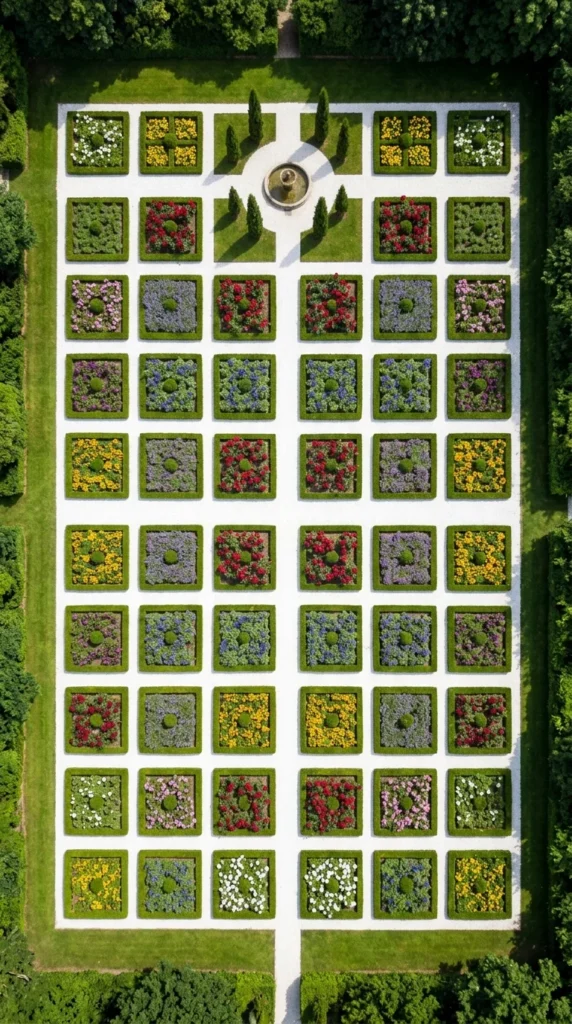
For those who find beauty in order, a geometric garden design is the way to go. Using squares, circles, or triangles to define your beds creates a sense of formal elegance and architectural interest. This style often uses low boxwood hedges to “frame” the flowers inside, keeping the colors contained and the lines sharp. It is a sophisticated look that works particularly well with modern or traditional brick homes.
16. Gravel Infusions
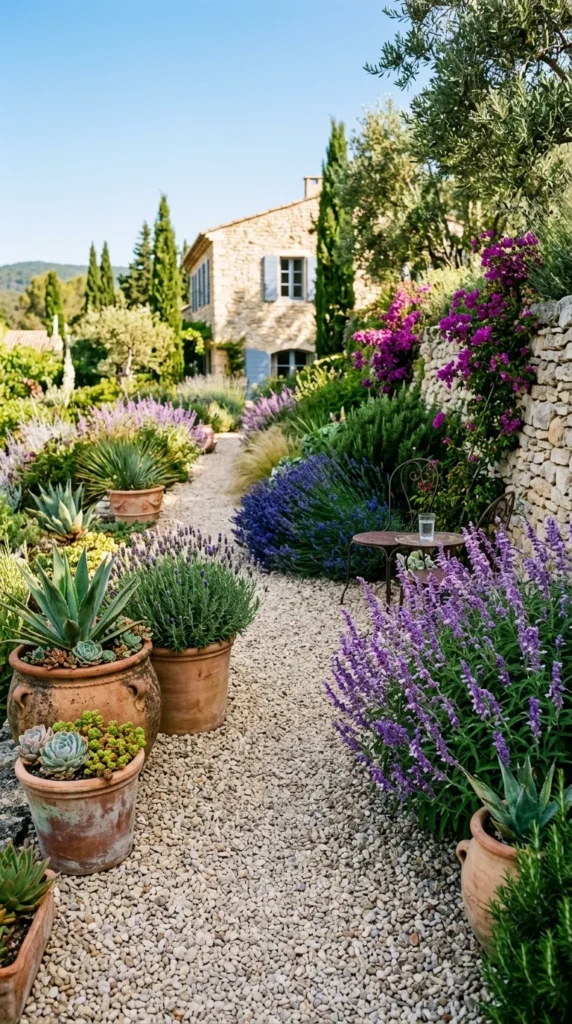
Gravel is an underrated garden element that provides excellent drainage and a satisfying crunch underfoot. In a gravel garden, flowers are often planted directly into the stone mulch, creating a dry, sun-baked aesthetic reminiscent of the South of France or the American Southwest. It is an environmentally friendly choice as it reduces the need for heavy watering and eliminates the struggle of maintaining a perfect lawn.
17. Pond Paradises
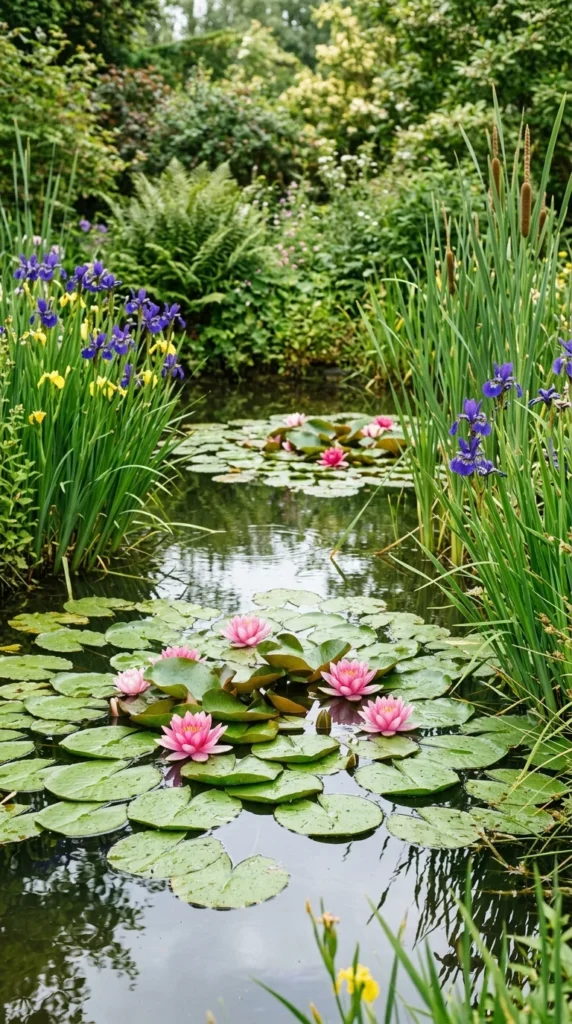
Adding a water element changes the entire energy of a garden. Water-loving flowers like irises, lotuses, and water lilies add a unique dimension to your landscape. The reflection of the sky and surrounding blooms in the water doubles the visual impact of your garden. Furthermore, the sound of moving water combined with the sight of aquatic blooms creates an unparalleled sense of peace and relaxation.
18. Pollinator Pockets
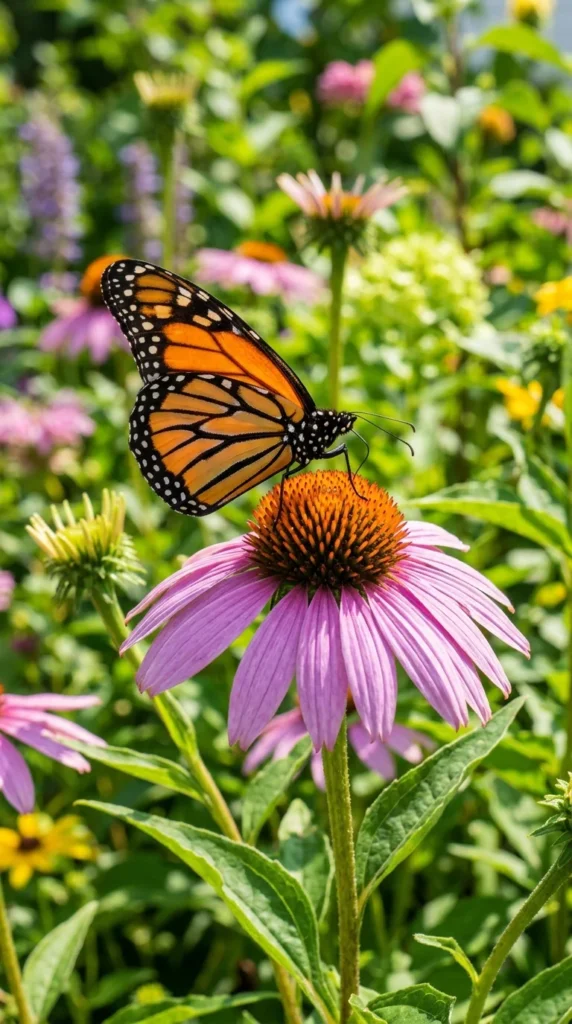
A pollinator garden is a gift to the environment. By choosing plants that provide nectar and pollen—such as bee balm, milkweed, and coneflowers—you turn your yard into a vital pit stop for bees, butterflies, and hummingbirds. These gardens are often full of movement and life, making them educational and endlessly fascinating to watch. The key is to plant in large “drifts” of the same flower so pollinators can easily spot them from the air.
19. Victorian Parterres
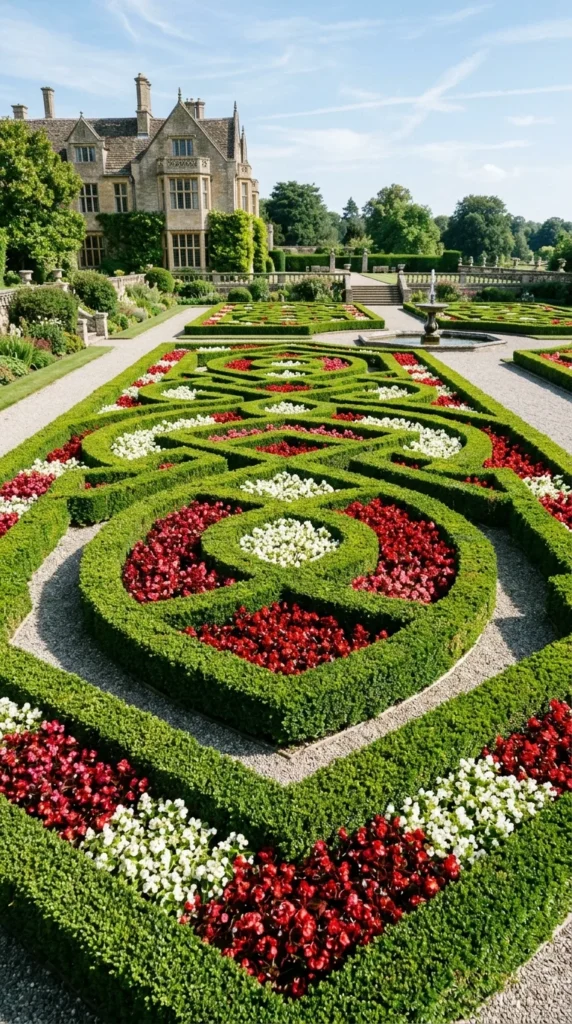
If you want to go all-out on luxury, the Victorian parterre is the pinnacle of garden design. These are highly formal, symmetrical gardens where the pattern of the beds is just as important as the flowers themselves. Usually viewed from a window or a balcony, these gardens use contrasting flower colors to highlight the intricate “knot” designs created by the hedges. It is a labor of love that results in a garden of unmatched prestige and historical charm.