Stepping into the world of organic gardening is more than just a hobby; it is a commitment to the health of the planet and your own body. By eschewing synthetic fertilizers and toxic pesticides, you are creating a mini-ecosystem that thrives on natural synergy. While the transition from conventional to organic might seem daunting at first, it is actually quite intuitive once you understand the basic rhythms of nature.
The beauty of organic gardening lies in its simplicity. Instead of fighting against nature, you are learning to work with it. Whether you have a sprawling backyard or a small balcony with containers, these eleven essential tips will provide the foundation you need to grow a bountiful, chemical-free harvest.
1. Healthy Soil
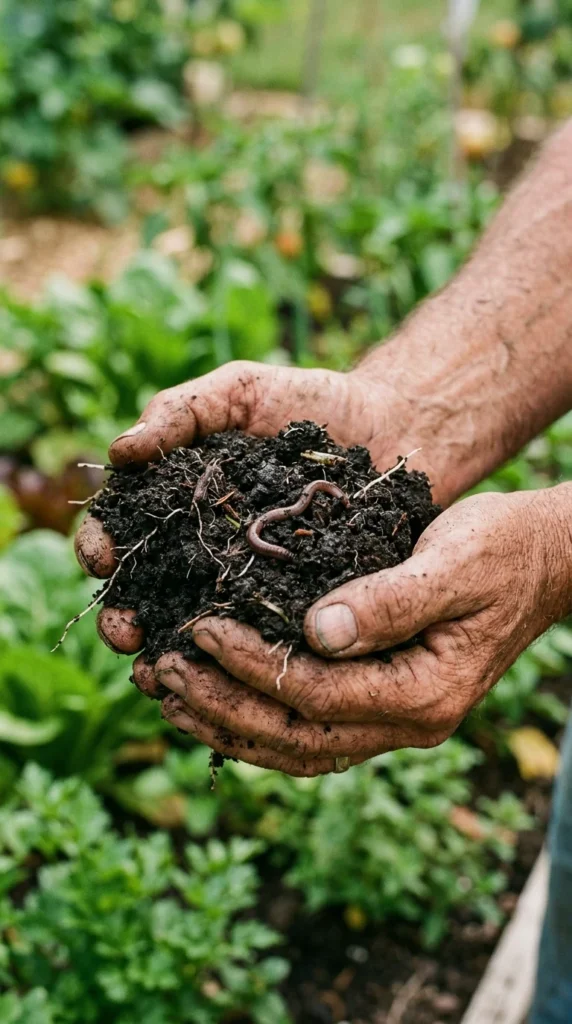
The absolute golden rule of organic gardening is: feed the soil, not the plant. In conventional gardening, synthetic nutrients are pumped directly to the roots, often stripping the soil of its long-term vitality. Organic gardening focuses on building a “living” soil. This means fostering an environment where beneficial bacteria, fungi, and earthworms can thrive.
To start, you should test your soil’s pH and nutrient levels. Most organic gardeners aim for a slightly acidic to neutral pH. You can improve soil structure and fertility by adding well-rotted manure, leaf mold, or aged organic matter. Healthy soil acts like a sponge, retaining moisture better and providing a steady stream of nutrients to your plants throughout the growing season.
2. Heirloom Seeds
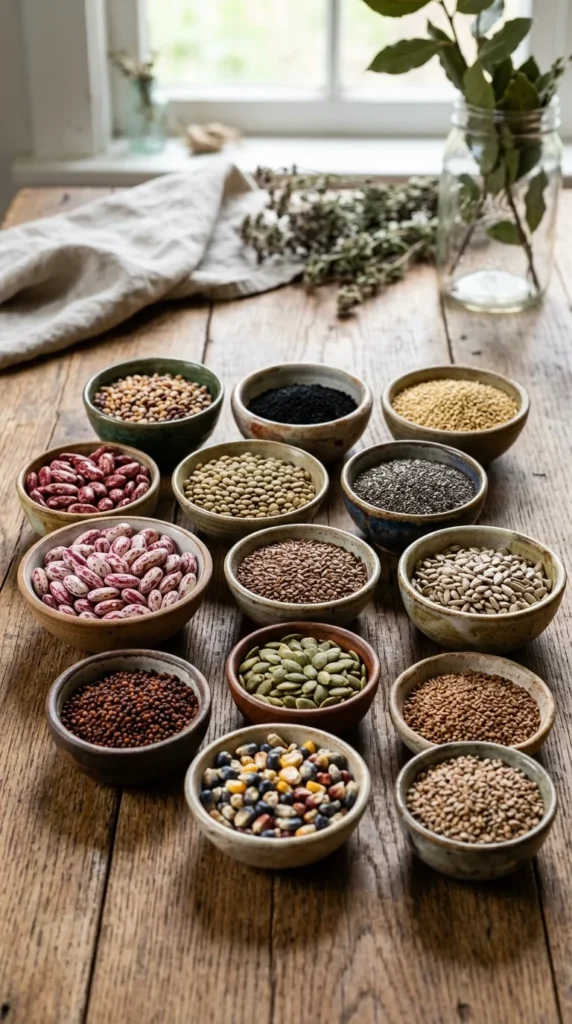
When starting your organic journey, the quality of your seeds matters just as much as the quality of your soil. Seek out organic, non-GMO, and heirloom seeds. Heirloom seeds are varieties that have been passed down through generations, often prized for their superior flavor and genetic diversity.
Unlike many commercial hybrids, heirloom plants are often more resilient to local pests and climate conditions. Furthermore, choosing organic seeds ensures that the parent plants were not treated with synthetic chemicals, giving your garden a clean start from day one. Saving seeds from your most successful plants each year also allows you to develop a “house strain” that is perfectly adapted to your specific garden microclimate.
3. Homemade Compost
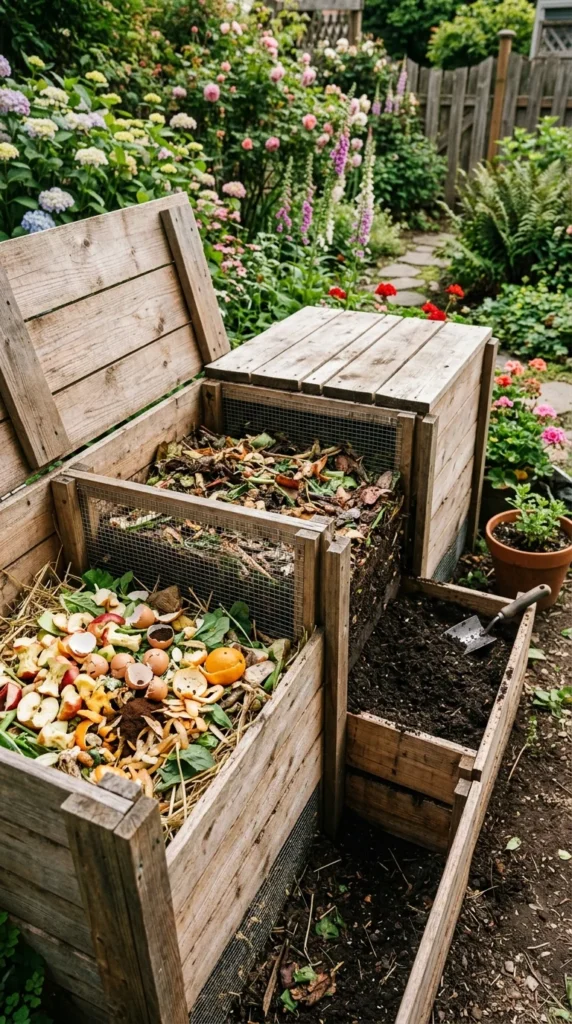
Compost is often referred to as “black gold” for a reason. It is the single best amendment you can add to your organic garden. Making your own compost is not only eco-friendly by reducing kitchen waste, but it also provides a free source of high-quality fertilizer.
A good compost pile needs a balance of “greens” (nitrogen-rich materials like vegetable scraps, grass clippings, and coffee grounds) and “browns” (carbon-rich materials like dried leaves, straw, and shredded cardboard). By keeping the pile moist and turning it occasionally to provide oxygen, you speed up the decomposition process. The resulting humus is packed with micronutrients and beneficial microbes that protect your plants from diseases.
4. Morning Watering
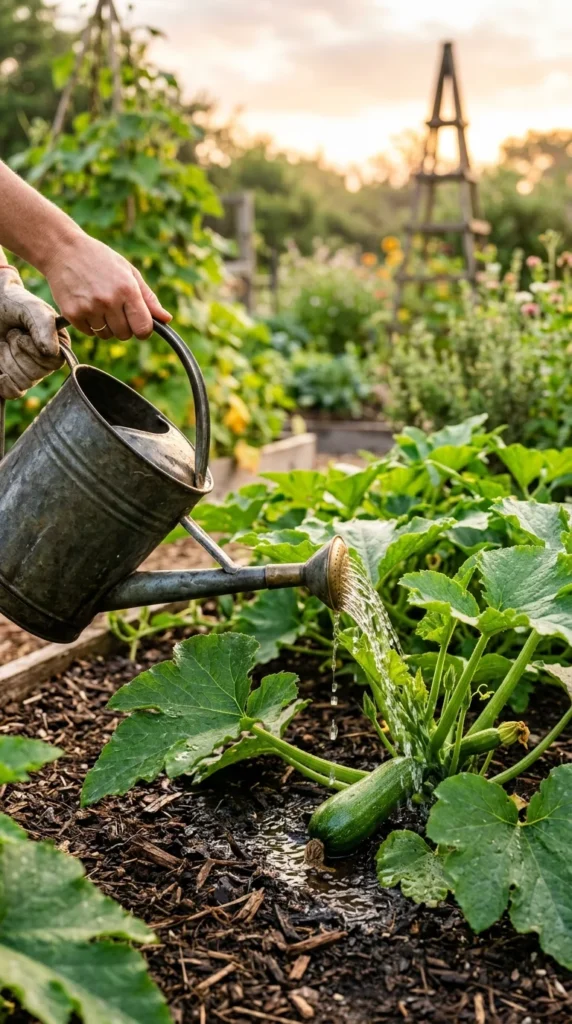
Watering might seem straightforward, but timing and technique are critical in an organic system. The best time to water your garden is early in the morning. This allows the plants to hydrate before the heat of the day sets in and ensures that any water that gets on the leaves has time to evaporate before evening.
Damp foliage at night is a primary cause of fungal diseases like powdery mildew and blight. Furthermore, always aim the water at the base of the plant rather than spraying the leaves. This ensures the moisture reaches the roots where it is needed most and minimizes waste through evaporation. If possible, invest in a soaker hose or drip irrigation system to keep the soil consistently moist without saturating the foliage.
5. Organic Mulch
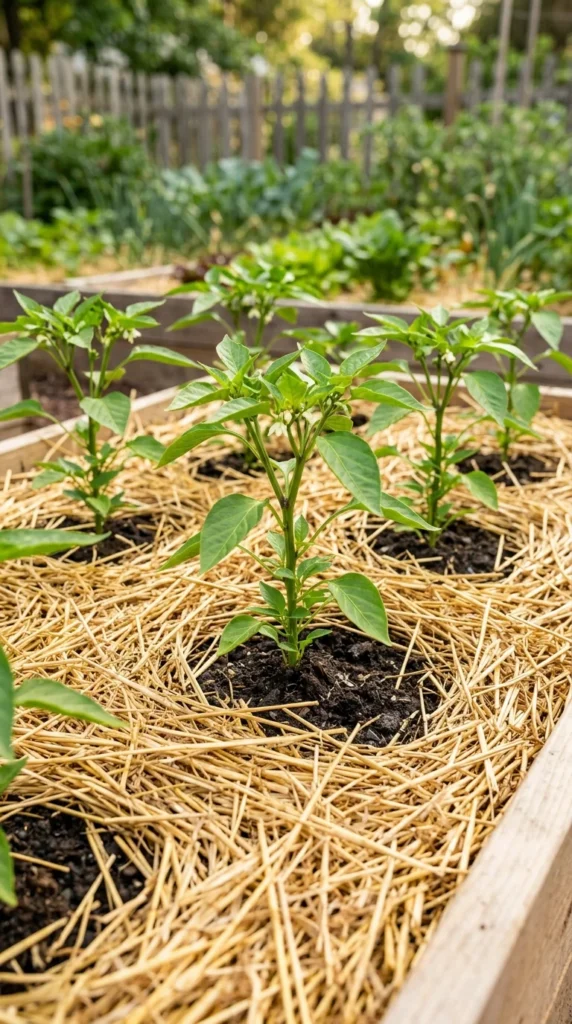
Mulching is a labor-saving miracle for the organic gardener. By covering the soil surface with organic materials like straw, wood chips, shredded leaves, or grass clippings, you provide a protective blanket for your plants. Mulch performs three critical tasks: it suppresses weed growth by blocking sunlight, it retains soil moisture by reducing evaporation, and it regulates soil temperature.
As organic mulch breaks down over time, it also adds valuable organic matter back into the soil. For a vegetable garden, straw is an excellent choice as it is easy to move and decomposes relatively quickly. For permanent beds or pathways, wood chips provide a more durable solution. Just ensure your mulch is free of weed seeds and has not been treated with synthetic dyes or chemicals.
6. Companion Planting
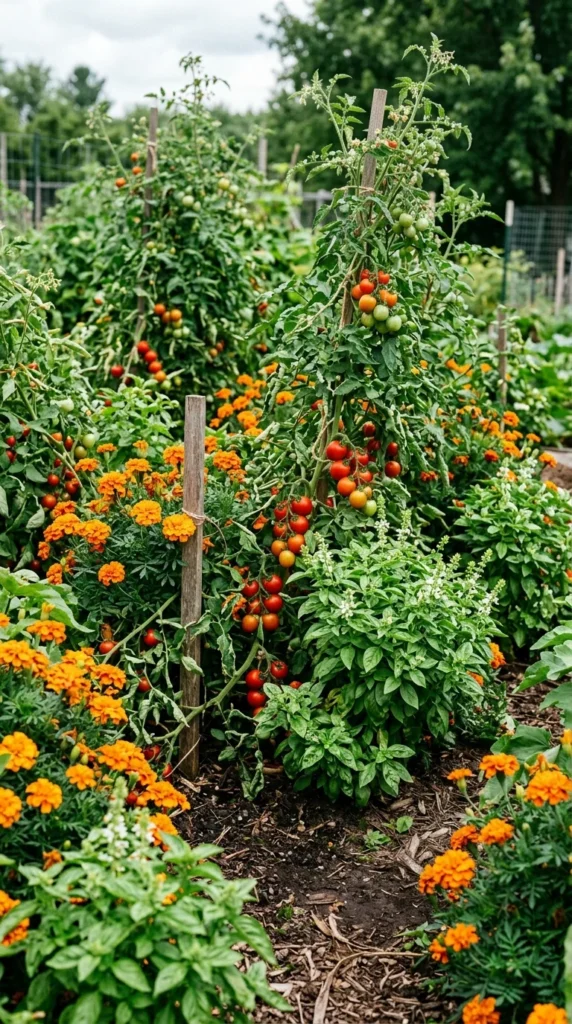
In nature, plants rarely grow in isolation. Companion planting is the practice of placing certain plants together because they benefit one another. For example, planting marigolds near your tomatoes can help repel harmful nematodes and aphids with their strong scent. Planting basil next to peppers can improve the flavor of the harvest and deter thrips.
Another classic example is the “Three Sisters” method: corn provides a trellis for beans to climb, beans fix nitrogen in the soil to feed the corn, and squash spreads across the ground as a living mulch to shade the soil and prevent weeds. By diversifying your beds, you create a complex environment that is much harder for pests to navigate than a traditional monoculture.
7. Beneficial Insects
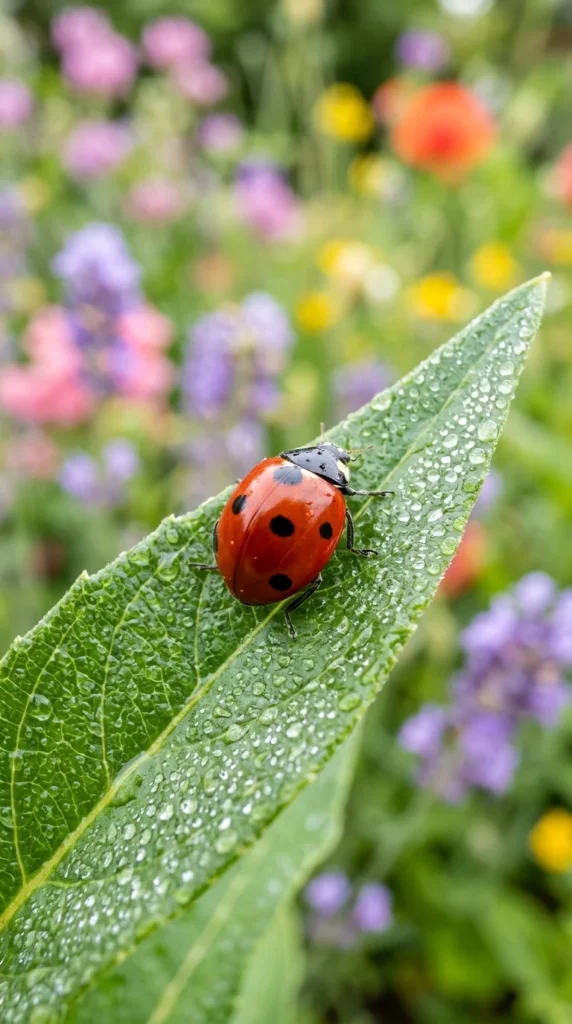
In an organic garden, “bugs” are not the enemy; they are part of the solution. Instead of reaching for a chemical spray at the first sign of an aphid, focus on attracting beneficial insects that act as natural predators. Ladybugs, lacewings, and hoverflies are voracious eaters of common garden pests.
To attract these “garden guardians,” you need to provide them with a habitat. Planting a variety of flowering herbs like dill, fennel, and yarrow will provide nectar and pollen for adult beneficial insects. Additionally, avoiding broad-spectrum pesticides (even organic ones) ensures you don’t accidentally kill the “good guys” while trying to get rid of the “bad guys.” A balanced garden will eventually reach a state of equilibrium where pest populations are kept in check naturally.
8. Crop Rotation
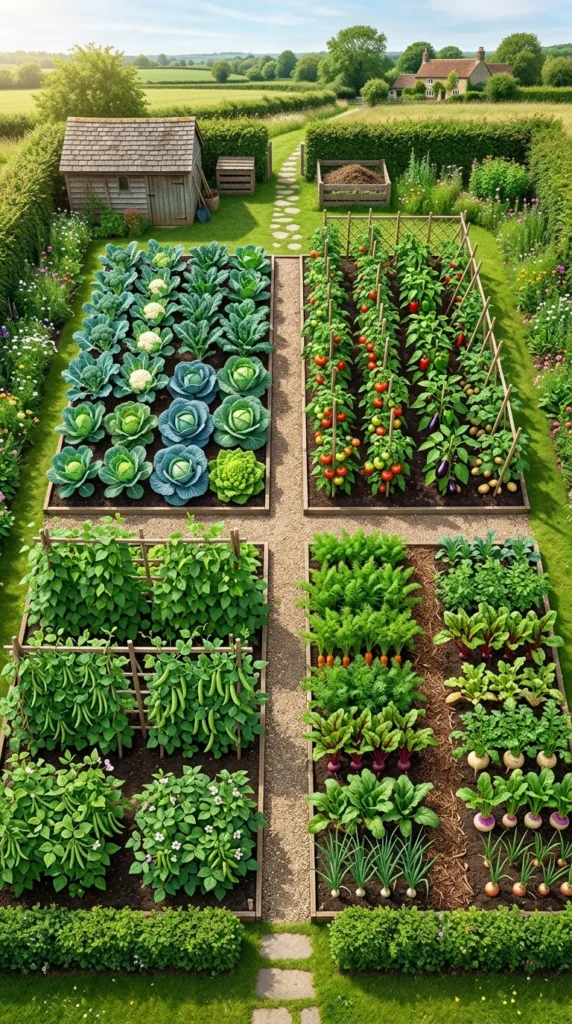
Planting the same crop in the same spot year after year is a recipe for disaster. Pests and diseases that target specific plant families can build up in the soil, and specific nutrients can become depleted. Crop rotation is the practice of changing the location of your plant families every season.
A simple four-year rotation plan might involve moving your heavy feeders (like tomatoes and broccoli) to a spot previously occupied by nitrogen-fixing legumes (like peas and beans). This practice breaks the life cycle of soil-borne pathogens and ensures that your soil nutrients remain balanced. It is one of the most effective ways to maintain a healthy garden without the need for intensive chemical interventions.
9. Quality Tools
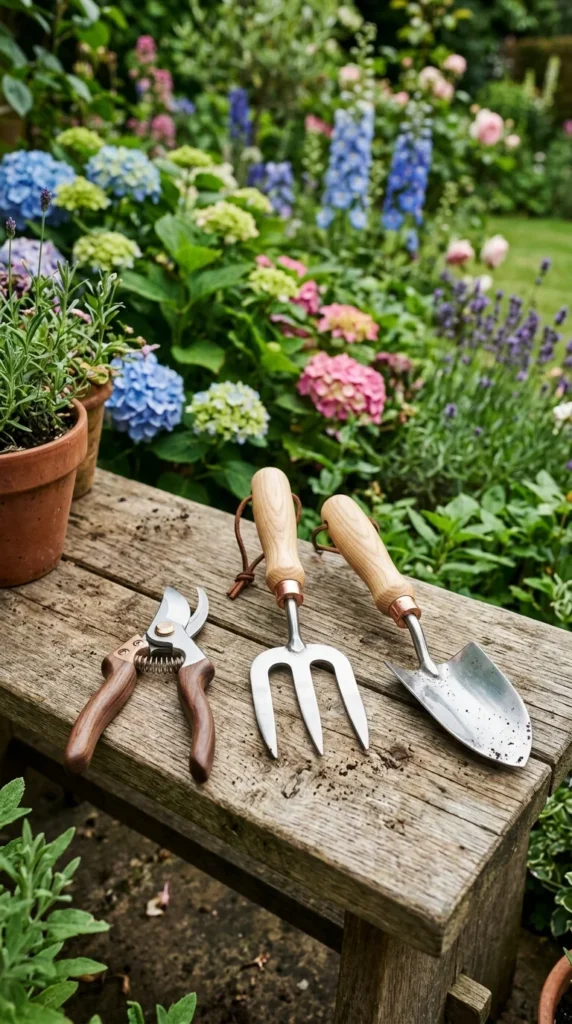
While you don’t need a shed full of gadgets, a few high-quality, well-maintained tools will make your organic gardening experience much more enjoyable and efficient. A sharp trowel, a sturdy garden fork, and a pair of bypass pruners are the essentials.
Keeping your tools clean and sharp is more than just a matter of convenience; it’s a matter of plant health. Dull pruners can tear plant tissue, creating jagged wounds that are susceptible to disease. Similarly, dirty tools can transport fungal spores or bacteria from one part of the garden to another. After each use, wipe your tools clean, and occasionally oil the metal parts to prevent rust. Investing in quality tools means they will last for decades, reducing waste and saving you money in the long run.
10. Proper Sunlight
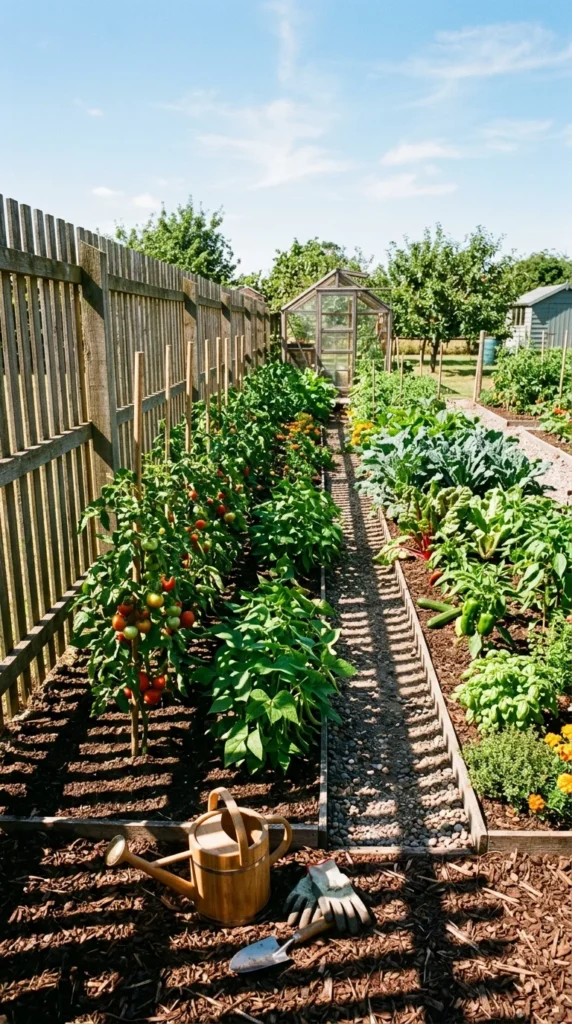
Before you even put a seed in the ground, you must observe the light patterns in your yard. Most fruit-bearing vegetables, such as tomatoes, cucumbers, and peppers, require at least 6 to 8 hours of direct sunlight per day to thrive. If they don’t get enough light, they become “leggy,” weak, and more susceptible to pests.
If your garden is partially shaded, don’t despair—simply choose the right plants. Leafy greens like spinach, kale, and lettuce, as well as many herbs, can tolerate (and sometimes prefer) partial shade, especially in the heat of the summer. By matching your plants to the available light, you ensure they have the energy they need to grow strong and produce a healthy harvest organically.
11. Daily Observation
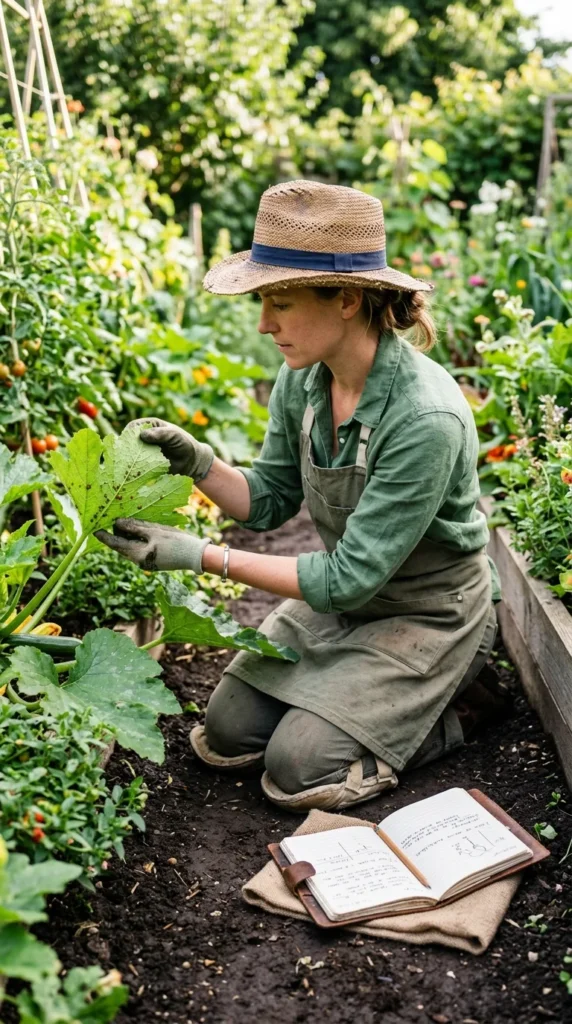
The most important tool any organic gardener possesses is their eyes. Spending just ten or fifteen minutes in your garden every day allows you to catch problems before they become catastrophes. Look for the first signs of insect damage, check for wilting leaves that might indicate a watering issue, and keep an eye out for nutrient deficiencies (often signaled by yellowing leaves).
Early intervention is the key to organic success. It is much easier to hand-pick a few caterpillars off your kale than it is to deal with an infestation that has taken over the whole row. This daily ritual also helps you connect with the rhythm of your garden, turning “yard work” into a meditative and rewarding practice. Gardening is a continuous learning process, and your plants will be your best teachers if you take the time to listen to what they are telling you.