The transition toward organic gardening is more than just a trend; it is a return to a harmonious relationship with the earth. By eliminating synthetic fertilizers and toxic pesticides, you aren’t just protecting the environment—you are cultivating a resilient, nutrient-dense ecosystem that produces stronger, more flavorful plants. Natural gardening relies on the wisdom of biology rather than the brute force of chemistry.
Whether you are tending to a small balcony herb garden or a sprawling backyard plot, these thirteen natural strategies will help you unlock the full potential of your plants using the power of nature itself.
1. Compost
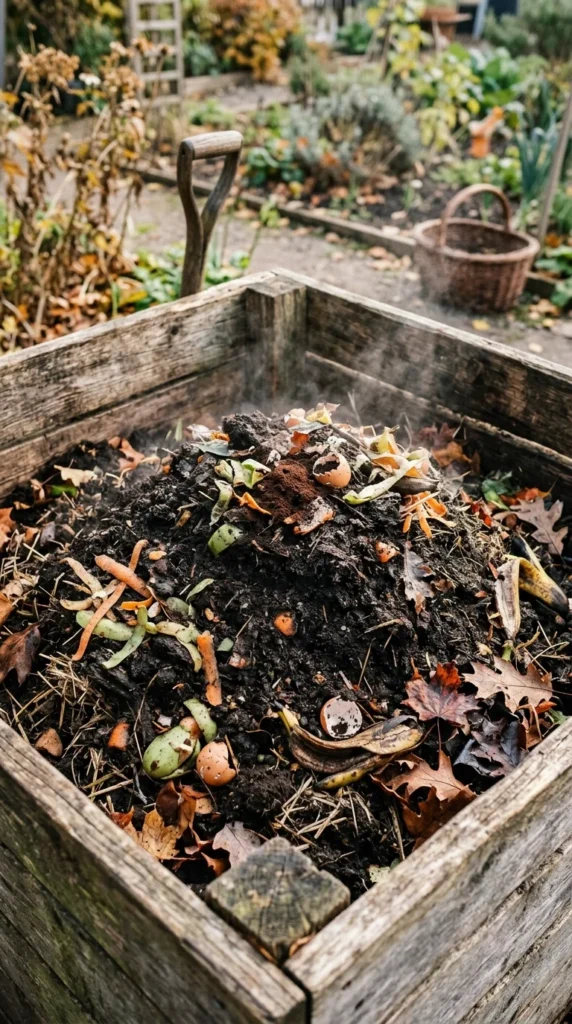
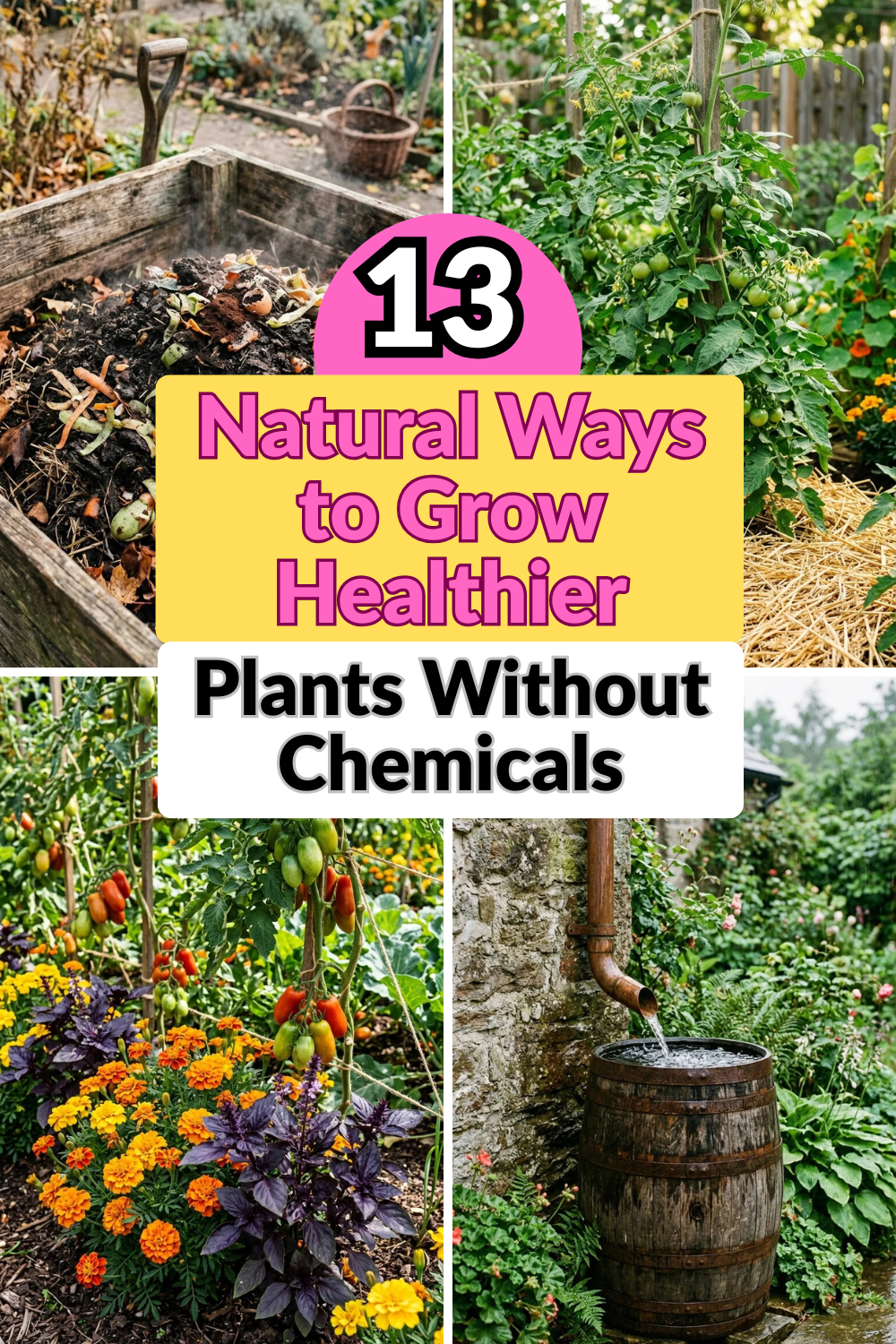
Compost is often referred to as “black gold” by experienced gardeners, and for good reason. It is the single most effective way to improve soil structure and fertility. Composting recycles kitchen scraps and yard waste into a nutrient-rich soil additive that feeds the microbial life beneath the surface.
- How it helps: It adds essential macronutrients (nitrogen, phosphorus, potassium) and micronutrients back into the soil. It also improves soil aeration and water retention.
- Application: Top-dress your garden beds with two inches of finished compost every spring and fall. You can also mix it directly into the holes when transplanting young seedlings.
2. Mulch
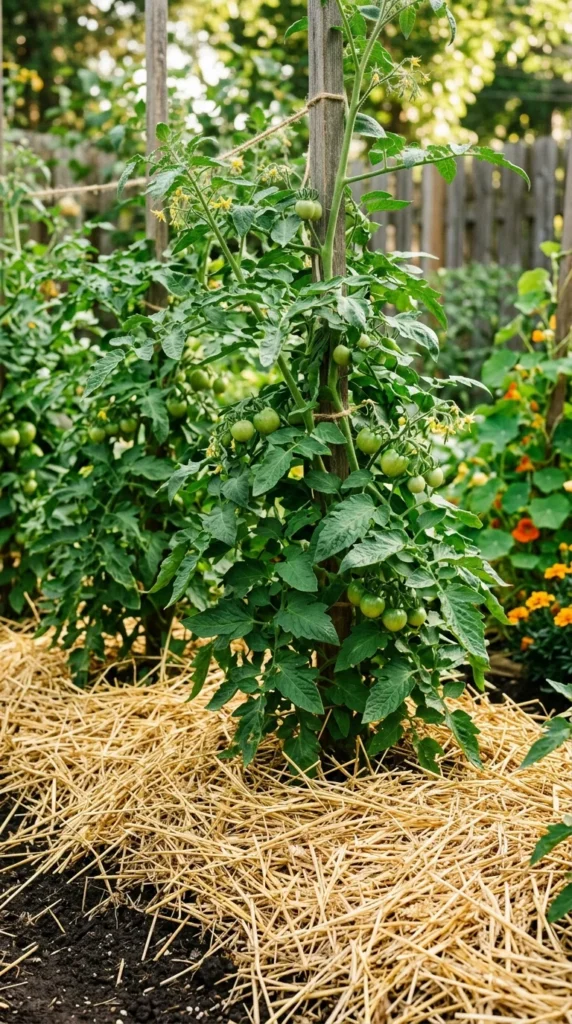
Mulching is the process of covering the soil surface with organic material. In nature, soil is rarely bare; it is covered by fallen leaves, twigs, and decaying matter. By mimicking this, you protect your plants from environmental stress.
- How it helps: Mulch suppresses weed growth by blocking sunlight, regulates soil temperature (keeping roots cool in summer and warm in winter), and prevents moisture evaporation.
- Application: Use organic materials like straw, shredded bark, or grass clippings (ensure they are herbicide-free). Keep the mulch a few inches away from the plant stems to prevent rot.
3. Companions
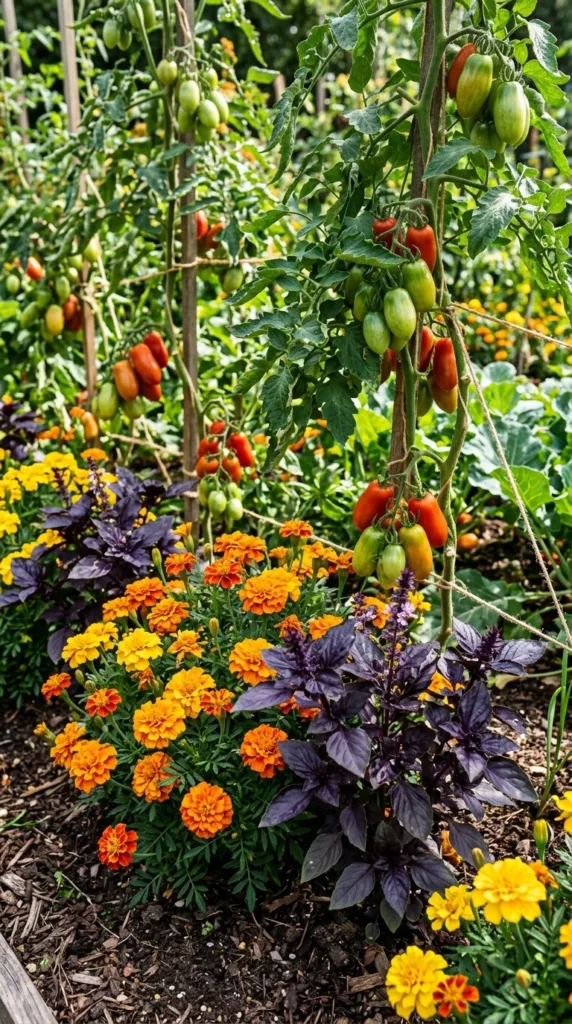
Companion planting is the strategic placement of different plant species next to each other to enhance growth or provide pest protection. It is a form of “biological teamwork” that maximizes garden space and health.
- How it helps: Certain plants repel pests that plague their neighbors (like marigolds repelling nematodes), while others, like legumes, fix nitrogen in the soil for heavy feeders like corn.
- Application: Plant basil near tomatoes to improve their flavor and deter flies. Use tall sunflowers as a natural trellis for climbing beans.
4. Rainwater
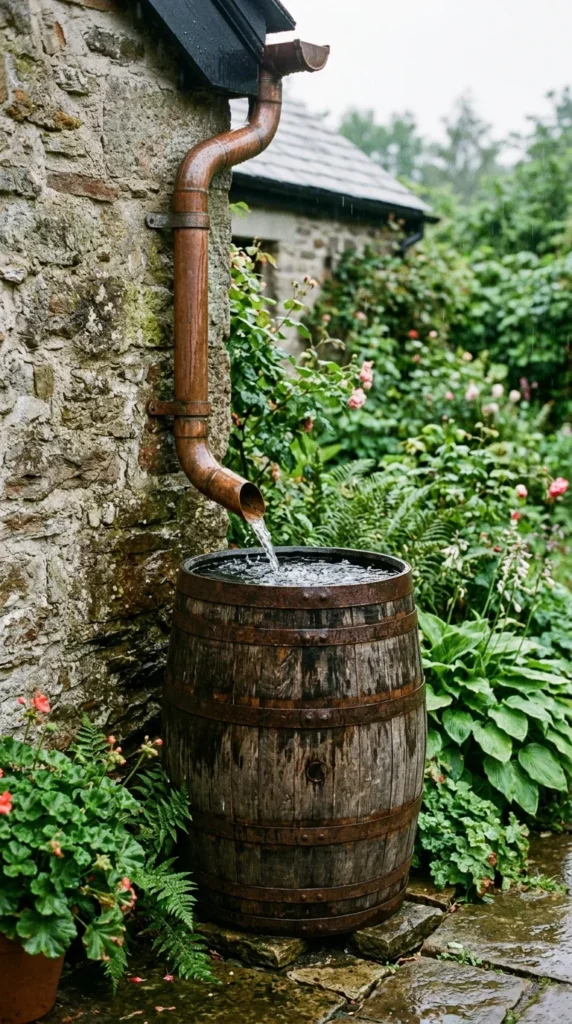
While tap water is convenient, it often contains chlorine, fluoride, and salts that can build up in the soil over time and harm sensitive plant roots. Rainwater is the purest form of hydration for your garden.
- How it helps: Rainwater is naturally soft and has a slightly acidic pH, which is ideal for most plants. It also contains trace amounts of organic matter and nitrogen captured from the atmosphere.
- Application: Install a rain barrel system connected to your gutter downspouts. Use a watering can or a gravity-fed drip system to deliver this “sky juice” directly to the roots of your plants.
5. Eggshells
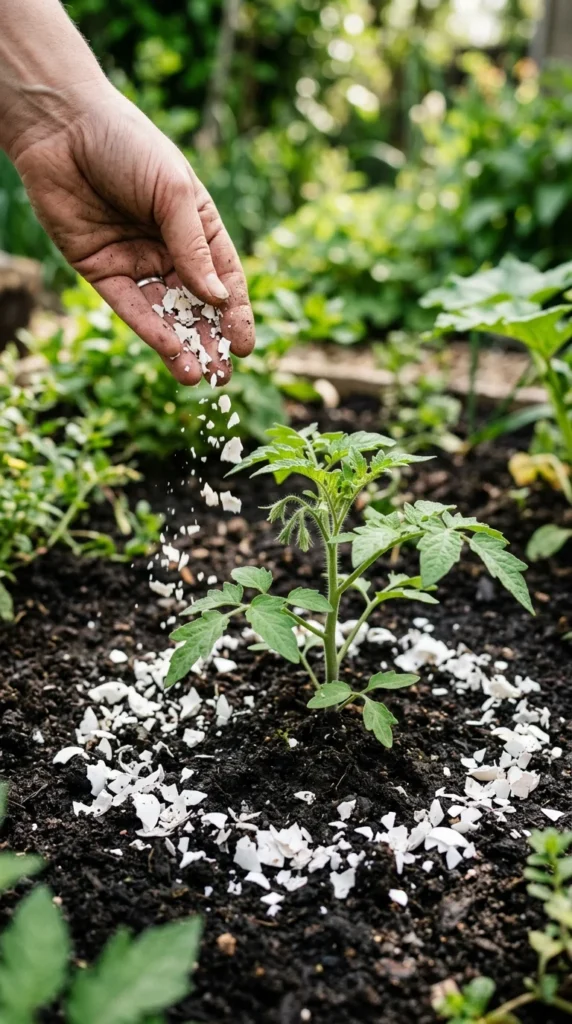
Instead of tossing your breakfast scraps, save those eggshells. They are a powerhouse of calcium carbonate, an essential mineral for plant cell wall development.
- How it helps: Calcium prevents common issues like blossom end rot in tomatoes and peppers. Additionally, the sharp edges of crushed shells can act as a physical deterrent for soft-bodied pests like slugs and snails.
- Application: Rinse the shells, let them dry, and crush them into a fine powder or small shards. Incorporate them into the soil at the bottom of planting holes or sprinkle them around the base of established plants.
6. Bananas
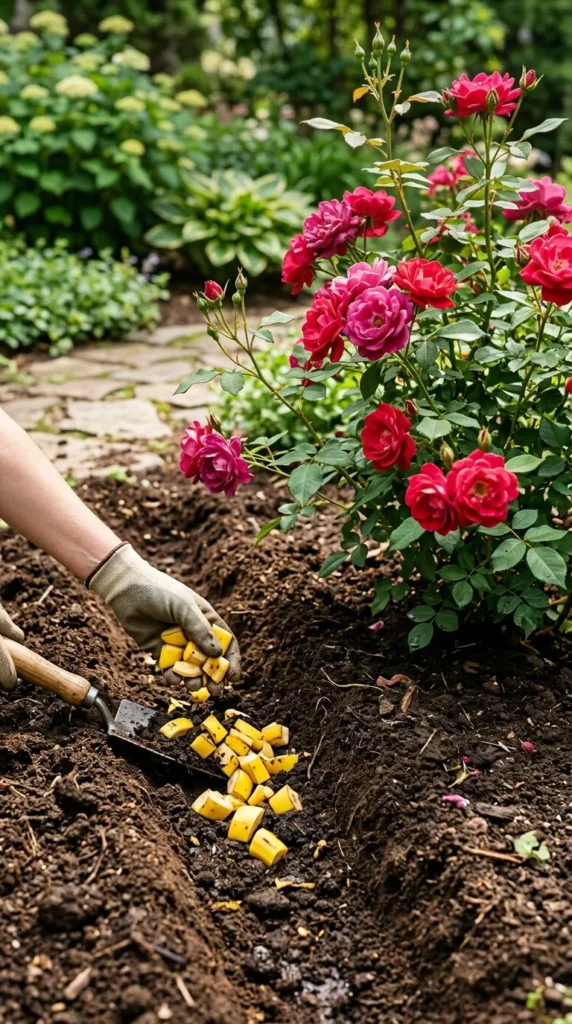
Bananas are famous for their potassium content, and plants crave this mineral just as much as humans do. Potassium is vital for fruit and flower production, as well as overall disease resistance.
- How it helps: Potassium helps move water and nutrients between plant cells and strengthens stems. It is particularly beneficial for flowering plants like roses and fruiting plants like tomatoes.
- Application: Chop banana peels into small pieces and bury them an inch deep near the base of your plants. Alternatively, soak peels in water for 48 hours to create a “potassium tea” for watering.
7. Coffee
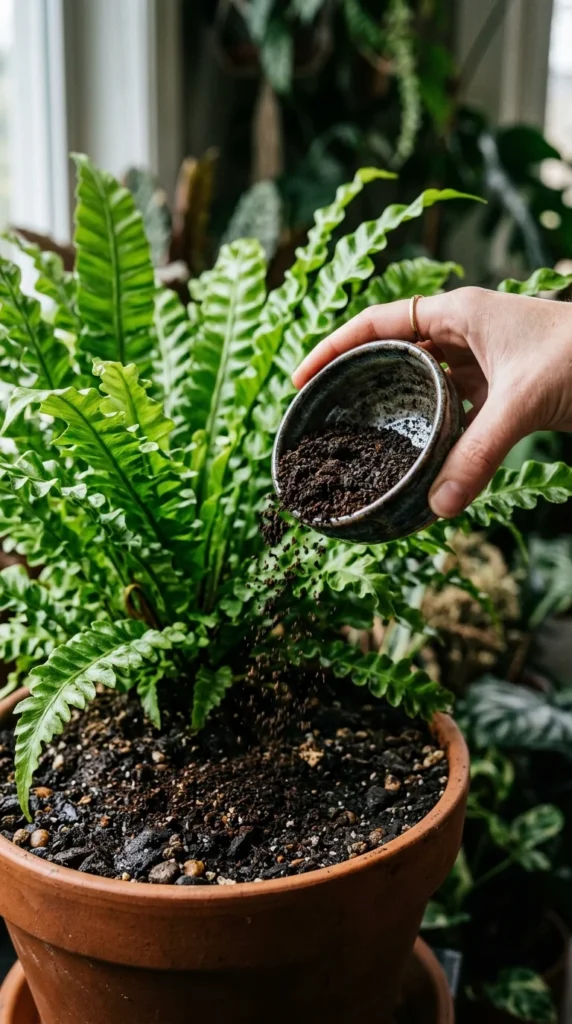
Used coffee grounds are a fantastic, free resource for the garden. They are rich in nitrogen and can help improve soil texture as they decompose.
- How it helps: Coffee grounds provide a slow-release source of nitrogen. They also slightly acidify the soil, making them perfect for acid-loving plants like blueberries, azaleas, and hydrangeas. They also attract beneficial earthworms.
- Application: Sprinkle used grounds thinly over the soil surface or mix them into your compost pile. Avoid creating a thick “crust” of grounds, as this can block water from reaching the soil.
8. Neem
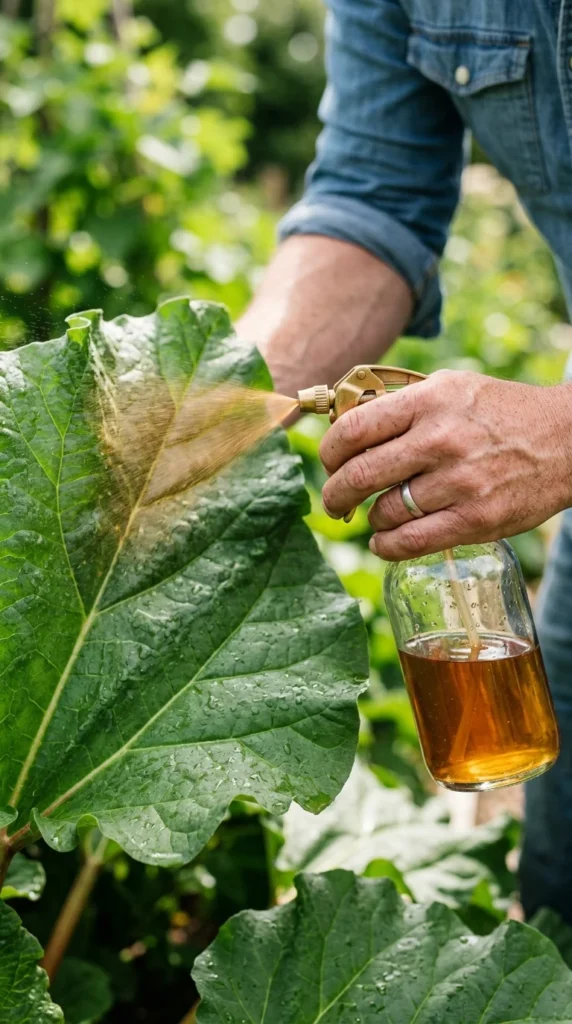
Neem oil is a natural byproduct of the neem tree, and it is one of the most effective organic pesticides and fungicides available. It is a “systemic” solution that is safe for most beneficial insects while targeting the “bad guys.”
- How it helps: Neem oil disrupts the hormonal systems of pests like aphids, mites, and whiteflies, preventing them from feeding and reproducing. It also helps control fungal infections like powdery mildew.
- Application: Mix pure, cold-pressed neem oil with water and a drop of organic dish soap (to act as an emulsifier). Spray it on your plants in the evening to avoid leaf burn from the sun.
9. Rotation
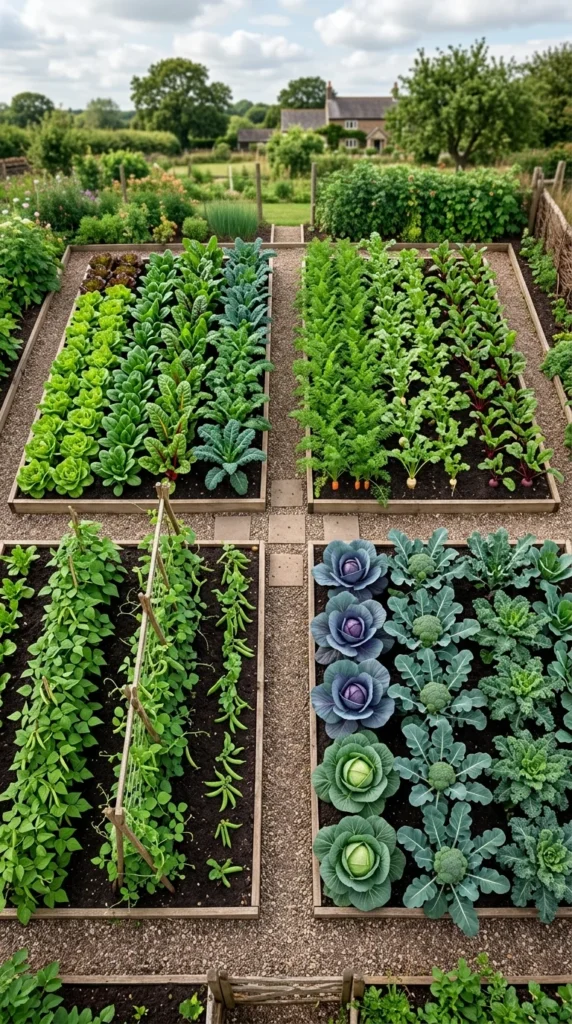
Crop rotation is a fundamental practice in organic gardening that involves changing the location of plant families each year. This prevents the buildup of soil-borne diseases and ensures that the soil’s nutrients aren’t depleted in one specific area.
- How it helps: Different plants take different nutrients from the soil. By rotating, you give the soil a chance to recover. It also “confuses” pests that overwinter in the soil expecting their favorite food source to be in the same spot next year.
- Application: Divide your garden into four sections (e.g., Legumes, Root Crops, Fruit-bearing, and Leafy Greens) and move each group to the next section every season.
10. Worms
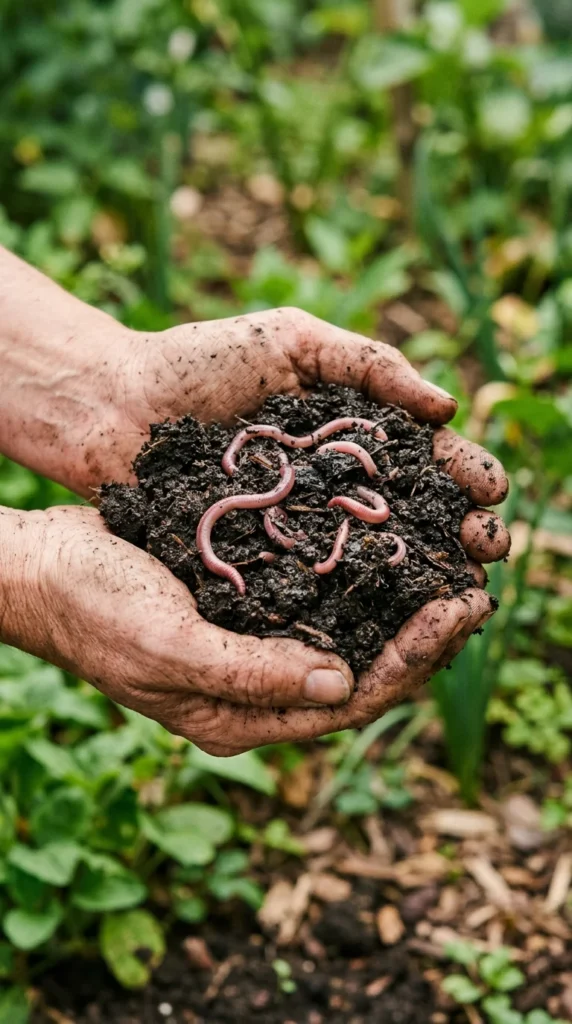
Worm castings (vermicompost) are essentially the waste produced by earthworms, and they are packed with concentrated nutrients and beneficial microbes.
- How it helps: Castings are rich in humic acid, which stimulates plant growth. They provide nutrients in a form that is immediately available to plants and help suppress soil-borne diseases.
- Application: You can buy bags of worm castings or start your own worm bin at home using red wrigglers. Mix a handful of castings into the soil when planting or use them as a top-dressing.
11. Salts
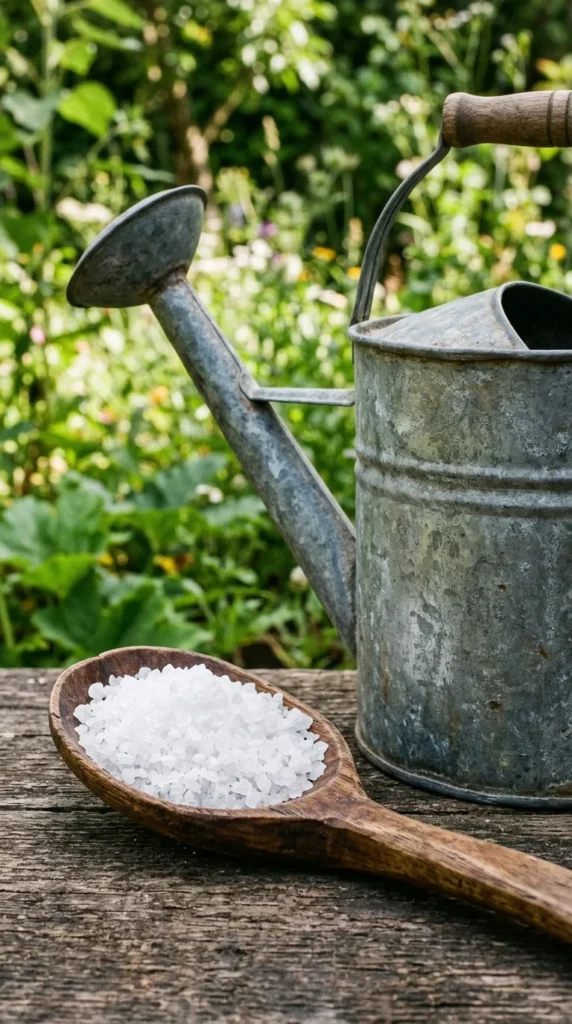
Epsom salt is not actually salt; it is a naturally occurring mineral compound of magnesium and sulfate. Both of these elements are crucial for plant health, especially for those that produce fruit.
- How it helps: Magnesium is a key component of chlorophyll, the molecule that allows plants to photosynthesize. It helps plants stay green and vibrant while improving their ability to take up other nutrients like nitrogen and phosphorus.
- Application: Dissolve one tablespoon of Epsom salt in a gallon of water and use it to water your peppers, tomatoes, and roses once a month.
12. Insects

In a healthy organic garden, you don’t need to kill every bug you see. In fact, many insects are your best allies. Beneficial insects act as “natural security,” keeping pest populations in check.
- How it helps: Ladybugs, lacewings, and predatory wasps eat thousands of aphids, caterpillars, and mites. Having these predators in your garden creates a self-regulating ecosystem where you don’t need to intervene with sprays.
- Application: Attract “good bugs” by planting high-nectar flowers like dill, fennel, yarrow, and cosmos. Avoid using broad-spectrum pesticides, which kill the beneficial insects along with the pests.
13. Tea
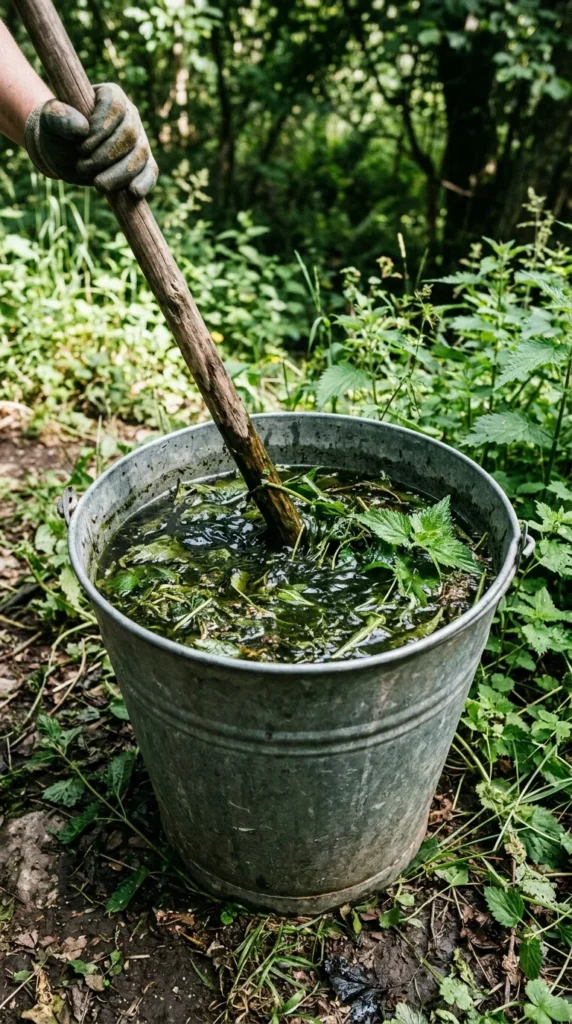
“Weed tea” or “Compost tea” is a liquid fertilizer made by steeping organic matter in water. This creates a nutrient-rich brew that can be used for deep root feeding or as a foliar spray.
- How it helps: This liquid fertilizer provides an instant boost of nutrients and beneficial bacteria. Using weeds like nettles or comfrey is particularly effective because these plants have deep taproots that pull minerals from deep within the earth into their leaves.
- Application: Fill a bucket one-third full with pulled weeds or compost, fill the rest with water, and let it sit for two weeks (it will smell, so keep it covered!). Dilute the resulting liquid until it looks like weak tea and use it to water your plants.