Container gardening is the ultimate solution for urban dwellers, suburbanites with limited soil space, and even seasoned gardeners looking to add focal points to their landscapes. Whether you have a sprawling deck or a tiny fire escape, the right combination of pots and plants can transform a sterile space into a thriving sanctuary. The beauty of gardening in pots lies in its flexibility; you can move your plants to follow the sun, change your color palette every season, and control the soil quality with precision. Here are 25 brilliant ideas to inspire your next potting project.
1. Tiered Terracotta
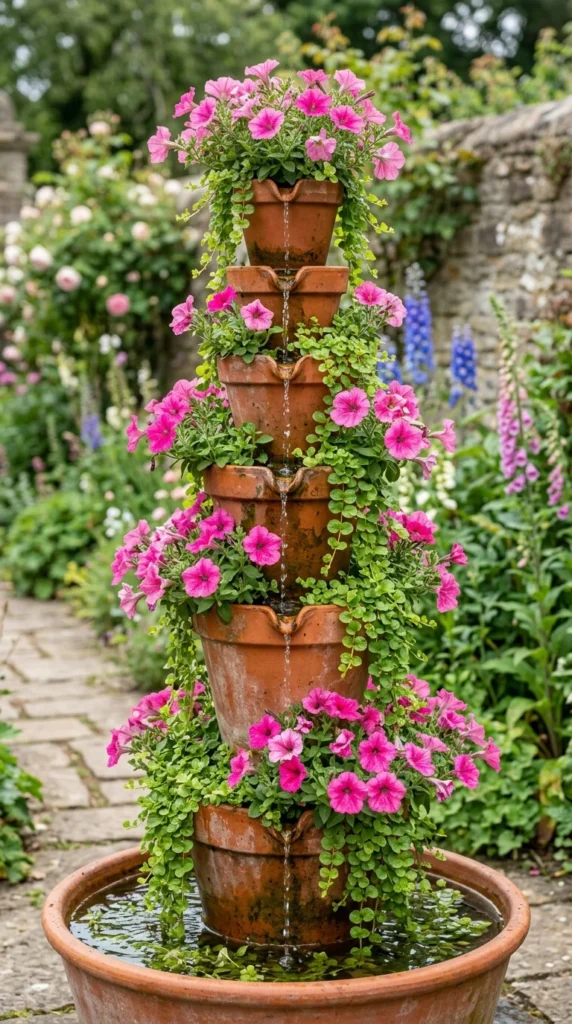
Stacking pots is a classic trick for creating vertical interest without requiring a trellis. By placing a smaller pot inside a larger one and filling the “ring” with soil, you create multiple levels for planting. This look works exceptionally well with spilling plants like lobelia or bacopa, which soften the hard edges of the clay and create a floral “waterfall” effect.
2. Succulent Drifts
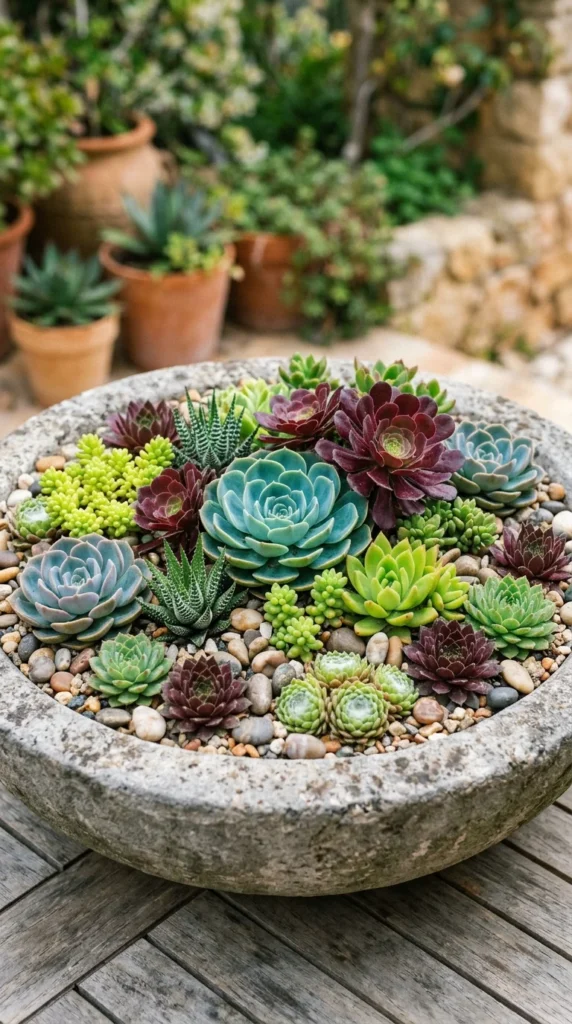
Succulents are the jewels of the container world. Because they have shallow root systems and require minimal water, they can thrive in decorative bowls that lack depth. To achieve a professional look, pack them tightly together, mixing different textures—like the pointed leaves of Echeveria with the trailing beads of a String of Pearls.
3. Culinary Herbs
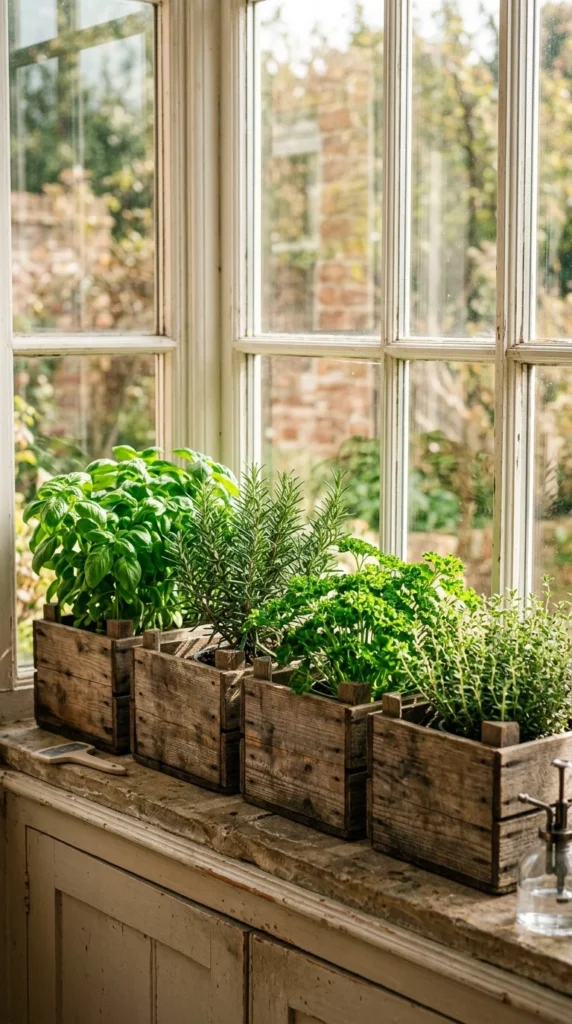
There is nothing more rewarding than reaching out of a window or stepping onto a porch to snip fresh herbs for dinner. Grouping herbs like rosemary, thyme, and oregano in matching containers creates a cohesive “kitchen garden” look. Ensure they are placed in a spot that receives at least six hours of sunlight to keep the essential oils—and the flavor—at their peak.
4. Galvanized Buckets
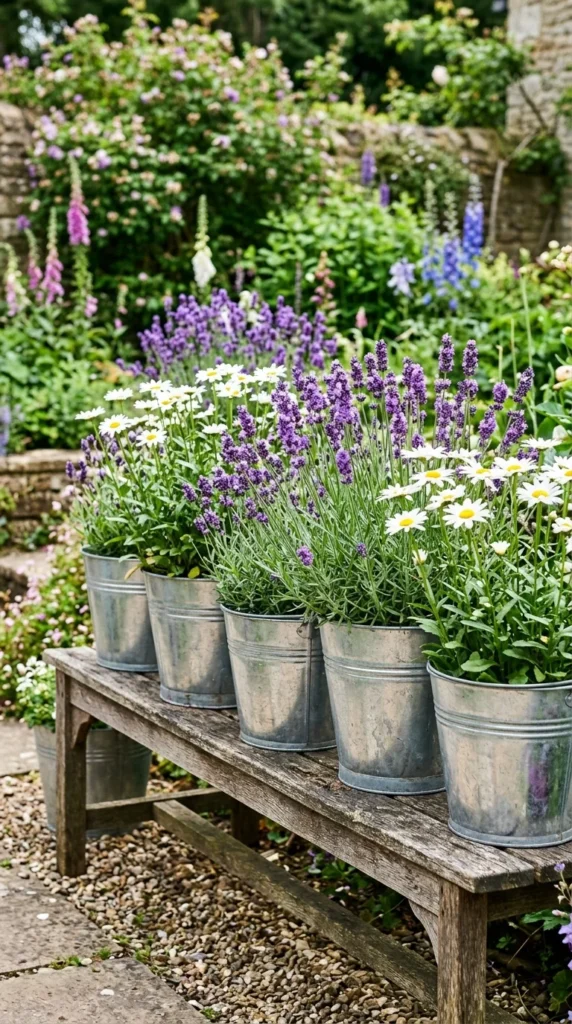
For a farmhouse or industrial aesthetic, galvanized steel buckets are both durable and stylish. They provide a cool-toned backdrop that makes bright flower colors pop. Just remember to drill drainage holes in the bottom, as metal doesn’t breathe like clay, and standing water can quickly lead to root rot.
5. Hanging Baskets
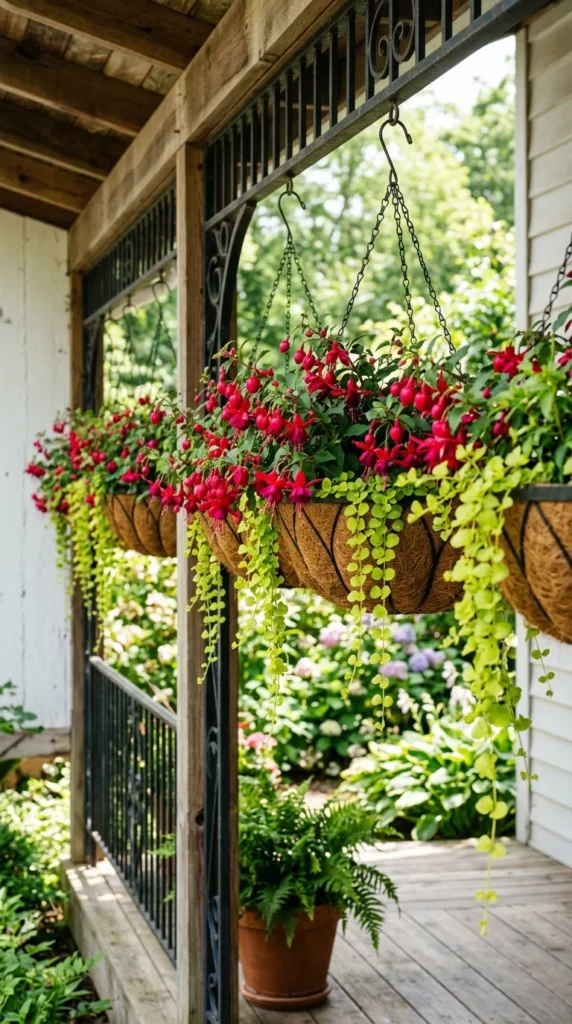
Hanging baskets are the “eye candy” of the garden, drawing the gaze upward. To keep them looking lush all season, use a high-quality potting mix with water-retaining crystals. Focus on “thrillers” (tall plants for the center) and “spillers” (vining plants that hang over the edge) to create a full, rounded silhouette.
6. Window Boxes
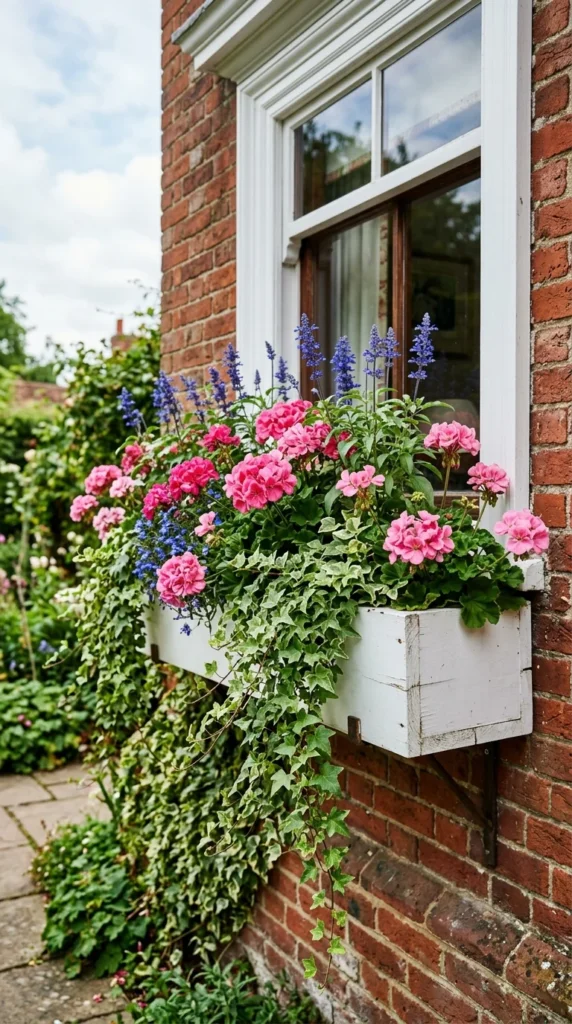
Window boxes add instant curb appeal and allow you to enjoy your garden from both inside and outside the home. When planning a window box, consider the view from the interior. Fragrant plants like stock or heliotrope are excellent choices because their scent can waft through an open window on a summer breeze.
7. Wheelbarrow Planter
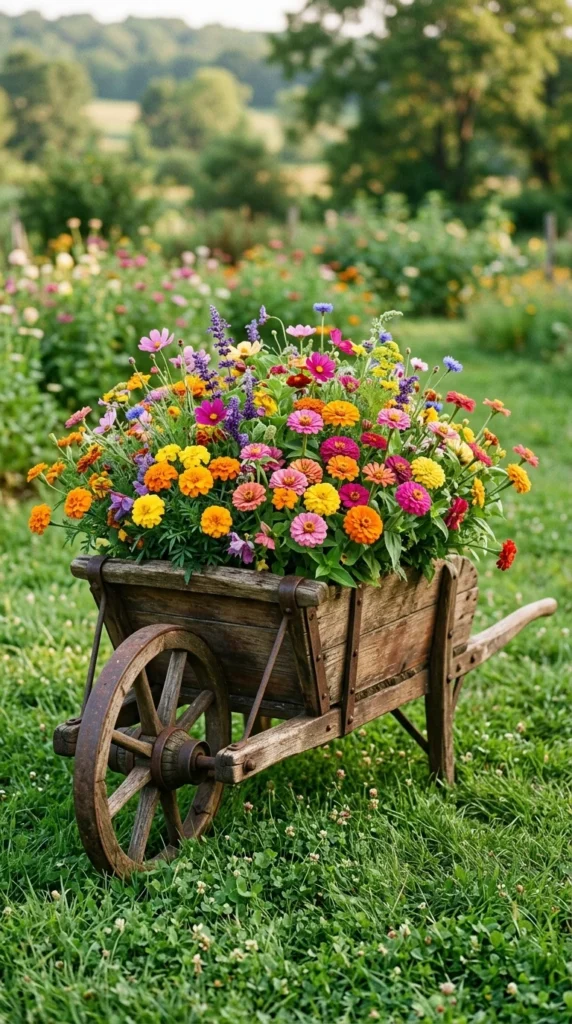
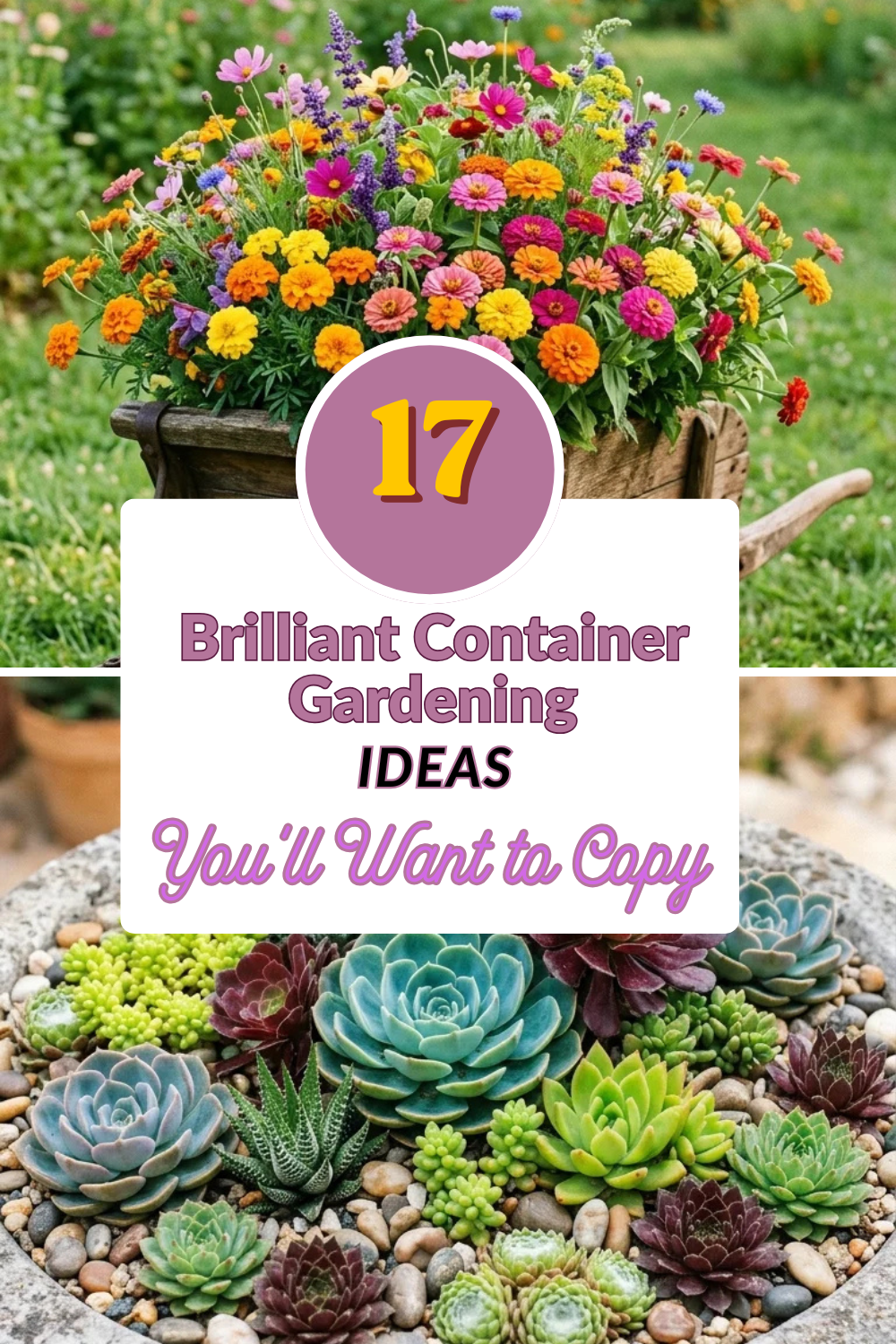
Upcycling old garden tools adds a touch of whimsy and history to your landscape. An old wooden or metal wheelbarrow makes a fantastic large-scale container. Because of its depth, it can support larger plants or even a small “meadow” of wildflowers. It serves as a mobile focal point that can be repositioned as different areas of your yard come into bloom.
8. Vertical Pallets
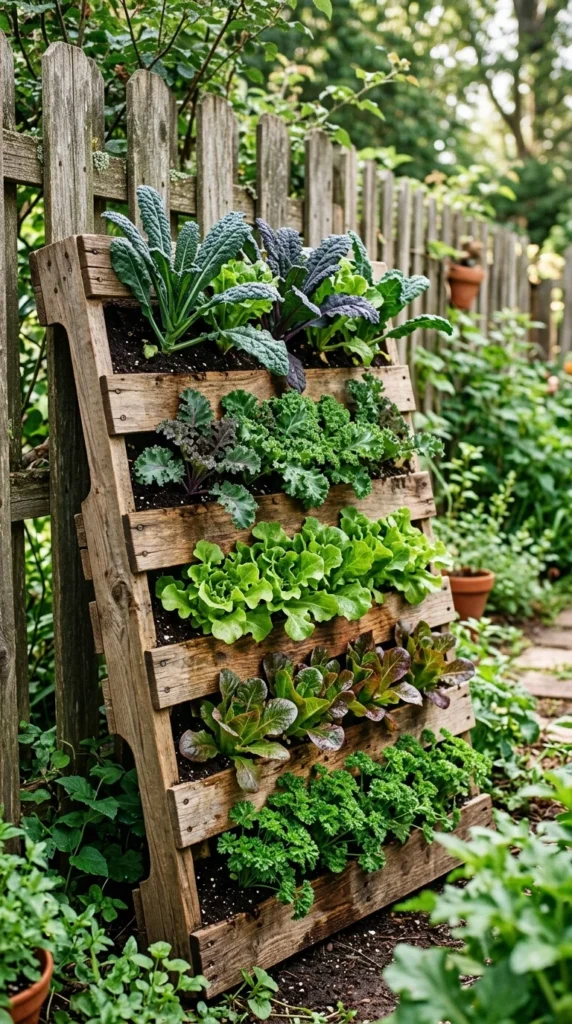
If you are short on floor space, go vertical. A heat-treated wooden pallet can be easily converted into a living wall. This is a particularly effective method for growing salad greens or strawberries, as it keeps the produce off the ground and away from many common garden pests like slugs.
9. Fairy Gardens
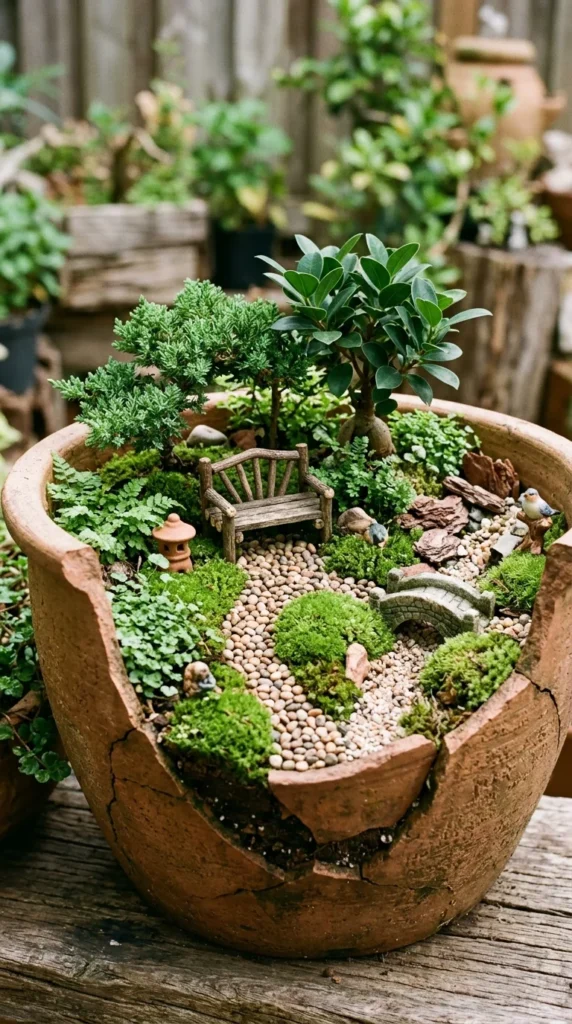
Container gardening doesn’t always have to be about large-scale blooms; it can be about storytelling. Fairy gardens allow for immense creativity on a miniature scale. Using slow-growing plants like moss, dwarf conifers, and miniature succulents, you can create a magical world that appeals to both children and adults.
10. Monochromatic Pots
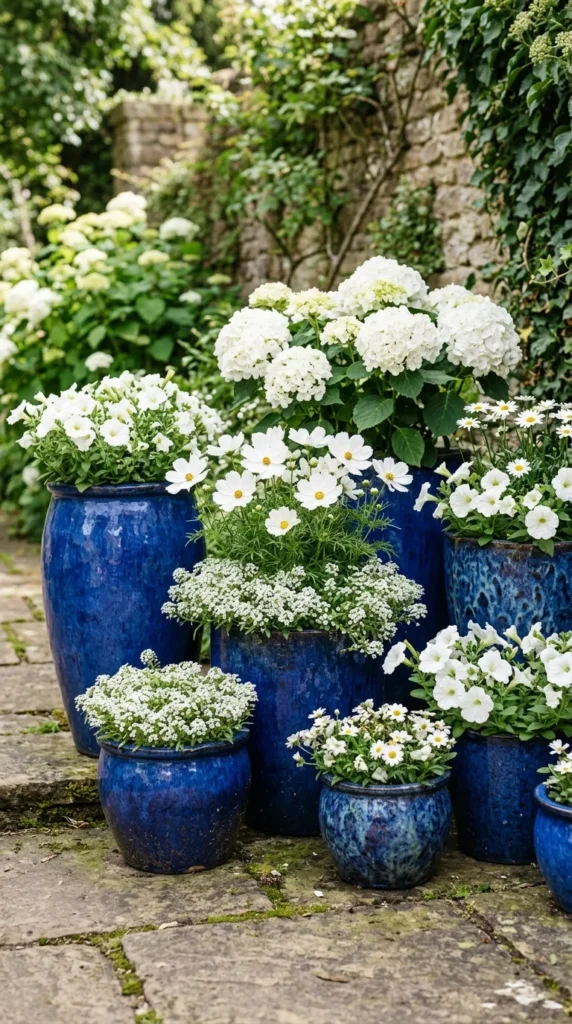
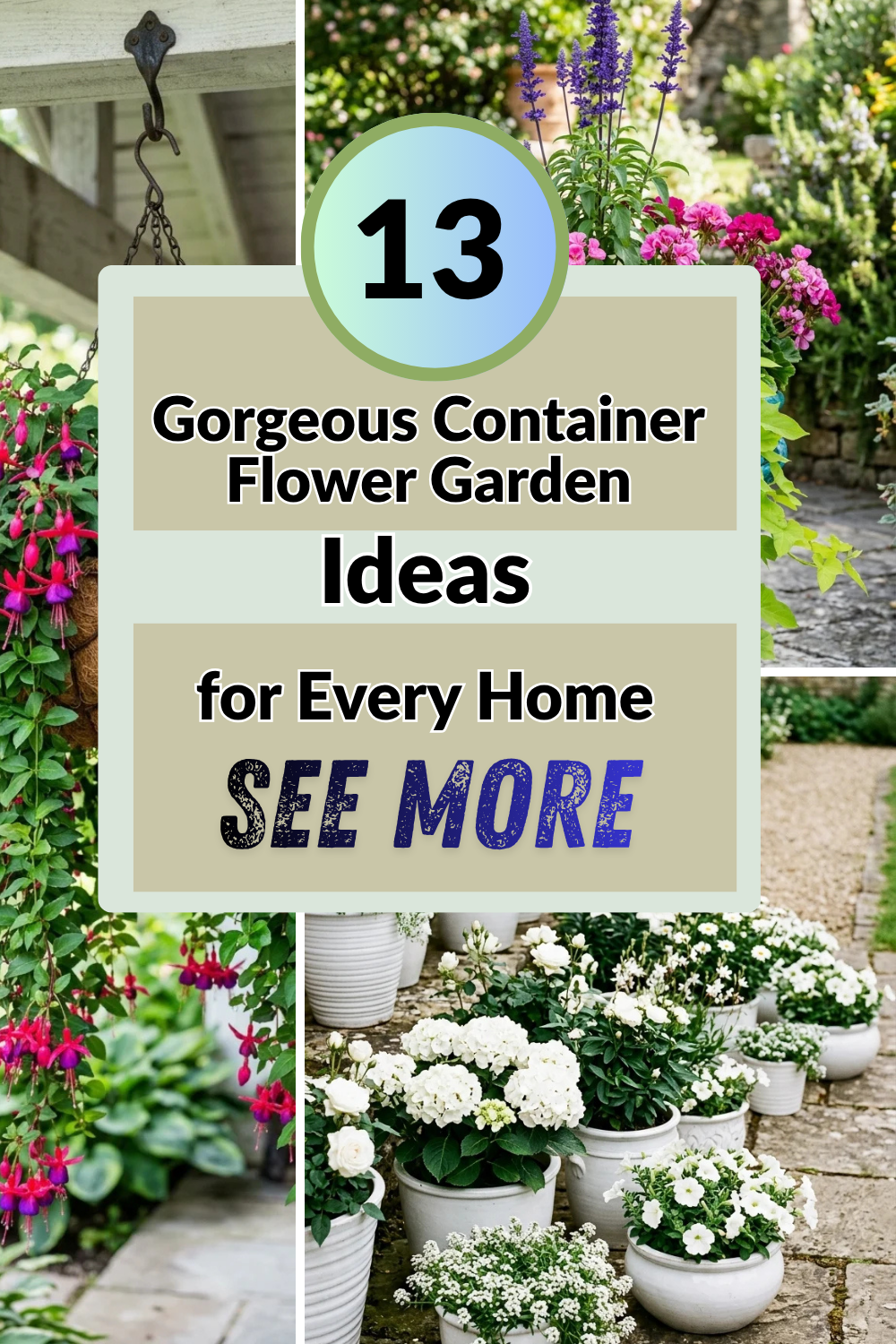
Using a monochromatic color scheme—where all the flowers are the same color—creates a sophisticated and calming effect. White gardens, often called “moon gardens,” are particularly popular because the white petals seem to glow in the twilight, making the space feel ethereal after the sun goes down.
11. Aquatic Containers
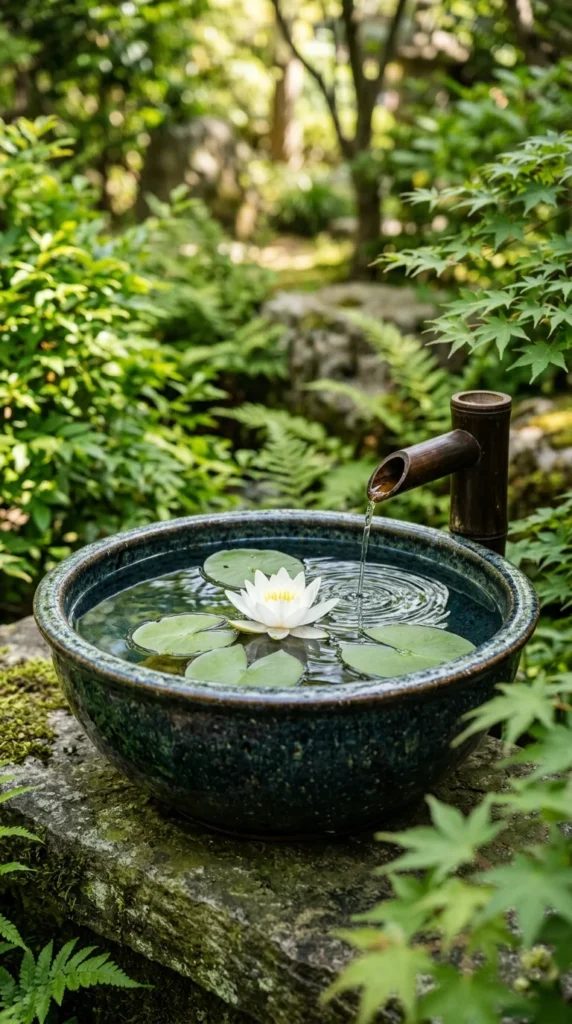
You don’t need a pond to enjoy water plants. A “pot-in-a-pot” system or a sealed decorative basin can house water lilies, papyrus, and water hyacinth. These containers add the soothing sound of water and a completely different texture to your garden, provided you keep the water topped up and clear.
12. Upcycled Boots
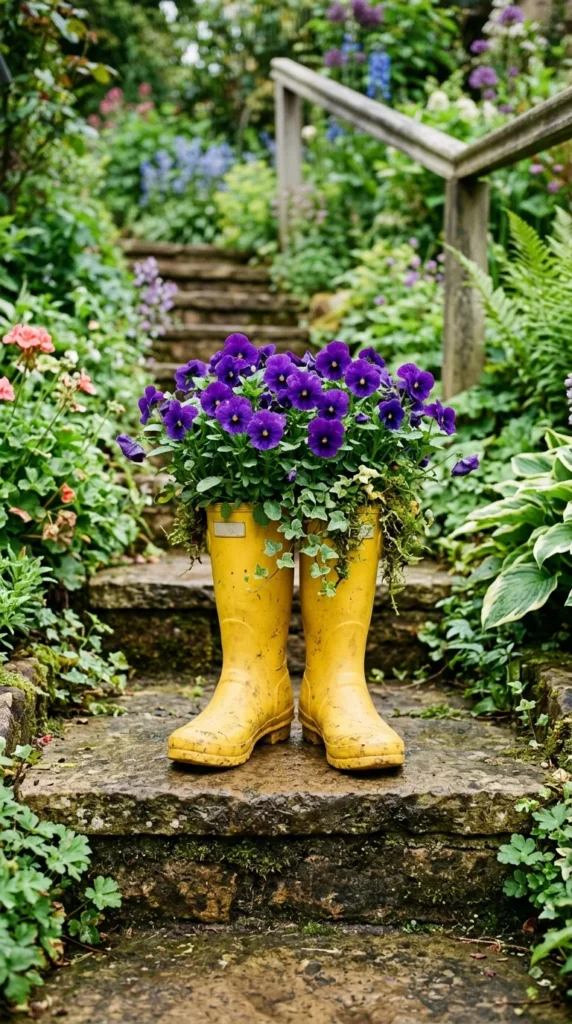
Add a splash of personality by using old footwear as planters. Rain boots, leather work boots, or even old clogs can be filled with soil and small bedding plants. These “personality planters” are great conversation starters and work well on porch steps or tucked into garden corners for a surprise element.
13. Tropical Palms
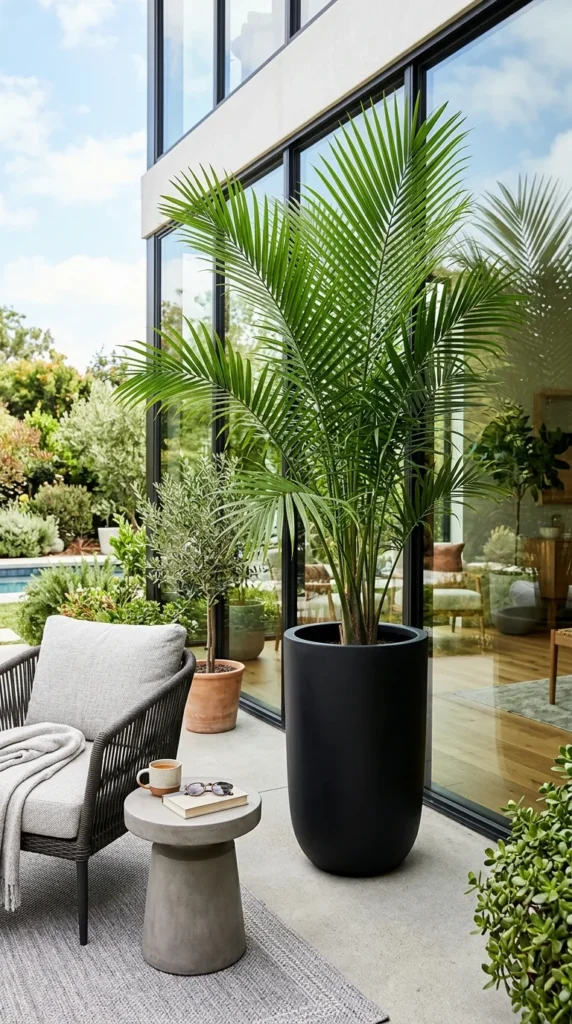
To create a vacation-at-home vibe, use large containers for tropical palms or bananas. These architectural plants provide height and a sense of enclosure. Even in cooler climates, you can enjoy these during the summer months and move the pots indoors near a sunny window once the temperature drops.
14. Edible Flowers
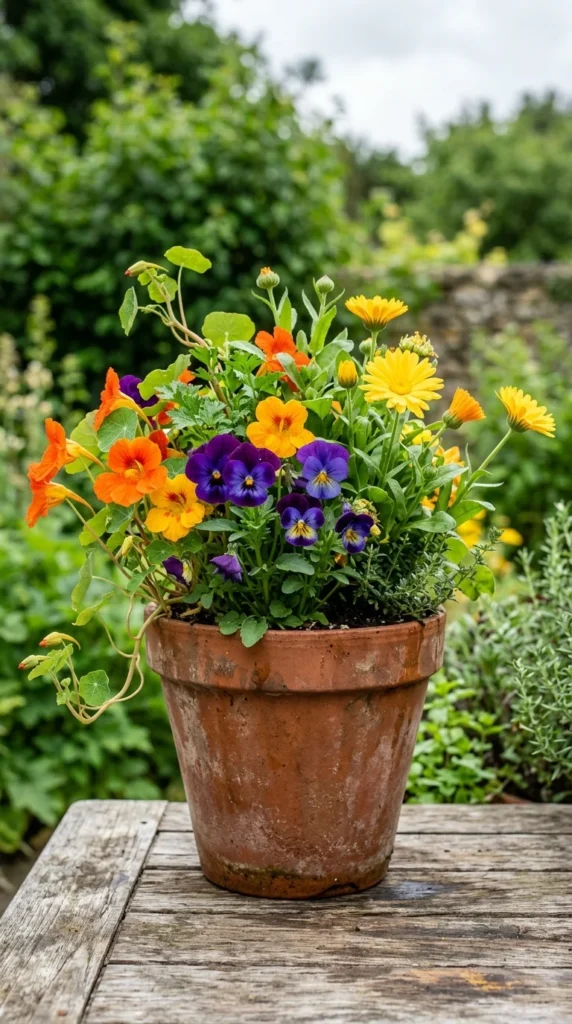
Combine beauty with utility by growing flowers you can eat. Nasturtiums, pansies, and borage thrive in containers and add a gourmet touch to salads and desserts. Growing them in pots ensures they are kept in “clean” soil, free from lawn chemicals, making them safe for consumption.
15. Strawberry Towers
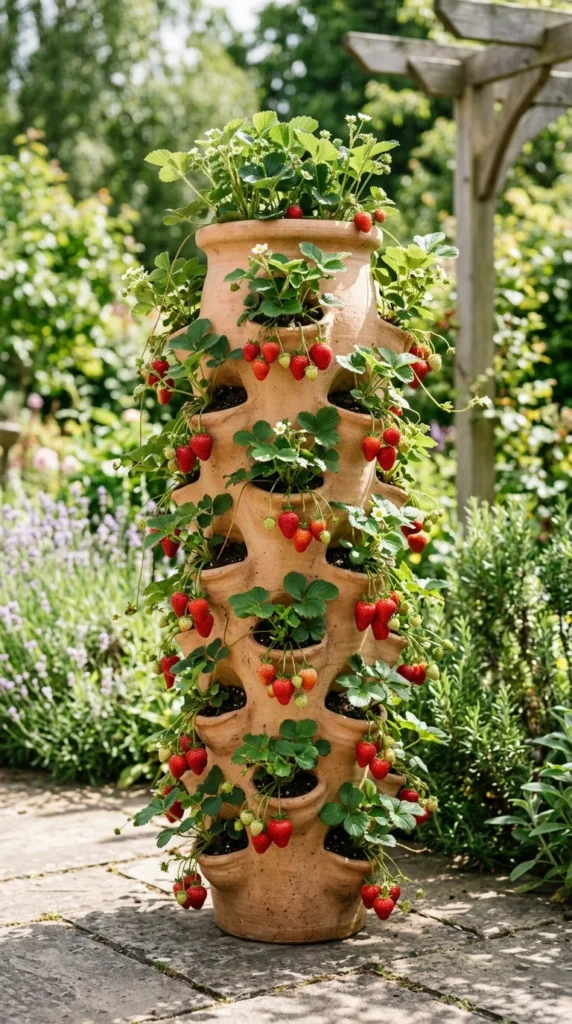
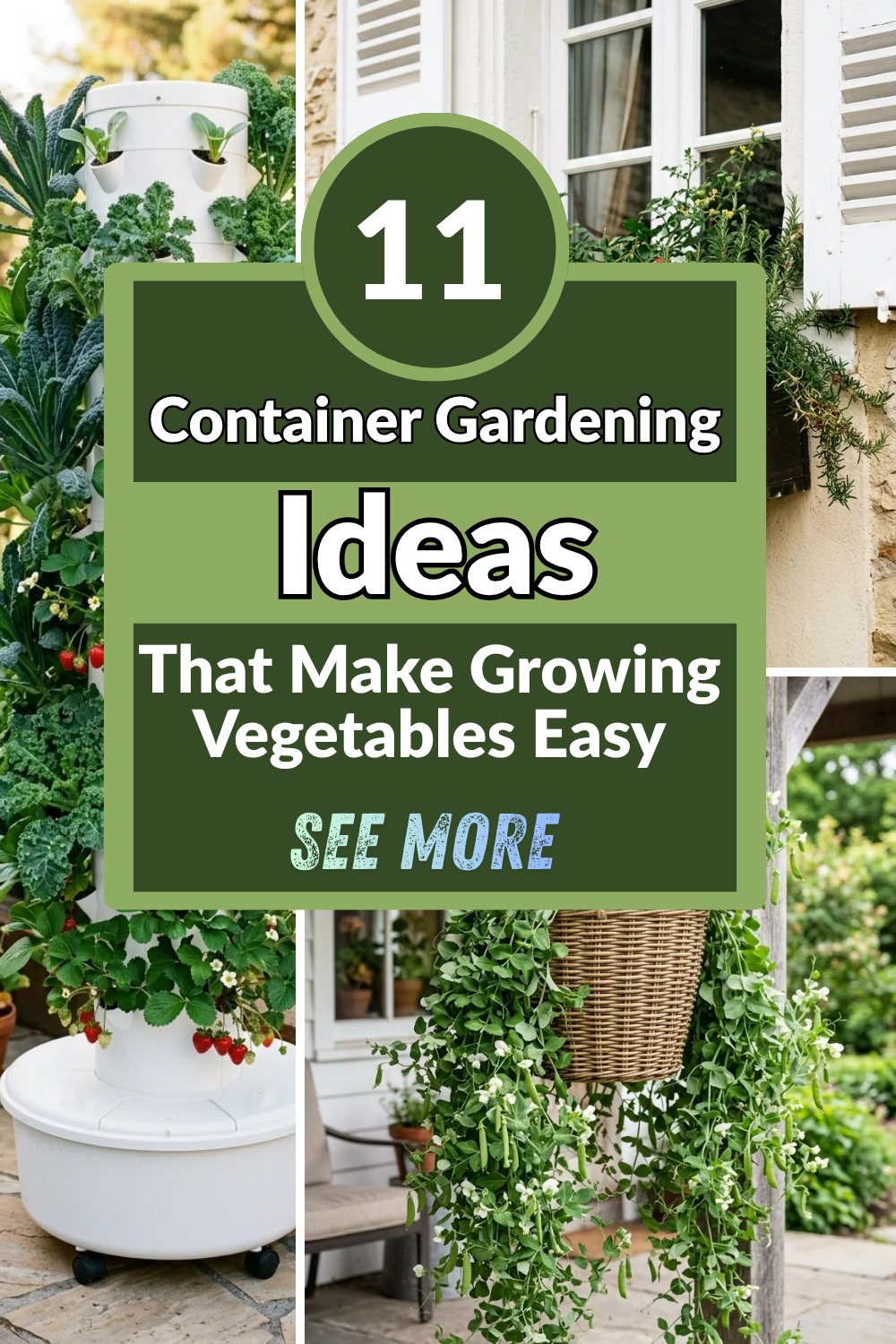
Strawberries love well-drained soil and plenty of sun, making them perfect candidates for specialized “strawberry jars.” These tall pots have multiple openings, allowing you to grow a dozen plants in the footprint of one. As the berries ripen, they hang away from the soil, keeping them clean and easy to harvest.
16. Mixed Textures
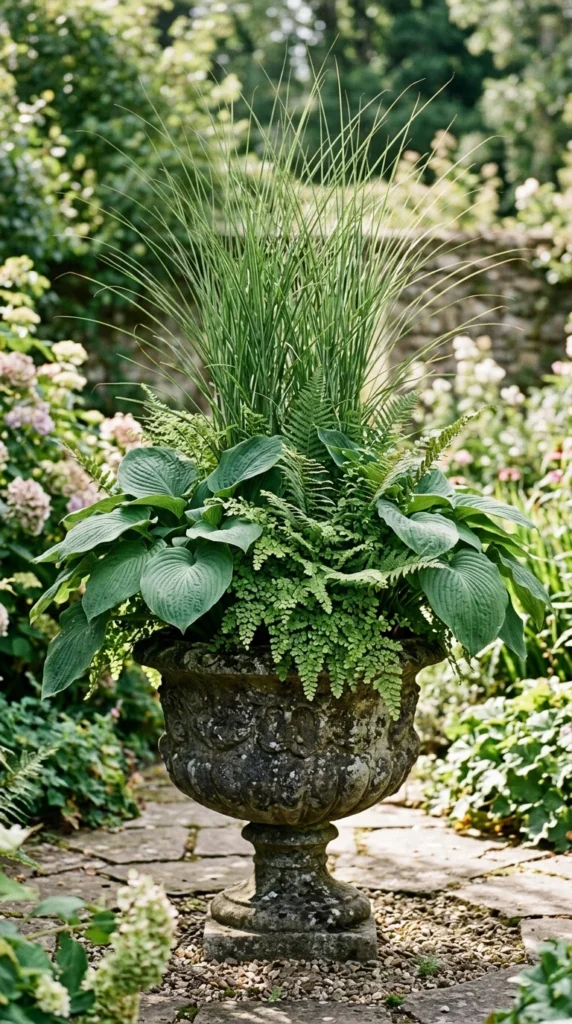
When flowers aren’t in bloom, foliage takes center stage. A “foliage-first” container focuses on the contrast between leaf shapes, sizes, and colors. Pairing a broad-leaved Canna Lily with feathery Asparagus Fern and silver-leaved Dusty Miller creates a visual feast that remains attractive from spring through autumn.
17. Seasonal Transitions
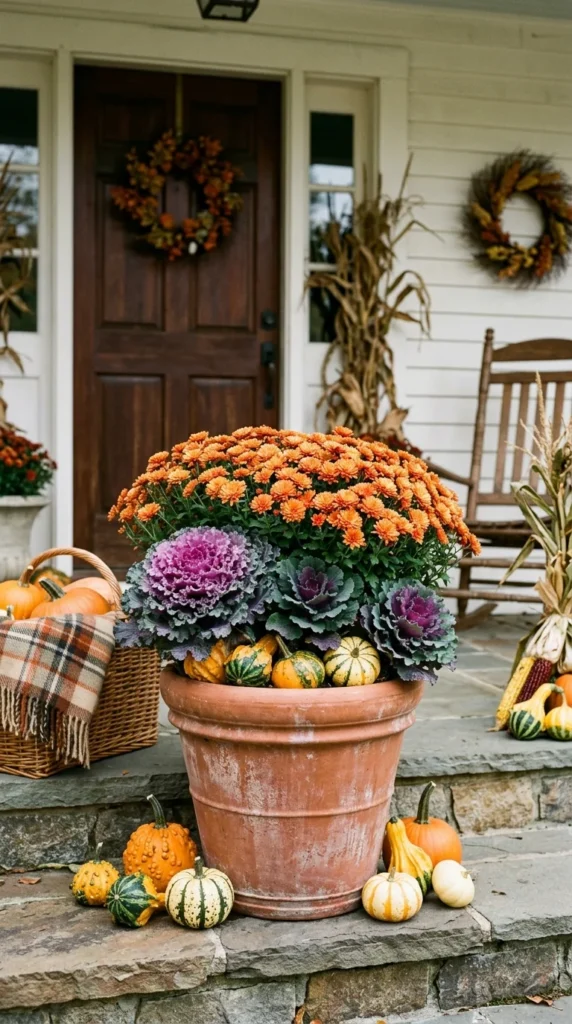
The greatest advantage of container gardening is the ability to swap plants out as the seasons change. Instead of waiting for a garden bed to bloom, you can replace spent summer annuals with hardy mums and kale in the fall, or evergreen boughs and berries in the winter. This ensures your home always has a fresh, welcoming entrance regardless of the time of year.