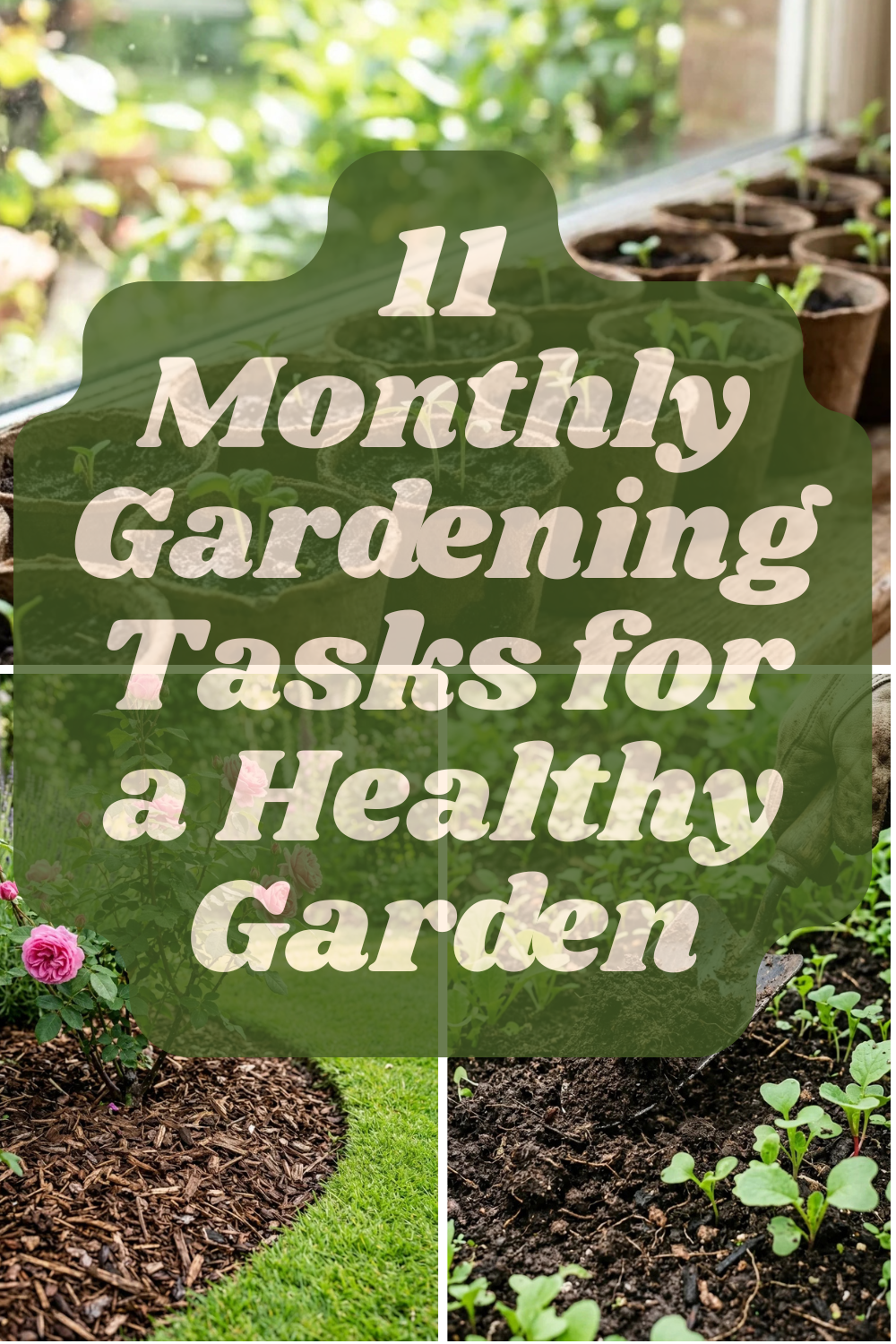
A thriving garden is rarely the result of luck; it is the product of consistent, thoughtful care throughout the changing seasons. Whether you are tending to a small urban balcony or a sprawling suburban plot, breaking down your garden maintenance into manageable monthly tasks ensures that your plants stay healthy, your soil remains fertile, and your harvests stay bountiful. By following a structured routine, you can prevent problems before they arise and enjoy the therapeutic benefits of gardening year-round.
1. Soil Testing
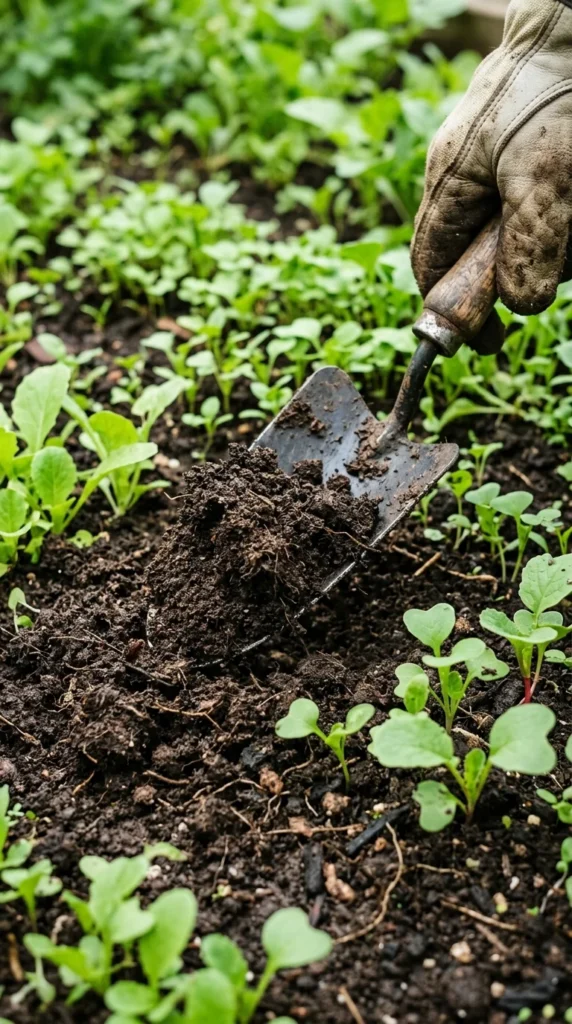
The foundation of every healthy garden is the soil. Each month, but particularly as you prepare for new planting seasons, you should assess the quality of your earth. Soil testing kits are invaluable tools that reveal the pH levels and nutrient content of your garden beds. Most garden plants thrive in slightly acidic to neutral soil (pH 6.0 to 7.0).
If your test reveals deficiencies, use your monthly window to amend the soil. Adding lime can raise the pH, while sulfur can lower it. Incorporating organic matter, such as well-rotted manure or leaf mold, improves soil structure regardless of the type. This task ensures that your plants have the “fuel” they need to grow strong root systems and resist disease.
2. Seed Starting
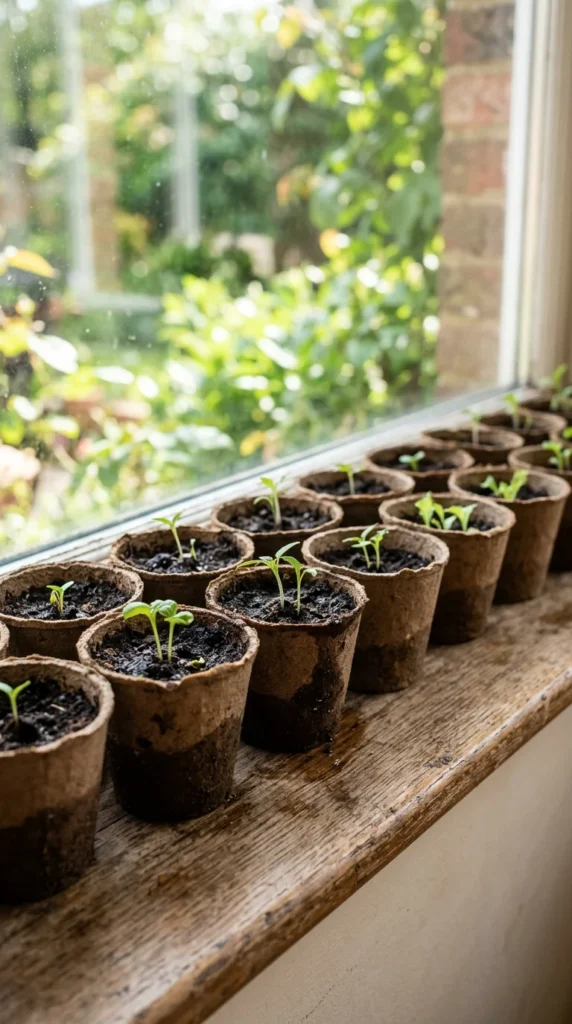
To get a head start on the growing season, monthly seed starting is essential. Depending on your climate zone, this might mean starting tomatoes and peppers indoors under grow lights during the late winter, or sowing hardy greens directly into the soil as the weather warms.
Succession planting—sowing new seeds every two to four weeks—is a pro-level task that ensures a continuous harvest. Instead of having twenty heads of lettuce ready all at once, monthly seed starting allows you to have a fresh supply throughout the entire season. Pay close attention to the “days to maturity” on your seed packets to time your planting perfectly with your local frost dates.
3. Targeted Pruning
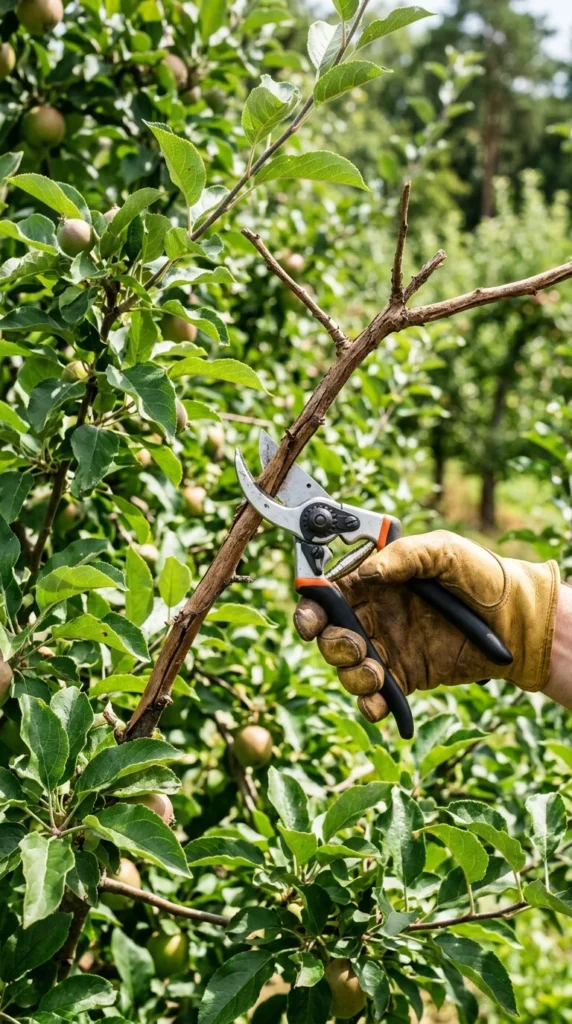
Pruning is not just about aesthetics; it is about plant health and air circulation. Each month, take a walk through your garden with a sharp pair of bypass pruners. Look for the “three Ds”: dead, damaged, or diseased wood. Removing these sections prevents rot from spreading to the rest of the plant.
Different plants require pruning at different times. For example, spring-flowering shrubs should be pruned immediately after they bloom, while fruit trees are often best pruned during dormancy. Regular, light pruning encourages new growth and can help shape your plants so they don’t become overgrown and unmanageable. Always ensure your tools are sterilized with isopropyl alcohol between plants to prevent the cross-contamination of pathogens.
4. Compost Management
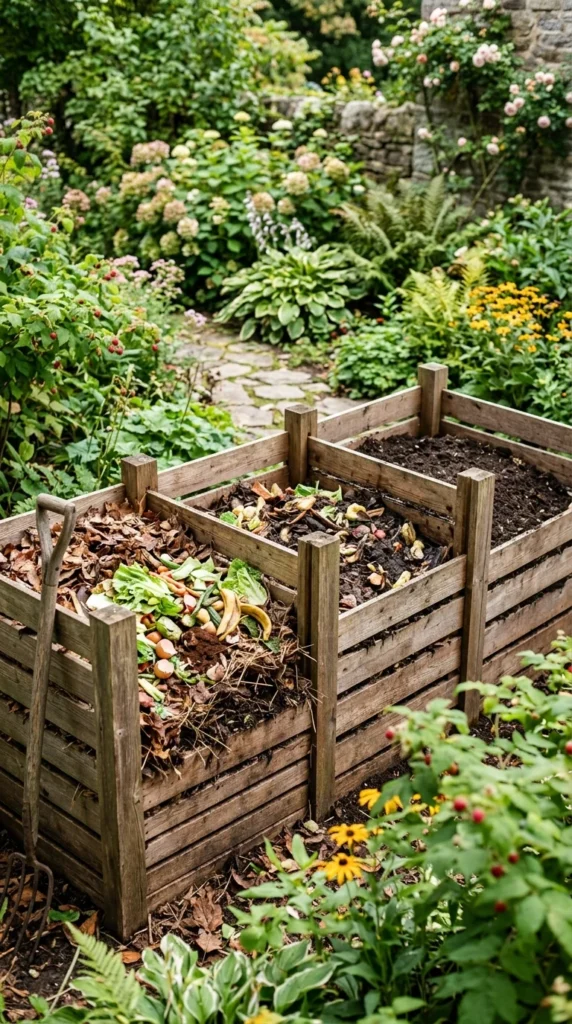
Your compost pile is a living ecosystem that requires monthly attention to stay “active.” A healthy compost pile needs a balance of “greens” (nitrogen-rich kitchen scraps and fresh grass clippings) and “browns” (carbon-rich dried leaves and cardboard).
Once a month, use a pitchfork to turn your compost pile. This introduces oxygen, which is vital for the aerobic bacteria that break down organic matter. If the pile looks too dry, add a bit of water; if it looks slimy and smells, add more brown material. By maintaining your compost monthly, you ensure a steady supply of “black gold” to top-dress your garden beds, reducing the need for synthetic fertilizers.
5. Mulch Application
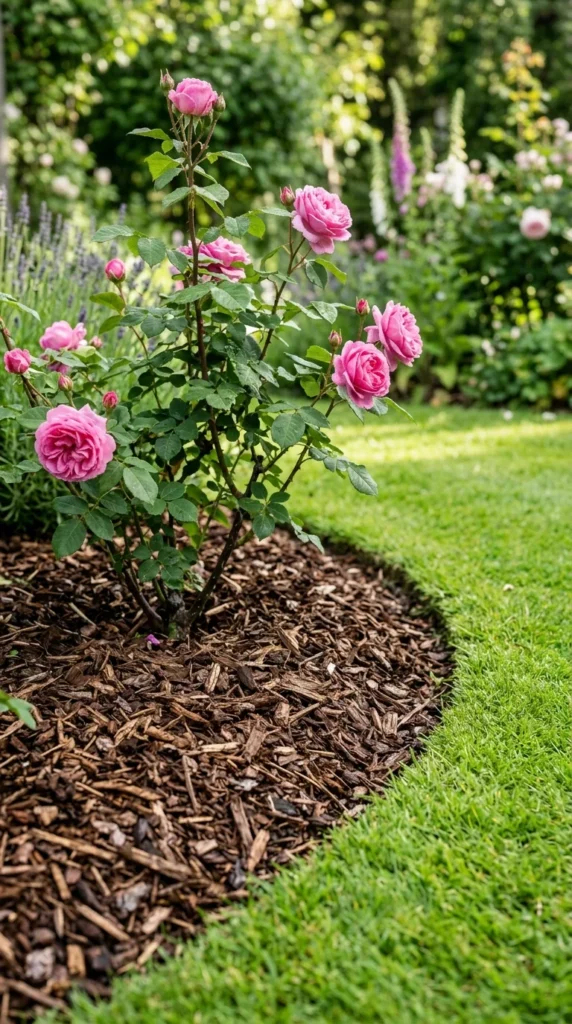
Mulching is one of the most effective tasks for reducing garden maintenance in the long run. A two-to-three-inch layer of organic mulch—such as wood chips, straw, or shredded bark—serves multiple purposes. It suppresses weed seeds by blocking sunlight, retains moisture in the soil by reducing evaporation, and moderates soil temperature.
Check your mulch levels monthly. As organic mulch decomposes, it improves the soil but also thins out. Replenishing thin spots prevents weeds from gaining a foothold. Be careful not to “volcano mulch” (piling mulch directly against the trunks of trees or stems of plants), as this can trap moisture and cause bark rot.
6. Pest Monitoring
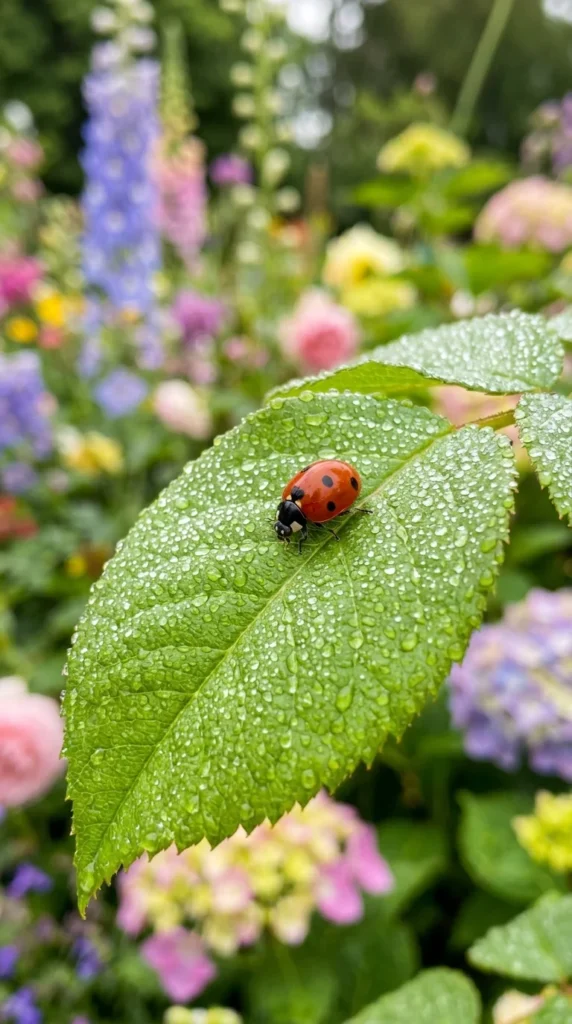
The key to organic pest control is early detection. Make it a monthly habit to inspect the undersides of leaves for eggs, aphids, or mites. Integrated Pest Management (IPM) encourages the use of the least toxic methods first. This might include spraying a strong stream of water to dislodge aphids or hand-picking Japanese beetles.
Monthly monitoring also allows you to identify beneficial insects. If you see ladybugs or lacewings, avoid using broad-spectrum pesticides, as these “good bugs” are your best allies in keeping pest populations in check. Consider planting companion flowers like marigolds or alyssum every month to attract these natural predators to your garden beds.
7. Irrigation Maintenance
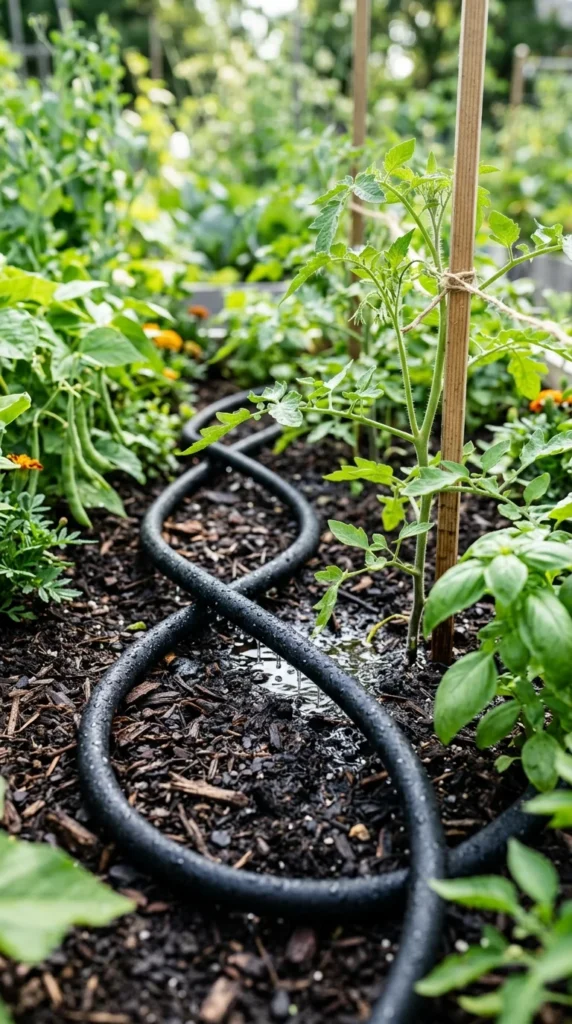
As the seasons shift, so do the water requirements of your garden. Monthly irrigation checks are vital to ensure your plants are getting deep, consistent moisture without wasting water. Check soaker hoses for leaks and ensure that sprinkler heads are not clogged or spraying the sidewalk instead of the plants.
During the heat of mid-summer, you may need to increase the frequency of your watering, whereas, in the cooler autumn months, you should scale back to prevent root rot. Always aim to water early in the morning. This allows the foliage to dry during the day, which significantly reduces the risk of fungal diseases like powdery mildew.
8. Proactive Weeding
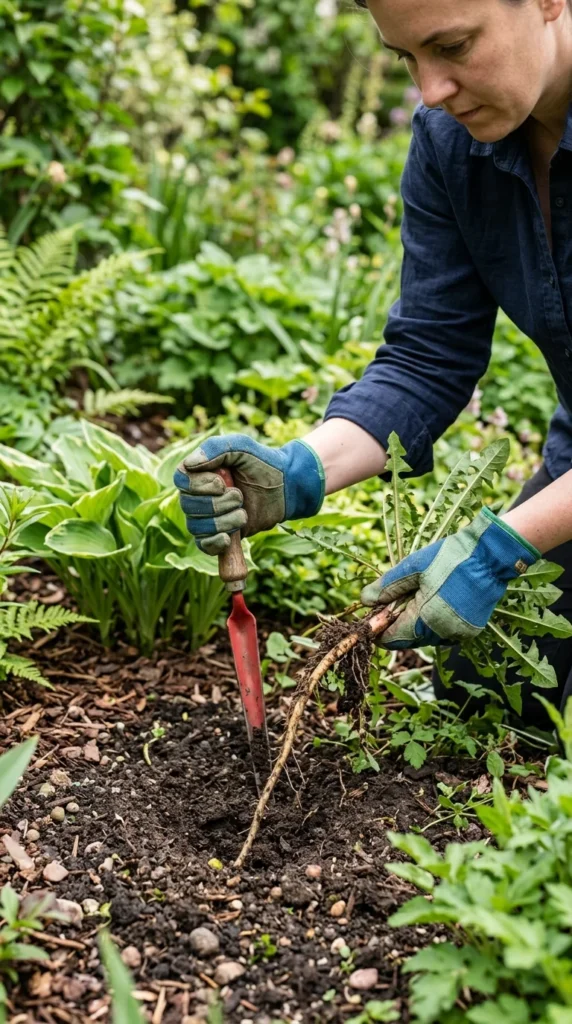
The best time to weed is when the weeds are small. If you wait until they are flowering, they will drop thousands of seeds, creating a problem for years to come. Dedicate a specific time each month to a thorough weeding session.
Focus on removing the entire root system, especially for perennial weeds like dandelions or bindweed. Using a stirrup hoe or a hand weeder can make this job much faster. Weeding isn’t just about looks; weeds compete with your cultivated plants for nutrients, water, and light. A weed-free garden is a more productive garden.
9. Flower Deadheading
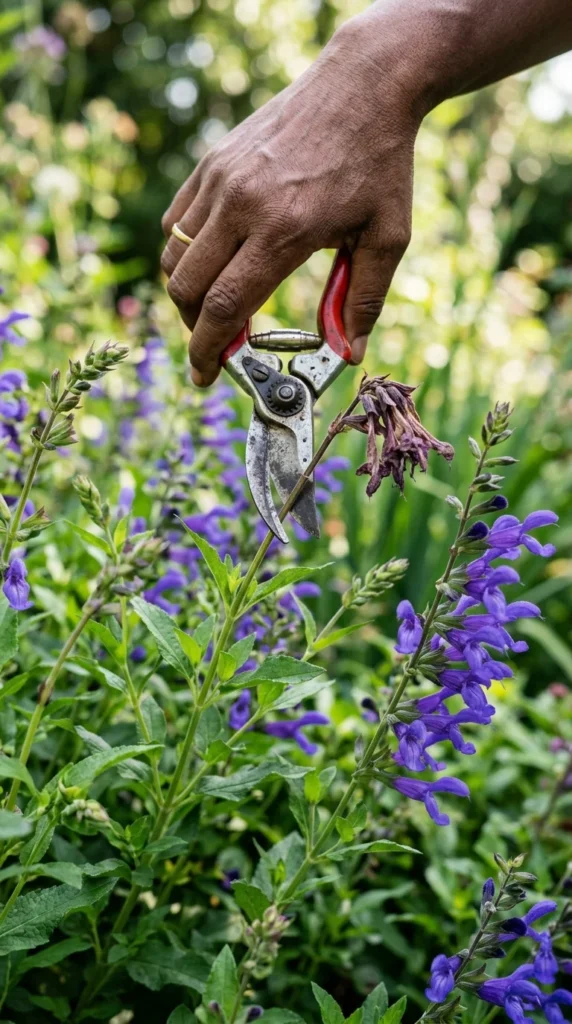
Deadheading is the process of removing spent flowers before they can set seed. For many annuals and perennials, this “tricks” the plant into thinking it hasn’t fulfilled its reproductive cycle, prompting it to produce more blooms.
Monthly deadheading keeps your garden looking tidy and extends the flowering season by weeks or even months. For plants like zinnias, cosmos, and roses, the more you clip, the more they bloom. For vegetables like beans or zucchini, “deadheading” takes the form of frequent harvesting; picking the fruit regularly encourages the plant to keep producing more.
10. Lawn Maintenance
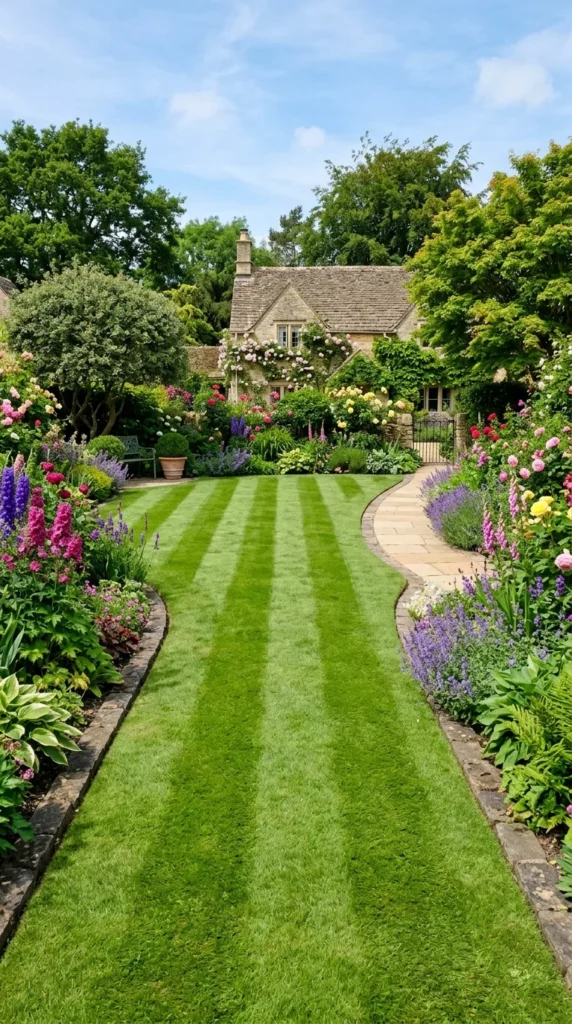
If your garden includes a lawn, it requires its own set of monthly tasks. Depending on the month, this could include aerating to relieve soil compaction, overseeding thin patches, or adjusting your mower blade height. In the height of summer, keeping your grass a bit longer helps shade the soil and protect the roots from heat stress.
Monthly edging along walkways and garden beds provides a “finished” look that makes even a wilder garden feel intentional. If you practice “No Mow May” or allow sections of your lawn to become wildflower meadows, your monthly task might simply be monitoring for invasive species that could choke out native plants.
11. Tool Care
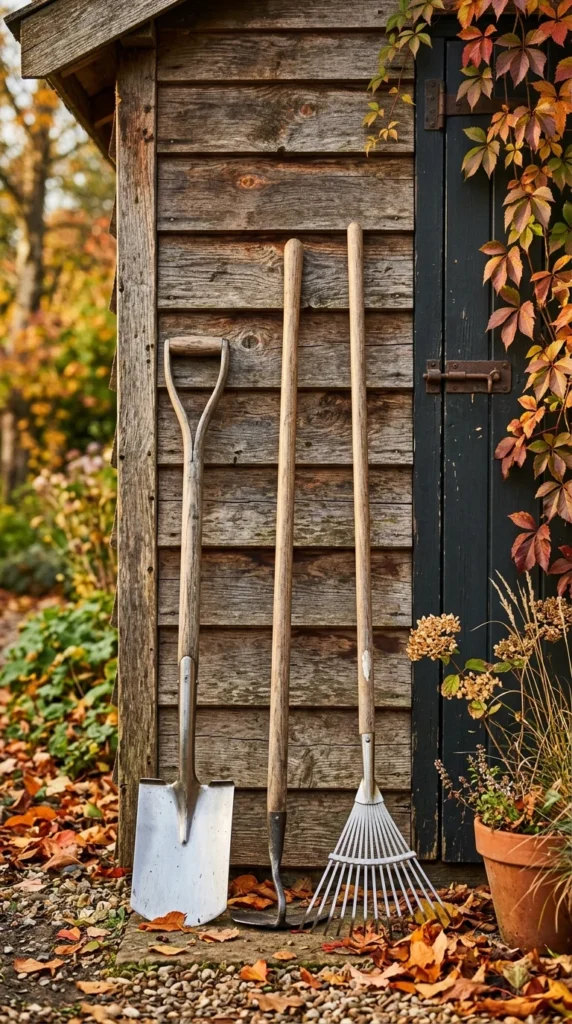
Gardeners are only as good as their tools. At the end of every month, take thirty minutes to maintain your equipment. Clean off dried mud with a stiff brush, sharpen the blades of your shovels and hoes with a mill file, and oil wooden handles to prevent cracking.
If you are moving into the winter months, this task becomes even more important. Drain garden hoses and store them indoors to prevent cracking from freezing temperatures. Clean and oil your power equipment, like mowers or trimmers, and empty their fuel tanks. Keeping your tools in top condition saves money and makes every other task on this list much easier to accomplish.