Container gardening is the ultimate equalizer for plant lovers. Whether you have a sprawling estate or a tiny apartment balcony, the ability to grow a vibrant, living ecosystem in a pot opens up a world of horticultural possibilities. It allows you to control the soil quality, move plants to follow the sun, and change your garden’s “look” with the seasons.
To help you transform your outdoor (or indoor) space into a botanical masterpiece, we have curated fifteen innovative and breathtaking container gardening ideas that prioritize color, texture, and visual impact.
1. Tiered Terracotta
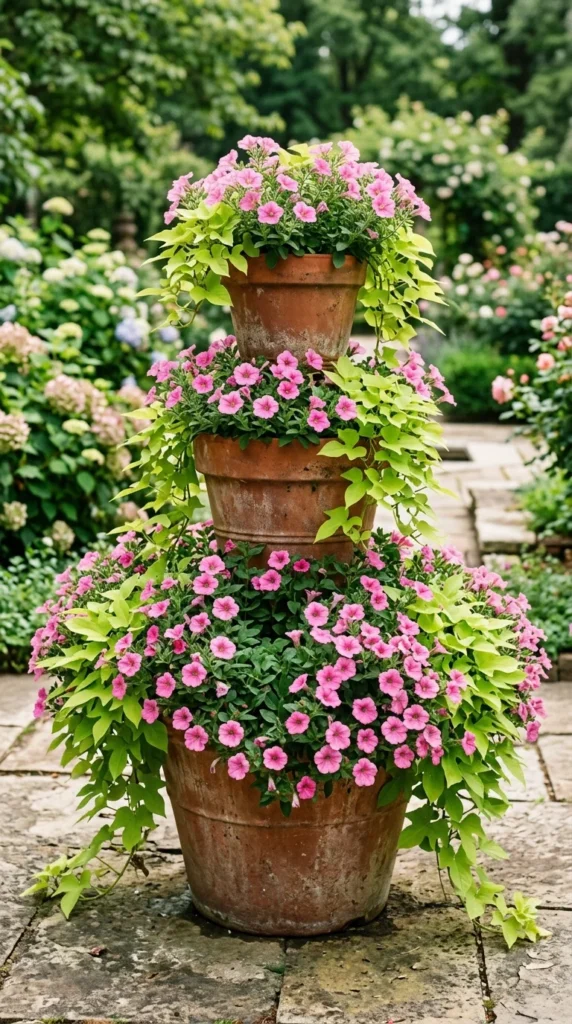
The tiered approach is perfect for those with limited floor space who want to maximize vertical interest. By stacking pots of varying sizes, you create a “flowering fountain” effect.
- Why it works: It draws the eye upward and provides different micro-environments for plants. The top pot dries out faster, while the bottom stays cooler.
- Best plants: Use trailing plants like Lobelia or Bacopa for the edges, and upright flowers like Geraniums for the center of each tier.
2. Thriller, Filler, Spiller
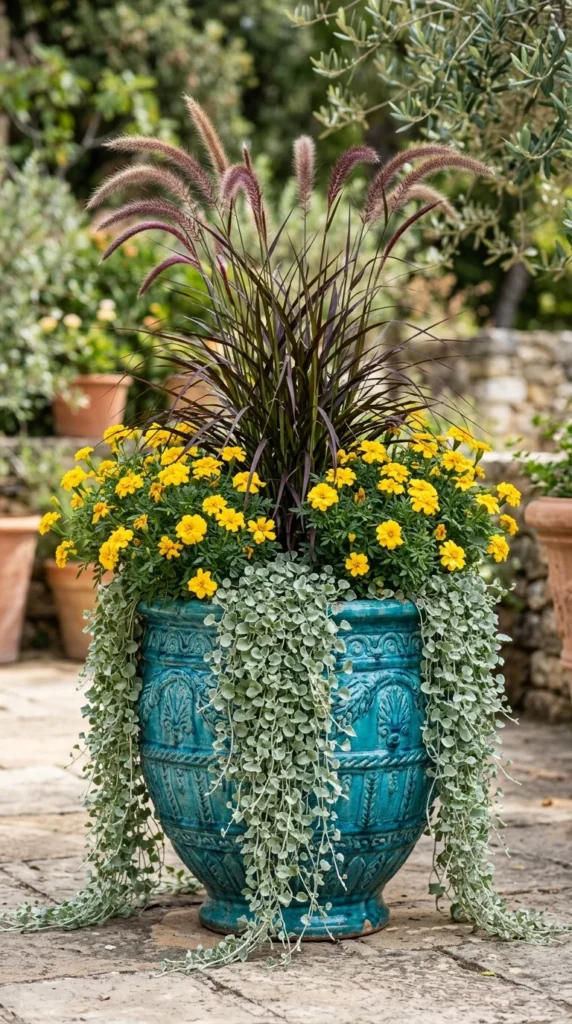
This is the golden rule of container design. A “Thriller” (focal point), a “Filler” (mounding plants to hide the soil), and a “Spiller” (plants that hang over the edge) create a professional, balanced look.
- The Thriller: Think height and drama—Canna lilies, ornamental grasses, or Dracaena.
- The Filler: Plants like Petunias, Lantana, or Coleus provide the bulk and color.
- The Spiller: Creeping Jenny, Ivy, or Sweet Potato Vine soften the hard edges of the container.
3. Window Boxes
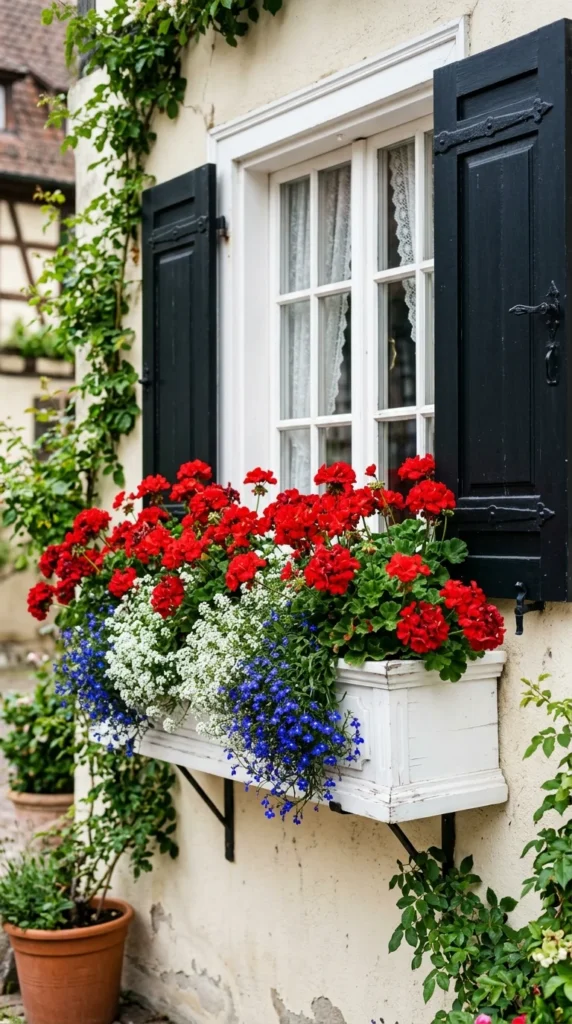
Window boxes bring the garden directly to your home’s architecture. They create a seamless transition between the indoors and outdoors and boost curb appeal instantly.
- Design Tip: Choose colors that contrast with your house paint. If your house is white, vibrant reds and purples pop; if it’s a darker color, go with whites and pale yellows.
- Maintenance: Ensure the boxes are securely mounted and have excellent drainage to prevent wood rot or water damage to the siding.
4. Repurposed Barrels
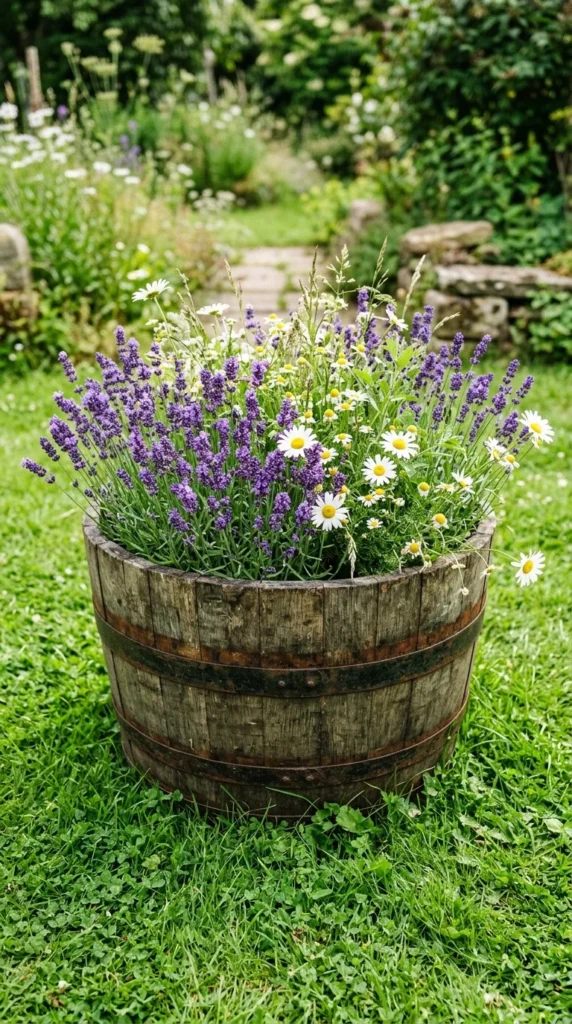
Whiskey or wine barrels offer a large volume of soil, which is ideal for plants with deep root systems or for creating a “mini-garden” within a single vessel.
- Styling: The rustic wood pairs beautifully with cottage-style flowers like Foxgloves, Delphiniums, and Lavender.
- Longevity: Line the inside with plastic (with drainage holes) to extend the life of the wood, and place the barrel on bricks to prevent the bottom from rotting against the ground.
5. Hanging Baskets
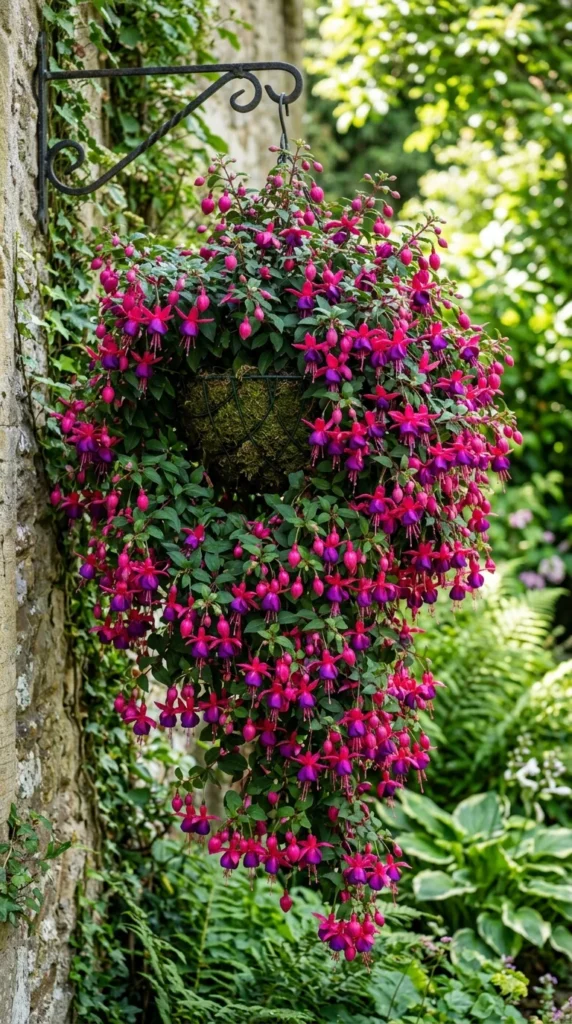
Hanging baskets are the “jewelry” of the porch. They bring color to eye level and utilize overhead space that would otherwise go unused.
- The Moss Look: Using coco-fiber or sphagnum moss liners allows you to plant into the sides of the basket, not just the top, creating a complete ball of color.
- Watering Tip: Hanging baskets dry out very quickly because they are exposed to wind on all sides. Consider a drip irrigation system or a “pulley” mount to make daily watering easier.
6. Herb Towers
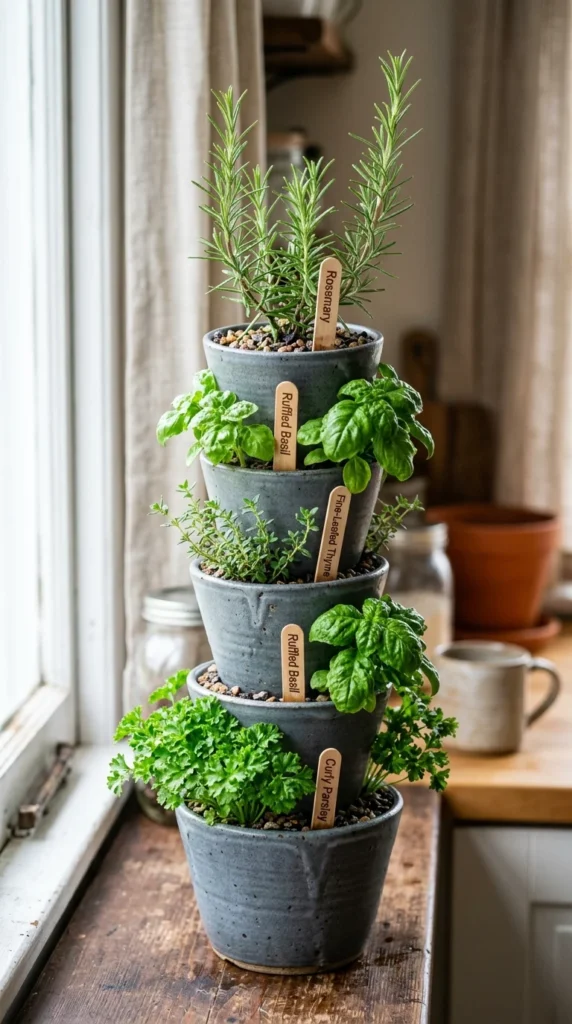
Why settle for a grocery store plastic pack when you can have a fresh herb pharmacy right outside your kitchen door? Herb towers are functional, fragrant, and beautiful.
- Organization: Place sun-loving herbs like Rosemary and Oregano at the top, and moisture-loving herbs like Mint or Parsley at the bottom.
- Sensory Appeal: Brushing against the herbs as you walk by releases their essential oils, adding a fragrance layer to your garden experience.
7. Monochromatic Pots
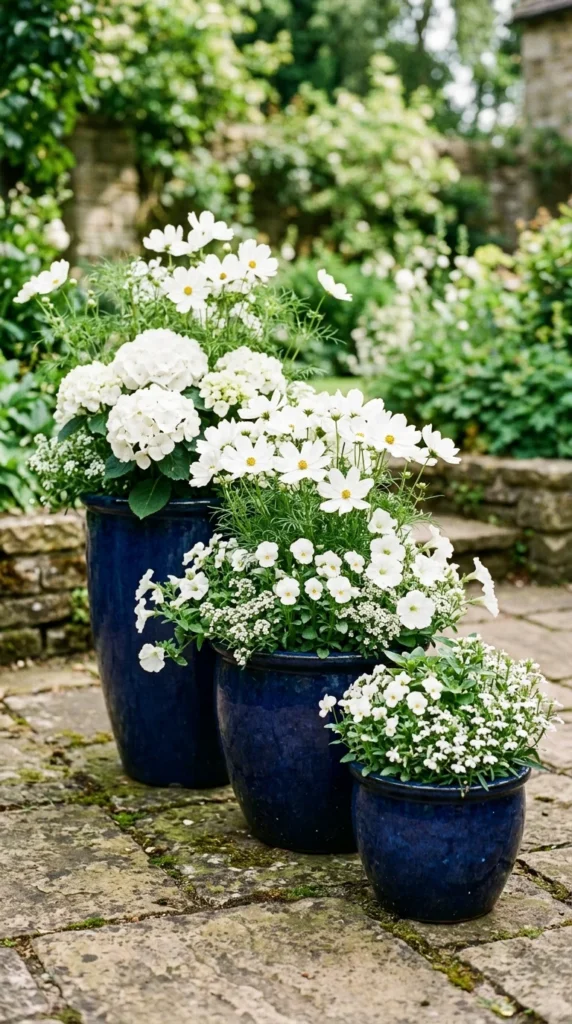
If you find multi-colored gardens overwhelming, try a monochromatic theme. Using different shades and textures of a single color creates a sophisticated, high-end look.
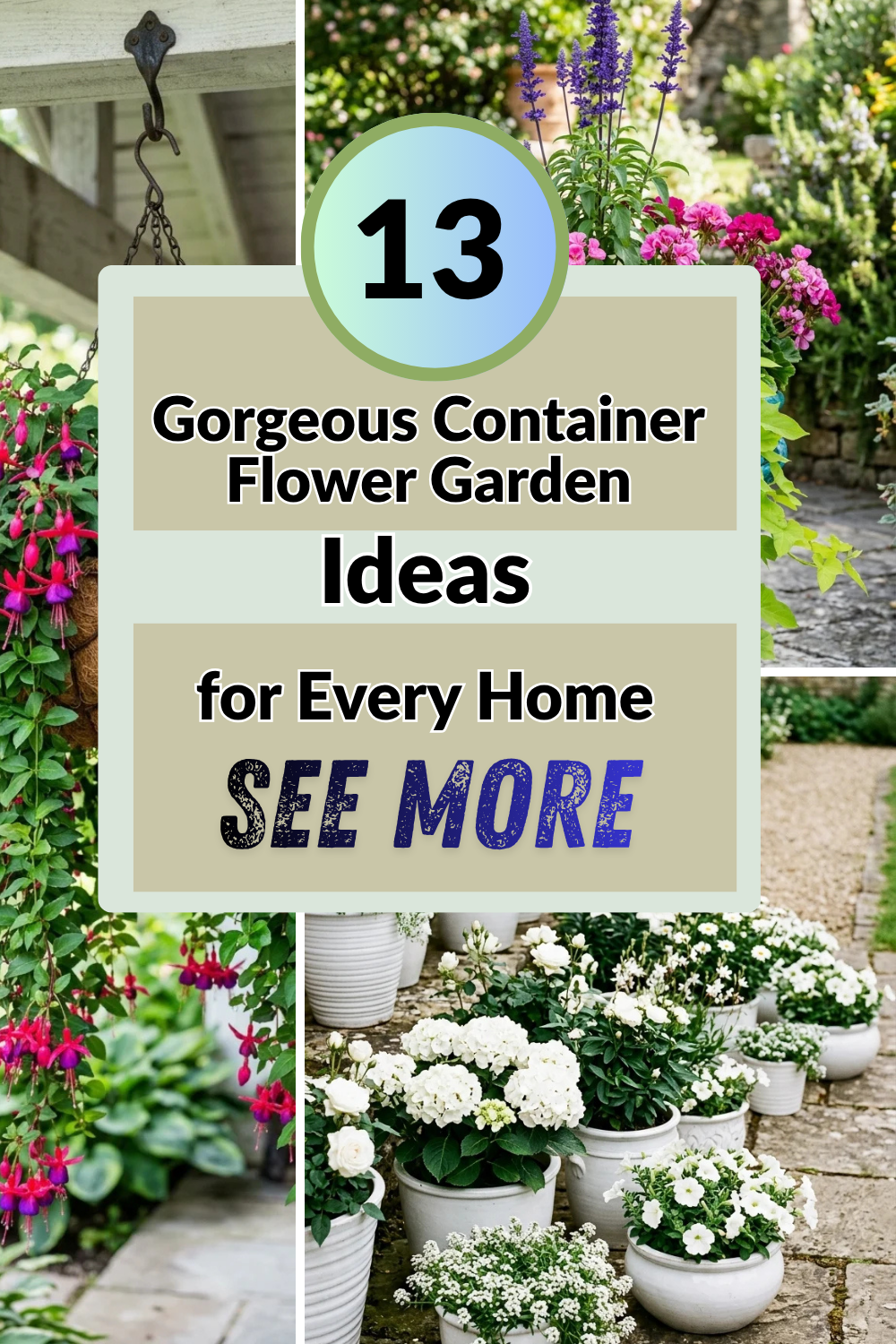
- The White Garden: A “Moon Garden” featuring all-white flowers and silver foliage glows beautifully at twilight and reflects the moonlight.
- Texture Contrast: When using one color, vary the leaf shapes—pair broad-leafed Hostas with feathery Ferns to keep it visually interesting.
8. Tropical Oasis
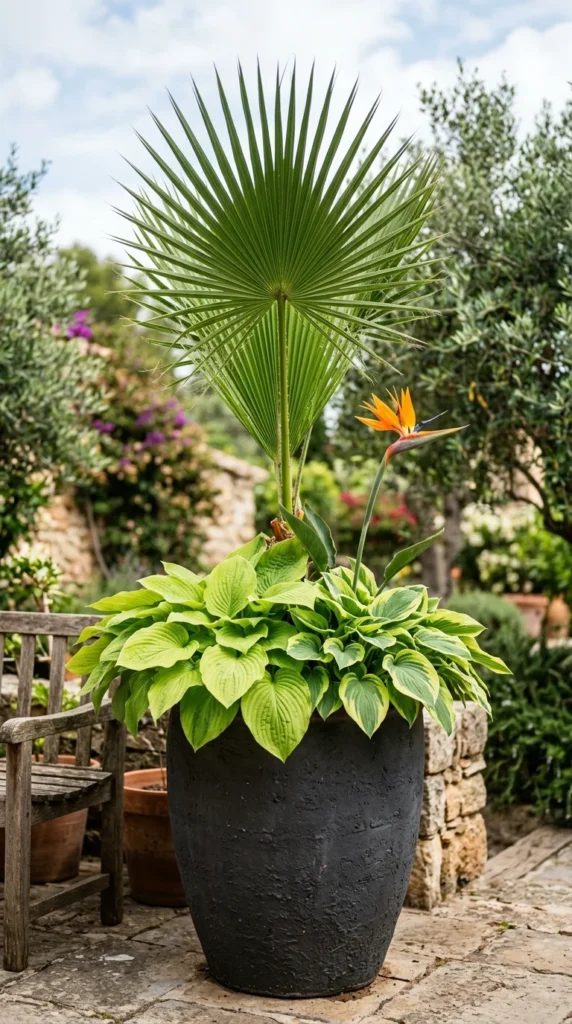
You don’t need to live in the tropics to enjoy a jungle vibe. Large containers can house exotic plants that you can move indoors when the temperature drops.
- Key Players: Hibiscus, Mandevilla, Cannas, and various Palms provide instant height and lushness.
- Fertilization: Tropical plants are heavy feeders during the summer; use a high-phosphorus fertilizer to keep the blooms coming all season long.
9. Succulent Bowls
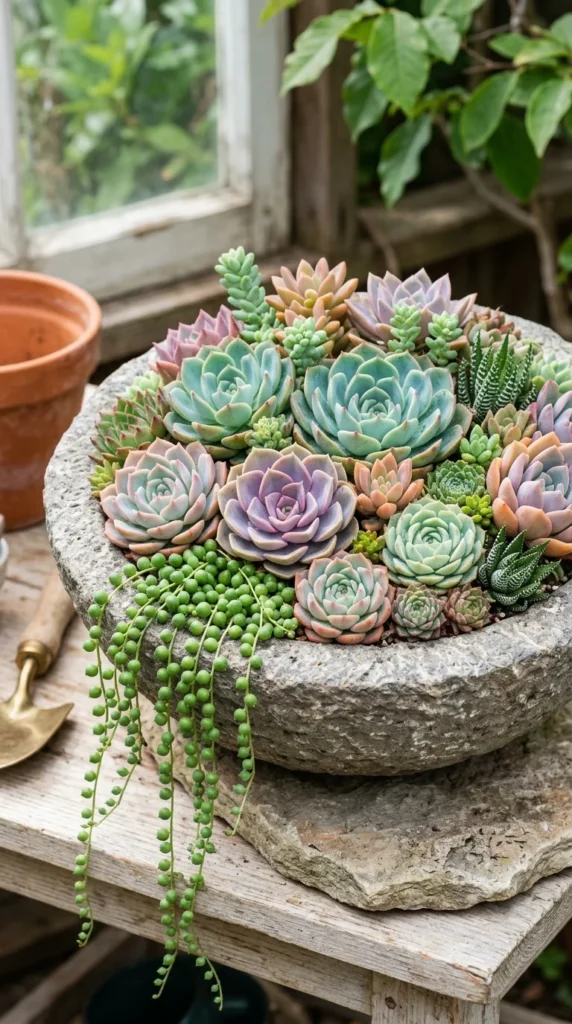
Succulents are the low-maintenance heroes of the container world. Their architectural shapes and muted palettes make them perfect for modern or minimalist settings.
- Drainage is Key: Succulents hate “wet feet.” Use a specific cactus/succulent potting mix and a bowl with a large drainage hole.
- Top Dressing: Cover the soil with decorative pebbles or sea glass to give the arrangement a finished, professional look.
10. Vertical Pallets
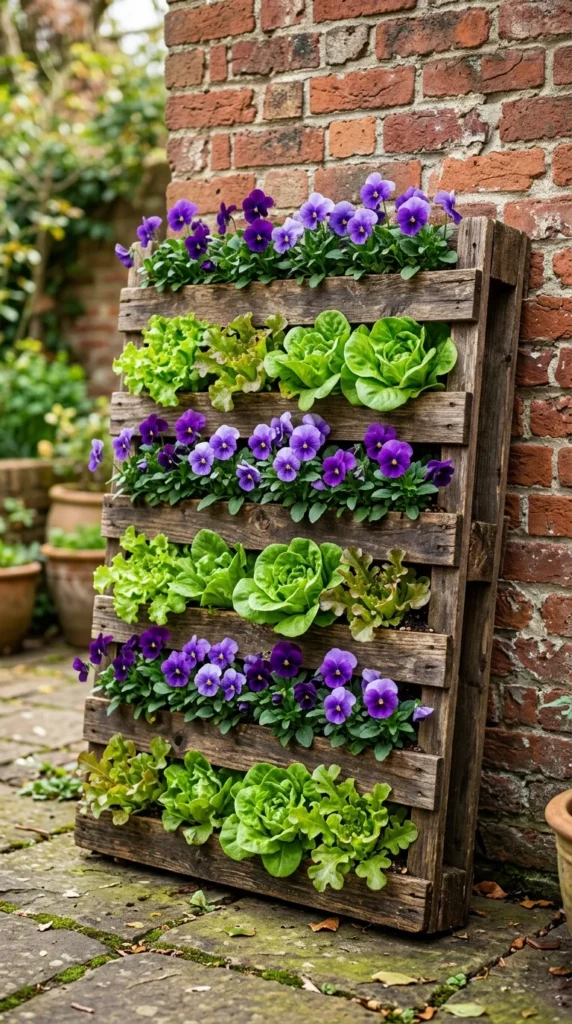
Upcycling a wooden pallet is a budget-friendly way to create a living wall. It’s particularly effective for growing salad greens or small annuals in tight urban spaces.
- Preparation: Ensure the pallet is heat-treated (marked HT) rather than chemically treated. Staple heavy-duty landscape fabric to the back and bottom of the slats to hold the soil.
- Gravity: Water at the top and let it soak down through the layers, but keep an eye on the bottom plants as they can sometimes become oversaturated.
11. Edible Accents
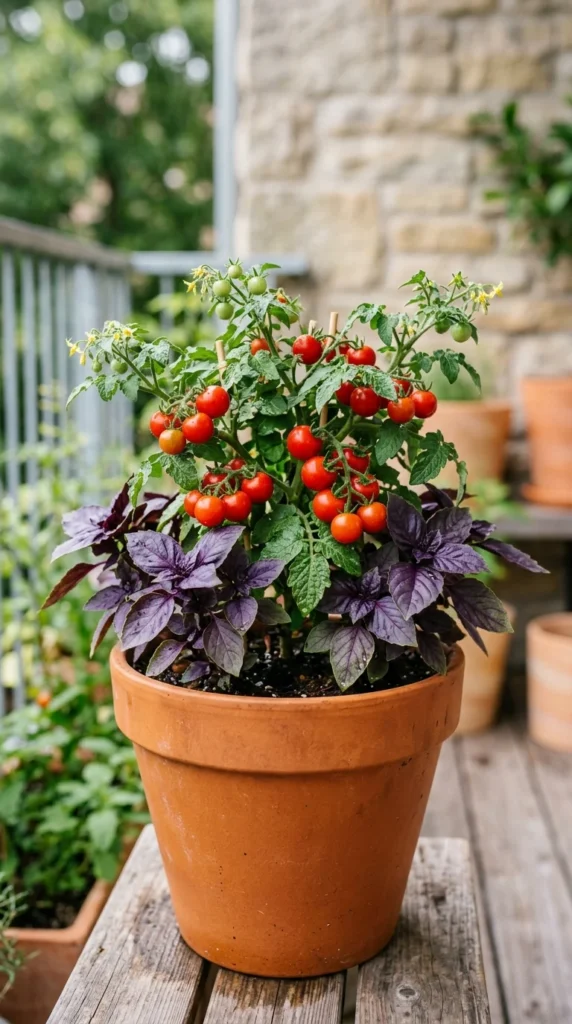
Mixing vegetables with flowers is known as “edimental” gardening. Many edible plants are just as beautiful as ornamental ones.
- Colorful Veggies: Try “Bright Lights” Swiss Chard with its neon stems, or “Midnight Ruffles” lettuce for deep burgundy tones.
- Pollinator Attraction: Plant Marigolds or Nasturtiums alongside your vegetables; they add color and help deter pests while attracting bees to pollinate your crops.
12. Fairy Gardens
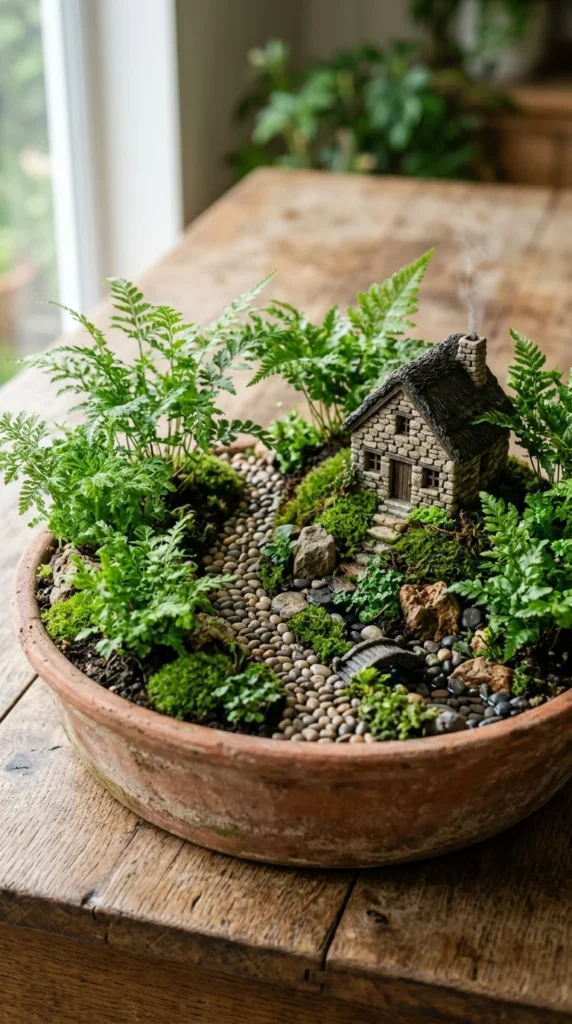
Fairy gardens are a delightful project for children and adults alike. They turn a container into a tiny, whimsical world.
- Scale: Use slow-growing, miniature plants like “Elfin” Thyme or miniature ivies to keep the garden in scale with the figurines.
- Details: Incorporate natural elements like acorns, flat river stones, and moss to create a realistic miniature environment.
13. Galvanized Tubs
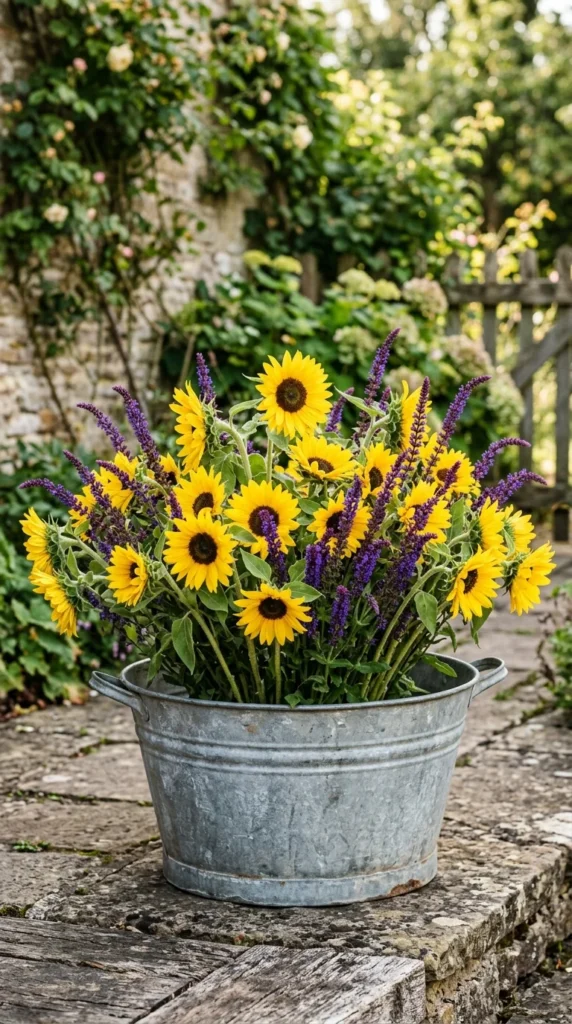
Galvanized steel adds an industrial or farmhouse chic vibe to your garden. These containers are incredibly durable and can hold a significant amount of soil.
- Heat Warning: Metal conducts heat. In very hot climates, the soil inside a metal tub can bake. Place these in semi-shade or line them with bubble wrap to insulate the roots.
- Drilling: Most galvanized tubs aren’t sold with drainage holes. You will need a metal drill bit to create several 1/2-inch holes in the bottom before planting.
14. Shade Sanctuaries
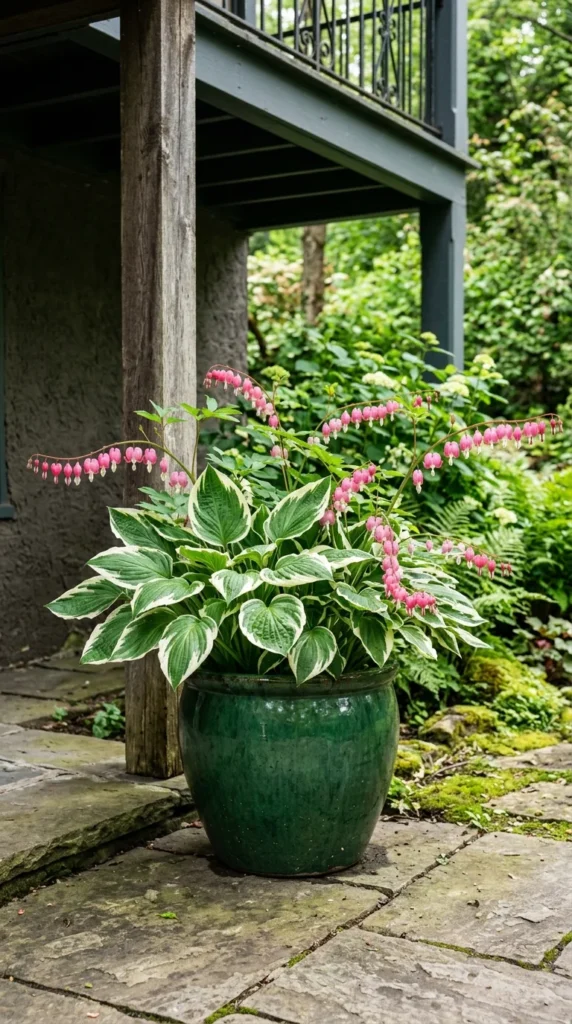
Don’t let a lack of sun stop you. Shade containers can be just as lush as sun-drenched ones, focusing more on leaf texture and variegated patterns.
- Light-Brightening Plants: Use plants with white or silver variegation (like Caladiums or certain Hostas) to “bounce” light into dark corners.
- The Classics: Begonias, Impatiens, and Fuchsias thrive in the shade and provide incredible pops of neon color.
15. Scented Entrances
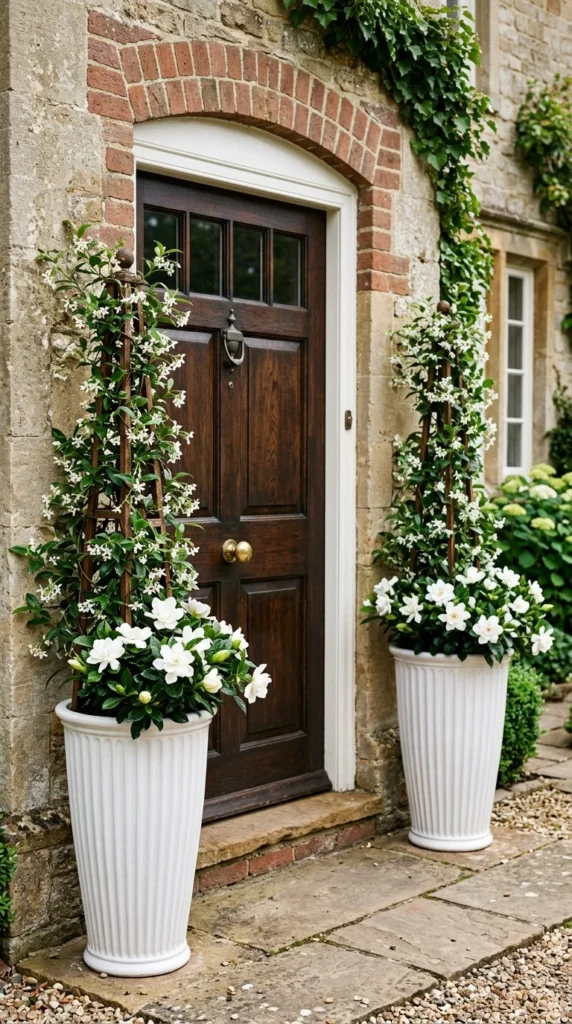
First impressions matter. Placing fragrant containers near your entryway creates a sensory welcome for guests.
- Plant Choice: Jasmine, Gardenias, Heliotrope (which smells like vanilla), and Sweet Alyssum are excellent choices for perfume.
- Strategic Placement: Place them where the evening breeze will carry the scent into the house or across the porch.
Pro-Tips for Container Success
To keep your lush and colorful garden thriving all season, follow these expert maintenance tips:
- Soil Choice: Never use garden soil in pots. It is too heavy and will compact, suffocating the roots. Always use a high-quality “soilless” potting mix designed for containers.
- Watering Routine: Containers dry out much faster than the ground. In the heat of summer, some pots may need water twice a day. Stick your finger an inch into the soil; if it’s dry, it’s time to water.
- Feeding: Because you water frequently, nutrients leach out of the soil quickly. Use a liquid fertilizer every two weeks or mix in slow-release fertilizer granules at the start of the season.
- Deadheading: Remove faded flowers regularly. This prevents the plant from going to seed and encourages it to produce more blooms.
- Pot Material: Porous materials like terracotta allow the soil to breathe but dry out faster. Plastic and glazed ceramic hold moisture longer but can trap heat. Match your pot material to your plant’s thirst levels!