Bringing the outdoors in is more than just a design trend; it is a lifestyle shift that promotes wellness, purifies the air, and transforms a sterile house into a living, breathing sanctuary. Whether you live in a sprawling suburban home or a compact city apartment, there is always room for a garden. Indoor gardening allows you to cultivate a connection with nature regardless of the weather outside. From dramatic vertical walls to tiny glass ecosystems, these twenty ideas will inspire you to turn your home into a verdant paradise.
1. Tiered Stands
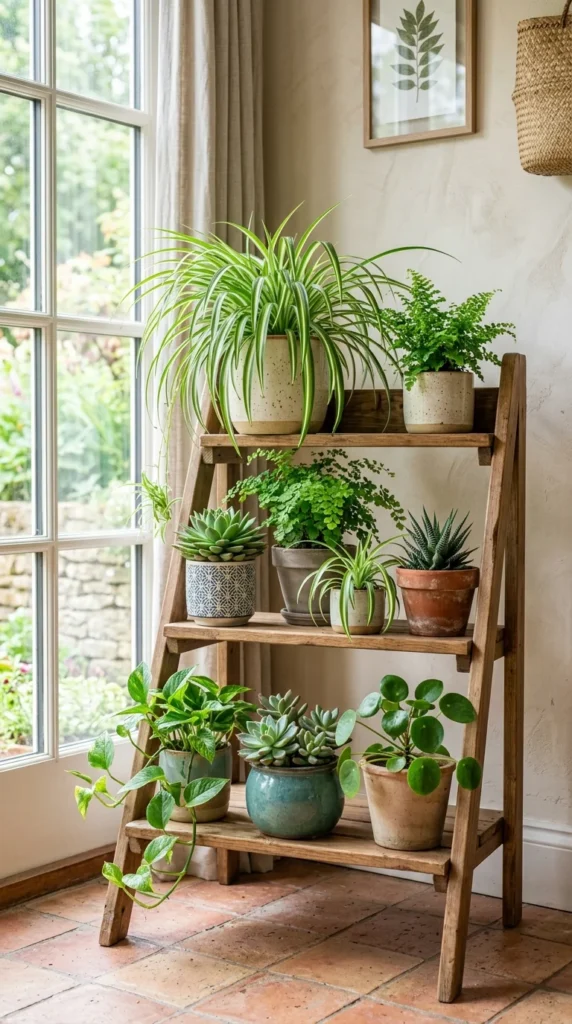
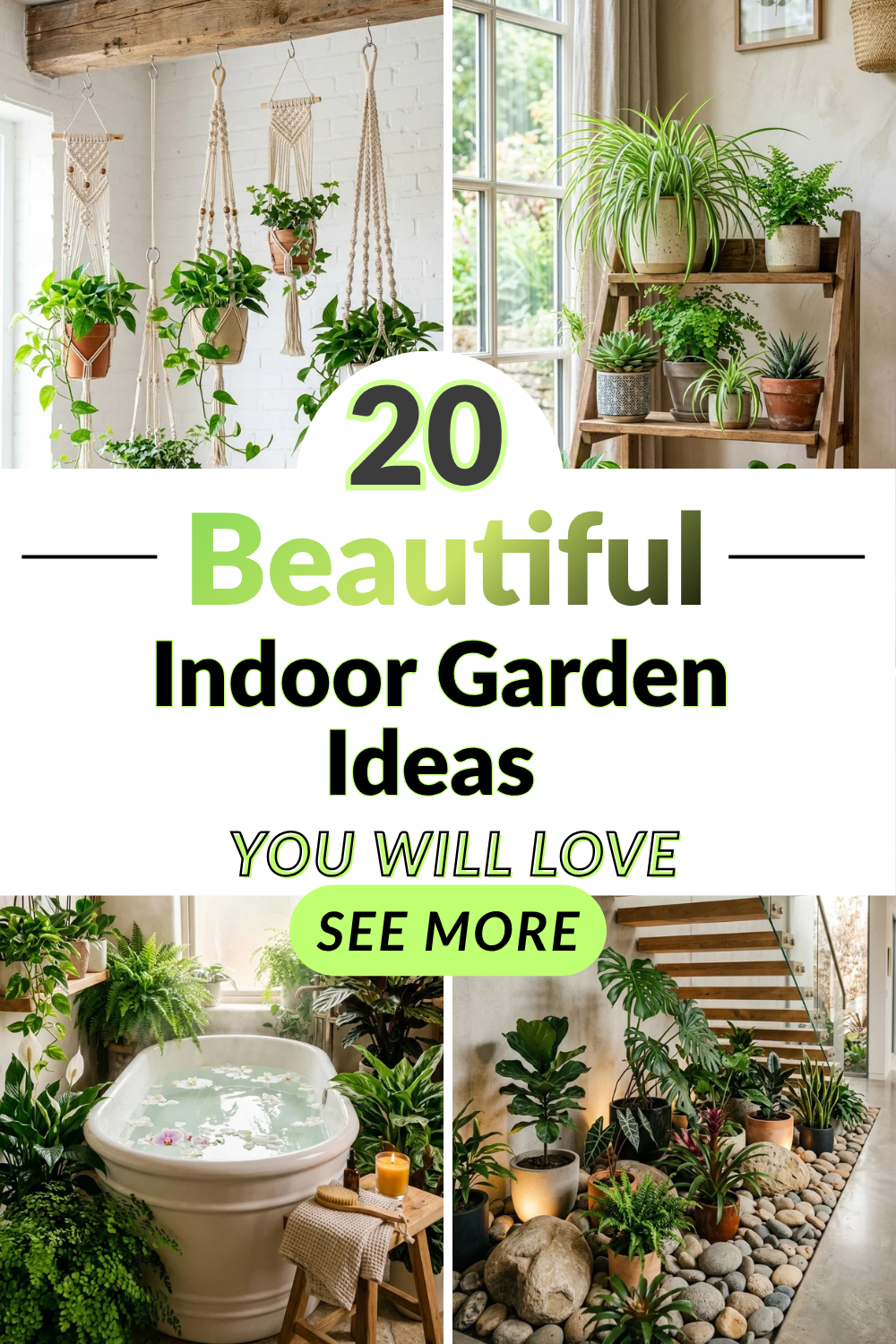
Tiered stands are the ultimate solution for those who want to maximize their greenery without sacrificing floor space. By utilizing vertical height, these stands create a “waterfall” effect of foliage. They work exceptionally well in corners or beside large pieces of furniture. You can mix and match different plant species—placing sun-loving succulents on the top tier and shade-tolerant ferns on the bottom—to create a dynamic and healthy display.
2. Hanging Planters
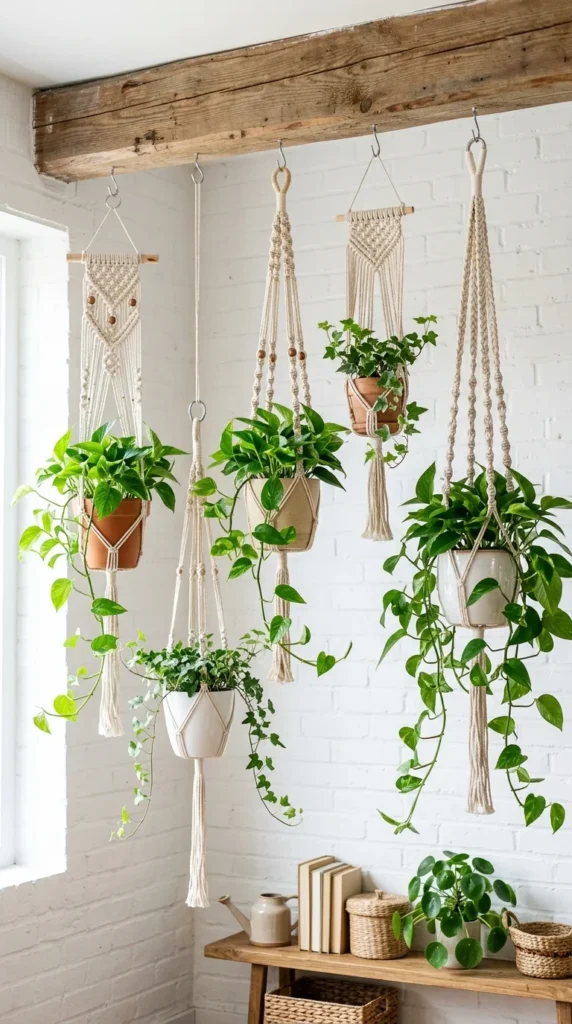
If you find yourself running out of shelf and floor space, look upward. Hanging planters, especially those made from macrame or minimalist ceramic, add a bohemian and airy feel to any room. They are perfect for trailing plants like Pothos, String of Pearls, or Heartleaf Philodendron. By staggering the heights of the hangers, you can create a sense of depth and movement that draws the eye upward, making your ceilings feel higher.
3. Herb Walls
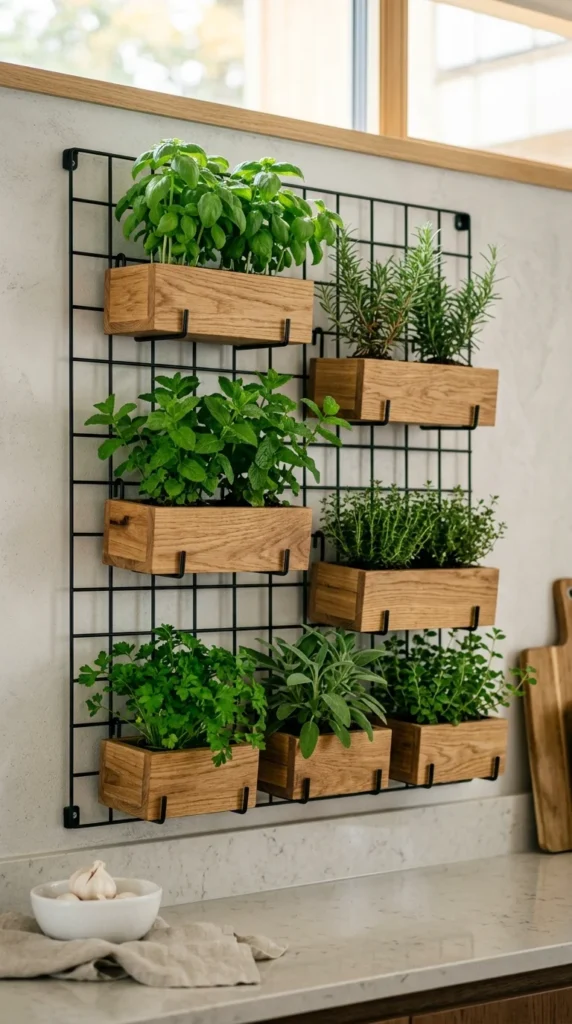
An indoor herb garden is as functional as it is beautiful. Placing a vertical herb wall in your kitchen ensures that fresh flavors are always within arm’s reach while cooking. You can use magnetic tins on the fridge, a wall-mounted wooden rack, or even a repurposed shoe organizer. Not only does this provide a constant supply of organic ingredients, but the fragrance of fresh basil, mint, and rosemary acts as a natural air freshener for your culinary space.
4. Glass Terrariums
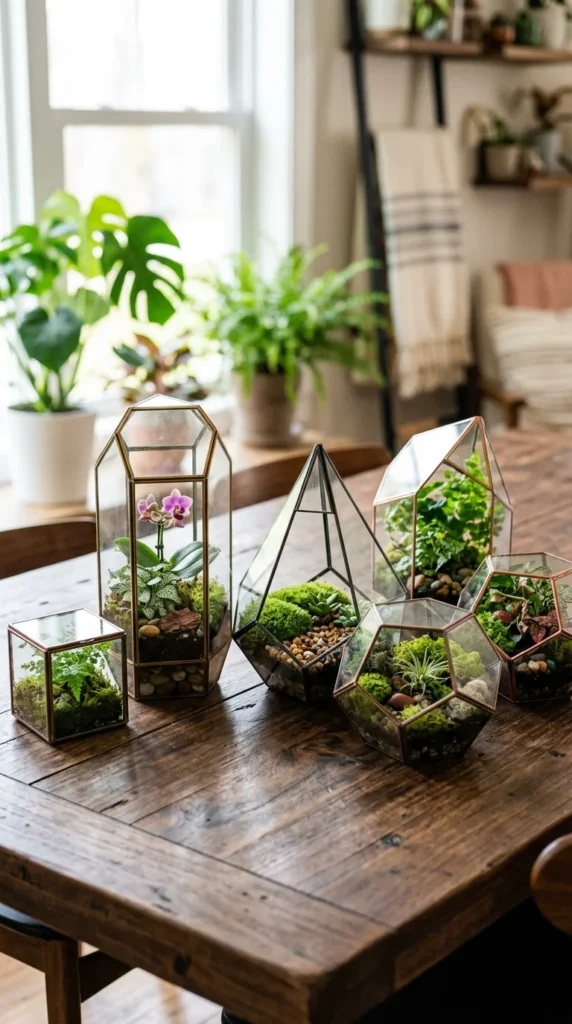
Terrariums are miniature ecosystems trapped in glass, offering a low-maintenance way to enjoy rare or delicate plants. They come in two main types: closed terrariums, which create a humid environment perfect for ferns and mosses, and open terrariums, which are ideal for cacti and succulents that prefer dry air. These “glass gardens” serve as stunning centerpieces for coffee tables or desks, acting as living art pieces that require very little watering.
5. Vertical Walls
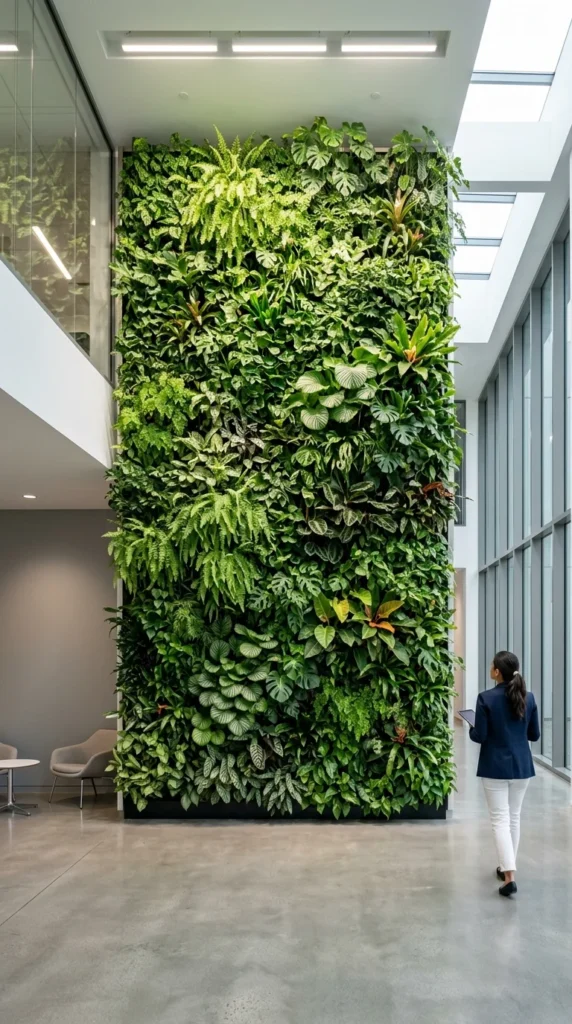
For those who want to make a bold architectural statement, a living vertical wall is the gold standard. These installations use specialized hydroponic or felt-pocket systems to allow plants to grow directly on the wall surface. While they require a bit more initial setup and an integrated irrigation system, the result is a breathtaking “living wallpaper” that significantly improves air quality and provides a stunning focal point for a living or dining room.
6. Under-Stair Oasis
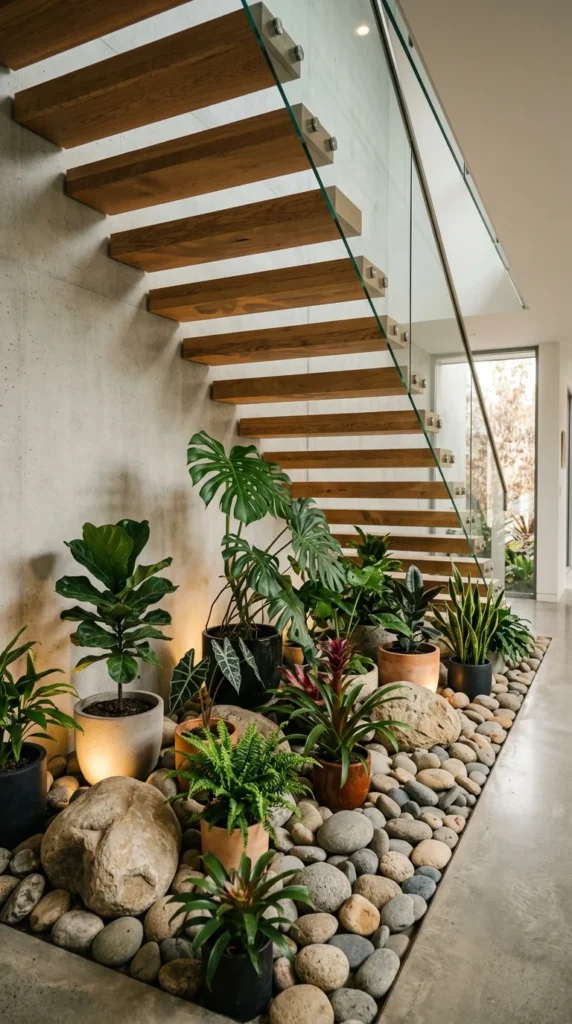
The space under a staircase is often neglected or used for cluttered storage. Instead, consider transforming it into a micro-garden. By using a combination of large floor plants, decorative gravel, and perhaps a small indoor water feature, you can turn a dead zone into a serene sanctuary. This area is particularly well-suited for low-light plants like Snake Plants or ZZ Plants if the staircase is located away from windows.
7. Floating Shelves
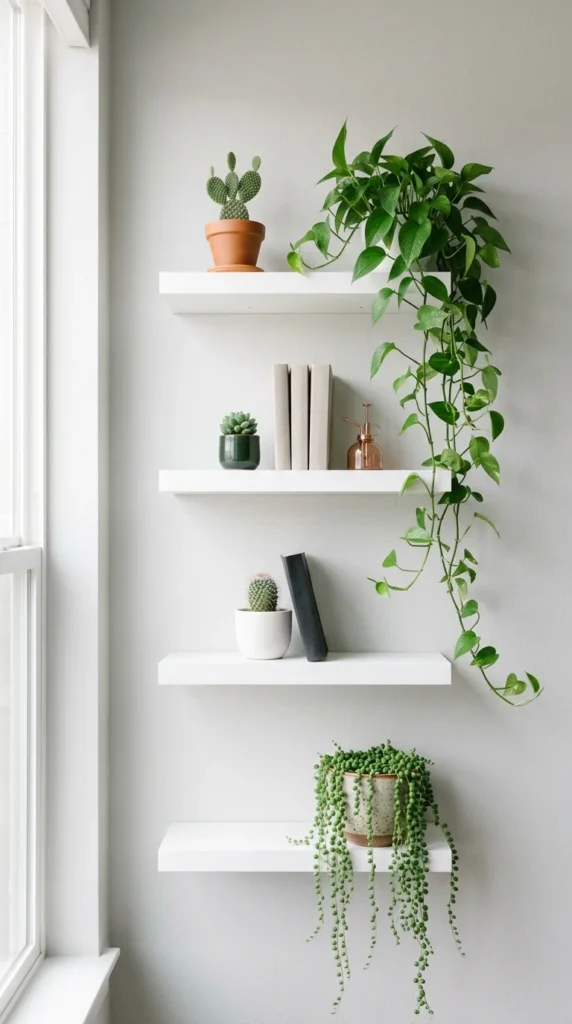
Floating shelves provide a clean, modern aesthetic that allows your plants to take center stage. By installing shelves at different levels, you can create a curated “plant gallery.” Mixing plants with books, candles, and art creates a lived-in, cozy atmosphere. This is an excellent way to display smaller specimens that might get lost in a larger arrangement, such as rare Hoyas or delicate Air Plants.
8. Window Sills
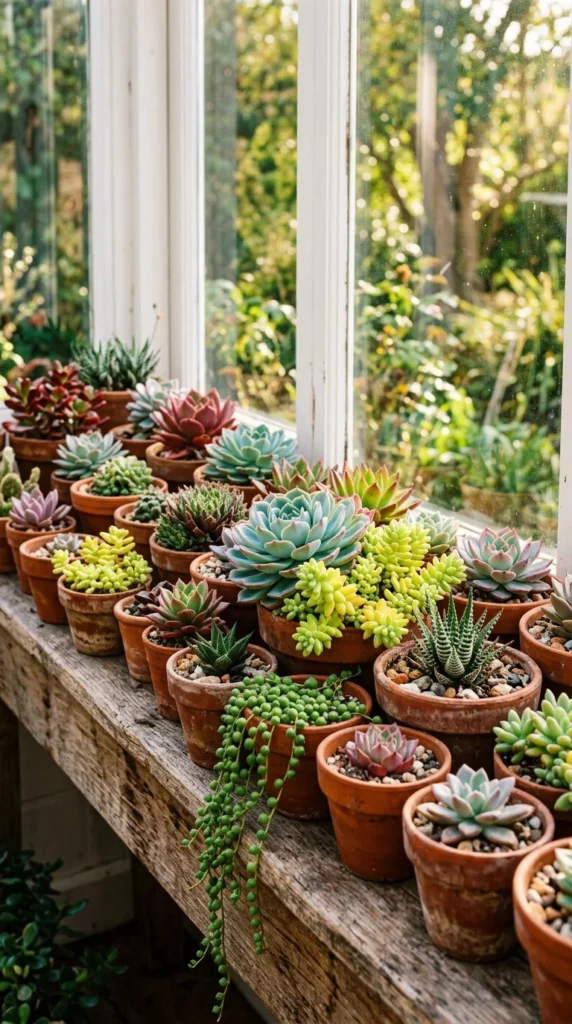
The classic windowsill garden remains one of the most effective ways to grow plants indoors. It provides the direct sunlight that many flowering plants and succulents crave. To make it look intentional rather than cluttered, use a cohesive set of pots—perhaps all terracotta or all white ceramic. This “line of green” creates a beautiful transition between your indoor environment and the world outside.
9. Bathroom Jungle
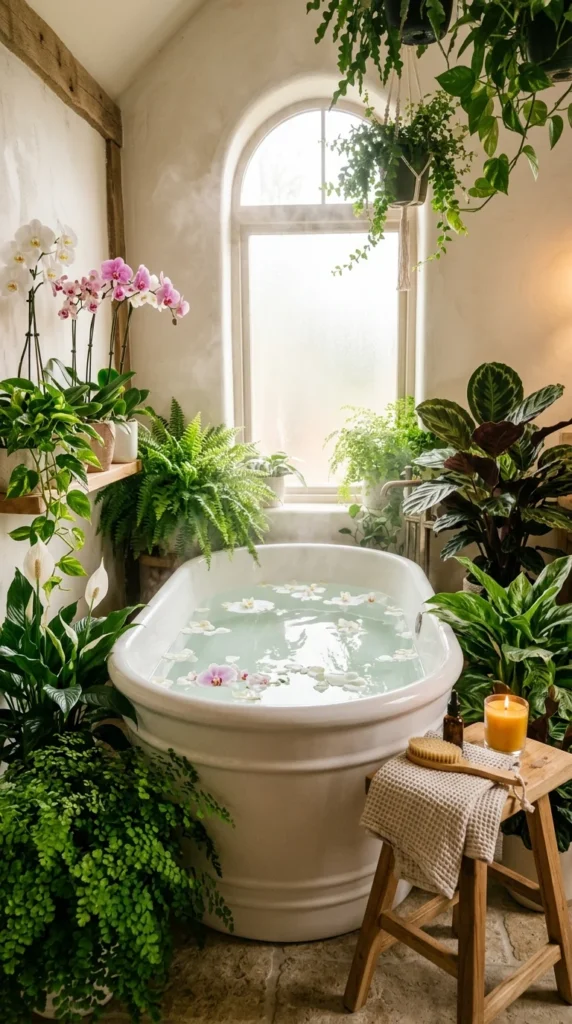
Many tropical plants thrive in the high-humidity environment of a bathroom. Creating a “bathroom jungle” can turn your daily shower into a spa-like experience. Plants like Peace Lilies, Boston Ferns, and Air Plants love the steam and moisture. If your bathroom lacks a window, you can still achieve this look by using LED grow lights or choosing extremely low-light tolerant species.
10. Zen Corners
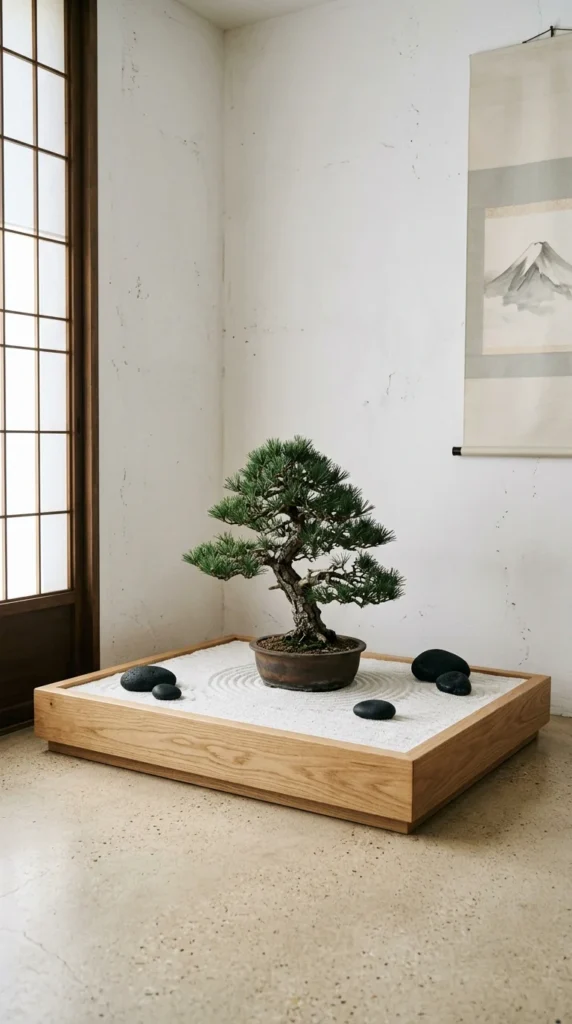
Sometimes, less is more. A Zen-inspired indoor garden focuses on peace, balance, and minimalism. Instead of a riot of color and variety, choose one or two sculptural plants like a Japanese Maple or a Bonsai tree. Pair them with natural elements like sand, smooth river stones, or bamboo screens. This dedicated space serves as a perfect nook for meditation or quiet reflection.
11. Ladder Racks
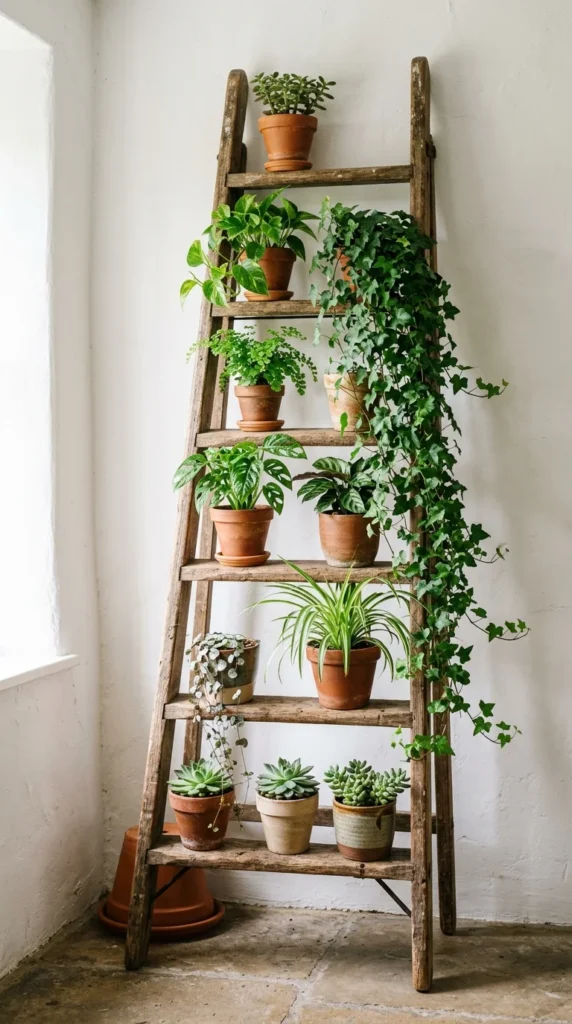
Repurposing an old wooden ladder is a creative and eco-friendly way to display your plant collection. The varying heights of the rungs allow for a natural-looking arrangement where every plant gets its share of light. This setup is highly portable and can be moved around the house depending on the season or your mood. It’s particularly effective for creating a “green screen” in a corner of a bedroom or home office.
12. Wardrobe Greens
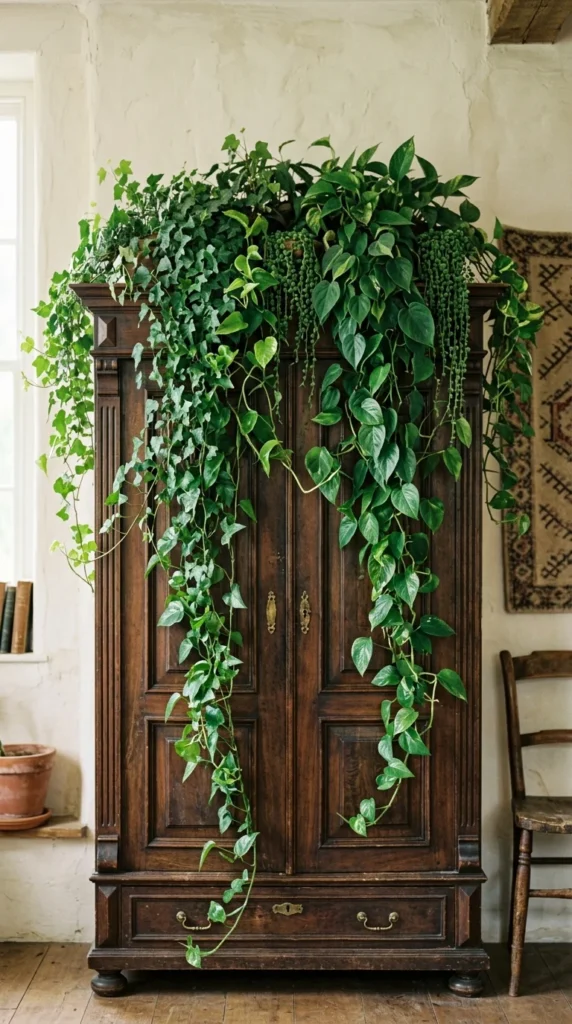
Utilizing the tops of wardrobes, armoires, or kitchen cabinets is a great way to use “dead space.” Trailing plants like English Ivy or Creeping Fig can grow along the top and drape down the sides, softening the hard edges of the furniture. This creates a hidden garden effect that feels integrated into the very structure of your room.
13. Cacti Collections
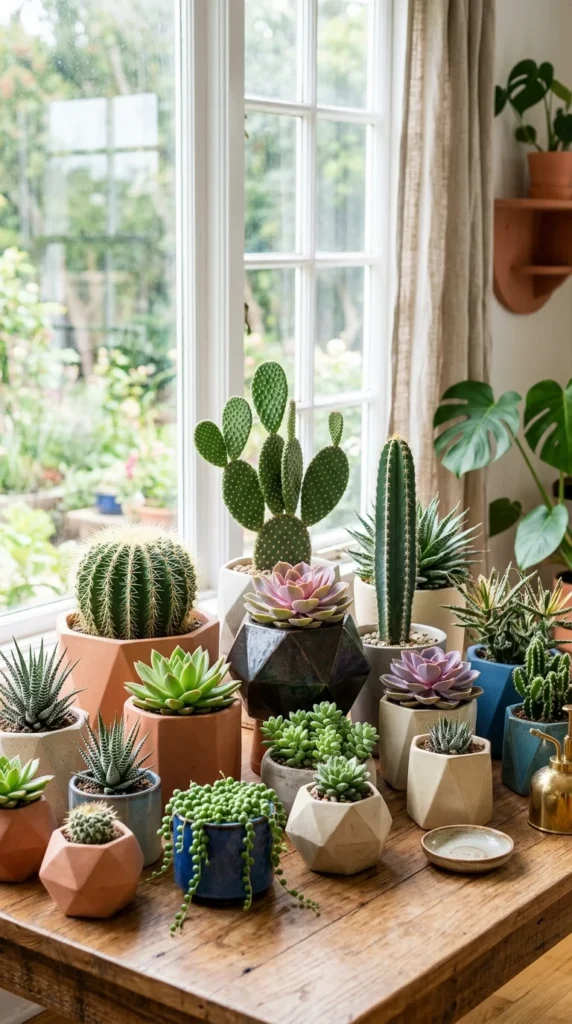
For those who may be prone to forgetting to water their plants, a cacti and succulent collection is the perfect solution. These desert dwellers come in an incredible array of shapes, textures, and even colors. When grouped together on a tray or a low table, they create a fascinating miniature landscape. Their architectural forms provide a modern, clean look that complements contemporary decor styles.
14. Kokedama Balls
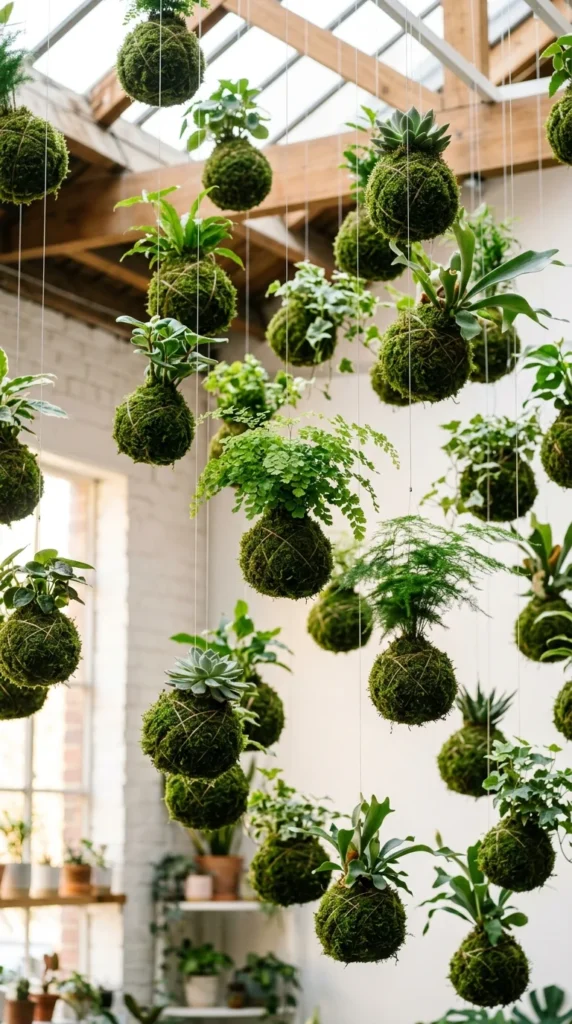
Kokedama is a Japanese botanical art form where a plant’s root ball is wrapped in moss and bound with string. These “string gardens” can be displayed on decorative plates or suspended from the ceiling. They offer a unique, soil-free aesthetic that feels organic and whimsical. Kokedama are especially striking when hung in groups at different heights, resembling floating green planets.
15. Room Dividers
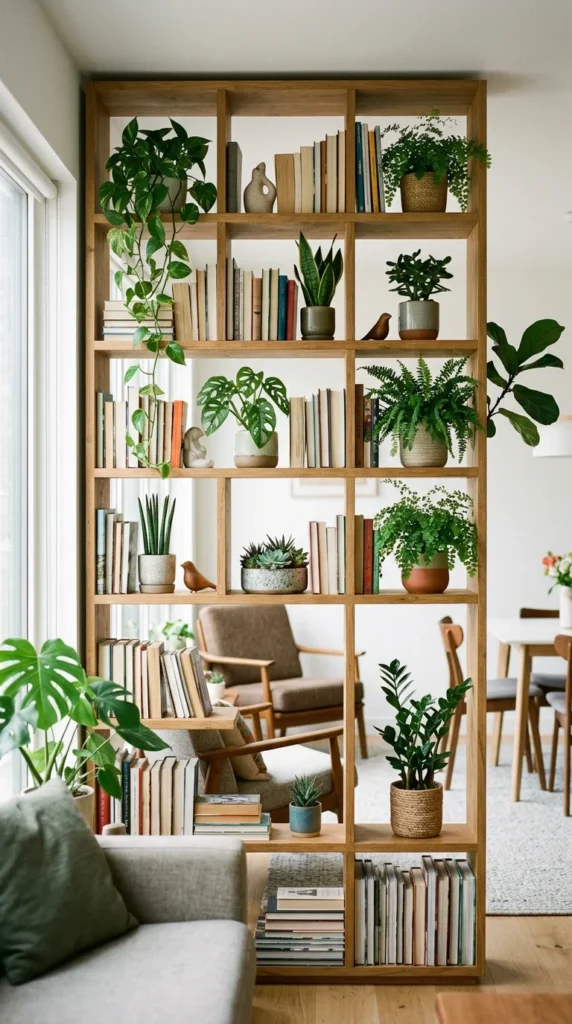
In open-plan living spaces, plants can be used as functional furniture. An open-backed shelving unit filled with lush greenery serves as a soft, living room divider. It maintains the flow of light while providing a sense of privacy and separation between different areas, such as a living room and a home office. Using a mix of tall upright plants and trailing vines ensures the “screen” looks full and vibrant.
16. Monstera Statement
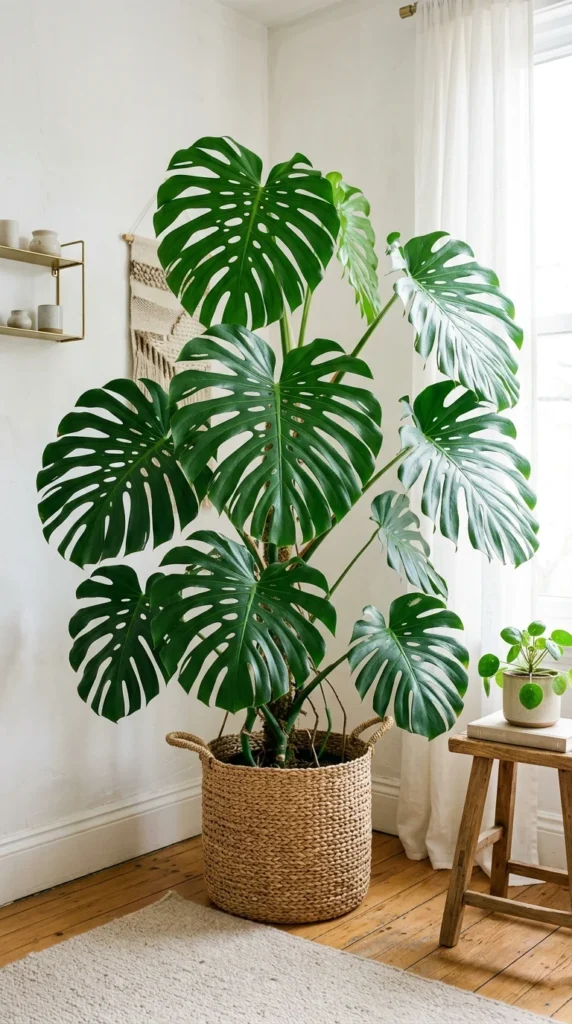
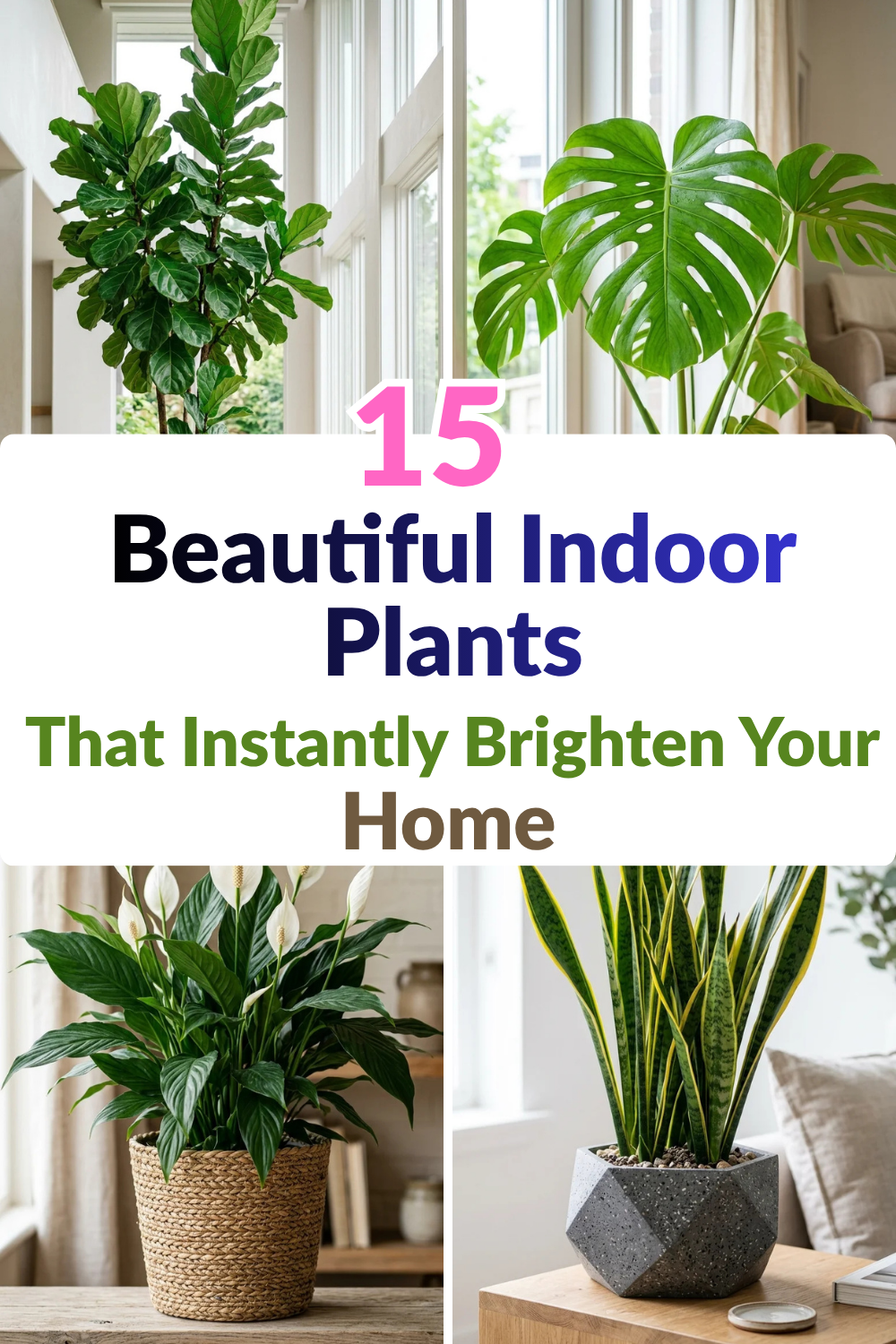
Sometimes, one giant plant is all you need to transform a room. The Monstera Deliciosa, with its iconic Swiss-cheese leaves, is the ultimate statement plant. Placing a large specimen in a decorative wicker basket or a sleek ceramic pot creates an instant tropical vibe. It acts as a living sculpture that fills an empty corner and provides a massive punch of greenery with minimal effort.
17. Propagation Stations
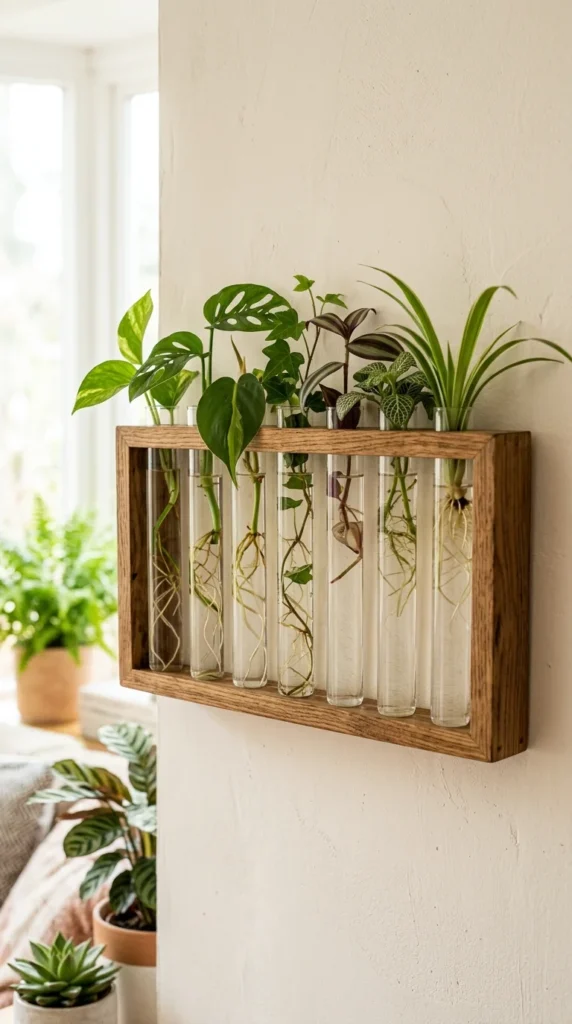
Propagation is the process of growing new plants from cuttings, and the “station” where you do this can be a beautiful feature itself. Using clear glass vessels, such as test tubes or vintage laboratory flasks, allows you to see the intricate root systems as they develop. Mounted on a wall or placed on a sunny desk, a propagation station is a celebration of growth and life, turning a scientific process into a decorative art form.
18. Terracotta Clusters
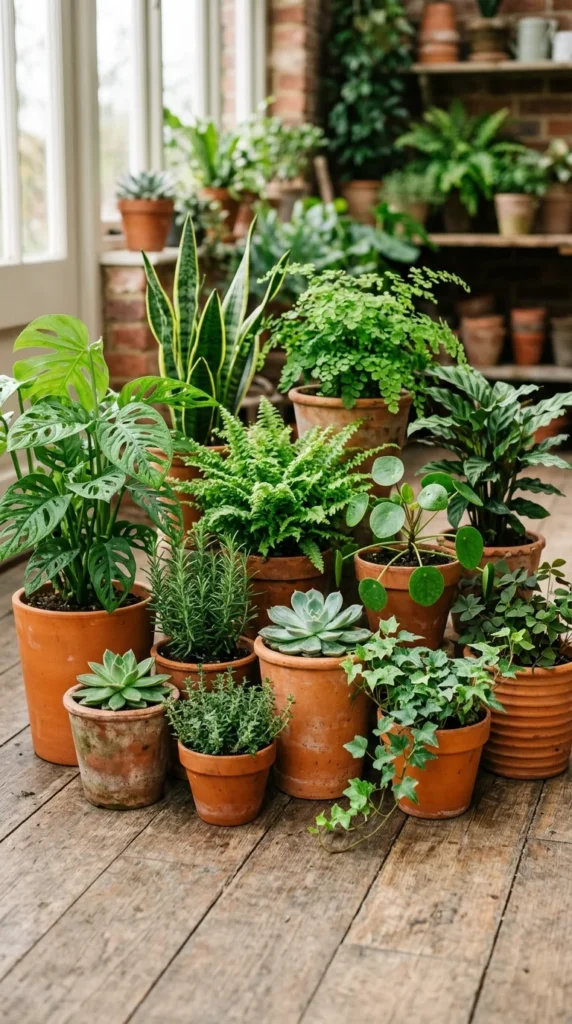
There is something timeless and earthy about terracotta. Grouping several plants in terracotta pots of varying sizes creates a warm, Mediterranean feel. The porous nature of the clay is also excellent for the health of the plants, as it allows the soil to breathe. This “cluster” approach works well on floor levels, porch steps, or even large tabletops, creating a cozy and grounded atmosphere.
19. Indoor Trees
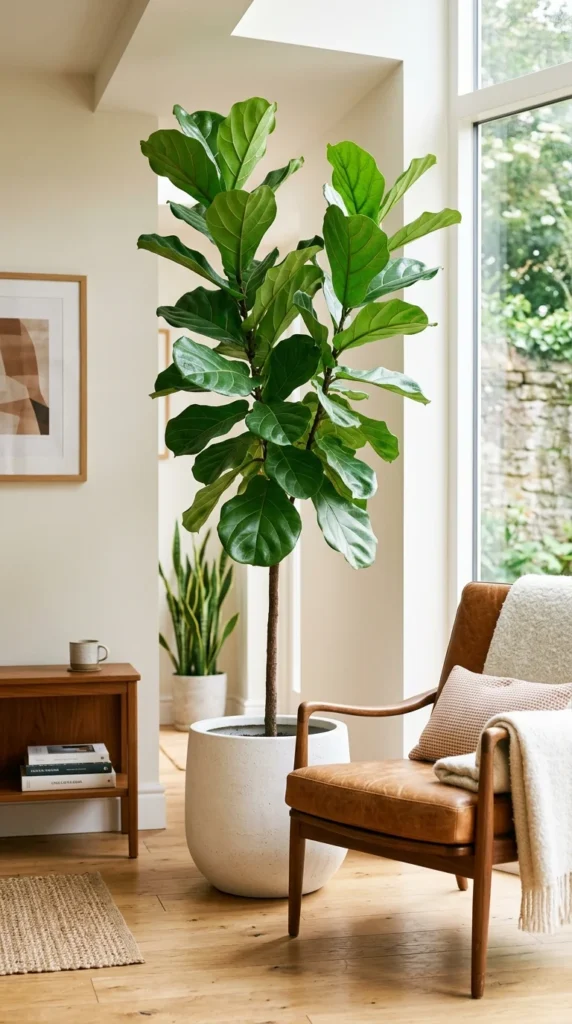
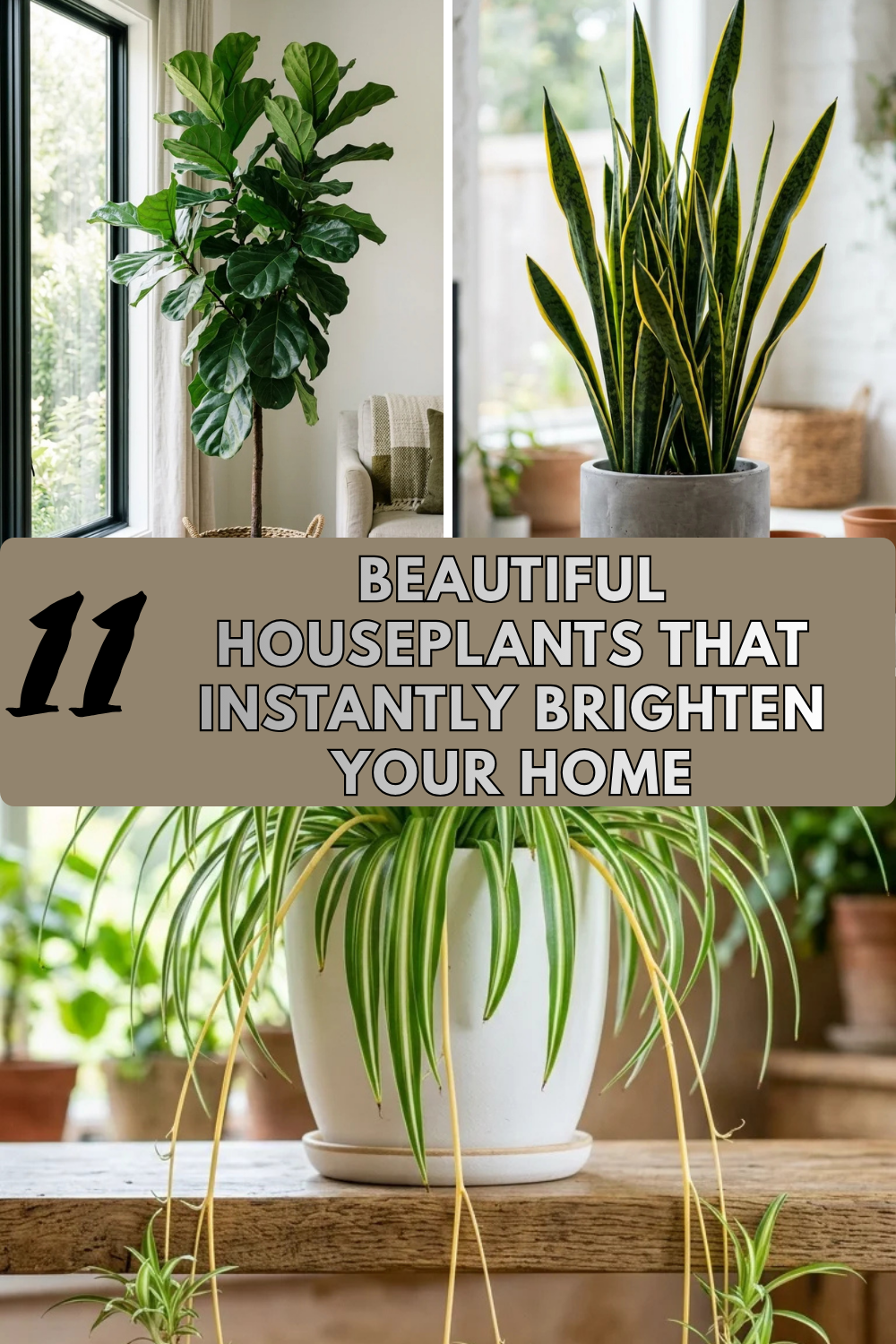
If you have high ceilings, an indoor tree is a must-have. Species like the Fiddle Leaf Fig, Rubber Tree, or Olive Tree bring a sense of grandeur and scale to an interior space. They provide a canopy of green that makes a room feel more established and connected to nature. Because they are large, they act as primary anchors for your room’s layout, around which other smaller plants can be arranged.
20. Fairy Gardens
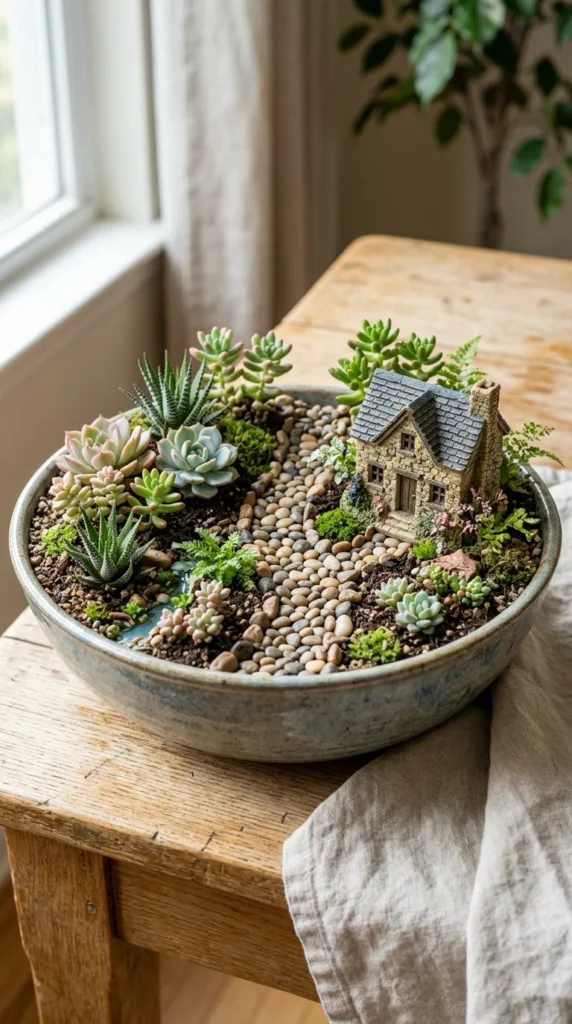
Fairy gardens are a delightful way to get creative on a small scale. These miniature landscapes are perfect for families or anyone who enjoys detailed craft. Using a wide, shallow container, you can create a tiny world with “lawns” of moss, paths made of pebbles, and “trees” made of small succulents or Bonsai. It is a whimsical addition to a side table or a child’s bedroom that invites curiosity and imagination.