The dream of a lush, indoor jungle or a thriving backyard sanctuary is one shared by many, yet the path to botanical success is often paved with chemical fertilizers and expensive store-bought sprays. However, nature has already provided everything we need to cultivate healthy, resilient plants. By tapping into organic cycles and utilizing everyday household items, you can transform your garden into a self-sustaining paradise.
Whether you are struggling with a wilting fiddle-leaf fig or looking to boost your tomato yield, these fifteen natural methods focus on the health of the soil, the strength of the root system, and the overall vitality of the plant.
1. Banana Peels
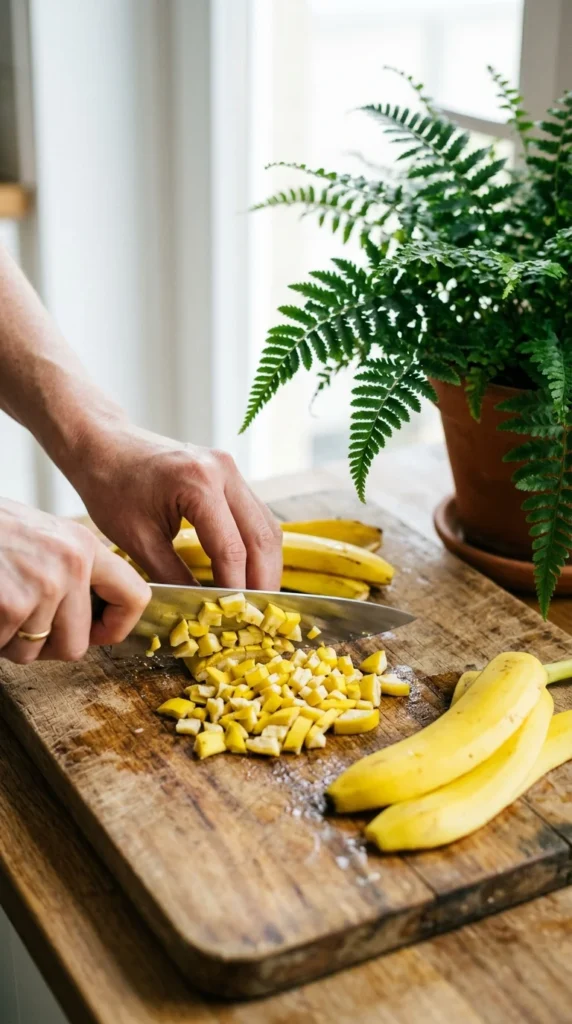
Bananas are famous for their potassium content, and your plants crave this mineral just as much as you do. Potassium is essential for overall plant health, aiding in protein synthesis and helping the plant move water between cells. It is particularly beneficial for flowering plants and fruit-bearers, as it encourages robust blooms and better-tasting harvests.
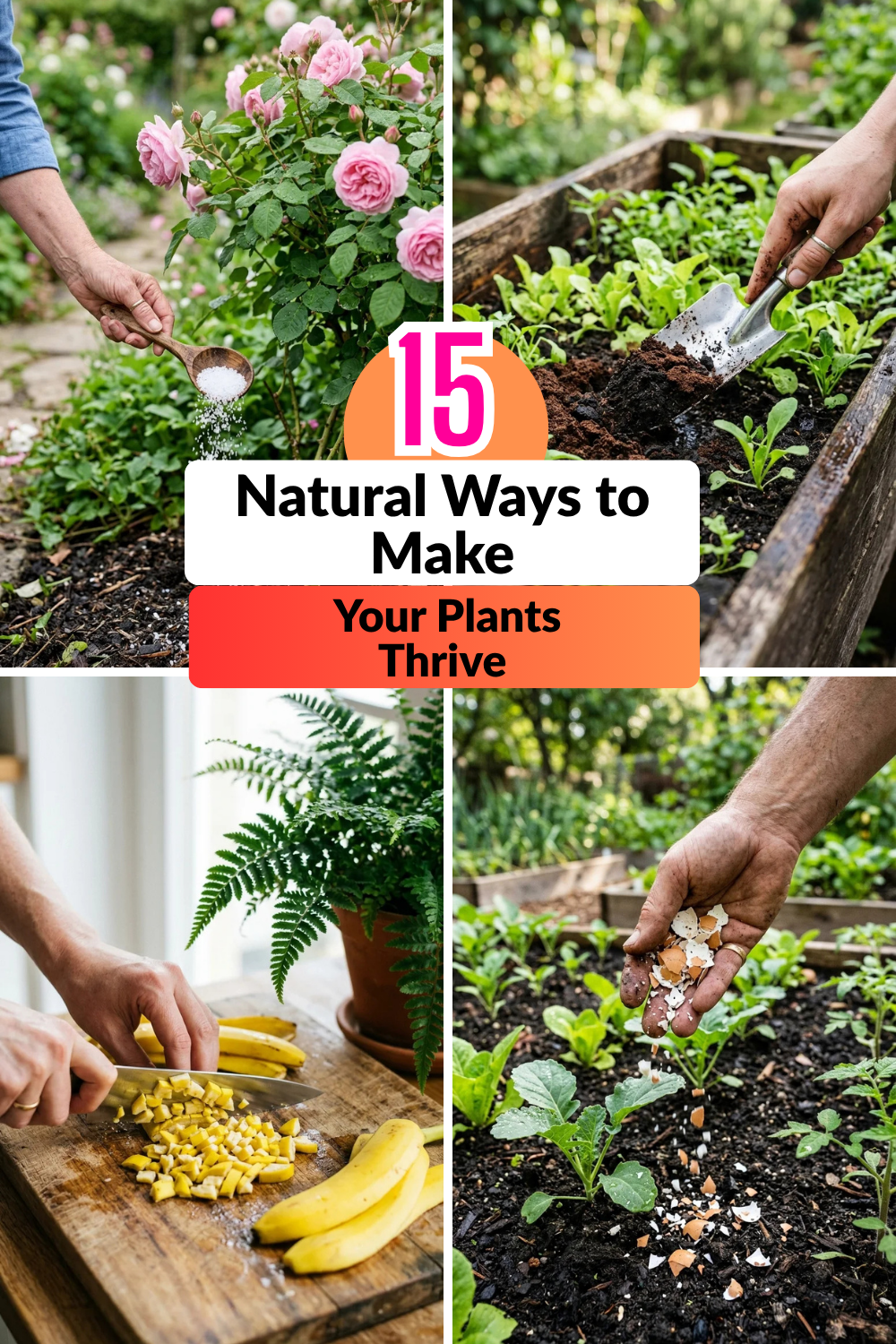
To use them naturally, you can chop banana peels into small pieces and bury them an inch or two deep into the soil around the base of your plants. As they decompose, they release potassium, phosphorus, and calcium. For a quicker boost, create a “banana tea” by soaking peels in a jar of water for 48 hours, then using that nutrient-rich liquid to water your plants.
2. Eggshells
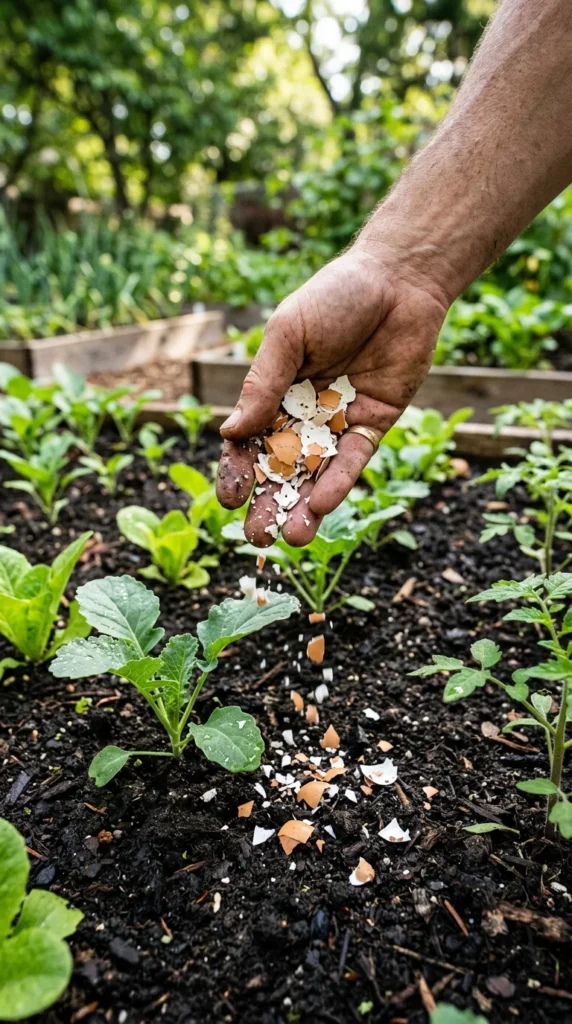
If you find yourself throwing away eggshells every morning, you are tossing out a goldmine of calcium carbonate. Calcium is vital for building strong cell walls in plants. Without enough calcium, plants often suffer from “blossom end rot,” a common frustration for tomato and pepper growers where the bottom of the fruit turns black and mushy.
To prepare them, rinse your eggshells and let them dry completely. Once dry, crush them into a fine powder using a blender or a mortar and pestle. The finer the powder, the faster the soil can absorb the nutrients. Sprinkle this powder directly onto the soil or mix it into your potting mix to provide a slow-release calcium supplement that also helps neutralize acidic soil.
3. Coffee Grounds
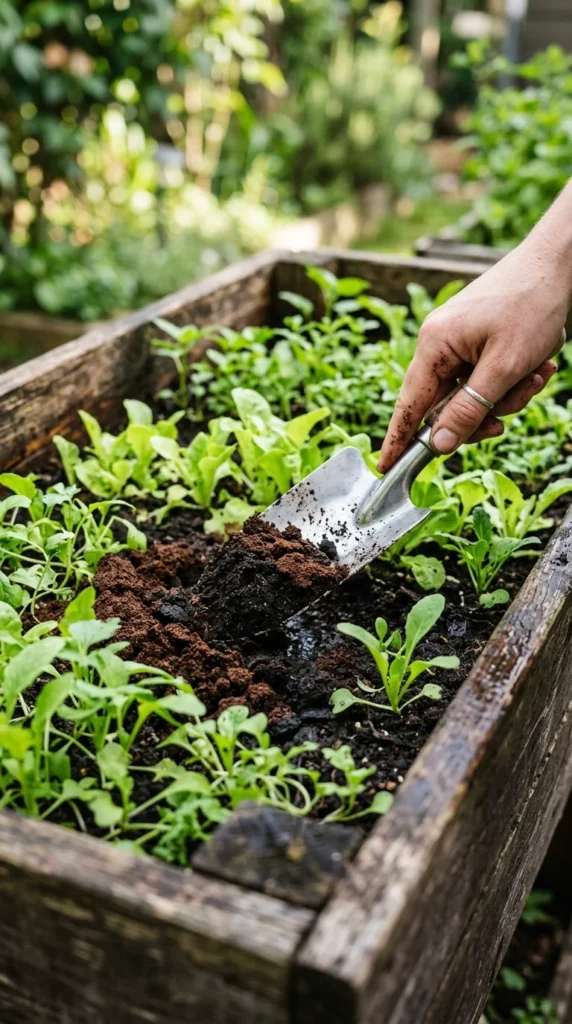
Before you empty your coffee filter into the trash, consider your nitrogen-loving plants. Used coffee grounds are an excellent source of nitrogen, which is the primary nutrient responsible for lush, green leaf growth. They also contain traces of potassium and magnesium, making them a well-rounded organic fertilizer.
Coffee grounds are slightly acidic, so they are perfect for acid-loving plants like blueberries, azaleas, roses, and hydrangeas. However, even for neutral plants, they work wonders as a soil conditioner. They improve soil structure and attract earthworms, which further aerate the earth. Simply scratch a thin layer of grounds into the top inch of soil once a month.
4. Epsom Salt
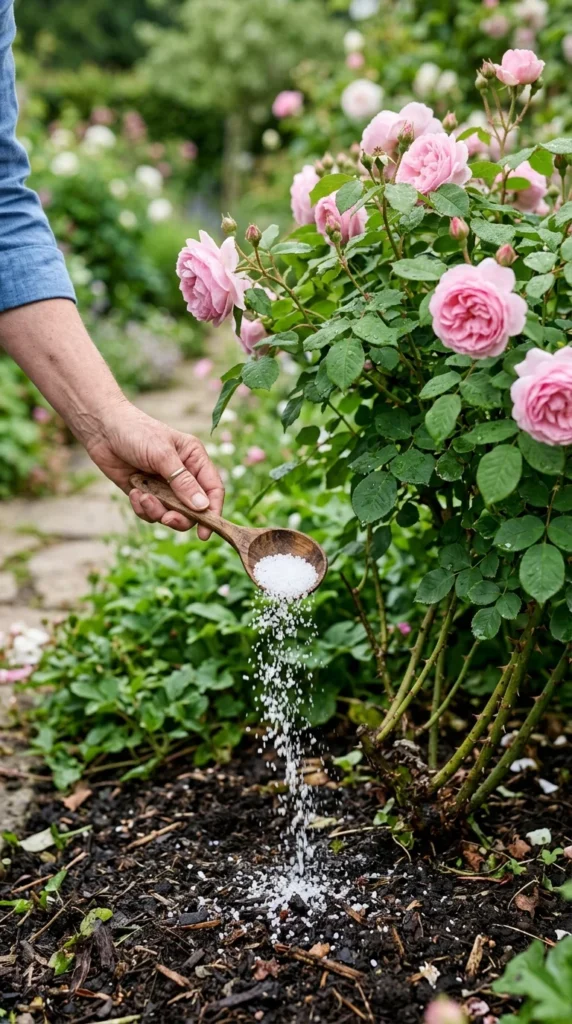
Epsom salt isn’t actually salt in the traditional sense; it is a naturally occurring mineral compound of magnesium and sulfate. Magnesium is the central core of the chlorophyll molecule in plant tissue—without it, plants cannot photosynthesize effectively. If your plant’s leaves are turning yellow while the veins remain green, it might have a magnesium deficiency.
A tablespoon of Epsom salt dissolved in a gallon of water can work miracles for roses, peppers, and tomatoes. This solution helps the plants take up other nutrients like nitrogen and phosphorus more efficiently. Using it as a foliar spray (spraying it directly on the leaves) allows for even faster absorption, leading to greener foliage and more abundant flowering.
5. Rice Water
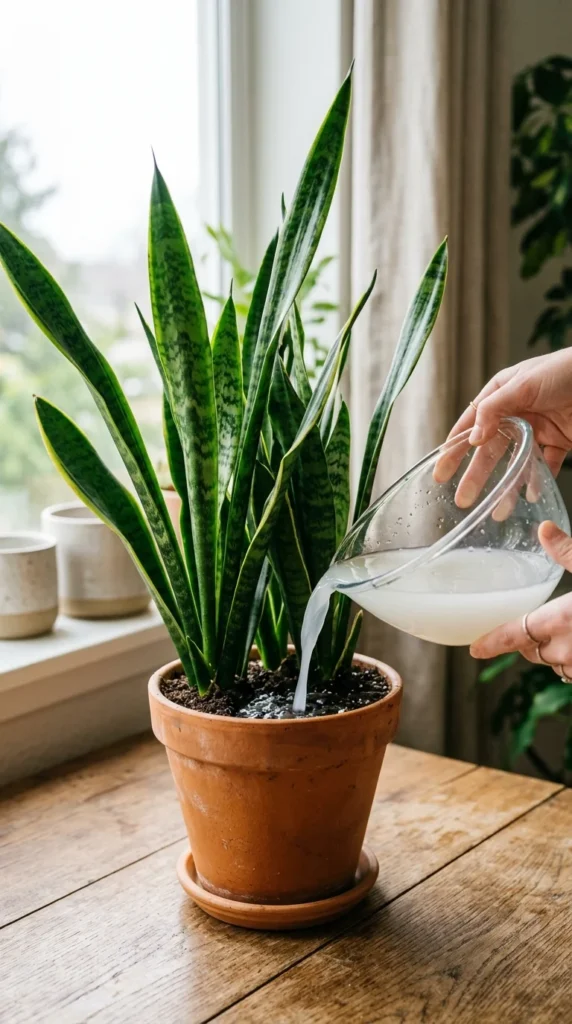
The next time you wash rice before cooking, don’t let that starchy water go down the drain. “Rice water” is a traditional gardening secret that provides a gentle boost of NPK (Nitrogen, Phosphorus, Potassium) along with starches that feed the beneficial bacteria in the soil.
These beneficial microbes are the unsung heroes of the plant world; they break down organic matter and make nutrients more accessible to the roots. Using cool rice water once a week is a mild way to fertilize delicate houseplants that might be sensitive to stronger organic fertilizers. It’s a zero-waste way to ensure no nutrient goes unused.
6. Sunlight
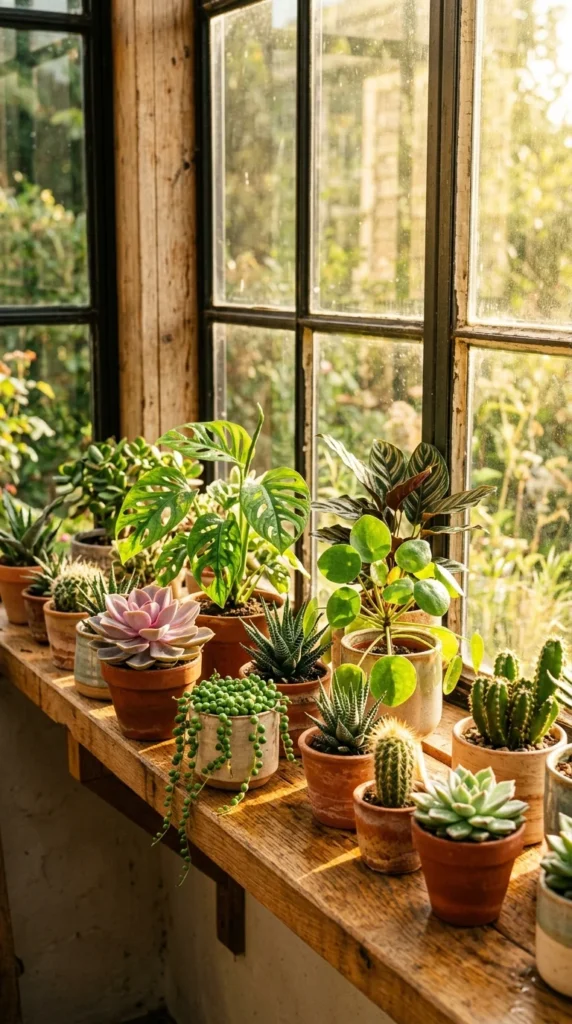
While it seems obvious, managing sunlight is the most natural way to ensure plant health. Photosynthesis is the engine of plant life. However, “more” isn’t always “better.” Thriving plants require the right kind of light. A succulent from the desert will stretch and weaken in a dark corner, while a forest-dwelling fern will scorch and die in direct afternoon sun.
Observe your plants daily. If a plant is “reaching” toward the window and becoming “leggy,” it needs more light. If the leaves have bleached spots or crispy edges, it’s likely getting too much. Rotating your pots every week ensures that all sides of the plant receive equal light, preventing lopsided growth and ensuring the entire plant stays vigorous.
7. Companion Planting
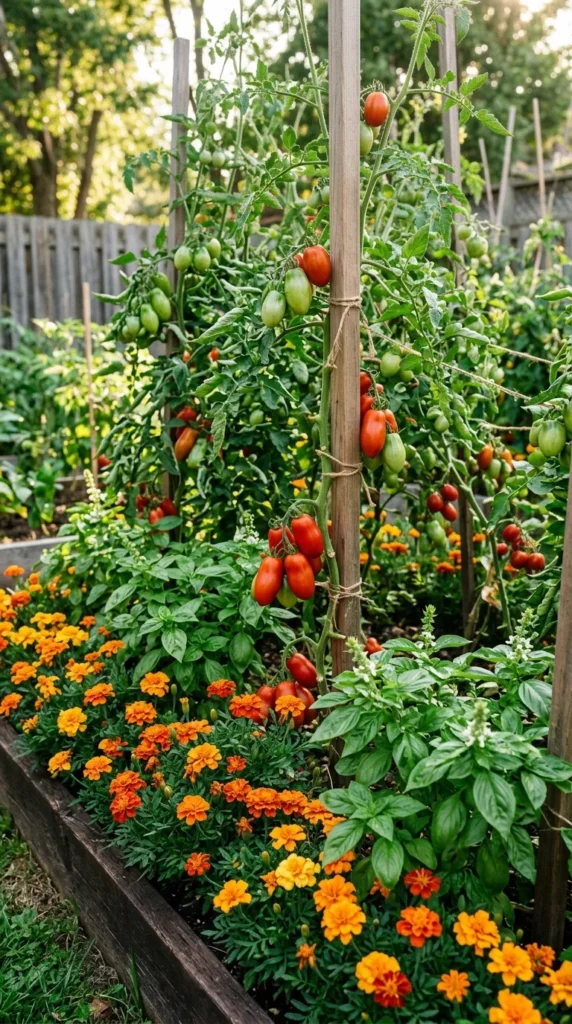
In nature, plants rarely grow in isolation. They form communities. Companion planting is the practice of growing specific plants together for mutual benefit. This is a natural way to manage pests and improve soil health without chemicals.
For example, planting marigolds near your vegetables helps deter nematodes and aphids with their strong scent. Planting tall sunflowers provides a natural trellis for climbing beans, while the beans fix nitrogen in the soil for the sunflowers. Understanding these relationships allows you to create a “guild” of plants that protect and feed one another, reducing the need for human intervention.
8. Composting
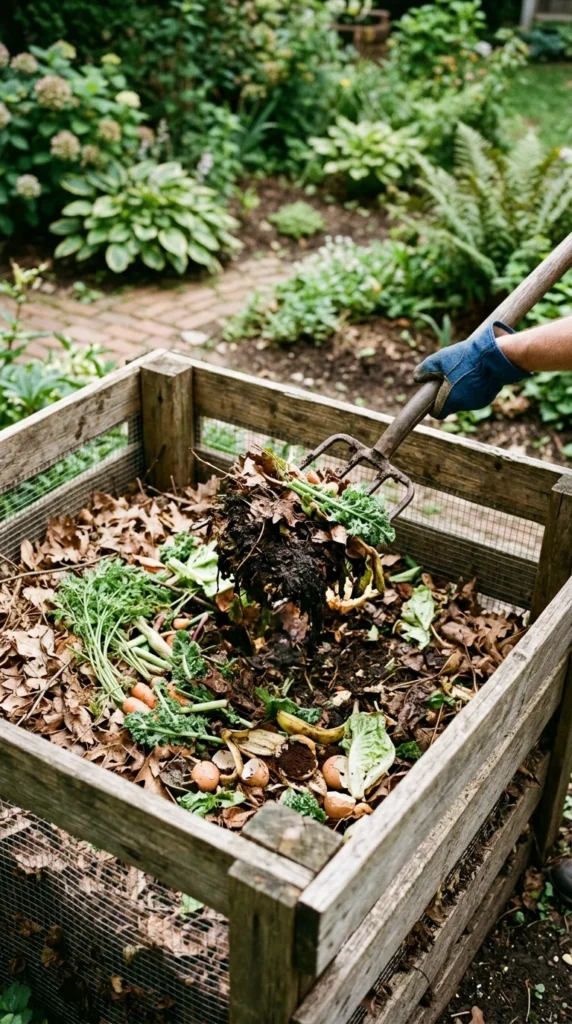
Composting is the ultimate way to mimic the forest floor in your own backyard. It is the process of turning “waste”—leaves, grass clippings, and kitchen scraps—into “black gold.” This nutrient-dense organic matter improves soil texture, helps retain moisture, and introduces a massive community of beneficial fungi and bacteria.
You don’t need a massive yard to compost; small vermicomposting (worm) bins can fit under a kitchen sink. By returning organic matter to the soil, you complete the natural cycle of growth and decay. Adding a layer of finished compost to your pots or garden beds every spring provides a slow-release feast that keeps plants thriving for months.
9. Rainwater
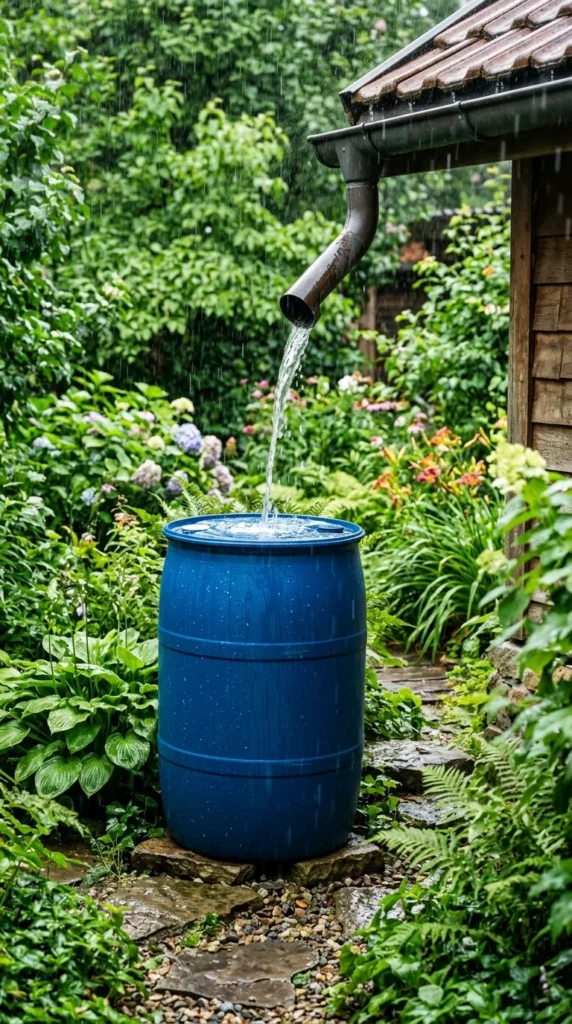
Tap water is often treated with chlorine, fluoride, and salts to make it safe for human consumption, but these additives can build up in the soil over time and harm sensitive plant roots. Rainwater, on the other hand, is naturally “soft” and slightly acidic, which helps the soil release locked-away nutrients.
Furthermore, rainwater contains traces of nitrate—the most bioavailable form of nitrogen. You may notice your garden looks significantly greener after a rainstorm than it does after a session with the garden hose; that’s the nitrogen at work. Setting up a simple rain barrel is a natural, cost-effective way to provide your plants with the hydration they were evolved to drink.
10. Mulching
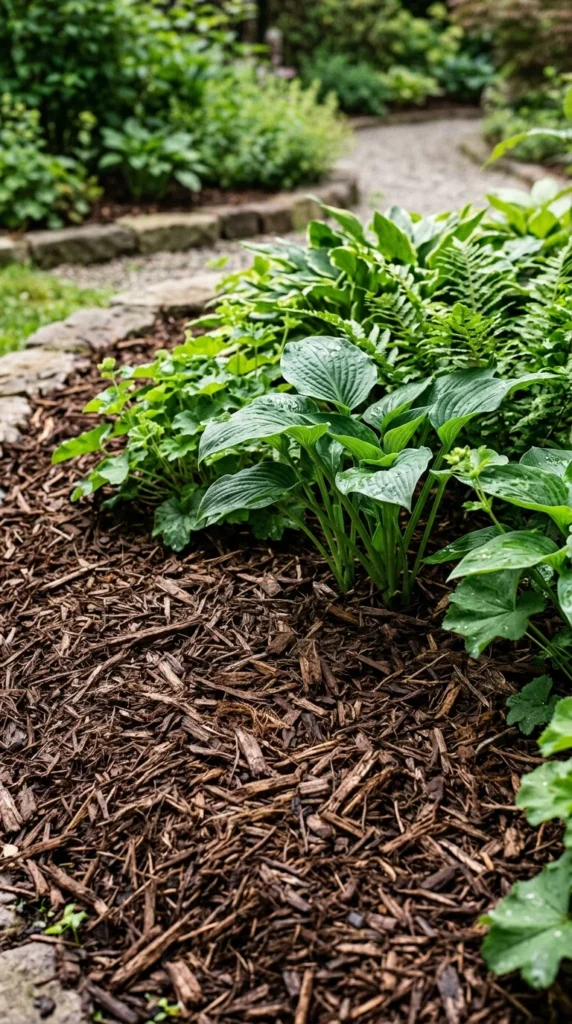
Mulching is the act of covering the soil surface with organic material like wood chips, straw, or shredded leaves. In nature, soil is rarely bare; it is covered by leaf litter. Mulch acts as a protective blanket that regulates soil temperature, keeping roots cool in the summer and warm in the winter.
Beyond temperature control, mulch is a master of moisture retention. It prevents water from evaporating, meaning you have to water less frequently. As the mulch breaks down over time, it also contributes organic matter back into the earth. It’s a simple, natural barrier that also happens to suppress weeds by blocking the sunlight they need to germinate.
11. Pruning
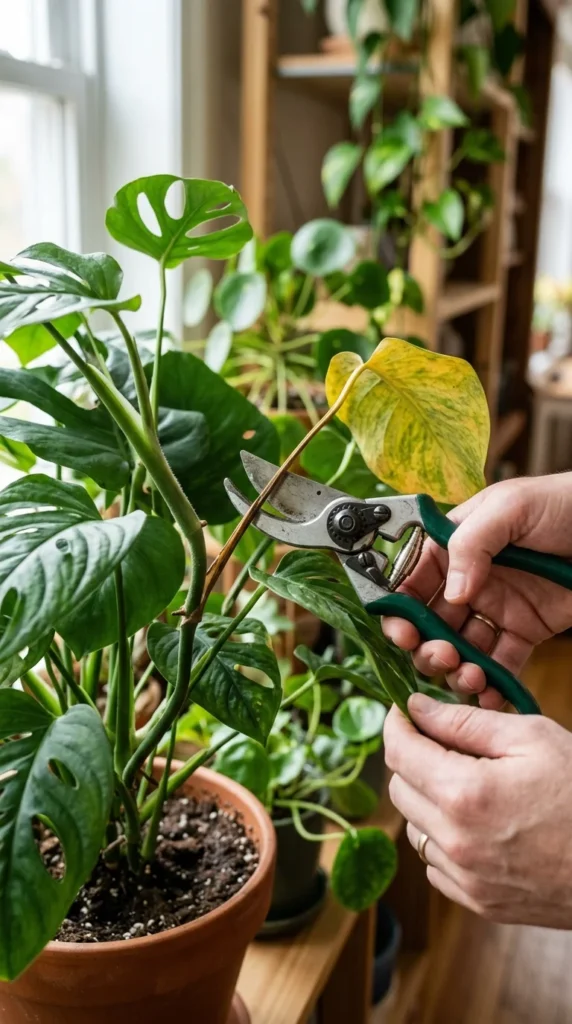
Many gardeners are afraid to cut their plants, but pruning is a vital part of natural growth stimulation. When a plant has dead or dying leaves, it continues to send energy to those areas in a futile attempt to “fix” them. By snipping away the dead weight, you allow the plant to redirect its energy toward new growth and fruit production.
Strategic pruning also improves airflow through the center of the plant. This is crucial for preventing fungal diseases and mold, which thrive in stagnant, humid air. Thinning out crowded branches allows sunlight to reach the inner leaves, ensuring the entire plant can photosynthesize efficiently and stay healthy from the inside out.
12. Cinnamon
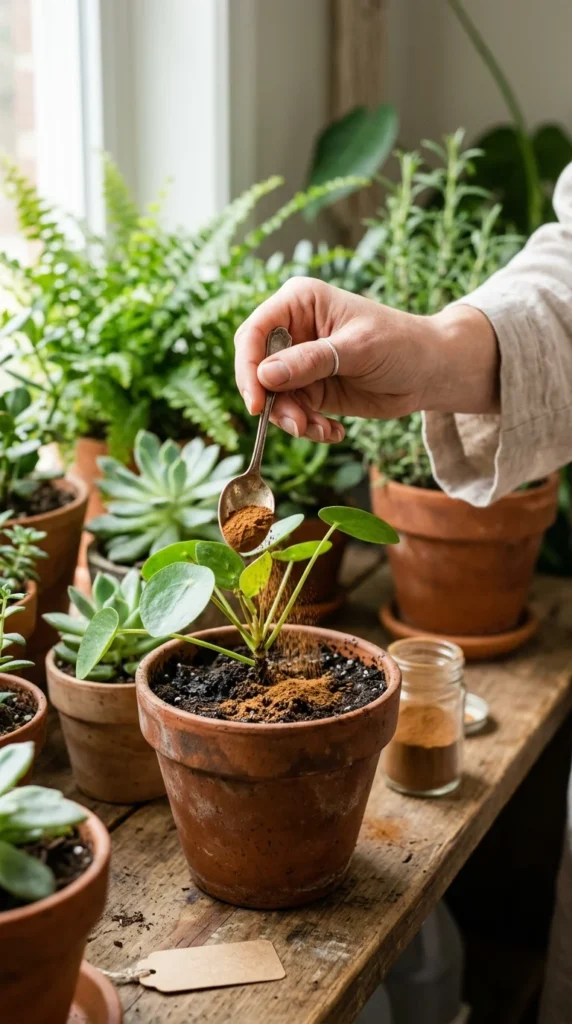
Cinnamon is more than just a kitchen spice; it is a powerful natural fungicide. If you’ve ever dealt with “damping off”—a condition where young seedlings suddenly collapse and die—you know how devastating soil-borne fungi can be.
Dusting the soil surface with cinnamon can prevent fungus gnats and inhibit the growth of mold. It is also excellent for plant “surgery.” If you have to prune a large branch or if a plant is damaged, rubbing a little cinnamon on the “wound” acts as a natural disinfectant, preventing pathogens from entering the plant’s system while it heals.
13. Aeration
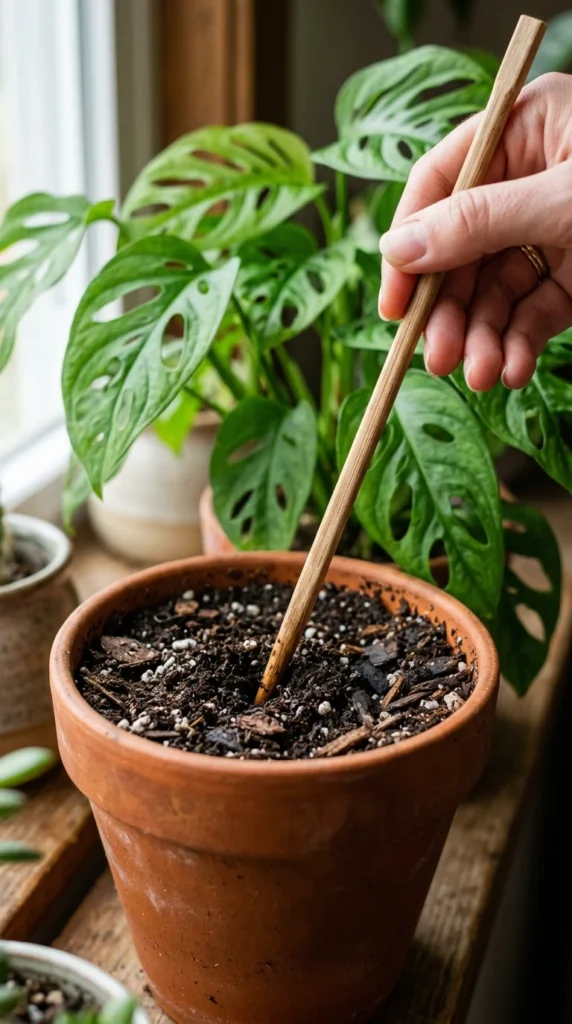
Over time, especially with potted plants, soil becomes compacted. When soil is squeezed tight, oxygen cannot reach the roots, and water cannot drain properly, leading to “root rot.” Roots need to “breathe” just as much as leaves do.
A natural way to fix this is manual aeration. Use a chopstick or a thin wooden dowel to gently poke holes into the soil every few months. This creates channels for air and water to travel deep into the root zone. For outdoor gardens, encouraging earthworms is the best natural aeration method, as their tunneling creates a complex network of air pockets that keep the soil light and fluffy.
14. Cooking Water
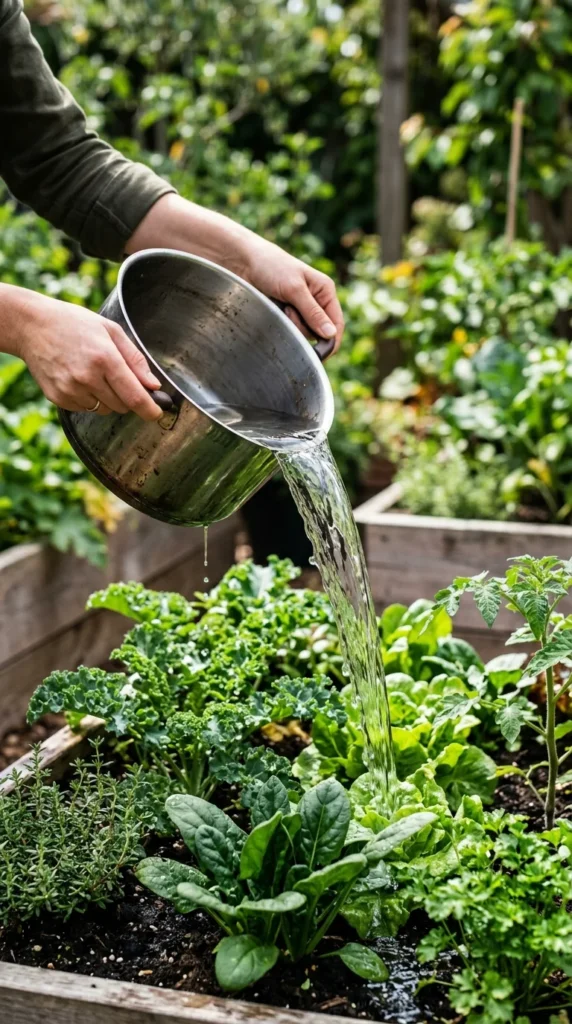
When you boil vegetables, pasta, or eggs, many of the nutrients and minerals leach out into the water. Instead of pouring this nutrient-rich broth down the sink, let it cool to room temperature and give it to your plants.
Vegetable water contains vitamins that can give plants a minor pick-me-up, while the water used for boiling eggs is particularly rich in calcium. Just ensure the water is completely free of salt and oils, as salt can dehydrate plant tissues and build up in the soil, eventually becoming toxic to the roots.
15. Neem Oil
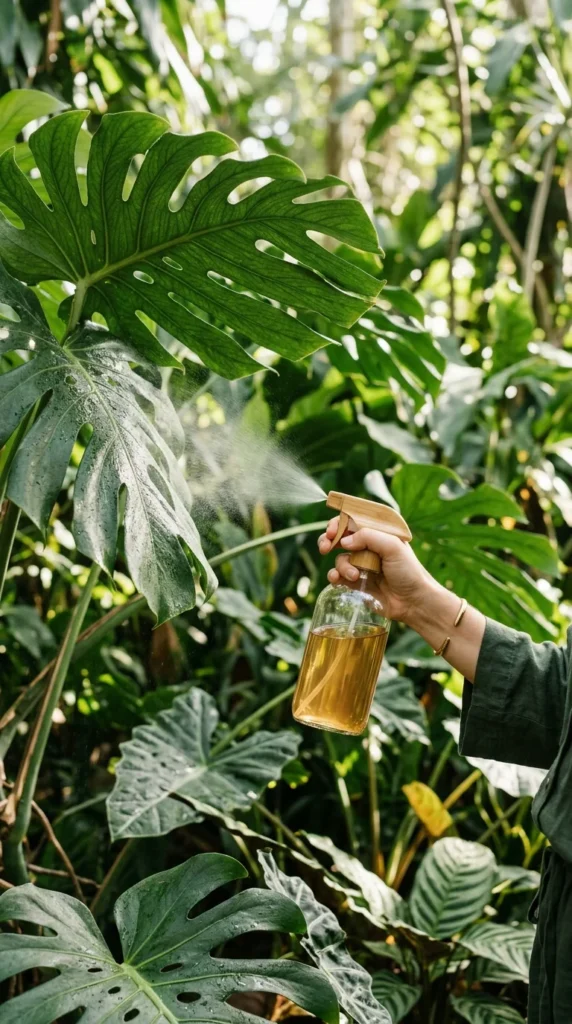
Pests are a natural part of the ecosystem, but in a home garden, they can quickly get out of hand. Neem oil is a natural byproduct of the Neem tree and has been used for centuries as a safe, organic pesticide and fungicide.
Unlike harsh chemical sprays that kill every insect they touch (including beneficial bees and ladybugs), Neem oil primarily affects insects that chew on the leaves, like aphids, spider mites, and scale. It disrupts their hormonal systems, preventing them from growing and breeding. Using a diluted Neem oil spray once every two weeks is a proactive, natural way to keep your plants’ leaves shiny, clean, and pest-free.