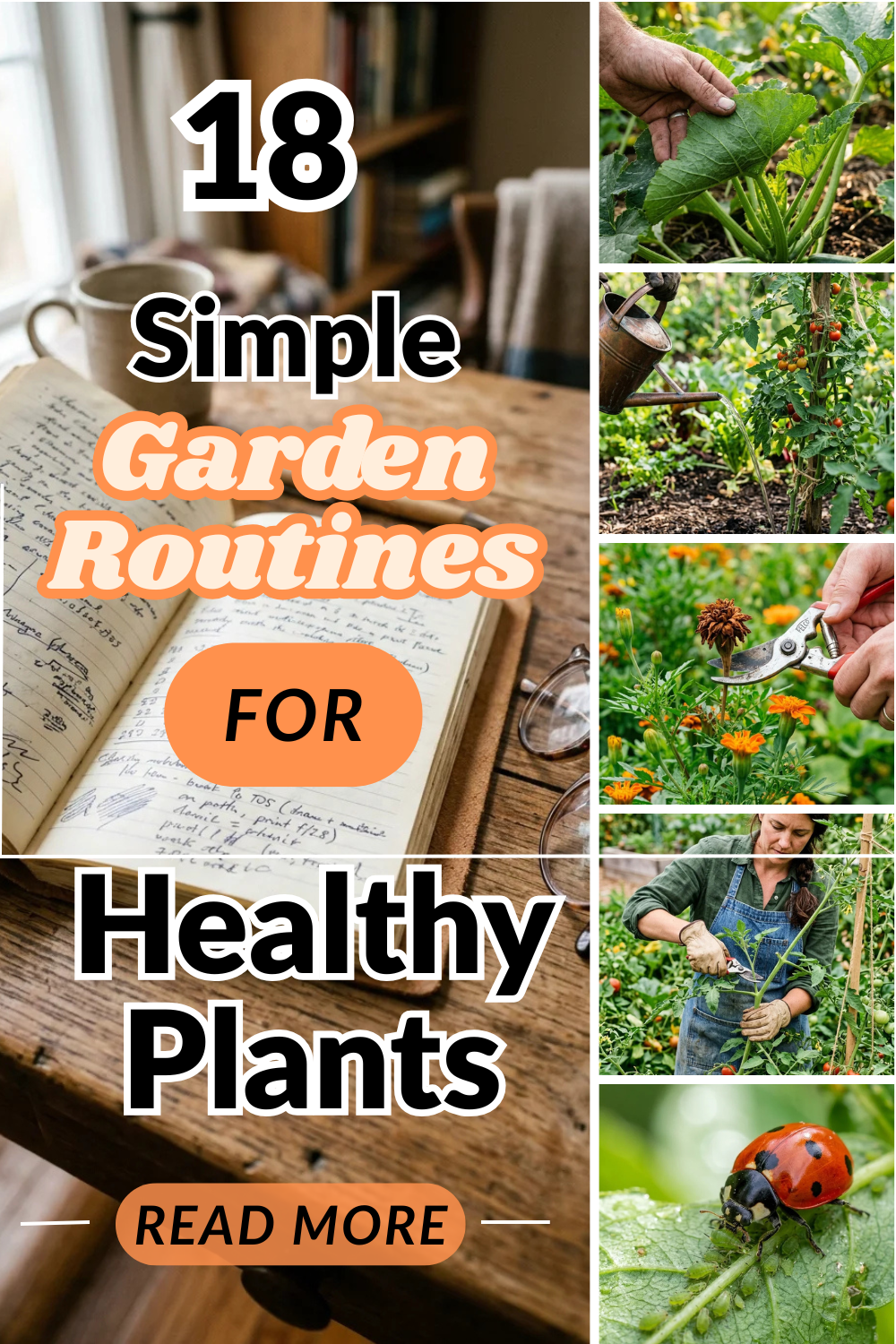
Transforming a patch of dirt into a thriving sanctuary of greenery is one of the most rewarding experiences a person can have. However, the difference between a struggling garden and a flourishing one often comes down to the consistency and quality of care. Whether you are a seasoned horticulturalist or a novice with a single window box, understanding the fundamental needs of your plants is crucial. Healthy plants are not just aesthetically pleasing; they are more resilient against pests, diseases, and environmental stressors. By following these thirteen essential tips, you can ensure your garden remains a vibrant, healthy ecosystem throughout the growing season.
1. Soil Quality
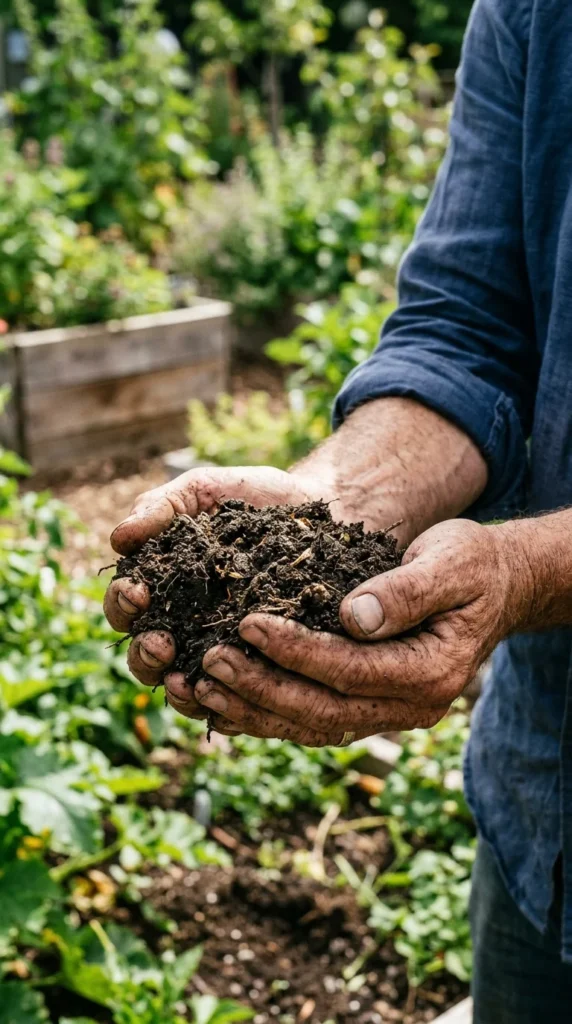
The foundation of every successful garden is the soil. Think of soil as the “stomach” of your plants; if it lacks nutrients, your plants will starve. Healthy soil should have a loose, loamy texture that allows roots to breathe and water to drain effectively. To improve your soil quality, start by testing its pH levels. Most garden plants prefer a slightly acidic to neutral pH (6.0 to 7.0). Adding organic matter, such as well-rotted manure or leaf mold, can dramatically improve soil structure. This organic matter provides a slow-release source of nutrients and helps the soil retain moisture during dry spells while preventing it from becoming a muddy mess during heavy rains.
2. Watering Habits
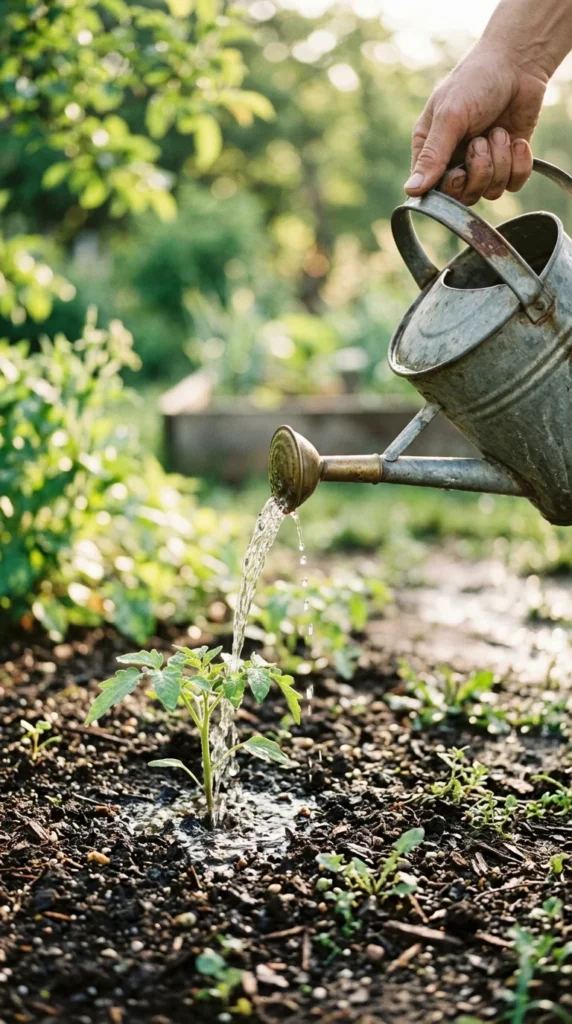
Watering is more than just a chore; it is an art. One of the most common mistakes gardeners make is watering too frequently but too shallowly. This encourages roots to stay near the surface, making them vulnerable to heat and drought. Instead, aim for deep, infrequent watering that reaches the root zone. The best time to water is in the early morning. This allows the foliage to dry before evening, which reduces the risk of fungal diseases. Always aim the water at the base of the plant rather than spraying the leaves, as wet foliage is a magnet for mildew and rot.
3. Sunlight Exposure
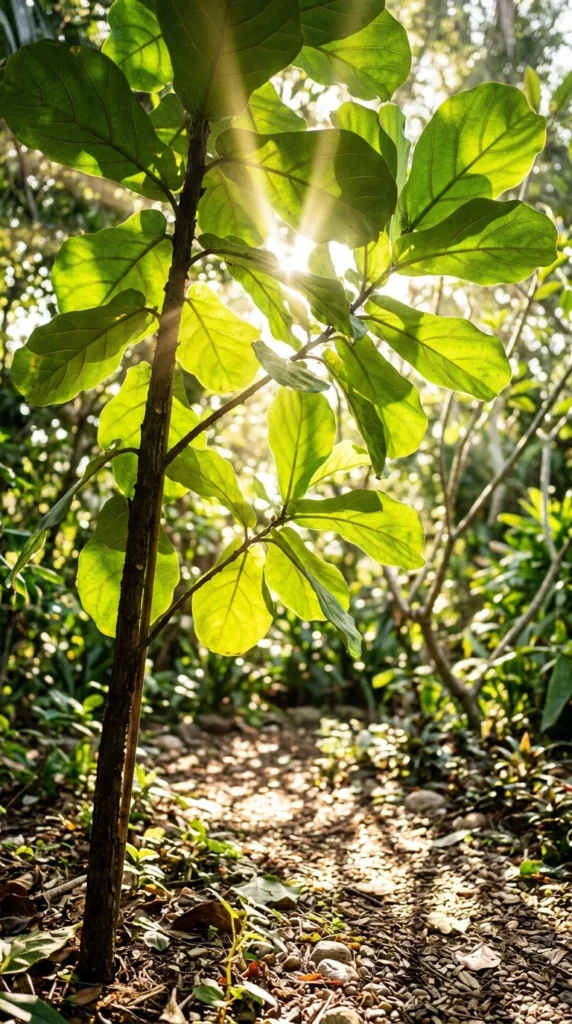
Light is the energy source for photosynthesis, the process by which plants create their own food. Before planting, it is vital to track how the sun moves across your yard. Most “full sun” plants, like tomatoes and peppers, require at least six to eight hours of direct sunlight daily. Conversely, shade-loving plants like hostas or ferns can suffer from “sunburn” if exposed to the midday sun. Grouping plants with similar light requirements together ensures that no one is left in the dark—or scorched by the heat. If you notice your plants becoming “leggy” (tall, thin, and weak), they are likely reaching for more light and may need to be moved.
4. Mulching Techniques
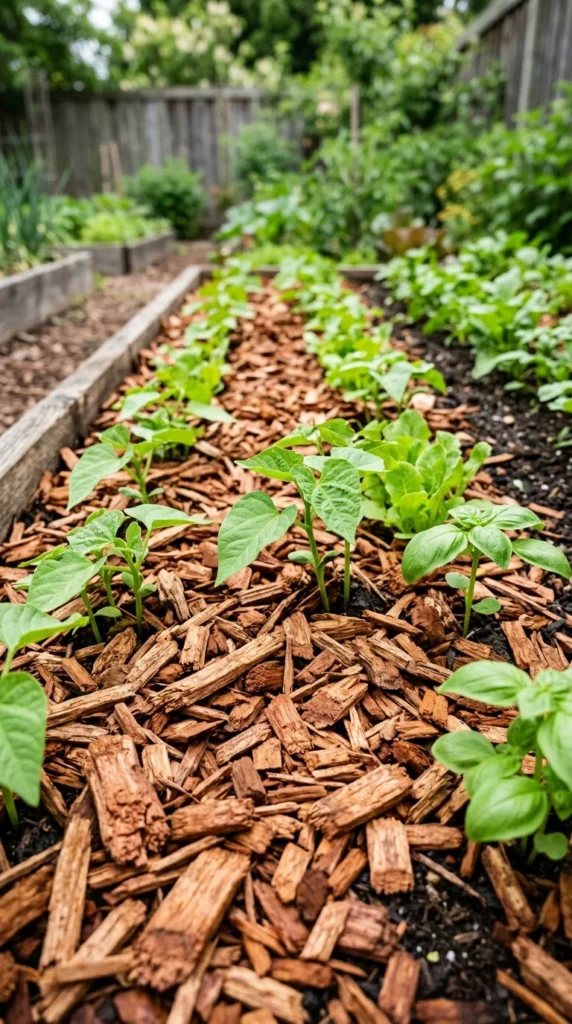
Mulch is the secret weapon of a low-maintenance garden. By applying a two-to-three-inch layer of organic mulch—such as wood chips, straw, or shredded bark—around your plants, you create a protective barrier. Mulch serves several purposes: it suppresses weed growth by blocking sunlight from weed seeds, it regulates soil temperature to keep roots cool in summer and warm in winter, and it significantly reduces water evaporation. As organic mulch decomposes, it also adds valuable nutrients back into the soil, creating a continuous cycle of enrichment.
5. Pruning Practices
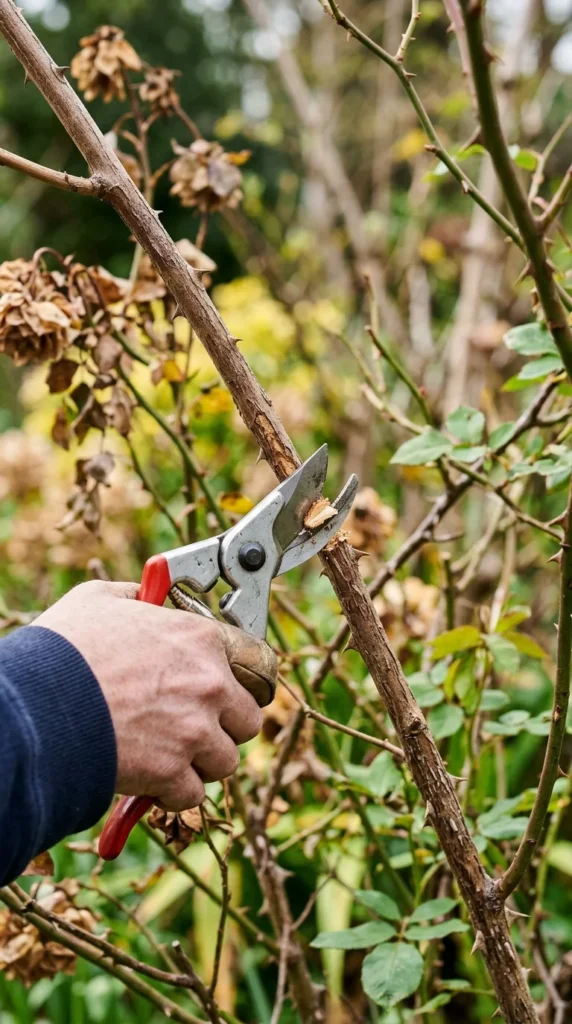
Pruning is essential for maintaining the shape, health, and productivity of your plants. Removing dead, damaged, or diseased wood prevents decay from spreading to the rest of the plant. Furthermore, thinning out dense foliage improves air circulation, which is key to preventing fungal infections. For flowering plants and fruit trees, strategic pruning encourages the plant to direct its energy toward producing blossoms and fruit rather than maintaining excess foliage. Always use sharp, sterilized tools to ensure clean cuts that heal quickly, and research the specific pruning timeline for each plant species, as some prefer late winter while others need pruning right after flowering.
6. Pest Management
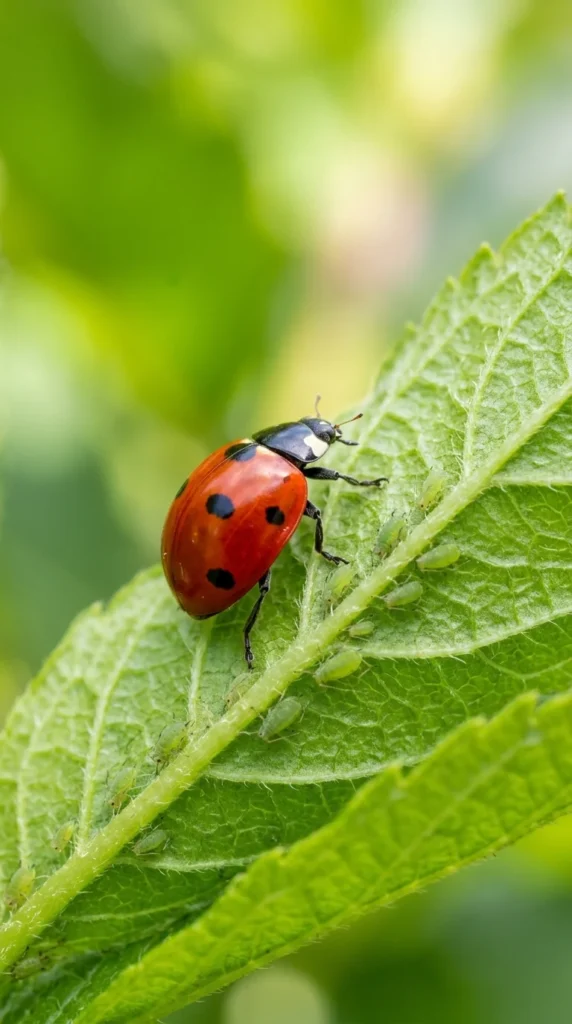
A healthy garden is a balanced ecosystem, but sometimes pests can get the upper hand. The goal of pest management is not to achieve a sterile environment but to keep damage at a manageable level. Encourage “beneficial insects” like ladybugs, lacewings, and predatory wasps, which feed on common pests like aphids and mites. If you must intervene, start with the least toxic methods, such as a strong stream of water to knock insects off or neem oil sprays. Regularly inspecting the undersides of leaves allows you to catch infestations early before they become a full-blown crisis.
7. Disease Prevention
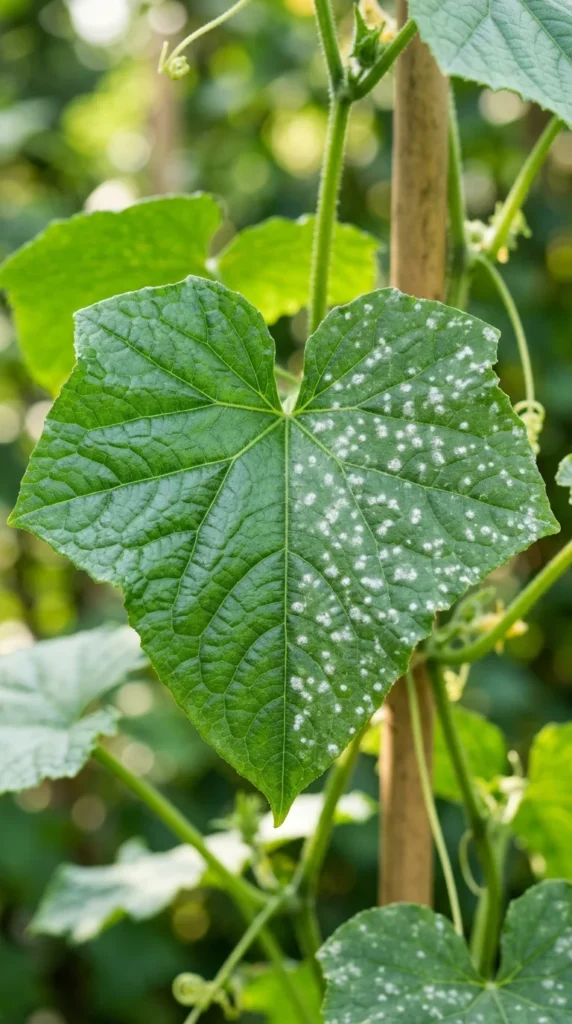
Preventing plant disease is much easier than curing it. Most plant diseases thrive in damp, stagnant conditions. To minimize risk, ensure proper spacing between plants to allow for airflow. Avoid overhead watering, which keeps foliage wet for extended periods. If you notice signs of disease, such as black spots, rust, or mold, remove and dispose of the affected parts immediately—do not compost them, as the pathogens can survive the composting process and reinfect your garden later. Rotating your crops annually also prevents soil-borne diseases from building up in one location.
8. Fertilizer Use
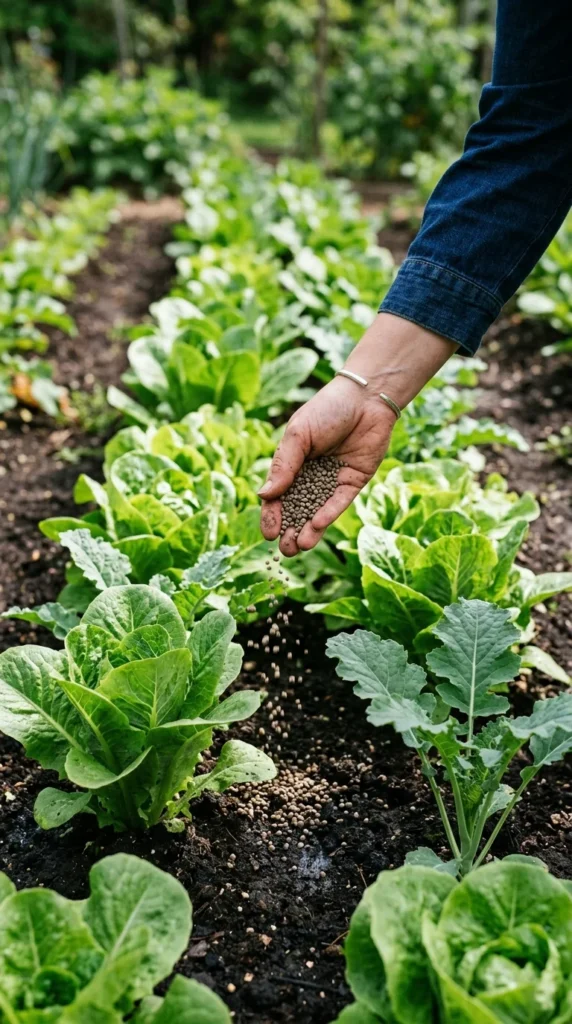
While healthy soil provides many nutrients, plants often need a boost, especially during their peak growing or fruiting phases. Fertilizers provide essential elements: Nitrogen (N) for foliage growth, Phosphorus (P) for root and flower development, and Potassium (K) for overall plant health. However, more is not always better. Over-fertilizing can lead to “fertilizer burn” or excessive foliage growth at the expense of flowers and fruit. Whenever possible, choose organic, slow-release fertilizers that provide a steady stream of nutrients over time without damaging the delicate soil microbiome.
9. Composting Basics
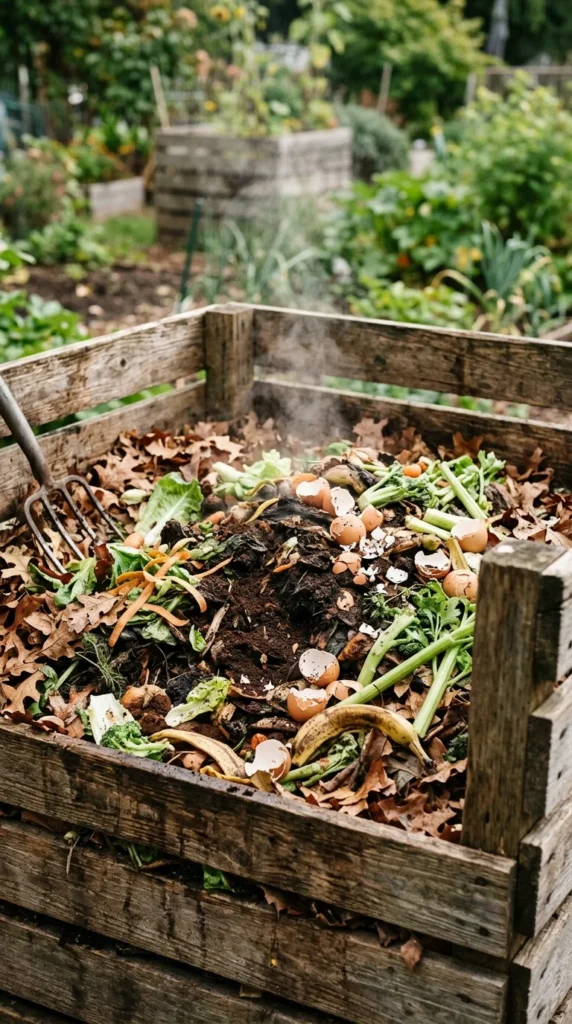
Composting is the ultimate way to recycle nutrients back into your garden. By collecting kitchen scraps (like fruit peels, coffee grounds, and eggshells) and yard waste (like dried leaves and grass clippings), you can create “black gold.” Composting transforms waste into a potent soil conditioner that improves soil structure and fertility. A good compost pile needs a balance of “greens” (nitrogen-rich materials) and “browns” (carbon-rich materials), along with adequate moisture and oxygen. Adding a layer of finished compost to your garden beds each spring is one of the best things you can do for plant health.
10. Weed Control
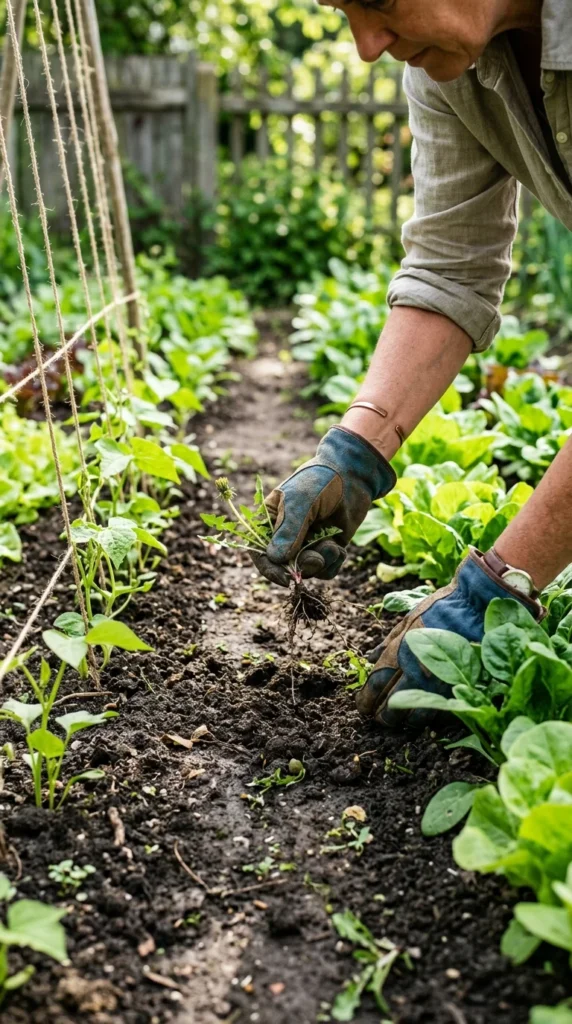
Weeds are more than just an eyesore; they are fierce competitors. They steal water, light, and nutrients from your desired plants. The most effective way to manage weeds is to stay ahead of them. Spend a few minutes each week “scouting” for new weeds and pulling them out before they have a chance to go to seed. Pulling weeds after a rain or watering session is easiest, as the soil is soft and the roots are more likely to come out whole. Consistent mulching and close plant spacing can also help “shade out” weeds, making it harder for them to establish a foothold.
11. Tool Maintenance
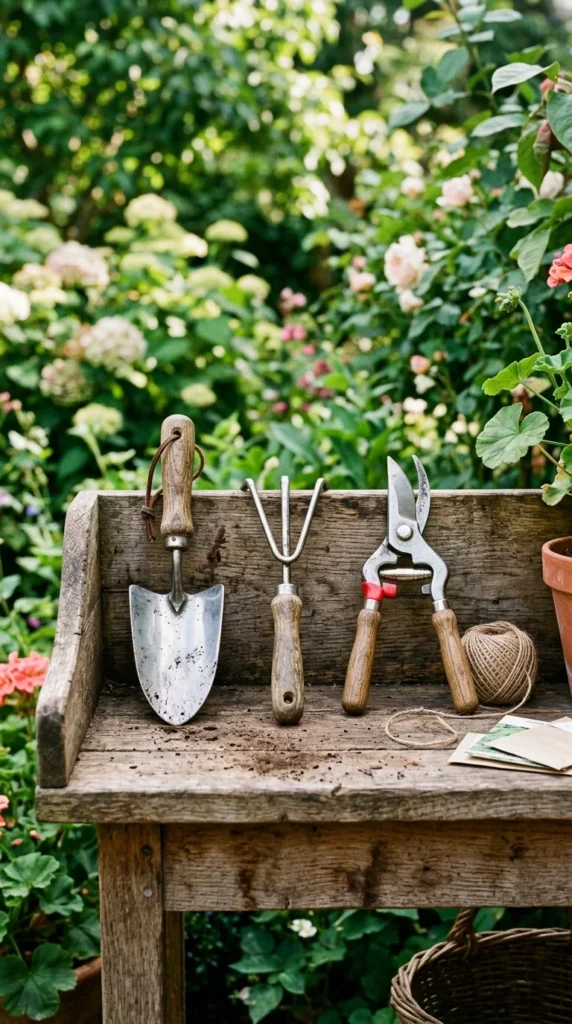
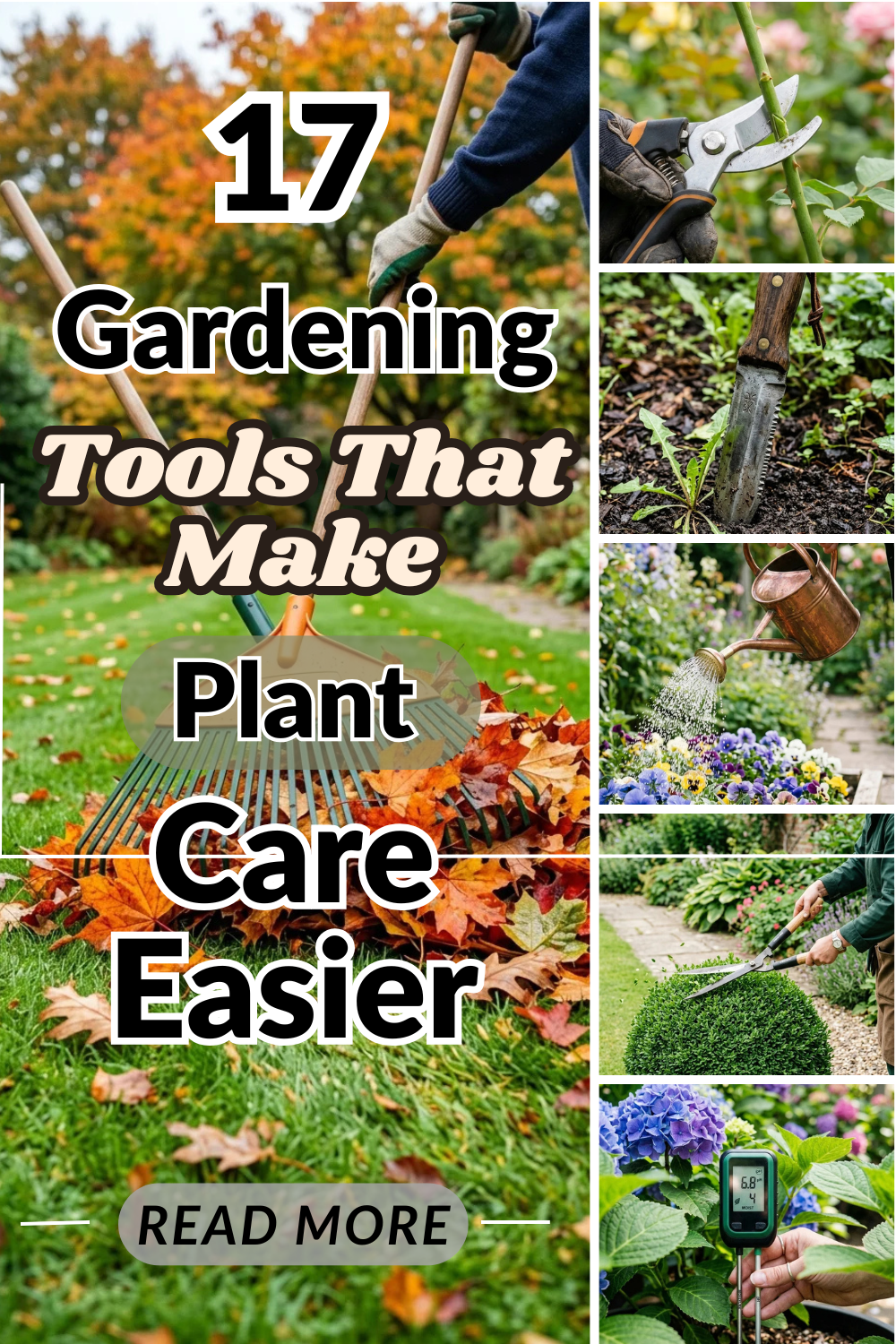
Good gardeners are only as effective as their tools. Rusty, dull, or dirty tools can actually harm your plants by making jagged cuts or spreading bacteria and fungi from one plant to another. At the end of each gardening session, wipe your tools clean of dirt. Periodically sharpen your blades with a whetstone and oil metal parts to prevent rust. If you have been working with diseased plants, dip your tools in a solution of one part bleach to nine parts water to disinfect them. Proper maintenance not only protects your plants but also ensures your tools last for a lifetime.
12. Companion Planting
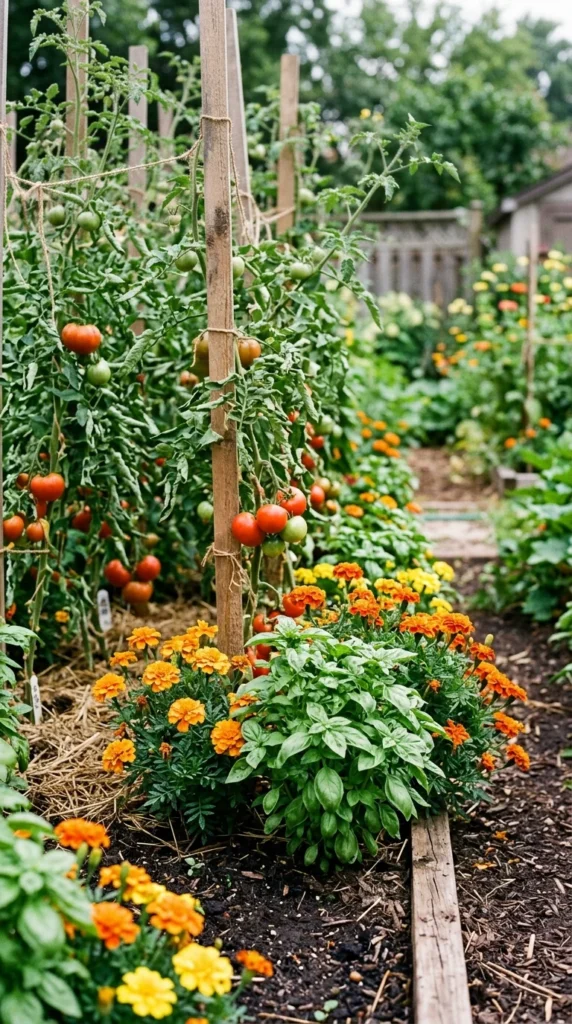
Companion planting is the practice of growing certain plants together for mutual benefit. This age-old technique can help maximize space, deter pests, and improve flavor. For example, planting marigolds near tomatoes can help repel harmful nematodes and aphids, while tall sunflowers can provide a natural trellis for climbing beans. Some plants, like legumes, even fix nitrogen into the soil, benefiting the “heavy feeders” planted nearby. By understanding these botanical relationships, you can create a more harmonious and productive garden environment.
13. Regular Observation
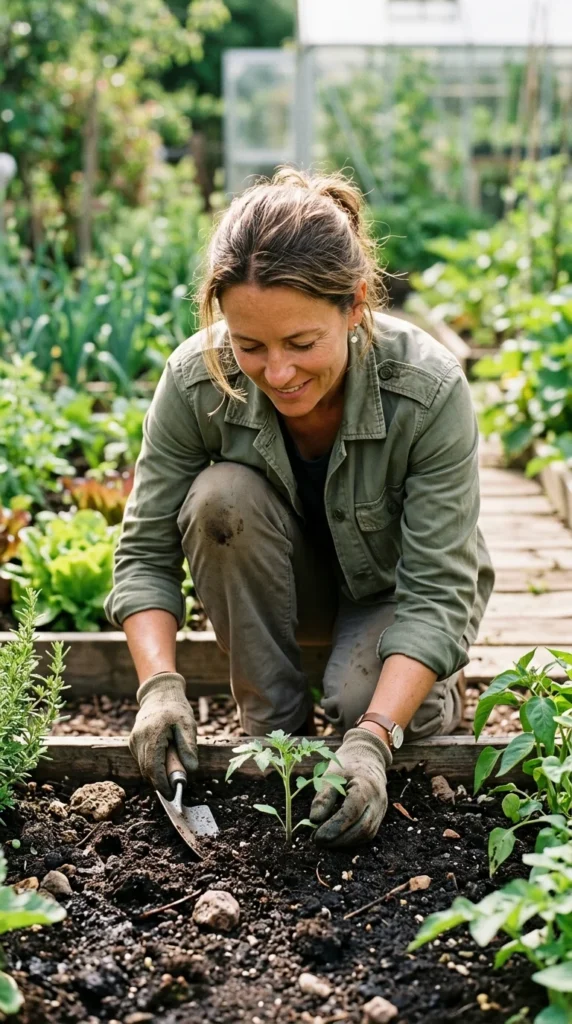
The most important tool in any garden is the gardener’s shadow. Spending time in your garden every day allows you to notice subtle changes. Is a leaf starting to yellow? Is the soil feeling unusually dry? Are there tiny holes appearing in the cabbage? By being present and observant, you can catch problems when they are small and easily manageable. Gardening is a continuous learning process, and your plants will tell you exactly what they need if you take the time to listen. Enjoy the process, celebrate the small victories, and your garden will reward you with beauty and abundance.