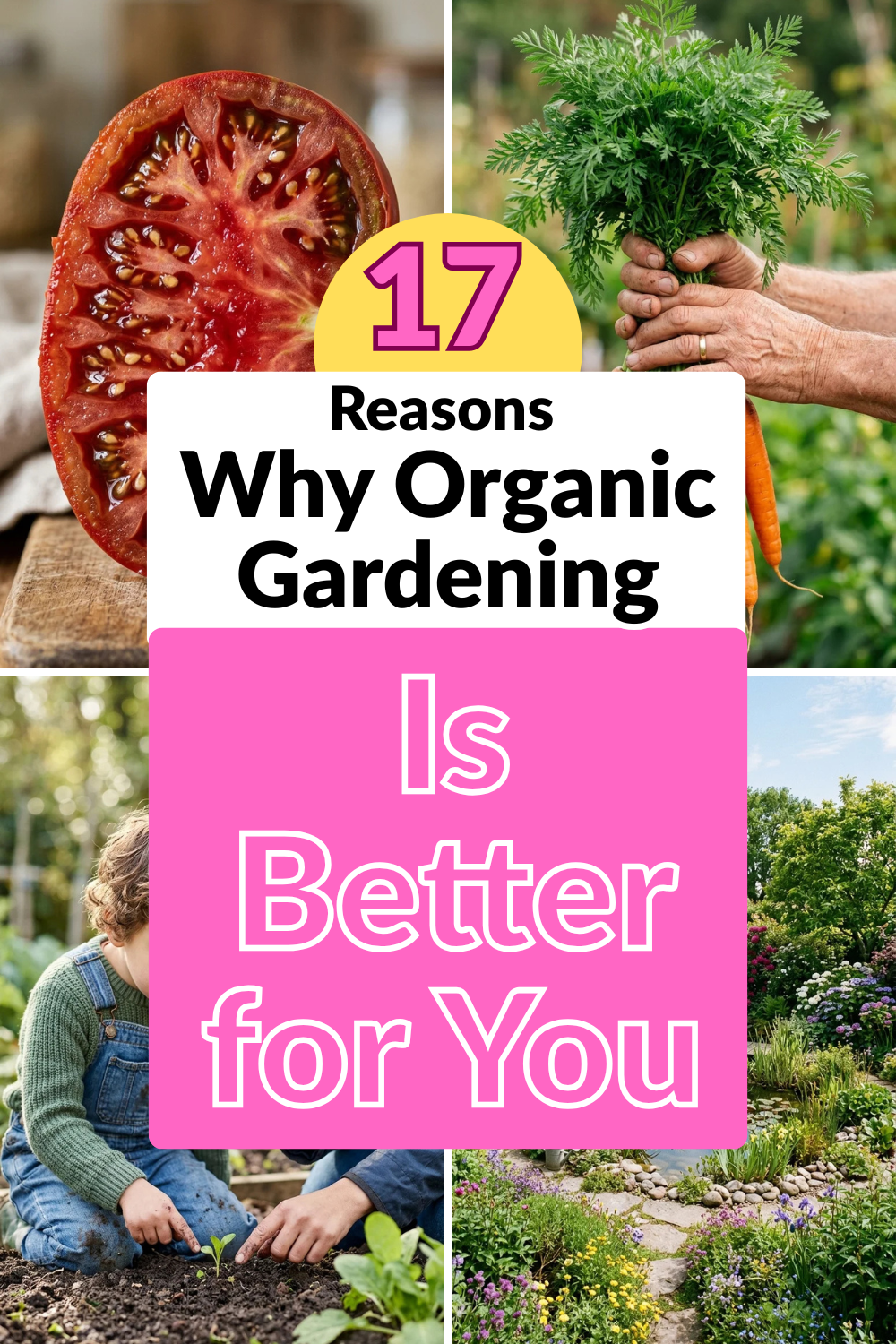
The movement toward organic gardening is more than just a passing trend; it is a return to a fundamental way of living that honors both the human body and the earth. When you choose to garden organically, you are stepping away from the “quick-fix” culture of synthetic fertilizers and toxic pesticides, opting instead for a holistic approach that nurtures the soil, the plant, and ultimately, the consumer. Whether you have a sprawling backyard or a few pots on a balcony, the benefits of organic cultivation are profound and far-reaching.
1. Nutrient Density

Studies have consistently shown that organic produce often contains higher levels of essential vitamins, minerals, and antioxidants compared to conventionally grown counterparts. Because organic soil is rich in diverse microbial life, plants are better able to uptake trace minerals like magnesium, iron, and vitamin C. Without the “water weight” often added by synthetic nitrogen fertilizers, the nutrients in organic vegetables are more concentrated, ensuring that every bite you take is packed with the fuel your body needs to thrive.
2. Chemical-Free
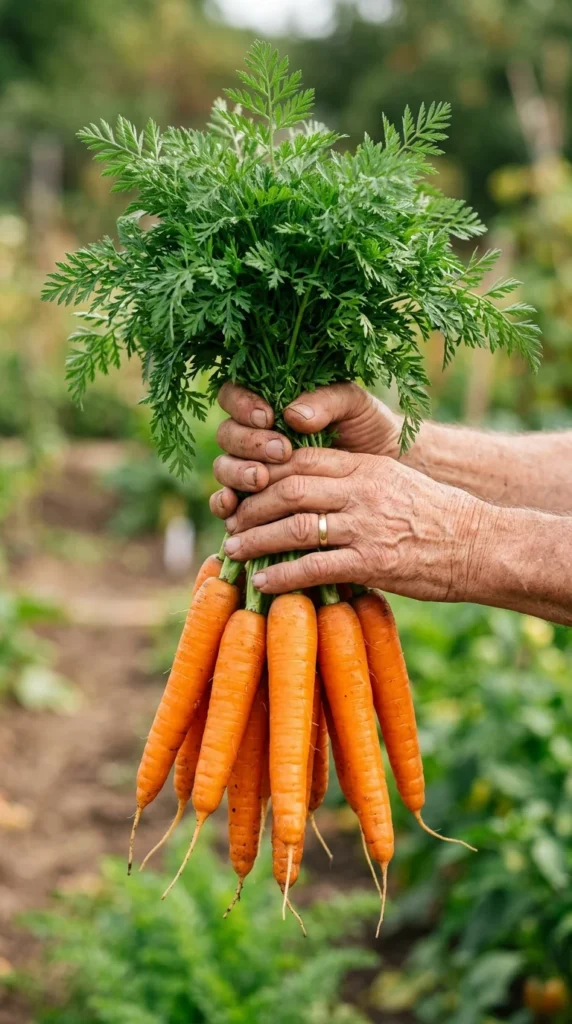
One of the most compelling reasons to go organic is the elimination of synthetic pesticides and herbicides. Many conventional chemicals, such as glyphosate, have been linked to a variety of health issues, including hormonal disruption and long-term illness. By growing your own food organically, you have 100% control over what touches your plants. You can rest easy knowing that your salad isn’t coated in a cocktail of “forever chemicals,” making your meals safer for you and your family.
3. Soil Health
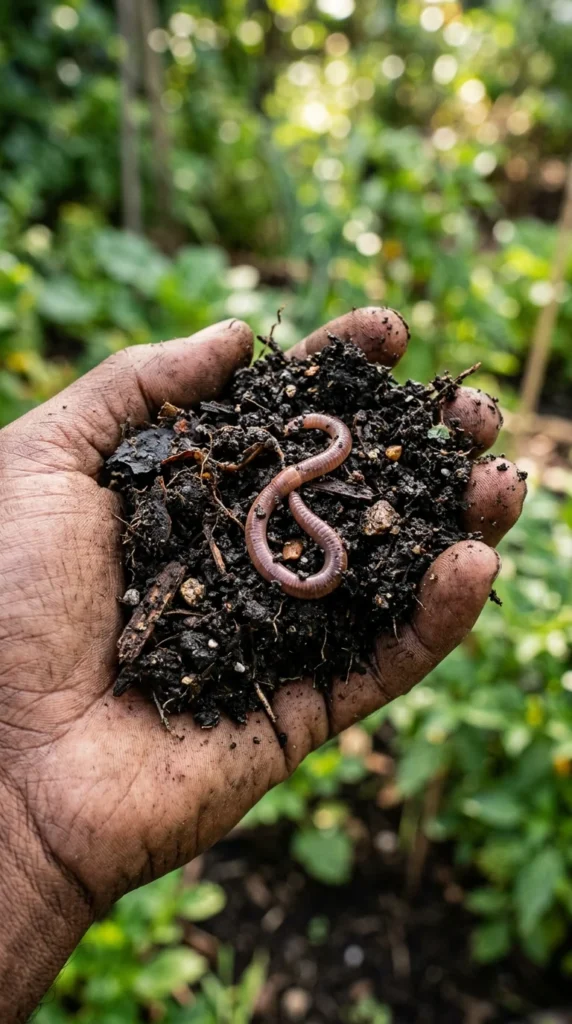
In organic gardening, you don’t just feed the plant; you feed the soil. Synthetic fertilizers provide a temporary burst of nutrients but eventually strip the soil of its natural vitality. Organic methods, such as composting and mulching, build a “living soil” teeming with beneficial bacteria, fungi, and earthworms. This healthy soil structure retains moisture better, prevents erosion, and creates a resilient foundation that can support life for generations to come.
4. Mental Health

The act of gardening is a form of “ecotherapy.” Engaging with the earth has been scientifically proven to lower cortisol levels and reduce stress. There is a specific strain of bacterium found in organic soil called Mycobacterium vaccae that, when inhaled or touched, can actually stimulate serotonin production in the brain. Organic gardening encourages a mindful connection to the seasons and the rhythm of nature, providing a sanctuary of calm in a frantic world.
5. Environmental Impact
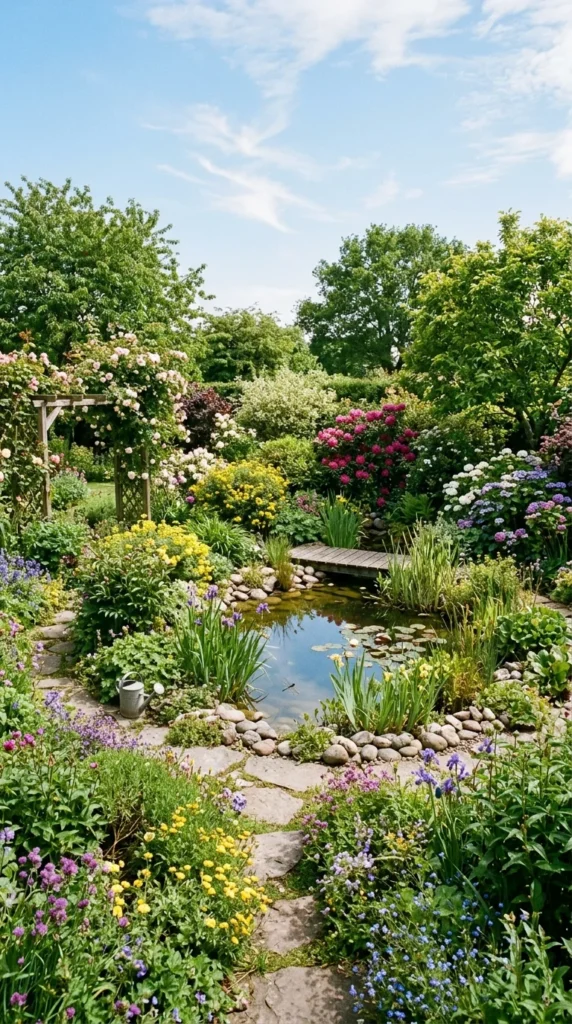
Conventional farming relies heavily on fossil fuels for the production and transport of synthetic chemicals. Organic gardening reduces this carbon footprint significantly. Furthermore, organic practices prevent chemical runoff into local waterways, protecting aquatic life and keeping our drinking water sources clean. By maintaining an organic plot, you are contributing to a localized solution for global environmental challenges.
6. Better Flavor

Ask any organic gardener, and they will tell you: the taste is incomparable. Because organic plants grow at a natural pace and are nourished by a complex array of soil minerals, they develop deeper, more complex flavor profiles. The natural sugars and essential oils in organic fruits and vegetables are more pronounced, turning a simple garden tomato into a gourmet experience that supermarket varieties simply cannot match.
7. Physical Exercise
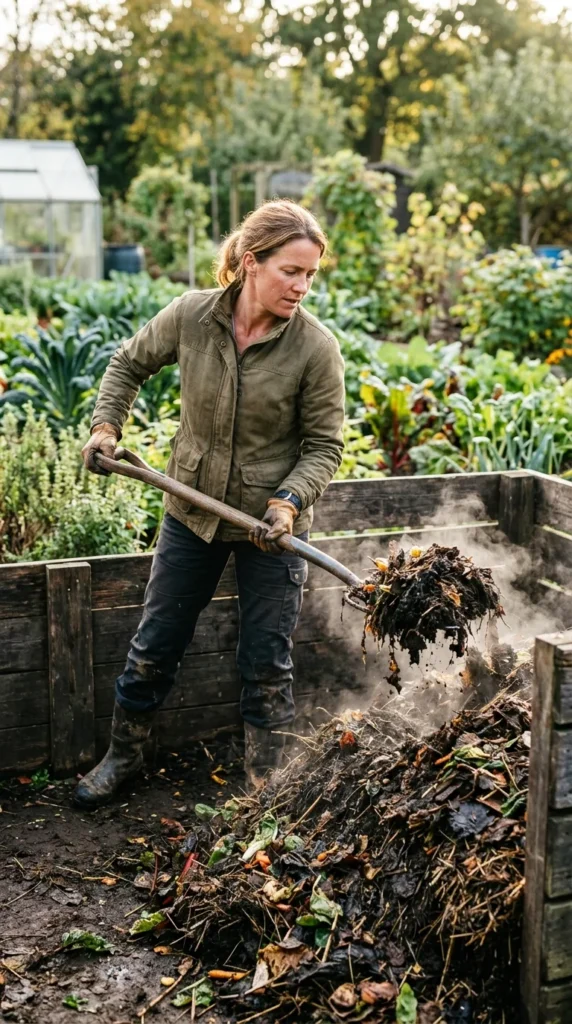
Gardening is a full-body workout that doesn’t feel like a chore. From digging and planting to weeding and hauling mulch, organic gardening keeps you moving. It improves flexibility, builds strength, and boosts cardiovascular health. Unlike the gym, gardening offers “functional fitness”—movements that are natural to the human body—while providing the added bonus of a tangible, edible reward at the end of the day.
8. Water Conservation
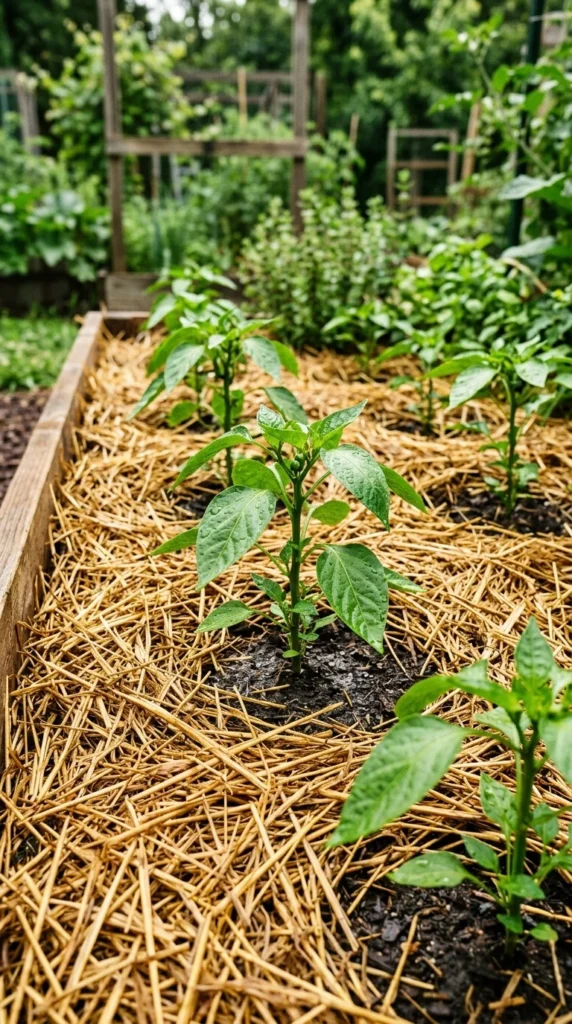
Organic gardening emphasizes the use of organic matter, which acts like a sponge. Soil rich in compost can hold significantly more water than depleted, sandy, or compacted soil. By using techniques like mulching and drip irrigation, organic gardeners can reduce their water usage by up to 50%. This makes your garden more resilient during droughts and reduces the strain on local water resources.
9. Protecting Pollinators
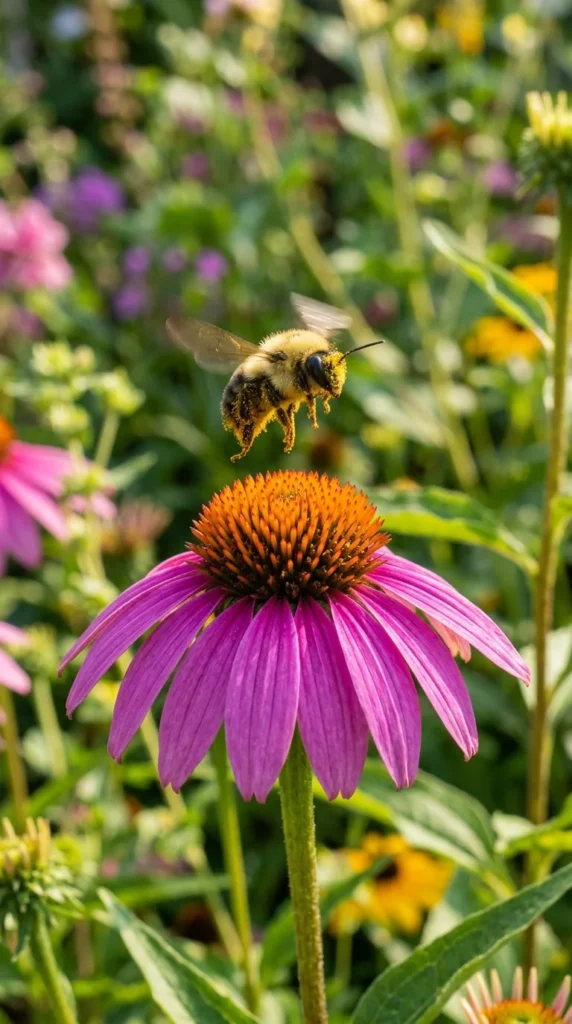
Bees, butterflies, and other pollinators are in decline, largely due to habitat loss and pesticide exposure. Organic gardens serve as vital “waystations” for these essential creatures. By planting a variety of organic flowers and avoiding neonicotinoids, you provide a safe haven where pollinators can thrive. This, in turn, ensures the success of your own crops, as a healthy pollinator population leads to better fruit set and higher yields.
10. Cost Savings

While the initial setup of an organic garden might require an investment, it saves money in the long run. Instead of buying expensive bags of chemical fertilizers and sprays, you can create your own “black gold” through composting kitchen scraps and yard waste. Additionally, organic gardening encourages seed saving. By harvesting seeds from your best-performing plants, you eliminate the need to buy new seeds every year, creating a self-sustaining cycle of abundance.
11. Carbon Sequestration
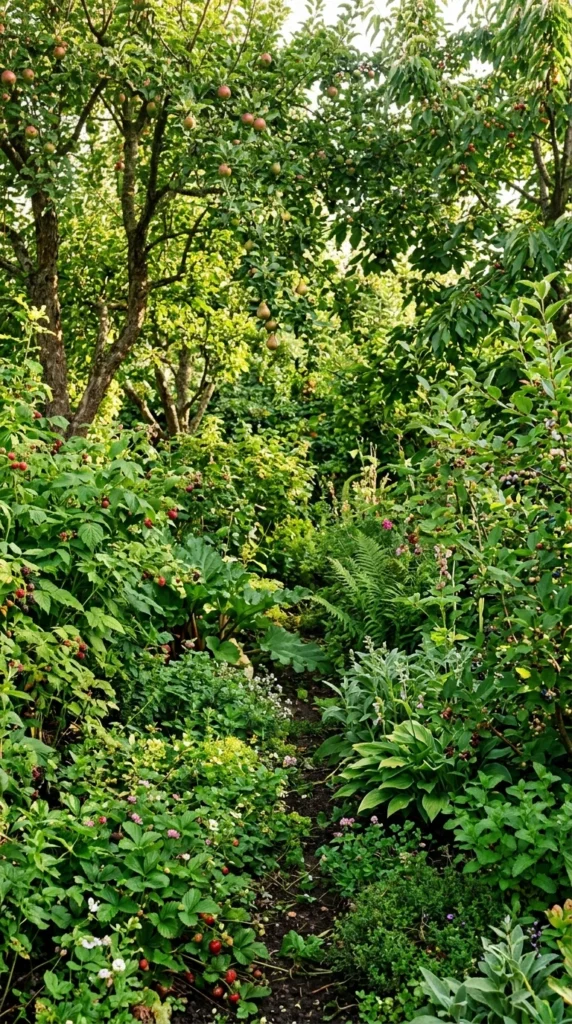
Organic soil is one of the most effective tools we have for fighting climate change. Healthy, organic soils act as carbon sinks, pulling carbon dioxide out of the atmosphere and storing it in the ground. By increasing the organic matter in your soil, you are actively participating in a global effort to reduce greenhouse gases. Your small backyard plot becomes a vital part of the earth’s cooling system.
12. GMO-Free

When you grow organically, you have the opportunity to plant heirloom and non-GMO varieties that are rarely found in grocery stores. These plants have been passed down through generations for their superior flavor and resilience. By choosing organic, non-GMO seeds, you are supporting genetic diversity in our food system and protecting the heritage of our ancestors’ crops from corporate homogenization.
13. Therapeutic Value
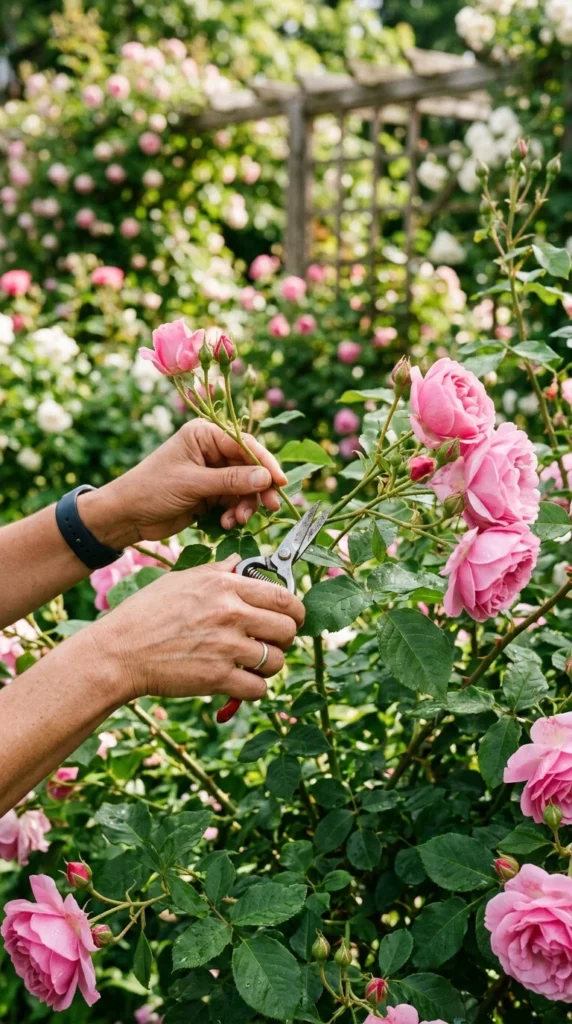
There is a profound sense of accomplishment that comes from nurturing a seed into a productive plant. Organic gardening fosters a sense of purpose and self-reliance. It has been used successfully as a therapeutic tool for individuals recovering from trauma, addiction, or physical injury. The repetitive, gentle tasks of gardening provide a “flow state” that allows the mind to rest and the spirit to heal.
14. Food Security

In an era of supply chain disruptions and rising food prices, an organic garden provides a reliable source of nutrition. By learning to grow and preserve your own food, you decrease your dependence on industrial systems. Whether you are drying herbs, canning tomatoes, or storing root vegetables in a cellar, organic gardening empowers you to feed yourself and your family regardless of external economic factors.
15. Ecological Balance
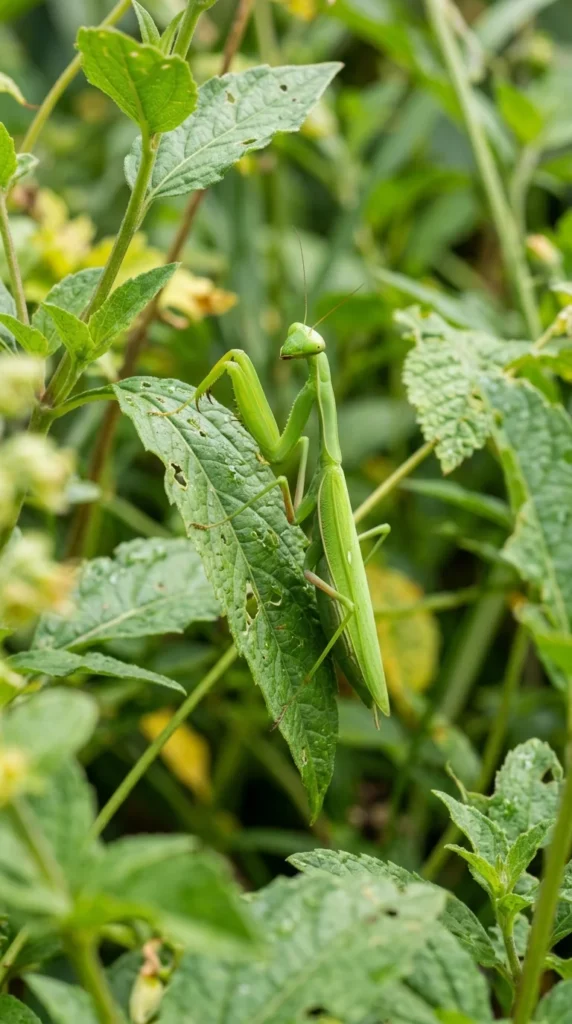
In a conventional garden, any bug is an enemy to be sprayed. In an organic garden, you aim for balance. You learn to welcome “beneficials” like ladybugs, lacewings, and predatory wasps that naturally keep pest populations in check. This creates a miniature ecosystem in your backyard where nature does the heavy lifting for you. It turns your garden into a fascinating laboratory of natural history.
16. Educational Growth
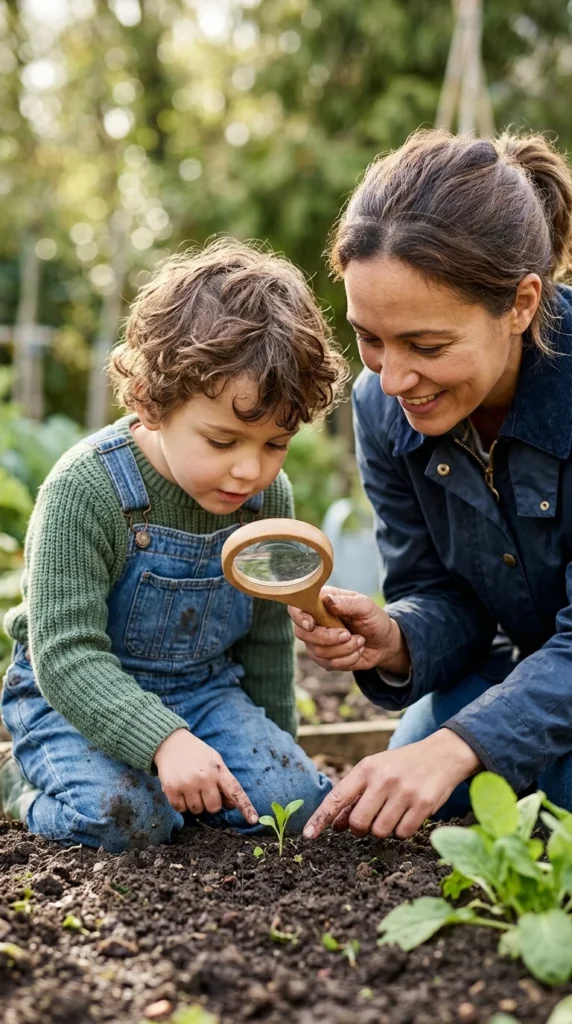
Organic gardening is a masterclass in biology, chemistry, and ecology. It is an incredible way to teach children (and adults!) where their food comes from and how the natural world works. Understanding the cycle of decay and rebirth through composting, or the metamorphosis of a caterpillar in the garden, fosters a lifelong respect for life. It transforms a simple hobby into a journey of continuous learning.
17. Sustainable Legacy
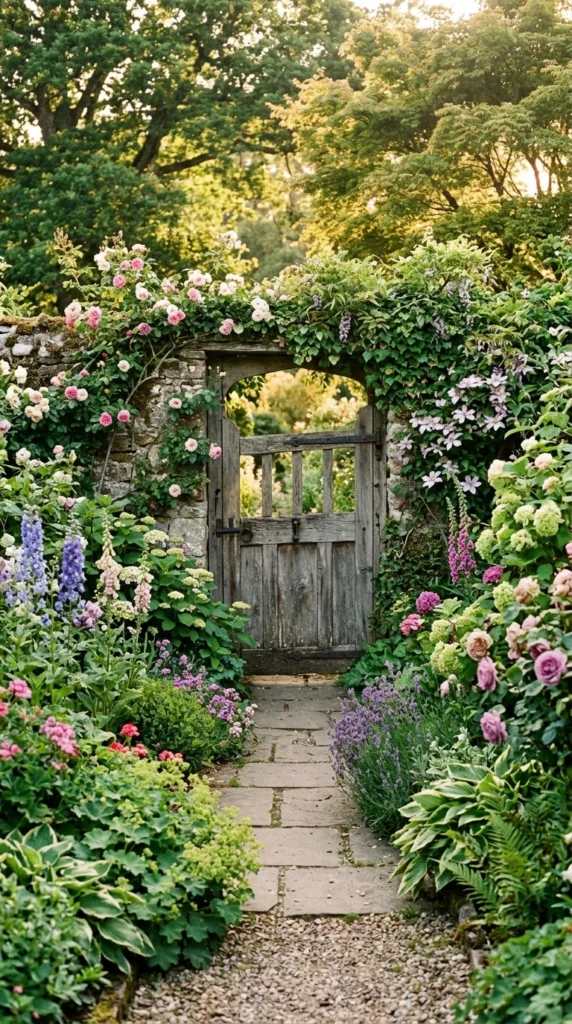
Perhaps the greatest benefit of organic gardening is the legacy you leave behind. By shunning chemicals and building soil health, you are ensuring that the land remains fertile and safe for future generations. You are passing down skills, health, and a piece of earth that is better than you found it. Organic gardening is an act of hope—a commitment to a future where humans live in harmony with the planet.