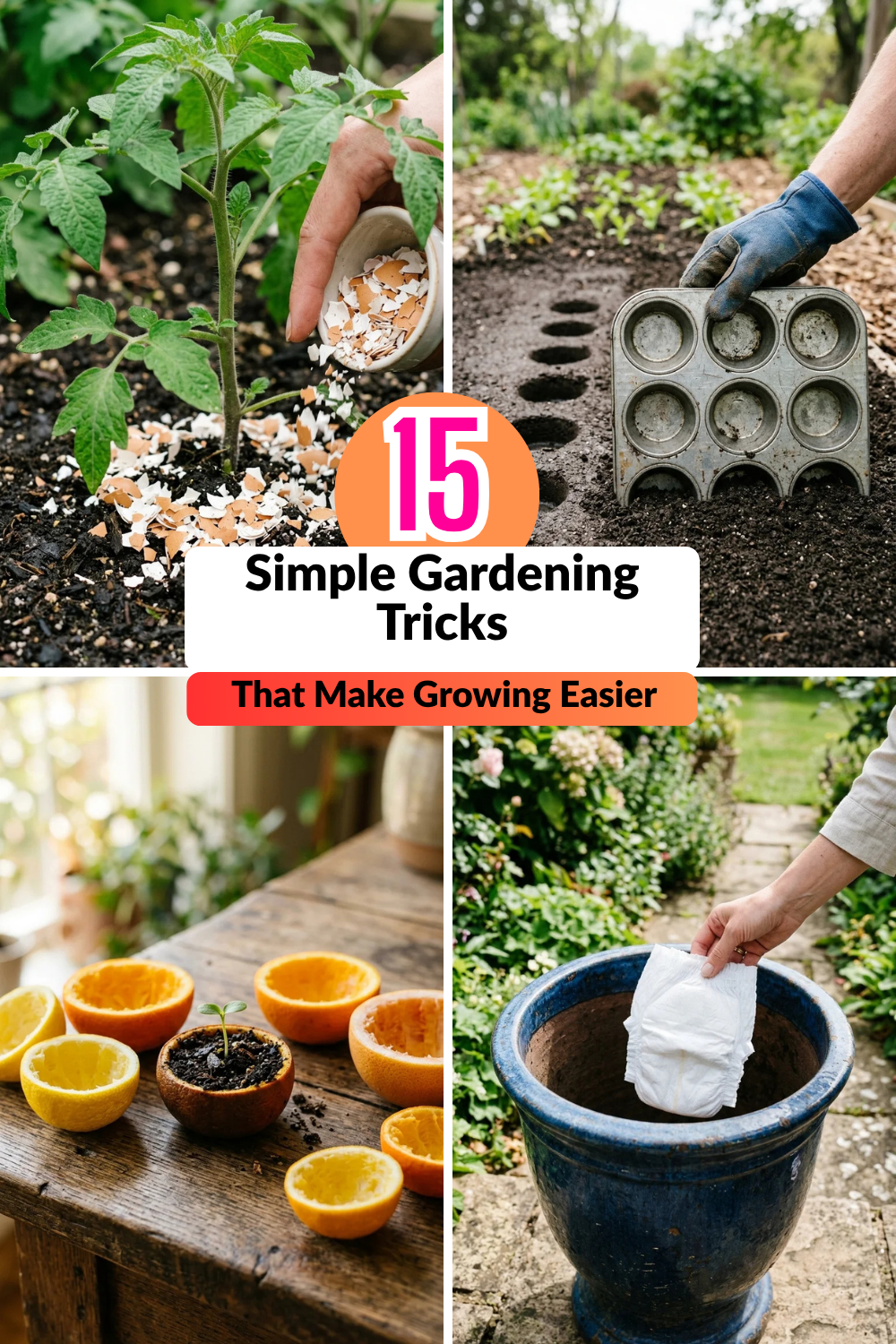
Gardening is often portrayed as a labor-intensive hobby that requires a “green thumb” and endless hours of back-breaking work. However, the most successful gardeners aren’t necessarily those who work the hardest, but those who work the smartest. By utilizing household items and understanding a few biological shortcuts, you can transform your gardening experience from a chore into a seamless, joyful process. Whether you are a balcony gardener or have an acre of land, these fifteen tricks will save you time, money, and effort.
1. Eggshells
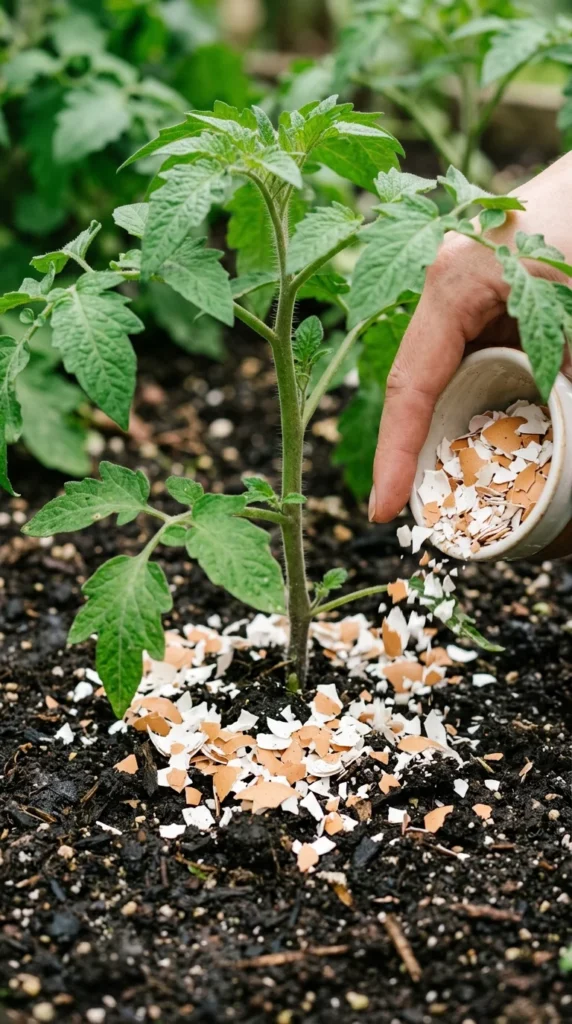
Don’t toss those breakfast remains into the trash. Eggshells are a goldmine for gardeners because they are composed almost entirely of calcium carbonate. When crushed and added to the soil, they provide a slow-release nutrient boost that prevents blossom end rot in tomatoes and peppers. Furthermore, the sharp edges of coarsely crushed shells act as a natural deterrent for soft-bodied pests like slugs and snails, who find the jagged surface uncomfortable to crawl over. To use them, simply rinse the shells, let them dry, and crush them into a fine powder or small shards before mixing them into your planting holes.
2. Wine Bottles
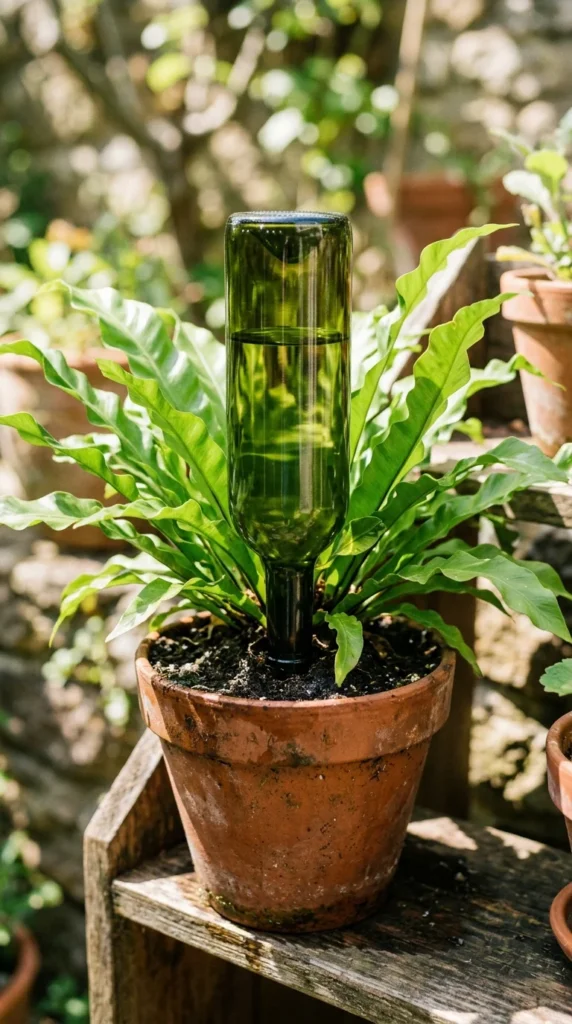
Keeping plants hydrated while you’re away for a weekend can be stressful. An empty wine bottle provides a perfect low-tech irrigation system. Fill the bottle with water, place your thumb over the opening, and quickly flip it over, burying the neck several inches deep into the soil near the roots of your plant. The soil will slowly “wick” the water out of the bottle as it dries out, providing a steady supply of moisture for several days. This is particularly effective for thirsty container plants or outdoor hanging baskets that dry out quickly in the summer heat.
3. Cardboard
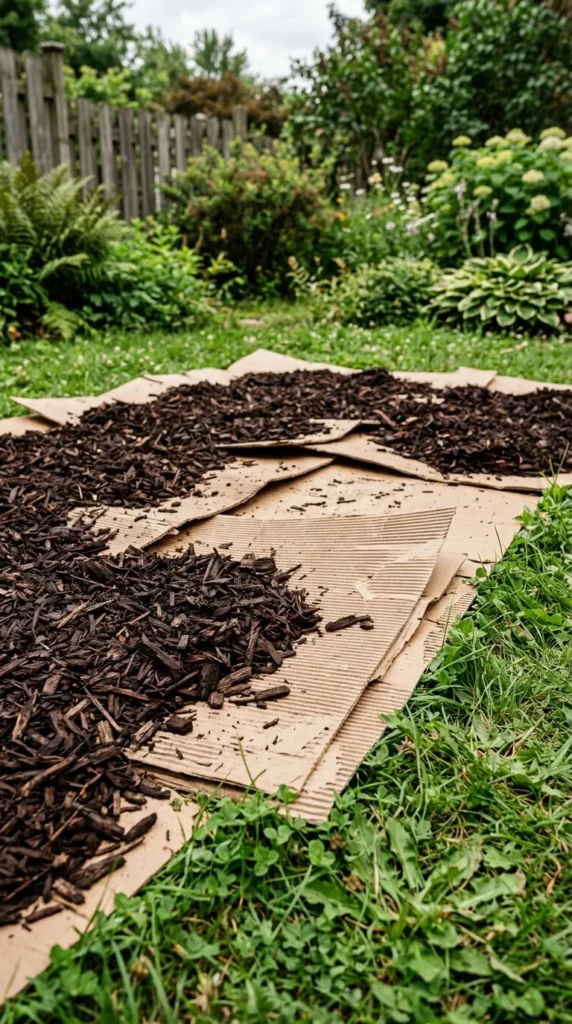
Weeding is arguably the least favorite task of any gardener. Instead of spending hours pulling weeds by hand, use the “sheet mulching” method. Lay down plain brown cardboard (remove any plastic tape first) over the area where you want to start a new garden bed or suppress weeds. Wet the cardboard thoroughly and cover it with a thick layer of mulch or compost. The cardboard blocks sunlight, killing the weeds and grass underneath, and eventually decomposes into rich organic matter that earthworms love. It’s a “no-dig” solution that builds soil health while keeping your garden tidy.
4. Muffin Tins
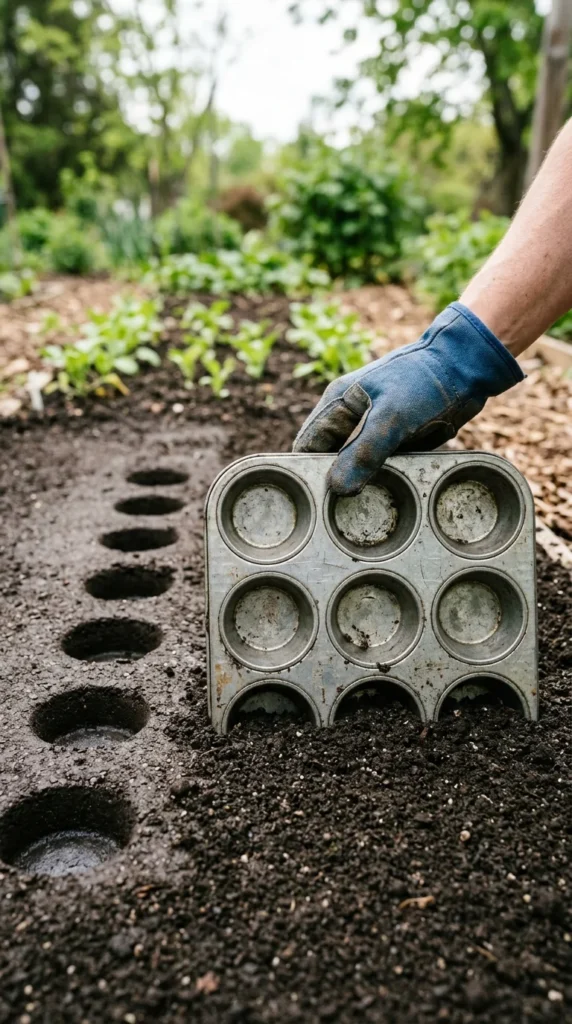
Achieving perfect spacing for seeds can be a challenge, especially for beginners. A standard muffin tin is the perfect tool for creating a grid. Simply press the bottom of the muffin tin into your loosened garden soil. It creates uniform, shallow indentations that are perfectly spaced for planting things like lettuce, radishes, or bush beans. This trick ensures your plants aren’t overcrowded, which improves air circulation and reduces the risk of fungal diseases later in the season.
5. Coffee Filters
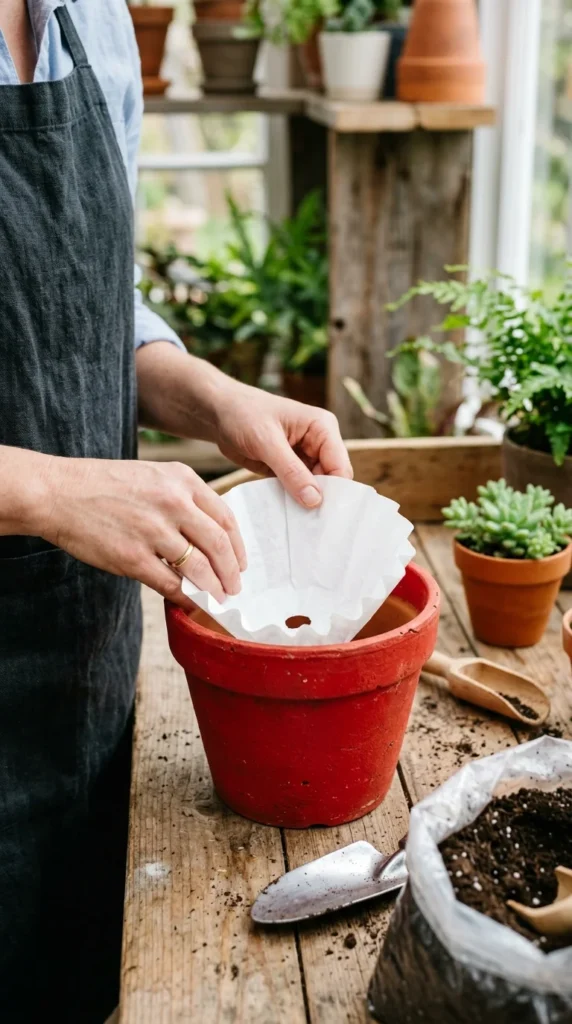
If you’ve ever moved a potted plant and found a pile of soil on your porch or windowsill, this trick is for you. Place a standard paper coffee filter at the bottom of your pots before adding the potting mix. The filter allows water to drain freely through the hole at the bottom but keeps the soil from washing out. Over time, the filter will decompose, but by then, the plant’s roots will have grown enough to hold the soil in place naturally.
6. Cinnamon
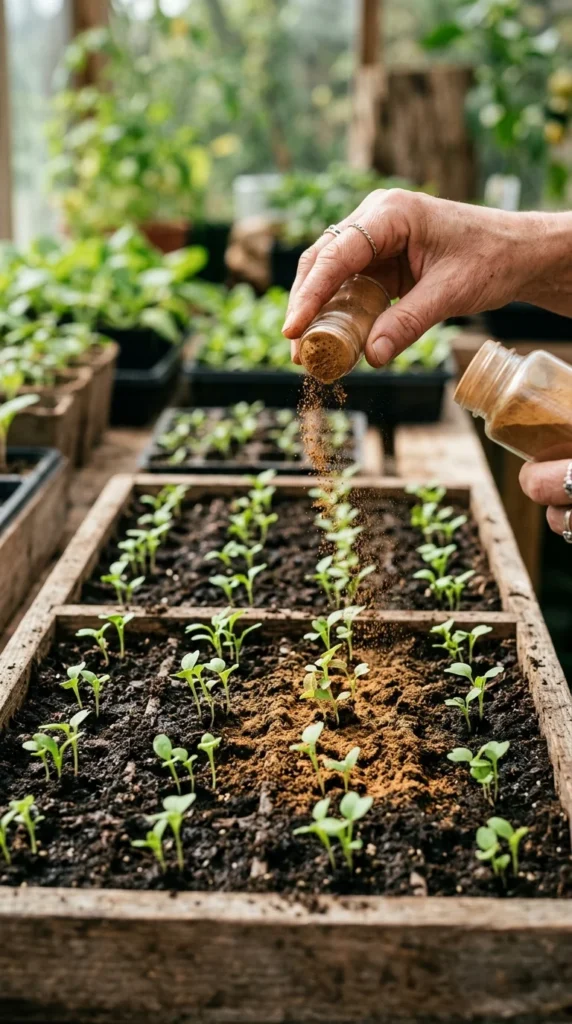
Damping off is a common fungal disease that kills young seedlings just as they start to grow. To prevent this, reach for your spice cabinet. Cinnamon has natural anti-fungal properties. Lightly dusting the surface of your seed-starting soil with ground cinnamon can prevent fungus from growing and protect your delicate sprouts. It also works as a mild deterrent for ants and gnats, who are repelled by the strong scent and powdery texture.
7. Epsom Salt
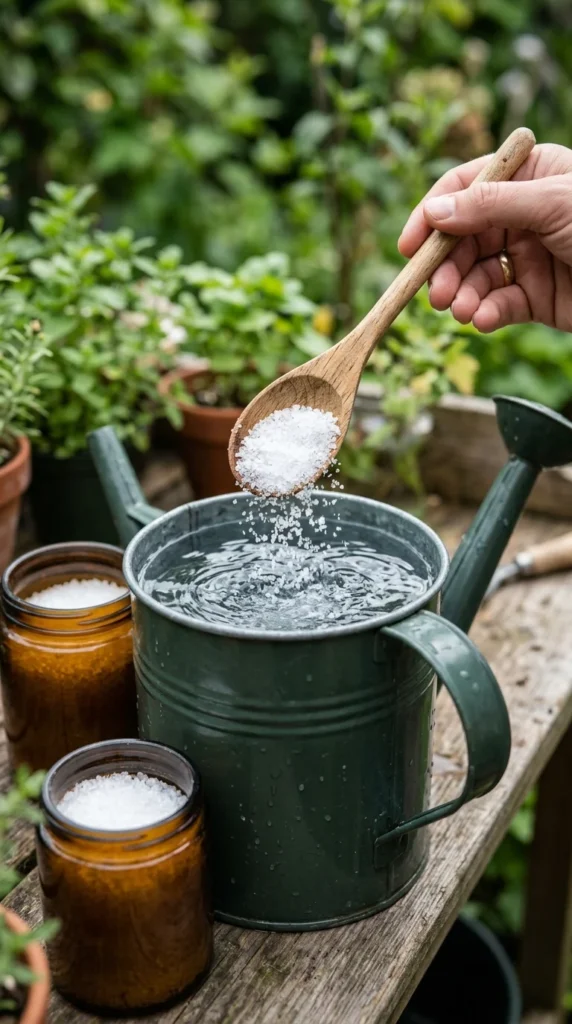
Despite its name, Epsom salt is not actually salt; it’s magnesium sulfate. Magnesium is a critical mineral for chlorophyll production, and many soils are naturally deficient in it. Adding a tablespoon of Epsom salt to a gallon of water and using it to hydrate your roses, peppers, and tomatoes can lead to greener leaves, more flowers, and higher yields. It helps the plants absorb other nutrients like nitrogen and phosphorus more efficiently, giving your garden a professional-grade boost for pennies.
8. Diapers
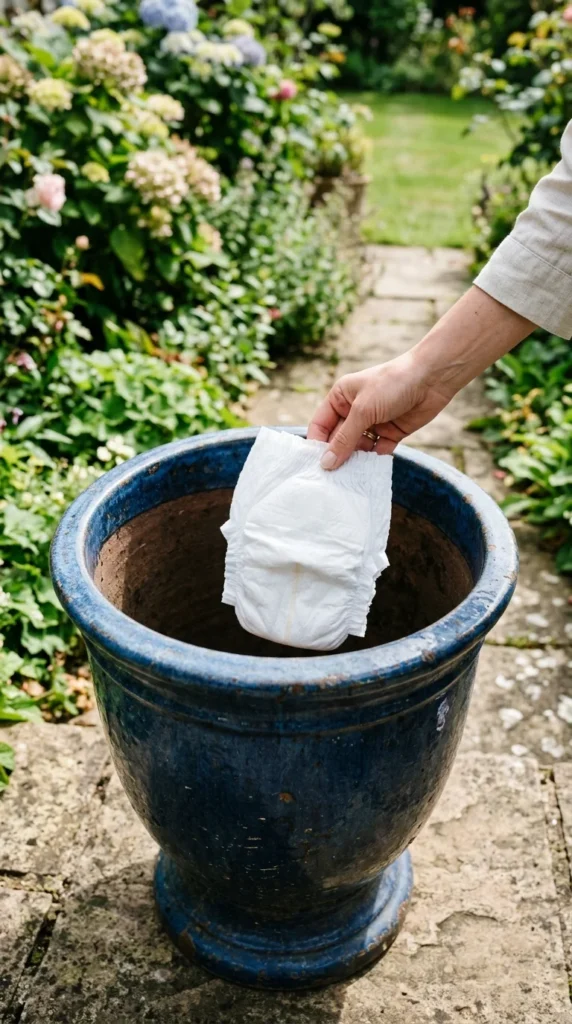
This might sound strange, but a clean disposable diaper can be a lifesaver for container gardens. Diapers contain super-absorbent polymers designed to hold moisture. By placing a diaper (absorbent side up) at the bottom of a large planter before adding soil, you create a reservoir that holds onto water much longer than soil alone. This reduces the frequency of watering and ensures that your plants stay hydrated even during the peak of a heatwave. It is an excellent trick for high-maintenance hanging baskets.
9. Citrus Peels
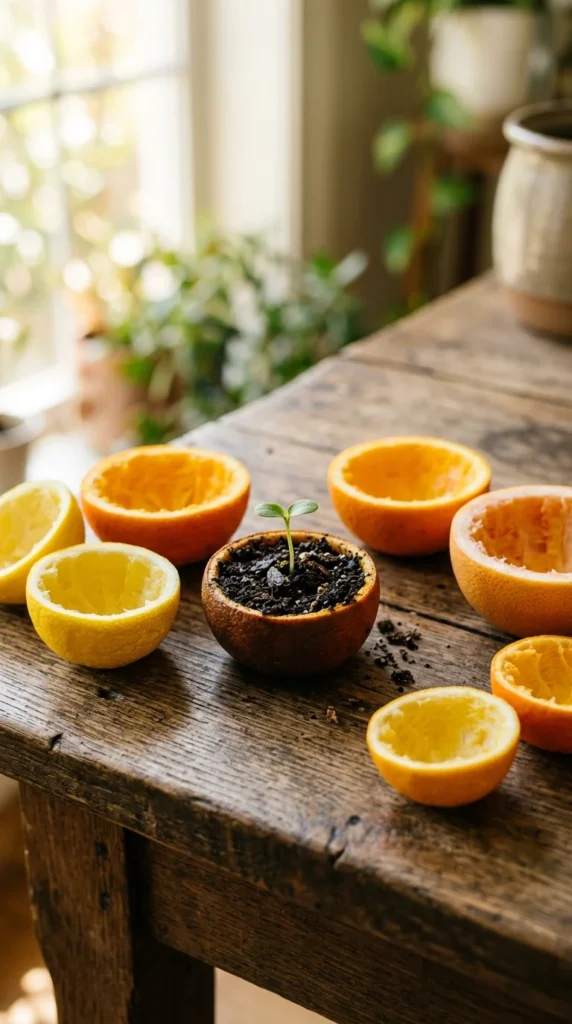
Instead of buying plastic seed-starting trays, use citrus peels. Hollow out halves of oranges, lemons, or grapefruits and poke a small drainage hole in the bottom. Fill them with seed-starting mix and plant your seeds. Once the seedlings are large enough to be moved outdoors, you can plant the entire “pot” directly into the ground. The peel will decompose and provide nutrients to the young plant as it grows, making for a zero-waste, biodegradable solution that prevents root shock.
10. Milk Jugs
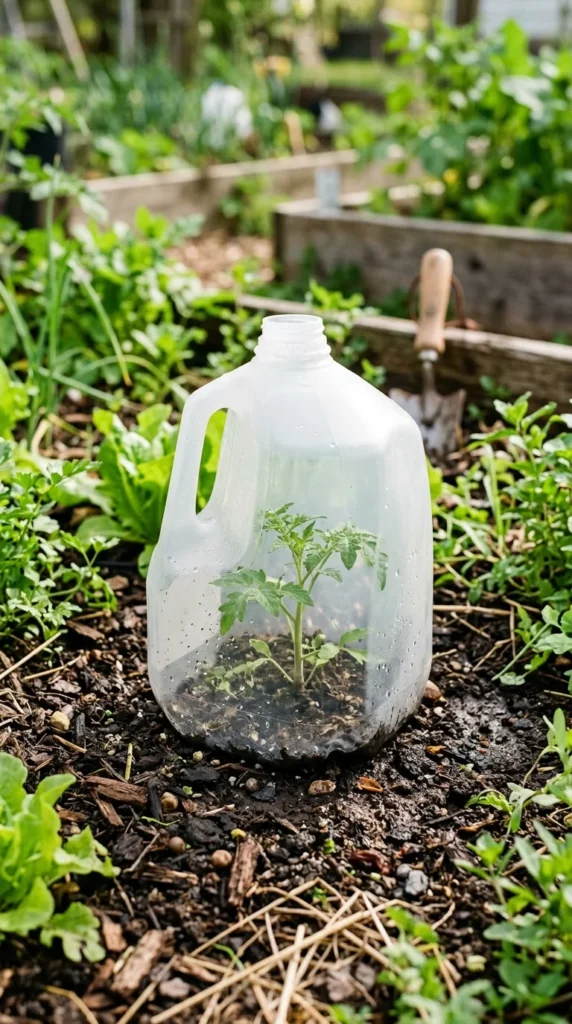
In early spring, a sudden frost can kill off your hard work in a single night. You can create “mini-greenhouses” or cloches using old plastic milk jugs. Cut the bottom off the jug and place it over your individual plants. During the day, remove the cap to allow heat to escape so you don’t cook the plant; at night, put the cap back on to trap the warmth from the earth. This simple recycled tool can extend your growing season by several weeks on both ends of the year.
11. Honey
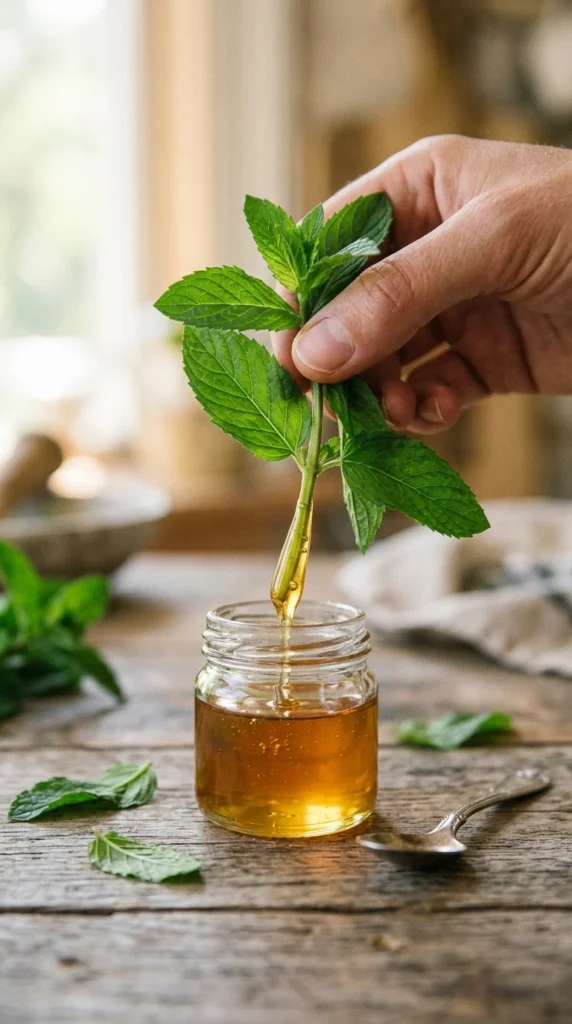
If you want to grow new plants from cuttings, you don’t necessarily need chemical rooting hormones. Raw honey contains enzymes that promote root growth and has natural antibacterial and antifungal properties that protect the raw “wound” of the cutting from rot. Simply dip the cut end of a stem into a bit of honey before sticking it into your soil or propagation medium. This organic method significantly increases the success rate of your clones.
12. Sand Bucket
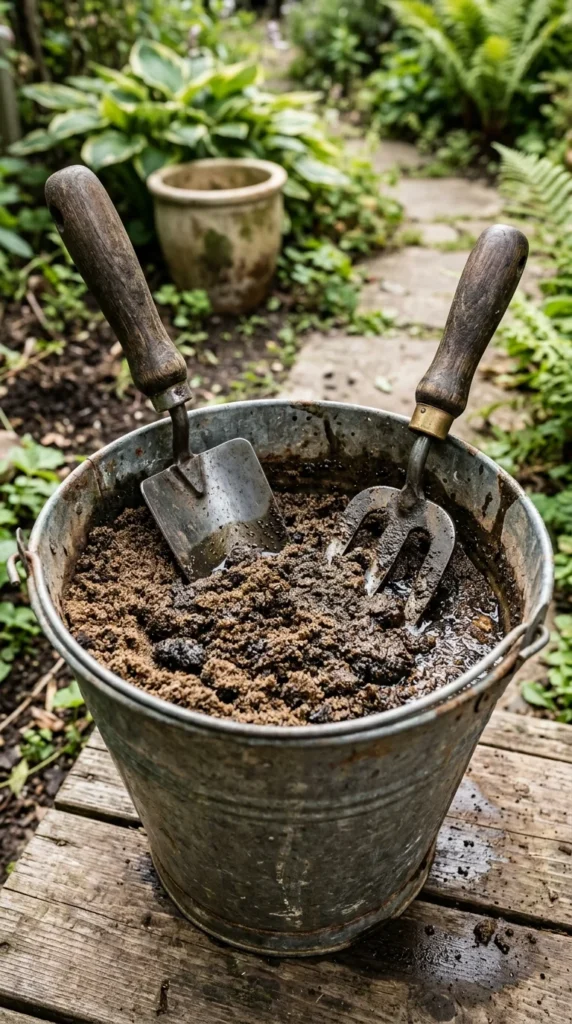
Garden tools can rust and dull quickly if left to the elements. Keep a bucket filled with a mixture of builder’s sand and a little bit of vegetable oil or mineral oil in your shed. Every time you finish using your hand tools, plunge them into the sand a few times. The sand acts as an abrasive to clean off dirt, while the oil leaves a thin protective coating that prevents rust. It’s an effortless way to keep your tools sharp and clean for years.
13. Pot-in-Pot
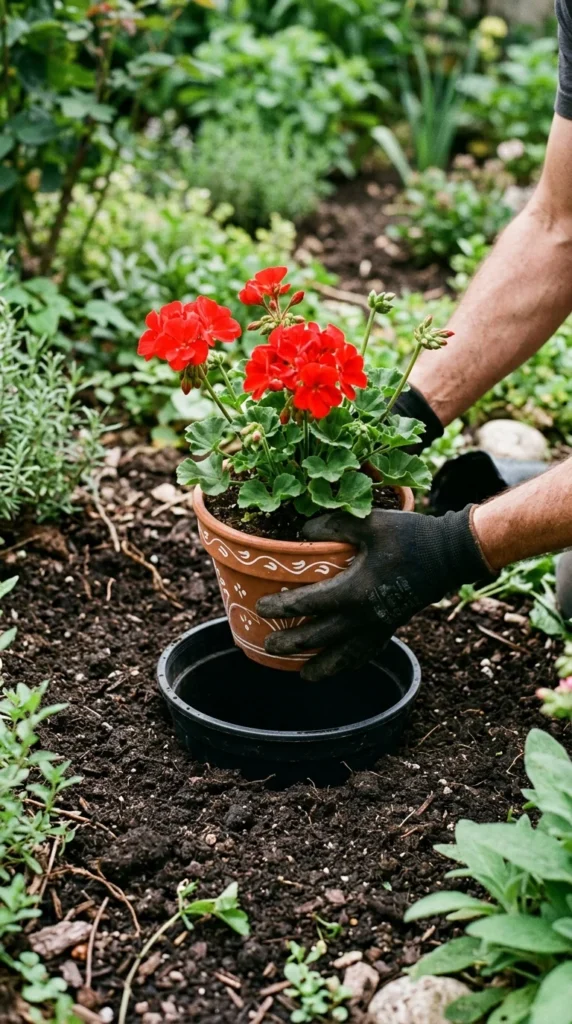
If you like to change your garden’s look with the seasons, the “pot-in-pot” method is a game-changer. Bury empty plastic nursery pots in your garden beds up to the rim. Then, simply drop your potted seasonal flowers (like pansies in spring or mums in fall) into the buried pots. When the flowers fade, you can lift the inner pot out and replace it with a new one in seconds, without ever having to dig in the dirt or disturb the surrounding soil.
14. Vinegar
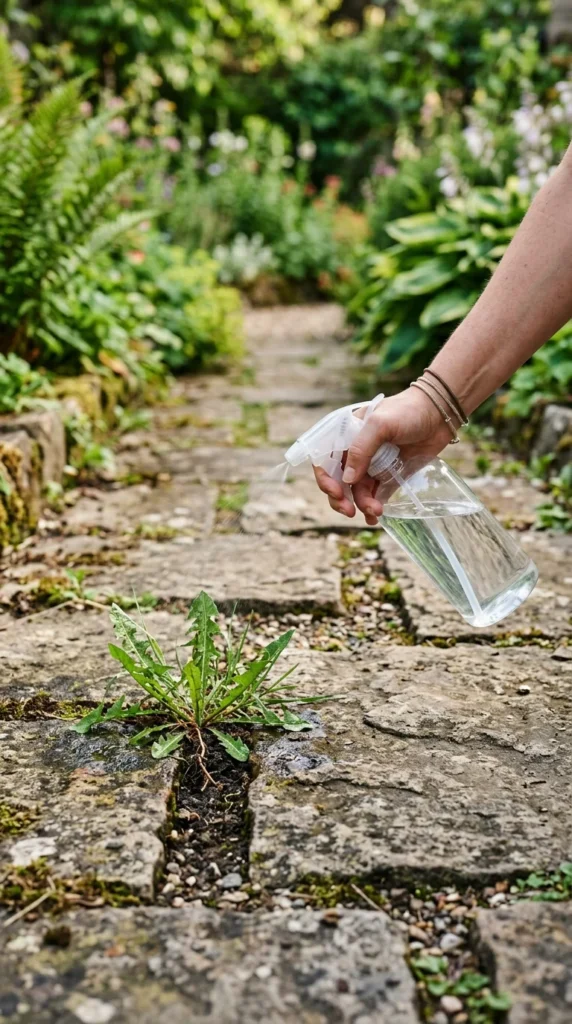
You don’t need harsh chemicals to deal with weeds in your driveway or between pavers. White vinegar is a potent, natural herbicide. The acetic acid in vinegar draws the moisture out of the leaves, killing the weed within hours on a sunny day. For an even stronger DIY weed killer, mix a gallon of white vinegar with a cup of salt and a tablespoon of dish soap. Use this only on areas where you don’t want anything to grow (like gravel paths), as it will kill any plant it touches.
15. Banana Peels
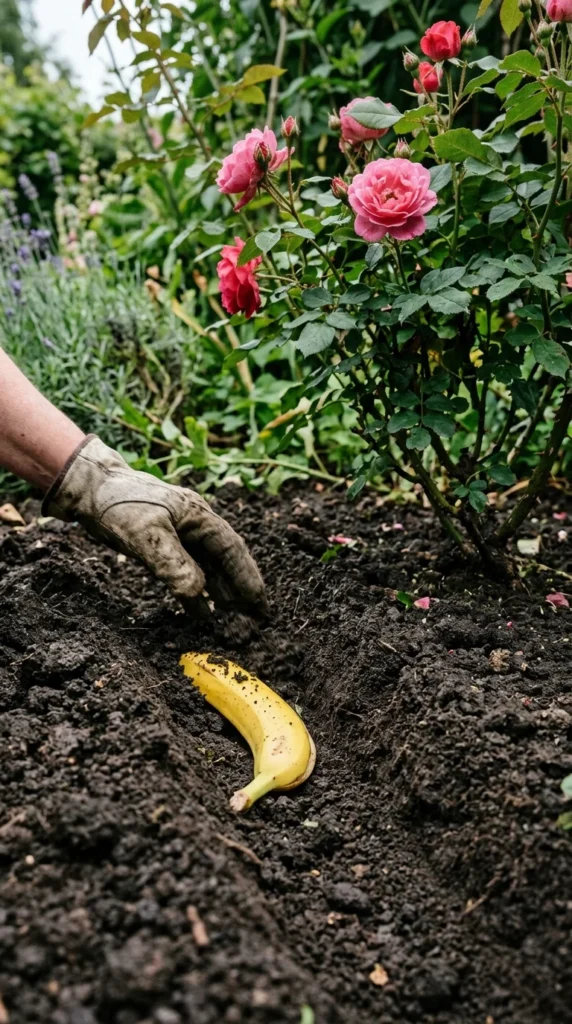
Bananas are famous for their potassium content, which is a vital nutrient for flower and fruit development. Instead of throwing peels away, bury them an inch or two deep around the base of your rose bushes or at the bottom of a planting hole for tomatoes. As the peels decompose, they release potassium, phosphorus, and magnesium directly into the root zone. Your roses will reward you with more vibrant colors and stronger stems, all thanks to a kitchen scrap.