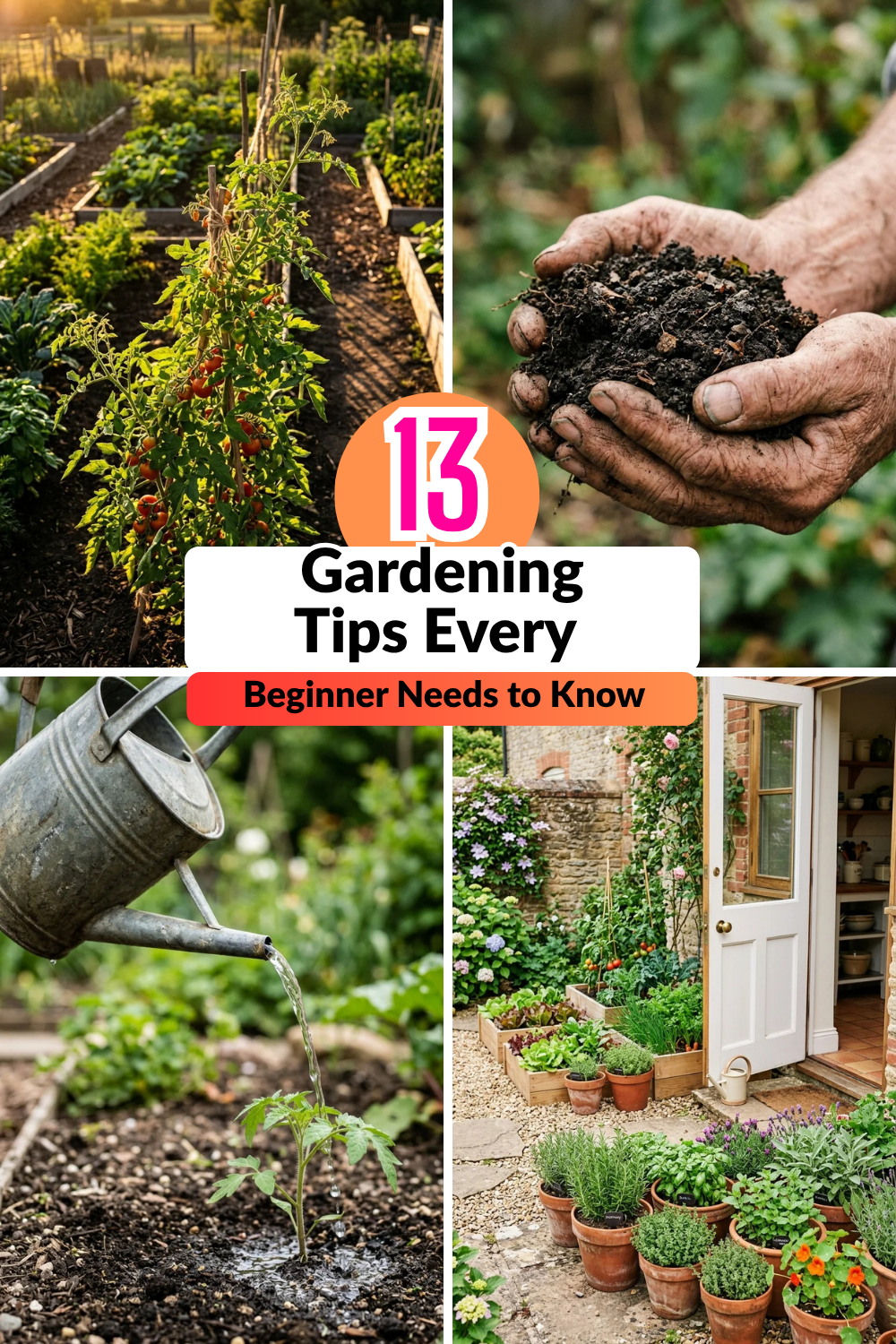
Embarking on a gardening journey is one of the most rewarding experiences a person can have. There is a primal satisfaction in sinking your hands into the earth, nurturing a seed, and watching it transform into a vibrant flower or a crisp vegetable. However, for a beginner, the sheer volume of information can feel overwhelming. From pH levels to pruning schedules, the learning curve seems steep. The secret to a “green thumb” isn’t magic; it’s a combination of observation, patience, and a few fundamental principles. Here are 13 essential tips to help you cultivate a thriving oasis.
1. Sunlight
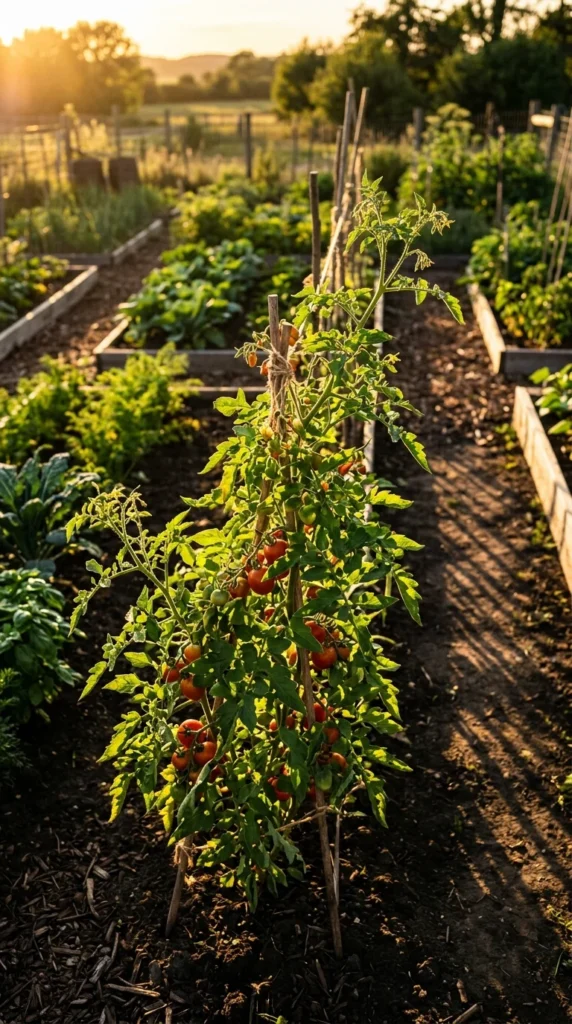
The sun is the engine that drives your garden. Most vegetables and many flowering plants require “full sun,” which translates to at least six to eight hours of direct sunlight per day. Before you dig your first hole, spend a day observing your yard. Track how the sun moves from east to west and note which areas are shrouded in shade by trees or your house. If your space is mostly shady, don’t despair—you can still grow leafy greens like spinach or shade-loving flowers like hostas. Understanding your light “microclimates” is the first step toward placing the right plant in the right spot.
2. Soil
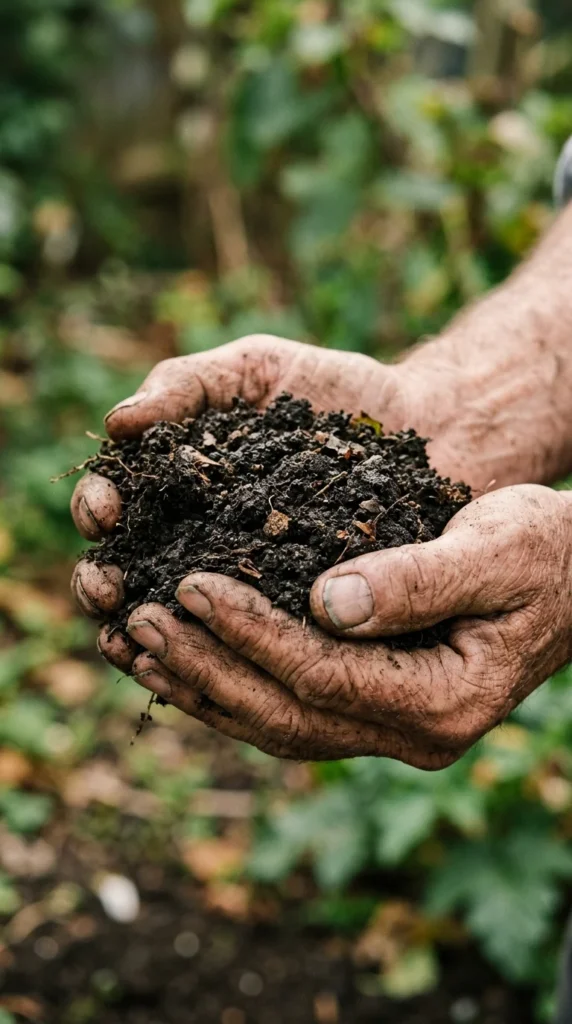
Healthy plants start with healthy soil. Think of soil as the “stomach” of your garden; if it’s nutrient-poor, your plants will be malnourished. Most garden soil can be improved by adding organic matter, such as compost or well-rotted manure. This improves the soil structure, allowing it to hold the right amount of moisture while still draining well. For beginners, it is highly recommended to perform a soil test. This simple step reveals your soil’s pH and nutrient levels, telling you exactly what you need to add to create the perfect growing environment.
3. Water
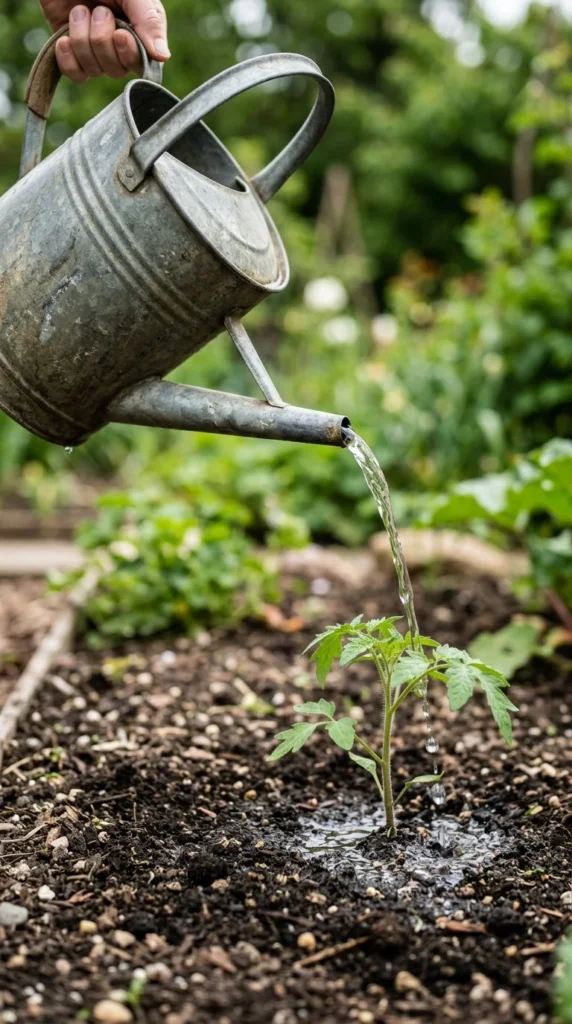
Watering is more of an art than a chore. The biggest mistake beginners make is watering too frequently but too shallowly. This encourages roots to stay near the surface, making them vulnerable to heat. Instead, aim for “deep watering”—soaking the soil thoroughly so the water reaches deep into the ground. This encourages plants to grow long, sturdy roots. Always try to water at the base of the plant rather than over the leaves, as wet foliage can often lead to fungal diseases and mold.
4. Location
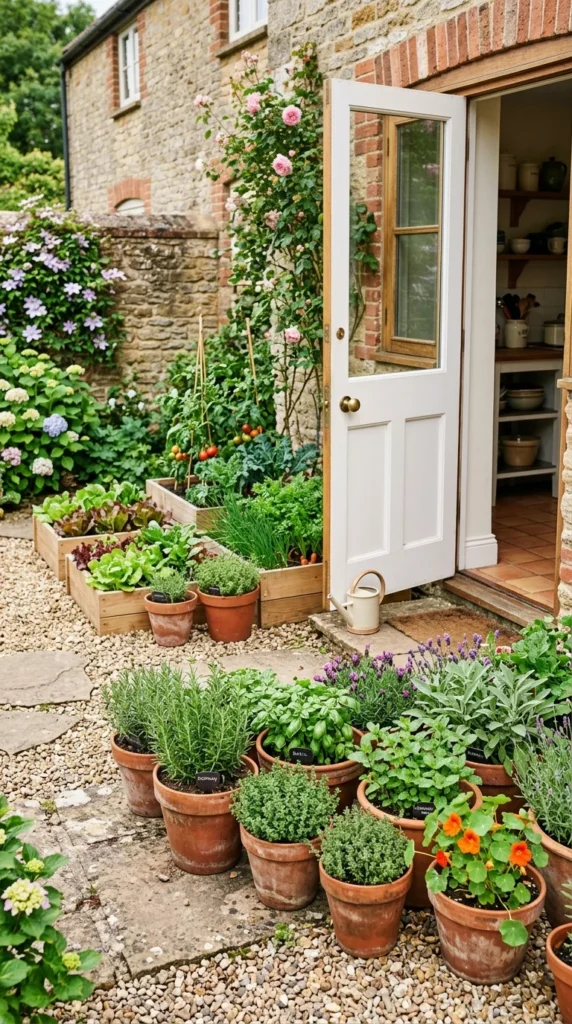
When you are starting out, “out of sight, out of mind” is a real danger. Place your garden in a spot you see every day. Whether it’s right outside your back door or along the path you take to your car, you are much more likely to notice a drooping leaf, a dry patch of soil, or a new pest if the garden is in your daily line of sight. Proximity to a water source is also crucial. If you have to lug a heavy hose 50 yards every time you want to water, you will eventually find excuses to skip it.
5. Scale
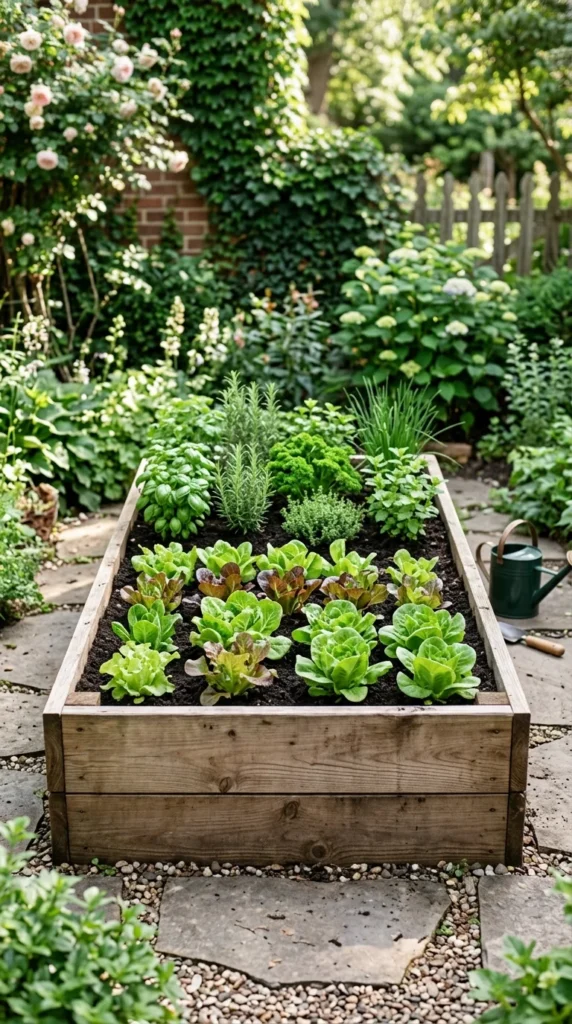
The enthusiasm of a new gardener is a wonderful thing, but it often leads to over-planting. A massive garden requires a massive amount of maintenance. It is far better to have a tiny, 4×4 foot garden that is perfectly maintained than a large plot that is overrun with weeds and pests. Start small. Learn how a few specific plants grow and react to your environment. Once you feel confident and have established a routine, you can gradually expand your garden footprint year after year.
6. Mulch
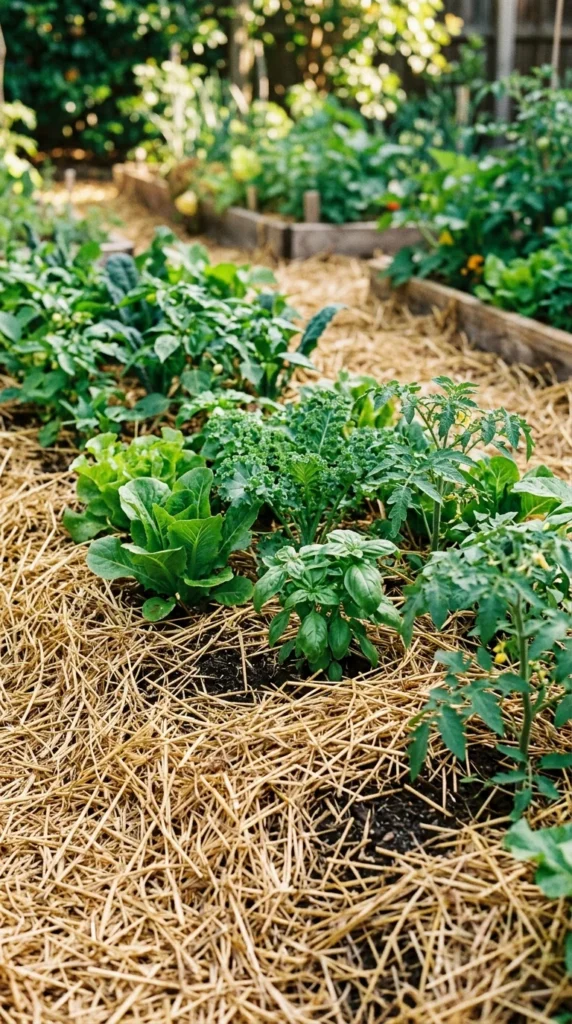
Mulch is a gardener’s best friend. By covering the soil with a layer of organic material—like wood chips, straw, or shredded leaves—you achieve three major goals. First, mulch suppresses weeds by blocking the sunlight they need to germinate. Second, it retains moisture in the soil, meaning you won’t have to water as often. Third, as the mulch breaks down, it adds valuable nutrients back into the earth. Aim for a layer about two to three inches thick, but be sure to keep it an inch or two away from the actual stems of your plants to prevent rot.
7. Tools
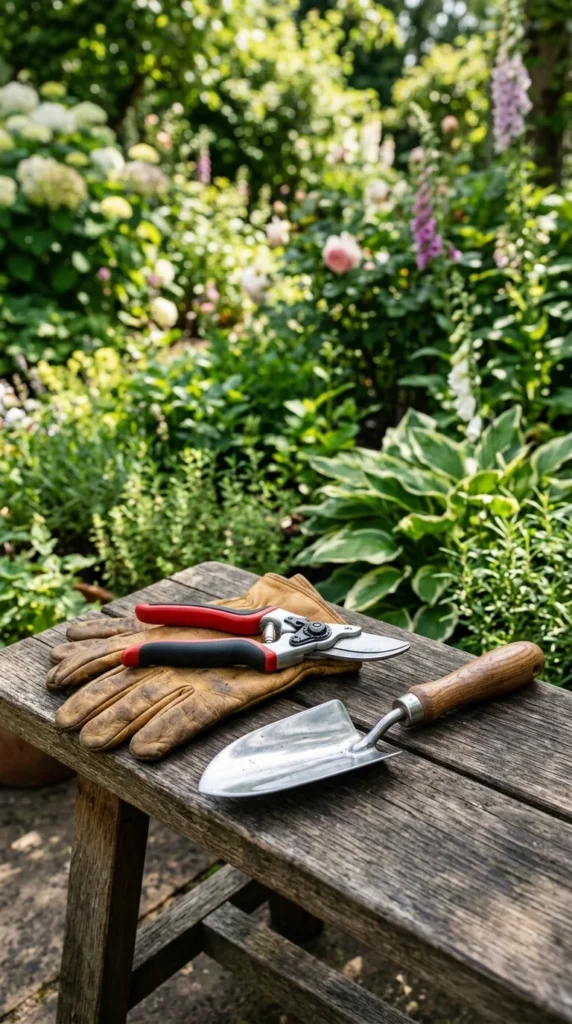
You don’t need a shed full of expensive gadgets to start a garden. In fact, you only need a few high-quality basics: a sturdy shovel, a hand trowel, a garden fork, and a pair of sharp bypass pruners. Investing in tools with ergonomic handles and high-quality steel will save your hands and back from unnecessary strain. Remember to clean your tools after each use. A quick wipe-down to remove dirt and an occasional rub with oil will prevent rust and ensure your tools last for decades.
8. Pests
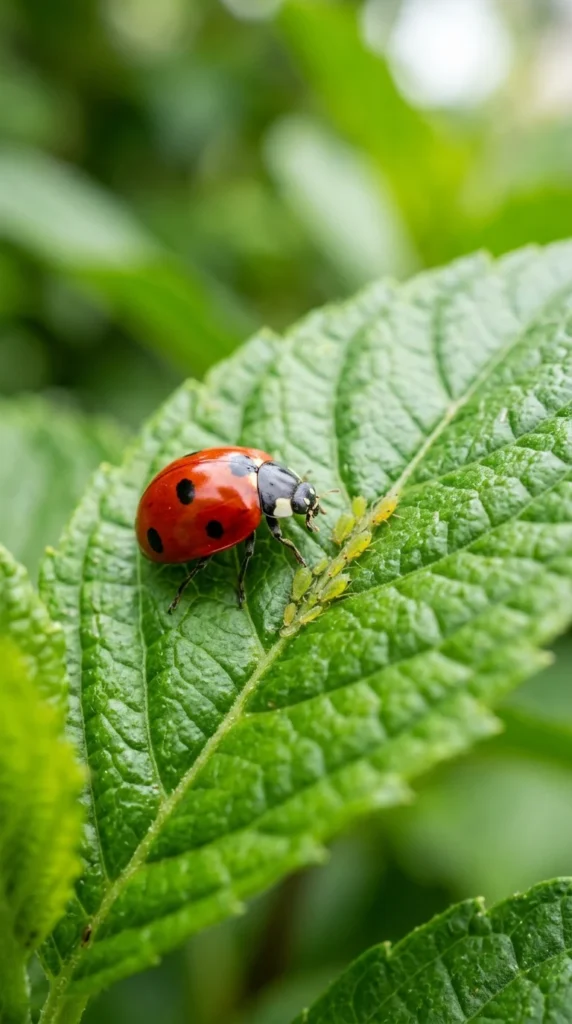
Insects are a natural part of any ecosystem, and not all of them are “bad.” Before you reach for a chemical spray, identify what you are looking at. Many insects, like ladybugs and lacewings, are beneficial predators that eat the pests that actually harm your plants. If you do have a pest problem, try the least toxic methods first, such as hand-picking caterpillars or using a strong stream of water to knock aphids off. A healthy garden with diverse plant life will often balance its own pest population over time.
9. Natives
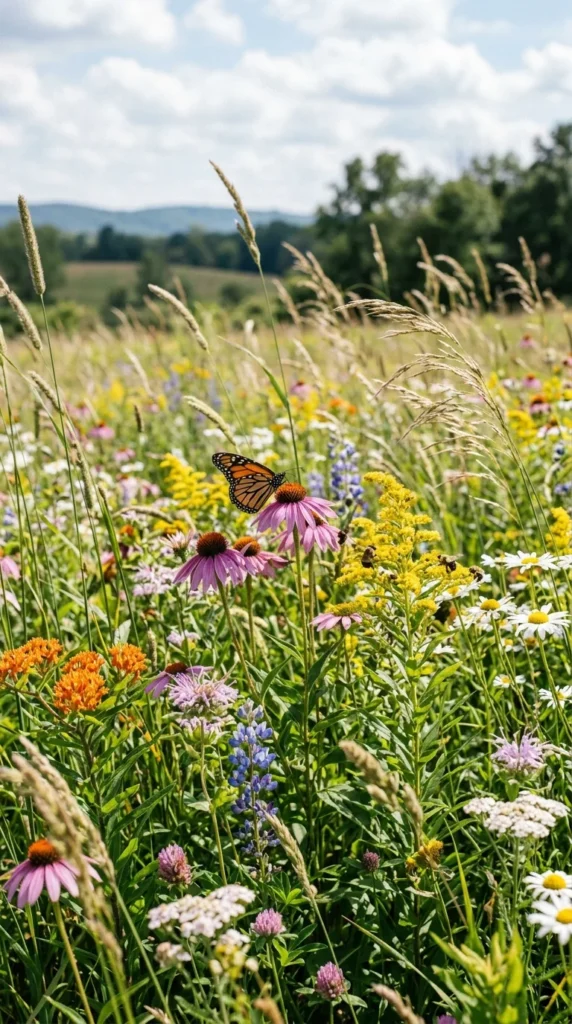
One of the easiest ways to ensure gardening success is to choose plants that are native to your specific region. Native plants have spent thousands of years adapting to your local climate, soil types, and rainfall patterns. They are generally hardier, require less supplemental water, and are more resistant to local pests. Additionally, native plants provide essential food and habitat for local pollinators like bees, butterflies, and birds, helping to support the local environment.
10. Pruning
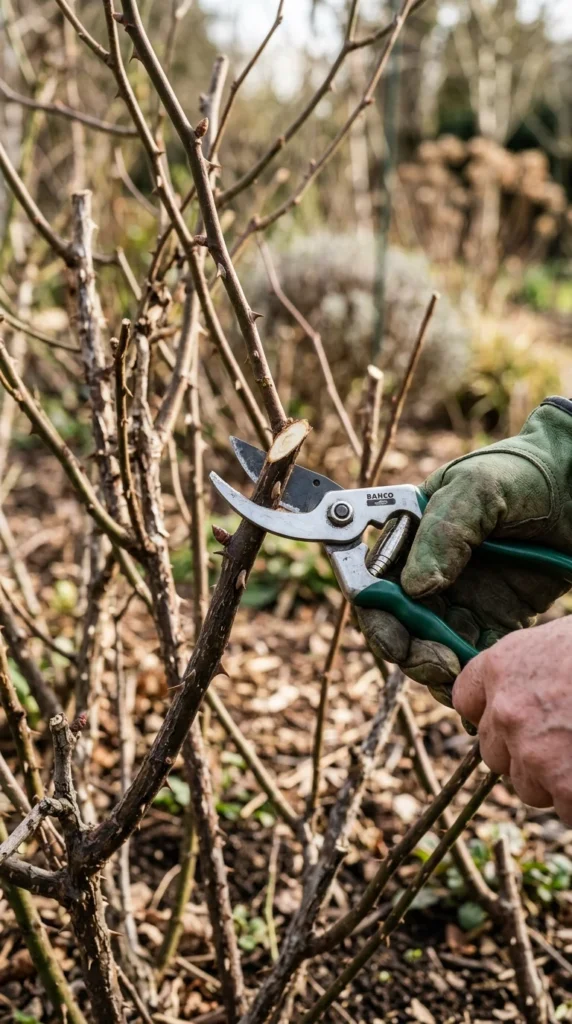
Pruning can feel intimidating—it seems counterintuitive to cut off parts of a plant you are trying to grow. However, pruning is essential for the health and productivity of many plants. Removing dead, damaged, or diseased wood prevents rot from spreading. For flowering plants and fruit trees, strategic pruning opens up the center of the plant to light and air, which discourages disease and encourages the plant to put its energy into producing bigger flowers and better fruit. Always use sharp, clean shears to make “clean” cuts that heal quickly.
11. Labels
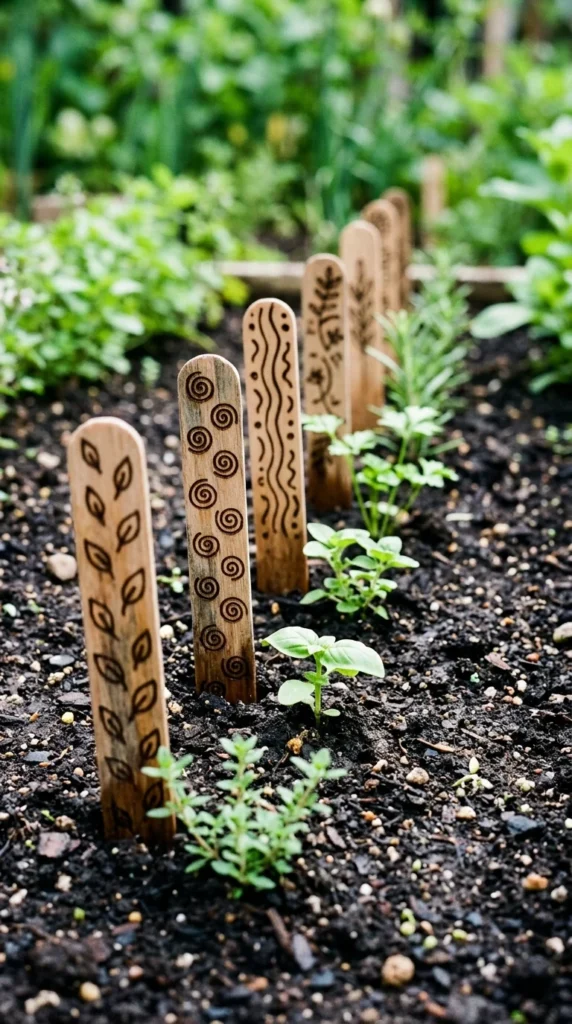
It is easy to think you will remember where you planted the kale and where you planted the broccoli, but three weeks later when the tiny green sprouts look identical, you will wish you had labels. Use waterproof markers and sturdy stakes to identify what you’ve planted and when. Keeping a simple garden journal is also a great habit. Noting when you planted, when the first sprout appeared, and when you harvested will provide you with a “map” for even greater success next season.
12. Compost
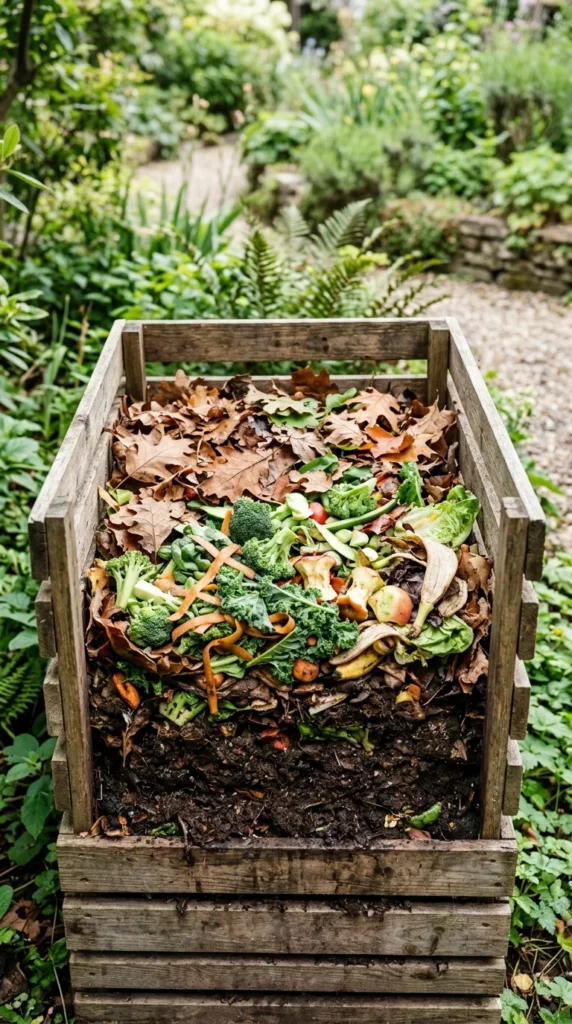
Composting is the ultimate way to recycle. Instead of throwing kitchen scraps and yard waste into the trash, you can turn them into “black gold.” A simple compost pile or bin allows organic matter to break down into a nutrient-rich soil amendment. By adding compost to your garden, you are returning essential minerals to the earth and improving the soil’s ability to hold water. It’s a sustainable, free way to boost your garden’s health while reducing your household waste.
13. Patience
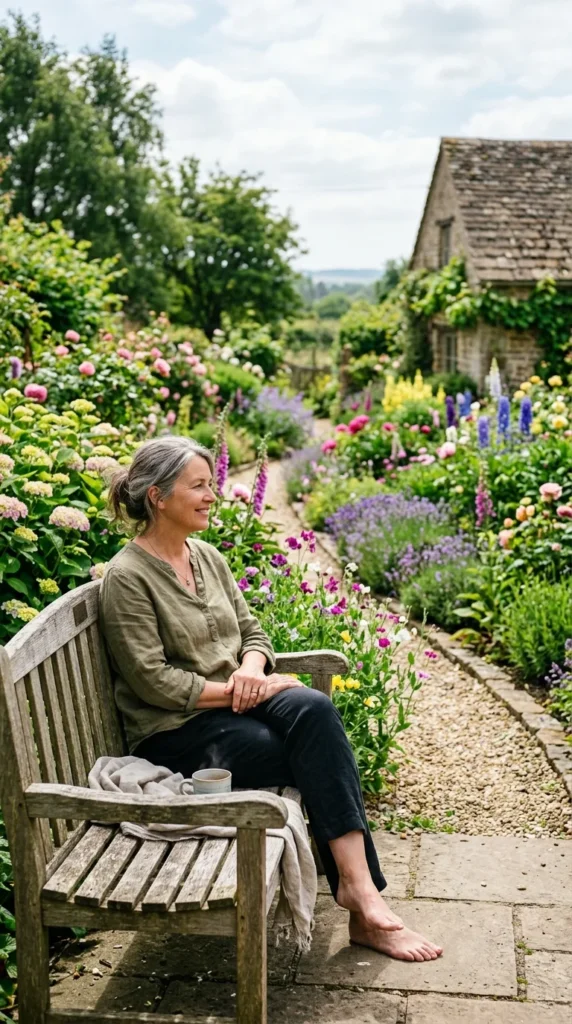
Gardening is a slow art. It teaches us that we cannot control everything and that nature works on its own timeline. Some seeds will fail to sprout, and some plants will succumb to an unexpected frost. Don’t view these as failures, but as lessons. The more you garden, the more you will develop an intuition for what your plants need. Take the time to sit in your garden and enjoy the process. The peace and tranquility you find among the leaves are just as important as the harvest itself.