Gardening is often portrayed as a back-breaking labor of love, but the most successful gardeners know a secret: it’s not about the hours of intense work you put in once a month; it’s about the small, consistent habits you practice every day. These “micro-habits” shift the focus from reactive maintenance to proactive nurturing. By integrating these sixteen simple practices into your routine, you can transform a struggling plot into a thriving, high-yield sanctuary that practically takes care of itself.
1. Morning Walk
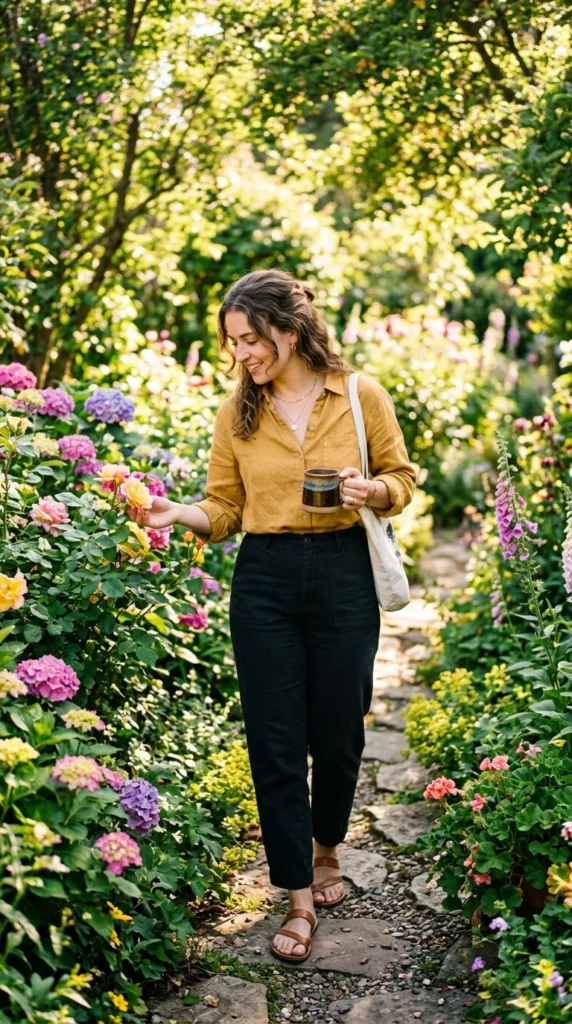
The single most effective habit you can adopt is the daily garden stroll. Spending just ten minutes every morning walking through your beds allows you to spot problems before they become catastrophes. You’ll notice the first sign of aphids on a rosebud, a drooping leaf that signals thirst, or a ripening tomato ready for harvest. This habit turns “fixing problems” into “preventing issues,” and it provides a peaceful moment of connection with nature before the day’s chaos begins.
2. Deep Mulching
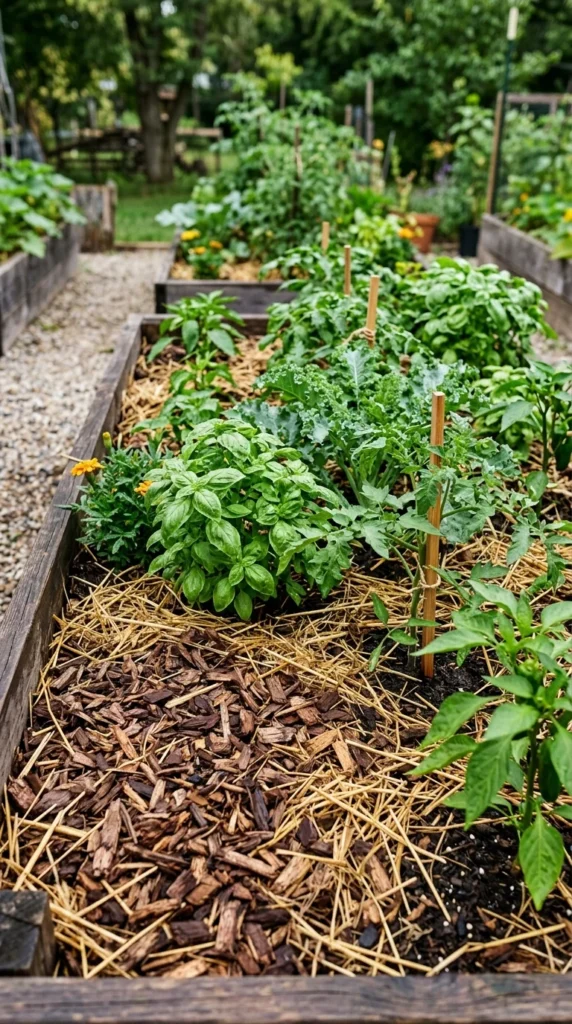
Mulching is the ultimate “set it and forget it” gardening habit. By maintaining a 2-to-3-inch layer of organic matter—such as wood chips, straw, or shredded leaves—over your soil, you accomplish three major goals. First, you suppress weed seeds by blocking their access to light. Second, you retain moisture, meaning you’ll spend significantly less time watering. Third, as the mulch breaks down, it feeds the soil microorganisms, creating a rich, loamy environment for your plants’ roots.
3. Kitchen Scraps
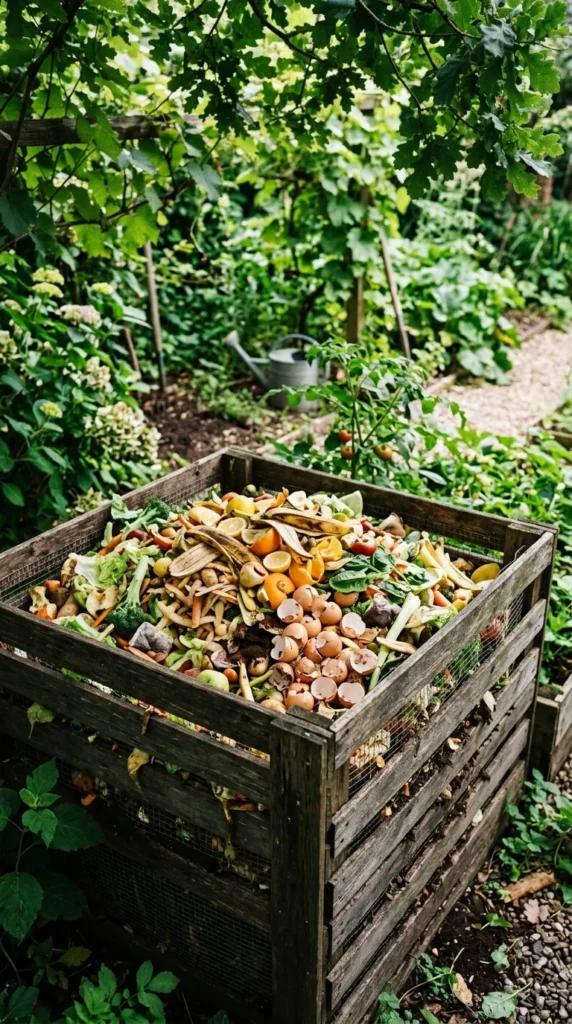
Stop looking at your kitchen waste as trash and start seeing it as “black gold.” Creating a habit of composting your vegetable peels, coffee grounds, and eggshells provides your garden with a free, nutrient-dense fertilizer. Instead of relying on synthetic chemicals that can harm soil biology over time, compost builds a living ecosystem. Even a small “countertop-to-compost” routine ensures that you are constantly cycling nutrients back into your earth.
4. Root Soaking
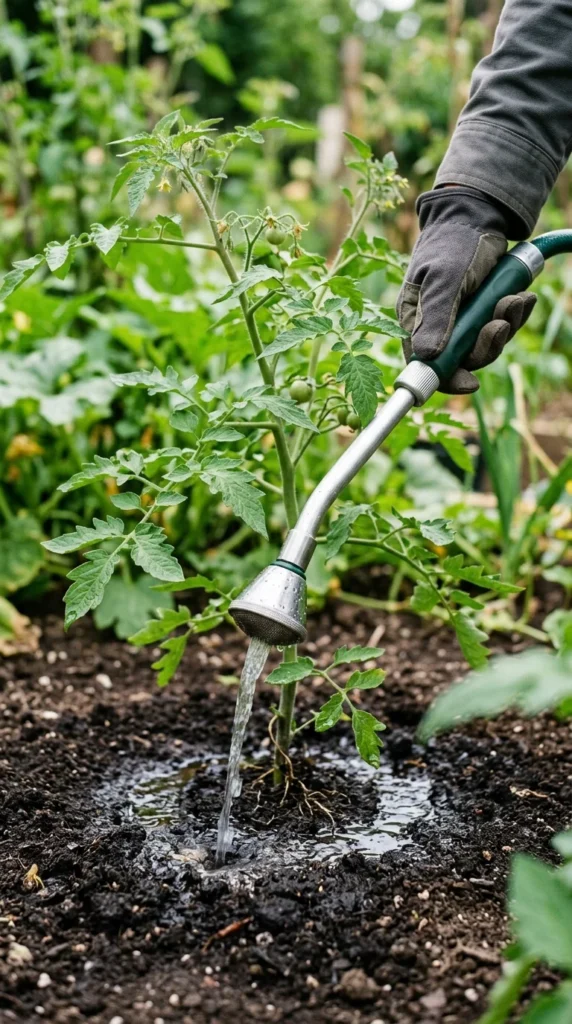
Many gardeners make the mistake of light, daily sprinkling or overhead watering. A better habit is deep, focused soaking at the base of the plant. By watering the soil directly and deeply, you encourage roots to grow downward in search of moisture, making the plant more drought-resistant and stable. Furthermore, keeping water off the foliage prevents the spread of fungal diseases like powdery mildew.
5. Bloom Snapping
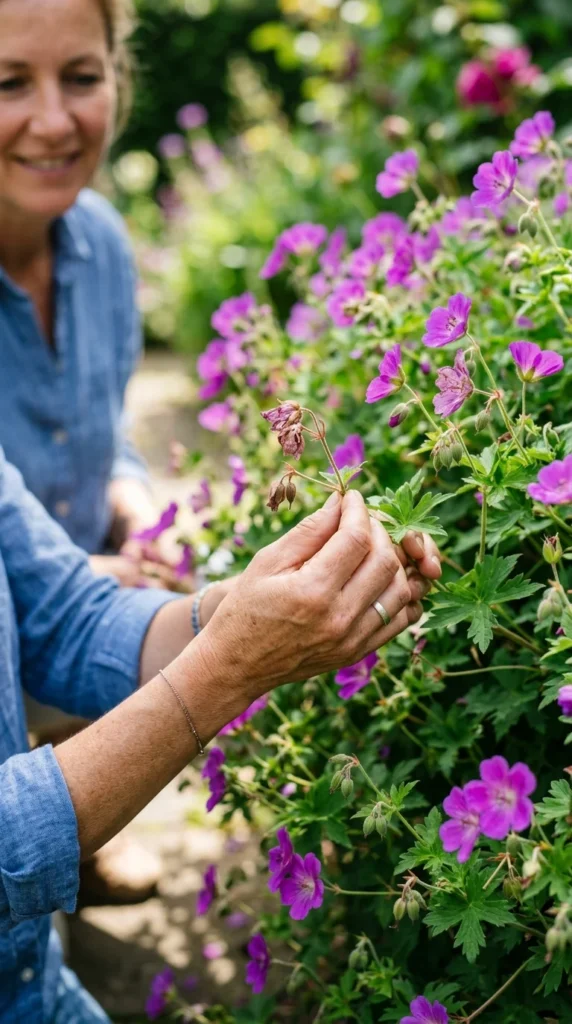
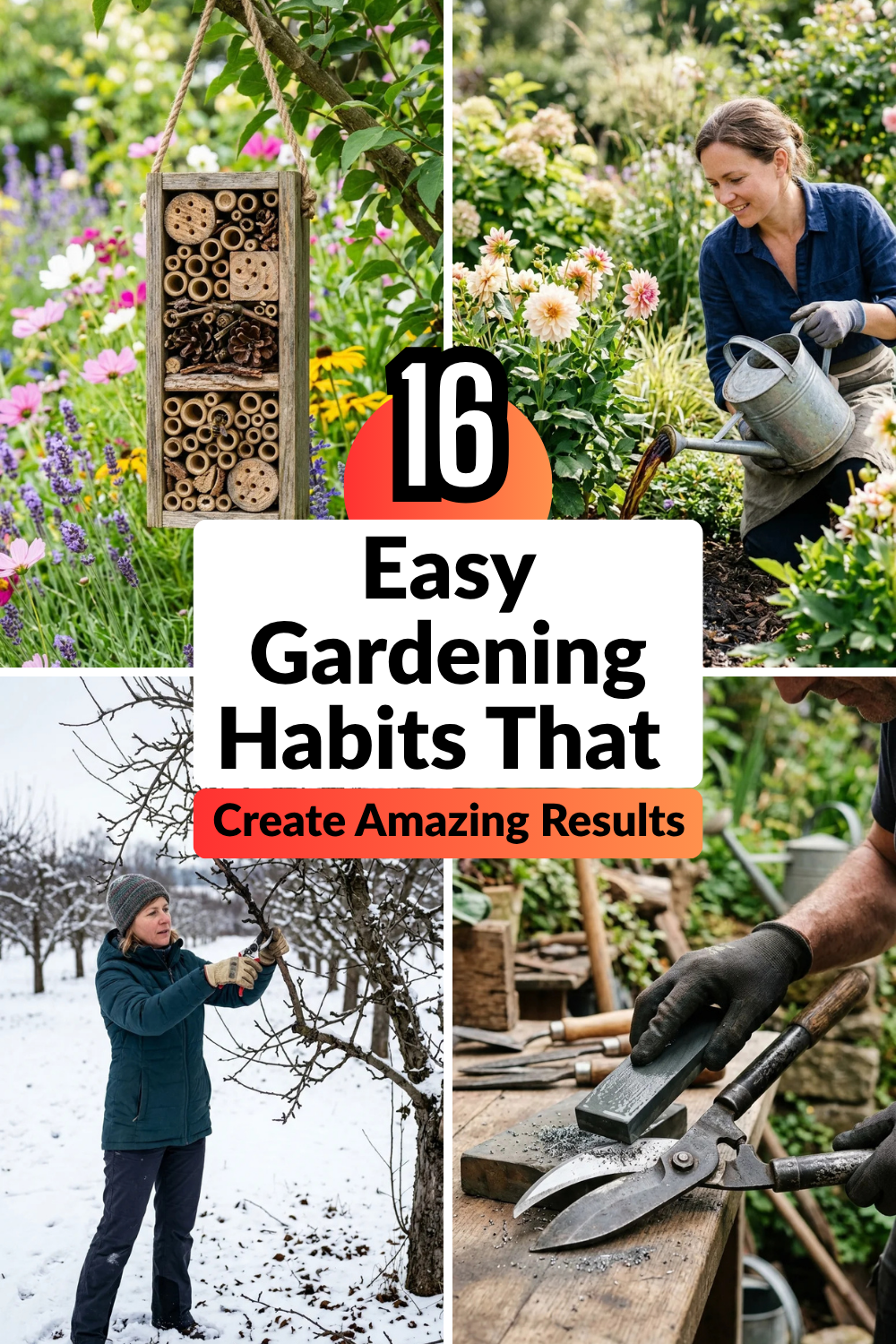
Known technically as “deadheading,” the habit of removing spent flowers is the key to an extended blooming season. When a plant’s flowers fade and begin to produce seeds, the plant shifts its energy from beauty to reproduction. By snapping off those old blooms, you trick the plant into thinking its job isn’t done, prompting it to produce another flush of flowers. It’s a simple task that keeps your garden looking fresh and colorful for months longer than usual.
6. Tool Hygiene
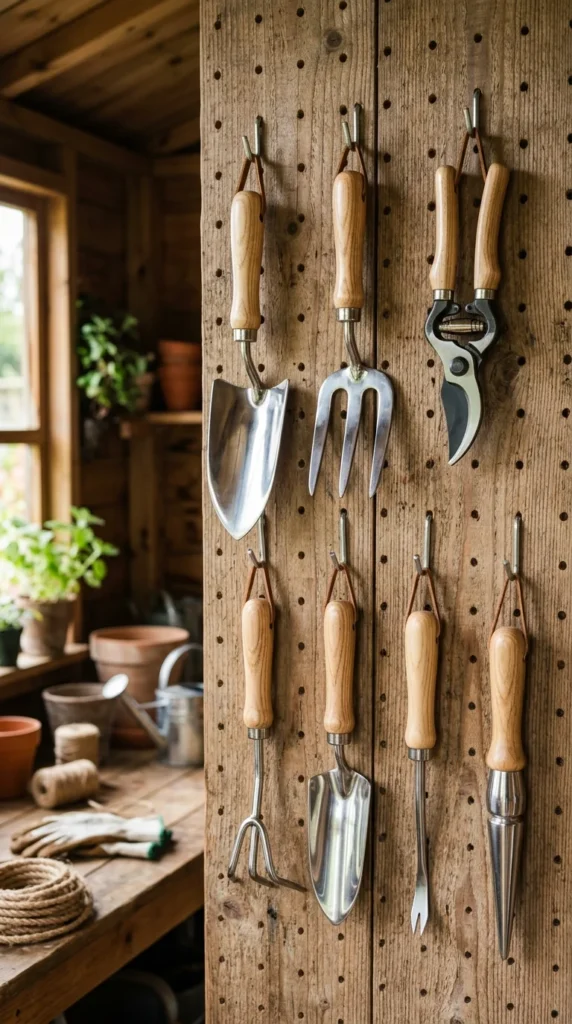
Good gardening starts with clean equipment. Make it a habit to wipe down your tools after every use and give them a quick spray of isopropyl alcohol or a dip in a weak bleach solution if you’ve been working with diseased plants. Dirty tools are the primary way diseases like blight or wilt travel from one area of the garden to another. A sharp, clean tool also makes cleaner cuts, which heal faster and put less stress on your plants.
7. Plant Buddies
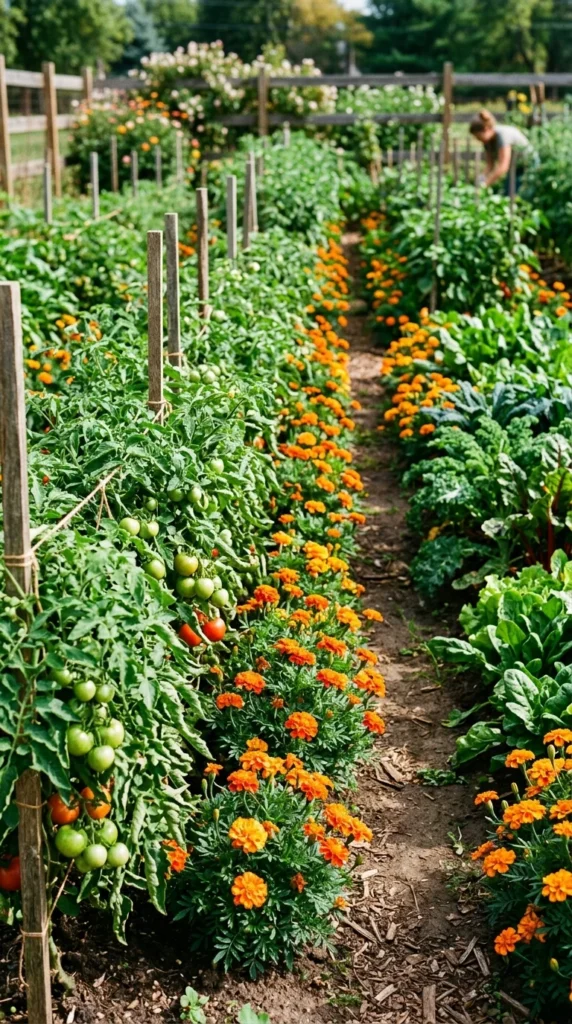
Companion planting is the habit of grouping plants that help each other grow. For example, planting marigolds near your tomatoes can help deter harmful nematodes, while planting basil nearby can improve the flavor of the fruit and repel flies. By thinking in “communities” rather than “rows,” you create a self-supporting ecosystem where plants provide shade, pest control, and nutrient support to one another naturally.
8. Garden Journal
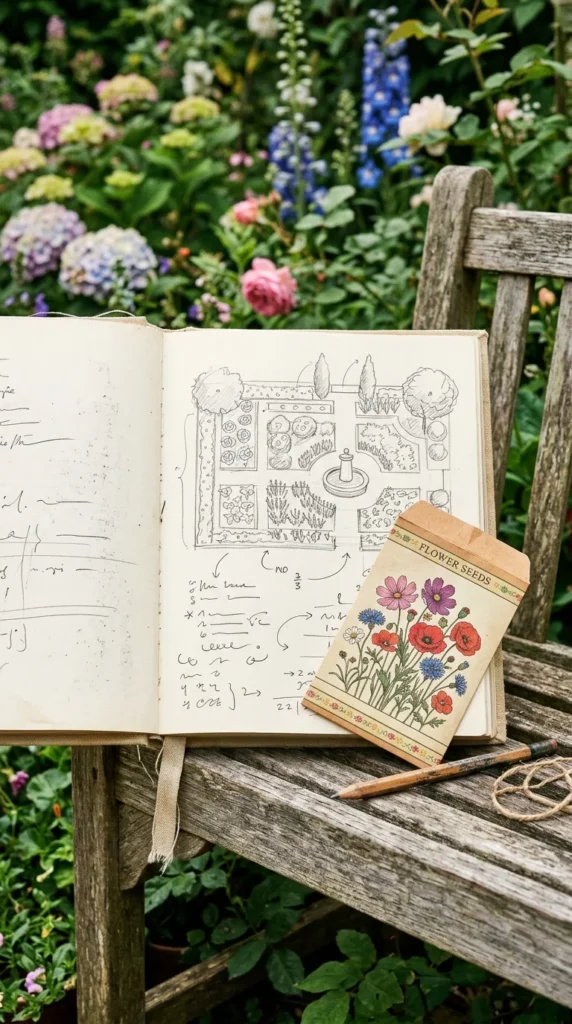
Your memory is not as good as a notebook. Creating a habit of jotting down what you planted, when it bloomed, and which varieties succeeded (or failed) provides an invaluable roadmap for the following year. A garden journal helps you track weather patterns, pest cycles, and harvest dates. Over time, this record becomes the most powerful tool in your shed, allowing you to refine your strategy based on the specific microclimate of your own backyard.
9. Sharp Shears
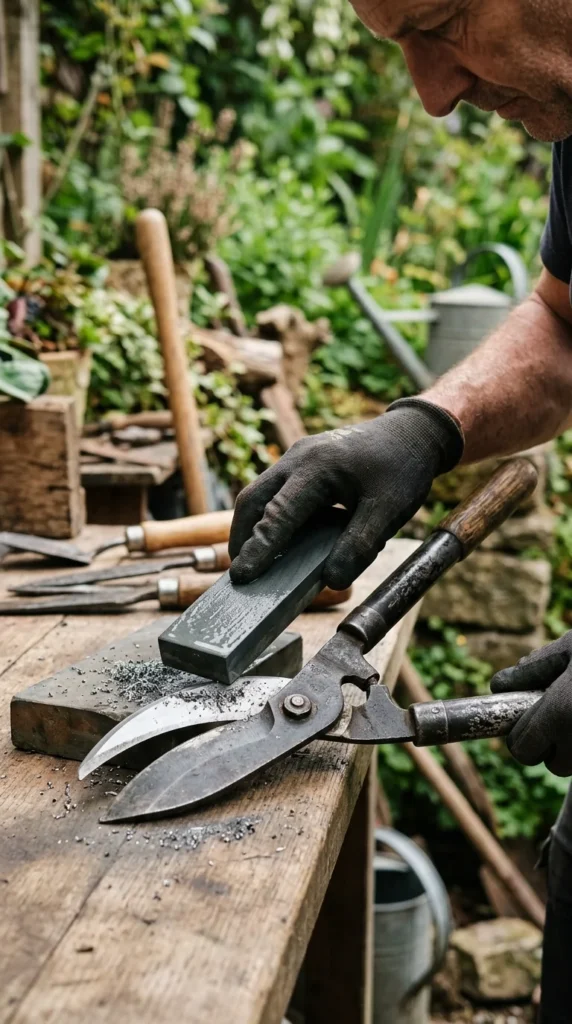
Dull pruners tear at plant tissue, creating jagged wounds that are open invitations for bacteria and pests. Developing the habit of sharpening your blades once a month—or whenever you notice them struggling—is a game-changer. Clean, sharp cuts allow the plant to seal the “wound” quickly. Not only is this better for the plant, but it also reduces hand fatigue for you, making your gardening tasks feel much easier.
10. Early Weeding
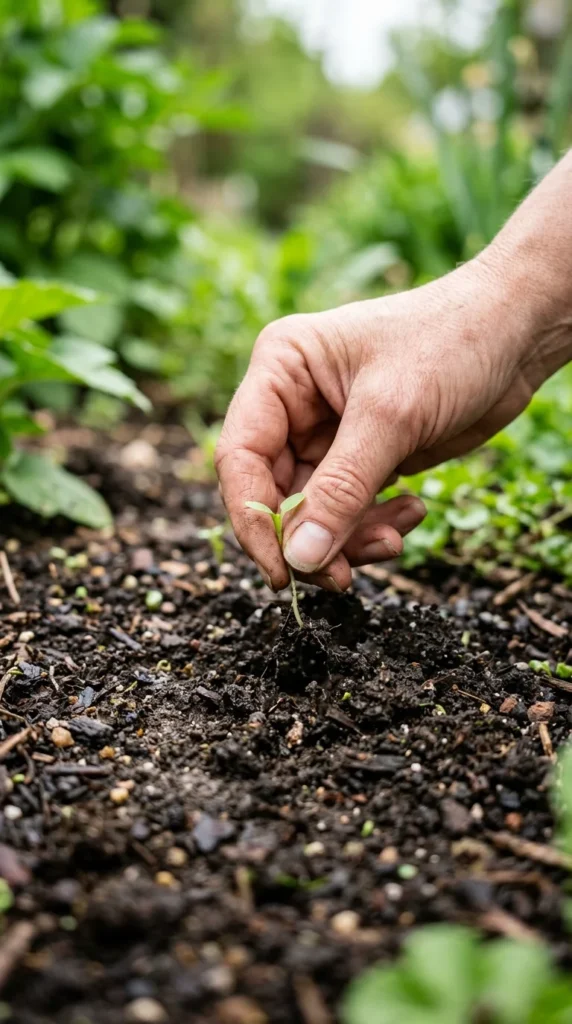
The best time to weed is when you can’t see them yet. If you make it a habit to lightly scuffle the surface of the soil with a hoe or your fingers once a week, you kill weed seedlings before they ever establish a root system. Waiting until weeds are large and “in your face” means they have already stolen nutrients from your plants and are likely dropping thousands of seeds back into your soil. Five minutes of “pre-emptive” weeding saves five hours of “emergency” weeding later.
11. Air Spacing
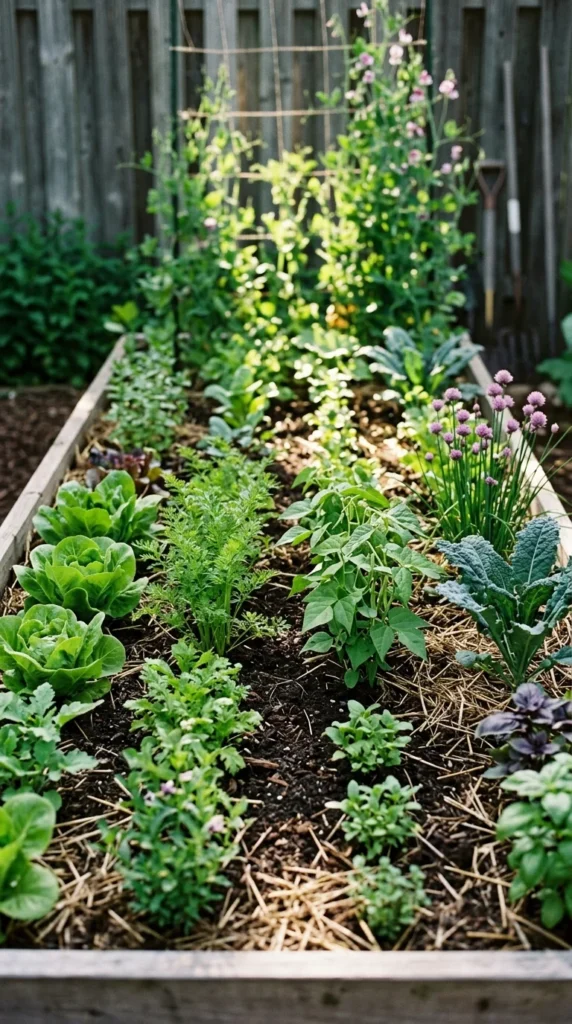
It’s tempting to pack as many plants as possible into a small space, but the habit of proper spacing and thinning is vital for health. Airflow is the natural enemy of fungus and mold. By ensuring your plants have enough room for air to circulate between their leaves, you significantly reduce the risk of rot. If a plant gets too bushy, develop the habit of thinning out the center to let the garden “breathe.”
12. Native Species

One of the easiest habits to adopt is choosing native plants whenever you add something new to your garden. Native species have spent thousands of years adapting to your specific soil, rainfall levels, and temperature swings. They require less water, less fertilizer, and are naturally resistant to local pests. By prioritizing natives, you spend less time “fighting” the environment and more time enjoying a resilient, low-maintenance landscape.
13. Water Zoning
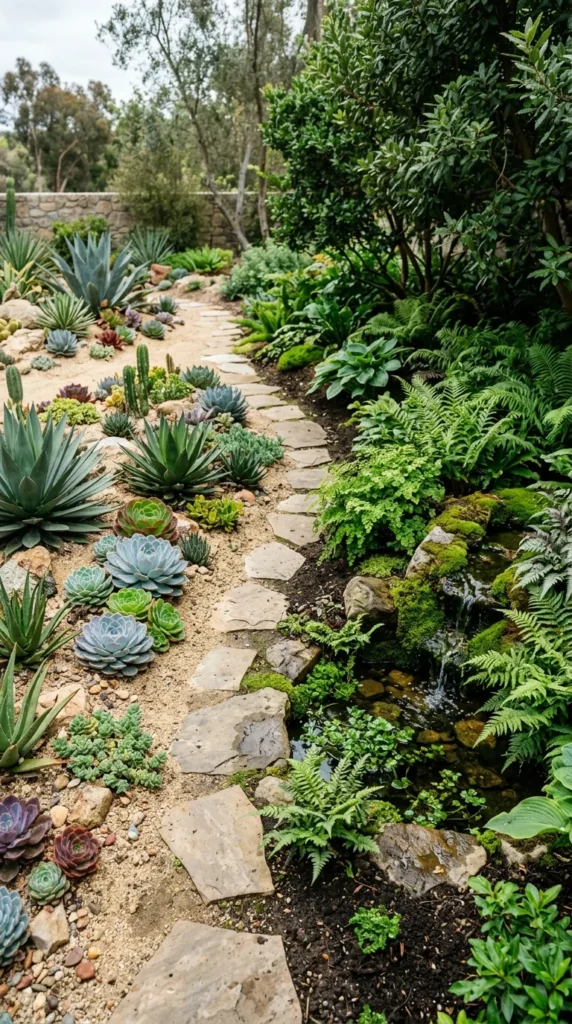
Grouping your plants by their water needs—a practice known as hydrozoning—is a habit that saves both time and resources. Instead of watering the entire garden for the sake of one thirsty hydrangea, group all your water-loving plants in one zone and your drought-tolerant plants (like lavender or rosemary) in another. This ensures every plant gets exactly what it needs without being over or under-watered, leading to much healthier growth across the board.
14. Organic Feeding
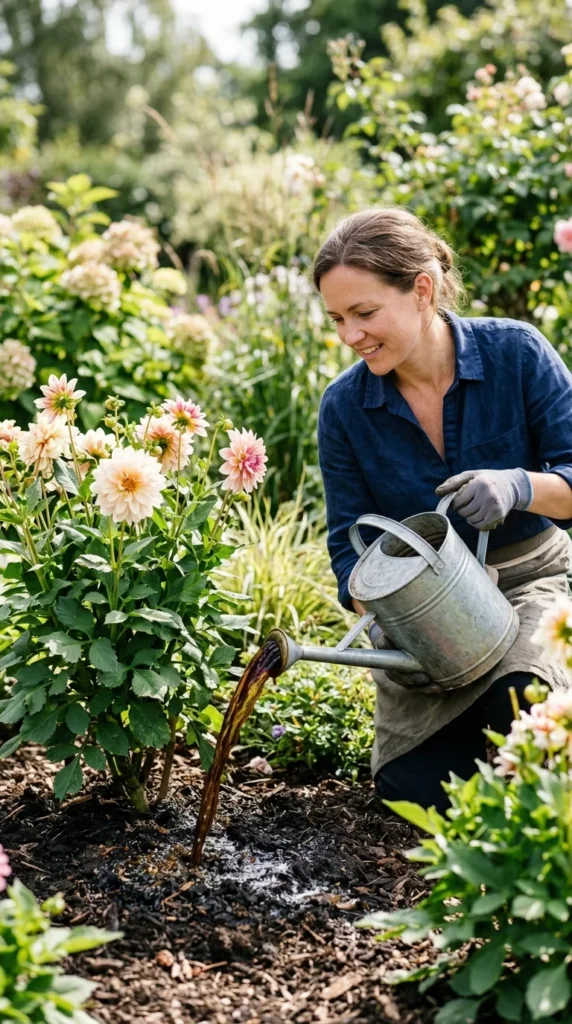
Instead of “blasting” your plants with high-nitrogen synthetic fertilizers that cause a quick burst of weak growth, cultivate the habit of slow, organic feeding. Using liquid seaweed, fish emulsion, or compost tea provides a wide spectrum of micronutrients that build plant immunity. This habit focuses on long-term health rather than short-term size, resulting in plants that are more sturdy, pest-resistant, and flavorful.
15. Bug Sanctuaries
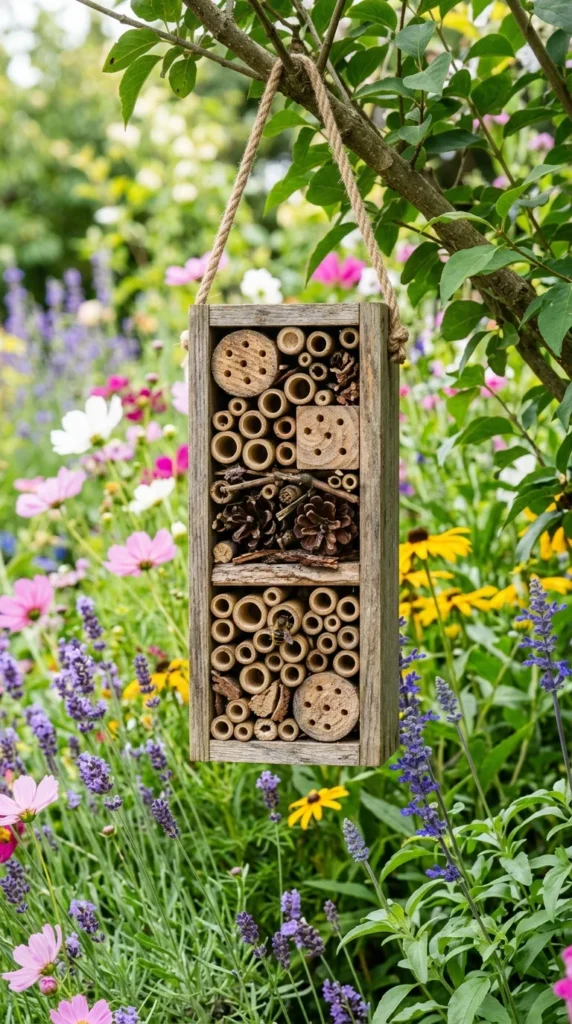
Not every bug is an enemy. In fact, most are allies. Developing the habit of “tolerating” a little bit of leaf damage and providing habitats for beneficial insects (like ladybugs, lacewings, and predatory wasps) will balance your garden’s ecosystem. When you stop using broad-spectrum pesticides, the “good bugs” move in to eat the “bad bugs.” Creating a garden that welcomes biodiversity means nature does the pest control for you.
16. Seasonal Pruning
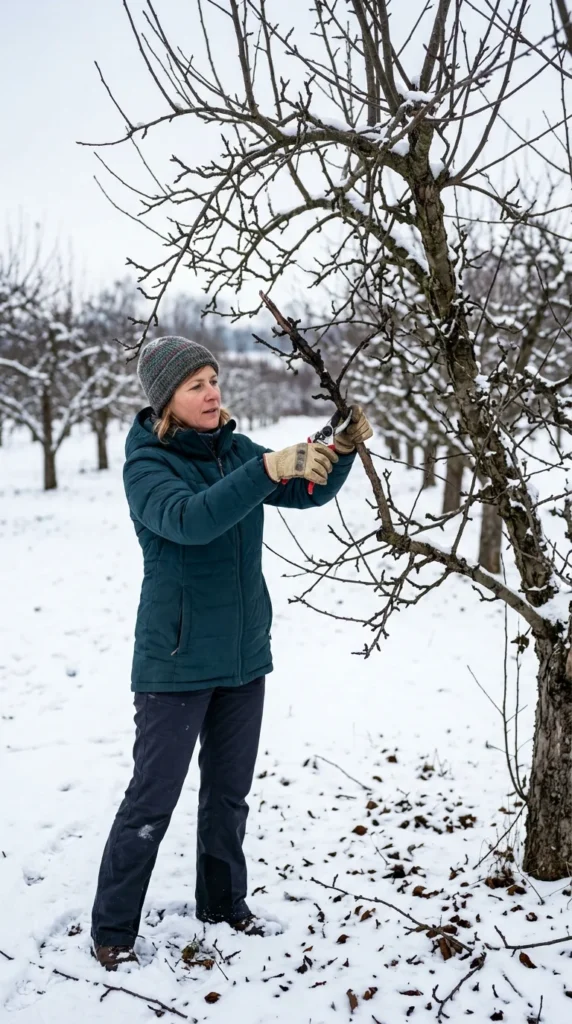
Pruning shouldn’t be a random act of hacking; it should be a seasonal habit. Removing dead, damaged, or diseased wood (the “three Ds”) at the right time of year encourages vigorous new growth and better fruit production. Whether it’s winter pruning for fruit trees or post-bloom pruning for shrubs, staying on top of the plant’s structure prevents it from becoming overgrown and unmanageable, ensuring it remains a productive and beautiful part of your landscape for years to come.