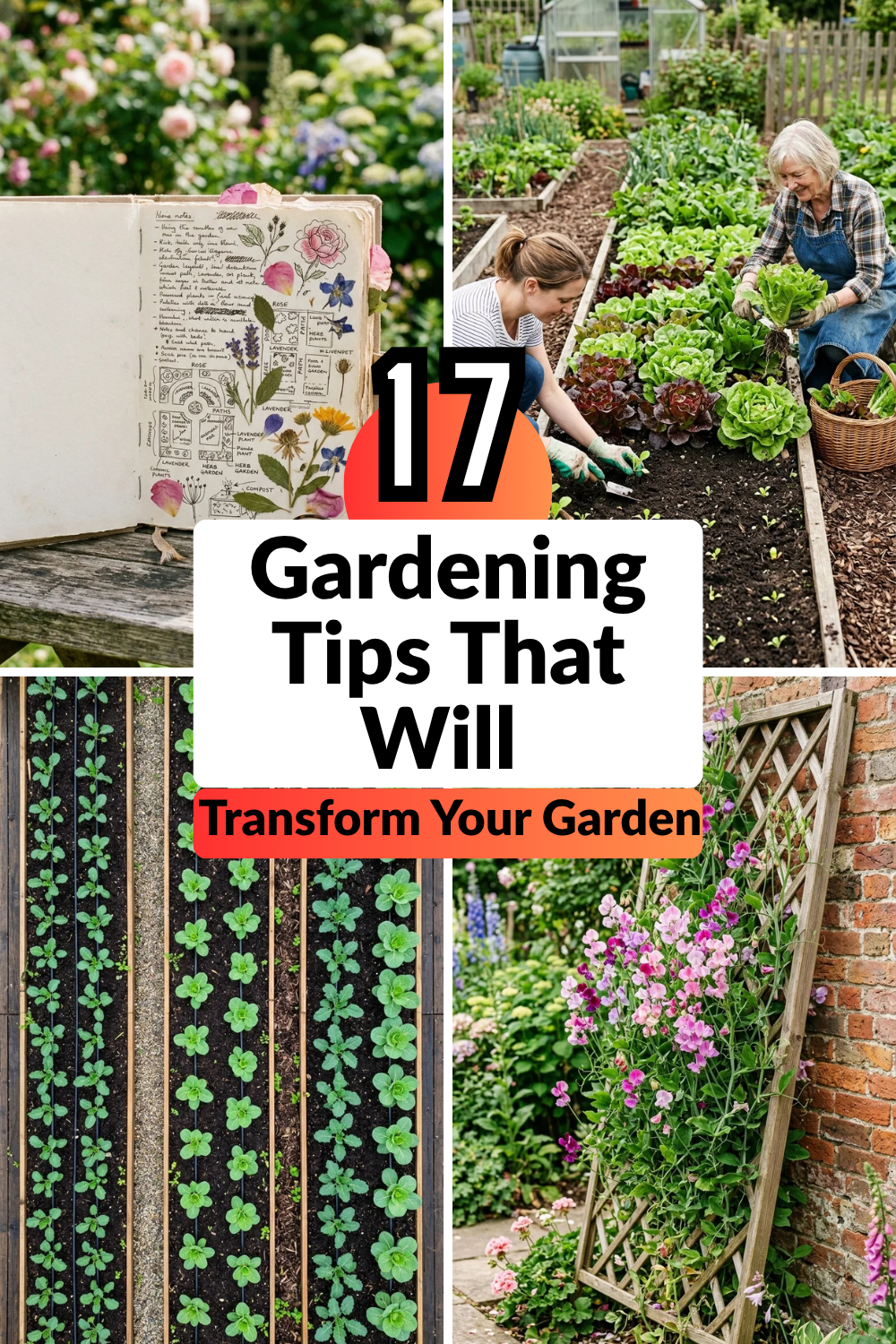
Gardening is more than just a hobby; it is a therapeutic journey that connects us to the earth and rewards our efforts with breathtaking beauty and sustenance. Whether you are a novice with a single balcony pot or a seasoned horticulturalist tending to an acre of land, there is always room for growth. To turn a struggling patch of dirt into a flourishing sanctuary, you need more than just a green thumb—ical knowledge and strategic planning are key. Here are 17 transformative tips to elevate your garden to its fullest potential.
1. Soil Health
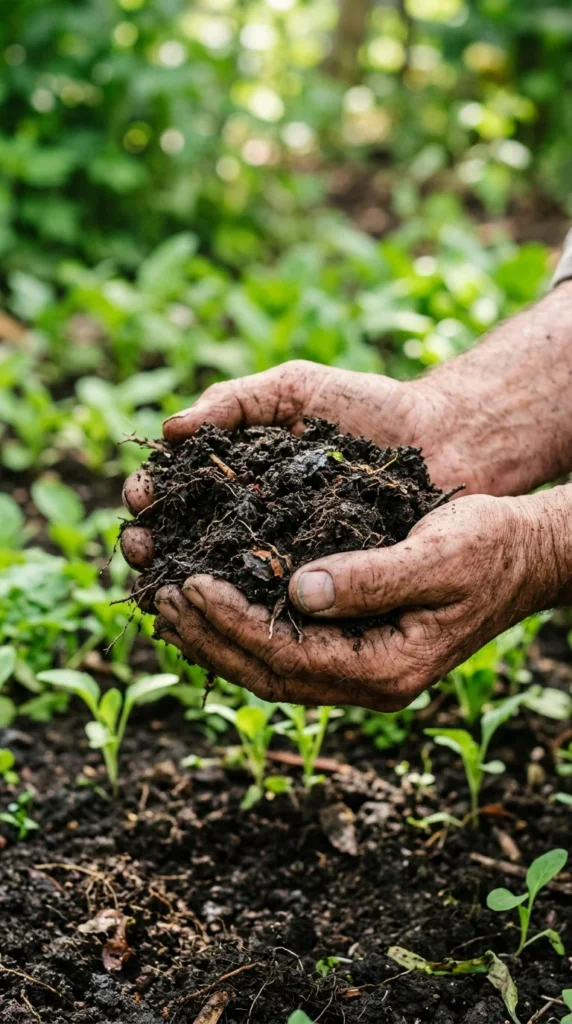
The foundation of every successful garden lies beneath the surface. Soil is not just “dirt”; it is a complex ecosystem of minerals, organic matter, and living organisms. Before you plant a single seed, you must understand your soil’s composition. Conducting a soil test is the most transformative step you can take. These tests reveal the pH levels and nutrient deficiencies of your ground. Most plants thrive in slightly acidic to neutral soil (pH 6.0 to 7.0). By amending your soil with lime to raise pH or sulfur to lower it, you create a hospitable environment where roots can easily absorb nutrients.
2. Native Species
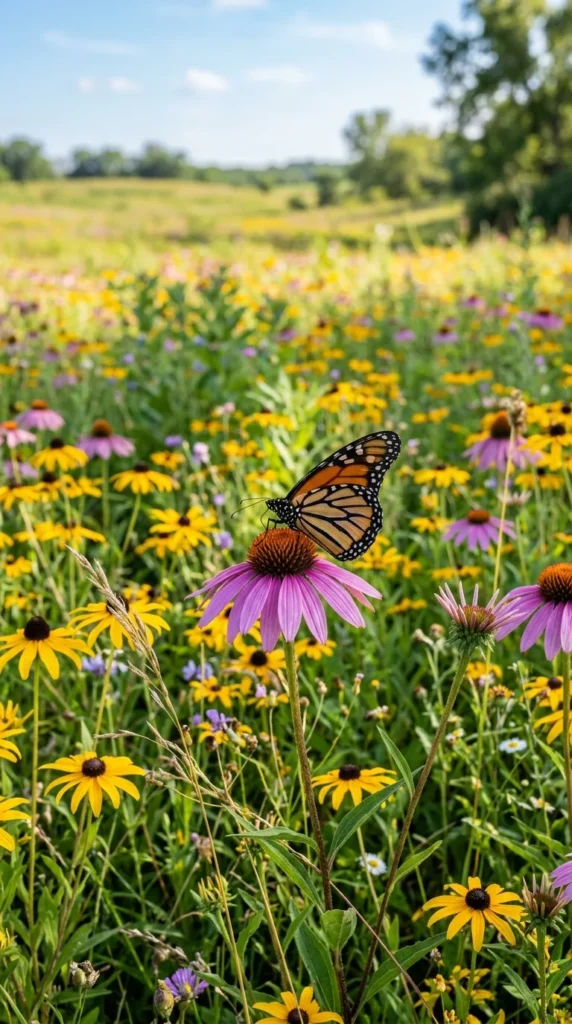
One of the most common mistakes gardeners make is fighting against their local environment. Choosing plants that are native to your specific region is a game-changer. Native species have spent thousands of years adapting to your local climate, soil types, and rainfall patterns. They require significantly less water, fewer fertilizers, and are naturally resistant to local pests. By integrating native flora, you not only ensure a more resilient garden but also provide essential habitats for local wildlife, creating a balanced and sustainable ecosystem.
3. Composting
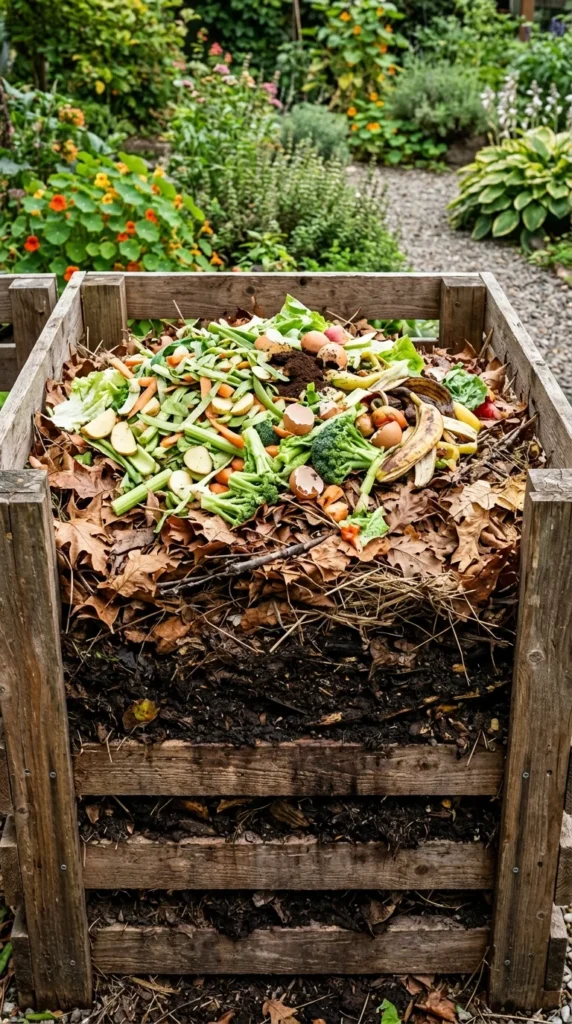
Often referred to as “black gold,” compost is the ultimate fertilizer. Instead of relying on synthetic chemicals that can degrade soil health over time, composting allows you to recycle kitchen scraps and yard waste into a nutrient-dense additive. This process improves soil structure, helps with moisture retention, and introduces beneficial microbes that suppress plant diseases. Regularly top-dressing your beds with an inch of finished compost will provide a slow-release source of energy that keeps your plants vibrant throughout the growing season.
4. Mulching
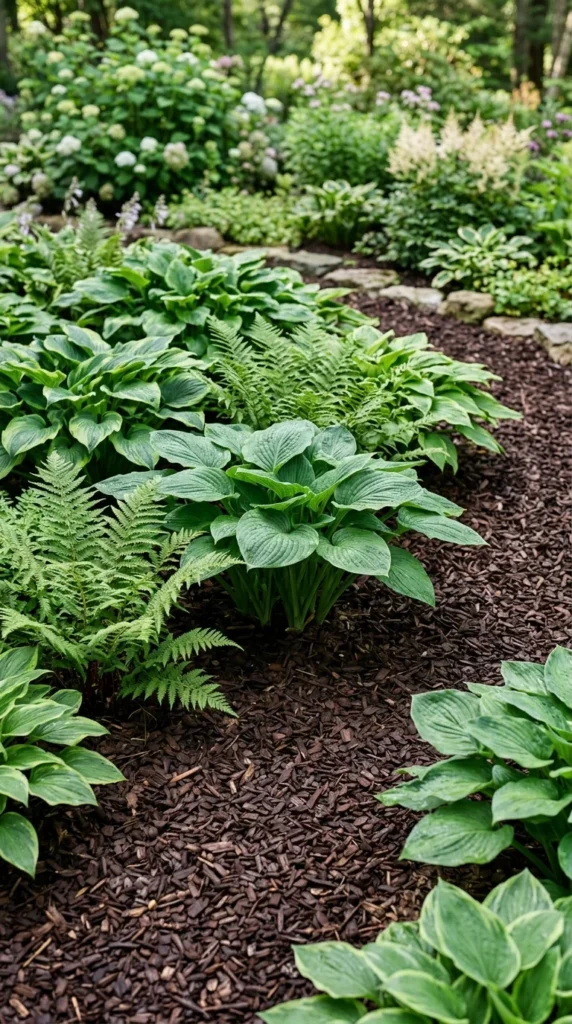
Mulching is the secret weapon of low-maintenance gardening. By applying a layer of organic material—such as wood chips, straw, or shredded leaves—over your soil, you perform three vital tasks at once. First, mulch acts as an insulator, keeping the soil cool in the summer and warm in the winter. Second, it suppresses weed growth by blocking sunlight from reaching weed seeds. Finally, it significantly reduces water evaporation, meaning you spend less time watering and more time enjoying your outdoor space.
5. Deep Watering
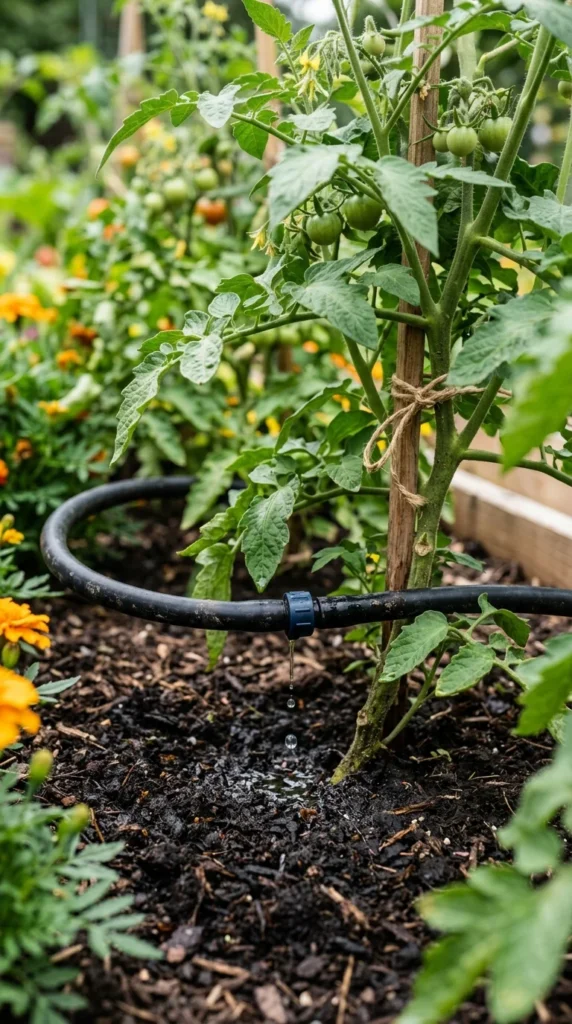
Many gardeners make the mistake of light, frequent watering. This encourages shallow root systems that make plants vulnerable to drought. To transform your garden’s resilience, shift to a “deep and infrequent” watering schedule. By soaking the ground thoroughly, you encourage roots to grow deep into the earth in search of moisture. This results in sturdier, more self-sufficient plants. Furthermore, always aim for the base of the plant rather than the leaves to prevent fungal diseases like powdery mildew.
6. Companion Planting
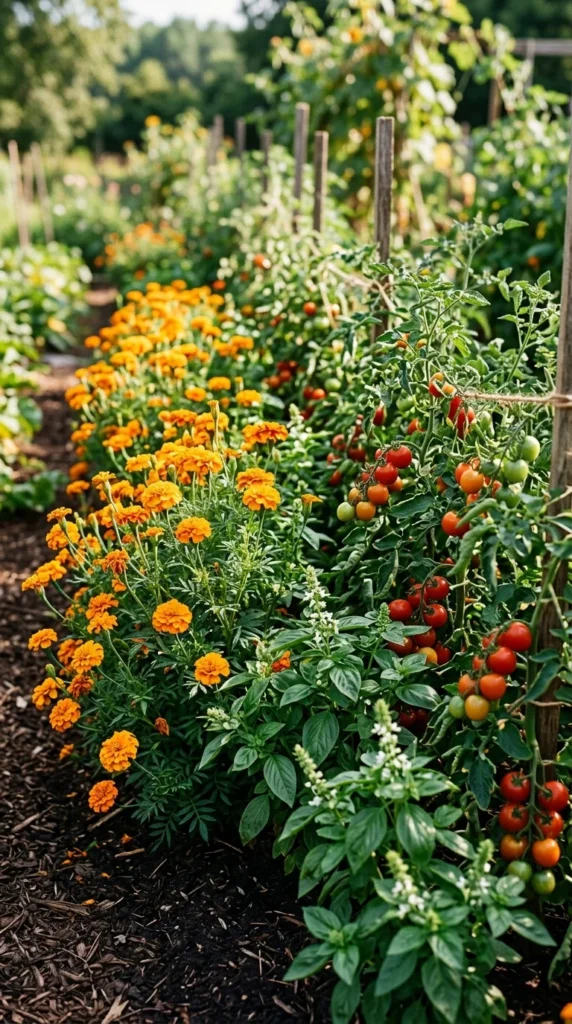
Plants, much like people, have “friends” that help them thrive. Companion planting is the strategic placement of different species together to enhance growth or provide pest protection. For example, planting marigolds near your vegetables can deter harmful nematodes and aphids with their strong scent. Similarly, the classic “Three Sisters” method—planting corn, beans, and squash together—allows the corn to provide a trellis for the beans, while the beans fix nitrogen in the soil, and the squash leaves act as a living mulch to keep the ground cool.
7. Vertical Gardening
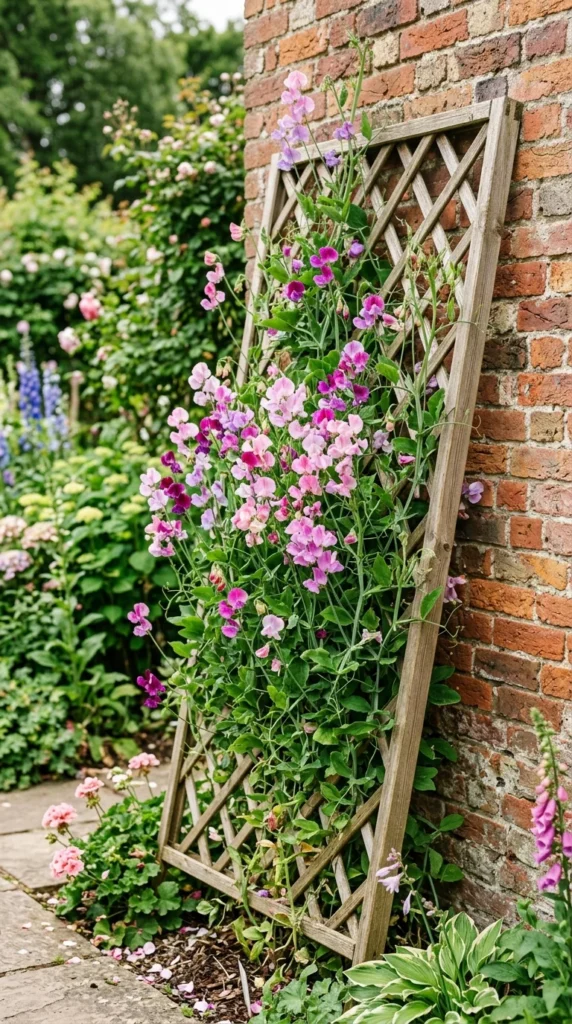
If you are limited on space, look up. Vertical gardening is a transformative technique that maximizes your growing area by using trellises, arbors, and hanging planters. This is particularly effective for vining vegetables like cucumbers, peas, and pole beans. Beyond saving space, vertical gardening improves air circulation around the foliage, which is critical for preventing rot and disease. It also makes harvesting much easier on your back and keeps fruit off the ground where it might be eaten by slugs or rodents.
8. Tool Maintenance
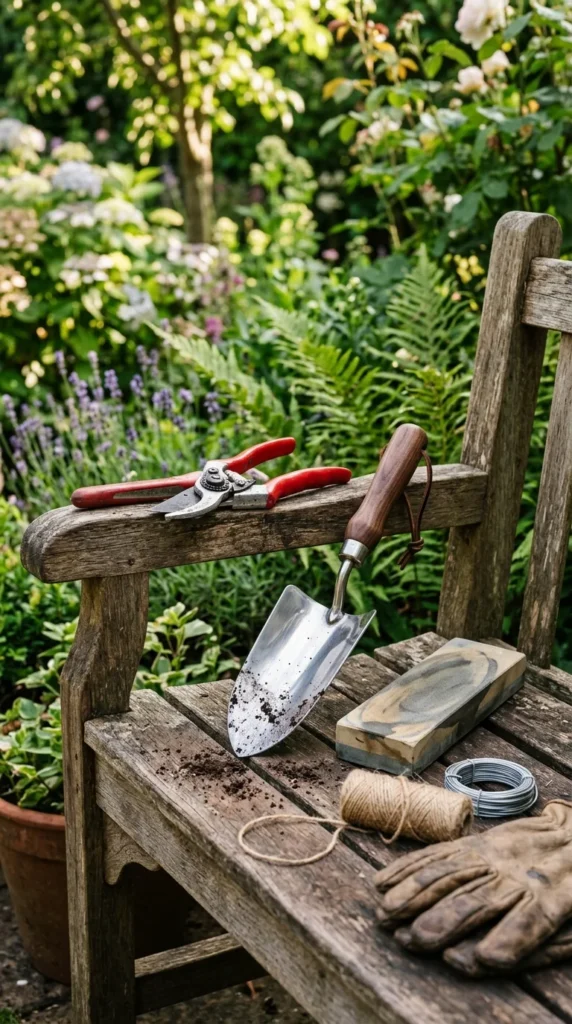
A gardener is only as good as their tools. Using dull or rusty pruners is not just a physical chore; it is harmful to your plants. Dull blades crush stems rather than cutting them, leaving ragged edges that are susceptible to infection. Once a season, take the time to sharpen your blades and oil the joints of your shears. Cleaning your tools with a mild bleach solution after working with diseased plants is also vital to prevent the spread of pathogens across your entire garden.
9. Deadheading
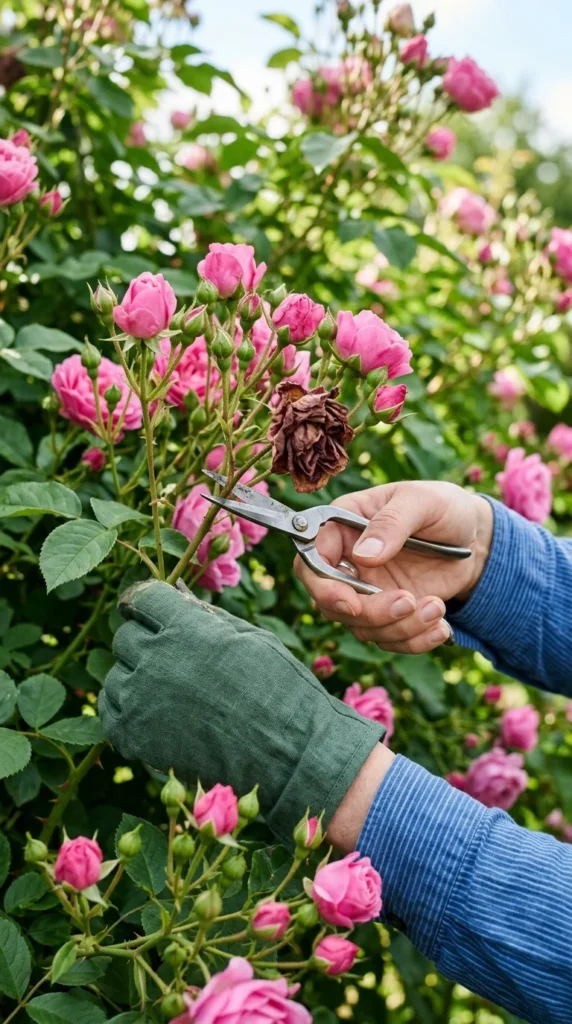
Deadheading is the process of removing faded or dead flowers from a plant. While it may seem like a purely aesthetic task, it serves a biological purpose. When a flower fades, the plant shifts its energy toward seed production. By snipping off the dead blooms, you signal to the plant that it hasn’t finished its reproductive cycle yet, prompting it to produce another flush of flowers. This simple habit can extend the blooming season of perennials and annuals by several weeks or even months.
10. Pollinator Support
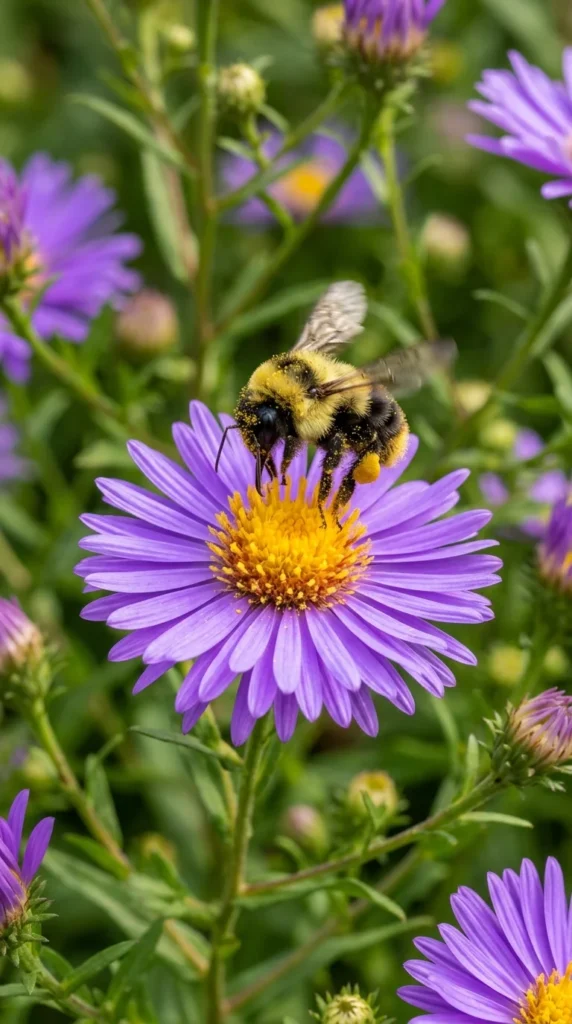
A garden without insects is a garden in decline. To truly transform your space, you must invite the pollinators. Bees, butterflies, and hoverflies are responsible for the fertilization of many fruits and vegetables. You can attract these beneficial visitors by planting a variety of flowering plants that bloom at different times throughout the year. Avoid using broad-spectrum insecticides, which kill the “good bugs” along with the “bad bugs.” A healthy population of pollinators ensures a bountiful harvest and a lively, buzzing atmosphere.
11. Raised Beds
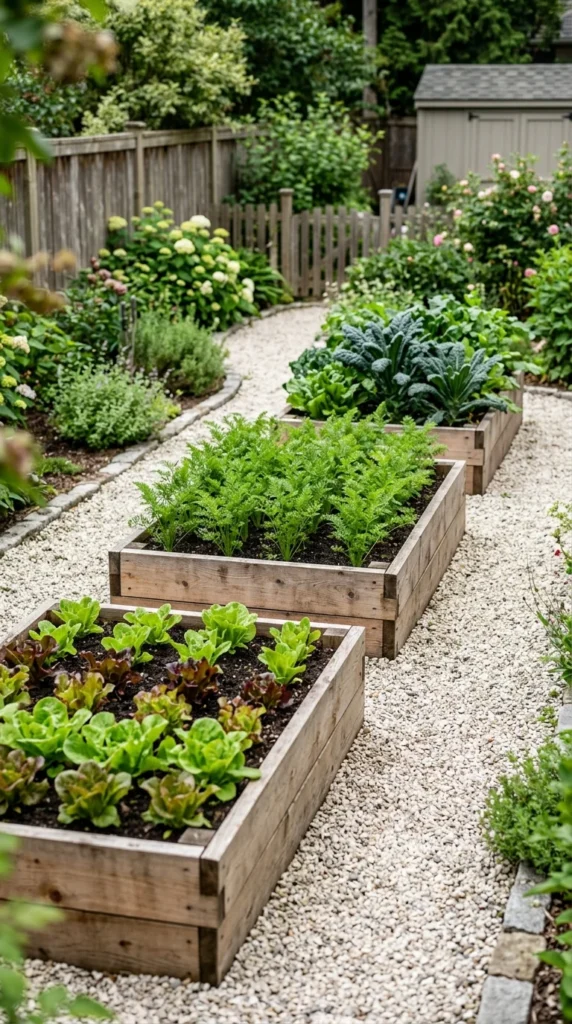
If you struggle with poor soil quality or physical limitations, raised beds are a transformative solution. These structures allow you to control the exact composition of your soil and provide excellent drainage. Because the soil in a raised bed isn’t walked on, it remains loose and airy, allowing roots to penetrate easily. Additionally, the elevated height makes gardening more accessible for those with back or knee issues, turning a grueling task into a comfortable pastime.
12. Plant Spacing
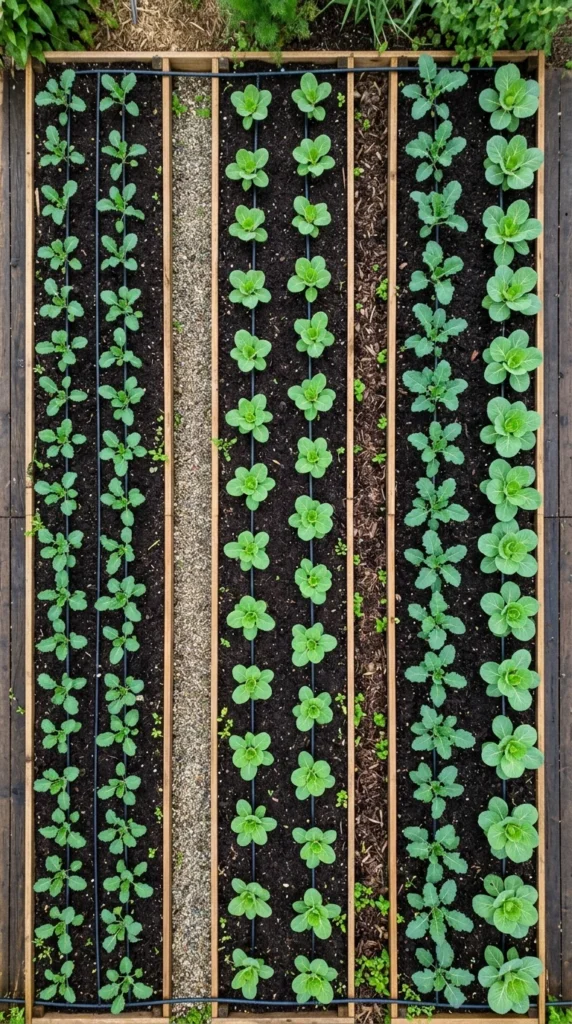
It is tempting to pack as many plants as possible into a small space, but overcrowding is a recipe for disaster. Plants need “elbow room” for several reasons. First, adequate spacing ensures that each plant has access to enough nutrients and water without competing with its neighbor. Second, and perhaps most importantly, spacing allows for air movement. Good airflow is the best defense against fungal outbreaks, which thrive in crowded, humid environments. Always follow the spacing guidelines on seed packets to ensure long-term health.
13. Sun Mapping
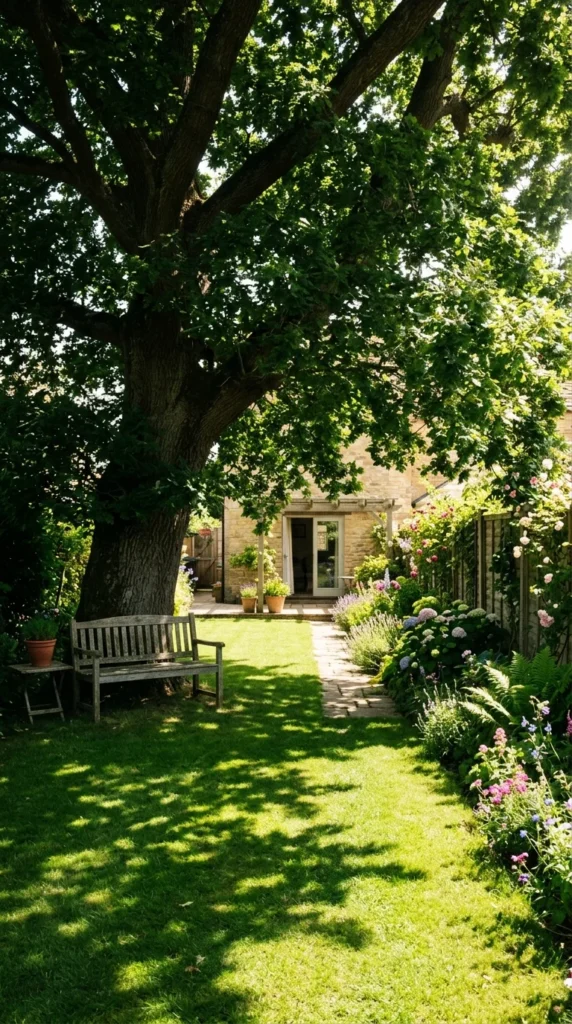
Light is the fuel for plant growth, but not all light is created equal. Before you plant, spend a day “sun mapping” your garden. Observe which areas get full sun (6+ hours), partial shade, or full shade. Placing a sun-loving tomato in a shady corner will result in a leggy, unproductive plant, while a shade-loving hosta will scorch in direct afternoon heat. Matching the plant’s light requirements to the specific microclimates of your yard is one of the most effective ways to guarantee success.
14. Organic Pest Control
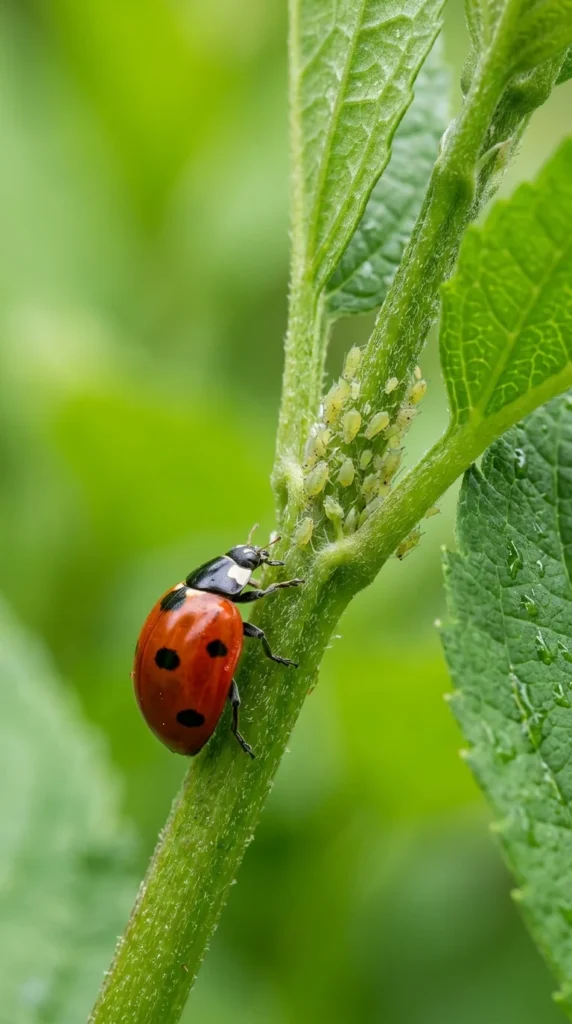
Pests are an inevitable part of gardening, but your response to them defines the health of your sanctuary. Instead of reaching for harsh chemicals, try integrated pest management. This involves using natural solutions first, such as spraying a blast of water to knock off aphids or using neem oil for fungal issues. Encouraging natural predators like ladybugs, lacewings, and birds can also keep pest populations in check. A balanced garden will usually have enough “good bugs” to manage the “bad” ones without human intervention.
15. Succession Planting
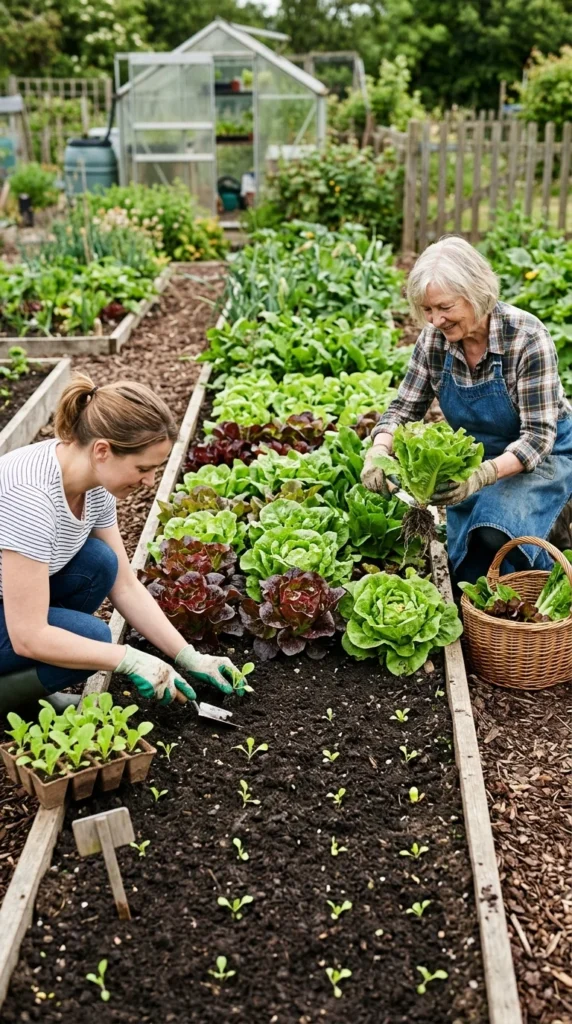
To avoid the “feast or famine” cycle of gardening, employ succession planting. Instead of planting your entire crop of radishes or lettuce at once, plant a small amount every two weeks. This ensures a steady, manageable harvest throughout the season rather than a massive surplus that goes to waste. You can also practice succession by replacing early-spring crops (like spinach) with heat-loving summer crops (like peppers) once the weather warms up, maximizing every square inch of your soil’s productivity.
16. Rain Barrels
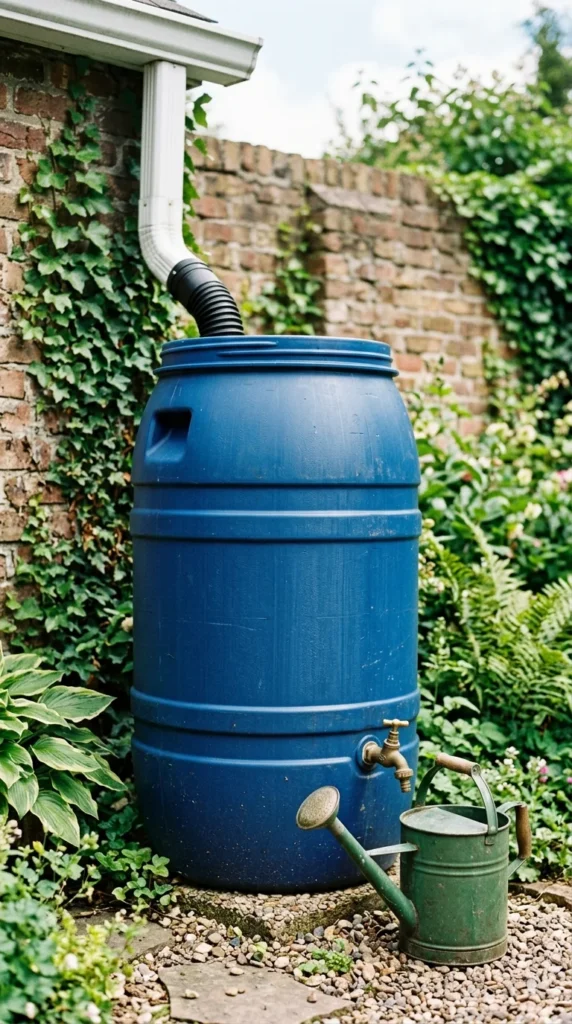
Water is a precious resource, and collecting rainwater is both environmentally friendly and beneficial for your plants. Rainwater is naturally soft and free of the chlorine and fluoride found in municipal tap water. By installing a rain barrel at the base of your gutter system, you can harvest hundreds of gallons of water during storms. This not only lowers your utility bills but also provides your garden with the pure, slightly acidic water that plants crave, especially during the dry spells of mid-summer.
17. Garden Journaling
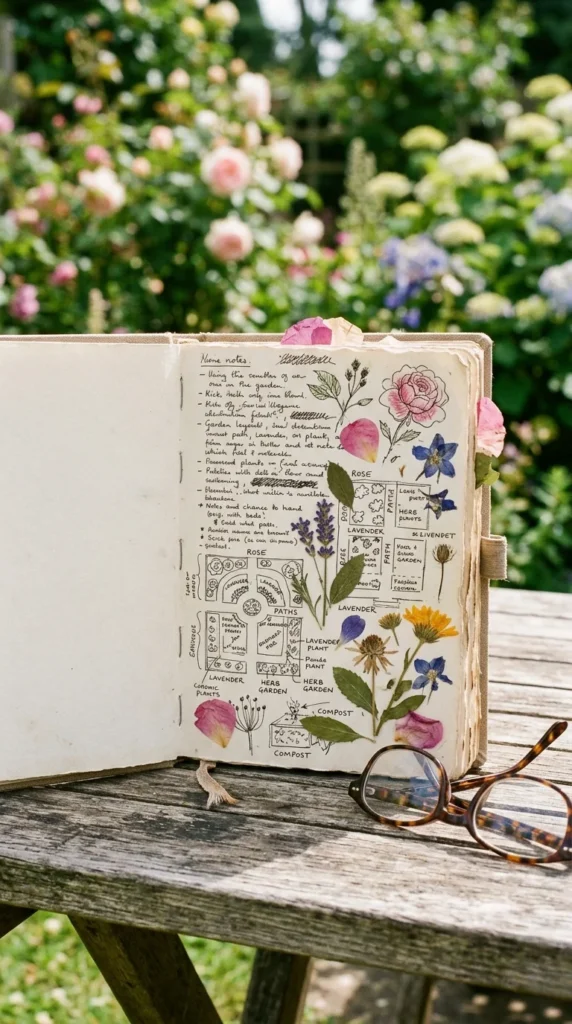
The most successful gardeners are those who learn from their own experiences. Keeping a garden journal allows you to track what worked and what didn’t. Note the dates you planted, when the first frost occurred, which varieties tasted the best, and where you encountered pest problems. Over the years, this journal becomes a personalized guidebook tailored specifically to your unique patch of earth. By recording these details, you transform your gardening from a series of guesses into a refined, masterful practice.